Source Handheld Infrared Skin Analyzer for Salon, Home, Clinic
Compare 30 Handheld Infrared Skin Analyzer options from verified suppliers. These devices support acne, pigmentation, and wrinkle analysis for home and commercial use with wireless connectivity and adjustable image clarity; compare the available evidence and request quotations based on your requirements.
Updated
Key considerations
Products List

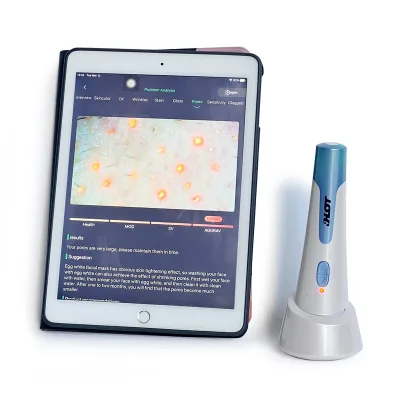
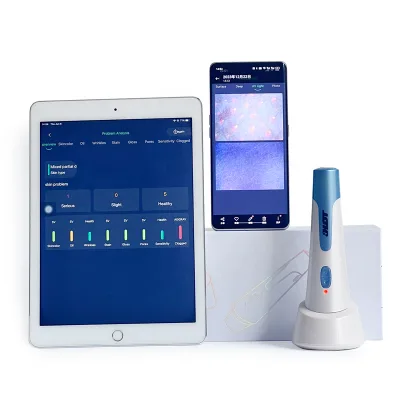
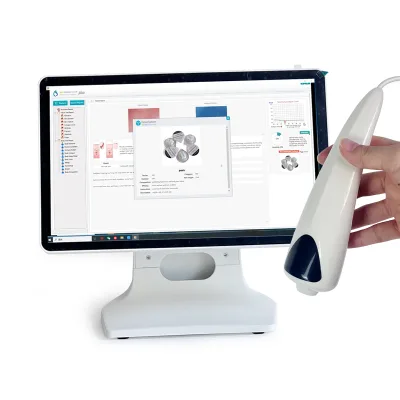
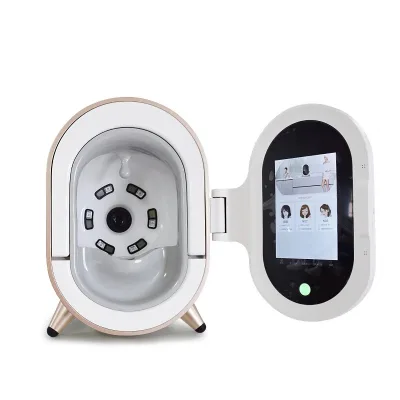

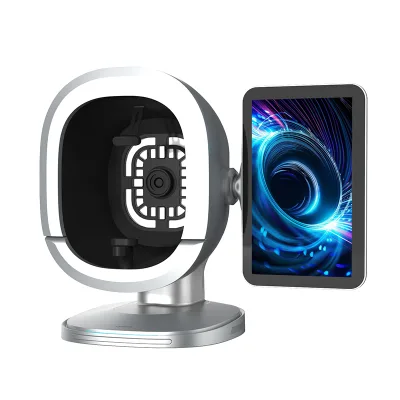
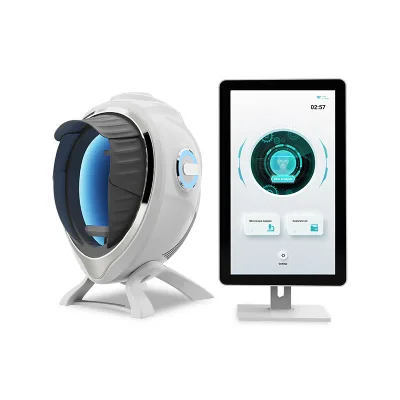
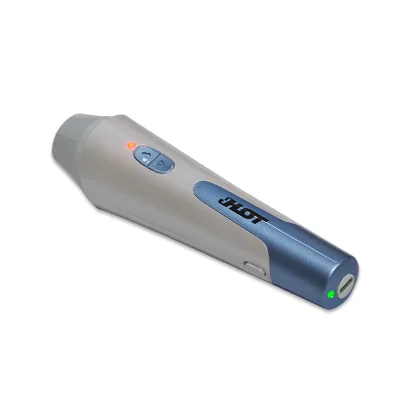
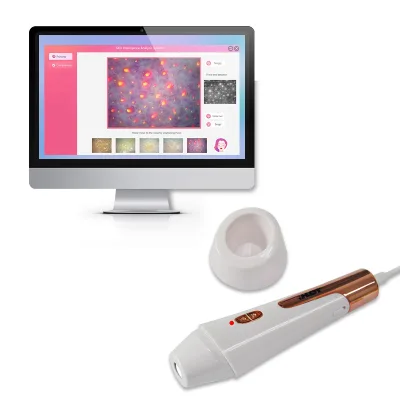
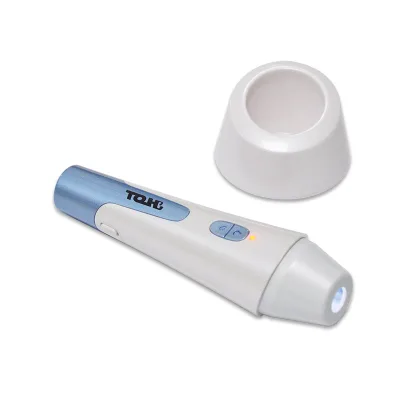
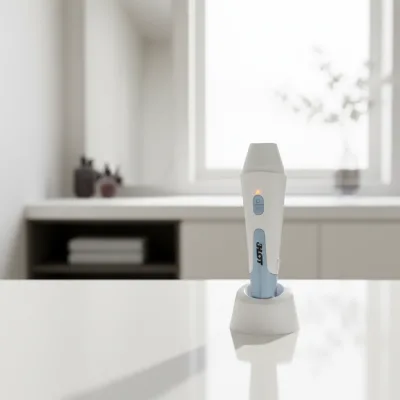
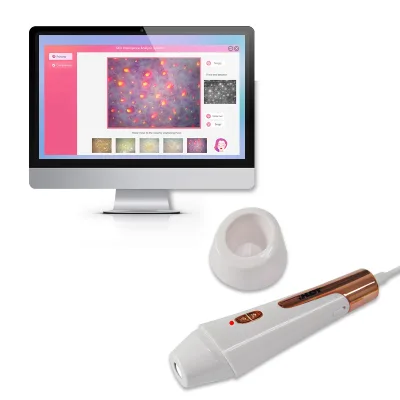


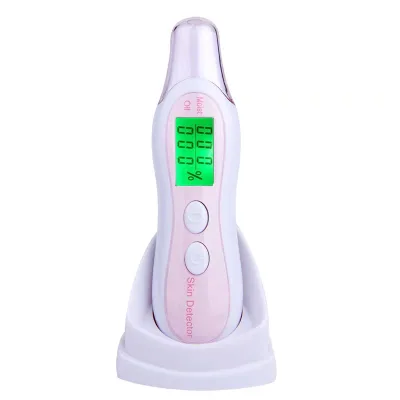
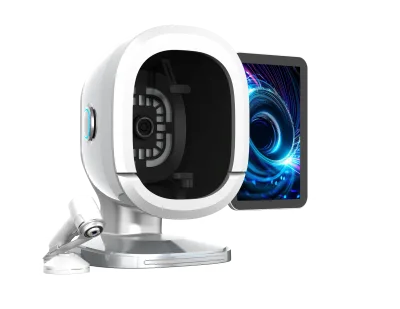
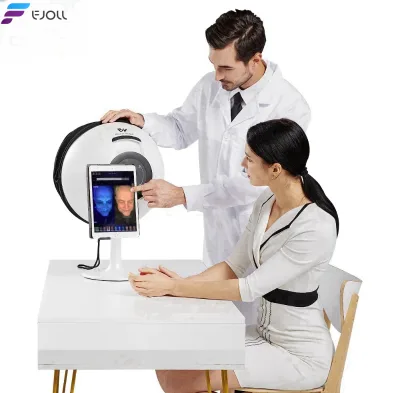
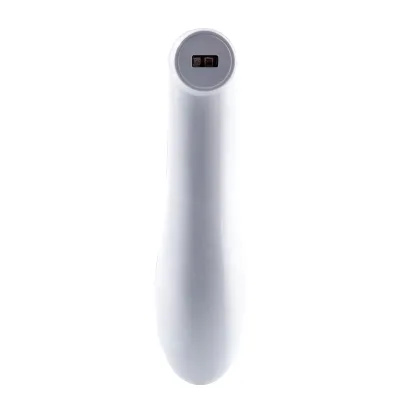
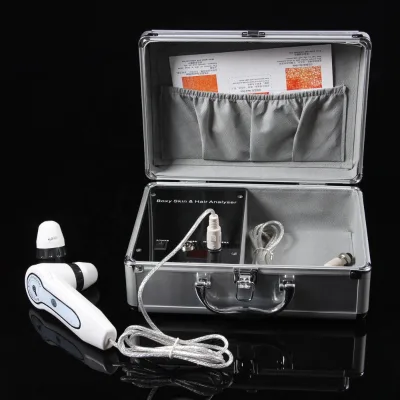
Intelligent Skin Analyzer Real-Time Online Skin Analysis with Diagnosis Report
$1375.00 - $1560.00
MOQ: 1 Pieces
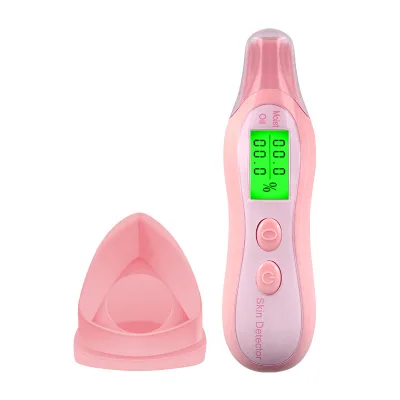





Comprehensive Sourcing Guide
Handheld Infrared Skin Analyzer Sourcing Guide
The Handheld Infrared Skin Analyzer market presents distinct opportunities for procurement teams seeking portable diagnostic tools for both salon and home environments. Current listings indicate a diverse range of models, such as the SK03 and GL-1200, which support wireless connectivity and operate on Android and iOS systems. Buyers must carefully distinguish between units designed for commercial use and those optimized for personal application, as the feature sets vary significantly regarding report generation and analysis depth.
Procurement strategies should prioritize verifying the specific hardware resolution and image clarity capabilities before finalizing orders. While some models offer adjustable image clarity and advanced blur reduction, others provide non-adjustable clarity with fixed specifications. Understanding these technical distinctions is essential for aligning product selection with the intended user base, ensuring that the acquired devices meet the precise diagnostic requirements of the target market without unnecessary over-specification.
Product Scope and Observed Listing Signals
Observed product listings reveal a wide price spectrum ranging from 2.5 to 1700 USD, reflecting the variance in features, build quality, and brand positioning across available inventory. The minimum order quantities fluctuate between single units and 1000 pieces, allowing flexibility for both small-scale retailers and large distributors. Buyers should note that while some units are marketed as single items, bulk purchasing may unlock specific commercial terms or customization options that are not immediately visible in standard retail listings.
The physical attributes of these devices, including weight and dimensions, vary considerably between models, with some weighing as little as 0.35kg while others reach 20kg. Packaging standards generally adhere to export requirements, yet specific gift box dimensions and single package sizes differ, impacting logistics planning and storage efficiency. Procurement teams must evaluate these physical constraints alongside the device's portability claims to ensure the selected inventory aligns with the intended distribution channels and end-user handling expectations.
Technical Specifications to Verify
Verification of hardware resolution and connectivity protocols is critical when sourcing these analytical devices, as specifications like 1600*1200PX are not universal across all models. Buyers must confirm whether the device supports wireless and WIFI connections simultaneously or if connectivity is limited to specific versions, such as the WIFI version or standard wireless variants. Ensuring compatibility with the intended operating systems, specifically Android and iOS, is a mandatory step to guarantee seamless data transfer and report generation capabilities.
The analytical features provided by the device, including acne, pigmentation, and wrinkle analysis, must be validated against the actual software capabilities of the specific model. Some units offer up to nine distinct reports, while others provide eight, and the ability to detect skin moisture varies by manufacturer. Procurement teams should request detailed technical datasheets that explicitly list the supported analysis types and report formats to avoid discrepancies between marketing claims and the actual diagnostic performance delivered to the end user.
Compliance and Safety Documentation
While general certification status such as CE is noted in background contexts, buyers must explicitly request and verify current compliance documentation for each specific model before proceeding with large orders. Safety standards for electronic devices intended for skin analysis require rigorous testing, and the absence of a specific certification claim in a listing does not imply non-compliance, but it does necessitate direct confirmation from the supplier. Procurement teams should demand valid test reports and safety certificates that correspond to the specific model number and manufacturing batch to mitigate regulatory risks in the target market.
Documentation regarding the power supply and plug types is equally vital, as listings indicate support for US, AU, UK, EU, and other regional standards. Buyers must ensure that the supplied units include the correct plug configurations for their destination markets to avoid costly retrofitting or returns. Additionally, verifying the warranty terms, which are often listed as one year, and the scope of after-sales support, including online and video technical assistance, is essential for establishing a reliable service framework for the purchased inventory.
Cost Drivers and Commercial Terms
The final cost of a Handheld Infrared Skin Analyzer is heavily influenced by the complexity of its analytical features, the quality of its hardware resolution, and the extent of its customization options. Models offering adjustable image clarity and comprehensive report generation typically command higher price points compared to basic units with fixed specifications. Buyers should analyze the total cost of ownership, including potential expenses for software updates, replacement parts, and extended warranty services, rather than focusing solely on the initial unit price.
Commercial terms such as minimum order quantities and lead times vary significantly, with some suppliers offering single-item sales while others require bulk commitments. The observed MOQ range of 1 to 1000 units suggests that negotiation leverage increases with order volume, potentially unlocking better pricing or faster shipping arrangements. Procurement teams should clarify payment terms, shipping responsibilities, and the specific conditions under which customization is available to ensure that the financial structure of the deal aligns with the organization's budget and operational timeline.
Supplier Qualification and Quality Control
Supplier qualification requires a thorough assessment of the manufacturer's origin and their established track record in producing electronic diagnostic equipment. Listings indicate origins in regions such as Guangdong and Beijing, China, but buyers must verify the specific factory capabilities and quality control processes employed by the supplier. Requesting samples for independent testing is a prudent step to validate claims regarding image clarity, report accuracy, and the durability of the device's physical components before committing to a larger purchase.
Quality control protocols should extend beyond the initial product inspection to include checks on packaging integrity and the consistency of the included accessories. The observed variation in gross weight and package dimensions suggests that packaging standards may differ between batches or models, necessitating a clear definition of acceptable tolerances in the purchase agreement. Establishing a robust quality assurance framework that includes pre-shipment inspections and post-delivery feedback loops is essential for maintaining product reliability and customer satisfaction in the long term.
Long-Term Procurement Checks
Sustaining a successful procurement relationship involves regular monitoring of after-sales service performance and the availability of technical support channels. Buyers should verify that the supplier maintains responsive online support and video technical assistance capabilities, as these services are critical for resolving user issues and minimizing downtime. Establishing clear communication protocols for warranty claims and field maintenance services ensures that any hardware failures can be addressed promptly, protecting the investment in the product line.
Long-term viability also depends on the supplier's ability to provide software updates and maintain compatibility with evolving operating systems. As the market for skin analysis technology advances, the device's ability to generate accurate reports and integrate with new platforms will determine its continued relevance. Procurement teams should negotiate clauses that guarantee access to firmware updates and technical documentation, ensuring that the acquired inventory remains functional and competitive throughout its intended lifecycle.
FAQs
What features does the Cosnext SK03 skin analyzer offer?
The Cosnext SK03 provides acne, pigmentation, and wrinkle analysis along with moisture detection. It supports Android and iOS devices via wireless connection. The unit includes eight detailed reports and features a lightweight design suitable for both salon and home use environments.
Can the GL-1200 skin analyzer be customized for specific needs?
Yes, customization is available for the GL-1200 model. It features a touch screen and non-adjustable image clarity. The device supports multiple plug types including US, UK, and EU standards, making it adaptable for various international commercial and home application requirements.
What is the warranty period for these handheld skin analyzers?
Both the Cosnext SK03 and the GL-1200 models come with a one-year warranty. After-sales support includes online assistance and video technical guidance. The GL-1200 also offers field maintenance and repair services to ensure long-term operational reliability for buyers.
How portable are the wireless skin analysis devices listed?
The devices are designed for portability with wireless power supply options. The Cosnext SK03 weighs only 0.35kg net and measures 14.4x4cm. The GL-1200 is packaged in a 20x20x20cm box. Both models facilitate easy transport for professional salon or personal home use.
What image resolution do these skin analyzers provide?
The Cosnext SK03 offers adjustable image clarity with a hardware resolution of 1600x1200 pixels. It captures detailed skin conditions for accurate analysis. The GL-1200 model features a touch screen interface but has non-adjustable image clarity, focusing on straightforward operational simplicity for users.
Where are these skin analyzers manufactured and shipped from?
The Cosnext SK03 originates from Guangdong, China, while the GL-1200 is produced in Beijing, China. Both products are packed to export standards. Buyers can expect reliable shipping logistics from these major Chinese manufacturing hubs, ensuring timely delivery for international B2B procurement orders.