Source High CRI Acoustic Light for Offices, Schools, and Retail
Find 30 High CRI Acoustic Light options with customizable features like dimming and varied color temperatures. Compare specifications including lumen output, beam angles, and installation types from verified suppliers in China; compare the available evidence and request quotations based on your requirements.
Updated
Key considerations
Products List


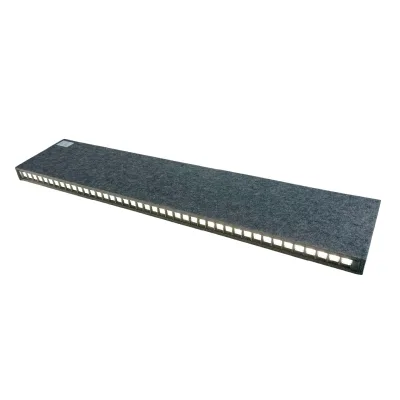
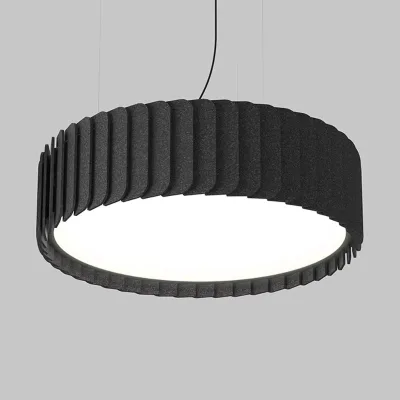
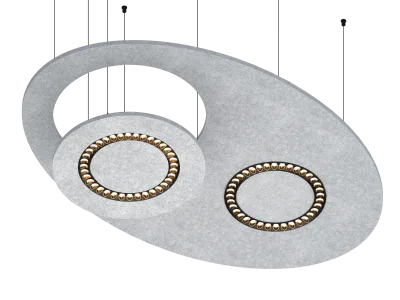
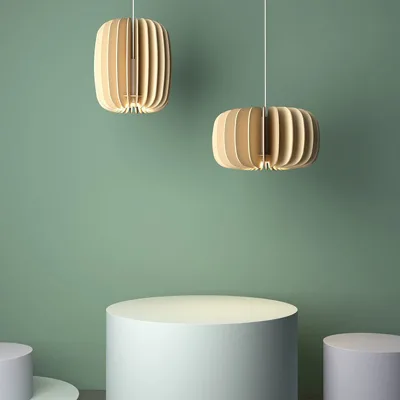
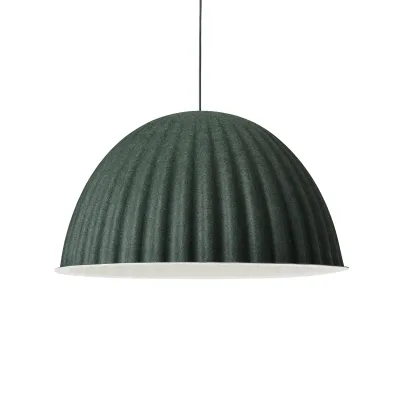
Acoustic Function Oval Shape Pendant Light with Different Diameters High Quality
$210.00 - $240.00
MOQ: 1 Pieces

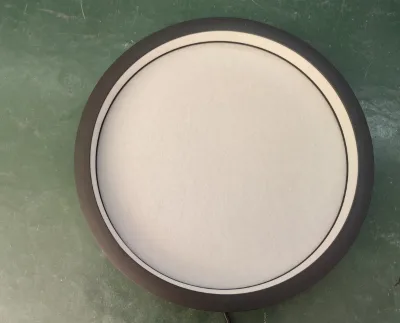
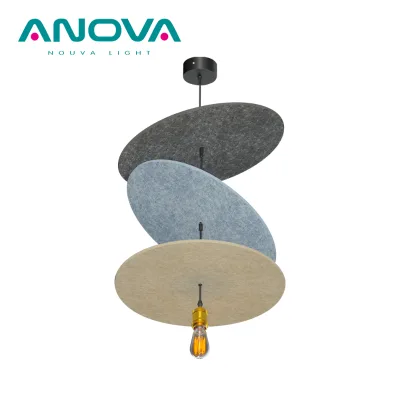
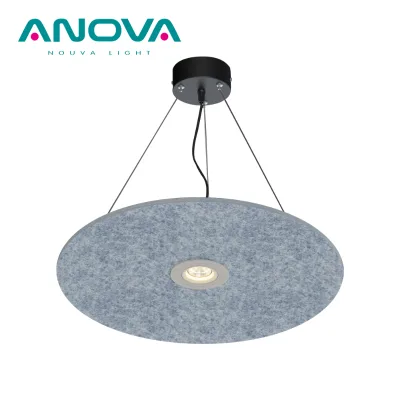
Acoustic Round Shape LED Light with Different Colors Change High Quality
$210.00 - $240.00
MOQ: 1 Pieces


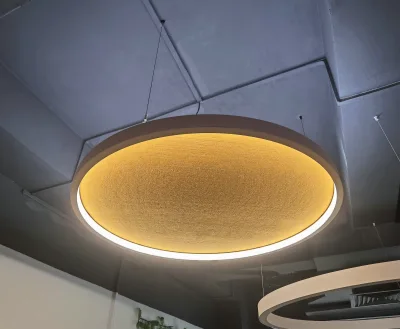
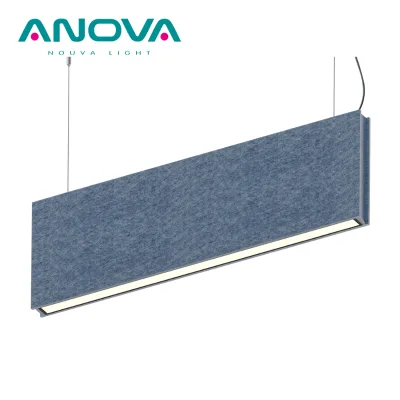
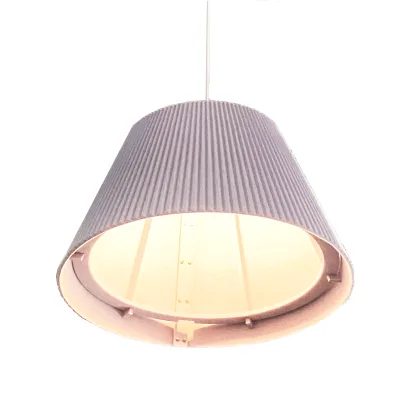
Professional Acoustic Ring Lighting for High School Classrooms and Study Areas
$43.20 - $165.74
MOQ: 1 Pieces
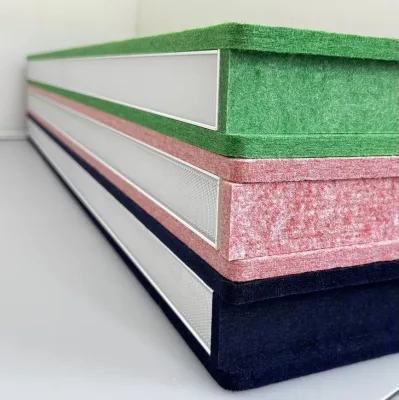
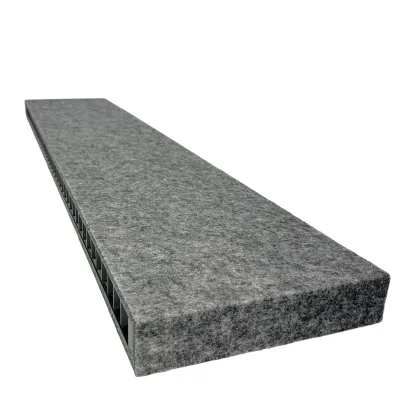
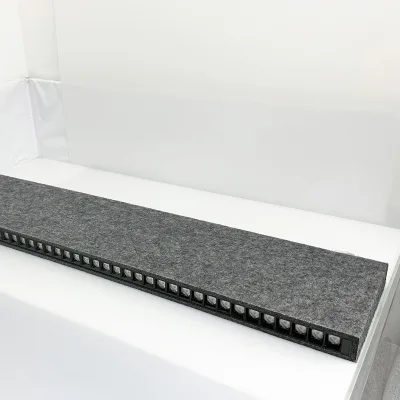
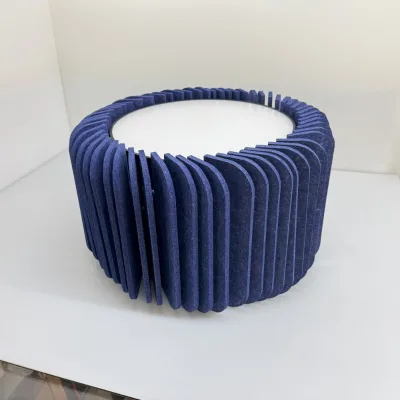

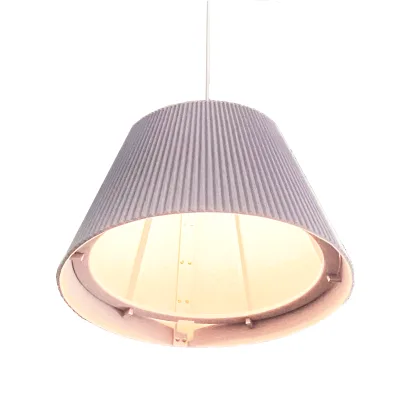
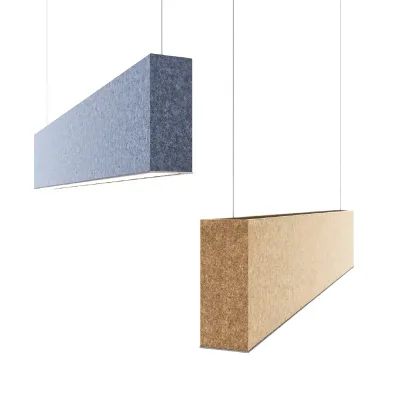


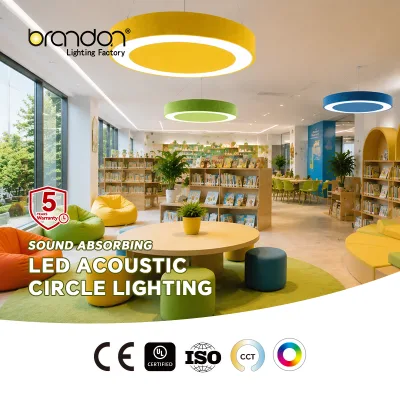
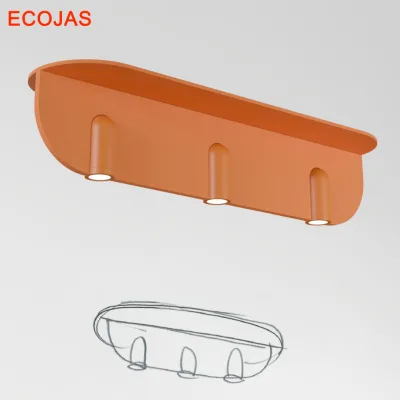
Comprehensive Sourcing Guide
High CRI Acoustic Light Sourcing Guide
Procuring high CRI acoustic lighting requires balancing visual fidelity with sound absorption capabilities, a niche where specific product attributes define suitability. Buyers must verify that the selected units offer a Color Rendering Index exceeding 80 or 90 to ensure accurate color representation in critical environments. The observed market data indicates that these fixtures often combine LED sources with acoustic panel finishes, creating a dual-function solution for modern commercial spaces.
The sourcing strategy should prioritize suppliers who explicitly list customization options for both the acoustic finish and the lighting output. Evidence suggests that models like the Acoustic Halo LC4080 and EN-ACT/ACL series provide the necessary flexibility for tailored projects. Procurement teams should focus on verifying the specific lumen efficacy, which ranges from 100 to 120 lumens per watt, to ensure energy efficiency meets the facility's sustainability goals without compromising light quality.
Product Scope and Observed Listing Signals
The current market for high CRI acoustic lights features a diverse range of form factors, including suspended and surface-mounted configurations. Listings indicate that these products often utilize aluminum bodies, such as Aluminum 6035-T5, to ensure durability while maintaining a sleek aesthetic. The observed specifications include various diameters and lengths, ranging from 0.45 meters up to 5.0 meters, allowing for scalable deployment across different room sizes and ceiling heights.
Buyers should note that the product scope extends beyond simple illumination to include integrated acoustic performance. The available data highlights that these units often feature a specific finished color matching acoustic panel color palettes, ensuring visual cohesion. Furthermore, the installation methods vary from suspended systems to recessed mounting, providing the versatility needed for complex architectural designs where both light and sound control are paramount.
Technical Specifications to Verify
When evaluating technical performance, the Color Temperature (CCT) is a critical variable that must align with the intended atmosphere of the space. The observed listings offer a spectrum from Warm White to Cool White, with specific options including 3000K, 4000K, and 6000K, alongside daylight alerts at 5000K. Procurement teams must confirm that the selected CCT matches the design intent, as this directly impacts the perceived comfort and functionality of the environment.
Beam angle and luminous flux are equally essential parameters that dictate the lighting distribution and efficiency. The data shows beaming angles of 45° and 60°, with luminous flux ratings between 100 and 110 lumens per watt. Buyers should verify the Power Factor, which is observed at 0.95 in high-quality units, to ensure grid compatibility and minimize energy waste. Additionally, the lifespan of 50,000 hours suggests a long-term investment, but this must be validated against the specific operating conditions of the installation site.
Compliance and Safety Documentation
Regulatory compliance is a non-negotiable aspect of sourcing high CRI acoustic lighting, particularly for international projects. The observed product attributes consistently list CE and RoHS certifications, indicating adherence to European safety and environmental standards. Buyers must request current test reports to confirm that these certifications are valid for the specific batch of goods being purchased, as regulatory requirements can vary by region and change over time.
Electrical safety and material safety are further verified through the voltage and material specifications provided in the product data. The units are designed to operate on a wide voltage range of 90-260V or AC100-277V, ensuring compatibility with various global power grids. Furthermore, the use of Aluminum 6035-T5 for the shell and body materials suggests a focus on fire resistance and structural integrity, which are critical for meeting building codes in commercial and public spaces.
Cost Drivers and Commercial Terms
The pricing structure for high CRI acoustic lighting is influenced by the complexity of the acoustic integration and the customization level required. The observed price range spans from 6.6 to 500 USD, reflecting the difference between standard off-the-shelf units and bespoke solutions with specific finishes or dimensions. Buyers should anticipate that custom colors, unique sizes, or specialized dimming functions will significantly increase the unit cost compared to standard configurations.
Minimum Order Quantities (MOQ) and packaging standards also play a vital role in the total cost of ownership. The market data indicates an MOQ range of 1 to 200 units, offering flexibility for both small pilot projects and large-scale deployments. Packaging is typically standardized as one piece per carton, but buyers should verify if bulk shipping discounts apply for larger orders. Understanding these commercial terms helps in budgeting accurately and negotiating favorable terms with suppliers.
Supplier Qualification and Quality Control
Selecting a qualified supplier requires a thorough review of their manufacturing capabilities and quality assurance processes. The observed product origins are primarily in Shenzhen and Guangdong, China, regions known for advanced lighting manufacturing. Buyers should verify the supplier's ability to provide detailed project services, such as DIALux evo layout and auto CAD layout, which demonstrate a commitment to technical support and design integration.
Quality control extends beyond the final product to include the consistency of the acoustic and lighting performance. Suppliers should be able to provide evidence of their production standards, such as the specific model numbers like EN-RH65 or EN-RL-0.56M, which indicate a structured product line. It is essential to confirm that the supplier maintains strict controls over the finished color and material consistency to ensure that every unit meets the high CRI and acoustic requirements specified in the initial order.
Long-Term Procurement Checks
Sustaining a successful procurement relationship involves regular checks on product longevity and after-sales support. The observed lifespan of 50,000 hours is a key metric, but buyers must establish protocols for monitoring actual performance in the field. This includes tracking any deviations in lumen output or color shift over time, which could indicate issues with the LED drivers or the acoustic materials used in the fixture construction.
Future-proofing the procurement strategy requires verifying the availability of replacement parts and the supplier's capacity for ongoing support. The data shows that suppliers offer various dimming options, including 0-10V, Triac, and Dali dimming, which may require specific control systems. Buyers should ensure that the supplier can provide compatible drivers and control interfaces for the long term, preventing obsolescence and ensuring the lighting system remains functional and efficient throughout its intended service life.
FAQs
What certifications do high cri acoustic lights have?
These lights typically hold CE and RoHS certifications, ensuring compliance with international safety and environmental standards. This verification allows buyers to confidently source products for regulated markets without additional compliance testing. The certifications confirm that the materials and electrical components meet strict regulatory requirements for consumer and commercial use.
Can high cri acoustic lights be customized?
Yes, customization is available for these acoustic lighting solutions. Buyers can select specific shell colors such as black, white, gold, or silver to match interior design schemes. Additionally, installation options like suspended, surface ceiling, or recessed mounting allow for flexible integration into various architectural environments and acoustic panel configurations.
What is the typical lifespan of these lights?
The typical lifespan is 50,000 hours, providing long-term reliability for commercial and residential installations. This durability reduces maintenance frequency and operational costs over time. The extended service life is supported by high-quality LED sources and robust aluminum construction, ensuring consistent performance throughout the product's operational period without significant light degradation.
Which color temperatures are available for these lights?
Available color temperatures include warm white, cool white, and daylight options ranging from 3000K to 6000K. Specific models offer 5000K daylight, 4100K neutral white, and 6000K daylight alert settings. This variety allows buyers to select the precise lighting ambiance required for different spaces, enhancing visual comfort and aesthetic appeal in diverse environments.
How is the lighting flux performance defined?
The luminous flux performance is defined as 100 to 120 lumens per watt. This high efficiency ensures bright illumination while minimizing energy consumption. The consistent output supports energy-saving goals for large-scale projects. Buyers can rely on this metric to calculate total lighting requirements and estimate operational costs accurately for their specific installation needs.
What installation methods are supported for these lights?
Supported installation methods include suspended, surface ceiling, and recessed mounting. These options provide flexibility for different ceiling types and design requirements. The versatile mounting capabilities allow for seamless integration into acoustic panel systems. Buyers can choose the method that best suits their architectural constraints and aesthetic preferences for optimal visual and acoustic performance.