Source Minimalist Wooden Dough Bowl for storage, decor, and serving
Compare 30 Minimalist Wooden Dough Bowl options from verified suppliers in China. These solid wood bowls feature rustic designs, custom sizes, and FDA certifications for home storage and decoration; compare the available evidence and request quotations based on your requirements.
Updated
Key considerations
Products List
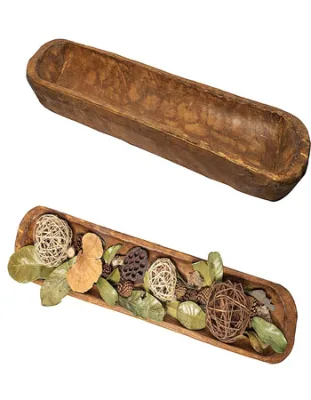
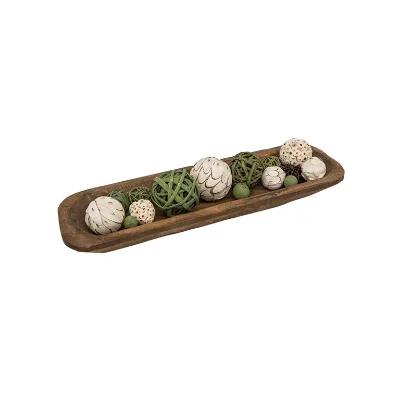
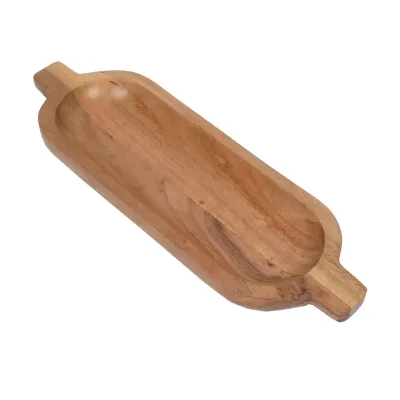


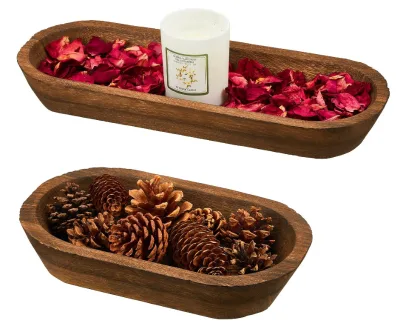
Rustic Bread Long Wooden Dough Bowl for Kitchen Dining Table Home Decoration
$2.7518 - $3.5637
MOQ: 500 pieces
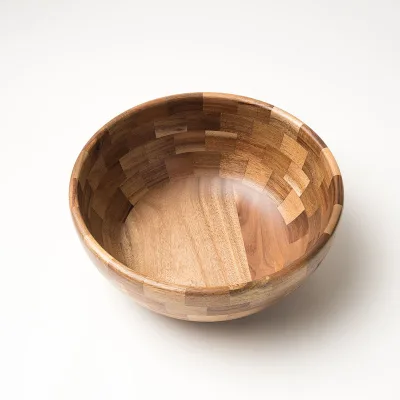
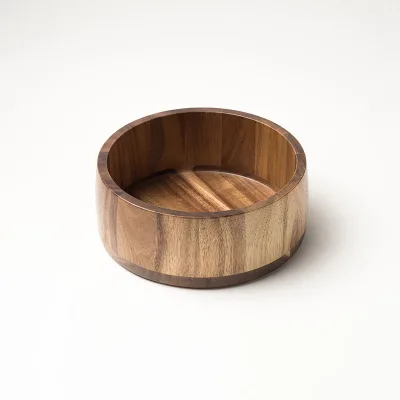
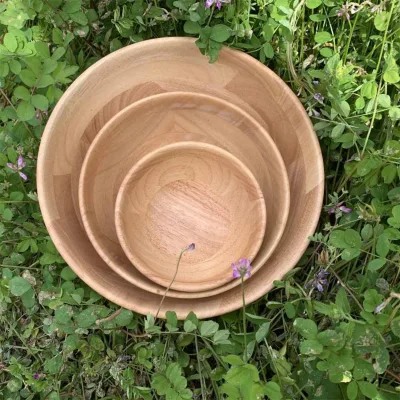

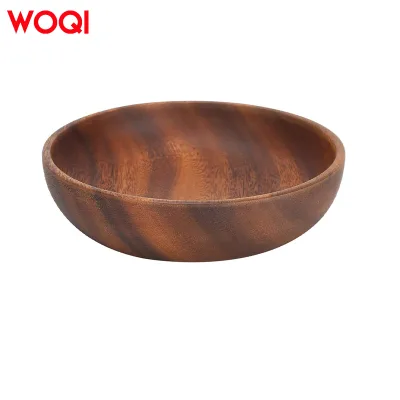

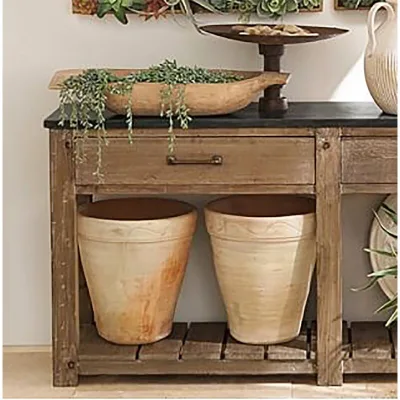
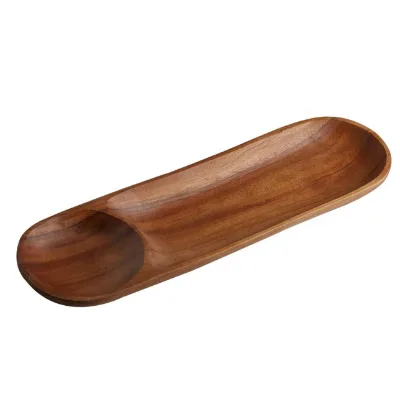
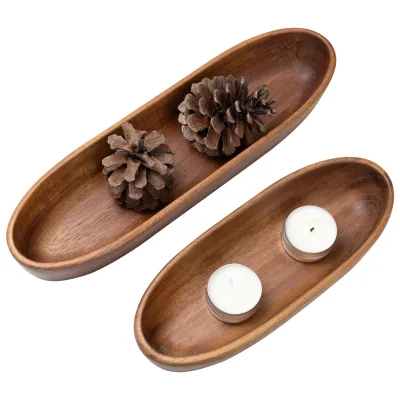

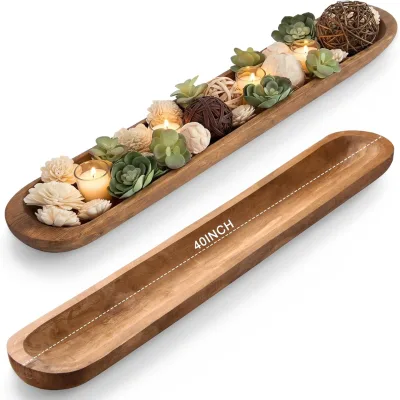
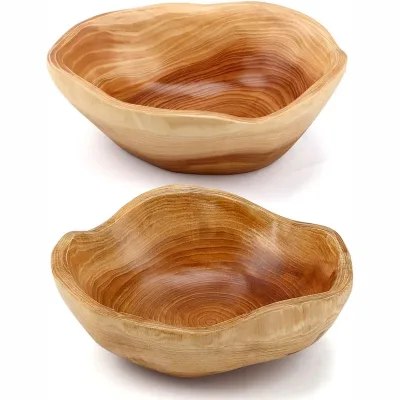
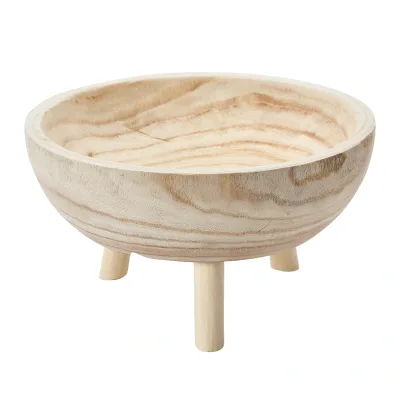


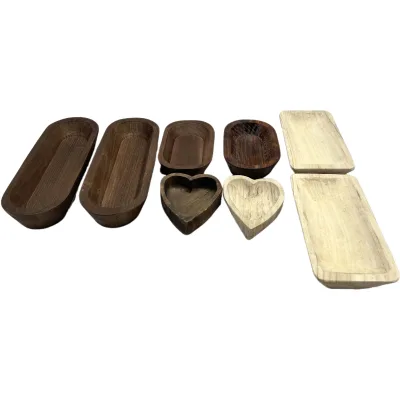
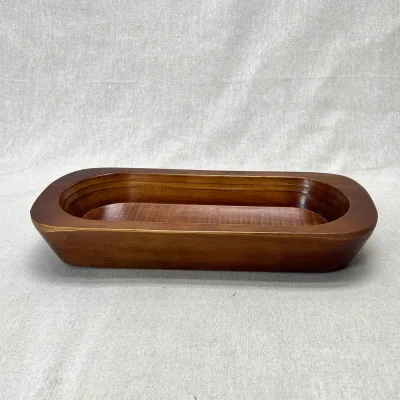
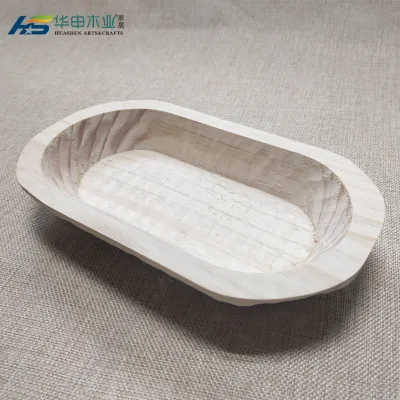
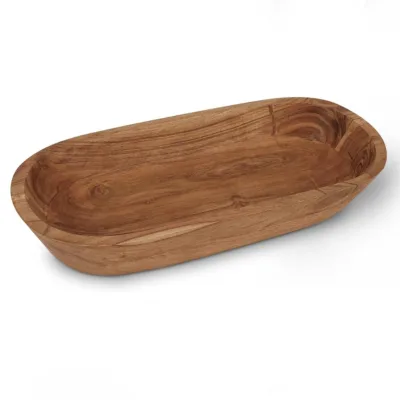
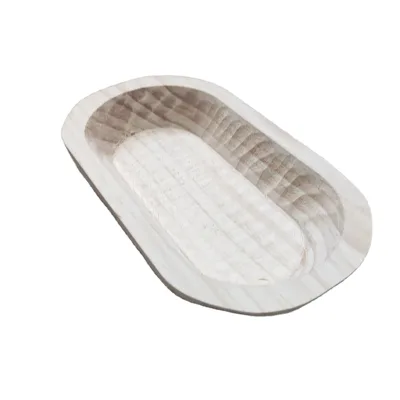

Natural Wood Reusable Food Safe Multipurpose Everyday Wooden Salad Bowl
$0.10 - $20.00
MOQ: 100 Pieces


Comprehensive Sourcing Guide
Minimalist Wooden Dough Bowl Sourcing Guide
Sourcing minimalist wooden dough bowls requires a careful balance between aesthetic simplicity and functional durability, particularly for buyers targeting modern home decor markets. The observed product landscape indicates a strong preference for solid wood construction, with specific listings highlighting materials such as solid wood and bamboo-composite blends. Buyers must recognize that "minimalist" in this context often aligns with rustic and vintage themes, featuring matte transparent oil coatings rather than high-gloss finishes. This aesthetic choice is not merely decorative; it signals a commitment to eco-friendly branding and natural material integrity, which are critical selling points for contemporary consumers who prioritize sustainability in their household items.
The procurement strategy must account for significant customization capabilities, as observed listings frequently offer tailored sizes, shapes, and logo placements. With model numbers like EGJ-260206-15 and EGJ-260401-02 appearing in the data, it is evident that suppliers operate with flexible production lines capable of handling OEM and ODM requests. However, this flexibility introduces complexity in quality control, as each customized order may require distinct tooling or finishing processes. Buyers should establish clear technical drawings and material specifications early in the negotiation phase to ensure that the minimalist design intent is preserved across different production batches, avoiding unintended deviations in grain pattern or bowl curvature.
Product Scope and Observed Listing Signals
The current market signals for wooden dough bowls reveal a diverse range of product attributes that buyers must navigate to find suitable suppliers. Observed data indicates that products are primarily categorized under home decor and storage solutions, with specific usage cases including salad bowls and general household decoration. The color palette is predominantly unicolor, featuring chocolate and white tones, which supports the minimalist aesthetic by avoiding busy patterns. Additionally, the installation method is consistently listed as tabletop, confirming that these items are designed for stationary display or use rather than portable or wall-mounted applications. This distinction is crucial for buyers evaluating logistics, as tabletop items often require robust packaging to prevent damage during transit.
Further analysis of the product scope highlights the importance of seasonal versatility and occasion flexibility. The observed listings specify "All Seasons" and "All" occasions, suggesting that these bowls are marketed as year-round essentials rather than seasonal novelties. This broad applicability increases the potential sales volume for buyers but also raises the bar for quality consistency, as the product must perform well in various environmental conditions. The single package size of 80x80x80 cm and a gross weight of 10 kg indicate that these are substantial, heavy-duty items, likely intended for commercial or bulk residential use. Buyers should verify if this weight includes protective packaging, as the actual product weight may be lower, impacting shipping cost calculations and warehouse storage requirements.
Technical Specifications to Verify
Verifying technical specifications is paramount when sourcing wooden dough bowls, as the observed data presents a mix of standardized and customized attributes. Buyers must confirm the exact diameter, with observed specifications indicating a size greater than 8 inches, which is a common standard for dough preparation bowls. However, the product size is also listed as "customized," meaning that buyers must provide precise dimensional requirements to avoid receiving ill-fitting inventory. The shape is similarly noted as customizable, requiring detailed geometric specifications to ensure the bowl meets ergonomic and functional needs. It is essential to distinguish between the single gross weight of 10 kg and the net product weight, as discrepancies here can lead to significant errors in freight cost estimation and inventory planning.
The manufacturing technique and finishing processes also require strict verification to ensure product quality and safety. Observed listings mention "Curve" techniques and "Painted" finishes, which may seem contradictory to a minimalist aesthetic but could refer to structural shaping or decorative accents. Buyers should clarify whether the finish is indeed a matte transparent oil coating, as this directly impacts the food-safe status and durability of the bowl. Additionally, the material composition varies between solid wood and bamboo-wood blends, each offering different durability and maintenance characteristics. Confirming the wood type and treatment process is critical, as untreated or improperly treated wood may warp or crack, leading to high return rates and customer dissatisfaction in the end market.
Compliance and Safety Documentation
Compliance and safety documentation are non-negotiable elements in the procurement of wooden dough bowls, especially when they are intended for food contact applications. The observed listings explicitly mention FDA and LFGB certifications, which are critical for accessing markets in the United States and Europe, respectively. Buyers must request valid, up-to-date certification documents from suppliers to verify that the materials and finishes used in production meet these stringent regulatory standards. It is important to note that certification status can change, so buyers should ensure that the certificates cover the specific product models and materials being ordered, rather than relying on generic supplier claims. This due diligence protects against potential customs delays and legal liabilities associated with non-compliant food-contact materials.
Beyond certifications, buyers should also verify the eco-friendly claims and disposal status of the products. The observed data indicates that the bowls are non-disposable and feature eco-friendly attributes, which aligns with global trends toward sustainable consumer goods. However, buyers must confirm the specific environmental standards or certifications that support these claims, such as FSC certification for wood sourcing or specific VOC emission limits for the oil coatings. Additionally, the customization options, including logos and packaging, must not compromise the safety of the product. For instance, printed logos must use non-toxic inks, and packaging materials should be recyclable or biodegradable to maintain the eco-friendly narrative. Ensuring that all components of the product and its packaging comply with target market regulations is essential for long-term brand reputation and market access.
Cost Drivers and Commercial Terms
Understanding the cost drivers and commercial terms is essential for effective budgeting and negotiation when sourcing wooden dough bowls. The observed price range of 0.1 to 49 USD suggests a wide variance in product quality, size, and customization levels. Buyers should recognize that lower prices may correspond to smaller sizes, simpler finishes, or higher minimum order quantities, while higher prices likely reflect premium solid wood materials, intricate curve techniques, and extensive customization options. The minimum order quantity (MOQ) ranges from 10 to 1000 units, offering flexibility for both small-scale testers and large-volume buyers. However, buyers must calculate the total landed cost, including shipping, tariffs, and insurance, as the heavy weight of 10 kg per unit can significantly impact freight expenses.
Commercial terms such as lead times and sample availability also play a crucial role in procurement planning. Observed data indicates a sample time of 5 to 10 days, which is relatively quick and allows for efficient product evaluation. However, the lead time for bulk production is listed as 30 to 35 days, which requires careful inventory management to avoid stockouts. Buyers should negotiate clear terms regarding payment schedules, such as deposits and balance payments upon shipment, and clarify responsibilities for shipping and insurance. Additionally, the availability of OEM and ODM services may incur additional tooling or setup fees, which should be factored into the overall cost analysis. Understanding these commercial dynamics helps buyers optimize their supply chain efficiency and maintain healthy profit margins.
Supplier Qualification and Quality Control
Supplier qualification and quality control are critical steps in ensuring that the sourced wooden dough bowls meet the desired standards of quality and reliability. Buyers should conduct thorough due diligence on potential suppliers, verifying their business licenses, production capabilities, and past performance records. Given the customization nature of the products, it is essential to assess the supplier's ability to maintain consistency across different batches and designs. This includes evaluating their quality control processes, such as incoming material inspections, in-process checks, and final product testing. Buyers should request detailed quality control plans that outline specific checkpoints for dimensions, finish quality, and material integrity, ensuring that any deviations are identified and corrected before shipment.
Furthermore, buyers should implement a robust sampling and inspection protocol to validate supplier performance. The observed sample times of 5 to 10 days allow for timely evaluation of product samples, which should be tested for durability, finish adhesion, and food safety compliance. Buyers may also consider hiring third-party inspection agencies to conduct pre-shipment inspections, particularly for large orders. These inspections can verify that the products match the approved samples and meet the agreed-upon specifications. Additionally, buyers should establish clear communication channels with suppliers to address any quality issues promptly and collaboratively. Building a strong relationship with suppliers based on transparency and mutual trust can lead to better cooperation and improved product quality over time, reducing the risk of defects and enhancing overall supply chain resilience.
Long-Term Procurement Checks
Long-term procurement checks are necessary to maintain the quality and competitiveness of the sourced wooden dough bowls in a dynamic market. Buyers should regularly review supplier performance metrics, including on-time delivery rates, defect rates, and responsiveness to issues. This continuous monitoring helps identify potential problems early and allows for proactive measures to mitigate risks. Additionally, buyers should stay informed about changes in market trends, consumer preferences, and regulatory requirements that may impact the product. For instance, evolving sustainability standards may require updates to material sourcing or packaging solutions, necessitating ongoing dialogue with suppliers to ensure compliance and innovation. By staying agile and responsive, buyers can adapt to market changes and maintain a competitive edge.
Moreover, buyers should consider diversifying their supplier base to reduce dependency on a single source and enhance supply chain resilience. This strategy can help mitigate risks associated with production disruptions, price fluctuations, or quality issues. Buyers should also invest in building strong relationships with key suppliers, fostering collaboration and mutual growth. This can lead to better pricing, priority production slots, and access to new product developments. Additionally, buyers should regularly update their product specifications and quality standards to reflect the latest industry best practices and consumer expectations. By continuously improving their procurement processes and supplier relationships, buyers can ensure the long-term success and sustainability of their wooden dough bowl offerings in the global market.
FAQs
What material is used for the wooden dough bowl?
The product is crafted from solid wood, ensuring durability and a rustic aesthetic. Some variations may incorporate bamboo and wood combinations. This natural material choice supports eco-friendly sourcing preferences and provides a sturdy structure for both storage and decorative purposes in home environments.
Can I customize the size and logo of the bowl?
Yes, customization is available for both size and branding. Buyers can request specific dimensions as the product size is customized. Additionally, OEM and ODM services are available, allowing for a customized logo to be applied. This flexibility supports unique branding needs for wholesale orders.
What certifications does the wooden dough bowl hold?
The product holds FDA and LFGB certifications, ensuring compliance with food safety standards. These credentials verify that the materials and finishing processes meet rigorous international requirements. This makes the bowl suitable for direct food contact applications, such as serving salads or storing ingredients safely.
What is the lead time for production and samples?
Sample production typically takes 5 to 10 days, depending on specific requirements. The standard lead time for bulk production orders is 30 to 35 days. These timelines allow for quality verification before mass manufacturing. Buyers should plan their procurement schedules accordingly to ensure timely delivery.
What is the minimum order quantity for this product?
The minimum order quantity ranges from 10 to 1000 units, offering flexibility for different buyer scales. This range accommodates both small trial orders and larger wholesale purchases. The adaptable MOQ structure supports various business models, from boutique retailers to large-scale distributors seeking rustic home decor items.
Where is the wooden dough bowl manufactured?
The product originates from Shandong, China, a region known for its woodworking expertise. This location supports efficient supply chain logistics and access to quality raw materials. Buyers sourcing from this area benefit from established manufacturing infrastructure and competitive pricing structures for solid wood home decor products.