Source Portable Classic Matcha Tea Set for tea drinking, travel, and home use
Explore 30 listings for a Portable Classic Matcha Tea Set featuring durable ceramic and bamboo options. Buyers can compare styles like Japandi and Asian Zen, check customization availability, and review delivery details from suppliers in China; compare the available evidence and request quotations based on your requirements.
Updated
Key considerations
Products List
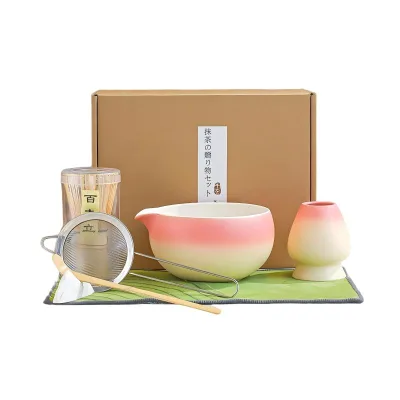
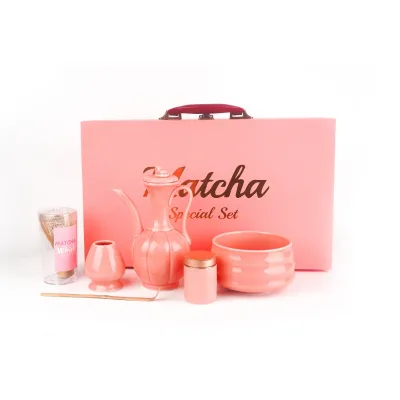


Customizable Wholesale Japanese Matcha Tea Set Traditional Ceramic Matcha Kit
$8.19 - $8.49
MOQ: 20 Pieces


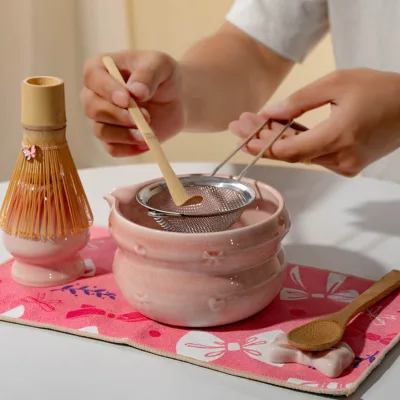
Portable Porcelain Matcha Tea Set with Matcha Bowl and Mouth 4-7Piece Home Use Set
$4.6663 - $6.4279
MOQ: 100 pieces
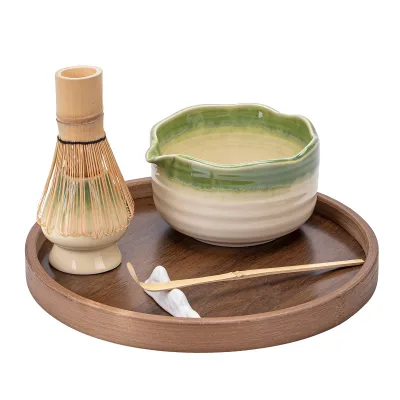


Wholesale Eco-Friendly High Borosilicate Glass Ceremonial Matcha Tea Set
$5.79 - $7.19
MOQ: 500 Pieces


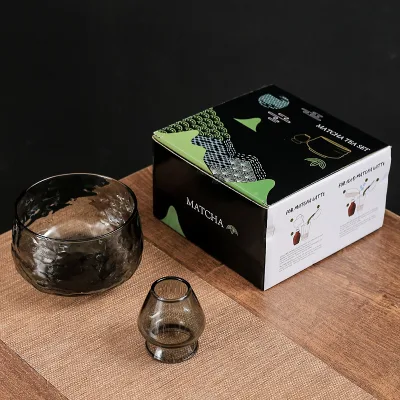
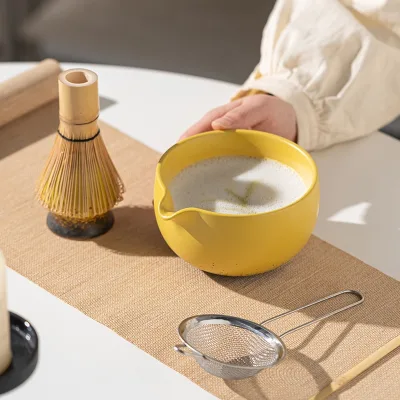
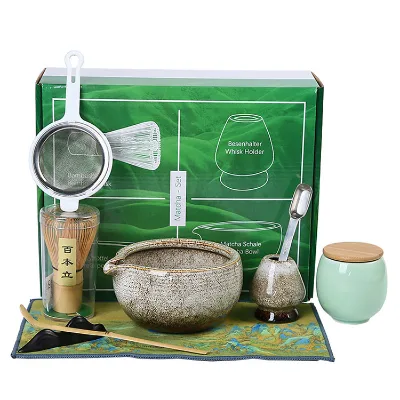
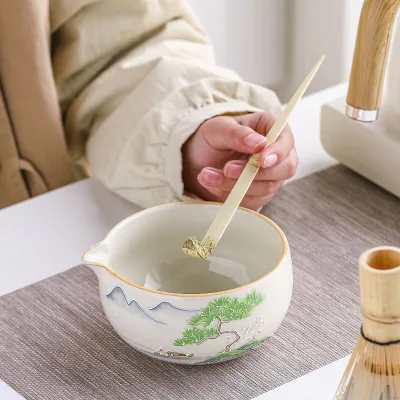
Comprehensive Sourcing Guide
Portable Classic Matcha Tea Set Sourcing Guide
Sourcing a Portable Classic Matcha Tea Set requires balancing traditional aesthetic expectations with modern logistical constraints. Buyers must first define whether the priority is authentic ceremonial utility or convenient travel functionality, as these needs dictate material selection and component inclusion. The observed market signals indicate a diverse range of options, from ceramic-based Japandi styles to bamboo and glass constructions, each offering distinct advantages for different use cases. Understanding these material differences is crucial for aligning product selection with brand identity and target customer preferences.
Procurement teams should also consider the customization capabilities of potential suppliers, as branding opportunities often drive long-term value. Many manufacturers offer OEM and ODM services, allowing for logo integration via laser engraving or custom packaging solutions. This flexibility enables buyers to create unique product identities that stand out in competitive markets. However, customization often impacts lead times and minimum order quantities, so early engagement with suppliers is essential to align production schedules with inventory requirements and market launch timelines.
Product Scope and Observed Listing Signals
The current market landscape for portable matcha sets reveals a wide spectrum of product configurations and material choices. Listings indicate the presence of ceramic sets with Japandi styling, bamboo components, and glass vessels, each catering to different aesthetic and functional demands. For instance, some products are marketed as durable ceramic tea sets, while others emphasize eco-friendly bamboo materials or portable glass designs. These variations suggest that buyers should not assume a single material standard applies across all suppliers, but rather evaluate each option based on specific durability, weight, and aesthetic requirements.
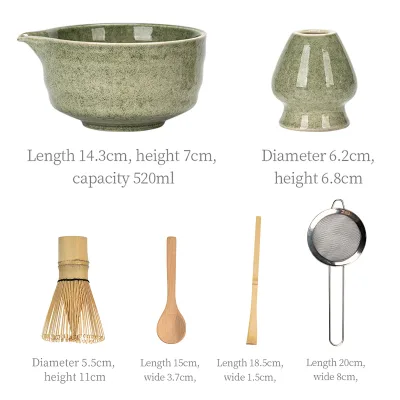
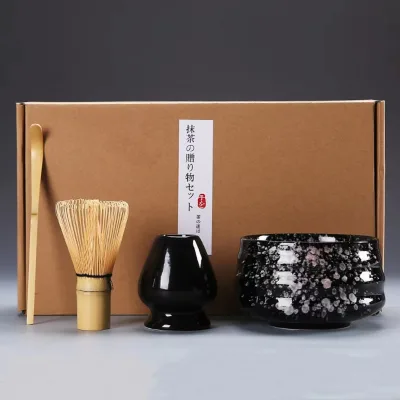
Observed listing details also highlight significant variations in packaging and dimensions, which directly impact shipping costs and storage efficiency. Products are described with packing options ranging from simple brown boxes to more complex inner box and export carton configurations. Dimensions vary considerably, with some sets measuring approximately 23.58.510cm while others are larger or smaller, such as 2417.510.7cm. These physical specifications are critical for calculating landed costs and ensuring the product fits within existing supply chain constraints, particularly for retailers with limited warehouse space or those prioritizing lightweight shipping profiles.
Technical Specifications to Verify
Verifying technical specifications is paramount to ensuring the product meets functional expectations for both preparation and portability. Buyers should confirm the exact composition of materials, such as whether ceramic components are food-grade and if bamboo parts are treated for moisture resistance. The presence of specific model numbers, such as L-WC01 or BB059, allows for precise tracking of product iterations and quality consistency. Additionally, understanding the single weight of items, which can range from 0.180 kg to 0.75 kg, helps in assessing the overall portability and user experience, especially for travel-oriented designs.
Dimensional accuracy and component completeness are also key technical factors that require verification. Some sets are explicitly labeled as 8-piece sets, while others may have different configurations, so buyers must ensure the included pieces match their intended use case. Packaging dimensions, such as 11.0X12.0X7.0 cm for single packages, influence how many units can be shipped per container, affecting logistics efficiency. Confirming these details with suppliers prevents discrepancies between ordered specifications and delivered goods, reducing the risk of customer dissatisfaction due to missing parts or ill-fitting components.
Compliance and Safety Documentation
Ensuring compliance with safety standards is essential for any product intended for food and beverage contact. Buyers must request documentation verifying that materials, particularly ceramics and bamboo, meet relevant food safety regulations in their target markets. This includes checking for migration limits of heavy metals in glazed ceramics and ensuring bamboo treatments do not introduce harmful chemicals. Although specific certification names are not provided in the observed data, the emphasis on "100% Exporter Standard" suggests a baseline level of quality control that should be independently verified through third-party testing reports.
Packaging compliance is another critical area that requires attention, especially for international shipments. Buyers should ensure that packaging materials meet environmental regulations and labeling requirements in destination countries. This includes verifying that carton boxes and inner packaging are made from recyclable or sustainable materials if marketed as eco-friendly. Additionally, accurate labeling of product dimensions, weight, and country of origin is necessary to avoid customs delays. Proactively addressing these compliance aspects protects the brand from regulatory penalties and enhances consumer trust in product safety and sustainability.
Cost Drivers and Commercial Terms
Several factors influence the total cost of ownership for portable matcha tea sets, including material selection, customization level, and order volume. Ceramic and glass components typically involve higher manufacturing costs compared to simpler bamboo or plastic alternatives, but they often offer greater perceived value and durability. Customization options, such as laser-engraved logos or custom packaging, add to the unit cost but can significantly enhance brand differentiation. Buyers should negotiate pricing based on clear volume tiers, as observed MOQs range from 2 to 500 units, allowing for flexibility in initial trial orders versus larger production runs.
Lead times and payment terms also play a significant role in financial planning. The observed delivery detail of 45-60 days after order confirmation indicates a moderate production cycle, which buyers must account for in their inventory planning. Sample times of 10-15 days allow for quality assessment before committing to full production, but these should be factored into the overall timeline. Understanding these commercial terms helps in managing cash flow and ensuring that products arrive in time for seasonal demand or marketing campaigns, avoiding costly stockouts or excess inventory holding costs.
Supplier Qualification and Quality Control
Evaluating supplier qualifications is crucial for ensuring consistent product quality and reliable service. Buyers should assess suppliers based on their experience in producing tea sets, their manufacturing capabilities, and their adherence to quality standards. The presence of OEM and ODM services indicates a level of flexibility and technical expertise, but buyers must verify the supplier’s ability to maintain quality across different product lines. Requesting references or case studies from previous clients can provide insights into the supplier’s reliability and responsiveness to issues.
Implementing a robust quality control process is essential to mitigate risks associated with manufacturing defects. Buyers should establish clear acceptance criteria for materials, dimensions, and finish quality before production begins. Conducting pre-shipment inspections or hiring third-party inspection services can help identify and rectify issues before goods are dispatched. Additionally, maintaining open communication with suppliers regarding any changes in specifications or materials ensures that both parties are aligned on quality expectations, reducing the likelihood of disputes or returns due to non-conforming products.
Long-Term Procurement Checks
Establishing long-term procurement strategies involves continuous monitoring of supplier performance and market trends. Buyers should regularly review supplier metrics, such as on-time delivery rates, defect rates, and responsiveness to issues, to ensure ongoing reliability. Building strong relationships with suppliers can lead to better pricing, priority production slots, and collaborative innovation in product design. Additionally, staying informed about emerging materials and technologies in the tea set market can help buyers stay competitive and meet evolving consumer preferences for sustainability and functionality.
Regularly updating product specifications and compliance requirements is also vital for long-term success. As regulations evolve and consumer expectations shift, buyers must ensure that their products remain compliant and relevant. This includes periodic re-evaluation of material safety, packaging sustainability, and design aesthetics. By maintaining a proactive approach to procurement, buyers can minimize risks, optimize costs, and deliver high-quality products that meet the needs of their customers, ensuring sustained growth and profitability in the competitive tea set market.
FAQs
What materials are used in these portable classic matcha tea sets?
The sets are crafted from durable ceramic and bamboo materials. These components ensure the products are eco-friendly and suitable for traditional tea drinking applications. The combination provides a sturdy structure for daily use while maintaining the aesthetic appeal required for Japandi or Asian Zen styles.
Can I customize the logo on the Portable Classic Matcha Tea Set?
Yes, customization is available for your brand. You can laser your own logo onto the product. The supplier accepts ODM and OEM requests, allowing for tailored designs. This service supports branded distribution, ensuring your unique identity is preserved on the final exported goods.
What is the lead time for ordering a Portable Classic Matcha Tea Set?
The delivery detail specifies 45-60 days after your order is confirmed. This timeline applies to standard production runs. Buyers should account for this duration when planning inventory. The sample time is shorter, taking 10-15 days, which helps in verifying quality before full commitment.
Which brands offer portable classic matcha tea sets with Japandi style?
Brands such as Lucia and Lewei offer these sets. They feature Japandi or Asian Zen styles, appealing to modern aesthetic preferences. The products are exported from China, specifically Fujian and Jilin regions. These brands provide sets that meet export standards for international buyers seeking specific design languages.
How are the portable classic matcha tea sets packed for export?
Packing options include brown boxes, carton boxes, or inner boxes combined with export cartons. This ensures safe transit for the ceramic and bamboo components. The single gross weight varies by model, such as 0.75kg or 0.180kg, helping logistics planning. The packaging meets 100% exporter standards.
What is the minimum order quantity for these portable classic matcha tea sets?
The observed MOQ range is 2 to 500 units. This flexibility allows small buyers to test the market or larger buyers to place bulk orders. The specific MOQ depends on the model and customization requirements. Buyers should confirm the exact quantity with the supplier based on their specific procurement needs.