Microwaveable Airtight Lunch Box Suppliers and Manufacturers
Find 31 verified suppliers offering microwaveable airtight lunch boxes with varying lead times, MOQs, and certifications. Compare response times, locations, and product attributes like material and safety standards before requesting samples; review the available evidence before requesting comparable quotations from suitable candidates.
Updated
Suppliers List

Shenzhen Guangyufeng Rubber Co., Ltd.
- Verified by SGS
- Trading Company,Manufacturer/Factory
- China Guangdong
- Lead time23 days
- Avg. response≤ 2h
Main productsSilicone Product, Silicone Rubber Product, Baby Product, Silicone Tube, Silicone Rubber Roller, Silicone Sex Toy, Silicone Mold, Silicone Kitchenware, Silicone Case, Silicone Strap
Main marketsSouth America,Eastern Europe,Mid East,North America,Southeast Asia,Eastern Asia,Oceania,Western Europe,Africa


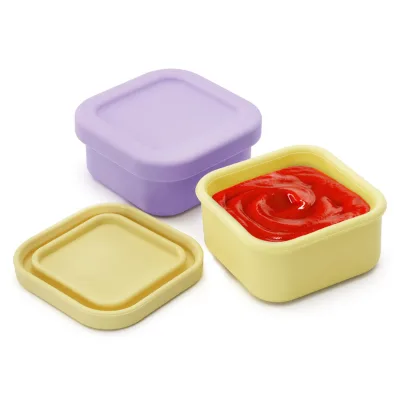
Customized Food-Grade Silicone Lunch Box, Silicone Bento Box, Microwaveable Lunch Box
$1.00 - $10.00
MOQ: 50 Pieces
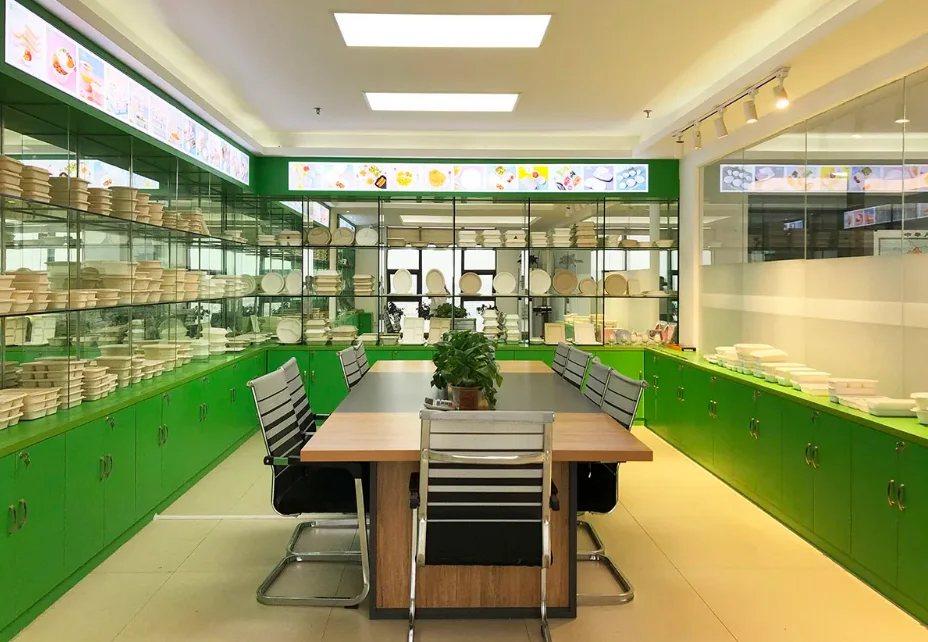
Shenzhen Aohua Packaging Products Co., Ltd.
- Trading Company
- Guangdong, China
- Lead time10 days
- Avg. response≤ 4h
Main productsMultifunctional Lunch Box, PET/PP Lunch Box, Plastic Food Container, Silicone Lunch Box, Stainless Steel Lunch Box/Electric Lunch Box
Main marketsNorth America(30.00%), Western Europe(20.00%), Northern Europe(10.00%), Southeast Asia(10.00%), South Asia(5.00%), Oceania(5.00%), Southern Europe(5.00%), Mid East(5.00%), Eastern Asia(2.00%), South America(2.00%), Central America(2.00%), Africa(2.00%), Eastern Europe(2.00%)

Xiamen Newtop Material Company
- Verified by TUVRHEINLAND
- Combined
- China Fujian
- Lead time15 days
- Avg. response≤ 3h
Main productsSilicone Pet Prodcuts, Silicone Housewares Product, Silicone Baby Product, Silicone Parts, Silicone Cap, Silicone Breast Pump, Slow Feeder, Silicone Pet Mat, Silicone Gasket, Silicone Hose
Main marketsEurope,North America


Custom Food Grade Silicone Lunch Box Microwaveable High Temperature Lunch Box
$5.09 - $5.39
MOQ: 100 Pieces

Xiamen Luckypack Paper Products Co., Limited
- Verified by TUVRHEINLAND
- Manufacturer/Factory
- China Fujian
- Lead time30 days
- Avg. response≤ 6h
Main productsPaper Cup, Biodegradable Tableware, Disposable Cup, Food Box
Main marketsEastern Europe,North America,Southeast Asia
Chaozhou Binjiang Industrial Investment Co., Ltd.
- Verified by Intertek
- Manufacturer, Trading Company
- Lead time0 days
- Avg. response≤ 3h
Main productsStainless Steel Water Bottle, Lunch Box, Stainless Steel Cup, Stainless Steel Pet Bowl, Chopping Blocks
Main marketsNorth America(40%), Western Europe(15%), Eastern Asia(15%)
Jieyang Xinghao Stainless Steel Factory
- Verified by TüVRheinland
- Manufacturer, Trading Company
- Lead time5 days
- Avg. response≤ 4h
Main productsStainless Steel Cutlery, Stainless Steel Straw, Lunch Box, Kitchen Gadgets, Barware
Main marketsDomestic Market(30%), Mid East(11%), North America(10%)
Henan Huaxin Import & Export Trade Co., Ltd.
- Verified by SGS Group
- Trading Company
- Lead time6 days
- Avg. response≤ 7h
Main productsTowels, Bed Sheets, Key Chain, Plastic Bottles, Bucket Hats
Main marketsSoutheast Asia(50%), Western Europe(15%), North America(10%)

- Verified by SGS
- Trading Company
- China Zhejiang
- Lead time15 days
- Avg. response≤ 3h
Main productsYiwu Sourcing Agent, DIY Toys, DIY Jewelry, Travel Souvenirs, Stationery, School Furtiture, Outdoor Products, Caps & Shoes & Socks, Costumes & Props, Beauty Tools
Main marketsAfrica,East Asia(Japan/ South Korea),North America


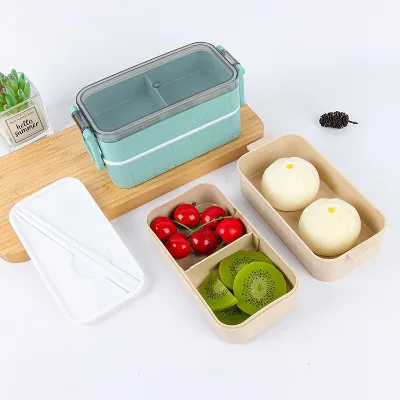
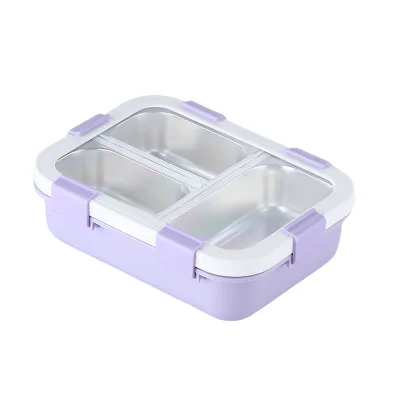
Divided Simple Lunch Box with Microwave Function Student Portable Lunch Box
$1.04 - $1.19
MOQ: 100 Pieces

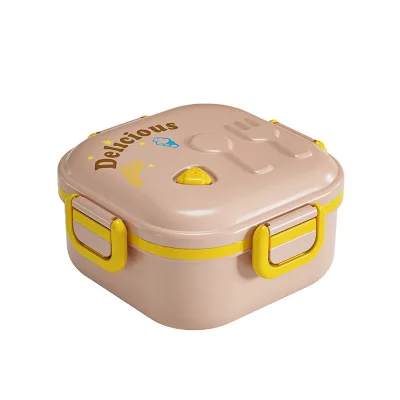
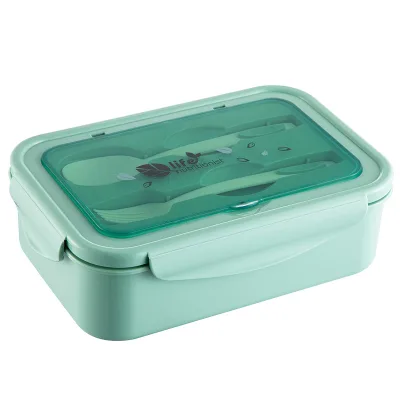
Cross Border Lunch Box Microwave Oven Specific Compartment Lunch Box with Fork Spoon Salad Box
$2.86 - $2.99
MOQ: 100 Pieces
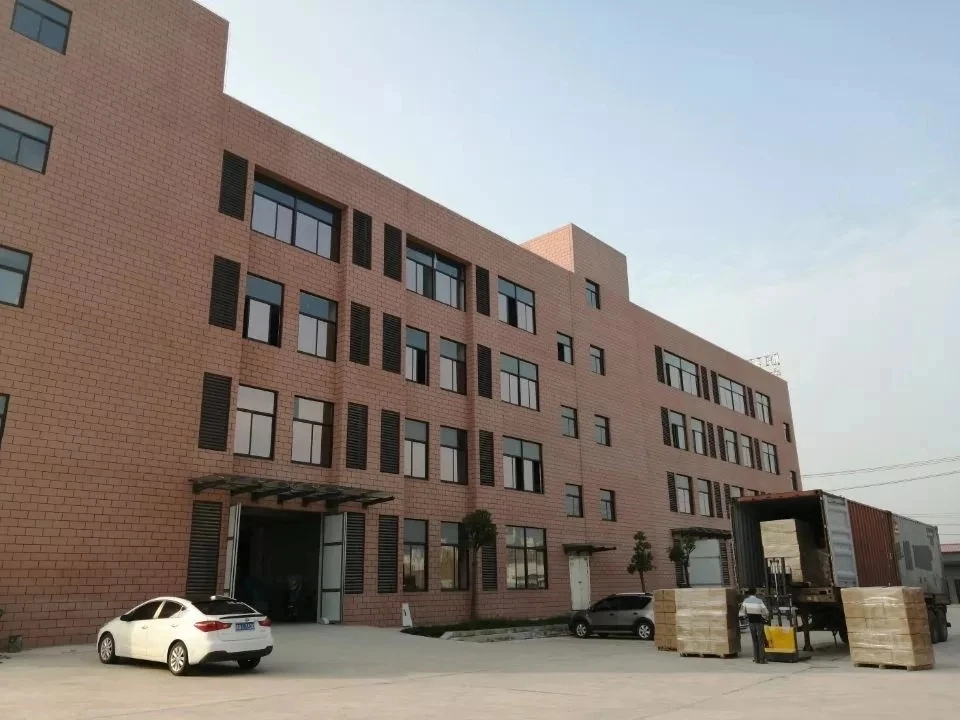
Anhui Greensun Biotech Production Co., Ltd.
- Manufacturer
- Anhui, China
- Lead time50 days
- Avg. response≤ 24h
Main productsTableware,Pet Bowl,Flower Pot,Melamine machine,Melamine mold
Main marketsWestern Europe(20.00%), Eastern Europe(20.00%), South America(20.00%), North America(20.00%), Southern Europe(10.00%), Northern Europe(10.00%)

- Verified by SGS
- Trading Company
- China Liaoning
- Lead time0 days
- Avg. response≤ 3h
Main productsRing Pull Cap, Glass Bottle, Pet Preform, Beverage Production Line, Trigger Sprayer, Bottle Cap, Crown Cap, I-Beam Crossmember, Blow Molding Machine, PVC Pet Rigid Film
Main marketsAfrica,Europe


Disposable Leak-Proof Plastic Carton Microwave Bento Lunch Box Can Be Customized
$0.025 - $0.15
MOQ: 600000 Pieces

Ningbo Happy Valley Household Co., Ltd.
- Verified by SGS
- Trading Company
- China Zhejiang
- Lead time30 days
- Avg. response≤ 18h
Main productsPot Lid, Glass Pot Lid, Kitchen Utensil Set, Kitchen Tool, Bento Box, Lunch Box, Plastic Lunch Box, Silicone Lunch Box, Collapsible Bucket, Plastic Bucket
Main marketsEurope
Ningbo General Union Co., Ltd.
- Verified by SGS Group
- Trading Company
- Lead time30 days
- Avg. response≤ 10h
Main productsHousehold Products, Cleaning Tools, Disposable Tableware, Kitchen Tableware, Kitchen Accessories
Main marketsWestern Europe(40%), North America(30%), Eastern Europe(10%)

Guangzhou Jianxin Plastic Products Co., Ltd.
- Verified by BV
- Combined
- China Guangdong
- Lead time15 days
- Avg. response≤ 4h
Main productsPlastic Packaging, Disposable Tableware, Disposable Plastic Cup&Lid, Plastic Bowl, Plastic Tary, Plastic Container, Blister Packaging, Plastic Food Packaging, Disposable Food Container, Disposable Catering Supplies
Main marketsSouth America,Africa,Southeast Asia/ Mideast,East Asia(Japan/ South Korea),Europe,Australia,North America


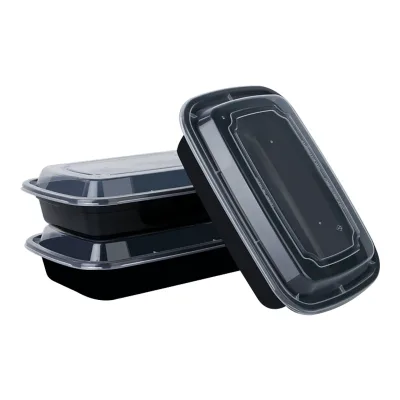
Disposable Takeaway Plastic Clear Rectangle Lunch Box Bowl Microwave Box
$0.032 - $0.052
MOQ: 50000 Pieces

Jinjiang Jiaxing Supply Management Co., Ltd.
- Verified by TUVRHEINLAND
- Trading Company
- China Fujian
- Lead time30 days
- Avg. response≤ 2h
Main productsEVA Clogs, Flip Flop, Shoe Charms, Shopping Bags, Wristbands, Gifts, Promotional Gifts, Slipper, Sport Cap, Ball
Main marketsNorth America
- Trading Company
- Hong Kong S.A.R.
- Lead time0 days
- Avg. response≤ 4h
Main productsStainless Steel Tumblers,Lunch Box
Main marketsSouthern Europe(10.00%), Northern Europe(10.00%), Central America(10.00%), Western Europe(10.00%), Eastern Asia(10.00%), Mid East(10.00%), Southeast Asia(10.00%), Eastern Europe(10.00%), South America(10.00%), North America(10.00%)

Ningbo Hongwei Plastic Co., Ltd
- Verified by SGS
- Combined
- China Zhejiang
- Lead time23 days
- Avg. response≤ 1h
Main marketsDomestic


Eco-Friendly Microwaveable Meal Box for High-Temperature Cooking Tasks
$0.06 - $0.08
MOQ: 20000 Pieces

High-Temperature Microwaveable Meal Box for Eco-Friendly Cooking Needs
$0.06 - $0.08
MOQ: 20000 Pieces


- Verified by Intertek
- Trading Company
- Lead time45 days
- Avg. response≤ 2h
Main productsGlass Tumbler, Casserole, Glass Kettle, Glass Kitchenware, Creamic Tableware
Main marketsDomestic Market(50%), Mid East(17%), North America(16%)

Qingdao Yide Shine Industry Co., Ltd.
- Verified by SGS
- Manufacturer/Factory
- China Shandong
- Lead time15 days
- Avg. response≤ 3h
Main productsPaper Bag, Kraft Paper Bag, Non Woven Bag, Craft Paper Bag, Value Bag, Shopping Bag, PE Bag, Paper Napkin, Take Away Food Bag, Hanburger Box
Main marketsSouth America,Eastern Europe,Mid East,North America,Southeast Asia,Eastern Asia,Oceania,Western Europe,Africa
- Trading Company
- Lead time旺季: "1 - 30":15,"> 30":"To be negotiated", 淡季: "1 - 30":15,"> 30":"To be negotiated"
- Avg. response≤ 4h
Main productsHouseware, Pet Products, Toys

ANHUI IDEA TECHNOLOGY IMP AND EXP CO., LTD
- Verified by TUVRHEINLAND
- Trading Company
- China Anhui
- Lead time23 days
- Avg. response≤ 5h
Main productsGlass Jar, Glass Bottle, Pet Preform, Aluminum Cans, Glass Cup, Bottle Caps Jar Lids, Candle Jars, Perfume Bottle, Cosmetic Bottle
Main marketsSouth America,Africa,Southeast Asia/ Mideast,East Asia(Japan/ South Korea),Europe,Australia,North America

Cheap Price Reusable Airtight Food Storage Box with 2 Compartments Kids Lunch Boxes
$0.85 - $5.00
MOQ: 1000 Pieces

Custom Logo Airtight Lid Container Box Pink 3 Compartments Glass Lunch Box Microwavable
$0.85 - $5.00
MOQ: 1000 Pieces

- Verified by SGS
- Combined
- China Guangdong
- Lead time30 days
- Avg. response≤ 7h
Main productsBento Box, Takeaway Box, Sushi Tray, Party Tray
Main marketsSoutheast Asia/ Mideast,North America

Microwaveable Eco-Friendly Disposable Cplastic Food Container Take Away Rectangular Lunch Box
$0.03 - $0.06
MOQ: 5000 Pieces

Ningbo Toprank Imp. & Exp. Co., Ltd.
- Verified by Intertek
- Trading Company
- Lead time30 days
- Avg. response≤ 5h
Main productsPlastic Storage Box, Food Storage and Containers, Storage Rack, Cosmetics Storage, Coffee Table
Main marketsEastern Europe(35%), North America(30%), South America(20%)
- Trading Company
- Lead time旺季: "1 - 1000":35,"> 1000":"To be negotiated", 淡季: "1 - 1000":35,"> 1000":"To be negotiated"
- Avg. response≤ 5h
Main productsKitchen Products

Dongguan Oumeng Houseware Products Co., Ltd.
- Manufacturer/Factory
- China Guangdong
- Lead time23 days
- Avg. response≤ 2h
Main productsBento Lunch Box, Kids Tableware Set, Water Bottle, Lunch Bag, Storage Box, Malamin Product, Food Jar, Pick Spoon, Bento
Main marketsSouth America,Eastern Europe,Mid East,North America,Southeast Asia,Eastern Asia,Oceania,Western Europe,Africa
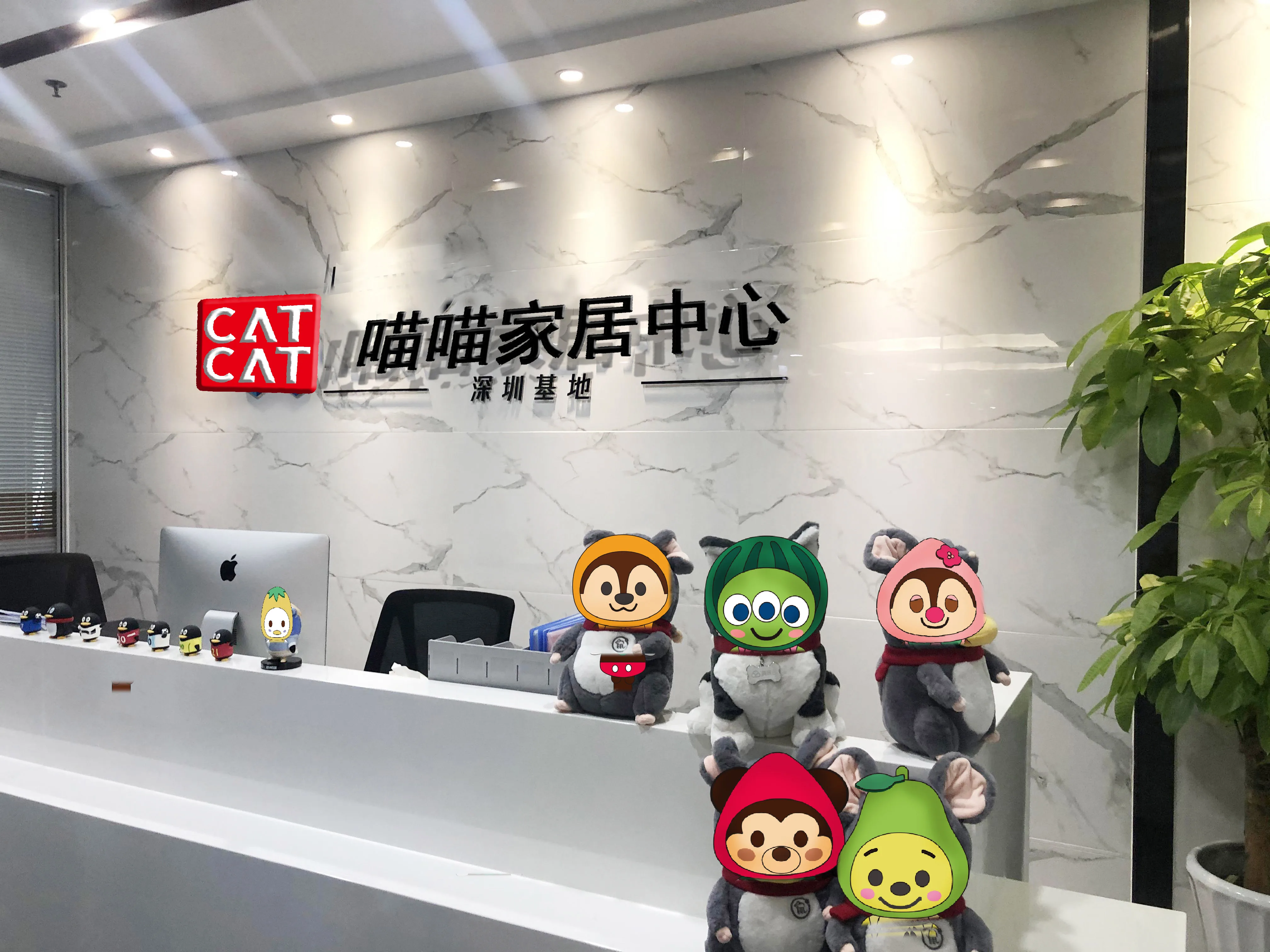
Shenzhen Miaomiao Household Products Co., Ltd.
- Manufacturer, Trading Company
- Guangdong, China
- Lead time15 days
- Avg. response≤ 3h
Main productsFood Spoon,Food Pick For Kids,Lunch Box,Food Picks,Water Bottles
Main marketsNorth America(20.00%), Eastern Europe(15.00%), South America(15.00%), South Asia(5.00%), Southern Europe(5.00%), Northern Europe(5.00%), Central America(5.00%), Western Europe(5.00%), Eastern Asia(5.00%), Mid East(5.00%), Oceania(5.00%), Africa(5.00%), Southeast Asia(5.00%)
Yiwu Hezhexin Trading Co., Ltd.
- Trading Company
- Zhejiang, China
- Lead time0 days
- Avg. response≤ 2h
Main productsKitchen Tools,Gardening Tools,Storage Container,Popular Drinkware,Household Appliances
Main marketsNorth America(20.00%), Southern Europe(10.00%), Northern Europe(10.00%), Africa(10.00%), Southeast Asia(10.00%), Eastern Europe(10.00%), Western Europe(10.00%), South Asia(5.00%), Mid East(5.00%), Oceania(5.00%), South America(5.00%)
$1.29 - $1.49
MOQ: 100 pieces

- Verified by BV
- Combined
- China Zhejiang
- Lead time23 days
- Avg. response≤ 3h
Main productsDisposable Tableware, Food Box, Paper Cup
Main marketsSouth America,Africa,Southeast Asia/ Mideast,Europe,Australia,North America

Microwave Safe Kraft Lunch Box with Ventilation Holes for Reheating Stackable Container
$0.029 - $0.052
MOQ: 50 Pieces

Shantou Hongxing Commodity Co., Ltd.
- Verified by Intertek
- Manufacturer, Trading Company
- Lead time25 days
- Avg. response≤ 4h
Main productsPlastic Daily-Used Household Products
Main marketsSouth Asia(20%), South America(19%), Mid East(18%)

Shandong Taike Environmental Protection Technology Co., Ltd
- Verified by SGS
- Combined
- China Shandong
- Lead time15 days
- Avg. response≤ 22h
Main productsFood Containers, Toy
Main marketsDomestic
Jilin Lewei Homewares Manufacturer Co., Ltd.
- Trading Company
- Jilin, China
- Lead time15 days
- Avg. response≤ 2h
Main productswater bottle,ceramic product,flowerpot,candle warmer,coffee cups
Main marketsNorth America(40.00%), Oceania(10.00%), Southeast Asia(10.00%), Northern Europe(10.00%), Western Europe(10.00%), Southern Europe(5.00%), Eastern Europe(5.00%), South America(5.00%), Eastern Asia(5.00%)

SHANGHAI UNILIZ INTERNATIONAL TRADING CO., LTD.
- Verified by BV
- Trading Company
- China Shanghai
- Lead time30 days
- Avg. response≤ 12h
Main productsrecycled glass
Main marketsOthers(foreignTradeCapacity.exportBusinessCapacityMarketOther)
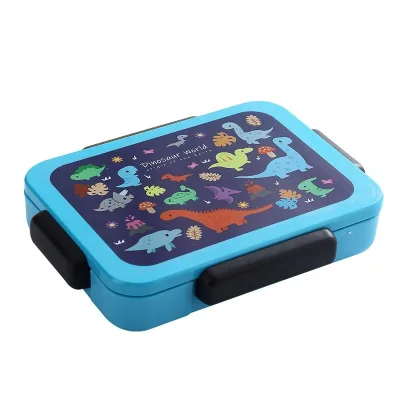
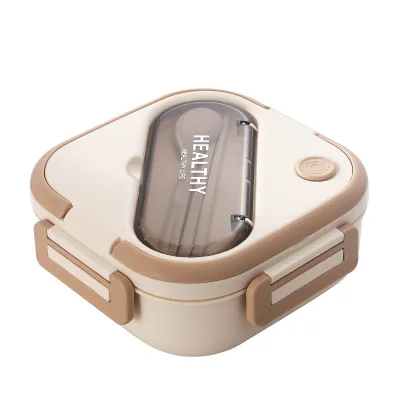


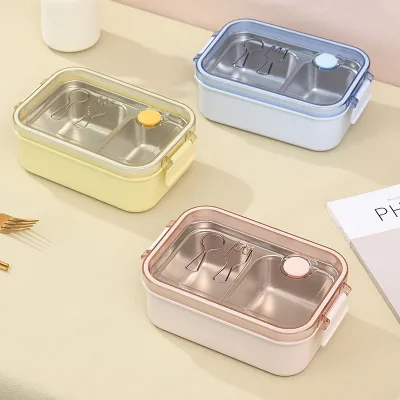
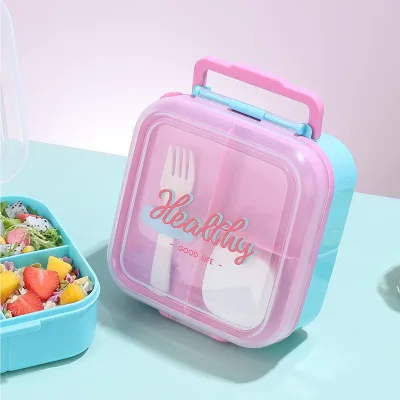
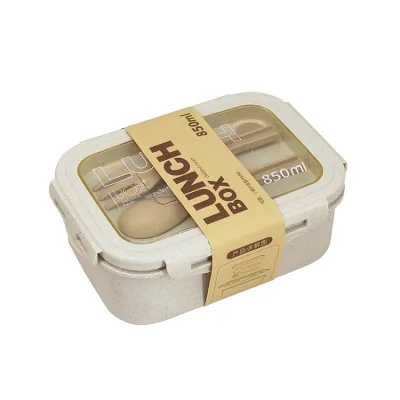
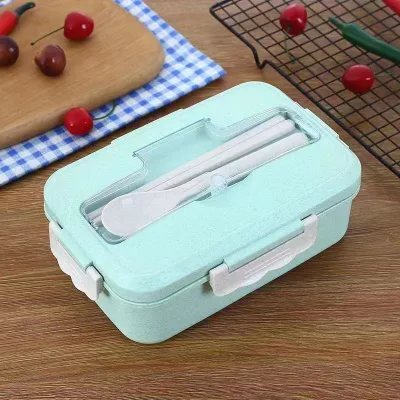


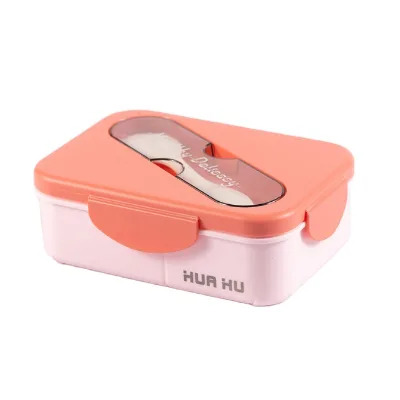
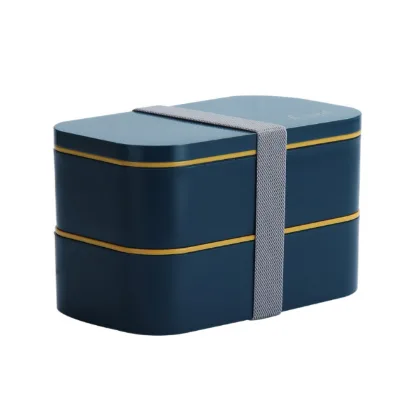










Comprehensive Sourcing Guide
Microwaveable Airtight Lunch Box Supplier Concentration and Factory Types
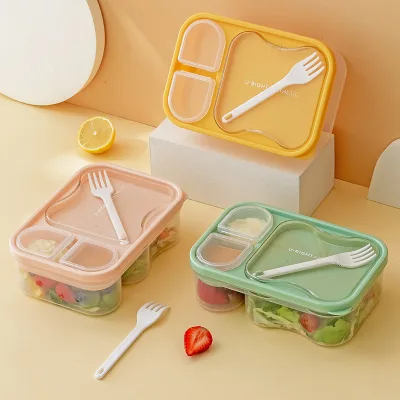
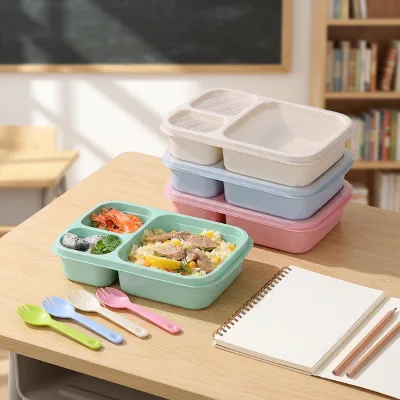
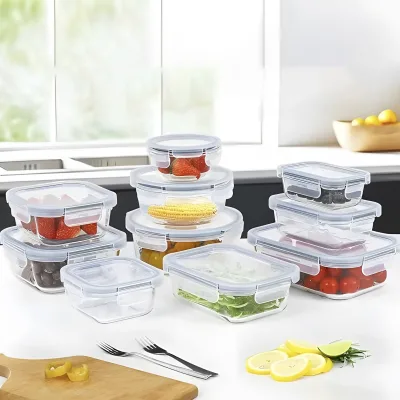
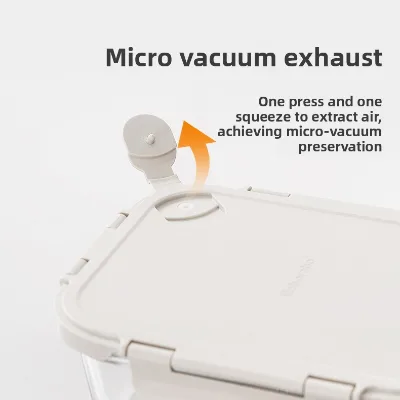
The current supplier landscape for microwaveable airtight lunch boxes reveals a distinct geographic concentration in China, with specific manufacturing hubs identified in Guangdong and Fujian provinces. Suppliers located in Guangdong, China, often operate as either trading companies or manufacturer/factory entities, offering a broad spectrum of silicone and plastic products. This dual nature allows buyers to access both direct factory pricing and the logistical flexibility of trading firms. The presence of established manufacturing clusters in these regions suggests a mature supply chain for kitchenware, where raw material availability and specialized molding expertise are readily accessible. Buyers should recognize that while some suppliers are purely trading entities, others possess significant in-house production capabilities, which can impact quality control consistency and customization speed. The concentration in Guangdong indicates a high density of competitors, which often drives innovation in product features such as leak-proof seals and microwave-safe materials. Understanding this geographic distribution helps buyers anticipate shipping times and potential logistical bottlenecks, as these regions are major export hubs for consumer goods.
In contrast, suppliers based in Fujian, China, present a different operational profile, often categorized as combined entities that may blend manufacturing with other business functions. These suppliers frequently focus on silicone-specific products, including baby items, pet supplies, and housewares, indicating a specialized expertise in silicone processing rather than general plastic injection molding. The distinction between Guangdong and Fujian suppliers is crucial for buyers seeking specific material properties, as silicone offers different thermal and durability characteristics compared to standard plastics. While Guangdong suppliers may offer a wider variety of materials including PET and PP, Fujian-based suppliers might provide deeper specialization in silicone formulations, such as platinum-cured options. This specialization can be vital for buyers requiring high-grade food safety certifications or specific hardness ratings. The variation in company types across these regions means that buyers must carefully evaluate whether a supplier’s structure aligns with their volume requirements and customization needs. Recognizing these regional and structural differences allows for more targeted supplier selection, ensuring that the chosen partner has the appropriate infrastructure to support the specific demands of Microwaveable Airtight Lunch Box production.
How to Verify Microwaveable Airtight Lunch Box Suppliers
Verifying the legitimacy and capability of suppliers requires a multi-layered approach that goes beyond basic company profiles. Buyers should prioritize suppliers who hold recognized system certifications, as these indicate adherence to international quality and safety standards. For instance, some suppliers display certifications such as ISO 9001, ISO 13485, or TS 16949, which are critical for ensuring consistent manufacturing processes and quality management. Additionally, third-party verification badges like SGS or TÜV Rheinland provide an extra layer of confidence, confirming that the supplier has undergone independent audits. These verifications are particularly important for food-contact products, where material safety is paramount. Buyers should request copies of these certificates and verify their validity through the issuing bodies. Furthermore, checking the supplier’s response time can serve as an indirect indicator of their operational efficiency and customer service quality. A rapid response time, such as under two hours, often correlates with a well-organized internal team that can address technical queries and order modifications promptly. This efficiency is crucial for maintaining smooth communication throughout the sourcing process, especially when dealing with complex customization requests or urgent production schedules.
Beyond certifications and response metrics, buyers must scrutinize the specific product attributes and manufacturing capabilities listed by suppliers. Detailed product specifications, such as hardness ratings (e.g., Shore 70A), curing agents (e.g., Platinum Catalyst), and processing methods (e.g., Compression Molding), provide insight into the supplier’s technical expertise. Suppliers who provide comprehensive data on their products, including tolerance levels and secondary cure temperatures, demonstrate a higher level of professionalism and quality control. Buyers should also verify the supplier’s ability to handle OEM and ODM projects, as this indicates flexibility in design and branding. Additionally, checking for specific product evidence, such as microwave-safe and dishwasher-safe claims, ensures that the products meet practical usage requirements. It is essential to cross-reference these claims with independent test reports or certification documents to avoid misleading information. By combining verification of certifications, response times, and technical product details, buyers can build a robust assessment of supplier reliability. This thorough verification process minimizes the risk of partnering with unreliable suppliers and ensures that the final products meet the required safety and performance standards for the target market.
What to Compare Across Microwaveable Airtight Lunch Box Suppliers
When evaluating multiple suppliers, buyers must systematically compare key operational metrics to identify the most suitable partner for their specific needs. One critical dimension is the minimum order quantity (MOQ), which varies significantly across suppliers. Some suppliers offer low MOQs, such as 10 or 50 units, which are ideal for testing the market or fulfilling small-scale orders. In contrast, other suppliers may require higher MOQs, such as 100 units or more, which can be more cost-effective for bulk purchases but pose a higher financial risk for new entrants. Buyers should align their MOQ requirements with their inventory capacity and sales projections to avoid overstocking or stockouts. Another important factor is the lead time, which indicates how quickly a supplier can deliver orders. Lead times can range from 10 to 23 days, depending on the supplier’s production capacity and current order backlog. Shorter lead times are advantageous for buyers who need to respond quickly to market trends or urgent customer demands. However, buyers should also consider the reliability of these lead times, as delays can disrupt supply chains. Comparing these metrics across suppliers helps buyers balance cost, speed, and volume requirements effectively.
In addition to MOQ and lead time, buyers should compare the range of main products and customization options offered by each supplier. Suppliers with a diverse product portfolio, including various lunch box designs, materials, and accessories, may offer greater flexibility in meeting specific customer preferences. For example, some suppliers specialize in silicone products, while others offer a mix of plastic, stainless steel, and silicone options. Buyers should also evaluate the customization capabilities, such as logo printing, color options, and packaging designs. Suppliers that offer comprehensive customization services can help buyers differentiate their products in a competitive market. Furthermore, comparing the price ranges is essential, as costs can vary based on material quality, production complexity, and order volume. Buyers should request detailed quotations that break down costs for materials, labor, and packaging to ensure transparency. By systematically comparing these operational and product-related dimensions, buyers can make informed decisions that align with their business goals and customer expectations. This comparative analysis ensures that the selected supplier offers the best value proposition in terms of cost, quality, and service.
Common Microwaveable Airtight Lunch Box Sourcing Risks
Sourcing microwaveable airtight lunch boxes involves several potential risks that buyers must proactively manage to ensure a successful procurement process. One significant risk is the variability in material quality, particularly regarding food safety and durability. While some suppliers claim their products are microwave-safe and leak-proof, these claims must be verified through independent testing and certification. Without proper verification, buyers risk receiving products that may leach harmful chemicals when heated or fail to seal effectively, leading to customer complaints and potential legal liabilities. Another risk is the inconsistency in manufacturing quality, which can result in defects such as uneven sealing, color variations, or structural weaknesses. This is particularly relevant for suppliers with high production volumes, where quality control measures may be stretched thin. Buyers should implement strict quality assurance protocols, including pre-shipment inspections and sample testing, to mitigate these risks. Additionally, the risk of supply chain disruptions cannot be overlooked, as geopolitical factors, raw material shortages, or logistical bottlenecks can delay deliveries. Buyers should diversify their supplier base and maintain buffer stock to handle such disruptions effectively.
Communication and cultural barriers also pose significant risks in international sourcing. Misunderstandings regarding product specifications, packaging requirements, or delivery terms can lead to costly errors and delays. Buyers should establish clear and detailed communication channels with suppliers, using written confirmations for all critical agreements. It is also important to verify the supplier’s responsiveness and willingness to address issues promptly. Suppliers with slow response times may struggle to resolve problems efficiently, leading to prolonged disruptions. Furthermore, the risk of intellectual property infringement is a concern for buyers seeking custom designs or branded products. Buyers should ensure that their designs are protected through appropriate legal agreements and that suppliers adhere to confidentiality clauses. By identifying and addressing these common risks, buyers can create a more resilient sourcing strategy. Proactive risk management, including thorough supplier vetting, clear communication, and robust quality control, is essential for minimizing potential losses and ensuring a smooth procurement process. This approach helps buyers navigate the complexities of international sourcing and achieve their business objectives with greater confidence.
Microwaveable Airtight Lunch Box Regional Sourcing and Logistics
The geographic location of suppliers plays a crucial role in determining logistics costs, delivery times, and overall supply chain efficiency. Suppliers located in Guangdong, China, benefit from proximity to major ports and established logistics infrastructure, which can facilitate faster and more cost-effective shipping to global markets. This region’s concentration of manufacturing facilities also means that buyers can often access a wider range of suppliers and compare options more easily. However, buyers should be aware that high demand in this region can sometimes lead to capacity constraints during peak seasons, potentially affecting lead times. In contrast, suppliers in Fujian, China, may offer different logistical advantages, particularly for buyers targeting specific regional markets or seeking specialized silicone products. The distance from major ports may result in slightly longer transit times, but this can be offset by lower production costs or unique product offerings. Buyers should evaluate the total landed cost, including shipping, insurance, and customs duties, to determine the true cost of sourcing from different regions.
Logistics planning also involves considering the packaging and handling requirements of the products. Microwaveable airtight lunch boxes are often bulky and require careful packaging to prevent damage during transit. Buyers should work with suppliers to optimize packaging designs that minimize volume while ensuring product protection. This can help reduce shipping costs and improve warehouse efficiency. Additionally, buyers should be aware of any regulatory requirements in their target markets, such as labeling or material restrictions, and ensure that suppliers comply with these regulations. Collaborating with suppliers who have experience in exporting to specific regions can help navigate these complexities more effectively. Buyers should also consider the reliability of shipping carriers and the availability of alternative routes in case of disruptions. By carefully planning logistics and leveraging the strengths of different regional suppliers, buyers can build a resilient and efficient supply chain. This strategic approach ensures that products are delivered on time and in good condition, meeting customer expectations and maintaining brand reputation.
Microwaveable Airtight Lunch Box Commercial Terms and Order Planning
Effective order planning and clear commercial terms are essential for managing the procurement of microwaveable airtight lunch boxes successfully. Buyers should negotiate favorable payment terms that align with their cash flow needs, such as partial upfront payments and balance upon shipment. This approach helps mitigate financial risk while ensuring supplier commitment. It is also important to define clear delivery schedules and penalties for delays, which can incentivize suppliers to meet their commitments. Buyers should also consider the total cost of ownership, including any additional fees for customization, packaging, or expedited shipping. Transparent pricing structures help avoid unexpected costs and ensure accurate budgeting. Furthermore, buyers should establish a robust order tracking system to monitor production progress and identify potential issues early. Regular communication with suppliers regarding order status and any changes in requirements can help maintain alignment and prevent misunderstandings.
In addition to commercial terms, buyers should plan for post-order activities, such as quality inspections and customer feedback collection. Implementing a systematic approach to quality control, including random sampling and detailed inspection reports, ensures that products meet specified standards before shipment. Buyers should also gather feedback from end-users to identify areas for improvement in future orders.
FAQs
What is the typical lead time for microwaveable lunch boxes?
Manufacturers in China generally require 10 to 23 days for production. This duration depends on order volume and customization needs. Some suppliers offer faster turnaround times for standard items, while others may take longer for complex designs or large batches.
What is the minimum order quantity for these products?
Minimum order quantities vary significantly by supplier. Some factories accept orders as low as 10 pieces, while others require 50 or 100 units. Buyers should check specific product listings to confirm the exact MOQ before placing an order.
Are samples available for quality verification?
Yes, many suppliers provide samples for quality assessment. Buyers can request samples to check material quality, sealing performance, and microwave safety. Confirm sample availability and costs directly with the supplier before finalizing bulk orders.
What certifications are common for food-grade lunch boxes?
Common certifications include FDA, LFGB, and ISO 9001. These ensure the products meet food safety and quality management standards. Some suppliers also hold ISO 13485 or TS 16949. Verify specific certifications with the supplier to ensure compliance.
What is the price range for these lunch boxes?
Prices typically range from $1.00 to $10.00 per unit. The cost depends on material, design, and order quantity. Basic models may be cheaper, while custom or premium options cost more. Request quotes for accurate pricing based on your requirements.
Can I customize the logo and packaging?
Most manufacturers offer OEM and ODM services. Buyers can customize logos, colors, and packaging designs. Confirm customization options, such as logo printing methods and packaging materials, with the supplier to ensure your brand requirements are met.
Where are these lunch boxes manufactured?
Most suppliers are located in Guangdong and Fujian, China. These regions are known for their manufacturing capabilities in silicone and plastic products. Buyers can verify the exact location and production facilities of the supplier before placing an order.