Portable Chinese Style Tea Vessels Suppliers and Manufacturers
Compare 19 verified suppliers of Portable Chinese Style Tea Vessels by location, response time, and lead time. Review product attributes like material and volume to find the right fit. Contact suppliers directly to request quotes and verify specifications; review the available evidence before requesting comparable quotations from suitable candidates.
Updated
Suppliers List
Hebei Zhuo Zhongxi Glass Products Co., Ltd.
- Manufacturer, Trading Company
- Hebei Province, China
- Lead time0 days
- Avg. response≤ 2h
Main productsjuice cups,coffee cups,beer cups,double-layer glass cups
Main marketsNorth America(300.00%), Domestic Market(29.00%), Eastern Europe(21.00%), Oceania(10.00%), Southeast Asia(5.00%), South Asia(5.00%)
Hejian Shiqi Culture Media Co., Ltd
- Trading Company
- Hebei, China
- Lead time15 days
- Avg. response≤ 9h
Main productsGlass Cup,teapot with infuser,Glass Teapot,Glass Jar,Glass Pitcher
Main marketsNorthern Europe(25.00%), North America(20.00%), Domestic Market(20.00%), Southeast Asia(12.00%), Mid East(10.00%), Western Europe(5.00%), South America(3.00%), Central America(2.00%), South Asia(2.00%), Southern Europe(1.00%)
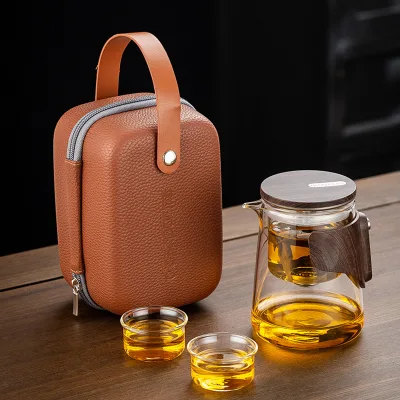
$30.3615 - $35.1416
MOQ: 10 Minimum
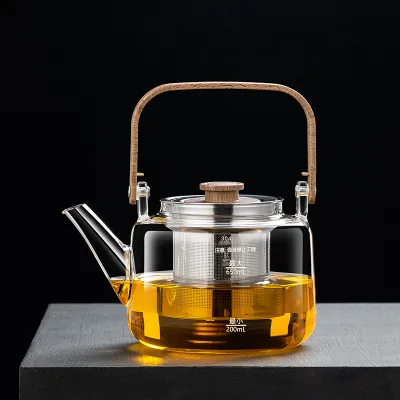

Hebei Cookwin Kitchen Products Co., Ltd.
- Verified by BV
- Trading Company,Manufacturer/Factory
- China Hebei
- Lead time30 days
- Avg. response≤ 3h
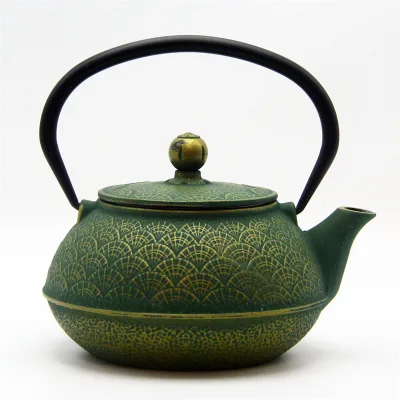
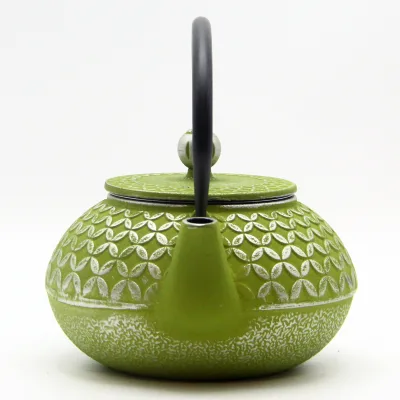
Main productsCast Iron Cookware, Cast Iron Casserole, Cast Iron Frypan, Cast Iron Skillet, Cast Iron Dutch Oven, Cast Iron Griddle, Cast Iron Fondue, Cast Iron Wok, Cast Iron Teapot, Cast Iron Pipe and Fitting
Main marketsSouth America,Eastern Europe,Mid East,North America,Southeast Asia,Eastern Asia,Oceania,Western Europe,Africa
Fujian Dehua Mingshuo Ceramics Co., Ltd.
- Manufacturer, Trading Company
- Fujian, China
- Lead time15 days
- Avg. response≤ 1h
Main productsFlowerpot,Tea Set,Mug,Ceramic Ornaments,Matcha set
Main marketsNorth America(55.00%), Mid East(10.00%), South America(10.00%), Western Europe(5.00%), Eastern Europe(5.00%), Oceania(5.00%), Northern Europe(5.00%), Central America(3.00%), Southeast Asia(2.00%)
Dehua Listing Trading Co., Ltd.
- Trading Company
- Fujian, China
- Lead time30 days
- Avg. response≤ 2h
Main productsCeramic Vase,Incense Burner,Oil Burner,Ceramic Cup,Tableware
Main marketsNorth America(50.00%), Southern Europe(10.00%), Northern Europe(10.00%), Western Europe(10.00%), Eastern Europe(10.00%), South America(10.00%)
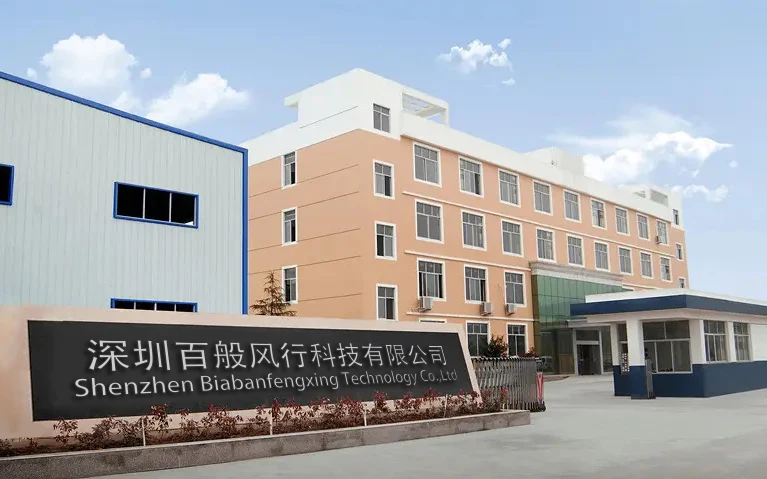
Shenzhen Baibanfengxing Technology Co., Ltd.
- Manufacturer, Trading Company
- Guangdong Province, China
- Lead time5 days
- Avg. response≤ 3h
Main productshousehold products,Kitchen supplies
Main marketsDomestic Market(20.00%), Eastern Europe(15.00%), North America(15.00%), Western Europe(10.00%), Southern Europe(10.00%), Northern Europe(10.00%), South America(5.00%), Mid East(5.00%), Southeast Asia(5.00%), Central America(5.00%)
Shenzhen Bogart Kitchenware Co., Ltd.
- Verified by TüVRheinland
- Trading Company
- Lead time15 days
- Avg. response≤ 2h
Main productsCoffee & Tea Sets, Matcha Tools, Portable Coffee Maker, Coffee Tumbler & Mugs, Coffee Accessories
Main marketsMid East(30%), North America(20%), Western Europe(13%)
Hejian Yijing Glass Products Co., Ltd.
- Manufacturer, Trading Company
- Hebei, China
- Lead time30 days
- Avg. response≤ 3h
Main productsGlass Oil Pot,Glass Water Pitcher,Glass storage jar,Glass teapot,Glass cup
Main marketsDomestic Market(5.00%), South Asia(5.00%), Southern Europe(5.00%), Northern Europe(5.00%), Central America(5.00%), Western Europe(5.00%), Eastern Asia(5.00%), Mid East(5.00%), Oceania(5.00%), Africa(5.00%), Southeast Asia(5.00%), Eastern Europe(5.00%), South America(5.00%), North America(5.00%)

Linyi Feifan Imp. & Exp. Co., Ltd.
- Verified by TUVRHEINLAND
- Trading Company
- China Shandong
- Lead time30 days
- Avg. response≤ 12h
Main productsEnamel Mug/Cup, Enamel Bowl, Enamel Basin, Enamel Plate/Tray/Kettle, Enamel Casserole/Pot, Enamel Bucket, Safety Shoe/Boot, Safety Gloves
Main marketsSoutheast Asia/ Mideast,Domestic
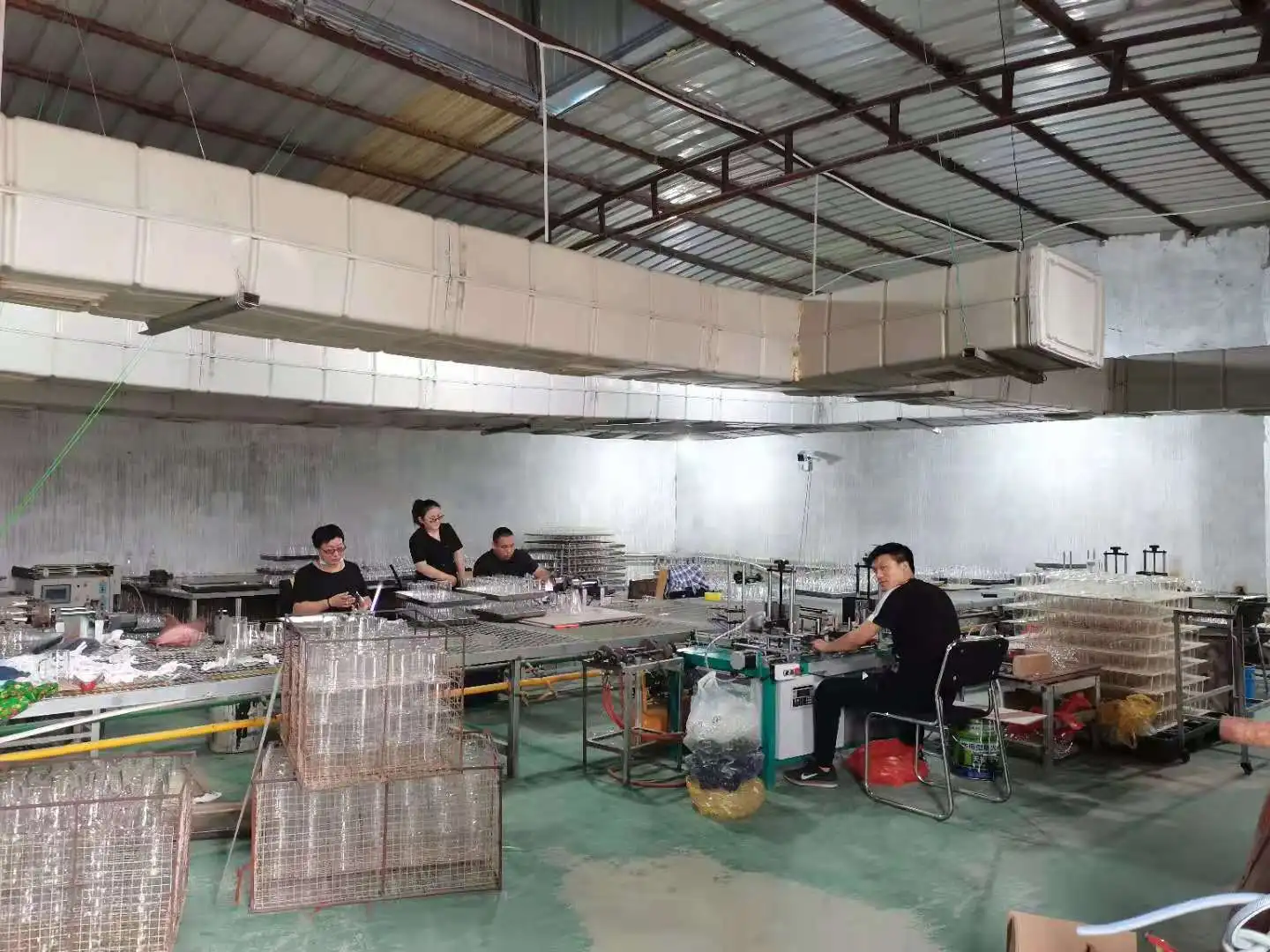
Hejian Hengyang Glassware Co., Ltd.
- Trading Company
- Hebei, China
- Lead time15 days
- Avg. response≤ 10h
Main productsglass jar,glass cup,juice /water jug,tea pot,tea cups
Main marketsOceania(30.00%), North America(30.00%), Northern Europe(20.00%), Domestic Market(10.00%), Western Europe(4.00%), Central America(3.00%), Mid East(3.00%)
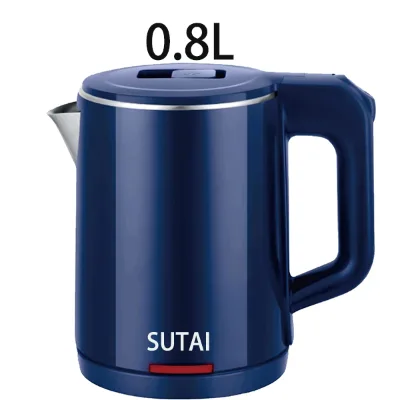
Guangdong Sutai Electrical Appliance Co., Ltd.
- Verified by SGS Group
- Manufacturer, Trading Company
- Lead time15 days
- Avg. response≤ 3h
Main productsElectric Kettle, Air-fryer, Blender, Infrared cooker, Coffee kettle
Main marketsSouth America(10%), Eastern Europe(10%), Mid East(10%)
Chaozhou Ssfishss Stainless Steel Products Factory
- Verified by CTI
- Combined
- China Guangdong
- Lead time30 days
- Avg. response≤ 7h
Main productsoutdoor products
Main marketsAfrica,Southeast Asia/ Mideast,East Asia(Japan/ South Korea),Domestic,Europe,North America
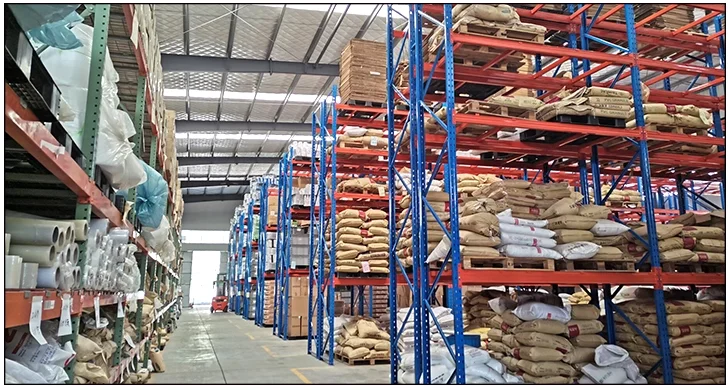
Zhengzhou Estarlink coffee Co., Ltd
- Trading Company
- Henan, China
- Lead time0 days
- Avg. response≤ 6h
Main productsCoffee Grinder,Coffee Pot,Coffee Machine,Coffee Makers,Coffee Tools
Main marketsNorth America(21.00%), Mid East(17.00%), Western Europe(15.00%), Oceania(10.00%), Southeast Asia(10.00%), Domestic Market(7.00%), Northern Europe(5.00%), Eastern Asia(5.00%), South America(4.00%), Eastern Europe(3.00%), Southern Europe(3.00%)
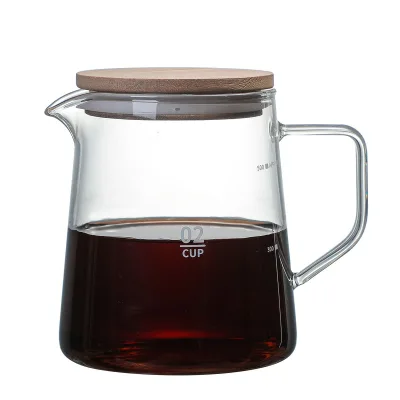
Fashionable Personalized Portable Glass Drip Coffee Maker Pot Glass Tea Kettle with Wood Lid
$2.6455 - $3.1278
MOQ: 20 pieces
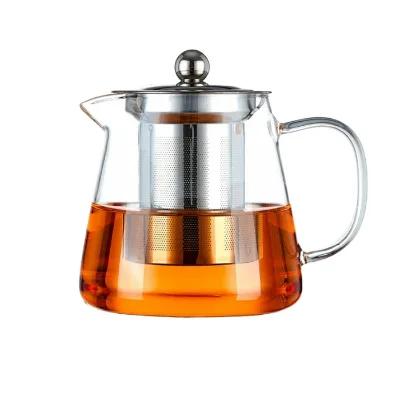
Stovetop Safe Blooming and Loose Leaf Tea Maker Set Glass Teapot with Infuser Tea Pot Tea Kettle
$1.4875 - $2.9436
MOQ: 20 pieces
Yantai Fochi Kitchenware Co., Ltd.
- Verified by SGS Group
- Manufacturer, Trading Company
- Lead time20 days
- Avg. response≤ 2h
Main productsBamboo Whisk, Matcha Whisk Set, Kongfu Tea Set, Coffee and Tea Tools, Coffee and Tea Set
Main marketsNorth America(35%), Western Europe(15%), Southeast Asia(10%)

Changchun Jinsheng Zhuoyu Trading Co., Ltd.
- Trading Company
- Jilin, China
- Lead time0 days
- Avg. response≤ 7h
Main productsTea,Ginseng,Herbs,Tea accessory,Gift
Main marketsWestern Europe(20.00%), North America(20.00%), Northern Europe(10.00%), Central America(10.00%), South America(10.00%), Southern Europe(5.00%), Mid East(5.00%), Eastern Europe(5.00%), Eastern Asia(4.00%), Southeast Asia(4.00%), Oceania(4.00%), Africa(2.00%), South Asia(1.00%)
Cangzhou Bontop Glass Products Co., Ltd.
- Trading Company
- hebei, China
- Lead time7 days
- Avg. response≤ 4h
Main productsglass storage jar,Glass kitchenware,wine decanter,glass dome,double wall glass cup
Main marketsNorth America(18.00%), Western Europe(13.00%), Southeast Asia(12.00%), Northern Europe(12.00%), Central America(11.00%), Eastern Europe(8.00%), Mid East(6.00%), Eastern Asia(5.00%), Southern Europe(5.00%), South America(5.00%), Africa(3.00%), South Asia(2.00%)
- Verified by TüVRheinland
- Manufacturer, Trading Company
- Lead time25 days
- Avg. response≤ 3h
Main productsDrinkware, Ceramicware, Barware, Kitchenware, Glass Bottles
Main marketsNorth America(20%), South America(20%), Southeast Asia(20%)
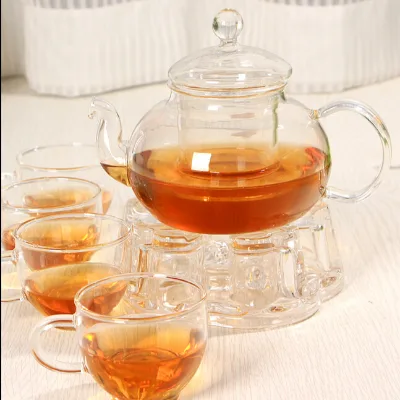
Glass Teapot with Infuser for Blooming and Loose Leaf Tea Pot glass teapot pitcher
$2.0508 - $6.1523
MOQ: 500 Minimum
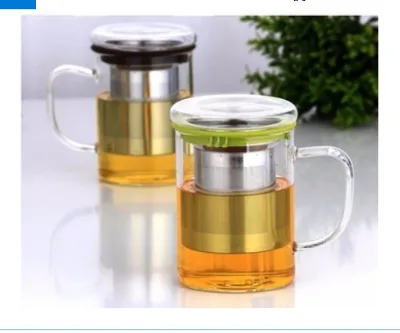
$2.7024 - $2.8582
MOQ: 1000 pieces
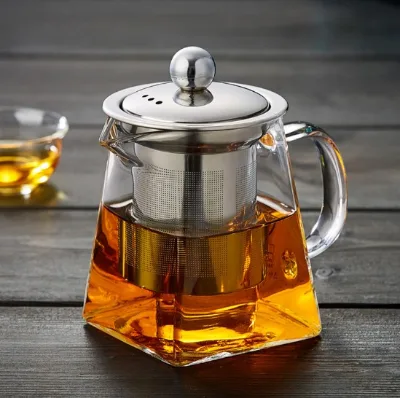
Hot Selling Wholesale Glass Teapot with Infuser Stovetop Safe Tea Kettle Tea Maker Set
$1.9324 - $2.3384
MOQ: 1000 pieces
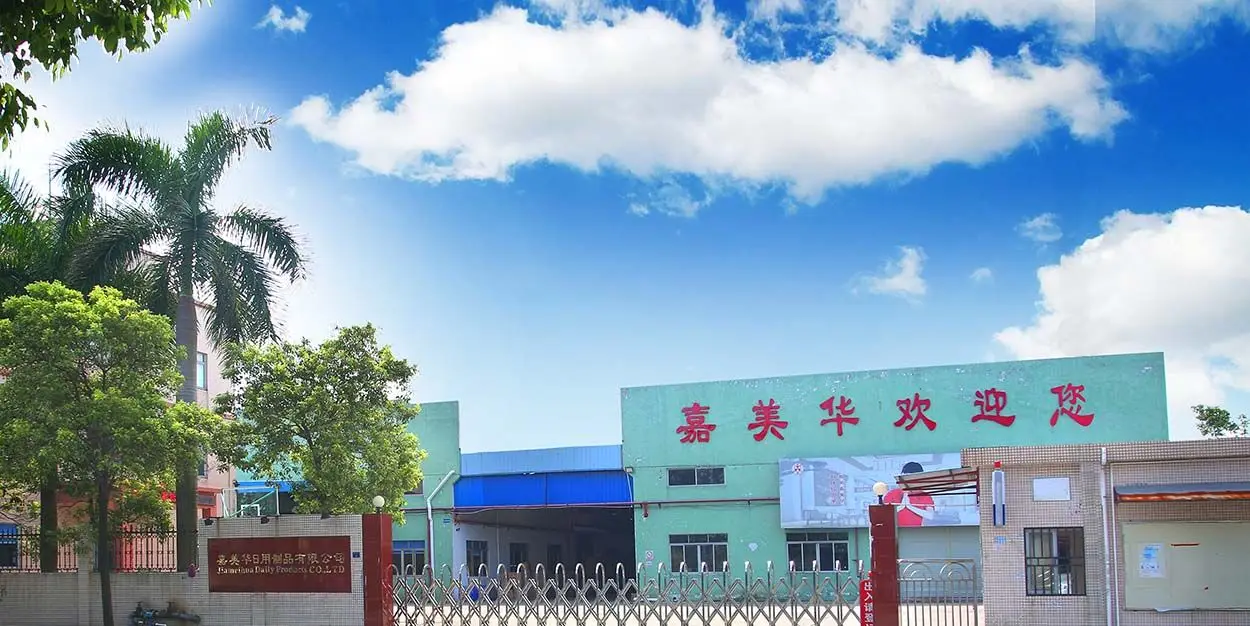
Zhongshan Jiameihua Daily Products Co., Ltd.
- Manufacturer
- Guangdong, China
- Lead time35 days
- Avg. response≤ 16h
Main productsGlass Teapot,Glass Coffee Press,Glass Carafe,Glass Cup,Glass Jar
Main marketsEastern Europe(35.00%), North America(10.00%), Western Europe(10.00%), Mid East(10.00%), Eastern Asia(10.00%), Northern Europe(10.00%), Central America(5.00%), Domestic Market(5.00%), South Asia(5.00%)

Xiamen Monake Import and Export Co., Ltd.
- Verified by TUVRHEINLAND
- Trading Company
- China Fujian
- Lead time30 days
- Avg. response≤ 5h
Main productsEngine Mounting, Strut Mount, Rubber Bush, Center Bearing, Control Arm, Arm Bushing, Auto Parts, Fan Blade, Auto Spare Parts, Car Parts
Main marketsOthers(foreignTradeCapacity.exportBusinessCapacityMarketOther),Domestic







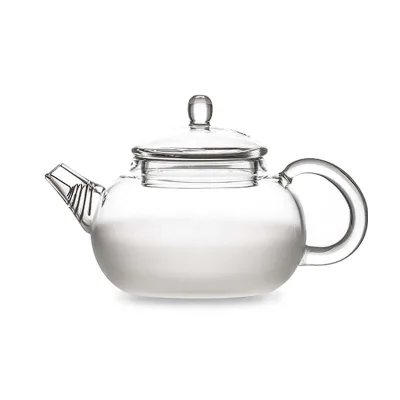
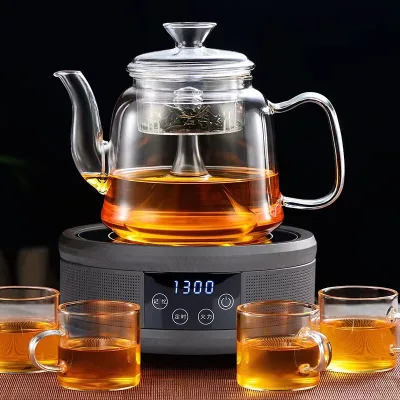
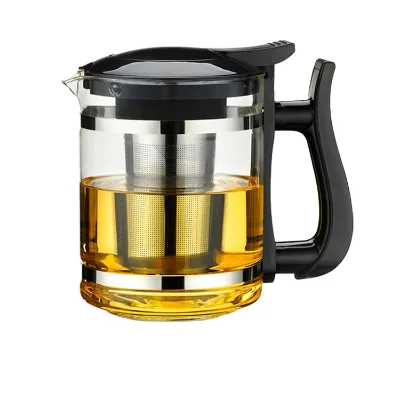
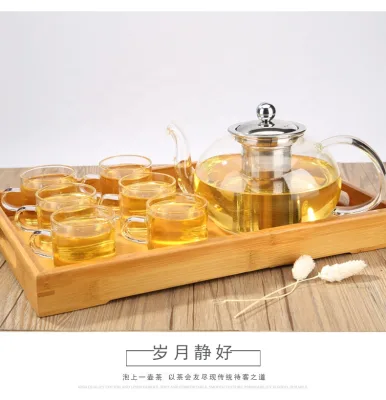


Comprehensive Sourcing Guide
Portable Chinese Style Tea Vessels Supplier Concentration and Factory Types
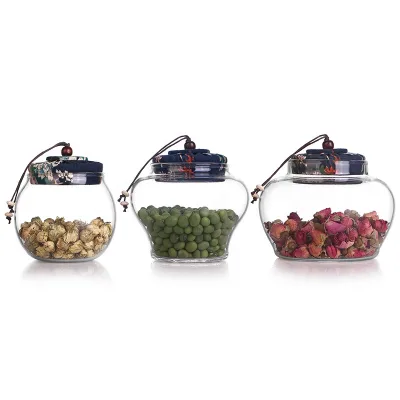
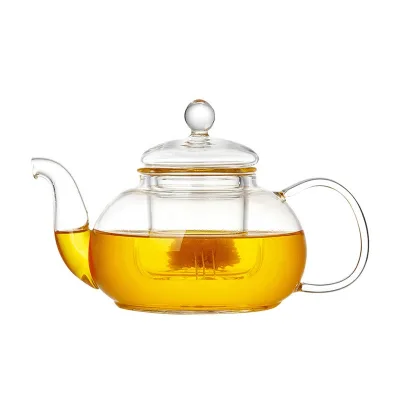
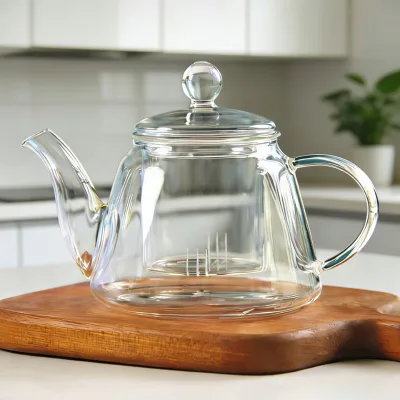
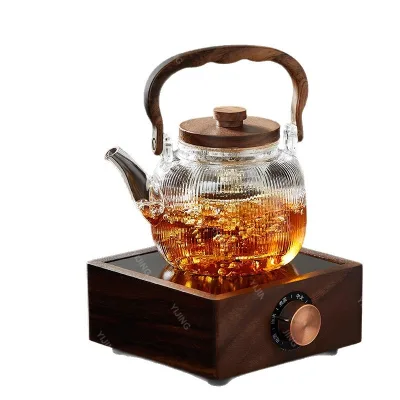
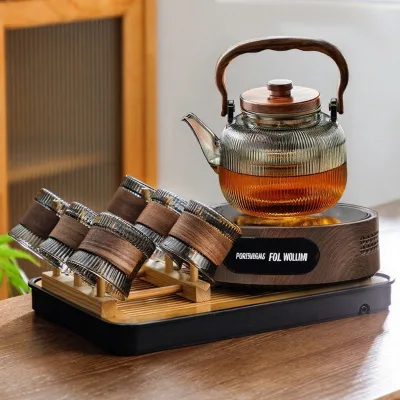
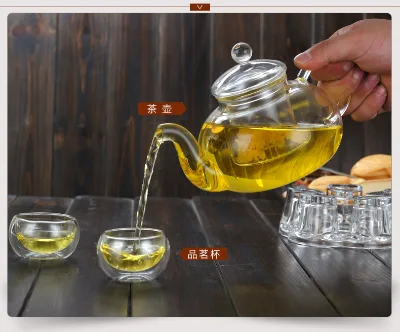
The current supplier landscape for Portable Chinese Style Tea Vessels reveals a distinct concentration of manufacturing and trading entities within Hebei Province, China. This regional clustering suggests a specialized industrial ecosystem where suppliers have developed specific capabilities in producing glass-based tea ware, including teapots, cups, and storage tanks. The presence of both manufacturers and trading companies in this area indicates a diverse supply chain structure. Buyers can expect to find factories that handle direct production alongside trading firms that may aggregate products from multiple sources or offer broader catalogues. This dual presence allows for flexibility in sourcing, whether a buyer requires direct factory engagement for customizations or the logistical convenience of a trading partner. The geographic concentration in Hebei implies that logistics infrastructure and raw material access, particularly for glass and associated components, are optimized in this region. Understanding this concentration helps buyers anticipate where the bulk of inventory and production capacity resides, facilitating more targeted outreach and negotiation strategies.
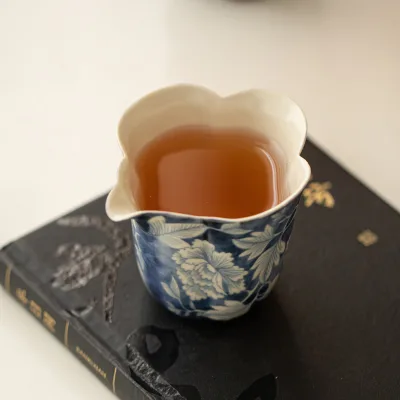
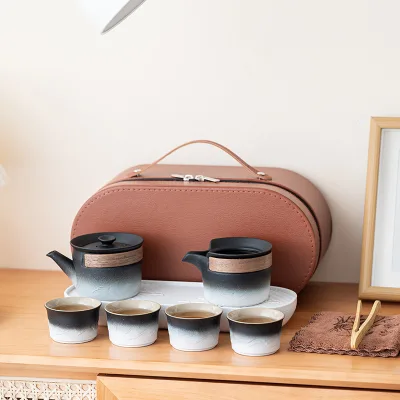
Supplier types vary significantly in their operational focus and product offerings. Some entities identify primarily as manufacturers, suggesting they control the production process for items like high borosilicate glass teapots and magnetic infuser sets. Others operate as trading companies, which may offer a wider variety of styles, such as portable Kung Fu tea sets with aluminum or melamine components, or bone china accessories. The main products listed often include juice cups, coffee cups, and double-layer glass cups alongside specialized tea vessels, indicating a broad capability in glassware. This diversity means that a single supplier might not specialize exclusively in tea vessels but can still provide high-quality portable options. Buyers should carefully review the company type to determine if they are dealing with the source of production or an intermediary. This distinction impacts pricing structures, communication channels, and the ability to request specific customizations. Recognizing these differences is crucial for aligning supplier capabilities with specific project requirements, ensuring that the chosen partner can meet both quality and volume expectations.
How to Verify Portable Chinese Style Tea Vessels Suppliers
Verifying the authenticity and reliability of suppliers requires a systematic approach to checking the provided factual data points. Buyers should start by confirming the supplier’s location, particularly if they are targeting manufacturers in Hebei Province, China. Cross-referencing the stated location with business registration details or third-party verification services can help establish legitimacy. It is also essential to examine the main products listed to ensure they align with the specific portable tea vessels required. For instance, if a supplier claims to specialize in glass teapots, their product catalogue should reflect this with relevant keywords and images. Additionally, checking the response time can provide insights into the supplier’s operational efficiency. A faster response time, such as two hours, may indicate a more responsive and organized team, whereas a longer response time might suggest potential delays in communication. These initial checks form the foundation of due diligence, helping buyers filter out unreliable partners before engaging in deeper discussions.
Beyond basic location and product checks, buyers should scrutinize the specific product attributes and certifications mentioned in the supplier results. For example, some products are described as being made from high borosilicate glass, which is a key indicator of quality for heat-resistant tea vessels. Buyers should verify if the supplier provides test results or certifications for food-grade safety, especially for items that come into direct contact with beverages. The presence of specific model numbers, such as D26TS or DS-G248450, can also be used to trace the product’s origin and specifications. Furthermore, examining the brand names associated with the products, such as Morality Square or Pindefang, can help assess the supplier’s market positioning. If a supplier offers private labeling or custom branding, buyers should inquire about the process and requirements. This level of detailed verification ensures that the supplier not only exists but also meets the specific quality and compliance standards required for the portable tea vessels. It minimizes the risk of receiving substandard products and ensures a smoother procurement process.
What to Compare Across Portable Chinese Style Tea Vessels Suppliers
When evaluating multiple suppliers, buyers should compare key operational metrics such as lead time, minimum order quantity (MOQ), and response speed. Lead times can vary significantly, with some suppliers indicating a lead time of zero, which may imply ready stock, while others may have a lead time of fifteen days, suggesting production is required. Understanding these differences is crucial for inventory planning and meeting customer demand. Similarly, MOQs can range from ten pieces to fifty pieces, impacting the initial investment and risk for buyers. Smaller MOQs are beneficial for testing the market or for smaller orders, while larger MOQs may offer better unit pricing. Response speed is another critical factor, as it affects the efficiency of the negotiation and order placement process. Suppliers with faster response times can provide quicker quotes and resolve issues more promptly, enhancing the overall buying experience. Comparing these metrics helps buyers identify suppliers that best fit their operational needs and budget constraints.
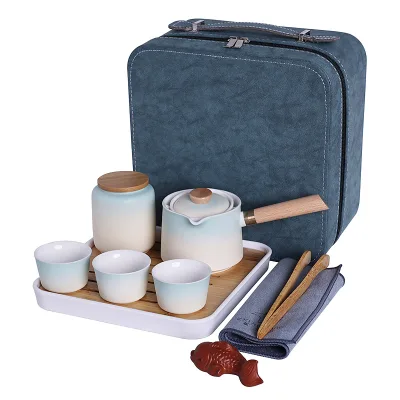
In addition to operational metrics, buyers should compare the specific product features and pricing structures offered by different suppliers. Product attributes such as material type, volume, and design style can vary widely. For example, some teapots are made from transparent high borosilicate glass with magnetic infusers, while others may include aluminum or melamine components for portability. Pricing also varies, with some items priced around $2.39 and others significantly higher, such as $30.36 to $35.14 for complete portable sets. Buyers should assess whether the higher price points justify the additional features, such as included travel bags or multiple cups. Furthermore, comparing the thermal insulation performance and eco-friendly features can help determine the value proposition of each product. By systematically comparing these factors, buyers can make informed decisions that balance cost, quality, and functionality. This comparative analysis ensures that the selected supplier offers the best overall value for the specific Portable Chinese Style Tea Vessels required.
Common Portable Chinese Style Tea Vessels Sourcing Risks
One significant risk in sourcing Portable Chinese Style Tea Vessels is the potential mismatch between product descriptions and actual quality. Suppliers may list products with attributes like "high borosilicate glass" or "heat-resistant," but without independent verification, buyers cannot be certain of the material’s true specifications. This discrepancy can lead to receiving products that do not meet safety or durability standards, particularly for items that hold hot water. Another risk is the variability in lead times and production capabilities. While some suppliers may claim a lead time of zero, this might not reflect the reality of production schedules, especially during peak seasons. Buyers who rely on these estimates may face delays in receiving their orders, impacting their ability to meet customer deadlines. Additionally, the presence of trading companies alongside manufacturers can introduce communication barriers and potential misunderstandings regarding product specifications. Trading companies may not have direct control over the production process, leading to inconsistencies in quality or customization requests.
Another common risk is the lack of transparency in pricing and additional costs. While some products have clear price ranges, others may have hidden fees for shipping, packaging, or customizations. Buyers should be cautious of suppliers who offer significantly lower prices, as this may indicate compromised quality or unreliable service. Furthermore, the risk of intellectual property infringement exists, particularly when dealing with branded products or unique designs. Buyers should ensure that they have the necessary rights to sell products with specific brand names or designs. Additionally, the risk of logistical issues, such as damage during transit, is heightened for fragile glass items. Buyers should verify the packaging standards and insurance options provided by the supplier. By identifying and mitigating these risks through thorough due diligence and clear contractual agreements, buyers can protect their interests and ensure a successful sourcing experience. Proactive risk management is essential for maintaining product quality and customer satisfaction in the competitive tea vessel market.
Portable Chinese Style Tea Vessels Regional Sourcing and Logistics
Sourcing from Hebei Province, China, offers logistical advantages due to the region’s established manufacturing infrastructure and proximity to major shipping hubs. The concentration of suppliers in this area facilitates efficient consolidation of orders, reducing transportation costs and lead times. Buyers can benefit from the local expertise in glass production and assembly, which is well-developed in Hebei. However, buyers should also consider the logistical implications of sourcing from this region, including customs clearance and international shipping requirements. Understanding the specific export regulations and documentation needed for glass products is crucial to avoid delays at customs. Additionally, buyers should evaluate the supplier’s experience with international logistics, as this can impact the reliability and cost of shipping. Suppliers with a strong track record in exporting can provide valuable insights into packaging and handling requirements, ensuring that fragile items arrive in good condition.
Logistics planning should also account for the volume and weight of the products, as this affects shipping costs and methods. For example, portable tea sets with multiple components, such as cups and travel bags, may require specialized packaging to prevent damage. Buyers should work with suppliers to optimize packaging solutions that balance protection and cost-efficiency. Furthermore, considering the environmental impact of shipping is increasingly important, with many buyers seeking eco-friendly logistics options. Buyers should inquire about the supplier’s sustainability practices, such as the use of recyclable materials in packaging. By carefully planning the logistics strategy, buyers can minimize risks and costs associated with international shipping. This includes selecting the appropriate shipping method, whether by sea or air, based on urgency and budget. Effective logistics management ensures that products are delivered on time and in optimal condition, supporting the overall success of the sourcing project.
Portable Chinese Style Tea Vessels Commercial Terms and Order Planning
Commercial terms play a vital role in the procurement process, influencing cash flow, risk allocation, and overall project success. Buyers should carefully review the payment terms offered by suppliers, such as the availability of escrow services or other secure payment methods. Escrow can provide an additional layer of protection by holding funds until the buyer confirms receipt and quality of the goods. Additionally, buyers should negotiate clear terms regarding warranties, returns, and dispute resolution. Understanding these terms helps mitigate financial risks and ensures that both parties have a shared understanding of their obligations. Buyers should also consider the impact of currency fluctuations and exchange rates on pricing, especially for long-term contracts. Establishing fixed pricing or hedging strategies can help manage these financial risks. By prioritizing transparent and fair commercial terms, buyers can build trust and foster long-term relationships with their suppliers.
Order planning requires a strategic approach to align production schedules with market demand. Buyers should consider the MOQs and lead times when placing orders, ensuring that they have sufficient inventory to meet customer needs without overstocking. For example, if a supplier has a lead time of fifteen days, buyers should plan their orders accordingly to avoid stockouts. Additionally, buyers should consider the seasonal variations in demand for tea vessels, particularly during holidays or special events. Planning orders in advance can help secure production slots and potentially negotiate better pricing. Buyers should also establish clear communication channels with suppliers to monitor production progress and address any issues promptly. Regular updates and inspections can help ensure that the products meet the specified quality standards. By integrating commercial terms and order planning into a cohesive strategy, buyers can optimize their supply chain and achieve greater operational efficiency. This holistic approach supports sustainable growth and competitiveness in the portable tea vessel market.
FAQs
What is the minimum order quantity for portable glass tea sets?
The minimum order quantity varies by supplier and product type. Some manufacturers require a minimum of 10 pieces for portable travel tea sets, while others set the threshold at 50 pieces for customized glass teapots. Buyers should check the specific product listing to confirm the exact MOQ before placing an order.
How long does production take for custom glass tea vessels?
Lead times depend on the supplier type and order volume. Trading companies may have a lead time of 15 days for stocked items, while manufacturers might offer faster turnaround times. Buyers should verify the specific production schedule with the supplier to ensure timely delivery for their sourcing needs.
What materials are used in Chinese style portable tea pots?
Portable tea vessels are typically made from high borosilicate glass, which is heat-resistant and durable. Some sets include aluminum or melamine components for travel cases and handles. Buyers can find options with transparent glass, white jade finishes, or magnetic infusers designed for tea-water separation and convenient brewing.
What is the price range for wholesale glass tea sets?
Prices vary based on design, material, and order quantity. Basic glass teapots can start around 2.39 USD per unit, while complex portable travel sets with multiple components may cost between 30 and 35 USD. Buyers should request quotes for specific models to get accurate pricing for their volume.
Where are these portable tea vessels manufactured?
Most Portable Chinese Style Tea Vessels are manufactured in Hebei Province, China. Some specialized glass products may originate from Guangdong Province. Buyers can filter suppliers by location to find manufacturers in these regions, ensuring they meet specific geographic sourcing requirements for their supply chain.
How quickly do suppliers respond to inquiries about tea sets?
Response times vary among suppliers, with some responding within 2 hours and others taking up to 9 hours. Faster response times indicate active customer service teams. Buyers should prioritize suppliers with quick response times to ensure efficient communication and faster resolution of any sourcing questions or concerns.