Source Dishware for Hotels, Weddings, and Restaurants
Find 30 ceramic Dishware options from Chinese manufacturers. Compare eco-friendly plates and unique glaze designs for hotel, wedding, and restaurant use. View specs, MOQs, and pricing for bulk sourcing; compare the available evidence and request quotations based on your requirements.
Updated
Key considerations
Products List
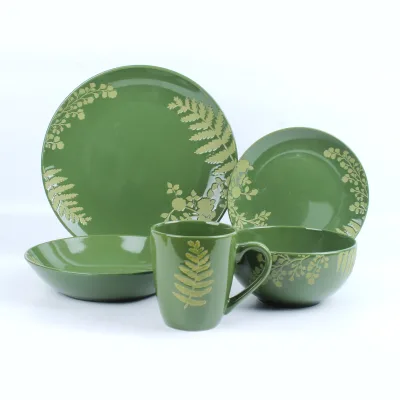
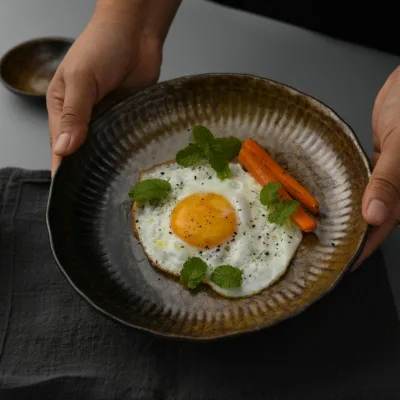


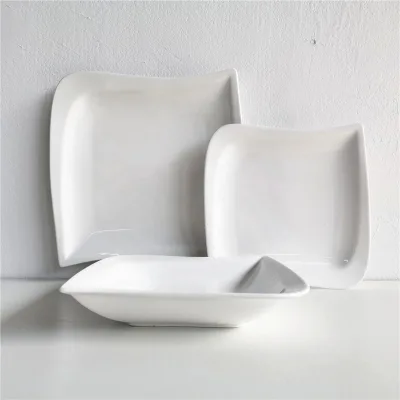
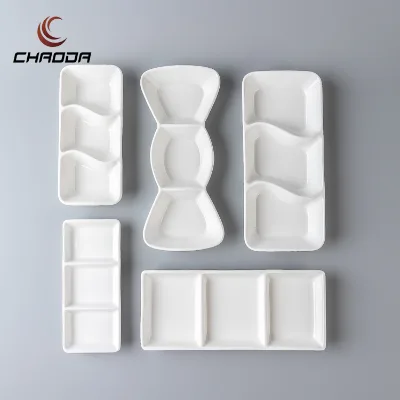
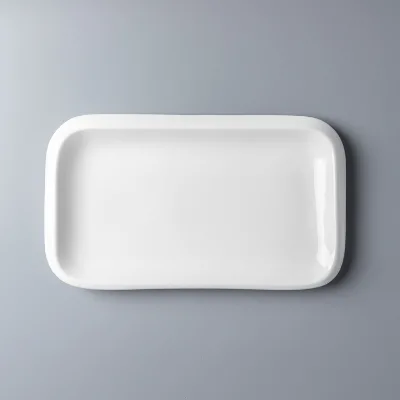
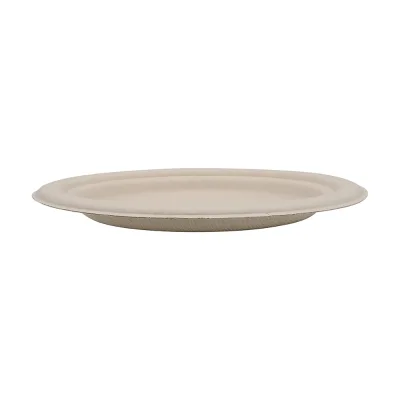
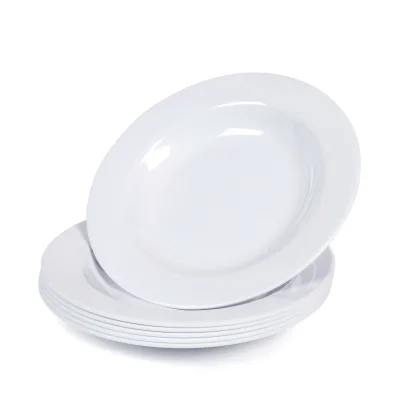
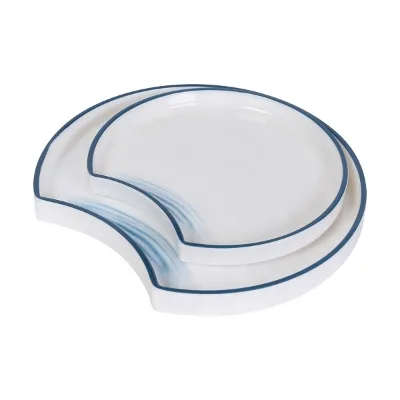


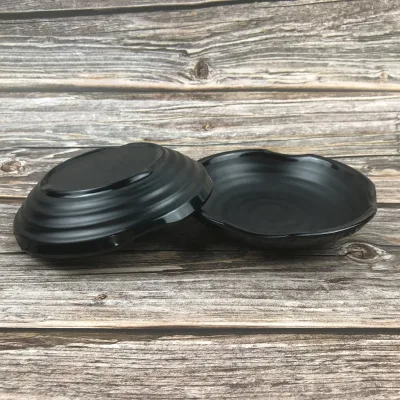

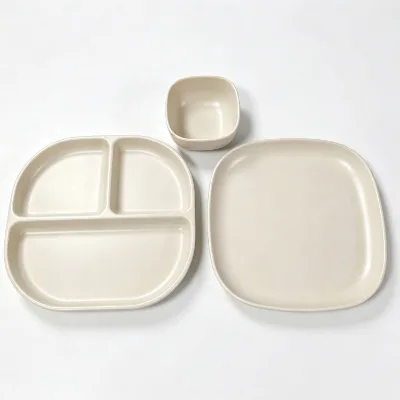

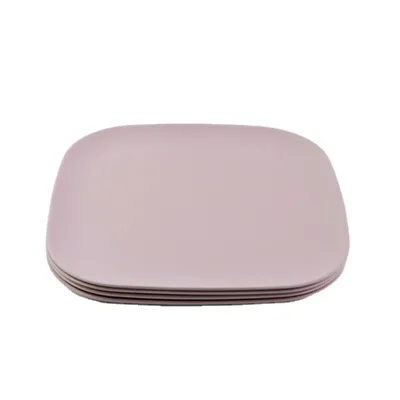
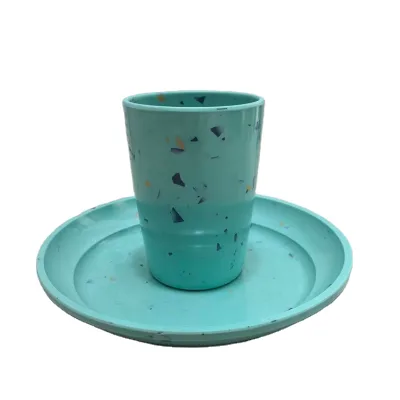
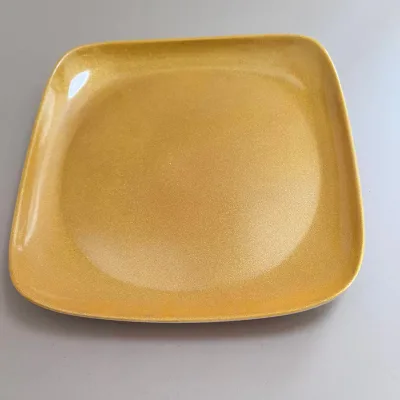

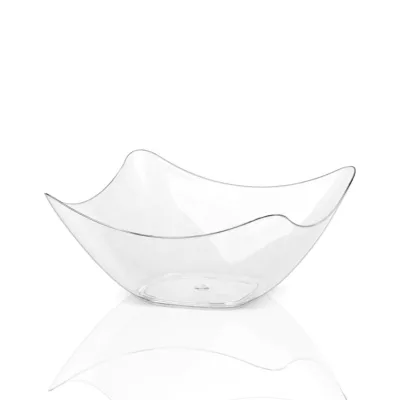
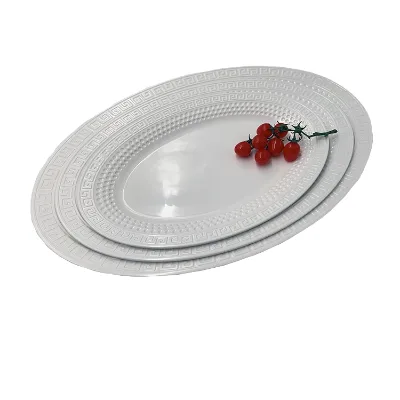
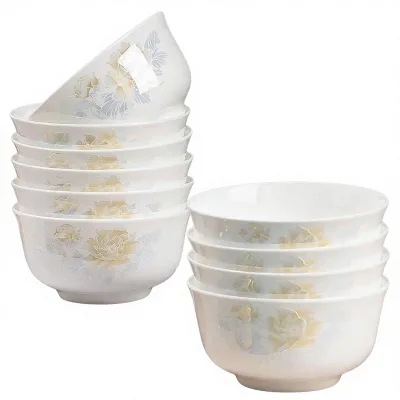
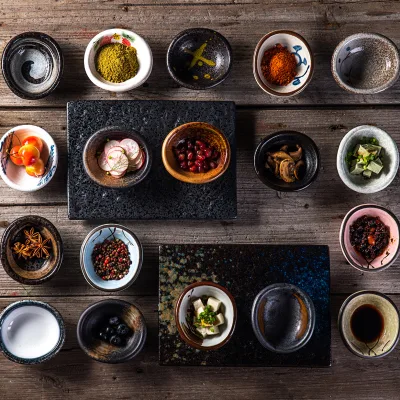


Elegant Round/Square Gold Blossom Decorative Dishware with Wholesale Price
$0.70 - $0.90
MOQ: 1000 Pieces

Elegant Round/Square Rope Edge Decorative Dishware with Wholesale Price
$0.70 - $0.90
MOQ: 1000 Pieces
Comprehensive Sourcing Guide
Dishware Sourcing Guide
Buyers evaluating ceramic Dishware must first distinguish between standard dinnerware and specialized decorative items, as the market offers distinct product categories with different utility profiles. The available listings indicate a strong presence of Christmas-themed plates and unique transmutation glaze dishes, suggesting that seasonal demand and aesthetic customization are primary market drivers. Procurement strategies should account for these variations, ensuring that the selected items align with specific operational needs, whether for hotel service, home use, or event catering.
The observed product range includes items with varying shapes, such as round and oval configurations, and sizes ranging from 7.5 inches to 10.5 inches in diameter. This diversity requires buyers to verify that the physical dimensions match their existing table settings or storage constraints. Additionally, the presence of customized patterns and logos indicates that many suppliers offer tailored solutions, necessitating a clear definition of design requirements before initiating the sourcing process to avoid mismatches in final delivery.
Product Scope and Observed Listing Signals
The current market signals reveal a significant focus on eco-friendly attributes and durability, which are frequently highlighted as key advantages for ceramic tableware. Listings consistently mention features like safety and colorful designs, indicating that sustainability and visual appeal are critical decision factors for modern buyers. Procurement teams should prioritize suppliers who explicitly demonstrate these eco-friendly credentials, as they often correlate with higher quality control standards and safer material compositions for food contact applications.
Supply capabilities appear robust, with some vendors reporting a daily output of 150,000 pieces, which supports large-scale orders for hotels and restaurants. However, the minimum order quantities vary widely, ranging from 10 to 30,000 units, requiring buyers to align their volume needs with supplier capacity. The availability of customized packaging, including inner boxes and multi-layer cartons, suggests that logistics and presentation are integral parts of the product offering, allowing for tailored shipping solutions that protect fragile ceramic items during transit.
Technical Specifications to Verify
Buyers must rigorously verify the physical dimensions and material composition of the Dishware to ensure compatibility with their specific service requirements. The observed specifications include diameters of 7.5, 8, and 10.5 inches, alongside single package sizes that vary slightly between 25.1 cm and 26.7 cm. Confirming these exact measurements is essential for inventory planning and storage, as even minor discrepancies can impact stacking efficiency and display aesthetics in commercial or residential settings.
The manufacturing technique, specifically the under-glazed process, is a critical technical detail that influences the durability and finish of the ceramic products. This technique often enhances the longevity of the glaze and the vibrancy of the colors, which are vital for items intended for frequent use in high-traffic environments like weddings or restaurants. Additionally, the shape of the plates, whether round or oval, must be confirmed against the intended application, as the geometry affects how food is plated and how the items are handled by staff during service.
Compliance and Safety Documentation
Safety and compliance are paramount when sourcing ceramic Dishware intended for food contact, and buyers should demand explicit documentation regarding material safety. The available product descriptions frequently cite "Food Contact Safe" as a key attribute, but this claim must be backed by verifiable test results or certifications. Procurement teams should request specific evidence that the glazes and clays used in the manufacturing process do not leach harmful substances, ensuring that the products meet the safety standards required for their target markets.
Certification status, such as ISO9001, serves as a baseline indicator of a supplier's commitment to quality management systems, though it does not guarantee food safety compliance on its own. Buyers should verify that the supplier holds relevant food safety certifications specific to the regions where the Dishware will be sold or used. Relying solely on general quality certifications without confirming food-grade compliance can lead to regulatory issues, making it essential to cross-reference all safety claims with official documentation before finalizing any purchase agreement.
Cost Drivers and Commercial Terms
The pricing structure for ceramic Dishware is influenced by several factors, including the complexity of the design, the customization level, and the volume of the order. Observed price ranges in the market span from $0.01 to $86, reflecting the vast difference between basic stock items and highly customized, premium pieces. Buyers must understand that lower unit costs often correlate with standard designs and higher minimum order quantities, whereas bespoke patterns and logos typically command a premium price due to the additional setup and production time required.
Commercial terms regarding packaging and shipping are equally critical, as the fragile nature of ceramic products necessitates robust protection to prevent damage during transit. The standard bulk packing involves inner boxes and five-layer cartons, but suppliers often accommodate specific customer requirements for customized packaging. Negotiating these terms is essential, as the cost of specialized packaging and the logistics of dispatching from ports like Qingdao can significantly impact the total landed cost of the procurement.
Supplier Qualification and Quality Control
Supplier qualification should extend beyond basic product listings to include a thorough assessment of their manufacturing capabilities and quality control processes. The observed data indicates that suppliers are located in various Chinese provinces, including Shandong, Jiangsu, and Guangdong, each potentially offering different advantages in terms of raw material access and logistical efficiency. Buyers should verify the specific production location to ensure it aligns with their supply chain preferences and to assess the reliability of the local infrastructure supporting the manufacturing process.
Quality control measures must be explicitly defined in the procurement agreement, particularly regarding the inspection of finished goods for defects such as cracks, glaze imperfections, or dimensional inaccuracies. Given the high supply ability of some vendors, maintaining consistent quality across large batches is a challenge that requires rigorous pre-shipment inspections. Buyers should consider implementing third-party quality audits or requesting detailed inspection reports to ensure that the delivered Dishware meets the agreed-upon standards for durability and aesthetic finish.
Long-Term Procurement Checks
Establishing a long-term procurement relationship requires continuous monitoring of supplier performance and product consistency over time. Buyers should track key performance indicators such as on-time delivery rates, defect rates, and the ability to meet fluctuating demand, especially during peak seasons like holidays when Christmas-themed items are in high demand. Regular reviews of these metrics help identify potential supply chain disruptions early and allow for proactive adjustments to the sourcing strategy.
Sustainability and adaptability are also critical for long-term success, as market trends and regulatory requirements evolve. Buyers should maintain open communication with suppliers regarding their commitment to eco-friendly practices and their ability to adapt designs to changing consumer preferences. By fostering a collaborative relationship based on transparency and shared goals, procurement teams can ensure a stable supply of high-quality Dishware that continues to meet the evolving needs of their business and customers.
FAQs
What materials are used for these ceramic plates?
The plates are made from high-quality ceramic material, ensuring durability and safety for food contact. This material choice supports eco-friendly practices and allows for customized designs. The ceramic construction provides a sturdy base for various applications, including hotel, wedding, and restaurant settings, while maintaining a fashionable and colorful appearance for festive occasions.
Can I customize the logo and design on the plates?
Yes, customized logos and designs are available for these ceramic plates. Buyers can request specific patterns, colors, and shapes to match their brand or event theme. The supplier offers flexible packaging options, including inner boxes and five-layer cartons, to accommodate custom requirements. This customization ensures the Dishware meets unique aesthetic and functional needs for parties or commercial use.
What sizes are available for the Christmas plates?
The available sizes include 7.5 inch, 8 inch, and 10.5 inch diameters. These dimensions cater to various dining needs, from appetizers to main courses. The round shape and under-glazed technique enhance the visual appeal and durability of each plate. Buyers can select the appropriate size based on their specific service requirements, ensuring versatility for home or commercial kitchen applications.
What is the minimum order quantity for these items?
The minimum order quantity ranges from 10 to 30,000 pieces, depending on the specific product configuration and customization level. This flexible MOQ allows both small-scale buyers and large enterprises to place orders. The supplier can accommodate bulk orders with a supply ability of 150,000 pieces per day, ensuring timely delivery for large events or commercial inventory needs across global markets.
Are these plates certified for food safety?
Yes, the plates are certified with ISO9001, indicating adherence to quality management standards. The product description explicitly states that the material is food contact safe, ensuring compliance with safety regulations. This certification and safety feature make the ceramic Dishware suitable for professional use in hotels, restaurants, and weddings, providing peace of mind for buyers prioritizing health and quality in their kitchen products.
Where are these ceramic plates manufactured?
These ceramic plates are manufactured in China, with origins noted in Shandong, Jiangsu, and Guangdong provinces. The port of dispatch is Qingdao, facilitating efficient logistics for international shipments. This manufacturing base supports a wide range of styles, including American and European designs, allowing buyers to source diverse ceramic tableware options from established production regions with reliable supply chain infrastructure.