eco-friendly classic ceramic plate Suppliers and Manufacturers
Find 31 verified suppliers offering eco-friendly classic ceramic plates with ISO 9001 and FDA certifications. Compare response times, lead times, and MOQs to source custom dinnerware from Guangdong factories. Request samples to verify product quality before placing orders; review the available evidence before requesting comparable quotations from suitable candidates.
Updated
Suppliers List

Guangzhou Nantian Sources Co., Ltd.
- Manufacturer/Factory
- China Guangdong
- Lead time15 days
- Avg. response≤ 6h
Main productsKitchen Equipment, Kitchenware, Food Machine, Kitchen Appliance, Glassware, Food Machinery, Bakery Equipment, Dinnerware, Kitchen Utensils, Food Processor
Main marketsSouth America,Mid East,Southeast Asia,Eastern Asia,Oceania,Africa
Chaozhou Loving Home Porcelain Co., Ltd.
- Verified by Intertek
- Manufacturer, Trading Company
- Lead time60 days
- Avg. response≤ 7h
Main productsCeramic Tea Sets, Ceramic Dinnerware, Ceramic Serving Sets
Main marketsWestern Europe(26%), Eastern Europe(25%), Domestic Market(20%)
- Verified by TüVRheinland
- Manufacturer, Trading Company
- Lead time25 days
- Avg. response≤ 3h
Main productsDrinkware, Ceramicware, Barware, Kitchenware, Glass Bottles
Main marketsNorth America(20%), South America(20%), Southeast Asia(20%)
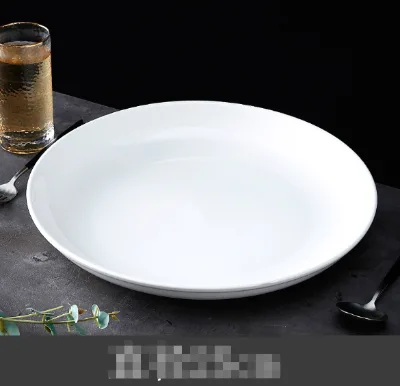
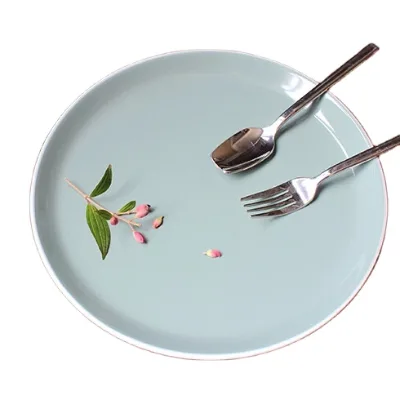
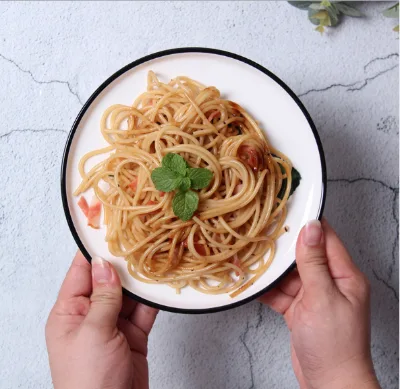
Various size promotional eco-friendly food grade ceramic dinner plates
$0.8688 - $0.9722
MOQ: 1000 pieces
Xiamen Yoyo Ceramic Trading Co., Ltd.
- Verified by Intertek
- Manufacturer, Trading Company
- Lead time55 days
- Avg. response≤ 6h
Main productsCandle Jar, Daily Ceramic Ware, Home Decoration, Garden Decoration, Bathroom Accessory
Main marketsNorth America(45%), Oceania(20%), Western Europe(20%)
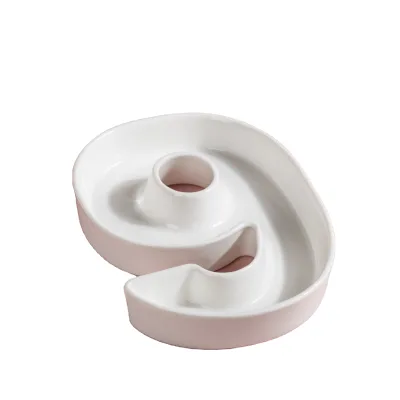
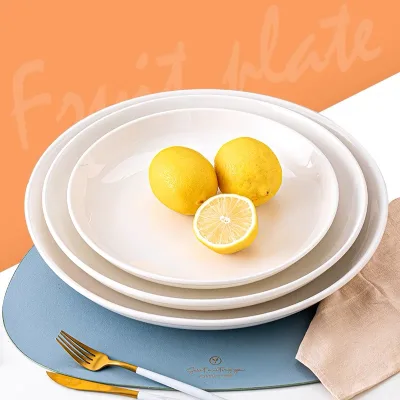
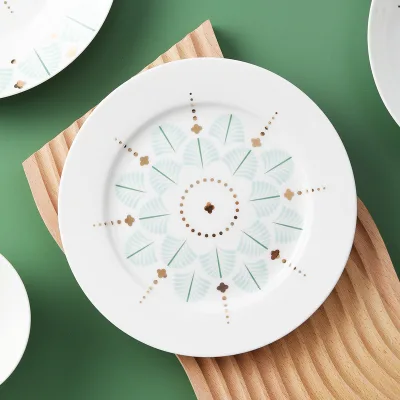
Custom Decorative Ceramic Dinner Plate for Nut Sugar Dessert Eco-Friendly Custom Dinnerware
$3.0784 - $4.4026
MOQ: 1 pieces
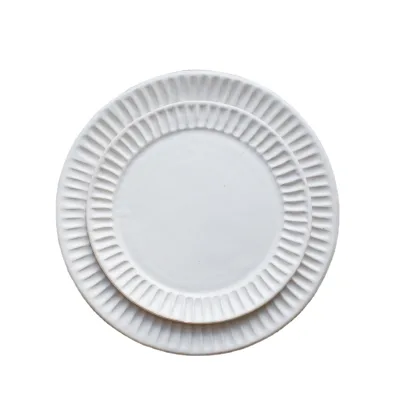
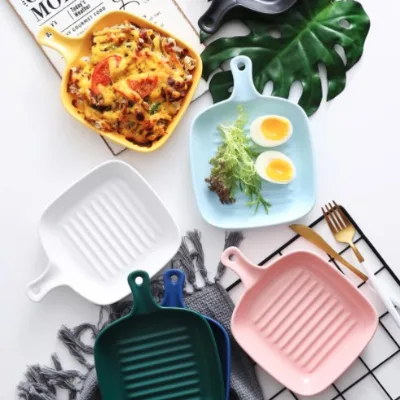
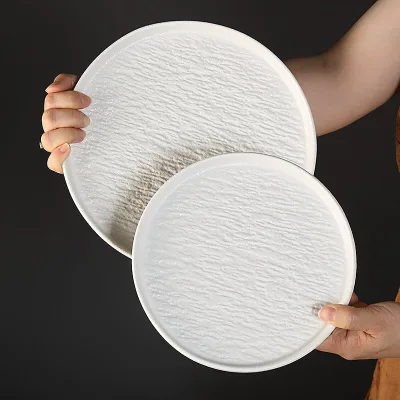
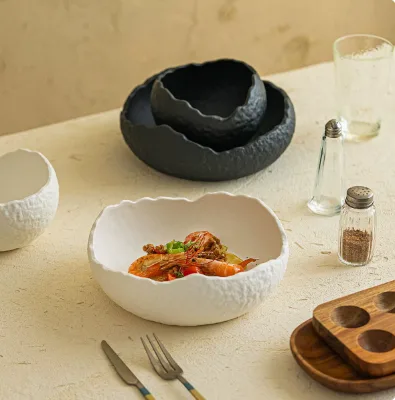
Nordic White Embossed Wholesale Ceramic Dinner Plate for Home Restaurant
$2.00 - $3.59
MOQ: 1000 pieces
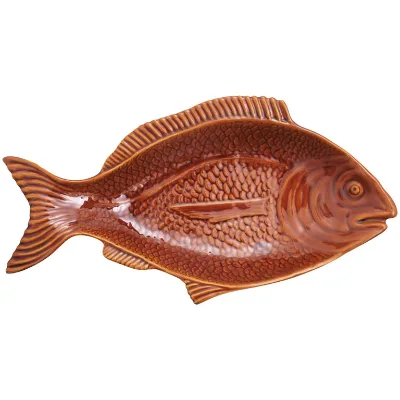
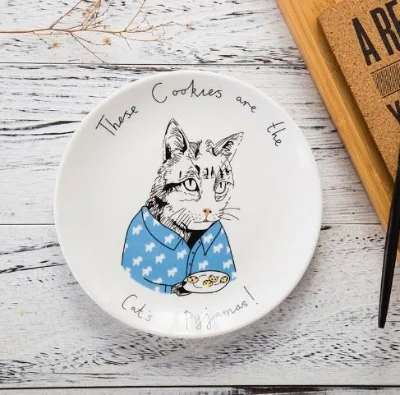
Vintage Style Brown Ceramic Fish Shape Plate Unique Handmade Porcelain Plates in Bulk
$2.0553 - $3.5458
MOQ: 1000 pieces
LINYI GUANGFA PORCELAIN CO., LTD.
- Verified by TüVRheinland
- Manufacturer, Trading Company
- Lead time30 days
- Avg. response≤ 3h
Main productsCeramic Tableware
Main marketsDomestic Market(58%), South Asia(10%), Southeast Asia(8%)
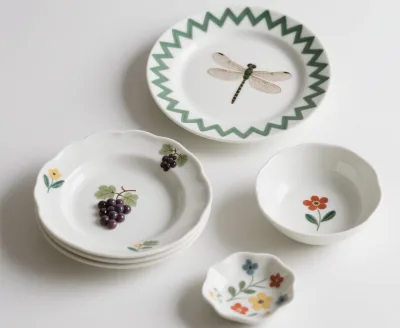
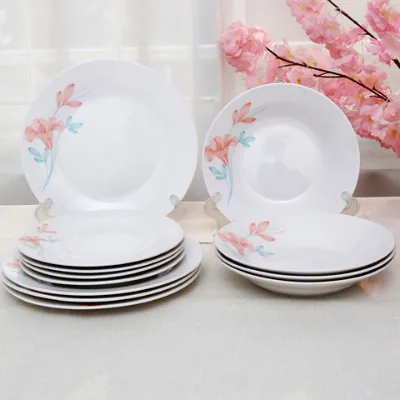
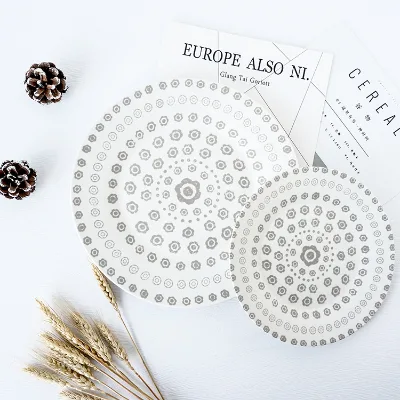
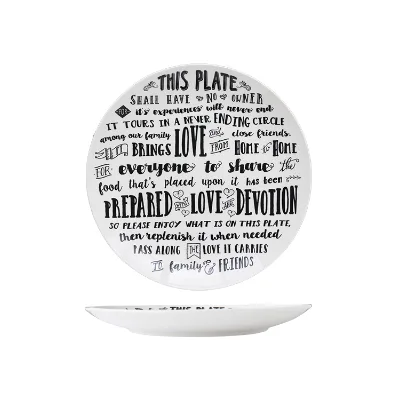
$0.25 - $0.30
MOQ: 3000 pieces

Linyi Feifan Imp. & Exp. Co., Ltd.
- Verified by TUVRHEINLAND
- Trading Company
- China Shandong
- Lead time30 days
- Avg. response≤ 12h
Main productsEnamel Mug/Cup, Enamel Bowl, Enamel Basin, Enamel Plate/Tray/Kettle, Enamel Casserole/Pot, Enamel Bucket, Safety Shoe/Boot, Safety Gloves
Main marketsSoutheast Asia/ Mideast,Domestic


Customized Logo Decal Printing Ceramic Plate/Soup Plate/Rice Plate/Porcelain Plate
$0.50 - $1.00
MOQ: 2000 Pieces


- Verified by BV
- Trading Company
- China Shandong
- Lead time30 days
- Avg. response≤ 2h
Main productsCeramic Mugs, Ceramic Dinnerware, Ceramic Tea Set, Ceramic Kitchen Ware, Custom Drum Shape Ceramic Coffee Mug, 24oz Large Capacity 3D Embossed Mug, Porcelain Cappuccino Cup and Saucer, 14oz Custom Souvenirs Ceramic Mug, 12 Sets Vintage Reactive Glazed Tableware, Custom Royal White Ceramic Milk Jar
Main marketsNorth America

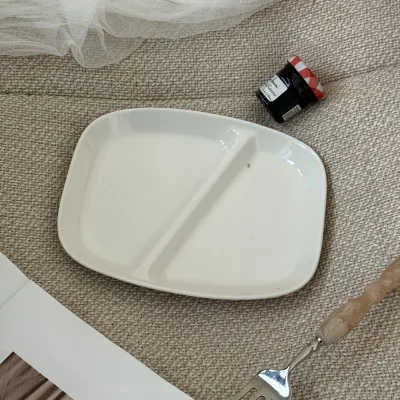
Eco-Friendly Factory Restaurant Long Plate White Ceramic Rectangle Plate
$0.80 - $2.00
MOQ: 5000 Pieces

Unique Dessert Plate White Ceramic Dinner Plate Seafood Restaurant Plate
$1.00 - $3.00
MOQ: 5000 Pieces

Ins Style Dessert Plate Round Ceramic Salad Plate 7.5inch Kitchen Ceramic Plate
$0.50 - $1.50
MOQ: 5000 Pieces

Chaozhou Chaoan Chaoda Ceramics Co., Ltd.
- Manufacturer
- Guangdong, China
- Lead time7 days
- Avg. response≤ 6h
Main productsCeramic Plates,Ceramic Bowls,Ceramic Cups
Main marketsWestern Europe(50.00%), North America(25.00%), Southeast Asia(15.00%), South America(10.00%)

Linyi Longying International Trade Co., Ltd.
- Verified by TUVRHEINLAND
- Trading Company
- China Shandong
- Lead time15 days
- Avg. response≤ 5h
Main productsTableware, Dinnerware, Porcelainware, Dinner Set, Hotel Porcelain, Ceramic Dinner Set, Ceramic Plate and Bowl, Tableware Plate and Bowl, Stoneware, Glassware
Main marketsOthers(foreignTradeCapacity.exportBusinessCapacityMarketOther),Europe


Eco-Friendly 8"Soup Plate Pad Printing Porcelain Ceramic Plate Tableware
$0.40 - $0.42
MOQ: 4000 Pieces


Eco-Friendly Healthy Large-Capacity12" Five-in-One Soup Plate Porcelainware Ceramic Tableware
$2.10 - $2.20
MOQ: 1000 Pieces


Guangdong Hongdahuang Ceramics Co. Ltd
- Verified by SGS
- Combined
- China Guangdong
- Lead time45 days
- Avg. response≤ 9h
Main marketsDomestic,North America


Practical Environmentally Friendly Cute Ceramic Plate for Family Gatherings
$1.30 - $8.00
MOQ: 100 Pieces


Environmentally Friendly Durable Ceramic Dinnerware Plate for Fast Food Restaurants
$1.30 - $8.00
MOQ: 100 Pieces

Beautiful Environmentally Friendly Ceramic Soup Plate for BBQ Restaurants
$1.30 - $8.00
MOQ: 100 Pieces

Beijing V-great International Trade Co., Ltd.
- Verified by CTI
- Trading Company,Manufacturer/Factory,Other
- China Beijing
- Lead time23 days
- Avg. response≤ 25h
Main productsBulletproof Vest, Aramid Helmet, Body Armor, Aramid Ud Fabric, Bulletproof Plate, Bulletproof Helmet, Tactical Vest, Aramid Bulletproof Vest, Nij Iiia Level Body Armor Vest, Sapi Plate Carrier
Main marketsSouth America,Eastern Europe,Mid East,North America,Southeast Asia,Eastern Asia,Oceania,Western Europe,Africa

Rollin Porcelain Industrial Co., Ltd.
- Verified by BV
- Manufacturer/Factory
- China Guangdong
- Lead time45 days
- Avg. response≤ 5h
Main productsPorcelain Dinnerware, Tableware, Dinner Set, Dinner Plate, Hotel and Restaurant Tableware, Bone China, Cutlery, Glassware, Ceramic Plate, Porcelain
Main marketsEastern Europe,Mid East,North America,Southeast Asia,Eastern Asia,Oceania,Western Europe

- Verified by TUVRHEINLAND
- Trading Company
- China Hunan
- Lead time45 days
- Avg. response≤ 1h
Main productsCeramic Mug, Vacuum Flask, Dinner Set, Cup, Mug, Thermal Bottle, Ceramic Dinner Set, Glass Jar, Glass Cup, Wine Cup
Main marketsSoutheast Asia/ Mideast

Eco-Friendly Dinner Dessert Plate Pad Printing Porcelain Ceramic Plate Tableware
$0.25 - $0.90
MOQ: 5000 Pieces


- Manufacturer, Trading Company
- Fujian, China
- Lead time45 days
- Avg. response≤ 8h
Main productsCeramic And Porcelain Home Decoration,Dinnerware,Bathroom Set,Dolomite Bathroom Set,Garden Flower Planter
Main marketsEastern Europe(25.00%), North America(25.00%), Western Europe(20.00%), South America(10.00%), Eastern Asia(10.00%), Mid East(5.00%), Oceania(5.00%)
Xiamen Ehang Household Products Co., Ltd.
- Trading Company
- zhejiang, China
- Lead time37 days
- Avg. response≤ 5h
Main productsKitchenware,bamboo and wooden products,Houseware,Kitchen gadgets,Garden
Main marketsSoutheast Asia(20.00%), North America(20.00%), Southern Europe(10.00%), Northern Europe(10.00%), Western Europe(10.00%), South America(10.00%), Eastern Europe(10.00%), Central America(5.00%), Domestic Market(1.00%), Mid East(1.00%), Oceania(1.00%), Eastern Asia(1.00%), Africa(1.00%)
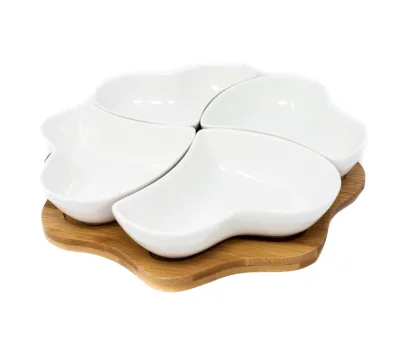
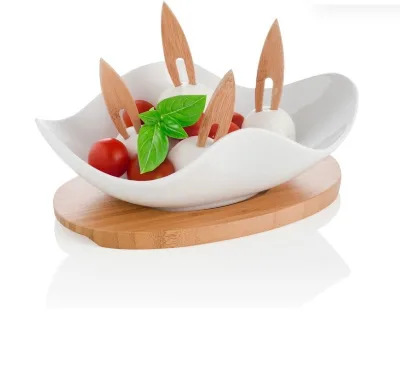
HOT SALE Bamboo Ceramic serving plate with placemat and 4 chopsticks
$1.0336 - $9.2921
MOQ: 500 Minimum

Danyang Liou Kitchenware Co., Ltd.
- Verified by CTI
- Combined
- China Jiangsu
- Lead time23 days
- Avg. response≤ 5h
Main productsCutlery, Flatware, Charger Plate, Wine Glass, Bone China Plate, Glass Plate
Main marketsDomestic,North America

- Verified by SGS
- Combined
- China Fujian
- Lead time30 days
- Avg. response≤ 23h
Main productsGlass Sand Glass Cullet
Main marketsAfrica
Shanxi Changli Housewares Co., Ltd.
- Trading Company
- Shanxi, China
- Lead time30 days
- Avg. response≤ 2h
Main productsceramic plate&dish,glass charger plate,ceramic mug&cup,OEM/ODM services,cLow MOQ is accepted
Main marketsNorth America(20.00%), Northern Europe(10.00%), Eastern Europe(10.00%), Mid East(10.00%), Domestic Market(5.00%), South Asia(5.00%), Southern Europe(5.00%), Southeast Asia(5.00%), Central America(5.00%), Western Europe(5.00%), Eastern Asia(5.00%), South America(5.00%), Oceania(5.00%), Africa(5.00%)
Chaozhou Jiesheng Ceramics Co., Ltd.
- Verified by TüVRheinland
- Manufacturer, Trading Company
- Lead time20 days
- Avg. response≤ 3h
Main productsDinnerware, Stoneware, Ceramic Plate, Kitchenware, Bakeware
Main marketsNorth America(40%), Western Europe(25%), South America(10%)
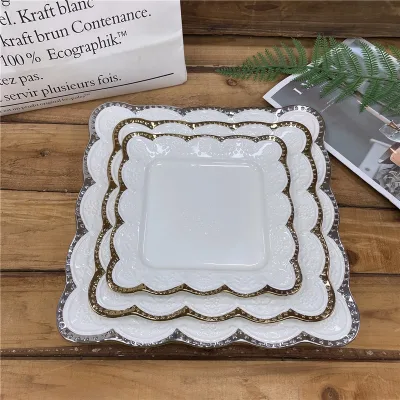
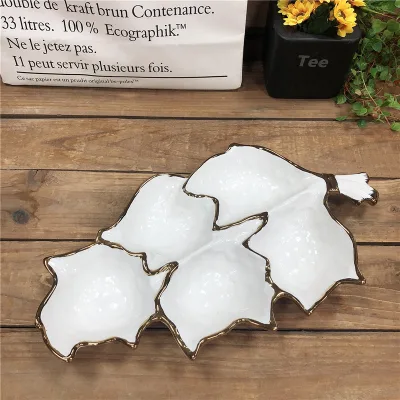
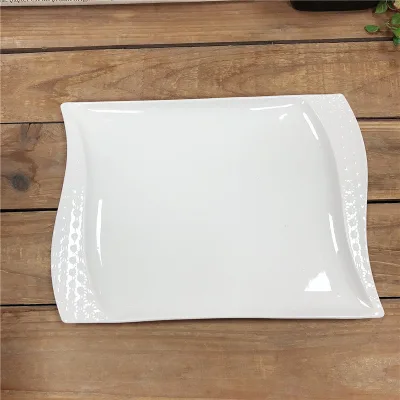
Chaozhou Factory Unique Shape Ceramic Appetizer Plate Snack Plate for Daily Use
$3.07 - $3.49
MOQ: 1000
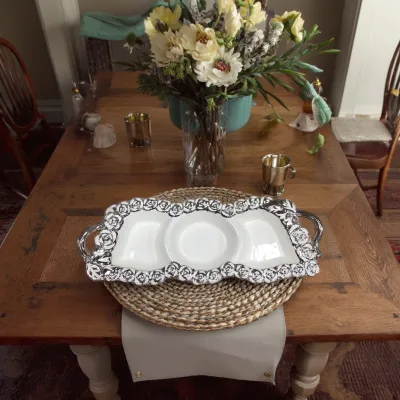
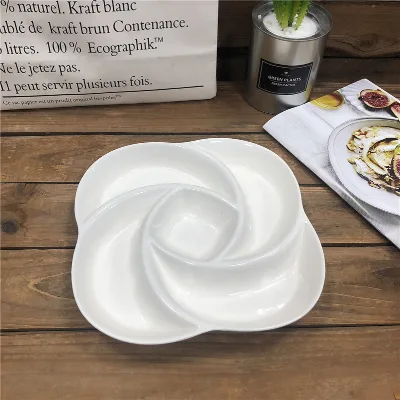
- Trading Company
- Zhejiang, China
- Lead time0 days
- Avg. response≤ 5h
Main productsceramic dinnerware set,coffee set,mug,cup,vase
Main marketsSoutheast Asia(26.00%), Mid East(20.00%), North America(18.00%), South Asia(16.00%), Eastern Europe(10.00%), Western Europe(8.00%), South America(2.00%)
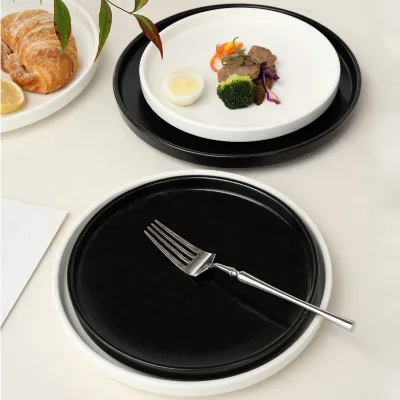
Nordic Creative Plate Ceramic Western Food Plate Solid Color Breakfast Round Plate
$2.38 - $4.58
MOQ: 200 Minimum
Shenzhen Fenn Industrial Co., Ltd.
- Verified by TüVRheinland
- Manufacturer, Trading Company
- Lead time60 days
- Avg. response≤ 2h
Main productsPorcelain Tableware, Porcelain Plate & Dish, Porcelain Bowl, Porcelain Mug, Porcelain Cup & Saucer
Main marketsNorth America(37%), Northern Europe(20%), Eastern Europe(15%)

Zhengzhou Mission Ceramic Products Co., Ltd.
- Verified by BV
- Trading Company
- China Henan
- Lead time15 days
- Avg. response≤ 17h
Main productsAlumina Tube, Alumina Crucible, Alumina Plate, Precision Alumina Ceramic Part, Silicon Carbide Ceramic, Zirconia Ceramic, Boron Nitride Ceramic, Alumina Ceramic Fiber Board, Mosi2 Heating Element, Sic Heating Element
Main marketsSouth America,Africa,Others(foreignTradeCapacity.exportBusinessCapacityMarketOther),Southeast Asia/ Mideast,East Asia(Japan/ South Korea),Europe,Australia,North America
Guangzhou Chenxuan Technology Co., Ltd.
- Trading Company, Distributor/Wholesaler, Other
- Guangdong, China
- Lead time10 days
- Avg. response≤ 2h
Main productssteel kitchenware,round dinner plate,retro cutlery set,gold dinner plate,korean gold dinner plate
Main marketsWestern Europe(30.00%), North America(30.00%), Mid East(15.00%), Oceania(15.00%), South America(10.00%)

Changsha Happy Go Products Developing Co., Ltd.
- Trading Company
- China Hunan
- Lead time45 days
- Avg. response≤ 6h
Main productsCoffee Mug, Dinner Set, Bowl, Mug, Dinnerware, Tableware, Plate, Porcelain, Crockery, Coffee Cup
Main marketsSouth America,Africa,Southeast Asia/ Mideast,East Asia(Japan/ South Korea),Europe,Australia,North America
Hangzhou Jade New Materials Co., Ltd
- Trading Company
- Zhejiang, China
- Lead time30 days
- Avg. response≤ 1h
Main productsHome decoration,Coffee&Tea Cup,Kitchenware Set,Glassware,Dinnerware Set
Main marketsMid East(20.00%), Africa(15.00%), South America(15.00%), South Asia(10.00%), Western Europe(10.00%), Eastern Asia(10.00%), North America(10.00%), Southeast Asia(10.00%)
Fujian Dehua Besder Ceramic Co., Ltd.
- Manufacturer, Trading Company
- Fujian, China
- Lead time0 days
- Avg. response≤ 2h
Main productsCERAMIC HOME DECORATION,CERAMIC KITCHENWARE,HOLIDAY DECORATION,CERAMIC PET SUPPLIES,RESIN PRODUCTS
Main marketsNorth America(45.00%), Western Europe(16.00%), South America(11.00%), Mid East(7.00%), Eastern Europe(7.00%), Southern Europe(6.00%), Northern Europe(2.00%), Central America(2.00%), Oceania(1.00%), South Asia(1.00%), Africa(1.00%), Eastern Asia(1.00%)

Foshan Ron Hospitality Supplies Co., Ltd.
- Verified by BV
- Manufacturer/Factory,Group Corporation
- China Guangdong
- Lead time45 days
- Avg. response≤ 2h
Main productsRestaurant Furniture, Restaurant Booth, Restaurant Chair, Restaurant Table, Bar Stools, Wedding Chairs, Flatware Sets, Dinnerware Sets, Garden Chairs, Disposable Dinnerware & Tableware
Main marketsSouth America,Eastern Europe,Mid East,North America,Southeast Asia,Eastern Asia,Oceania,Western Europe,Africa

Low Price Eco-Friendly Irregular Round Ceramic Dinner Plate Set Used for Hotels
$0.40 - $0.50
MOQ: 50 Pieces

High Quality Chip-Proof Ceramic Restaurant Dinnerware Set Eco-Friendly Plate Bowl
$5.00 - $50.00
MOQ: 100 Pieces

Yiwu Yiqiu Import And Export Co., Ltd.
- Trading Company
- Zhejiang, China
- Lead time0 days
- Avg. response≤ 3h
Main productsDrinkware,Party & Holiday Supplies,Blankets & Throws,Kitchen Storage,Other Promotional & Business Gifts
Main marketsCentral America(25.00%), South America(25.00%), North America(25.00%), Eastern Europe(20.00%), Northern Europe(5.00%)
Guangzhou Hongchuang Network Technology Co., Ltd.
- Manufacturer, Trading Company
- Guangdong, China
- Lead time15 days
- Avg. response≤ 6h
Main productsKitchenware,Barware,Glassware
Main marketsNorth America(40.00%), Eastern Europe(20.00%), South America(20.00%), Mid East(10.00%), Southern Europe(5.00%), Western Europe(5.00%)

Foshan Greafor Import and Export Co., Ltd.
- Verified by BV
- Trading Company
- China Guangdong
- Lead time30 days
- Avg. response≤ 3h
Main productsBlender Glass Jar, Blender Blade, Glass Lampshade, Blender Lid and Base, Blender Spare Parts, Plastic Jar, Stainless Steel Blade, Blender Lip, Blender Machine, Blender Motor
Main marketsSouth America,Africa,Australia,North America

China Wholesale Price Tableware Elegant Design Ceramic Plate for Occasions
$0.59 - $0.99
MOQ: 5000 Pieces

Wholesale Tableware for High-End Occasions Elegant Ceramic Plate on Sale
$0.59 - $0.99
MOQ: 5000 Pieces
- Verified by SGS Group
- Trading Company
- Lead time20 days
- Avg. response≤ 10h
Main productsKitchenware, Coffee French Maker, Plastic Bento Box, Bamboo Wooden Kitchen Items, Ceramic & Glass Products
Main marketsNorthern Europe(20%), South Asia(20%), North America(10%)
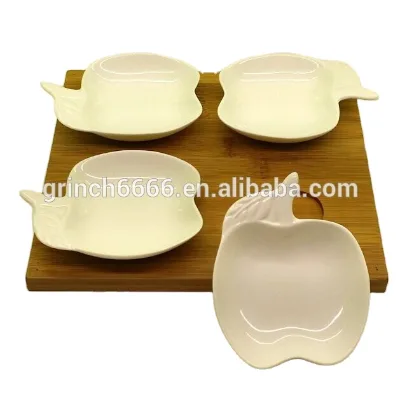
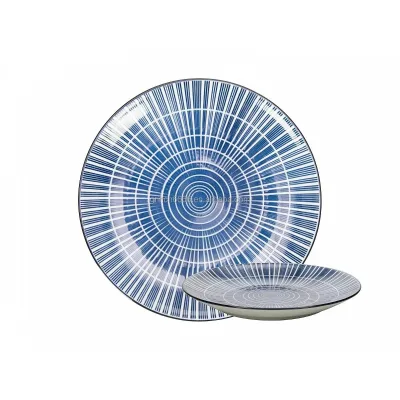
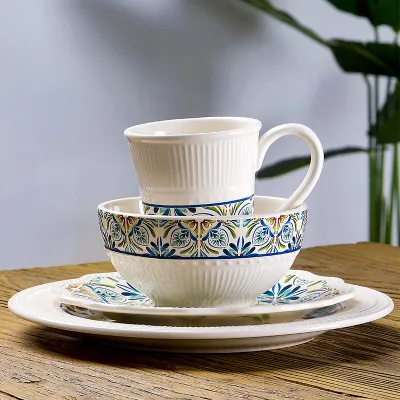
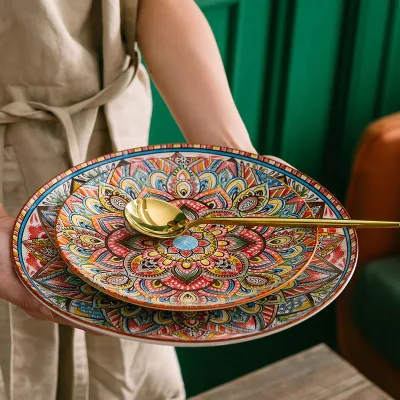
moroccan wholesale ceramic plates blue pasta soup plate porcelain Dessert plate OEM
$0.3086 - $3.0784
MOQ: 3 Minimum












Comprehensive Sourcing Guide
Eco-Friendly Classic Ceramic Plate Supplier Concentration and Factory Types
The current supplier landscape for eco-friendly classic ceramic plates shows a distinct concentration of manufacturing activity within China, specifically in the Guangdong region. This area serves as a primary hub for producers offering a wide array of kitchen equipment, food machinery, and specialized dinnerware. When evaluating potential partners, buyers should look for entities explicitly identified as manufacturers or factories, as these entities typically possess the direct production capabilities required for custom ceramic orders. The data indicates that many suppliers in this cluster operate with a dual capacity, functioning as both manufacturers and trading companies to facilitate broader market access.
Factory types in this sector often vary between those focusing on mass production of standard items and those specializing in light customization or graphic processing. Some suppliers offer OEM, ODM, and own-brand services, allowing for significant flexibility in product development. It is crucial to distinguish between pure manufacturers and trading companies, as the latter may not have direct control over the production line or the specific eco-friendly materials used. Buyers must verify the actual production setup to ensure the supplier can meet specific requirements for ceramic fiber products, porcelain plates, and other dinnerware categories without relying on third-party intermediaries for core manufacturing steps.
How to Verify Eco-Friendly Classic Ceramic Plate Suppliers
Verification of suppliers requires a rigorous check of their system certifications and product-specific compliance documents. Many suppliers in the current results hold ISO 9001 certification, which indicates a baseline for quality management systems. However, for eco-friendly ceramic plates, buyers must also demand specific product certifications such as SGS or FDA, which are frequently listed in product attributes for items like ceramic mugs and dinner sets. These certifications are not merely administrative; they confirm that the materials used, including ceramic and porcelain, meet safety standards for food contact and environmental friendliness.
Beyond certifications, the verification process should include checking for third-party verification badges like Intertek, which adds a layer of trust to the supplier's claims. Buyers should also scrutinize the response time metrics provided, as a faster response often correlates with better communication and reliability. For instance, response times ranging from 5.81 to 7 hours suggest active engagement, but this should be cross-referenced with the supplier's ability to provide detailed product attributes. It is essential to confirm that the supplier can provide evidence of their customization capabilities, such as accepting customized logos or designs, rather than relying solely on generic stock items.
What to Compare Across Eco-Friendly Classic Ceramic Plate Suppliers
When comparing suppliers, the primary dimensions to evaluate include lead times, minimum order quantities (MOQ), and response speeds. The data reveals significant variation in these areas; some suppliers offer lead times as short as 15 days, while others require up to 60 days for production and delivery. Similarly, MOQs can range from 100 pieces to 1200 pieces, depending on the specific product line and customization level. Buyers must align these figures with their inventory needs and budget constraints, ensuring that the chosen supplier can accommodate their order volume without excessive financial strain or long waiting periods.
Another critical comparison point is the range of main products and the depth of customization offered. Suppliers may specialize in different aspects of dinnerware, from wholesale ceramic plates to classic white ceramic commercial series. Some offer extensive customization options, including pattern types like cartoon or botanical designs, while others provide non-customized, standard eco-friendly options. Buyers should also compare the specific product attributes, such as material composition (ceramic vs. porcelain), size variations, and packing standards. A supplier offering export cartons or export packaging with clear standard dimensions provides better logistical clarity than those with vague descriptions.
Common Eco-Friendly Classic Ceramic Plate Sourcing Risks
One of the primary risks in sourcing eco-friendly ceramic plates is the inconsistency in product attributes and certification claims. While some products list FDA or SGS certifications, others may lack clear documentation regarding their eco-friendly status or material safety. Buyers must be vigilant in verifying that the "Eco-Friendly" label is backed by tangible evidence, such as specific material certifications or compliance with recognized standards. Without this verification, there is a risk of receiving products that do not meet the intended environmental or safety expectations, potentially leading to compliance issues in the target market.
Another significant risk involves the variability in lead times and production capacity. Suppliers may advertise short lead times but fail to deliver within the promised window due to capacity constraints or supply chain disruptions. The data shows lead times ranging from 15 to 60 days, and some suppliers indicate sample times of 7-15 days, which can extend the overall timeline. Additionally, the distinction between customized and non-customized products can lead to confusion; a supplier might claim customization is available but actually offer limited options. Buyers must clearly define their requirements and confirm the supplier's ability to meet them before placing an order to avoid delays and quality discrepancies.
Eco-Friendly Classic Ceramic Plate Regional Sourcing and Logistics
The regional sourcing landscape for eco-friendly classic ceramic plates is heavily centered in China, with Guangdong emerging as a key manufacturing cluster. This region hosts a high density of suppliers offering diverse product lines, including kitchen equipment, food machines, and various types of ceramic dinnerware. Buyers should prioritize suppliers located in this area to benefit from established supply chains and logistical efficiencies. However, it is important to note that not all suppliers may be located in Guangdong, and buyers should verify the specific place of origin for each product to ensure alignment with their sourcing strategy.
Logistics planning must account for the specific packing standards and shipping requirements associated with ceramic products. Many suppliers utilize export cartons or export packaging designed to protect fragile items during transit. The product attributes often include detailed dimensions and standard sizes, which are crucial for calculating shipping volumes and costs. Buyers should also consider the delivery times, which can vary significantly based on the supplier's location and the complexity of the order. For instance, some suppliers offer delivery times of 45-60 days, while others may have shorter windows. Understanding these logistical nuances is essential for effective inventory management and timely product availability.
Eco-Friendly Classic Ceramic Plate Commercial Terms and Order Planning
Commercial terms for eco-friendly classic ceramic plates often include specific pricing structures, MOQs, and payment conditions that vary by supplier. The data indicates price ranges starting from $0.50 to $1.00 per unit, though some listings show negative values which require clarification. Buyers must carefully review the price per unit and the total cost based on the MOQ, which can range from 100 to 1200 pieces. Understanding these financial terms is critical for budgeting and ensuring that the order remains profitable. Additionally, buyers should inquire about sample costs and lead times for samples, as these can impact the overall project timeline and initial investment.
Order planning should also consider the customization options and production capabilities of the supplier. Some suppliers offer light customization, sample processing, and graphic processing, while others focus on standard, non-customized items. Buyers must clearly communicate their design requirements, such as pattern types, logo placement, and specific dimensions, to ensure the supplier can meet their needs. It is also important to verify the supplier's capacity for handling large orders and their ability to maintain quality consistency. By carefully planning the order details and confirming all commercial terms, buyers can mitigate risks and ensure a smooth procurement process for their eco-friendly classic ceramic plate needs.
FAQs
What certifications do eco-friendly ceramic plates have?
Manufacturers offer plates certified by SGS and FDA to ensure safety and quality. These certifications verify that the materials meet strict food-contact standards. Buyers should request valid certificates to confirm compliance with international regulations before placing large orders.
What is the typical lead time for production?
Production lead times generally range from 15 to 60 days depending on order volume and customization needs. Standard items may ship faster, while custom designs require additional processing time. Suppliers typically provide specific timelines during the quotation phase.
What is the minimum order quantity for these plates?
Minimum order quantities vary significantly, starting from 100 pieces for some standard items up to 1200 pieces for custom designs. Buyers should check specific product listings to determine the exact MOQ required for their desired style and customization level.
Are these ceramic plates customizable for branding?
Many suppliers offer customization options including logo printing and unique pattern designs. Some manufacturers support OEM and ODM services to create branded dinnerware. Buyers can request samples to verify the quality of custom printing before committing to bulk production.
Where are these ceramic plates manufactured?
Most suppliers are located in Guangdong, China, a major hub for ceramic manufacturing. This region provides access to high-quality raw materials and advanced production facilities. Buyers can verify supplier locations to ensure proximity to shipping ports for efficient logistics.
What is the price range for ceramic dinner plates?
Prices for ceramic plates typically range from $0.50 to $1.00 per piece for standard items. Custom designs or bulk orders may affect the final unit cost. Buyers should request detailed quotations to understand pricing based on quantity and specific requirements.