Source CE Certified Ceramic Dinnerware Plate for Home, Party, and Catering
Compare 30 CE Certified Ceramic Dinnerware Plate options from verified Chinese manufacturers. Buyers can evaluate sizes, grades, and packaging for home, party, and catering needs. Explore round and multicolor designs with bulk or color box packing available. MOQs range from 25 to 10000 pieces with custom logo options.
Updated
Key considerations
Products List


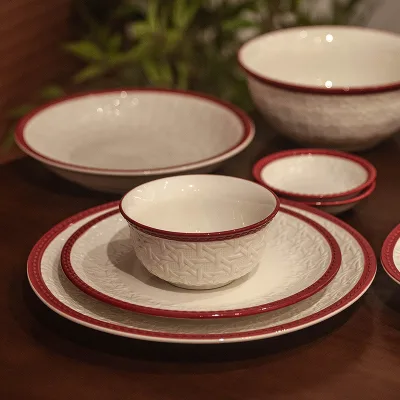



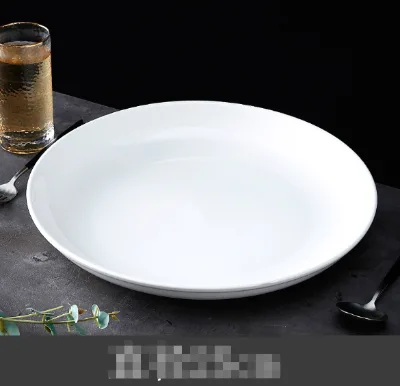
Various size promotional eco-friendly food grade ceramic dinner plates
$0.8694 - $0.9729
MOQ: 1000 pieces
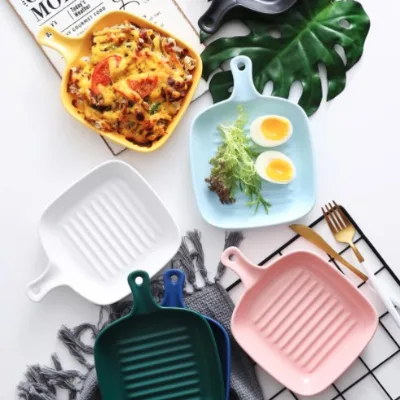

Environmental Protection custom printed houseware ceramic bone china dinner plates
$1.80 - $3.00
MOQ: 5000 pieces
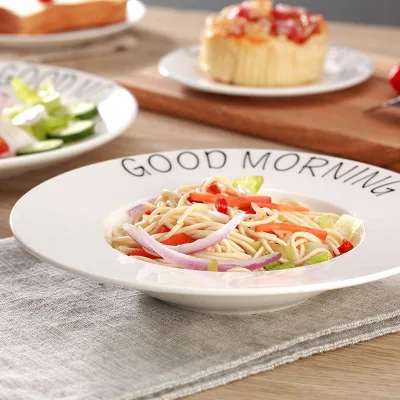
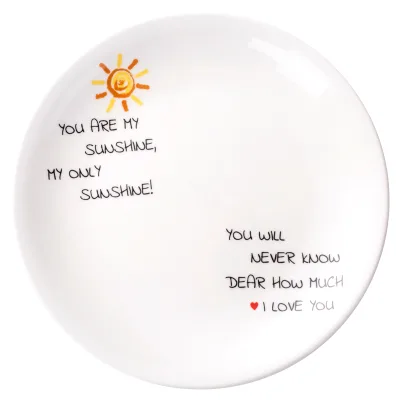


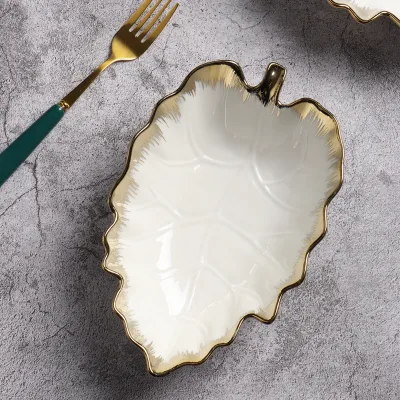
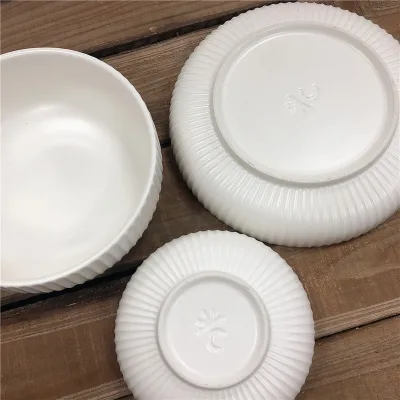
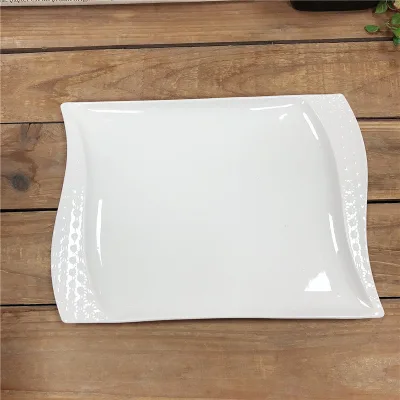
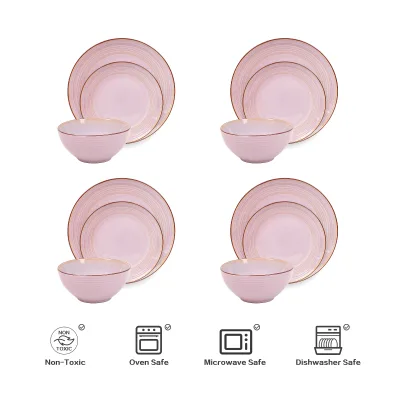
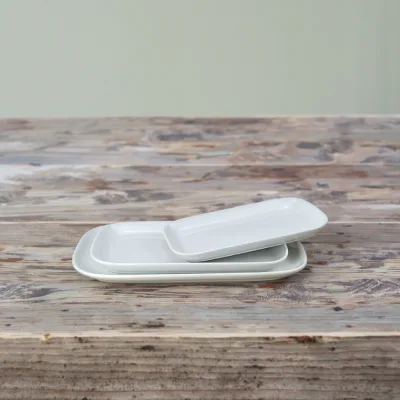


Eco-Friendly Dinner Dessert Plate Pad Printing Porcelain Ceramic Plate Tableware
$0.25 - $0.90
MOQ: 5000 Pieces


Comprehensive Sourcing Guide
CE Certified Ceramic Dinnerware Plate Sourcing Guide
Sourcing CE certified ceramic dinnerware plates requires a disciplined approach to verifying material integrity and regulatory compliance across international supply chains. Buyers must distinguish between general ceramic products and those explicitly meeting European safety standards for food contact materials. The observed market data indicates a wide range of product attributes, from multicolor custom designs to unicolor standard plates, all originating primarily from Zibo, Shandong, and Linyi City in China. Understanding these geographic and material distinctions is the first step in mitigating supply chain risks.
Procurement teams should focus on suppliers who provide transparent documentation regarding their manufacturing processes and quality grades. The available listings highlight "Ab Grade" ceramic and porcelain materials, which suggests a specific tier of quality that buyers need to validate against their own internal standards. By prioritizing suppliers who offer customization options and clear packing specifications, buyers can align their procurement strategy with both functional requirements and brand identity goals, ensuring that the final product meets the rigorous expectations of end consumers in regulated markets.
Product Scope and Observed Listing Signals
The current market landscape for ceramic dinnerware includes a diverse array of product configurations, ranging from bulk-packed essentials to color gift-boxed premium sets. Listings indicate sizes spanning from 5.5 inches to 11.5 inches, with specific models like TMC15032802 and TMSHDP-0414 offering dimensions such as 10.5-inch, 8.75-inch, and 7.5-inch plates. These variations allow buyers to select products that fit specific service styles, whether for high-volume institutional catering or boutique retail distribution, while maintaining consistency in the ceramic material composition.
Customization is a prevalent feature, with many suppliers offering OEM and ODM services, including customized logos and modern style designs. The availability of multicolor and unicolor options, along with various packing methods like inner boxes plus cartons, provides flexibility for different branding strategies. Buyers should note that while some products are marketed as eco-friendly, the non-disposable nature of these ceramic plates emphasizes durability and reusability, which are key selling points for environmentally conscious consumers and sustainable procurement policies.
Technical Specifications to Verify
Verifying technical specifications is critical to ensuring that the ceramic dinnerware meets functional and aesthetic requirements. Buyers must confirm the exact dimensions, such as the 10cm or 7cm options listed, and ensure that the round shape and texture align with their design needs. The material composition, primarily ceramic and porcelain, should be validated for density and finish, as these factors influence both the weight of the product and its resistance to chipping during daily use. Specific model numbers like PL102 or Harmony brand items should be cross-referenced with physical samples to confirm accuracy.
Quality grades, such as the observed "Ab Grade" and "Ab Grade Plate" designations, require careful interpretation. Buyers should request detailed definitions of these grades from suppliers to understand the acceptable tolerance for minor imperfections. Additionally, the production standards listed, including 7#, 8#, 9#, and 10.5# designations, likely refer to specific size or quality tiers that need clarification. Ensuring that the physical product matches the stated specifications prevents discrepancies in inventory management and customer satisfaction, particularly when dealing with large volume orders.
Compliance and Safety Documentation
Compliance with CE certification is a primary requirement for selling ceramic dinnerware in the European market, ensuring that products meet essential health and safety standards. Buyers must request valid CE certificates and verify that they cover the specific product models and materials being sourced. The presence of FDA and SGS certifications in the listings further supports the safety of the ceramic materials for food contact, but buyers should confirm that these certifications are current and issued by accredited bodies. This documentation is non-negotiable for maintaining legal compliance and protecting brand reputation.
Beyond certifications, buyers should inquire about the specific standards applied during manufacturing, such as EN 1388-2 or ISO 6486, which govern food contact materials. While some background information mentions REACH, buyers must ensure that the final products do not contain restricted substances like lead or cadmium, which can leach from glazes. Requesting test reports from independent laboratories provides objective evidence of compliance, allowing procurement teams to confidently market their products as safe and compliant with international regulatory frameworks.
Cost Drivers and Commercial Terms
Cost structures for ceramic dinnerware are influenced by material quality, customization complexity, and order volume. The observed MOQ ranges from 25 pieces to 10,000 pieces, with some listings indicating MOQs of 25 tons, highlighting the variability in supplier requirements. Buyers should negotiate terms that align with their inventory capacity and sales forecasts, considering that higher customization levels, such as logo printing or unique color types, may increase unit costs. Understanding these cost drivers helps in budgeting accurately and avoiding unexpected expenses during the procurement process.
Pricing also depends on packing methods, with bulk packing generally being more cost-effective than color gift box packing. Buyers should evaluate the total landed cost, including shipping and handling, rather than focusing solely on the unit price. Sample times of 7-15 working days and sample acceptance policies are important commercial terms that affect lead times and decision-making speed. Establishing clear agreements on payment terms, delivery schedules, and quality acceptance criteria ensures a smooth transaction and minimizes financial risks associated with large-scale ceramic purchases.
Supplier Qualification and Quality Control
Supplier qualification involves assessing the manufacturing capabilities and quality control systems of potential partners. Buyers should verify the origin of the products, with many listings pointing to Zibo, Shandong, and Linyi City, which are known ceramic production hubs. Conducting factory audits or requesting third-party inspection reports helps confirm that the supplier adheres to consistent quality standards. The availability of customized logo services and OEM/ODM acceptance indicates a supplier's flexibility, but buyers must ensure that these services do not compromise the structural integrity of the ceramic plates.
Quality control measures should include pre-shipment inspections to check for defects such as cracks, glaze irregularities, or size deviations. Buyers should establish clear acceptance criteria based on the observed "Ab Grade" standards and request detailed inspection reports before final payment. Engaging with suppliers who offer sample acceptance and have a track record of fulfilling orders within the stated sample times demonstrates reliability. Building a relationship with suppliers who prioritize quality control reduces the risk of receiving substandard products and ensures long-term supply chain stability.
Long-Term Procurement Checks
Long-term procurement success depends on continuous monitoring of supplier performance and market trends. Buyers should regularly review supplier certifications to ensure they remain valid and up-to-date, particularly for CE, FDA, and SGS standards. Tracking changes in material costs and production standards helps in anticipating price fluctuations and adjusting procurement strategies accordingly. Maintaining open communication with suppliers regarding new product developments, such as modern styles or eco-friendly initiatives, allows buyers to stay competitive and meet evolving consumer demands.
Additionally, buyers should implement a robust feedback loop from end-users to assess the durability and aesthetic appeal of the ceramic dinnerware. Collecting data on product returns or complaints helps identify potential quality issues early and provides leverage for negotiations with suppliers. Regularly updating the supplier base with new qualified partners ensures redundancy and reduces dependency on a single source. By focusing on these long-term checks, buyers can build a resilient supply chain that delivers consistent quality and value over time.
FAQs
What certifications do these ceramic dinner plates hold?
The ceramic dinner plates hold CE/EU, FDA, and SGS certifications. These credentials ensure the products meet international safety and quality standards for food contact. Buyers can verify these standards through the provided product documentation. This compliance is essential for importing into regulated markets and ensures consumer safety during daily use.
Can I customize the logo and packaging for these plates?
Yes, customization is available for both logos and packaging. Buyers can request customized logos and choose between bulk packing or color box packing options. This flexibility supports private labeling and brand identity. The supplier accepts OEM and ODM requests to tailor the product to specific market needs and retail requirements.
What sizes are available for the ceramic dinnerware sets?
Available sizes range from 5.5 inches to 11.5 inches, including specific options like 10.5 inches, 8.75 inches, and 7.5 inches. Some models also offer 10cm and 7cm dimensions. These varied sizes accommodate different dining settings and portion requirements. Buyers can select the exact dimensions needed for their specific dinnerware collection or service style.
What is the minimum order quantity for these ceramic plates?
The minimum order quantity varies by product model, ranging from 100 pieces to 10,000 pieces. Some bulk items may have an MOQ of 25 tons. Buyers should check the specific model requirements, such as TMC15032802 or TMSHDP-0414, to determine the exact MOQ. This flexibility allows for both small trial orders and large-scale procurement.
Where are these ceramic dinnerware products manufactured?
These ceramic dinnerware products are manufactured in Zibo, Shandong, and Linyi City, Shandong Province, China. Zibo is a well-known hub for ceramic production, ensuring high-quality craftsmanship. Buyers can trace the origin to these specific regions for quality assurance. The location also influences logistics and shipping options for international orders.
Are these ceramic plates disposable or reusable?
These ceramic plates are non-disposable and designed for reusable use. Made from ceramic and porcelain materials, they offer durability for repeated dining experiences. The Ab Grade quality ensures they withstand regular washing and handling. This makes them suitable for both commercial hospitality settings and long-term residential use without single-use waste.