Source Multistage Solar Panel Water Pump for Farms, Wells, and Gardens
Find 30 Multistage Solar Panel Water Pump options from verified Chinese manufacturers. Compare specifications including voltage, head, and flow rate for agricultural, deep well, and irrigation applications. These units feature MPPT controllers, stainless steel construction, and high pressure capabilities suitable for various DC voltage requirements.
Updated
Key considerations
Products List


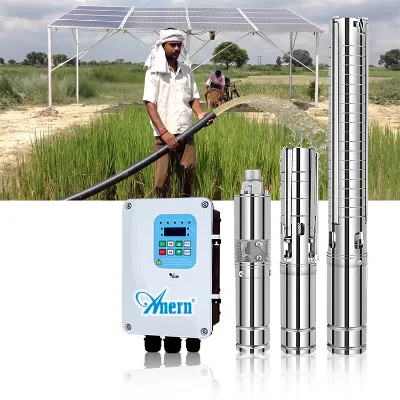
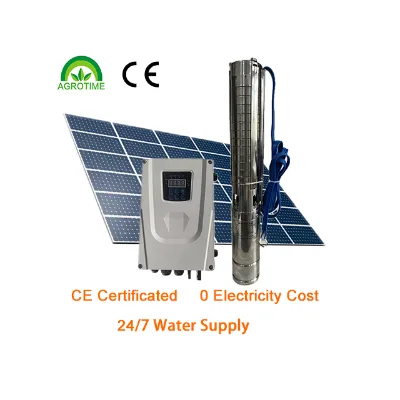
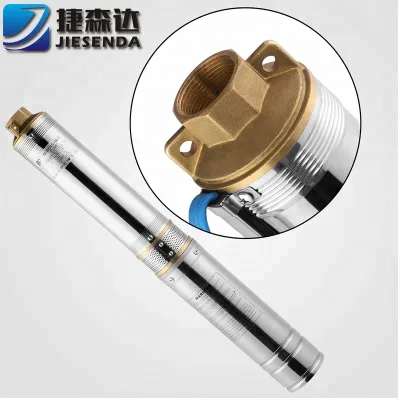
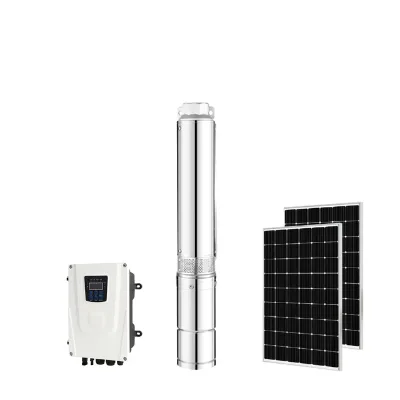
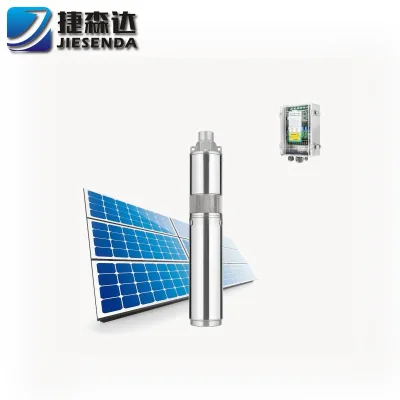
0.5HP, 1HP, 2HP, 5HP Solar Power Water Pump for Agriculture Irrigation
$150.00 - $300.00
MOQ: 1 Pieces

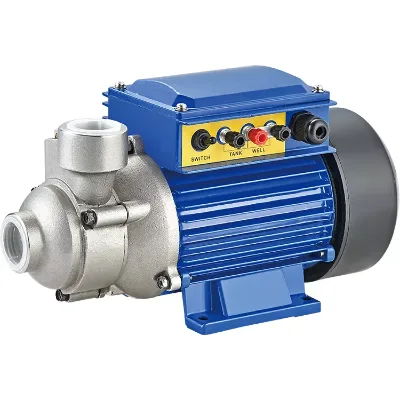
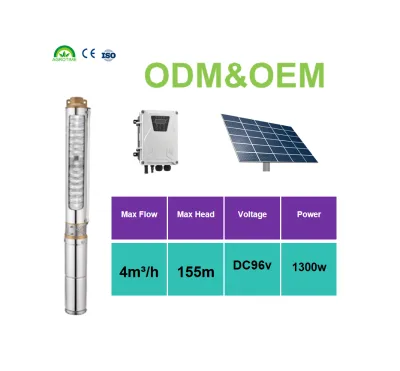
Solar Panel Water Pump High Pressure Solar Water Pump for Irrigation System
$127.00 - $153.00
MOQ: 100 Pieces


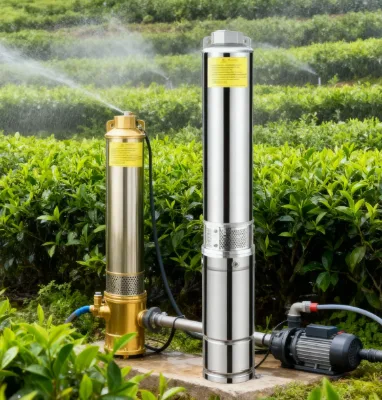
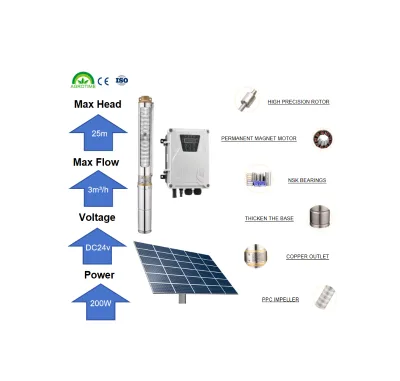
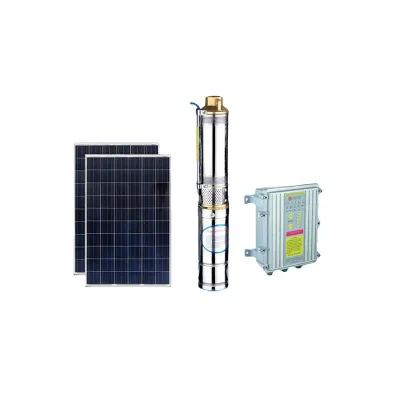
Stainless Steel Multistage DC Solar Water Pump for Water Supply or Boosting
$20.00 - $100.00
MOQ: 10 Pieces




Comprehensive Sourcing Guide
Multistage Solar Panel Water Pump Sourcing Guide
Procuring multistage solar panel water pumps requires a precise understanding of the intersection between photovoltaic energy systems and hydraulic engineering. These pumps are designed to operate exclusively on solar energy, utilizing direct current from solar panels to drive high-efficiency motors. Buyers must recognize that these systems are not merely mechanical devices but integrated energy solutions where the pump’s performance is directly tied to the solar array’s output. The core technology often involves DC brushless motors, which offer superior efficiency and longevity compared to traditional AC alternatives. This integration allows for remote operation in areas without grid access, making them ideal for agricultural irrigation, livestock watering, and rural water supply projects.
The market for these pumps is characterized by a wide range of configurations, from small-scale residential units to large industrial borehole systems. Suppliers often list products with varying voltage inputs, such as 24V, 36V, 48V, 72V, and higher DC voltages like 216V or 288V, to match different solar panel arrays. Understanding the specific voltage requirements of your site’s solar infrastructure is critical before placing an order. Additionally, the driving type is typically motor-driven, relying on magnetic pump starters for smooth operation. Buyers should verify that the pump’s electrical characteristics align with their existing or planned solar power setup to ensure seamless integration and optimal energy conversion efficiency.
Product Scope and Observed Listing Signals
The observed product listings reveal a diverse range of multistage solar pumps, with prices ranging from $20 to $1,000 USD and minimum order quantities (MOQs) between 1 and 100 units. This price variance reflects differences in motor power, head height, and material quality. Listings frequently highlight models such as JQB, JETS, JCPS, and JCM, alongside specific series like FOTMA and JCS4. These model identifiers often correspond to distinct performance tiers, with some units designed for shallow wells and others for deep boreholes. The condition is consistently listed as new, and customization is available for many suppliers, allowing buyers to tailor specifications to unique site requirements.
Packing methods vary, with some units shipped in wooden packages and others in cartons and wooden cases, indicating careful handling for international logistics. The origin of these products is predominantly China, with Zhejiang province being a notable manufacturing hub. This geographic concentration suggests a mature supply chain with established expertise in solar pump manufacturing. Buyers should note that while the price range is broad, the MOQ flexibility allows for both single-unit trials and bulk procurement. Understanding these listing signals helps in filtering suppliers based on scale, origin, and product variety, ensuring that the selected vendor can meet the specific volume and technical demands of the project.
Technical Specifications to Verify
When evaluating technical specifications, the maximum head and flow rate are paramount. Listings indicate max heads exceeding 150 meters, with some advanced models reaching up to 400 meters (1200 feet). This capability makes them suitable for deep well applications. The max capacity is observed in the range of 100-200 liters per minute, with some units offering a max flow rate of 4 cubic meters per hour. Buyers must match these hydraulic parameters to their water source depth and daily water demand. The load power typically ranges from 370W to 4000W, reflecting the energy required to drive the multistage impellers. Verifying these power ratings ensures the solar array can sustain the pump’s operation under varying sunlight conditions.
Material composition and structural design are equally critical for durability. The main material is often stainless steel 304, providing resistance to corrosion and ensuring water quality safety. The structure is described as a multistage centrifugal pump, which is efficient for high-head applications. The bearing type, such as NSK, indicates a focus on reliability and reduced maintenance. Additionally, the ambient temperature range of -20°C to 50°C suggests suitability for diverse climates. Buyers should verify the outlet sizes, which can be 1", 1.25", 1.5", or 2", to ensure compatibility with existing piping systems. Confirming these details prevents costly mismatches between the pump and the installation infrastructure.
Compliance and Safety Documentation
Compliance with international standards is essential for ensuring product safety and quality. Many suppliers list certifications such as ISO and ISO9001, indicating adherence to quality management systems. Some products also carry CE certification, which is crucial for markets in Europe and other regions requiring strict safety compliance. Buyers should request copies of these certificates to verify their validity and scope. The presence of RoHS compliance, though noted with lower confidence, suggests that the products are free from certain hazardous substances, which is important for environmental and health considerations. Ensuring that the supplier can provide up-to-date certification documents is a key step in the procurement process.
Safety documentation should also include detailed technical manuals and installation guides. These documents provide critical information on electrical connections, pump priming, and maintenance procedures. Buyers should verify that the pump’s voltage ratings match the safety standards of their local electrical codes. Additionally, the warranty period, often listed as 3 years, offers protection against manufacturing defects. Understanding the terms of the warranty, including what is covered and the process for claims, is vital for long-term risk management. Buyers should also inquire about the availability of spare parts, such as bearings and seals, to ensure ongoing operational support and minimize downtime.
Cost Drivers and Commercial Terms
The cost of multistage solar pumps is influenced by several factors, including motor power, head height, and material quality. Higher load power and greater max head capabilities typically result in higher prices. The use of stainless steel 304 and high-quality bearings like NSK also contributes to the cost. Buyers should consider the total cost of ownership, which includes installation, maintenance, and energy costs. While the initial investment may be higher than conventional pumps, the operational savings from solar energy can be significant. Understanding these cost drivers helps in making informed budgeting decisions and selecting the most cost-effective solution for the specific application.
Commercial terms such as MOQ, lead time, and payment terms are also important considerations. The observed MOQ range of 1-100 units offers flexibility for different project sizes. Buyers should negotiate lead times to ensure timely delivery, especially for large orders. Payment terms, such as letters of credit or advance payments, should be agreed upon clearly to mitigate financial risk. Additionally, shipping costs and import duties can impact the final price. Buyers should factor in these logistical costs when comparing quotes from different suppliers. Clear communication of commercial terms helps in avoiding misunderstandings and ensures a smooth procurement process.
Supplier Qualification and Quality Control
Supplier qualification is a critical step in ensuring the reliability of the procurement process. Buyers should verify the supplier’s manufacturing capabilities, including their production capacity and quality control processes. Suppliers with ISO9001 certification are generally more reliable, as they adhere to standardized quality management practices. Buyers should also assess the supplier’s experience in the solar pump industry, including their track record and customer references. Engaging with suppliers who have a proven history of delivering high-quality products reduces the risk of receiving defective or substandard equipment.
Quality control measures should be implemented throughout the procurement process. Buyers should request pre-shipment inspections to verify that the products meet the specified technical requirements. This includes checking the material composition, electrical performance, and hydraulic capabilities of the pumps. Additionally, buyers should verify the packaging quality to ensure that the products are protected during transit. Establishing a clear quality assurance protocol with the supplier helps in maintaining consistency and reliability. Regular communication and feedback loops can also help in identifying and resolving any issues early in the process, ensuring a successful procurement outcome.
Long-Term Procurement Checks
Long-term procurement success depends on establishing strong relationships with suppliers and implementing continuous improvement strategies. Buyers should conduct regular performance reviews of the pumps in operation, monitoring metrics such as energy efficiency, maintenance frequency, and overall reliability. This data can be used to negotiate better terms with suppliers and to identify areas for product improvement. Additionally, buyers should stay updated on technological advancements in solar pump technology, such as new MPPT controllers or more efficient motor designs, to ensure that their procurement strategy remains competitive.
Sustainability and environmental impact are also important considerations for long-term procurement. Buyers should prioritize suppliers who demonstrate a commitment to sustainable manufacturing practices and environmental responsibility. This includes using eco-friendly materials and reducing waste in the production process. Additionally, buyers should consider the end-of-life disposal of the pumps, ensuring that they can be recycled or disposed of in an environmentally responsible manner. By focusing on sustainability, buyers can enhance their brand reputation and contribute to a more sustainable future. Regular audits and assessments of supplier practices can help in maintaining these standards over time.
FAQs
What voltage options are available for multistage solar panel water pumps?
These pumps support multiple DC voltage inputs including 24V, 36V, 48V, 72V, 216V, 252V, and 288V. This flexibility allows integration with various solar array configurations. The system utilizes an MPPT controller to optimize energy harvest. Buyers can select the specific voltage rating that matches their existing solar infrastructure or panel output requirements for efficient operation.
How deep can a Multistage Solar Panel Water Pump operate?
The maximum head capability varies by model, with some units reaching up to 400 meters or 1200 feet. Other standard models may offer a maximum head of 134 meters. This multistage centrifugal design enables deep well applications. The specific depth rating depends on the selected model and load power configuration provided by the manufacturer.
What material is used for the main body of these pumps?
The main material is typically Stainless Steel 304, ensuring durability and corrosion resistance. This construction is suitable for submersible and pipeline pump applications. The stainless steel body protects internal components like the DC brushless motor and NSK bearings. This material choice supports long-term performance in various water usage environments.
Can these solar pumps be customized for specific projects?
Yes, customization is available for various project requirements. Buyers can specify parameters such as outlet sizes, which range from 1 to 2 inches. The pumps are packed in cartons and wooden cases for protection. Customization options allow for tailored solutions to meet specific flow rate and head demands for agricultural or industrial use.
What certifications do these solar water pumps hold?
These products hold ISO and ISO9001 certifications, along with CE marks. These certifications indicate compliance with international quality and safety standards. The pumps are manufactured in Zhejiang, China, adhering to standard specifications. Buyers can rely on these documented certifications for regulatory compliance and quality assurance in their procurement processes.
What is the warranty period for these solar pumps?
The standard warranty period provided is 3 years. This coverage applies to the Multistage Solar Panel Water Pump units. The warranty supports the reliability of the DC brushless motor and stainless steel construction. Buyers should verify specific terms with suppliers, as the 3-year period is a common industry standard for these durable solar-powered systems.