Source organic lanolin-free nipple butter for Daily Care, Home Use, and Repair
Compare 30 listings for organic lanolin-free nipple butter suitable for daily care, home use, and moisturizing repair. Buyers can review specifications, MOQs, and OEM options from suppliers in Guangdong and China; compare the available evidence and request quotations based on your requirements.
Updated
Key considerations
Products List
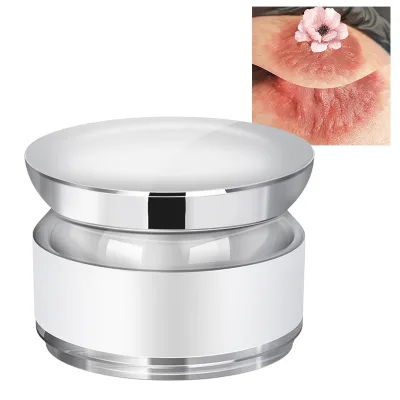
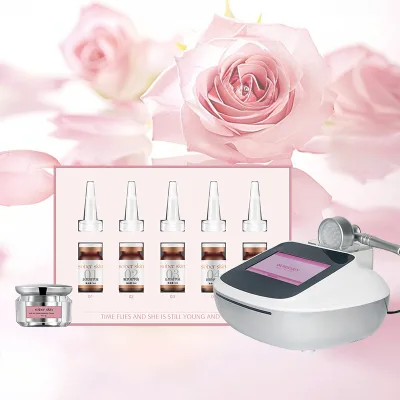
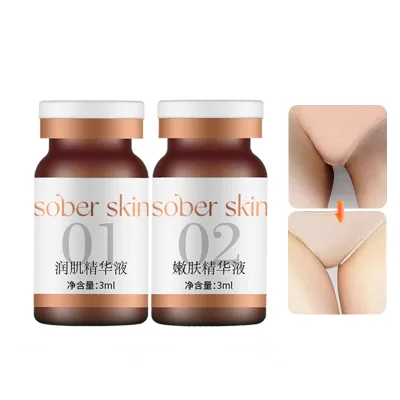
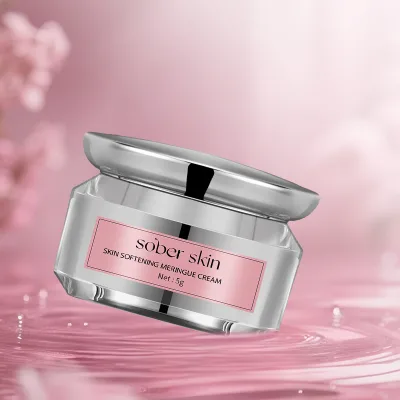
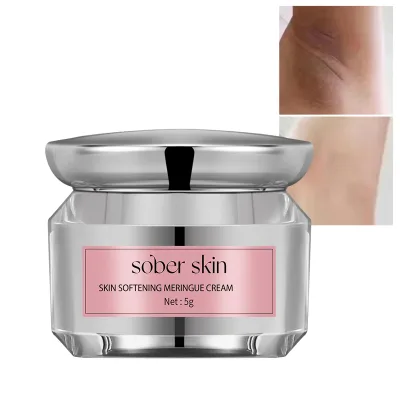
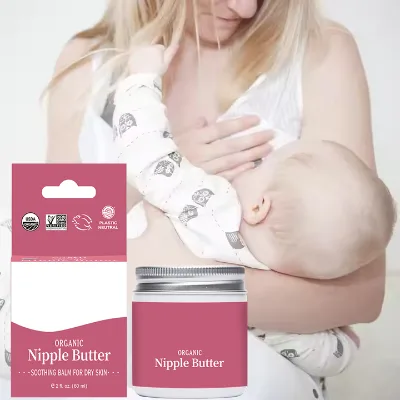
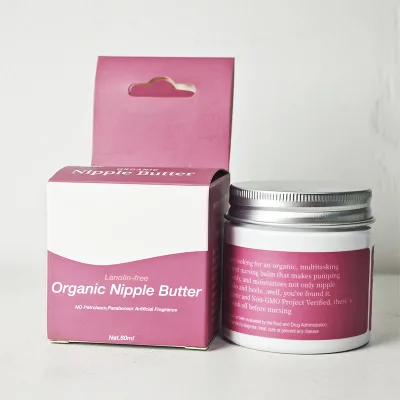
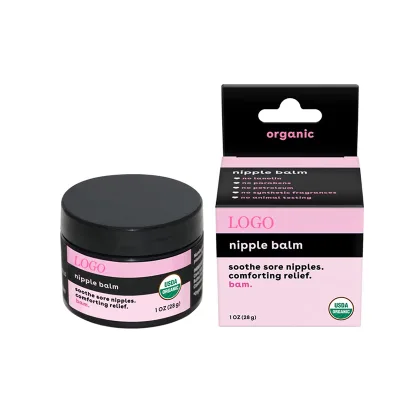
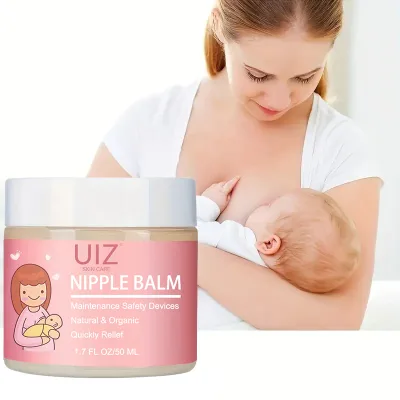
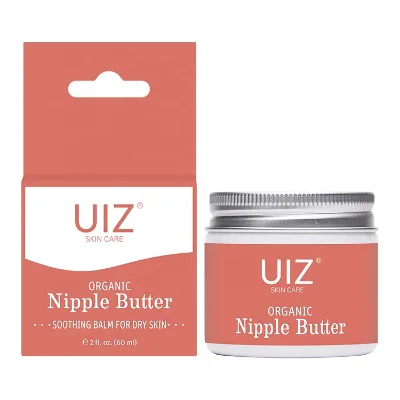
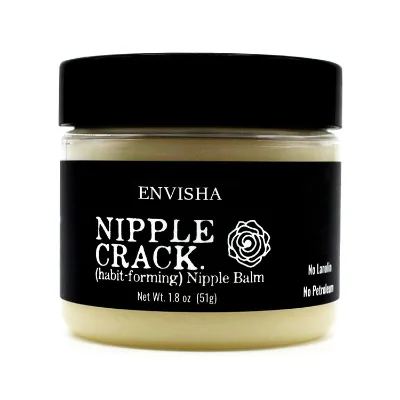
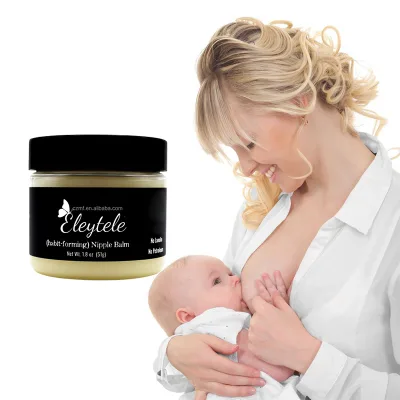
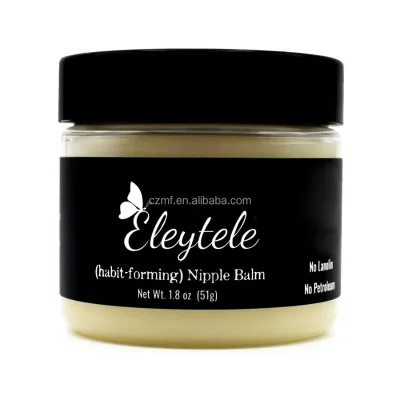
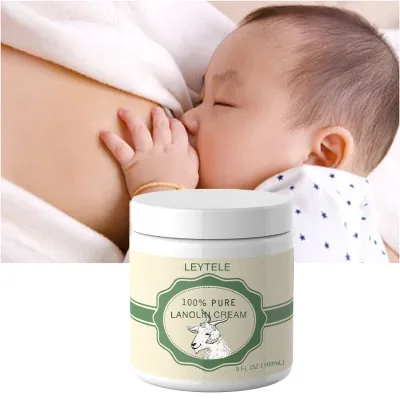
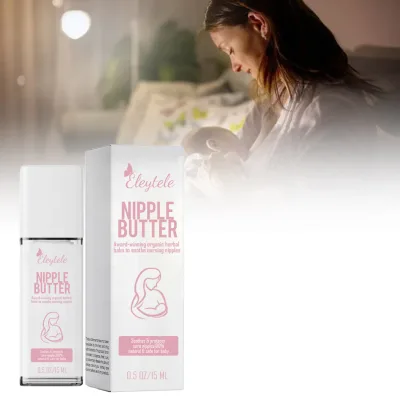
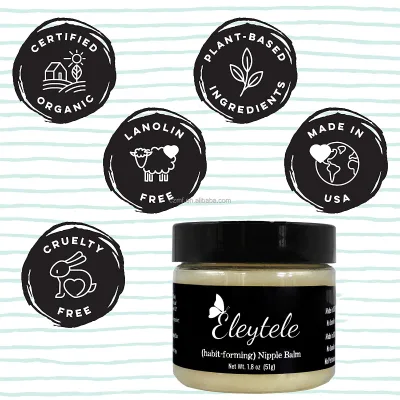
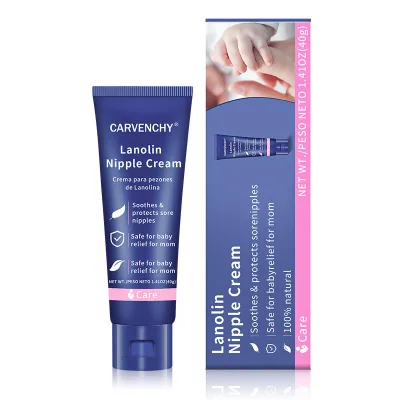
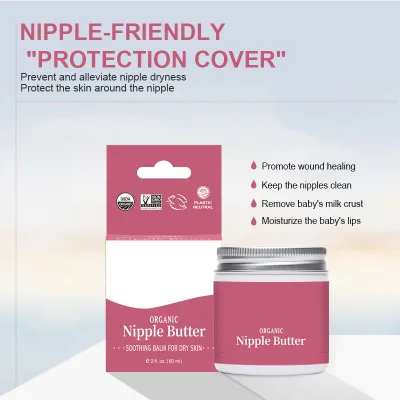
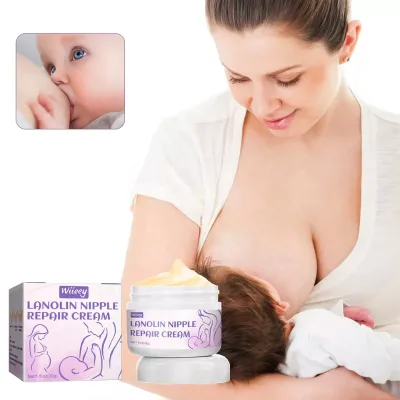
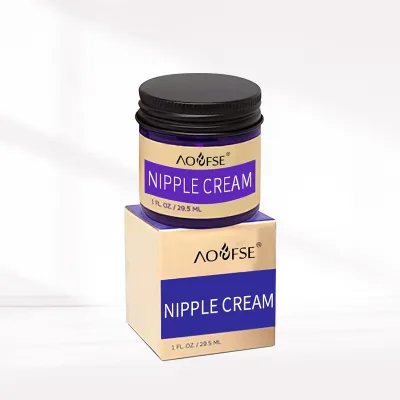
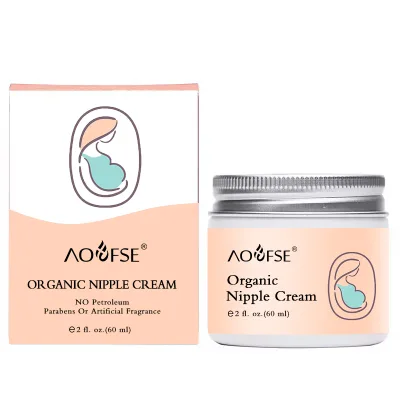
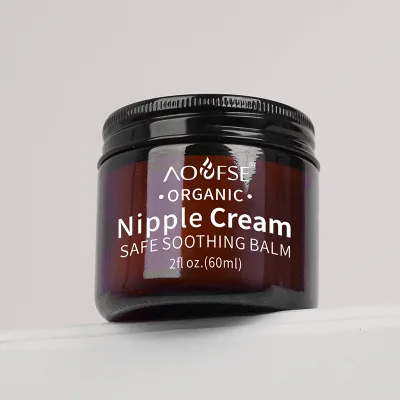
Comprehensive Sourcing Guide
Organic Lanolin-Free Nipple Butter Sourcing Guide
Sourcing specialized nipple care products requires a nuanced understanding of ingredient profiles and functional claims, particularly when navigating the complex landscape of breast enhancement and daily moisturizing solutions. Buyers must distinguish between products marketed for cosmetic enhancement and those designed for therapeutic repair, as the regulatory and safety implications differ significantly. The current market offers a variety of formulations, ranging from herbal-based creams to those enriched with specific vitamins, each targeting different consumer needs such as whitening, moisturizing, or structural enhancement.
Procurement teams should approach this category with a critical eye toward labeling accuracy and ingredient transparency. While many suppliers advertise "organic" or "lanolin-free" attributes, these claims must be verified against actual product specifications and supplier documentation. The diversity in product types, from single-item retail packs to bulk OEM/ODM orders, necessitates a tailored sourcing strategy that aligns with the buyer’s specific volume requirements and brand positioning.
Product Scope and Observed Listing Signals
The observed product landscape includes a wide array of nipple care items, with prices ranging from approximately $0.51 to $267.57 USD, reflecting significant variation in quality, branding, and packaging. Minimum Order Quantities (MOQs) are equally diverse, starting from as low as 1 piece for sample testing up to 1000 pieces for bulk commercial orders. This broad spectrum allows buyers to scale their procurement efforts, whether they are seeking small-batch private label solutions or large-scale distribution inventory.
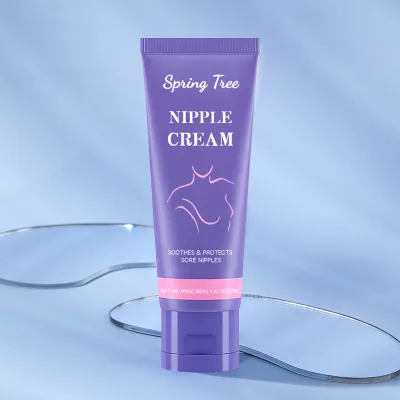
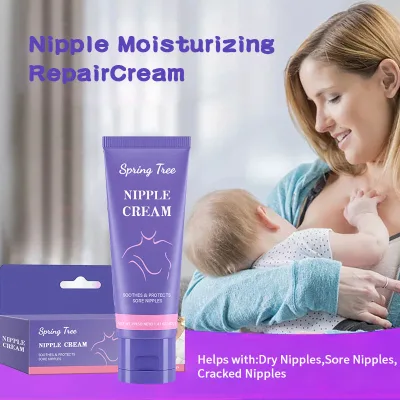
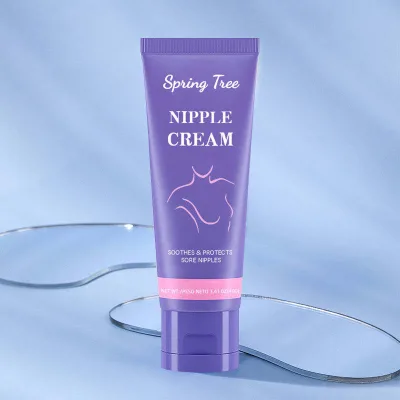
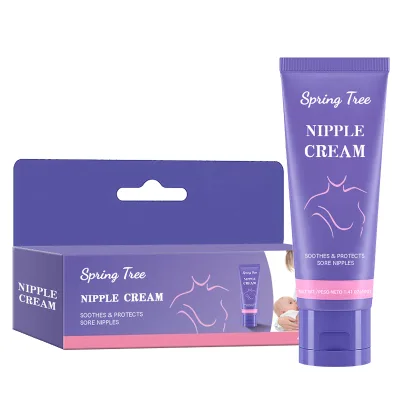
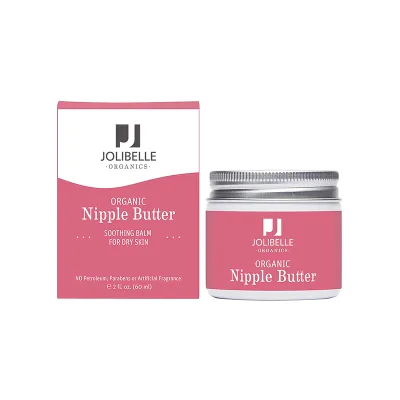
Key product attributes frequently observed include herbal ingredients, vitamin C enrichment, and specific functional claims such as breast enhancement or moisturizing repair. Brands like Spring Tree, Jolibelle, and Aimoosi appear in the market, offering customized branding options and OEM/ODM services. The products are typically formulated as creams with volumes of 40g or 60g, originating primarily from Guangdong, China, and are marketed for both home and commercial use, emphasizing daily application and long shelf lives of around three years.
Technical Specifications to Verify
Buyers must rigorously verify technical specifications to ensure the product meets their functional and logistical requirements. Critical details include the single package dimensions, which can vary from compact sizes like 4.2x3.6x13.1 cm to larger boxes measuring 10x10x20 cm, impacting shipping costs and storage efficiency. The gross weight of individual packages also varies, with observations ranging from 0.5 kg to 1.0 kg, which directly influences freight calculations and inventory management strategies.
Formulation details such as the use of vacuum technology for production and the specific model numbers (e.g., A1, JBLFXS010) provide insight into the manufacturing process and product identity. It is essential to confirm whether the product is truly lanolin-free and organic, as these are key differentiators for sensitive skin applications. Additionally, verifying the age group suitability, typically adults, and the specific application areas, such as body or breast care, ensures the product aligns with the intended consumer demographic and usage guidelines.
Compliance and Safety Documentation
Ensuring compliance with safety standards is paramount when sourcing personal care products, especially those applied to sensitive areas. Buyers should request comprehensive documentation from suppliers, including ingredient lists, safety data sheets, and any relevant third-party testing results. While specific certifications are not explicitly detailed in the observed listings, it is crucial to verify that the products meet the regulatory requirements of the target market, whether it be the EU, US, or other regions.
The presence of herbal ingredients and vitamin C suggests a focus on natural or enhanced formulations, but buyers must confirm that these components are sourced and processed safely. Suppliers offering OEM/ODM services should be able to provide detailed information on their manufacturing processes, including quality control measures and batch testing protocols. This documentation is essential for mitigating risks associated with product liability and ensuring that the final product is safe for consumer use.
Cost Drivers and Commercial Terms
The cost of sourcing nipple care products is influenced by several factors, including the complexity of the formulation, the volume of the order, and the level of customization required. Products with specialized ingredients or advanced manufacturing techniques, such as vacuum technology, may command higher prices. Additionally, the MOQ plays a significant role in pricing, with lower quantities often resulting in higher per-unit costs due to setup and production inefficiencies.
Commercial terms such as sample availability, payment methods, and lead times are critical components of the procurement process. Many suppliers offer free samples, allowing buyers to evaluate product quality before committing to larger orders. It is important to negotiate clear terms regarding shipping, returns, and warranty policies to protect the buyer’s interests. Understanding these cost drivers and commercial terms helps in developing a realistic budget and ensuring a smooth transaction process.
Supplier Qualification and Quality Control
Evaluating supplier qualifications is a vital step in the sourcing process, particularly when dealing with OEM/ODM providers. Buyers should assess the supplier’s experience, production capacity, and quality management systems to ensure they can consistently deliver high-quality products. Suppliers with a long-standing presence in the market, such as those highlighting 15 years of experience, may offer greater reliability and expertise in handling complex formulations.
Quality control measures should be clearly defined and agreed upon before production begins. This includes establishing acceptance criteria for product appearance, packaging integrity, and functional performance. Regular audits and inspections can help identify potential issues early in the production cycle, reducing the risk of receiving defective goods. Building a strong relationship with the supplier through clear communication and mutual trust can also enhance the overall sourcing experience and product quality.
Long-Term Procurement Checks
Establishing long-term procurement checks ensures that the sourcing relationship remains productive and compliant over time. Regular reviews of product quality, supplier performance, and market trends are essential for maintaining a competitive edge. Buyers should monitor changes in ingredient regulations, consumer preferences, and technological advancements in product formulation to stay ahead of industry developments.
Continuous feedback loops with suppliers can help identify areas for improvement and foster innovation. By maintaining open lines of communication and setting clear expectations, buyers can ensure that their suppliers remain aligned with their quality and compliance standards. Additionally, staying informed about emerging market opportunities and potential risks allows for proactive adjustments to the sourcing strategy, ensuring long-term success and sustainability in the procurement of nipple care products.
FAQs
What is the shelf life of the breast enhancement cream?
The shelf life is three years for the listed breast enhancement cream products. This duration applies to items manufactured in Guangdong and China, ensuring stability during storage and transport before the product reaches the end user for daily use.
Can I order a single sample of the nipple care cream?
Yes, samples are freely offered for the nipple care cream products. Some listings allow a minimum order quantity of just one piece, while others require 1000 pieces, so you must verify the specific supplier's policy before placing your order.
Which brands offer customized branding for these body products?
Customized branding is available for the body sexy products listed. The product attributes indicate that OEM and ODM services are accepted, allowing buyers to request specific brand names like Spring Tree or Jolibelle for their private label requirements.
How much does the single package weigh for the cream?
The single gross weight varies between 0.5 kg and 1.000 kg depending on the specific product listing. One version weighs 0.5 kg with a volume of 40g, while another weighs 1.000 kg with a volume of 60g and larger packaging dimensions.
What ingredients are used in the herbal nipple cream?
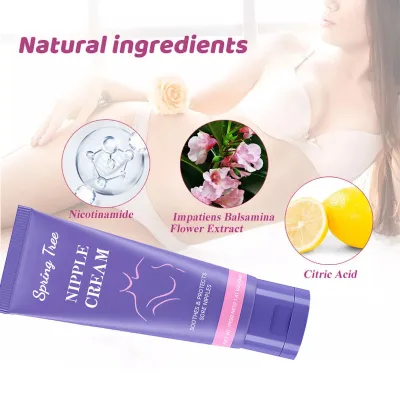
The herbal nipple cream contains ingredients such as Vitamin C and other herbal components. These formulations are designed for moisturizing and repair, targeting daily use for commercial or home applications to enhance breast appearance and skin condition.
Where are these breast enhancer products manufactured?
These breast enhancer products are manufactured in Guangdong, China, with specific origins noted in Guangzhou. The production facilities support OEM and ODM services, ensuring that the goods meet the required specifications for international buyers seeking body care solutions.