Source washable non-slip pet cooling mat for Dogs Cats Rabbits
Compare 30 listings of washable non-slip pet cooling mat designed for dogs, cats, and rabbits. These mats feature cooling gel, breathable fabric, and waterproof construction to keep pets comfortable in various conditions; compare the available evidence and request quotations based on your requirements.
Updated
Key considerations
Products List

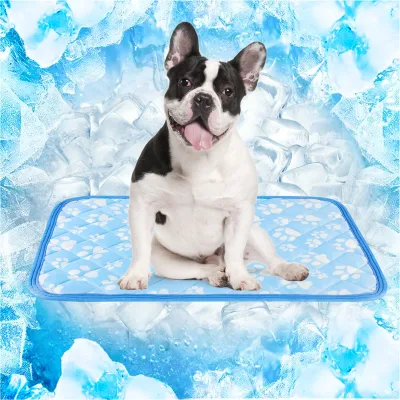

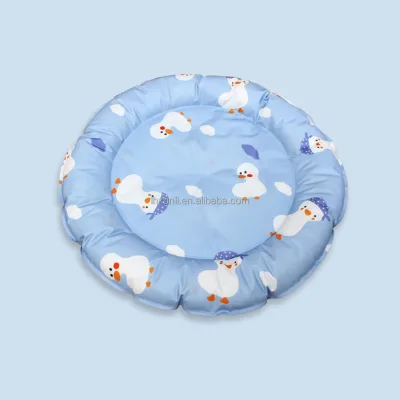
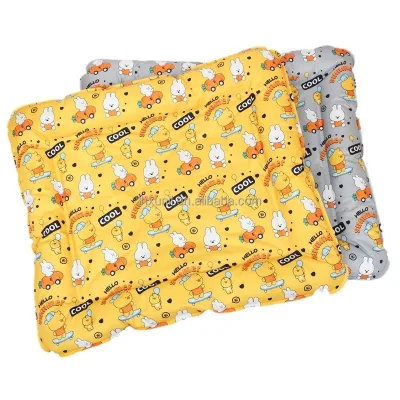
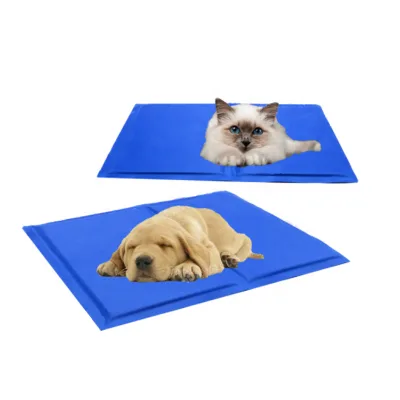
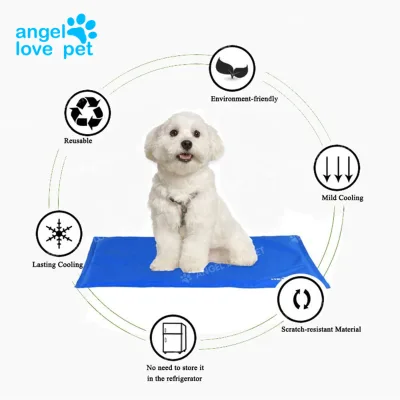


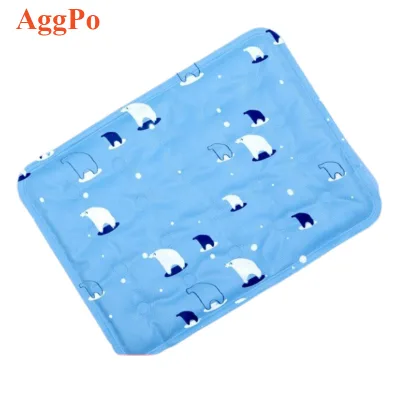


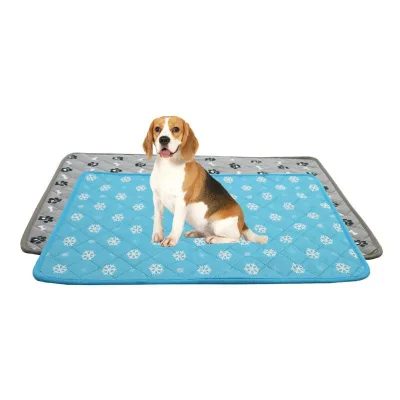
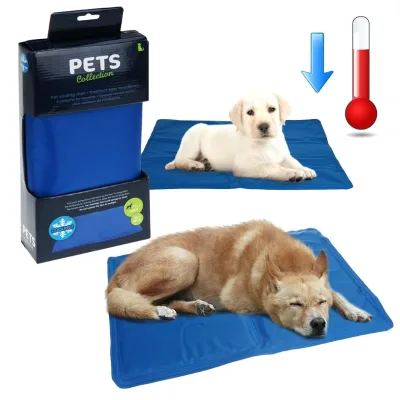
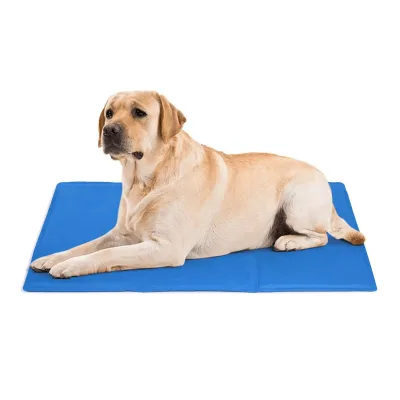
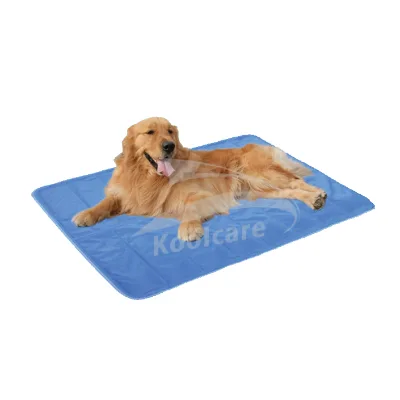


Comprehensive Sourcing Guide
Washable Non-Slip Pet Cooling Mat Sourcing Guide
Sourcing washable non-slip pet cooling mats requires a careful balance of material science, thermal performance, and commercial viability. Buyers must navigate a market where products range from simple plastic mats to advanced gel-infused fabrics, each offering distinct advantages for different pet sizes and climates. The core challenge lies in verifying that the "cooling" claim is backed by tangible material properties rather than marketing fluff, ensuring the product delivers actual thermal regulation for dogs, cats, and small rabbits.
This guide provides a structured approach to evaluating suppliers, verifying technical specifications, and managing commercial risks. By focusing on observable listing signals, compliance documentation, and long-term quality checks, procurement teams can build a reliable supply chain. The following sections detail the critical decision points, from material selection to supplier qualification, ensuring that every purchased unit meets safety standards and performance expectations for end-users.
Product Scope and Observed Listing Signals
The current market offers a diverse range of cooling mats, with observed prices spanning from $0.60 to $16.90 USD, reflecting significant variation in material quality and brand positioning. Minimum order quantities (MOQs) typically range from 2 to 5,000 pieces, allowing flexibility for both small startups and large retailers. Products are frequently described as new, waterproof, and eco-friendly, with customization options available for branding and packaging. Buyers should note that while many listings claim "cooling" properties, the underlying technology varies, with some using simple plastic structures and others employing advanced cooling fabrics or gel fills.
Color options are diverse, including white, yellow, black, red, gray, and blue, catering to aesthetic preferences in home environments. Sizes generally follow standard S, M, L, and XL dimensions, with specific models like the C17 or Pet Mats - 01 indicating distinct product lines. The weight of these mats varies considerably, from lightweight options around 255g to heavier units reaching 690g, which may correlate with the density of cooling materials. Buyers must carefully cross-reference these physical attributes with supplier claims to ensure the product matches the intended use case for specific pet weights and sizes.
Technical Specifications to Verify
Material composition is the primary determinant of cooling performance and durability. Observed materials include plastic, PP cotton, and specialized cooling fabrics, with some products featuring cooling gel fillings. Buyers should verify the exact layer structure, as mats with multiple layers may offer better insulation and longevity compared to single-layer plastic alternatives. The presence of breathable features is critical for pet comfort, preventing overheating while maintaining the cooling effect. Additionally, the shape is predominantly square, but buyers should confirm dimensions, such as 30x40cm, to ensure compatibility with pet beds and home spaces.
Weight and capacity are key indicators of product robustness. Some listings specify a capacity for pets weighing 1-3kg, while others do not provide clear weight limits. The gross weight of individual items can vary, with some reported as 0.0kg, which may indicate data entry errors or lightweight construction. Buyers must request detailed technical sheets that outline the fill material, fabric density, and non-slip backing properties. Verifying the folded state and portability features is also essential, as many cooling mats are designed for easy storage and transport, adding value for mobile pet owners.
Compliance and Safety Documentation
Safety certifications are non-negotiable for pet products, ensuring that materials are non-toxic and safe for animals that may chew or lick the surface. Observed certifications include BSCI, which addresses social compliance, and MSDS, which provides material safety data. Buyers should also look for ISO 9001 certification, indicating a robust quality management system, although specific claims like "Is9001and So on" require clarification. It is crucial to verify that all materials, including cooling gels and fabrics, meet relevant safety standards for pet contact, avoiding harmful chemicals or allergens.
While standards like ASTM F963 and OEKO-TEX are mentioned in broader contexts, buyers must confirm their applicability to the specific product. ASTM F963 is primarily for toys, so its relevance to cooling mats may be limited unless the product is marketed as a chewable item. OEKO-TEX certification is highly relevant for textiles, ensuring the absence of harmful substances. Buyers should request valid certificates from accredited laboratories and verify their authenticity with the issuing bodies. This due diligence protects against liability and ensures that the product meets international safety expectations for pet accessories.
Cost Drivers and Commercial Terms
Pricing is influenced by material complexity, customization requirements, and order volume. Basic plastic mats are available at the lower end of the price spectrum, while those with cooling gel or specialized fabrics command higher prices. Customization options, such as custom boxes and OEM/ODM support, add to the cost but enhance brand value. Buyers should negotiate tiered pricing structures that reward larger orders, leveraging the observed MOQ range of 2 to 5,000 pieces. Clear communication about packaging details, such as box or carton packing, is essential to avoid unexpected logistics costs.
Lead times and payment terms are critical commercial factors that impact cash flow and inventory management. Buyers should establish clear agreements on production schedules, especially for customized orders which may require additional time. Payment terms should be structured to mitigate risk, such as using secure escrow services or partial payments. It is also important to clarify who bears the cost of shipping and insurance, particularly for international orders originating from regions like Zhejiang or Shanghai. Transparent commercial terms help prevent disputes and ensure a smooth procurement process from order placement to delivery.
Supplier Qualification and Quality Control
Supplier qualification begins with verifying their manufacturing capabilities and quality control processes. Buyers should prioritize suppliers who offer OEM and ODM support, indicating flexibility and experience in custom production. Checking for BSCI certification is a good starting point for assessing social compliance, but buyers should also conduct on-site or virtual audits to evaluate production lines and quality control measures. Suppliers with a history of producing for reputable brands are often more reliable, though buyers should not rely solely on brand associations without independent verification.
Quality control checks should include random sampling of finished goods to test for durability, cooling performance, and material safety. Buyers should establish clear acceptance criteria for defects, such as stitching errors, material inconsistencies, or packaging damage. Implementing a pre-shipment inspection protocol can help catch issues before goods leave the factory. Additionally, buyers should maintain open communication with suppliers to address any quality concerns promptly. Building a strong relationship with qualified suppliers ensures consistent product quality and reduces the risk of supply chain disruptions.
Long-Term Procurement Checks
Long-term success depends on continuous monitoring of product performance and supplier reliability. Buyers should collect feedback from end-users to identify any recurring issues, such as premature wear, loss of cooling efficiency, or safety concerns. This feedback loop is essential for driving improvements and maintaining product quality over time. Regularly reviewing supplier performance metrics, such as on-time delivery rates and defect percentages, helps identify potential risks early. Buyers should also stay informed about changes in regulations and standards that may affect product compliance.
Adapting to market trends is crucial for maintaining competitiveness. As consumer preferences evolve, buyers may need to explore new materials, designs, or features to meet demand. Collaborating with suppliers on product development can lead to innovative solutions that differentiate the brand in the market. However, any new product introductions should undergo rigorous testing and validation before full-scale production. By maintaining a proactive approach to procurement, buyers can ensure a sustainable and profitable supply chain for washable non-slip pet cooling mats.
FAQs
What materials are used in these pet cooling mats?
The mats utilize cooling fabric and cooling gel fillings to provide effective temperature regulation for pets. Some variants also incorporate plastic components and PP cotton for structural support. These materials are selected to ensure durability and comfort, allowing the mats to remain breathable while maintaining their cooling properties during everyday use for dogs and cats.
Can I customize the packaging for bulk orders?
Yes, customized packaging is available for bulk purchases. Buyers can opt for individual box packaging or carton packing depending on their logistical needs. The supplier supports OEM and ODM services, allowing for tailored branding and packaging solutions. This flexibility ensures that the products meet specific retail requirements or corporate gifting standards effectively.
What certifications do the cooling mats hold?
The products hold BSCI certification, indicating compliance with social responsibility standards. Additional documentation may include MSDS and ISO9001 standards, ensuring quality management and safety. These certifications provide assurance regarding the manufacturing processes and material safety, making the mats suitable for international trade and meeting various regulatory requirements for pet accessories in different global markets.
What sizes are available for the pet mats?
The mats are available in multiple sizes including S, M, L, and XL to accommodate different pet breeds. Specific dimensions like 30*40cm are also offered for smaller animals. The size range ensures that both small cats and larger dogs can find a suitable mat. This variety allows buyers to stock a comprehensive range of products for diverse customer needs.
Are these mats suitable for all seasons?
Yes, the mats are designed for everyday use across all seasons. While primarily marketed as cooling mats, their breathable fabric and durable construction make them versatile for year-round pet comfort. The non-disposable nature ensures longevity, allowing pets to rest comfortably regardless of the weather. This makes them a practical addition to any pet owner's home environment.
What is the minimum order quantity for these mats?
The minimum order quantity starts at 2 pieces, making it accessible for small buyers or sample testing. This low MOQ allows businesses to evaluate product quality before committing to larger volumes. The flexible ordering policy supports both trial orders and bulk procurement, catering to a wide range of buyer sizes from individual retailers to large distributors.