Source Pneumatic Semi-Automatic Sealing Machine for Tea, Meat, and Cosmetics
Find 30 pneumatic semi-automatic sealing machine options from China. Compare models with 304 stainless steel construction, CE certification, and 22KW power for sealing liquids, bulk solids, and nonwoven fabrics in various packaging applications; compare the available evidence and request quotations based on your requirements.
Updated
Key considerations
Products List
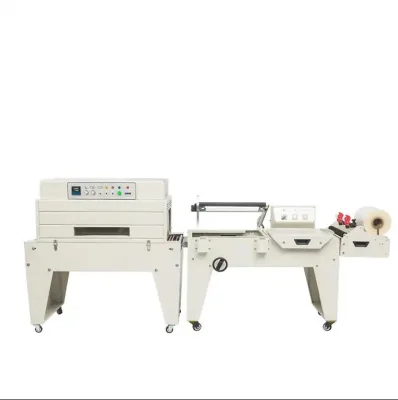
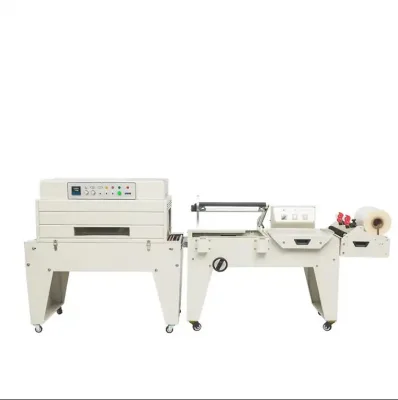
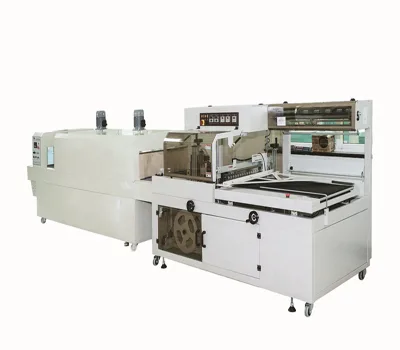
Semi-Automatic Pneumatic L Bar Sealing Machine for Shrink Film Packaging Line
$1259.00 - $1369.00
MOQ: 1 pieces
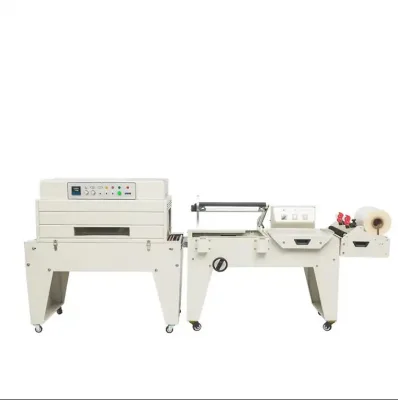
High Quality Semi-Automatic Pneumatic Shrink Film Sealer Cutter Machine
$1306.1456 - $1420.265
MOQ: 1 pieces
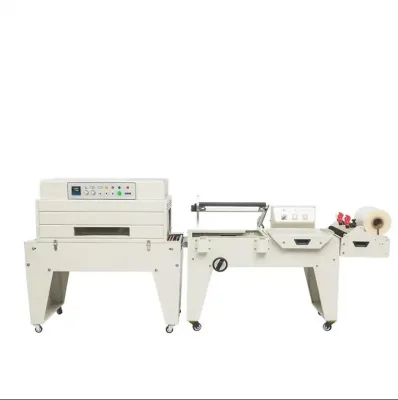

Automatic Pneumatic Electric High Speed Durable Sealed Sealing Machine
$40000.00 - $120000.00
MOQ: 1 Sets

$4000.00 - $9000.00
MOQ: 1 Set

$4000.00 - $9000.00
MOQ: 1 Set


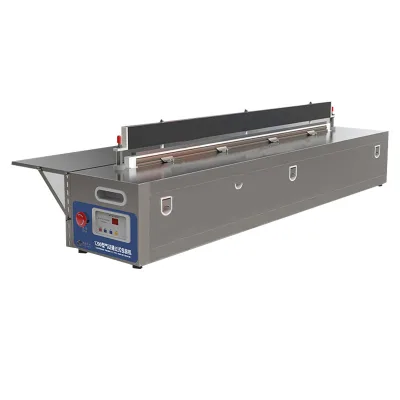

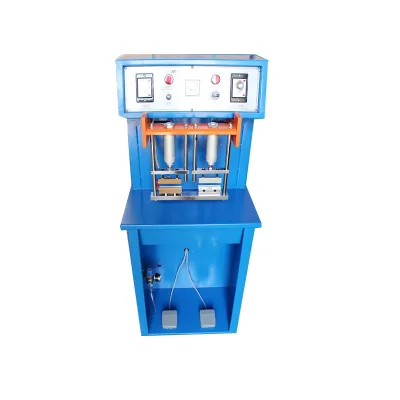
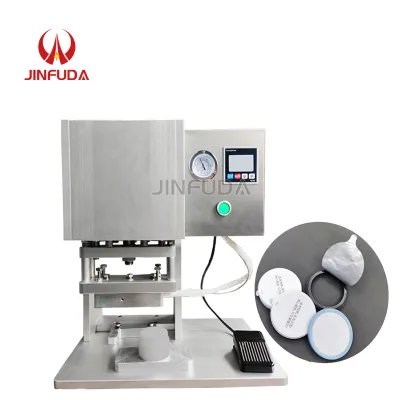


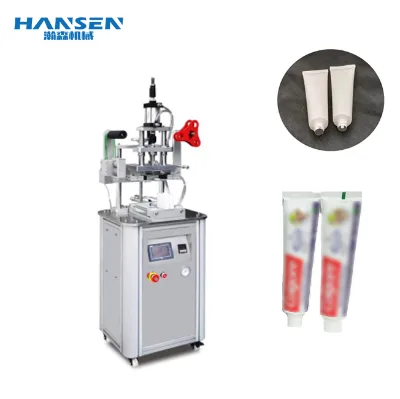

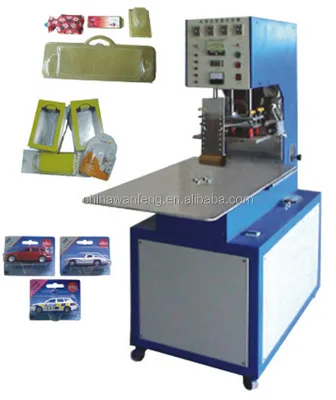


12m/min Automatic packing machine semi-automatic plastic bag sealing machine
$500.00 - $600.00
MOQ: 1 Sets




Comprehensive Sourcing Guide
Pneumatic Semi-Automatic Sealing Machine Sourcing Guide
The market for pneumatic semi-automatic sealing machines presents a diverse range of capabilities, from basic liquid filling to complex non-woven bag sealing. Buyers must distinguish between units designed for atmospheric pressure filling of liquids and those engineered for ultrasonic sealing of bulk solids or fabrics. The observed product landscape includes machines with varying automatic grades, ranging from semi-automatic to fully automatic configurations, which directly impacts operational throughput and labor requirements.
Procurement decisions should prioritize the specific material type and application environment, as machines are often specialized for distinct tasks like can sealing or tea packaging. While some units feature computer control and high-speed operations, others rely on simpler mechanical principles. Understanding these distinctions is critical before engaging with suppliers, as the core functionality must align precisely with the intended production line workflow and the specific physical properties of the goods being packaged.
Product Scope and Observed Listing Signals
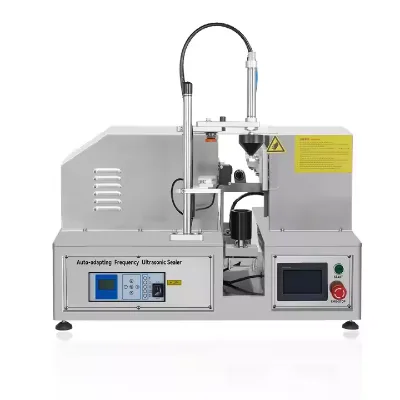
Listing signals indicate a wide variance in machine specifications, with observed power ratings reaching up to 22KW and weights around 276kg for certain models. Buyers should note that while some listings describe the product as a sealing machine, others classify it under broader categories like "Other" or specify it as an ultrasonic sealing machine. This inconsistency in classification requires careful scrutiny of the model number and functional description to ensure the equipment matches the intended sealing method, whether it involves atmospheric pressure or ultrasonic vibration.
Packaging and material handling capabilities also vary significantly across available listings, with some units designed for liquid applications and others for bulk solids or non-woven fabrics. The observed packaging materials range from wood and cartons to fabric and paper, suggesting that the machine's output format is highly customizable. Buyers must verify if the machine supports the specific forming species, such as box molding, and confirm the automatic grade to ensure it meets the desired production speed and labor efficiency targets.
Technical Specifications to Verify
Technical verification must begin with the voltage and power requirements, as observed listings specify 380V and 22KW for certain heavy-duty units. It is essential to confirm that the electrical infrastructure at the destination site can support these specific power inputs without requiring costly transformers or upgrades. Additionally, the driven type is consistently listed as electric, but the integration of pneumatic systems for semi-automatic operation needs detailed confirmation to ensure compatibility with existing plant air supply systems.
Core components such as the engine and motor are critical for long-term reliability, and their quality should be validated against the machinery test reports provided by the supplier. Buyers should also examine the material composition, noting that 304 stainless steel is a common standard for hygienic applications involving food or cosmetics. The principle of operation, whether atmospheric pressure filling or ultrasonic sealing, must be matched to the product characteristics to prevent damage to the goods or inefficient sealing performance during high-speed production runs.
Compliance and Safety Documentation
Safety and compliance documentation is a primary concern, with CE certification explicitly mentioned for several units in the market. Buyers must request current certificates to verify that the machine meets the specific safety standards required for operation in their target market, as the presence of a CE mark does not guarantee compliance with all local regulations. The standard listing often includes ISO9001 and SGS, which indicates a commitment to quality management systems, but these should be cross-referenced with the specific model being purchased.
Beyond electrical safety, the machinery test report is a vital document that provides empirical evidence of the machine's performance under load. This report should be reviewed to confirm that the machine has undergone rigorous testing for its specific functions, such as sealing integrity and speed consistency. Buyers should ensure that the test results cover the full range of operating conditions expected in their facility, including variations in material thickness or viscosity, to mitigate the risk of unexpected downtime or safety incidents during production.
Cost Drivers and Commercial Terms
Cost drivers in this sector are heavily influenced by the level of automation and the complexity of the sealing mechanism, with prices observed ranging from 100 to 130,000 USD. The inclusion of advanced features like computer control, high-speed operation, and specific material handling capabilities significantly increases the base price. Buyers should analyze the total cost of ownership, considering that higher initial investment often correlates with better durability, lower maintenance costs, and higher production efficiency over the machine's lifespan.
Commercial terms such as the minimum order quantity (MOQ) and warranty coverage are critical factors in the final procurement decision. The observed MOQ is typically one unit, offering flexibility for small-scale operations, while the standard warranty period is one year. Buyers must clarify what the warranty covers, specifically regarding core components like the engine and motor, and negotiate terms for extended support or spare parts availability to protect their investment against potential manufacturing defects or operational failures.
Supplier Qualification and Quality Control
Supplier qualification requires a thorough assessment of the place of origin and the manufacturer's track record, with Anhui and Zhejiang Wenzhou Ruian identified as key production hubs. Buyers should verify the supplier's ability to provide customization services, as many listings indicate that machines can be tailored to specific packaging needs. The availability of a machinery test report and adherence to standards like CE/ISO9001/SGS are strong indicators of a supplier's commitment to quality control and operational reliability.
Quality control processes should extend beyond the factory floor to include pre-shipment inspections and packaging standards. The observed packaging methods, ranging from seaworthy packing to wooden cases and stretch film, are designed to protect the machine during transit, but buyers must confirm that these methods are sufficient for the specific shipping route and handling conditions. Ensuring that the supplier has a robust quality assurance system in place is essential to prevent damage during shipping and to guarantee that the machine arrives in perfect working condition.
Long-Term Procurement Checks
Long-term procurement success depends on the availability of after-sales support and the ease of obtaining replacement parts. Buyers should verify the supplier's capacity to provide technical assistance for troubleshooting and maintenance, especially for complex systems involving computer control and pneumatic components. The warranty period of one year is a starting point, but establishing a long-term service agreement can ensure continued operational efficiency and minimize downtime caused by unexpected mechanical failures.
Finally, buyers must plan for the scalability of their operations by selecting machines that can adapt to future production demands. The observed customization options and the ability to handle various material types, from liquids to bulk solids, suggest that many machines offer flexibility for growth. However, it is crucial to confirm that the machine's speed and forming functions can be adjusted or upgraded as production volumes increase, ensuring that the initial investment remains relevant and effective over the long term.
FAQs
What is the voltage requirement for this sealing machine?
The machine requires a 380V power supply to operate effectively. This specification ensures compatibility with standard industrial electrical systems in manufacturing environments. Users should verify their facility's power output matches this requirement before installation to ensure safe and consistent performance during continuous sealing operations.
Can the machine be customized for specific production needs?
Yes, the equipment offers customizable options to suit unique production requirements. Buyers can request modifications to accommodate specific packaging materials or operational workflows. This flexibility allows businesses to integrate the sealing unit into existing lines without significant structural changes or extensive retraining for operators.
What materials are used in the machine's construction?
The main body is constructed from 304 stainless steel for durability and hygiene. This material choice ensures resistance to corrosion and easy cleaning, which is essential for food and beverage applications. The robust build supports long-term reliability while maintaining sanitary standards required in regulated industries.
What is the warranty period for this equipment?
The product comes with a one-year warranty covering core components and general functionality. This coverage provides buyers with peace of mind regarding initial operational reliability. The warranty includes support for the engine and motor, ensuring that critical mechanical parts are protected against manufacturing defects during the first year.
Where is this sealing machine manufactured?
The machine is manufactured in Anhui, China, with some components originating from Zhejiang Wenzhou Ruian. This location indicates a established industrial base for packaging machinery. Buyers can expect adherence to local manufacturing standards, with products undergoing testing reports to verify quality before shipment to international markets.
What certifications does the sealing machine hold?
The equipment holds CE, ISO9001, and SGS certifications. These standards verify compliance with European safety regulations and international quality management systems. Such certifications are crucial for buyers importing machinery, as they facilitate customs clearance and demonstrate that the product meets recognized global safety and performance benchmarks.