Source Portable Magnetic Wireless Power Bank for Travel, Commute, and Outdoor Use
Explore 30 listings for the Portable Magnetic Wireless Power Bank with capacities ranging from 5000mAh to over 20000mAh. Buyers can compare features like fast charging, LED displays, and customizable options from verified Chinese manufacturers; compare the available evidence and request quotations based on your requirements.
Updated
Key considerations
Products List


Magnetic Power Bank Charger Fast Charging Wireless Portable Power Bank
$70.00 - $80.00
MOQ: 100 Pieces


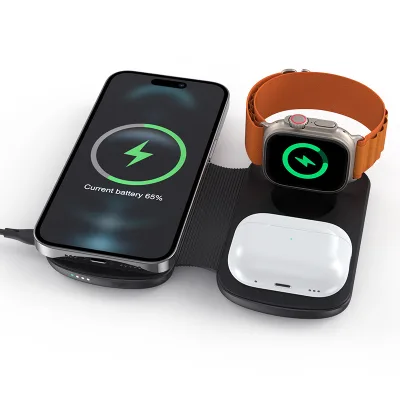


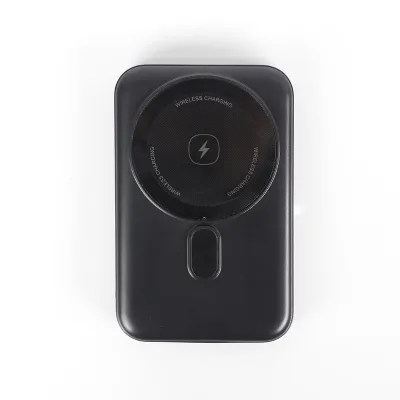


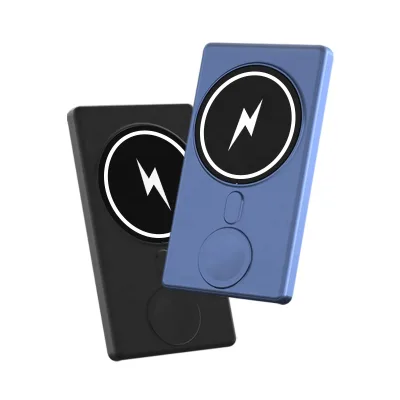
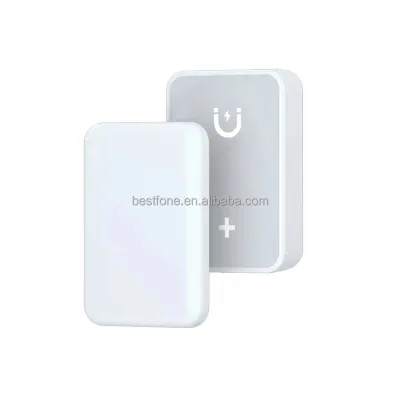

Portable Transparent 5000mAh 10000mAh Mini Magnetic Wireless Power Bank
$14.90 - $19.70
MOQ: 1000 Pieces


Mini Portable Magnetic Wireless Charging Power Bank for iPhone Mobile Phone
$11.50 - $15.50
MOQ: 1000 Pieces

Magnetic Battery Power Bank Magnetic 5000 mAh Magnetic Wireless Portable Charger
$8.90 - $11.90
MOQ: 1000 Pieces


Comprehensive Sourcing Guide
Portable Magnetic Wireless Power Bank Sourcing Guide
Sourcing portable magnetic wireless power banks requires a disciplined approach to aligning technical specifications with commercial viability. Buyers must navigate a market where product attributes vary significantly across suppliers, necessitating rigorous verification of core components. The observed data indicates a diverse range of models, from lightweight compact units to high-capacity devices, each with distinct physical and electrical characteristics. Understanding these variations is critical for selecting the right product for specific end-user needs, whether for consumer electronics retail or corporate gifting.
Procurement teams should focus on verifying the magnetic alignment mechanism, battery chemistry, and charging efficiency before committing to volume orders. The presence of features like LED displays and multiple device charging capabilities adds value but also complexity in quality assurance. By grounding sourcing decisions in observed listing signals and verified technical data, buyers can mitigate risks associated with performance discrepancies. This guide outlines the essential steps for evaluating suppliers and ensuring that the final product meets both functional requirements and safety standards.
Product Scope and Observed Listing Signals
The current market landscape for portable magnetic wireless power banks reveals a wide spectrum of product configurations and capabilities. Observed listings highlight models such as the W01, LH11-D, and MP5, each catering to different capacity and form factor preferences. Capacities range from 5000mAh to over 20000mAh, allowing buyers to target specific market segments, from emergency backup solutions to extended travel power sources. The diversity in sizes, such as the compact 103.366.768.9mm dimensions for the LH11-D versus the bulkier 108.667.722mm for the W04, underscores the importance of matching physical attributes to user portability expectations.
Material composition and packaging options also vary, with ABS plastic being a common choice for durability and cost-effectiveness. Some models offer customizable packaging, including white boxes or branded boxes, which is crucial for private label strategies. Additionally, the availability of customization services, such as logo printing and custom packing, provides flexibility for brands seeking unique market positioning. Buyers should carefully review these listing signals to ensure that the selected supplier can meet their specific branding and logistical requirements without compromising on product integrity.
Technical Specifications to Verify
Verifying technical specifications is paramount to ensuring device performance and compatibility. Key parameters include input and output ratings, with observed values such as 5V3a input and 5V23A output indicating varying power delivery capabilities. Buyers must confirm the cell type, typically Li-Polymer, to assess energy density and safety profiles. Efficiency ratings, observed at 70% for some models, directly impact charging speed and heat generation, making this a critical metric for user satisfaction. Additionally, the presence of features like temperature control systems and LED lighting enhances usability but requires rigorous testing to ensure reliability under load.
Model-specific details, such as the W05 and A860, may have unique interface configurations, including Micro USB, Type C, and USB/Micro USB outputs. Buyers should verify the applicability of these interfaces to their target devices, particularly mobile phones, to ensure seamless integration. The absence of removable batteries in most models simplifies design but necessitates robust internal protection circuits. Confirming these technical details through sample testing and supplier documentation helps prevent post-purchase issues related to charging incompatibility or unexpected device failure.
Compliance and Safety Documentation
Compliance with international safety and environmental standards is non-negotiable for portable power banks. Observed certifications include CE, RoHS, TUV, PSE, and CTIA, each addressing different regulatory markets and safety requirements. Buyers must ensure that the supplier provides valid certificates for the specific models being procured, as certification status can vary between product lines. The CE mark indicates conformity with health, safety, and environmental protection standards for products sold within the European Economic Area, while RoHS restricts the use of hazardous substances.
Additional certifications like TUV and PSE are critical for accessing markets in Germany and Japan, respectively, highlighting the need for region-specific compliance. CTIA certification ensures compatibility with wireless charging standards, reducing the risk of device damage. Buyers should request test reports and audit certificates to verify the authenticity of these claims. Maintaining a comprehensive compliance dossier not only facilitates customs clearance but also builds consumer trust by demonstrating adherence to rigorous safety protocols.
Cost Drivers and Commercial Terms
Understanding the factors that influence pricing and commercial terms is essential for effective budget management. The observed price range of $4.15 to $80 USD reflects significant variation based on capacity, features, and certification levels. Higher-capacity models with advanced features like LED displays and multiple charging ports typically command premium prices. Minimum Order Quantities (MOQs) range from 5 to 3000 units, offering flexibility for both small-scale trials and large-volume deployments. Buyers should negotiate terms that align with their inventory turnover rates and cash flow constraints.
Lead times and production capabilities also impact overall costs, with suppliers in Shenzhen, China, offering competitive manufacturing advantages. Customization options, such as logo printing and custom packaging, may incur additional fees but can enhance brand value. Buyers should clarify all cost components, including tooling fees for custom molds and shipping costs, to avoid hidden expenses. Establishing clear commercial terms early in the sourcing process helps prevent disputes and ensures a smooth transaction from order placement to delivery.
Supplier Qualification and Quality Control
Supplier qualification involves assessing manufacturing capabilities, quality management systems, and past performance. Buyers should prioritize suppliers with proven track records in producing portable power banks, particularly those with relevant certifications and positive client feedback. Factory audits can verify production line efficiency, raw material sourcing, and assembly processes. Quality control measures, such as incoming material inspection and final product testing, are critical for maintaining consistency across batches.
Implementing a robust quality assurance protocol includes requesting pre-shipment inspections and defining acceptance criteria for defects. Buyers should establish clear communication channels with suppliers to address any quality issues promptly. Regular performance reviews and feedback loops help drive continuous improvement. By investing time in supplier qualification, buyers can mitigate risks associated with inconsistent product quality and ensure long-term supply chain stability.
Long-Term Procurement Checks
Long-term procurement success depends on ongoing monitoring of supplier performance and market trends. Buyers should regularly review supplier compliance with contractual obligations, including delivery times and quality standards. Staying informed about regulatory changes and emerging technologies ensures that sourced products remain competitive and compliant. Periodic re-evaluation of supplier capabilities helps identify opportunities for cost optimization or product enhancement.
Building a diversified supplier base reduces dependency on single sources and mitigates supply chain disruptions. Buyers should also consider the lifecycle of the products, including warranty terms and after-sales support. A 2-year warranty, as observed in some listings, indicates supplier confidence in product durability. By maintaining a proactive approach to supplier management, buyers can secure a reliable supply of high-quality portable magnetic wireless power banks that meet evolving market demands.
FAQs
What certifications do these power banks have?
These portable magnetic wireless power banks hold CE, RoHS, TUV, PSE, and CTIA certifications. This ensures compliance with international safety and environmental standards for global distribution. Buyers can verify specific models against these documented credentials to meet regional regulatory requirements for electronic devices.
Can I customize the logo and packaging?
Yes, customization is available for both logos and packaging. Suppliers offer options such as white boxes or custom branded packaging to suit your brand identity. This flexibility allows businesses to create unique product presentations while maintaining the high-quality standards and reliable performance expected from these devices.
What is the typical capacity range?
The capacity ranges from 5000mAh to over 20000mAh depending on the model. Options include 8001-12000mAh and 15001-20000mAh variants. This variety allows buyers to select the ideal power bank for specific usage scenarios, ensuring sufficient energy storage for mobile phones and other compatible electronic devices.
How fast do these power banks charge?
These devices support fast charging standards, including 5W output capabilities. They feature multiple device charging functions and quick charge support. The input is typically 5V3A, ensuring efficient power delivery. This performance makes them suitable for rapidly recharging mobile phones and other small electronics on the go.
Where are these power banks manufactured?
These power banks are manufactured in China, specifically in Shenzhen. This location is a major hub for electronics production, offering access to advanced supply chains and manufacturing expertise. Buyers can leverage this origin to source high-quality products with competitive pricing and reliable lead times from established regional factories.
What is the minimum order quantity?
The minimum order quantity ranges from 5 to 3000 units. This flexible MOQ allows both small businesses and large enterprises to place orders that fit their budget and inventory needs. Buyers can negotiate specific quantities based on their market demand and distribution strategy while securing competitive pricing tiers.