Source punk style nickel-free jeans rivets for jackets, trousers, and bags
Compare 30 listings for punk style nickel-free jeans rivets suitable for jackets, trousers, and bags. Buyers can review material options like zinc alloy and brass, along with customization features and certifications such as Oeko-tex 100 Standards; compare the available evidence and request quotations based on your requirements.
Updated
Key considerations
Products List
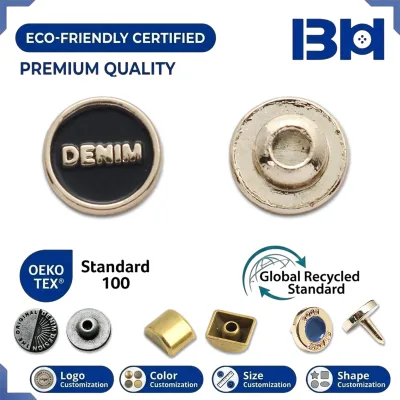
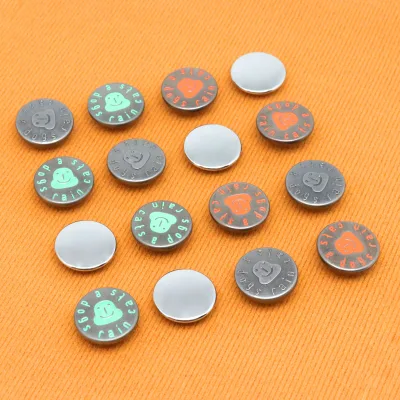
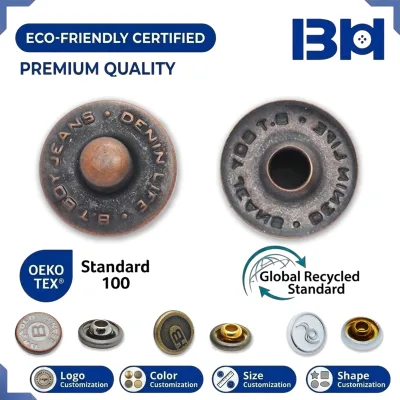


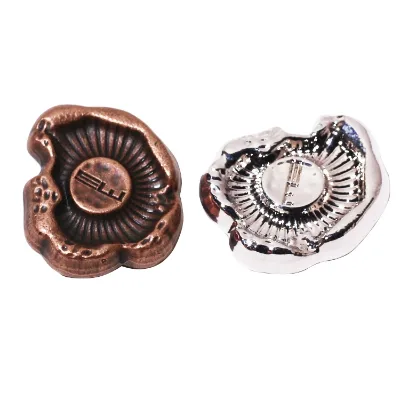
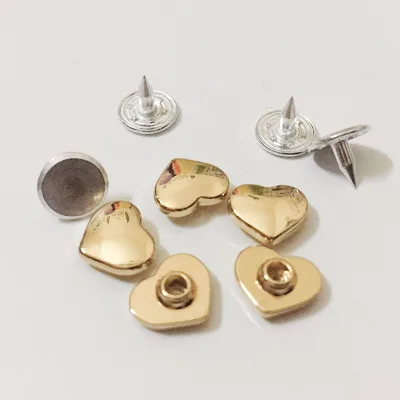
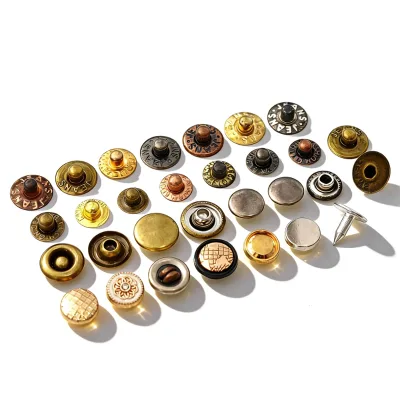
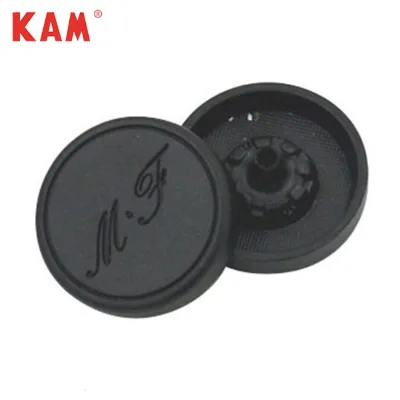
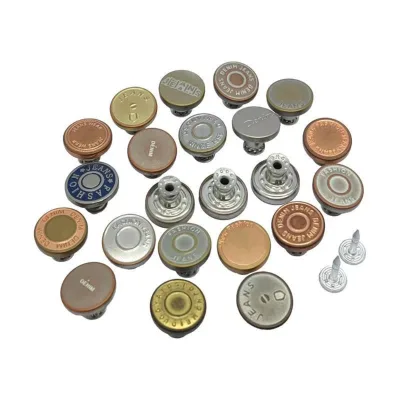
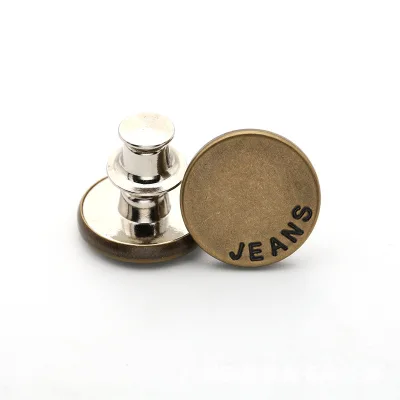
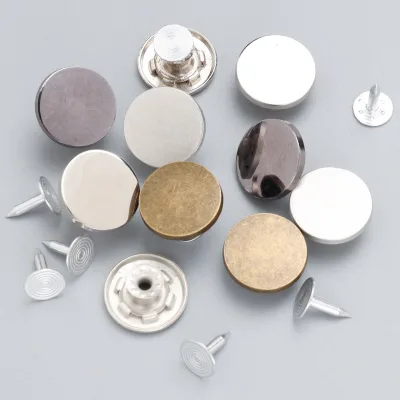


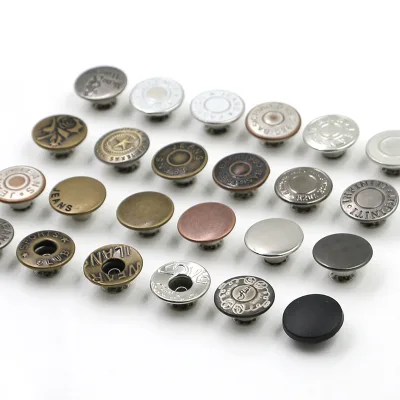
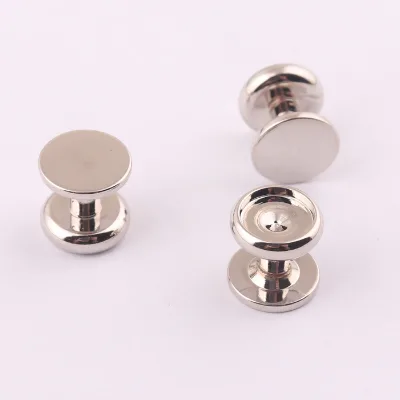
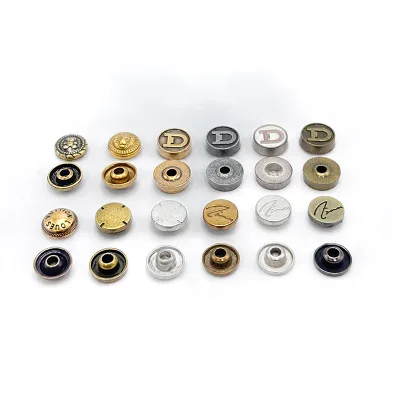
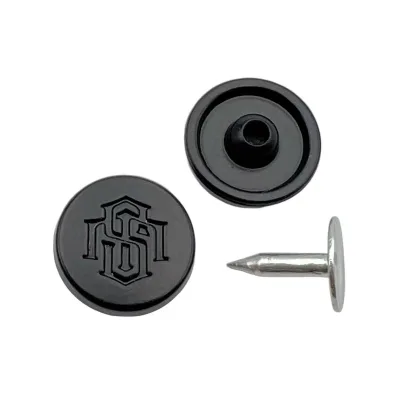
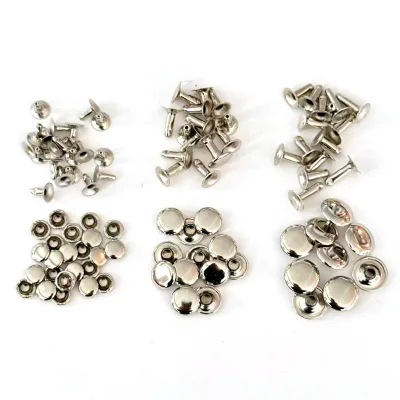
High Quality Cheap Price Metal Rivets in Nipple Down Rivet Type Use in Jeans
$0.0045 - $0.075
MOQ: 10000 Pieces


Comprehensive Sourcing Guide
Punk Style Nickel-Free Jeans Rivets Sourcing Guide
Sourcing punk-style hardware requires balancing aesthetic boldness with strict material safety, particularly when targeting markets with rigorous chemical regulations. Buyers must prioritize suppliers who explicitly confirm nickel-free compositions, as this is a non-negotiable requirement for apparel and accessory manufacturers in Europe and North America. The visual appeal of punk aesthetics often relies on dark, matte, or antique finishes, which can sometimes mask underlying material inconsistencies. Therefore, verifying the base metal composition is the first critical step in the procurement process.
Beyond basic material verification, the sourcing strategy must account for the diverse application environments of these rivets. Whether used on denim jackets, leather bags, or heavy-duty footwear, the hardware must withstand significant mechanical stress without corroding or breaking. Procurement teams should evaluate suppliers based on their ability to provide consistent plating quality and structural integrity. This guide outlines the essential technical, compliance, and commercial factors necessary to secure a reliable supply chain for high-quality punk-style fasteners.
Product Scope and Observed Listing Signals
The observed market signals indicate a wide variance in product specifications, ranging from zinc alloy to brass and iron constructions. Buyers will encounter listings with MOQs as low as five pieces up to 200,000 pieces, reflecting a mix of sample-ready stock and bulk manufacturing capabilities. The price range observed spans from zero to 48.5 USD, which likely correlates with order volume, customization complexity, and material grade. This disparity necessitates careful filtering to distinguish between premium, certified goods and lower-cost alternatives that may lack durability or safety compliance.
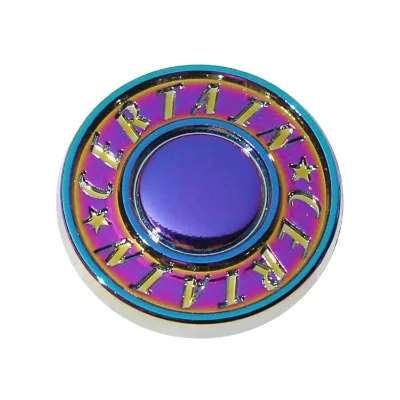
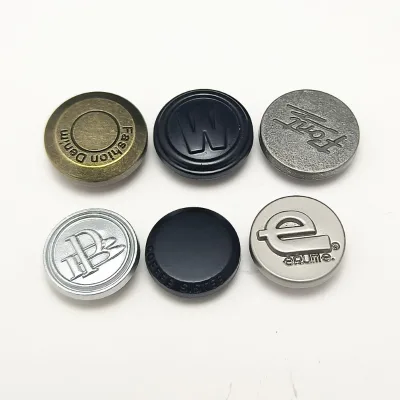
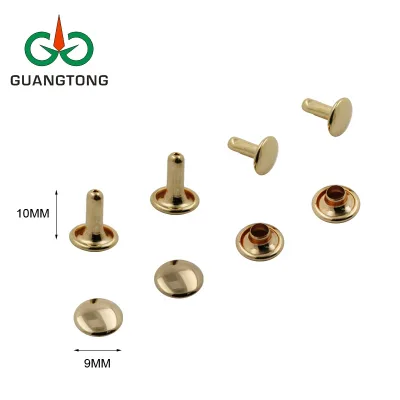
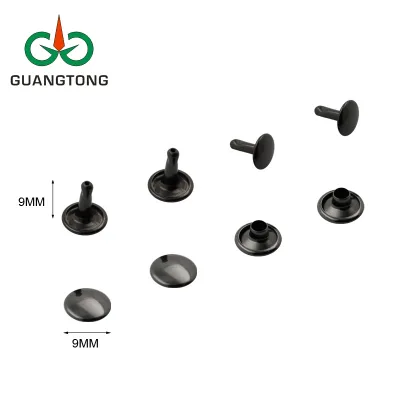
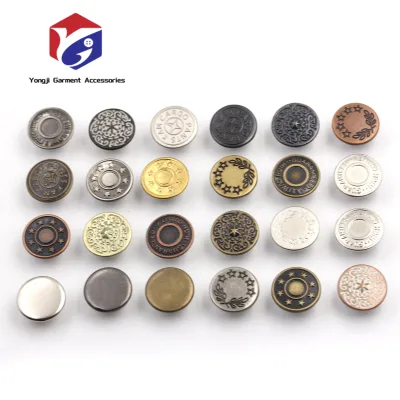
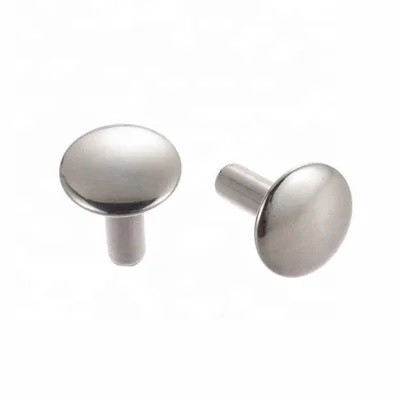
Visual and descriptive attributes in listings often highlight features such as electroplating, antique silver, gun metal, and red or green color options. These aesthetic choices are central to the punk style, requiring suppliers to offer precise color matching and finish consistency. Some listings mention single-cap rivet types and circular patterns, while others specify snap button configurations. Procurement teams must cross-reference these visual claims with physical samples to ensure that the "punk" aesthetic does not compromise the functional integrity of the fastener, particularly regarding button type and pattern durability.
Technical Specifications to Verify
Technical verification must begin with the base material, as listings cite zinc alloy, brass, and iron as common options. Each material offers different corrosion resistance and weight profiles, impacting the final product's feel and longevity. Buyers should confirm the exact alloy composition and plating thickness, as these factors directly influence the nickel-free claim. The observed techniques include plating, painting, and engraving, which add layers of complexity to quality control. Ensuring that the plating adheres properly to the base metal is essential to prevent peeling or flaking during wear.
Size and dimensional accuracy are equally critical, with observed specifications including 8mm, 9.5mm, 12mm, and 15mm options, alongside custom sizes. The single package sizes vary significantly, from 2.0x2.0x2.0 cm to 30x20x15 cm, indicating differences in packaging density and shipping efficiency. Buyers must verify that the rivet dimensions match their design templates precisely, as even minor deviations can affect assembly line efficiency. Additionally, the adjustable nature of some products should be clarified, as non-adjustable rivets require exact hole sizing in the garment or accessory being fastened.
Compliance and Safety Documentation
Safety compliance is paramount, with Oeko-tex 100 Standards cited as a key certification in the observed data. This standard ensures that the textiles and accessories, including the metal hardware, are free from harmful substances. Buyers must request valid, up-to-date certificates from suppliers to verify that the nickel-free claim is backed by independent laboratory testing. The presence of GRS (Global Recycled Standard) certification in some listings also suggests a commitment to sustainable sourcing, which may be a value-add for eco-conscious brands.
Beyond chemical safety, buyers should inquire about the supplier's quality management systems and testing protocols. While specific test results are not provided in the general data, reputable suppliers should be able to provide internal QC reports for heavy metal content and plating adhesion. The "Eco-Friendly" and "Sustainable" features mentioned in some listings should be substantiated with clear documentation. Procurement teams must ensure that all compliance documents are transferable and recognized in the target market, avoiding any regulatory hurdles at customs or retail entry points.
Cost Drivers and Commercial Terms
Cost structures are influenced by material choice, plating complexity, and order volume. The observed MOQ range of 5 to 200,000 pieces allows for flexibility, but higher volumes typically yield better unit prices. Buyers should analyze the cost breakdown to understand how much is attributed to raw materials versus labor and finishing processes. Customization options, such as logo engraving or specific color matching, will inevitably increase costs. It is essential to clarify whether these customization fees are one-time setup charges or recurring per-unit costs.
Lead times and payment terms are also significant commercial factors. Sample order lead times of seven days are noted as supported, which is beneficial for rapid prototyping. However, bulk production lead times can vary widely depending on the supplier's capacity and current order backlog. Buyers should negotiate clear delivery schedules and penalty clauses for delays. Additionally, understanding the packing specifications, such as 1000 pieces per bag and 20 bags per carton, helps in calculating shipping costs and warehouse storage requirements accurately.
Supplier Qualification and Quality Control
Supplier qualification should focus on geographic origin and manufacturing capability, with Guangdong and Zhejiang identified as key production hubs in China. These regions have established ecosystems for metal hardware manufacturing, offering access to skilled labor and raw materials. Buyers should conduct virtual or on-site audits to assess the supplier's production lines, QC processes, and R&D capabilities. The ability to handle customized orders, as indicated by "Customized Logo" and "Customized Size" attributes, is a strong indicator of a flexible and capable manufacturer.
Quality control measures must be rigorous, especially for nickel-free claims. Buyers should implement incoming inspection protocols to verify material composition and finish quality upon receipt. Statistical sampling plans should be established to detect defects in plating, shape, and size consistency. Suppliers with a track record of providing consistent quality across large orders are preferable. Establishing a clear communication channel for addressing quality issues and requesting replacements or credits is essential for maintaining a smooth supply chain.
Long-Term Procurement Checks
Long-term procurement success depends on continuous supplier performance monitoring and market adaptation. Buyers should regularly review supplier compliance certificates to ensure they remain valid and up-to-date. Tracking key performance indicators such as on-time delivery rate, defect rate, and responsiveness to issues will help identify potential risks early. The fashion industry's trend cycles are fast, so suppliers must be agile enough to accommodate design changes and new style requirements without significant delays or cost increases.
Sustainability and ethical sourcing are becoming increasingly important in the apparel and accessory sectors. Buyers should prioritize suppliers who demonstrate a commitment to environmental responsibility, such as those offering GRS-certified products. Building a diversified supplier base can mitigate risks associated with single-source dependencies. Regular engagement with suppliers to discuss future trends, material innovations, and cost optimization strategies will foster a collaborative partnership. This proactive approach ensures that the procurement function remains aligned with the brand's long-term strategic goals and market demands.
FAQs
What materials are these punk style nickel-free jeans rivets made from?
These rivets are made from zinc alloy, with some listings using brass or iron base metal. The product pages list both nickel-free and eco-friendly features on selected items, and certifications such as GRS and Oeko-tex 100 standards appear in the listings. Confirm the exact material and certification documentation with each supplier before ordering.
Can I customize the logo and finish on punk style nickel-free jeans rivets?
Yes, customization is available on listed products. Suppliers support customized logos, and finishes are applied through plating plus painted techniques or electroplating decoration. Color options shown include gold and black, antique silver, gun metal, antique brass, red, and green, with further custom colors possible. Discuss artwork files, plating layers, and sample approval before confirming bulk production.
What sizes and specifications can I order for these jeans rivets?
Listed sizes include 8mm, 9.5mm, 12mm, and 15mm, with customized sizes supported on several products. Rivet styles include single-cap types with circular patterns, and size standards such as 22L, 24L, 26L, and 32L appear for button products. Choose the diameter and cap style that suit your garment weight and ask suppliers to confirm tolerances.
How fast can I receive a sample order of nickel-free jeans rivets?
Listings indicate support for a 7-day sample order lead time, so samples can typically be arranged within about one week. Actual timing depends on customization level, since plated finishes and logo engraving may extend preparation. Confirm sample cost, shipping method, and exact lead time with the supplier before placing the sample order.
What is the minimum order quantity for punk style jeans rivets?
Observed MOQ requirements vary widely across listings, from as low as 5 pieces for stock items to 3000 pieces for customized production, with some listings up to 200000 pieces. One listing states packing of 1000 pieces per bag and 20 bags per carton. Verify the MOQ tied to your chosen size, finish, and customization options directly with each supplier.
Where are these nickel-free jeans rivets produced and packaged?
Listings show origins in Guangdong, China and Zhejiang, China, with selling units offered as single items. Package sizes vary by product, from 2.0 by 2.0 by 2.0 cm for small rivet orders to 30 by 20 by 15 cm for bulk cartons, and single gross weights range from 0.003 kg to 1.0 kg. Check packing details per order.
Which applications suit these punk style jeans rivets?
These rivets suit garments, shoes, and bags, with listed usages including jackets, trousers, toys, and bags. They are snap button and single-cap rivet types designed for denim and apparel decoration. Because base metals and plating vary, test attachment strength and finish durability on your actual fabric before committing to a production run.
What certifications should I verify for nickel-free rivets?
Product listings reference GRS and Oeko-tex 100 standards, and some items specifically list Oeko-tex 100 standards certification alongside a nickel-free feature. These certifications relate to material compliance and restricted substances. Always request current, order-specific test reports from the supplier, since certification coverage can differ between product lines within the same catalog.