Source China Mainland Ribbons for Gift Wrapping Decoration and Garment Accessories
Find 30 verified options for China Mainland Ribbons including polyester, cotton, and satin varieties. Buyers can compare widths, styles, and customization features from suppliers in Zhejiang and Shandong. Explore woven and printed designs with eco-friendly options available for various industrial and craft applications today.
Updated
Key considerations
Products List


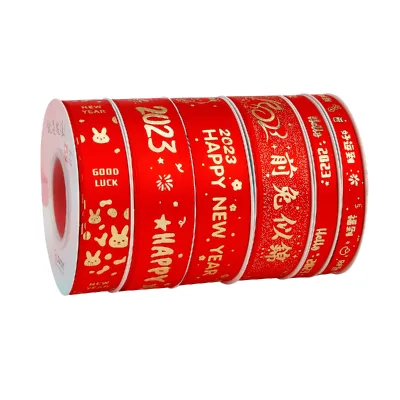
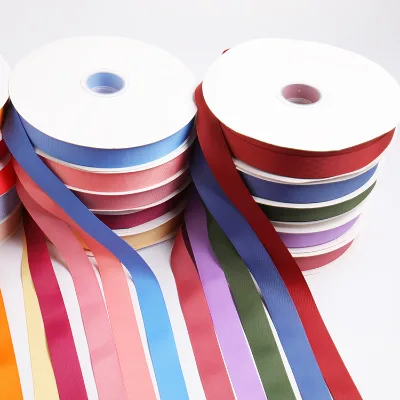
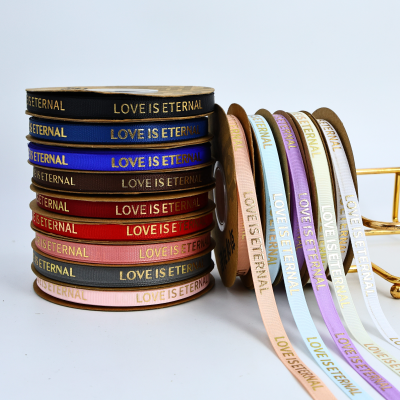
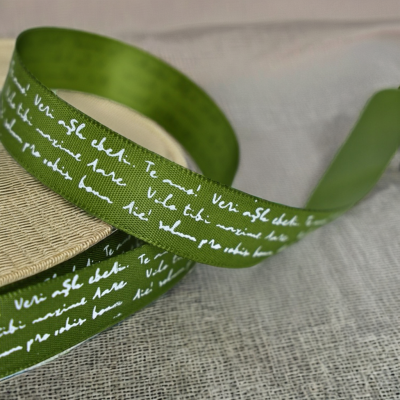
Beautiful and Fancy Printed Ribbon for Decoration From China Manufacturer
$0.025 - $0.085
MOQ: 10000 Yards




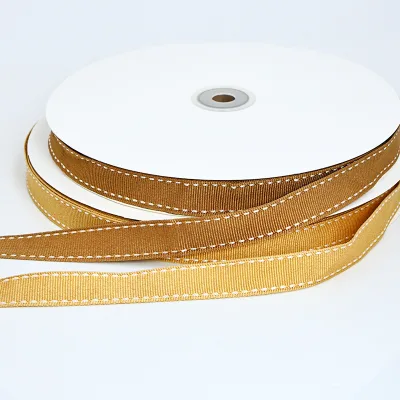
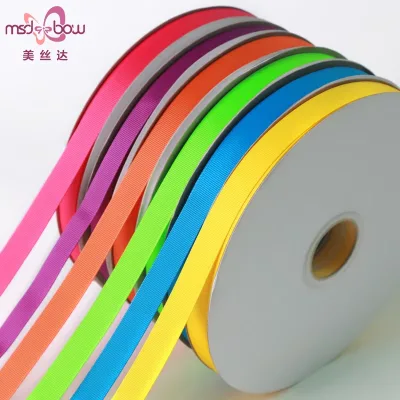


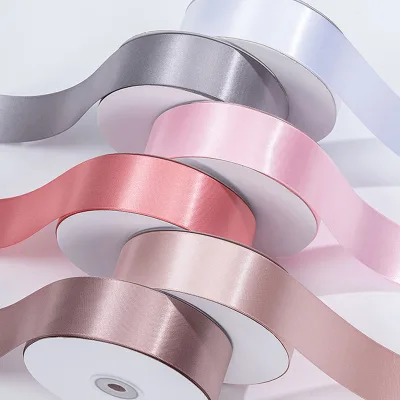
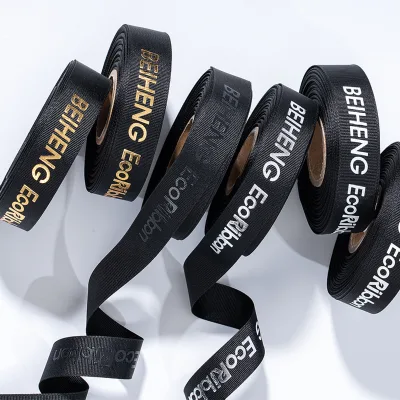
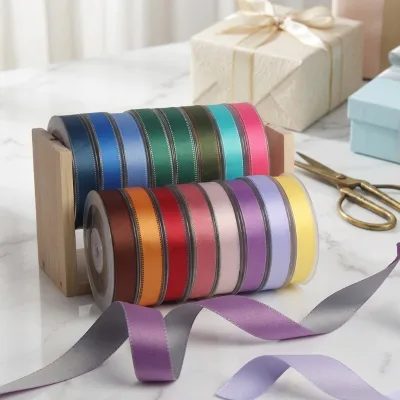


Comprehensive Sourcing Guide
China Mainland Ribbons Sourcing Guide
Sourcing ribbons from China mainland suppliers offers access to a vast manufacturing ecosystem capable of producing diverse textile trims for global markets. Buyers often encounter a wide array of product types, including satin, grosgrain, and woven varieties, which serve distinct functional and aesthetic purposes. The observed market signals indicate that manufacturers frequently support customization requests, allowing procurement teams to tailor products to specific brand identities or project requirements. This flexibility is particularly valuable for industries requiring unique colorways, widths, or surface finishes that standard off-the-shelf items cannot provide.
The supply chain for these materials is heavily concentrated in specific industrial hubs, with Zhejiang and Shandong provinces emerging as key production centers. These regions benefit from established textile infrastructure, enabling efficient raw material sourcing and streamlined logistics for finished goods. Procurement professionals should leverage this geographic concentration to identify suppliers with proven track records in high-volume production. Understanding the regional strengths helps in evaluating supplier capabilities, as manufacturers in these areas often specialize in specific ribbon types, such as metallic or eco-friendly options, ensuring higher quality consistency for targeted applications.
Product Scope and Observed Listing Signals
The current market landscape for China Mainland Ribbons includes a variety of material compositions, with polyester and cotton being the most frequently observed options. Listings often highlight specific technical attributes, such as printed or woven techniques, which directly influence the final product’s texture and durability. Buyers should note that style variations like metallic, single-face, or double-face designs are commonly available, catering to different decorative needs. The presence of eco-friendly features in some product descriptions suggests a growing trend toward sustainable manufacturing practices, which may appeal to environmentally conscious brands seeking to align their supply chains with green initiatives.
Packing and model specifications vary significantly across suppliers, reflecting the customized nature of many orders. Common packing formats include rolls of specific lengths, such as 50 yards or 500 yards per roll, as well as carton packaging for bulk shipments. Model numbers like NBDH20DH0386 or XN188 serve as unique identifiers for specific product lines, aiding in precise communication with suppliers. Additionally, width specifications range from narrow trims like 1CM to broader options like 2.5CM, allowing for versatile application in gift wrapping, garment accessories, and general decoration. These detailed listing signals help buyers narrow down their search to products that match their exact dimensional and aesthetic requirements.
Technical Specifications to Verify
When evaluating ribbon products, verifying the exact material composition is crucial, as listings may specify 100% polyester or cotton blends. Buyers must confirm whether the fabric type is satin, woven, or another variant, as this affects the drape, sheen, and strength of the ribbon. Technical details such as width, which can range from 1/8" to 2 1/2", must be cross-checked against project needs to ensure compatibility with machinery or manual application processes. Additionally, the distinction between single-face and double-face styles impacts the visual outcome, particularly for applications where both sides of the ribbon are visible, such as in high-end gift packaging or fashion accessories.
Packing specifications and model numbers provide essential clues about the supplier’s standard operating procedures and product consistency. Buyers should verify if the packing method, such as 50yds/Roll or carton packaging, aligns with their storage and handling capabilities. Model numbers like CR, SR, or PR often correspond to specific production batches or design iterations, so maintaining clear communication about these identifiers prevents mix-ups during large orders. Furthermore, confirming the origin, whether from Zhejiang or Shandong, can offer insights into the manufacturing standards and logistical advantages associated with each region, helping buyers make informed decisions based on reliability and delivery efficiency.
Compliance and Safety Documentation
While specific certification statuses are not universally guaranteed for all listed products, buyers should proactively request documentation to ensure compliance with international safety standards. Background context suggests that standards like OEKO-TEX or ISO 9001 may be relevant for certain suppliers, indicating a potential focus on textile safety and quality management systems. Procurement teams must verify if the ribbons meet specific regulatory requirements for their target markets, particularly if the products are intended for children’s items or food-related packaging. Requesting test reports for chemical content, colorfastness, and tensile strength helps mitigate risks associated with non-compliant materials.
Suppliers often state that standards are "As Requested," which implies a degree of flexibility but also requires clear definition from the buyer. It is essential to specify any mandatory certifications or testing protocols during the initial inquiry phase to avoid misunderstandings later in the procurement process. Buyers should also inquire about the supplier’s quality control procedures, including how they handle defects and ensure consistency across production batches. By establishing clear compliance expectations upfront, companies can safeguard their brand reputation and avoid potential legal or logistical issues arising from non-conforming goods.
Cost Drivers and Commercial Terms
The cost of ribbons is influenced by several factors, including material type, width, and the complexity of the printing or weaving process. Observed price ranges in the market can vary significantly, with some items listed at very low unit costs, reflecting economies of scale in mass production. However, buyers should consider that customization, such as specific color matching or unique packaging, may incur additional charges. Understanding these cost drivers helps in budgeting accurately and negotiating favorable terms with suppliers, ensuring that the final price aligns with the project’s financial constraints without compromising on quality.
Minimum Order Quantities (MOQs) and lead times are critical commercial terms that impact procurement planning. Listings indicate MOQs ranging from as low as 1 roll to as high as 50,000 units, offering flexibility for both small-scale and large-volume buyers. Sample order lead times are often supported within seven days, allowing for quick evaluation of product quality before committing to larger orders. Buyers should clarify these terms early in the negotiation process to ensure they align with their inventory management strategies and project timelines. Clear communication about payment terms and shipping responsibilities further streamlines the transaction, reducing the risk of delays or unexpected costs.
Supplier Qualification and Quality Control
Evaluating supplier qualifications involves assessing their production capabilities, customization options, and overall reliability. Many manufacturers offer OEM and ODM services, indicating their ability to adapt to specific buyer requirements and brand guidelines. Buyers should verify the supplier’s experience in producing the specific type of ribbon needed, such as grosgrain or satin, by requesting references or case studies. Additionally, checking the supplier’s response time and willingness to provide samples can provide insights into their customer service quality and operational efficiency, which are crucial for long-term partnerships.
Quality control measures should be rigorously defined and monitored throughout the production process. Buyers should establish clear acceptance criteria for color accuracy, width consistency, and material integrity before production begins. Implementing pre-shipment inspections or third-party quality audits can help identify and rectify defects before goods are dispatched. Furthermore, maintaining open communication channels with the supplier allows for real-time issue resolution, ensuring that any deviations from the agreed specifications are addressed promptly. By prioritizing robust quality control practices, buyers can minimize the risk of receiving substandard products and maintain high standards for their end customers.
Long-Term Procurement Checks
Building a sustainable supply chain for ribbons requires ongoing monitoring of supplier performance and market trends. Buyers should regularly review supplier metrics, such as on-time delivery rates, defect percentages, and responsiveness to inquiries, to ensure continued reliability. Establishing a structured supplier evaluation process helps in identifying potential risks and opportunities for improvement, fostering a collaborative relationship that benefits both parties. Additionally, staying informed about changes in raw material costs and regulatory requirements allows buyers to anticipate market shifts and adjust their procurement strategies accordingly.
Long-term partnerships often yield benefits such as preferential pricing, priority production slots, and enhanced customization support. Buyers should invest in building strong relationships with key suppliers by providing consistent order volumes and clear feedback. Regularly revisiting contract terms and exploring new product innovations can keep the supply chain competitive and aligned with evolving market demands. By maintaining a proactive approach to supplier management, companies can ensure a steady supply of high-quality ribbons, supporting their brand’s reputation and operational efficiency in the long run.
FAQs
What materials are commonly used for China Mainland Ribbons?
Most China Mainland Ribbons listed are made from 100% polyester, which offers durability, color retention, and cost efficiency for decorative uses. Some products are offered in satin fabric type or cotton material, and printed or woven technics are available. Buyers should confirm the exact composition with each supplier, since material options vary by product model and intended application such as gift wrapping or garment accessories.
Which ribbon widths can buyers order from these listings?
Available widths vary by product. Some listings specify 1CM, 2CM, and 2.5CM, while grosgrain ribbon products list widths from 1/8 inch up to 2 1/2 inches. Since width options differ across models, buyers should state their required width when requesting quotations so suppliers can confirm availability or arrange customization according to the requirement.
Can suppliers customize ribbon color, size, and style?
Yes, customization is available on many listed products. Colors can be produced as your requirement, and sizes can also follow buyer specifications, including single face or double face styles. Some products are described as eco-friendly and accept OEM or ODM orders. Buyers should provide artwork, width, and quantity details upfront so suppliers can confirm feasibility, sampling time, and any applicable customization costs before production.
What is the typical minimum order quantity for these ribbons?
Minimum order quantities vary widely across the 30 listed products, ranging from as low as 1 roll to as high as 50,000 units. Some products list an MOQ of 1 Roll, which suits sample testing or small decoration projects. Buyers should check the MOQ shown on each product page and negotiate quantities directly with suppliers based on width, color, and packing requirements.
How are these ribbons packaged and shipped?
Packing depends on the product type. Some ribbons are packed at 50 yards per roll, others at 500 yards per ribbon, and some are packed in cartons with a noted standard of 46*35*35. Certain items ship in bags or boxes, with one listed single package size of 8X8X5 cm and gross weight of 0.500 kg. Confirm packing format before ordering to match your logistics plan.
How fast can buyers receive a sample order?
Several listings support a 7 days sample order lead time, allowing buyers to evaluate material, width, color, and weaving quality before committing to bulk production. Sample availability can depend on customization level, since fully custom colors or sizes may take longer than stocked items. Request samples early in the sourcing process and clarify whether sample fees apply and how they are handled.
Where are these ribbon products produced?
The listed ribbons are produced in China. Place of origin details include Zhejiang, China for several products and Shandong, China for others. Brand names shown include Double Qing and Enping, with model numbers such as NBDH20DH0386, XN188, CR, SR, and PR. Buyers can use origin and model details when shortlisting suppliers and comparing product families across the catalog.
What applications suit these China Mainland Ribbons?
Listed usages include gift wrapping and decoration, with application noted as garment accessories and gift packing. Styles include metallic, striped, solid color, satin, and printed or woven finishes, making them suitable for packaging, crafts, apparel trims, and event decor. Buyers should match ribbon width, face style, and finish to their application and confirm suitability with the supplier before placing bulk orders.