Water Soluble Guipure Lace Fabric Suppliers and Manufacturers
Source Water Soluble Guipure Lace Fabric from 26 verified suppliers in Guangdong and Zhejiang. Compare key dimensions including MOQ, lead times, response rates, and certifications like ISO9001. Filter results to identify suitable partners and request samples for quality verification; review the available evidence before requesting comparable quotations from suitable candidates.
Updated
Suppliers List
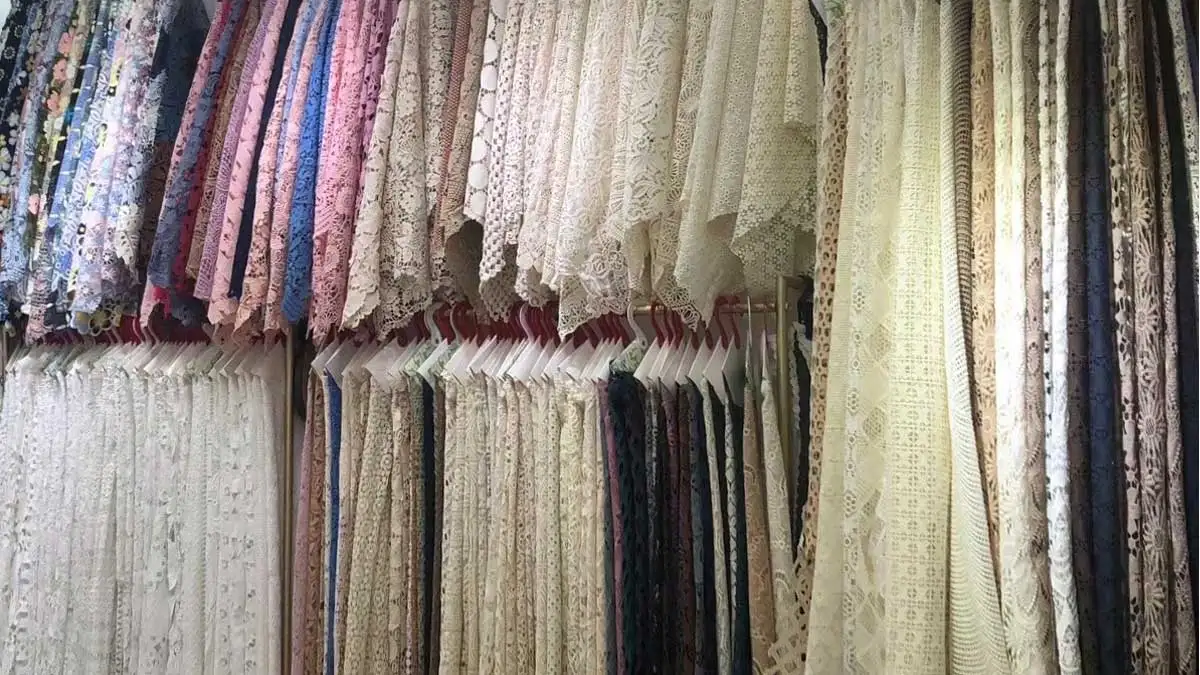
Guangzhou Xianghe Trading Co., Ltd.
- Trading Company, Buying Office, Distributor/Wholesaler
- Guangdong, China
- Lead time7 days
- Avg. response≤ 4h
Main productslace fabric,Embroidery lace,Dress lace Fabric,Guipure lace,Sequins lace
Main marketsNorth America(60.00%), Northern Europe(10.00%), Eastern Europe(10.00%), South America(10.00%), Western Europe(5.00%), Central America(3.00%), South Asia(1.00%), Southern Europe(1.00%)

Ningbo Yue Na Import & Export Co., Ltd.
- Verified by TUVRHEINLAND
- Trading Company
- China Zhejiang
- Lead time23 days
- Avg. response≤ 3h
Main productsLace, Thread, Button, Ribbon, Zipper, Tailors Materials, Fabric, Reflective Materials, Sewing Machine Part, Bra Parts
Main marketsSouth America,Africa,Southeast Asia/ Mideast,Europe,North America


Garment Lace Wholesale Hot Sale Chemical Lace Fabric Water Soluble Lace Water Soluble
$0.16 - $0.20
MOQ: 4500 Yards


- Verified by TUVRHEINLAND
- Combined
- China Zhejiang
- Lead time30 days
- Avg. response≤ 8h
Main productsThread, Zipper, Lace, Button, Webbing & Tape, Ribbon, Interlining, Fabric, Tailoring Materials, Hook & Loop
Main marketsSouth America,Africa,Europe,Australia


High Quality Polyester Guipure Water Soluble Chemical Allover Lace Fabric
$2.50 - $4.50
MOQ: 500 Yards
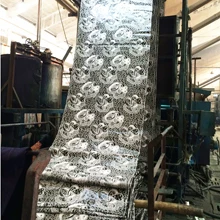
Guangzhou Grown Trading Co., Ltd.
- Trading Company
- Guangdong, China
- Lead time15 days
- Avg. response≤ 8h
Main productsAfrican Wax Fabric,Lace,Silk,Bag Shoes,Bazin
Main marketsAfrica(30.00%), North America(15.00%), Southern Europe(8.00%), Northern Europe(8.00%), Oceania(8.00%), Western Europe(8.00%), Eastern Europe(8.00%), Mid East(5.00%), Domestic Market(5.00%), Eastern Asia(3.00%), South America(2.00%)
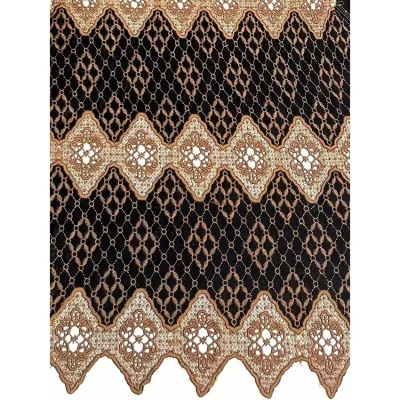
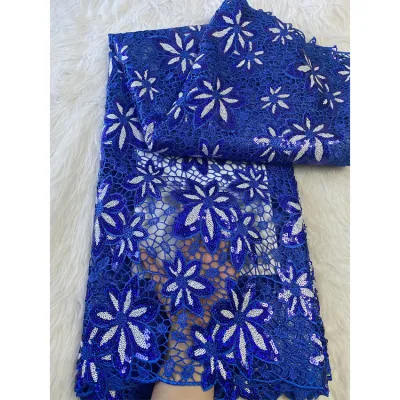
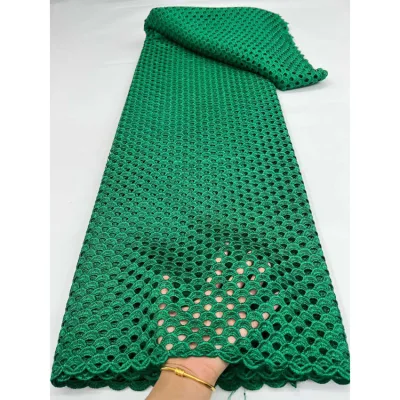
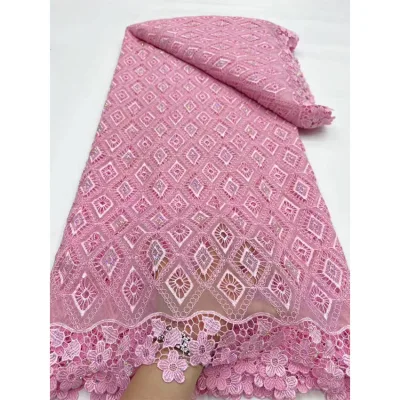
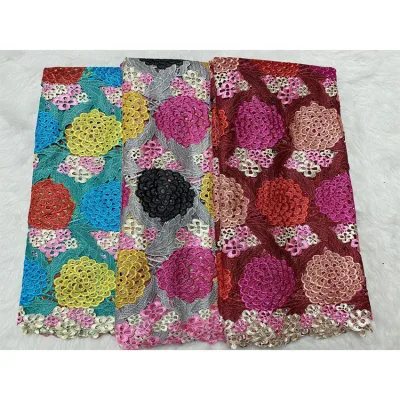
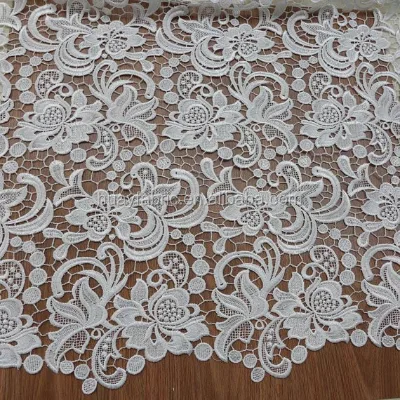
Beautiful Guipure Lace Water Soluble Fabric Floral Style Embroidered Lace Fabric
$5.40 - $6.30
MOQ: 5 yards
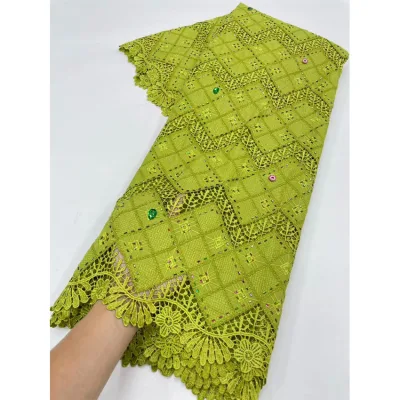
Guangzhou Lemon Tree Fashion Trade Co., Ltd.
- Trading Company
- Guangdong, China
- Lead time7 days
- Avg. response≤ 5h
Main productsLaces Fabrics,Ankara Wax Fabric,Printed Organza Fabric,Printed Silk Fabrics,Printed Sequins Fabric
Main marketsNorth America(30.00%), Western Europe(18.00%), Africa(10.00%), Northern Europe(10.00%), Oceania(8.00%), Eastern Asia(6.00%), Eastern Europe(5.00%), South Asia(4.00%), Southeast Asia(3.00%), Southern Europe(3.00%), South America(2.00%), Mid East(1.00%)
Guangzhou Yaxin Garment Accessories Co., Ltd.
- Manufacturer, Trading Company
- Guangdong, China
- Lead time10 days
- Avg. response≤ 1h
Main productsEmbroidery Fabric,guipure lace fabric,3d lace fabric,lace fabric for wedding,luxury lace fabric
Main marketsNorth America(20.00%), Africa(15.00%), Southeast Asia(15.00%), Eastern Europe(15.00%), Central America(15.00%), South America(10.00%), Western Europe(10.00%)
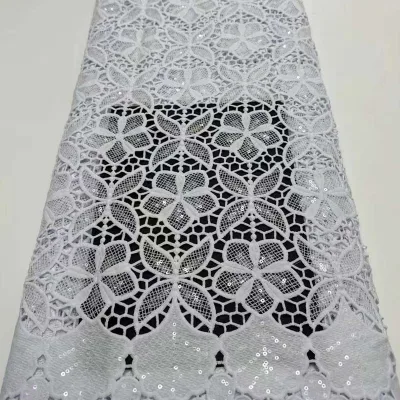
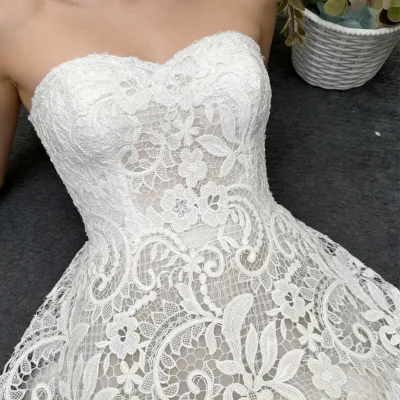
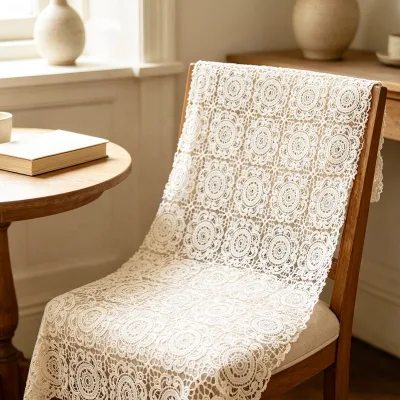
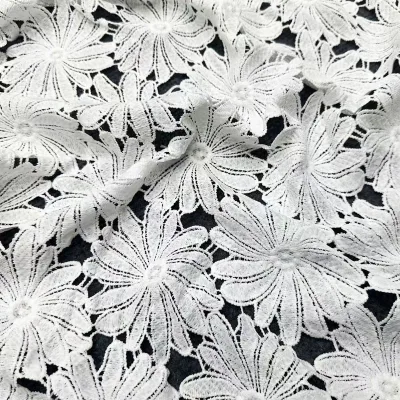
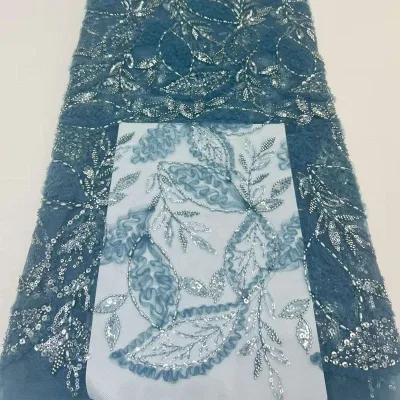
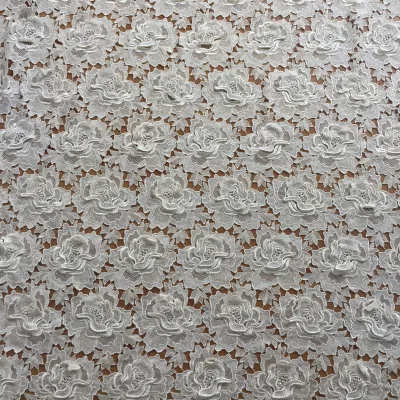
Great 3D Embroidered Guipure Lace Heavy Water Soluble Laces Fabrics for Women
$8.89 - $12.96
MOQ: 30 yards
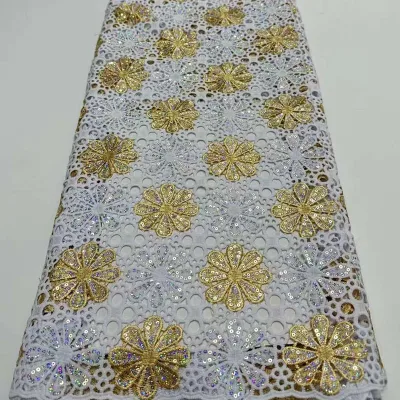
Guangzhou Dongzhicai Embroidery Lace Co., Ltd.
- Manufacturer, Trading Company
- Guangdong, China
- Lead time10 days
- Avg. response≤ 3h
Main productsLace,Lace Trim,Lace Textile,Lace Fabric,Embroidery Lace
Main marketsDomestic Market(60.00%), North America(10.00%), Southeast Asia(7.00%), Western Europe(5.00%), Mid East(3.00%), Oceania(3.00%), Africa(3.00%), South America(2.00%), Eastern Europe(2.00%), Eastern Asia(2.00%), Central America(1.00%), Southern Europe(1.00%), Northern Europe(1.00%)
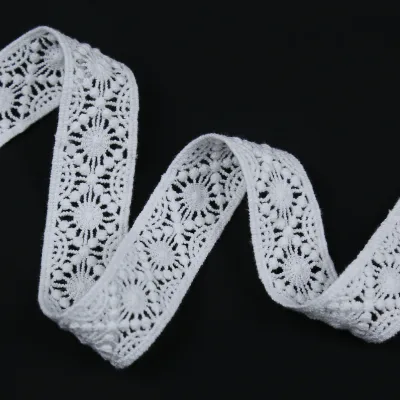
Special Price Classic Cotton Water Soluble Lace Fabrics Romantic Guipure Lace Trim
$0.1858 - $0.2067
MOQ: 200 yards

LIZHUO INTERNATIONAL CO., LTD.
- Verified by SGS
- Trading Company
- China Guangdong
- Lead time23 days
- Avg. response≤ 3h
Main productsEmbroidery Patch, Woven Label, Embroidery Lace, Hangtag, Printing Label, School Bag, Embroidery Fabric, String
Main marketsEast Asia(Japan/ South Korea)


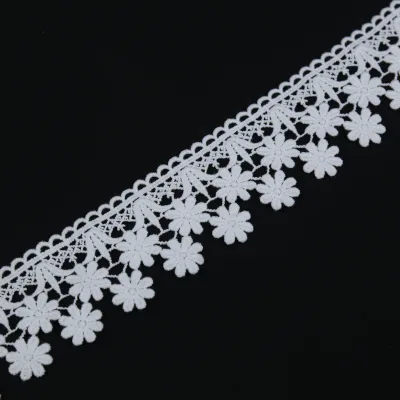
Chemical Flower Lace Guipure Patchwork Lace Applique Lace Tulle Embroidery Lace
$2.80 - $4.80
MOQ: 300 Yards

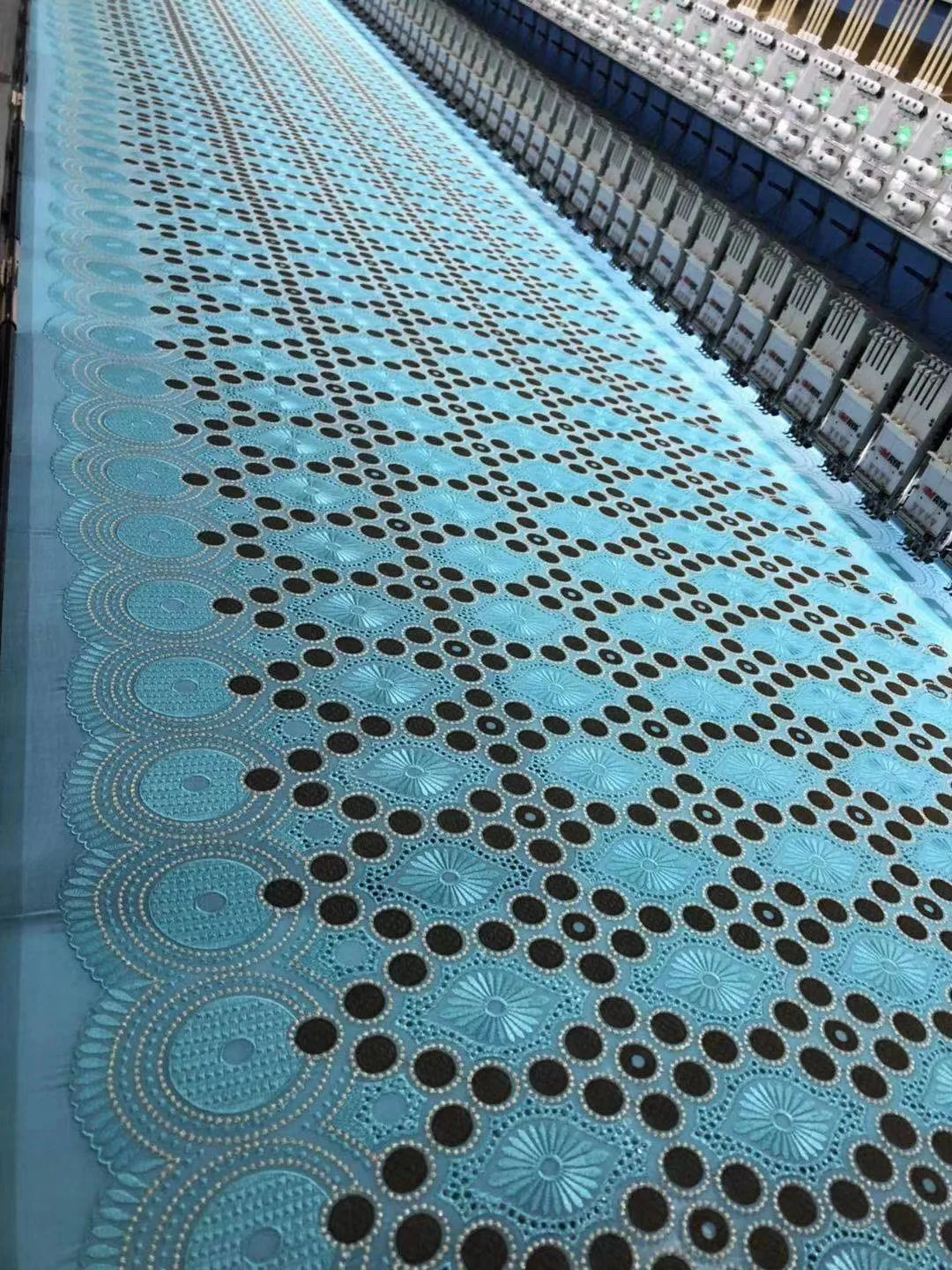
White Polyester Embroidery Lace Fabric Guipure Lace Fabric for Garment Accessories
Negotiable
MOQ: 500 Meters

Guangzhou Yuexiu Disctrict Tongman Clothing Store
- Manufacturer, Distributor/Wholesaler
- Guangdong, China
- Lead time20 days
- Avg. response≤ 12h
Main productsAfrican lace,prints wax,bazin fabric,shoes and bag,turban
Main marketsNorth America(35.00%), Africa(33.00%), Northern Europe(10.00%), Western Europe(8.00%), Southern Europe(2.00%), Eastern Europe(2.00%), Southeast Asia(2.00%), South America(2.00%), Domestic Market(1.00%), South Asia(1.00%), Eastern Asia(1.00%), Mid East(1.00%), Central America(1.00%), Oceania(1.00%)
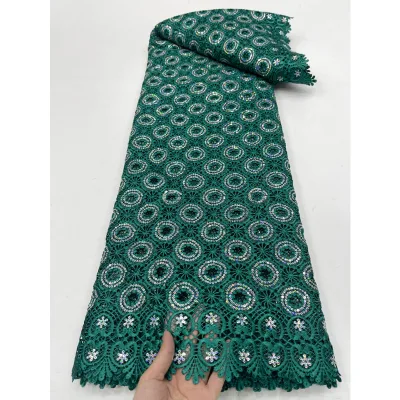
Hot White Cord Lace Guipure Lace Croq Top Chemical Guipure Embroidery Lace
$5.0048 - $5.3179
MOQ: 5 yards
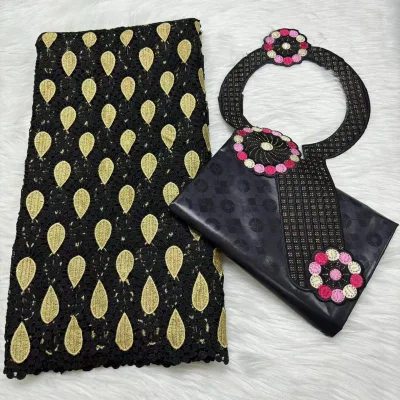
$23.50 - $25.00
MOQ: 30 sets
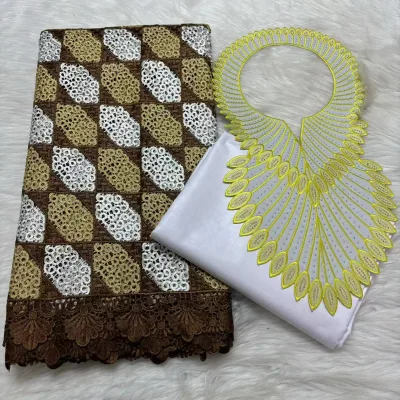
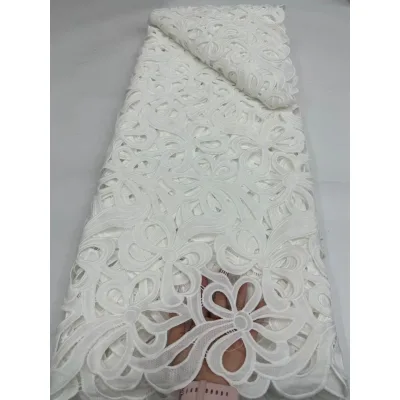
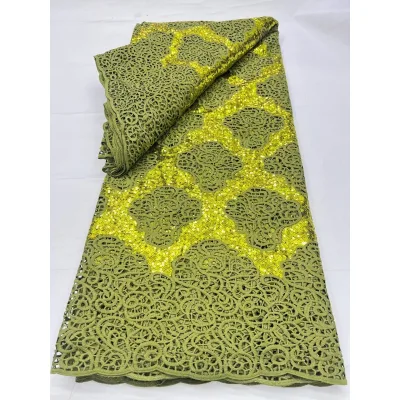

- Verified by TUVRHEINLAND
- Trading Company,Manufacturer/Factory
- China Zhejiang
- Lead time23 days
- Avg. response≤ 9h
Main productsGarment Accessories, Zipper, Button, Lace Trim, Metal Zipper, Nylon Zipper, Plastic Zipper, Metal Button, Snap Button, Cotton Lace
Main marketsNorth America,Africa
Shantou Huayi Fang Embroidery Textile Co., Ltd.
- Manufacturer, Trading Company
- Lead time旺季: "1 - 15":7,"> 15":"To be negotiated", 淡季: "1 - 15":7,"> 15":"To be negotiated"
- Avg. response≤ 4h
Main productsLace Fabric, Handmade Beaded Lace, Embroidery Lace
Guangzhou Leilong Trade Co., Ltd.
- Manufacturer, Trading Company, Distributor/Wholesaler
- Guangdong, China
- Lead time0 days
- Avg. response≤ 3h
Main productsEyelash lace,Stretch lace,Embroidery lace,Guipure lace,Chantilly lace
Main marketsMid East(25.00%), Central America(15.00%), Domestic Market(10.00%), Southeast Asia(8.00%), South Asia(7.00%), Eastern Europe(5.00%), Southern Europe(5.00%), Eastern Asia(5.00%), North America(5.00%), Northern Europe(5.00%), South America(3.00%), Western Europe(3.00%), Oceania(3.00%), Africa(1.00%)

Shanghai Bestway International Ltd.
- Trading Company
- Shanghai, China
- Lead time20 days
- Avg. response≤ 4h
Main productsLace Fabric,African Lace,Embroidery Fabric,Shoe and Bag,Sego gele
Main marketsNorth America(50.00%), Africa(40.00%), Western Europe(8.00%), Northern Europe(2.00%)

Ningbo New & Century Fashion Co., Ltd.
- Manufacturer/Factory
- China Zhejiang
- Lead time23 days
- Avg. response≤ 8h
Main productsLace, Tape, Ribbon, Nylon Lace Trimming, Chemical Lace Trimming, Cotton Lace Trimming, Strech Lace Trimming, Non-Strech Lace Trimming, Others Nylon Lace Trimming, Crochet Lace Trimming
Main marketsSouth America,Eastern Asia,Western Europe
Guangzhou Bulaiyiduo Trading Co., Ltd.
- Trading Company
- Guangdong, China
- Lead time0 days
- Avg. response≤ 4h
Main productsSequin embroidery,Beaded embroidery,Tulle embroidery,Guipure Cord lace fabric,jacquard fabric
Main marketsAfrica(30.00%), Southeast Asia(30.00%), South America(15.00%), North America(15.00%), Mid East(10.00%)
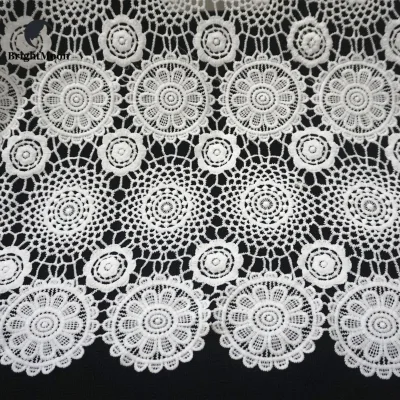
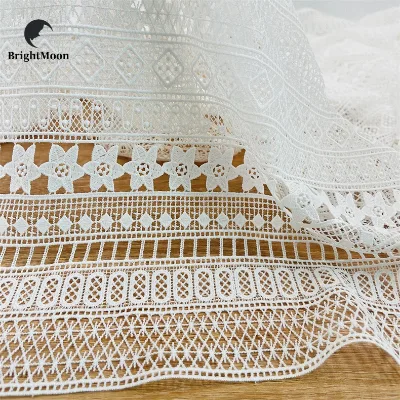
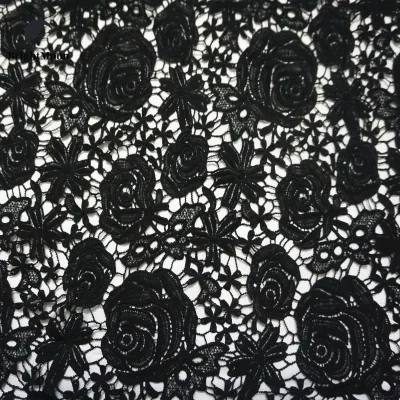
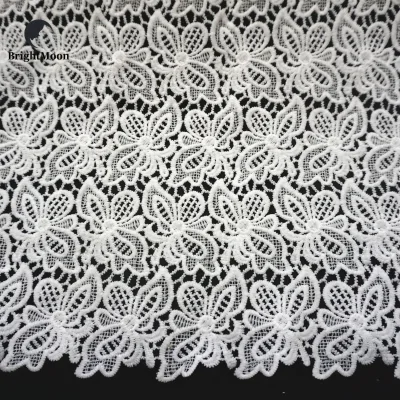
Hollow Embroidery Fabric Guipure Lace Water-Soluble Skin-Friendly Lace for Eco-Friendly Dresses
$5.1411 - $6.1703
MOQ: 5 yards
Oriental Dimension (Chengdu) Textile Co., Ltd.
- Trading Company
- Sichuan, China
- Lead time0 days
- Avg. response≤ 5h
Main productsEmbroidery Lace,French Lace,Fashion Dress Lace,Wedding Veil,Trimming And Motif
Main marketsDomestic Market(100.00%), South Asia(100.00%), Southern Europe(100.00%), Northern Europe(100.00%), Central America(100.00%), Western Europe(100.00%), Eastern Asia(100.00%), Mid East(100.00%), Oceania(100.00%), Africa(100.00%), Southeast Asia(100.00%), Eastern Europe(100.00%), South America(100.00%), North America(100.00%)
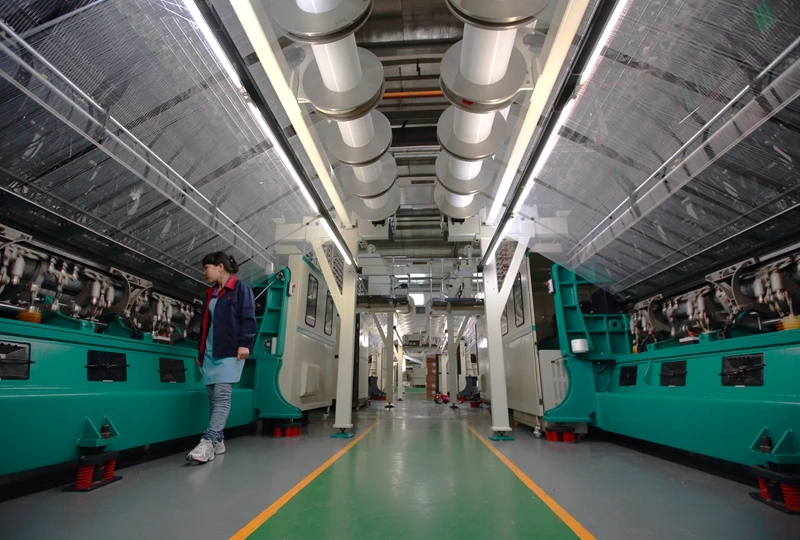
- Trading Company
- Fujian, China
- Lead time30 days
- Avg. response≤ 3h
Main productsLace Trim,Sport Fabric,Mesh,Elastic tape,Eyelash Lace
Main marketsNorth America(20.00%), Western Europe(15.00%), Domestic Market(10.00%), South America(10.00%), Southeast Asia(10.00%), Eastern Europe(10.00%), Southern Europe(5.00%), Northern Europe(5.00%), Mid East(5.00%), South Asia(3.00%), Africa(3.00%), Eastern Asia(3.00%), Oceania(1.00%)
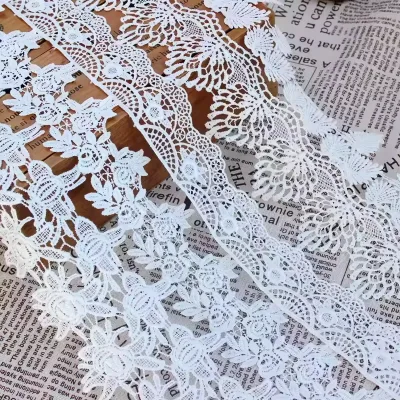
$0.2352 - $0.2861
MOQ: 10 yards
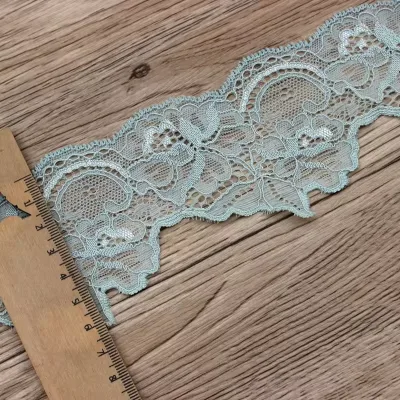
Guangzhou Runlei Textile Co., Ltd.
- Manufacturer, Trading Company, Distributor/Wholesaler
- Guangdong, China
- Lead time15 days
- Avg. response≤ 3h
Main productsLace fabric,African wax fabric,Weaving fabric,jacquard jacquard fabric,Textile raw materials
Main marketsAfrica(40.00%), North America(40.00%), Mid East(10.00%), Southeast Asia(10.00%)
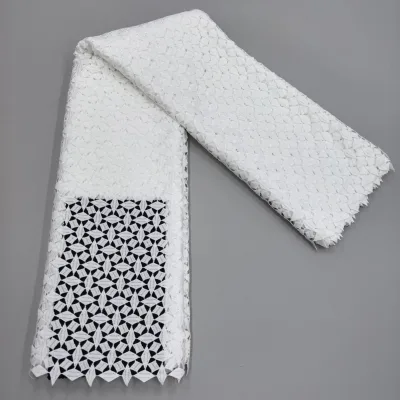
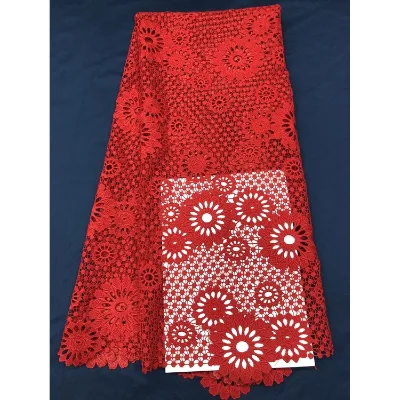
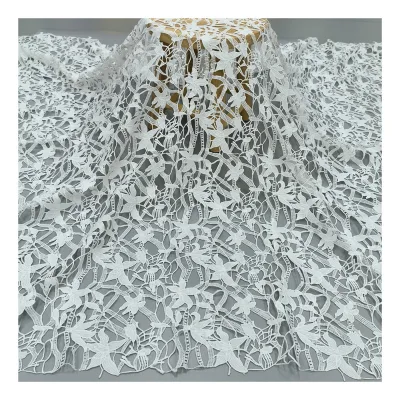
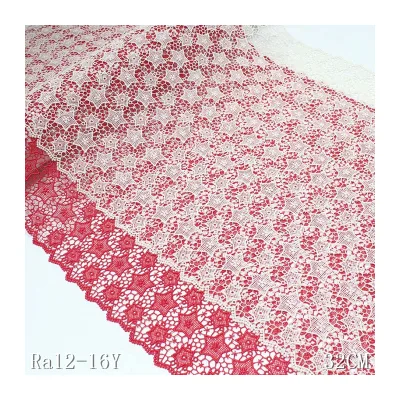
Factory Direct Sale Guipure Lace Fabric Red Lace Fabric Fabric for Bridal Gowns and Wedding Dresses
$8.80 - $10.80
MOQ: 5 yards
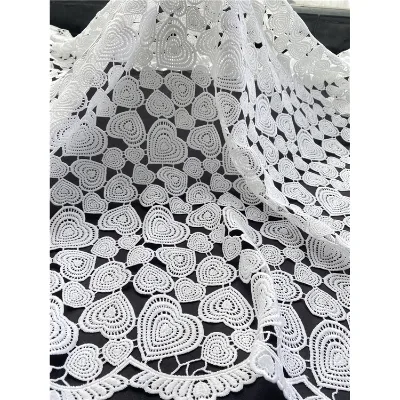
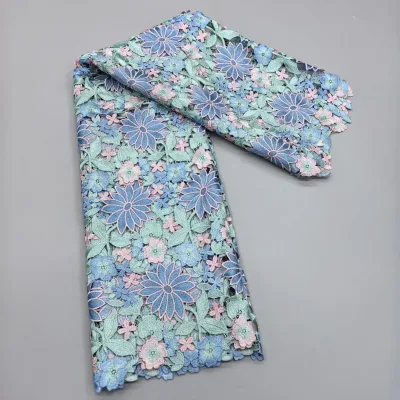
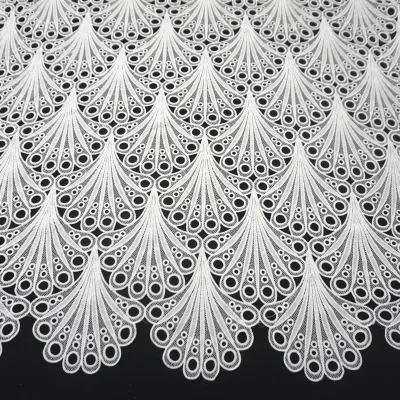
$3.9083 - $5.9635
MOQ: 5 yards
Guangzhou Lantu Trading Co., Ltd.
- Trading Company
- Guangdong, China
- Lead time7 days
- Avg. response≤ 4h
Main productsLace,Rhinestone items,Wholesale,Retail,Fabric
Main marketsNorth America(50.00%), Western Europe(20.00%), Northern Europe(10.00%), Africa(10.00%), Southeast Asia(3.00%), Eastern Europe(3.00%), South Asia(2.00%), South America(2.00%)

- Verified by BV
- Trading Company,Manufacturer/Factory
- China Zhejiang
- Lead time23 days
- Avg. response≤ 6h
Main productsGarment Accessories, Zipper, Button, Lace Trim, Metal Zipper, Nylon Zipper, Plastic Zipper, Metal Button, Snap Button, Cotton Lace
Main marketsNorth America,Africa

$0.20 - $0.40
MOQ: 50000 Yards


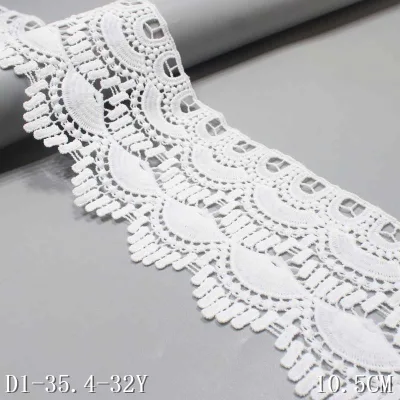
Wholesale High Quality Water Soluble Laces Trim Guipure Lace Trim Embroidery Lace Trim
$0.06 - $0.12
MOQ: 3000 Pieces
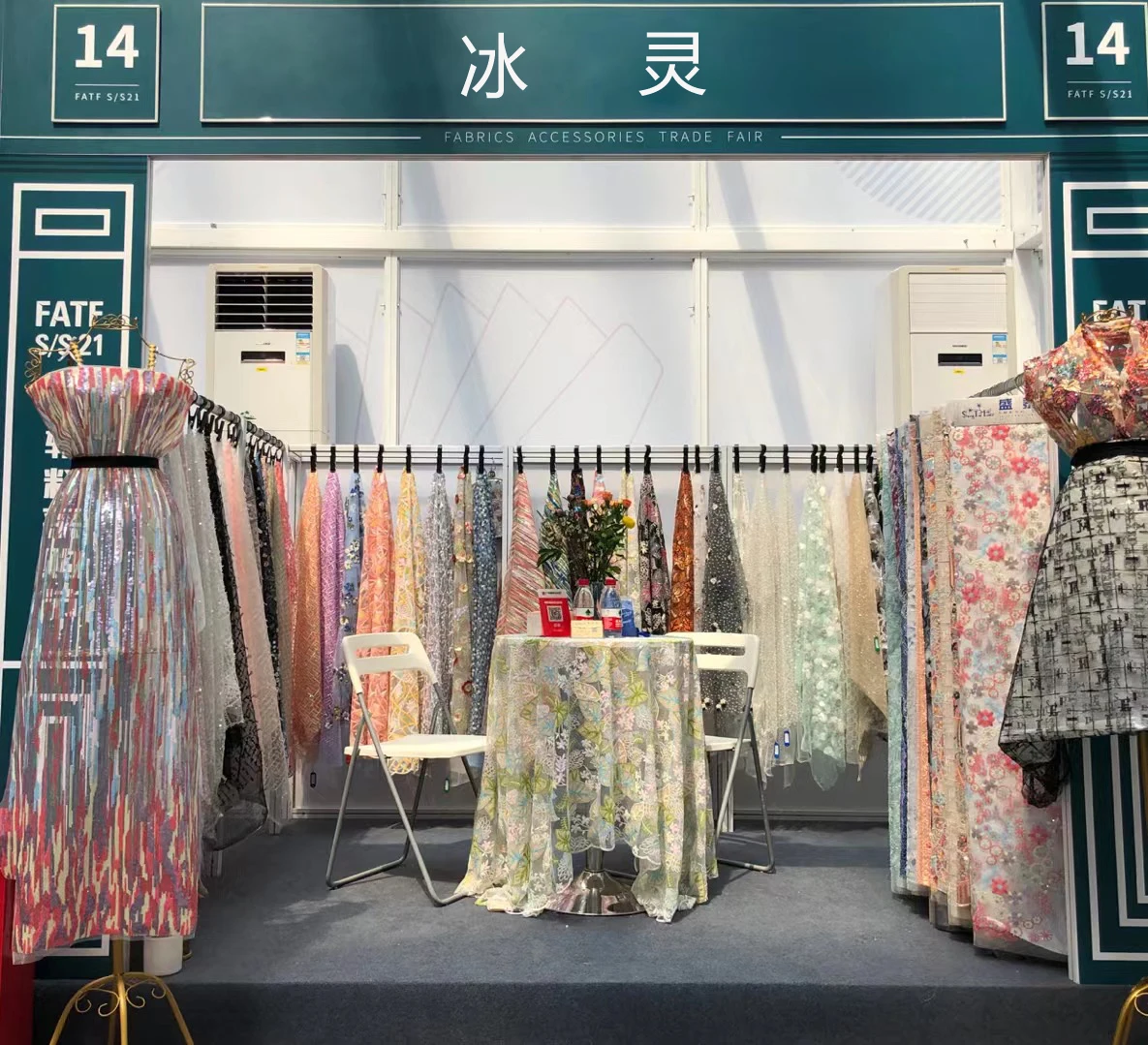
Guangzhou Bingling Textile Co., Ltd.
- Manufacturer, Trading Company
- Guangdong, China
- Lead time10 days
- Avg. response≤ 7h
Main productsTextile,Fabric,lace,embroidery,handmade
Main marketsDomestic Market(45.00%), Mid East(20.00%), Africa(20.00%), North America(15.00%)

Suzhou Gilka Trading Co., Ltd.
- Trading Company
- China Jiangsu
- Lead time23 days
- Avg. response≤ 3h
Main productsClothing and Apparel Wholesale, Wedding Dresses, Embroidery Lace Fabrics, Glliter Tulle Fabrics, Wedding Gowns, Party Dresses, Trimming Lace, Factory OEM Fabrics, Western Fabrics, Vestidos Fabrica
Main marketsSouth America,North America

Attractive Design White Beaded Guipure Bridal Applique Lace Fabric for Wedding Dresses
$10.00 - $15.00
MOQ: 50 Yards

Fuzhou Jingshengtong Trade Co., Ltd.
- Trading Company
- Fujian, China
- Lead time30 days
- Avg. response≤ 11h
Main productsLace,Lace materials,Fabric,Lace Trim,Eyelash Lace
Main marketsNorth America(30.00%), Northern Europe(20.00%), Domestic Market(10.00%), Southern Europe(10.00%), South America(10.00%), Central America(10.00%), Africa(10.00%)
Shijiazhuang Aoyi Textile Co., Ltd.
- Trading Company
- Hebei, China
- Lead time0 days
- Avg. response≤ 2h
Main productswaxed cloth,lace
Main marketsNorth America(20.00%), Southeast Asia(18.00%), South America(16.00%), South Asia(15.00%), Mid East(13.00%), Africa(6.00%), Central America(5.00%), Southern Europe(2.00%), Northern Europe(2.00%), Eastern Asia(2.00%), Eastern Europe(1.00%)

NINGBO NCJN IMPORT AND EXPORT CO., LTD.
- Verified by TUVRHEINLAND
- Trading Company
- China Zhejiang
- Lead time15 days
- Avg. response≤ 13h
Main productsGarment Accessories, Zipper, Button, Lace, Tape, Velcro Tape, Hook and Eye Tape, Ring and Slider, Bra Cup
Main marketsSouth America,Africa,Southeast Asia/ Mideast,East Asia(Japan/ South Korea),Europe,Australia,North America

Marigold Garment Accessories Co., Ltd.
- Trading Company
- China Guangdong
- Lead time15 days
- Avg. response≤ 12h
Main productsLace, Lace Trimming, Rhinestone Trimming, Embroidery, Patches, Elastic Trim, Brooches, Button, Rhinestone Patch, Lace Fabric
Main marketsSouth America,Africa,Southeast Asia/ Mideast,Europe,North America


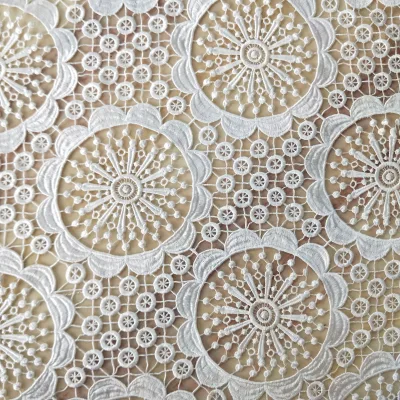
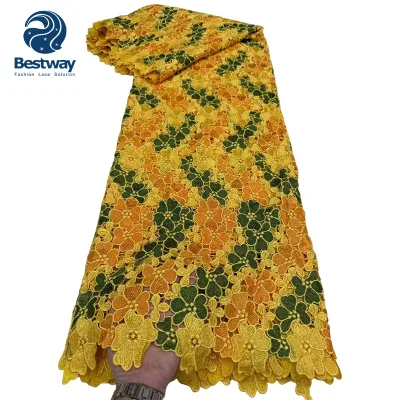
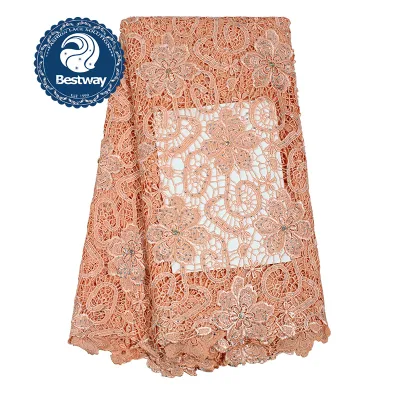
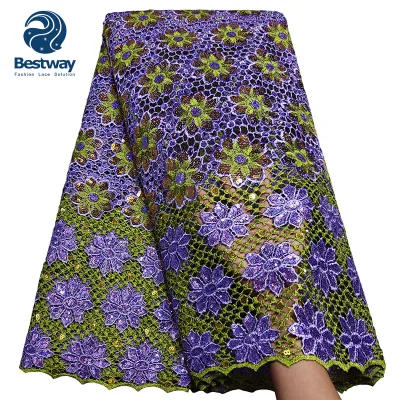
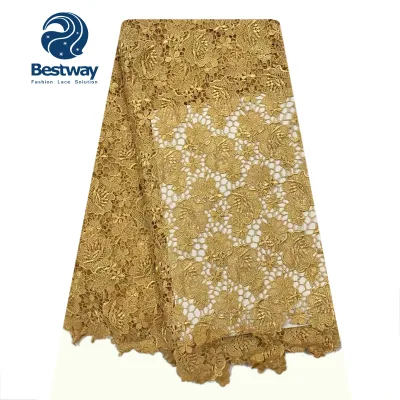
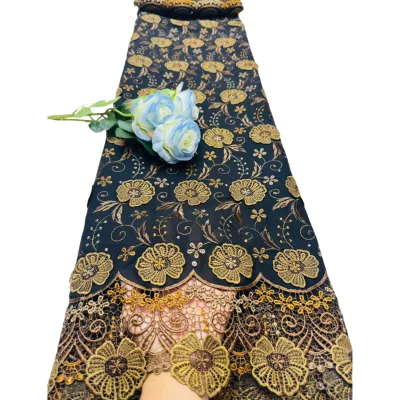
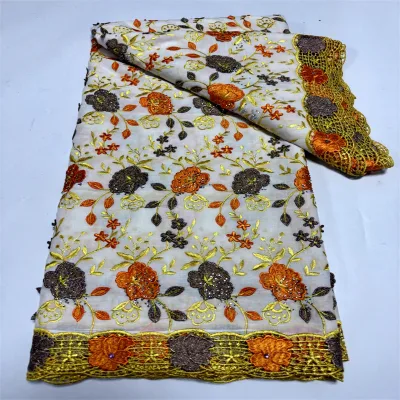
Sharing Orange Color Handmade Guipure Flower Lace Cotton Embroidery Lace Fabric for Dress
Negotiable
MOQ: 20 Yards




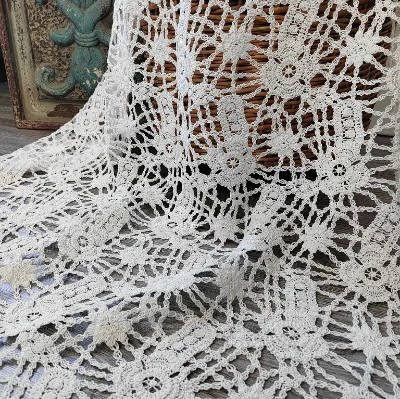
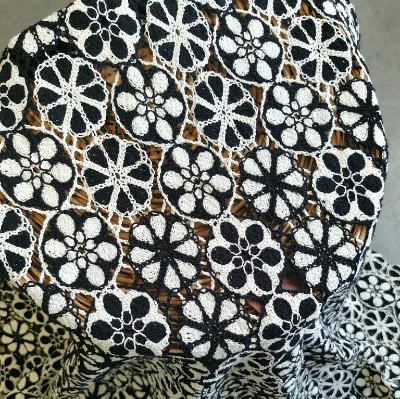
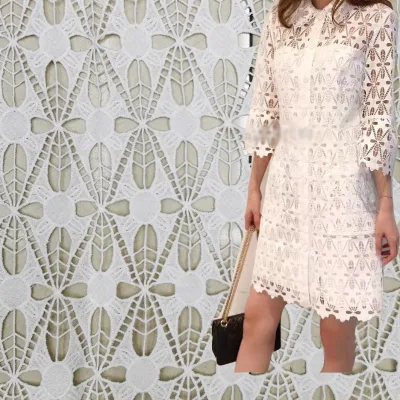
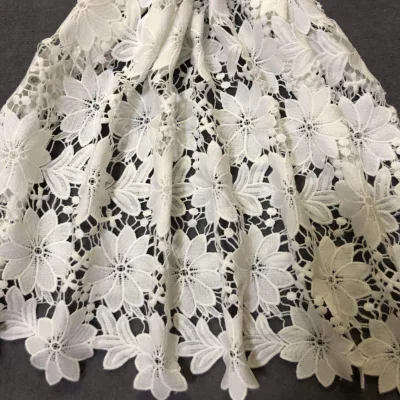
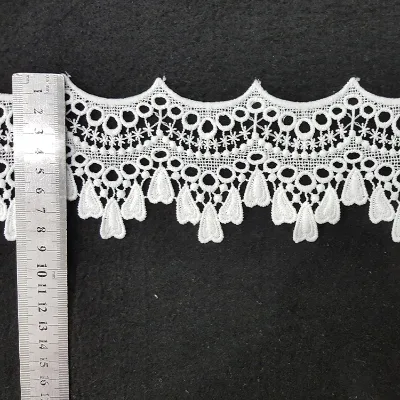
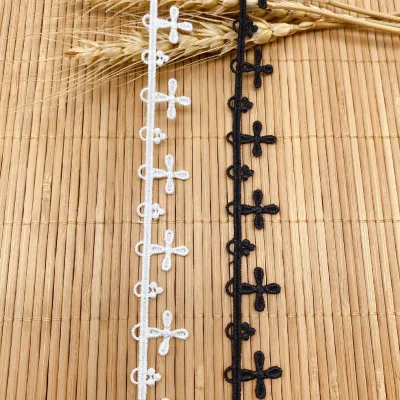
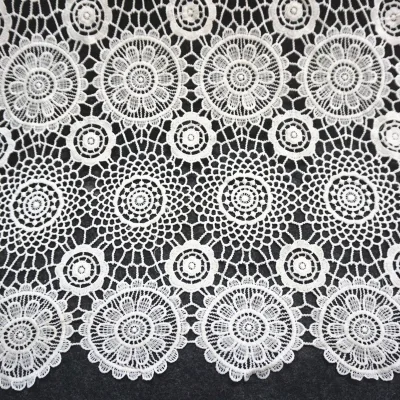
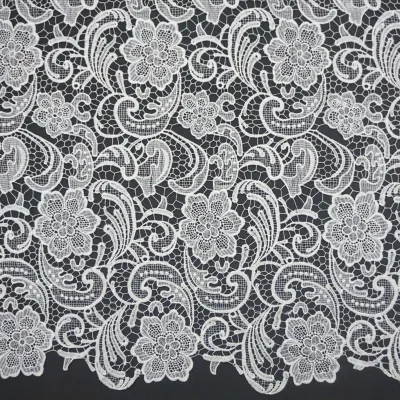
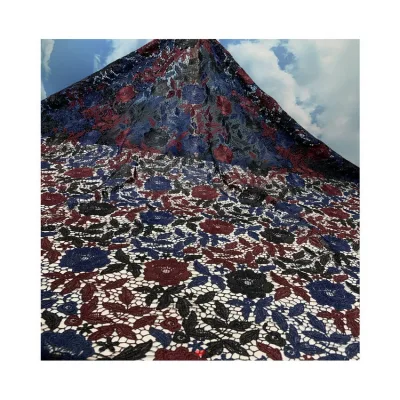
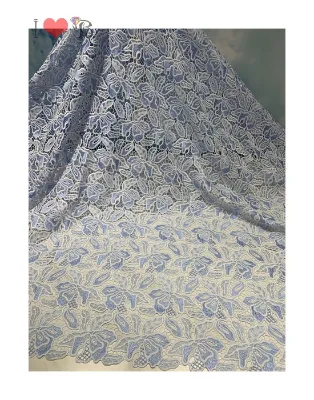
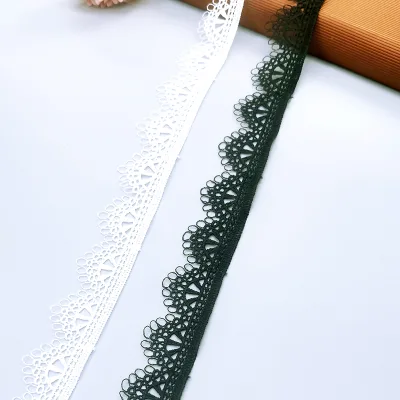
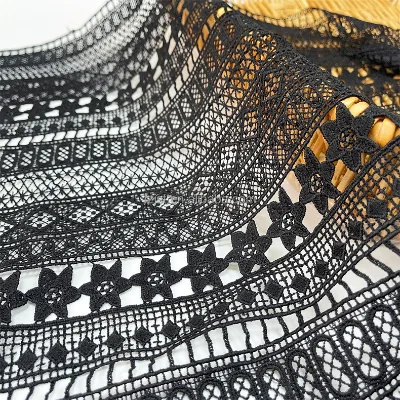


Comprehensive Sourcing Guide
Water Soluble Guipure Lace Fabric Supplier Concentration and Factory Types
The landscape for sourcing Water Soluble Guipure Lace Fabric is characterized by a mix of specialized manufacturers and broader trading entities, with a notable concentration of suppliers located in Guangdong, China. This region serves as a primary hub for textile production, offering access to established supply chains for materials such as 100% polyester and cotton blends. Buyers evaluating suppliers in this area will often encounter companies that identify as trading companies, buying offices, or distributors, which can influence the directness of communication and the flexibility of order customization. The presence of these varied company types means that while some suppliers may offer direct factory pricing and technical support, others might provide a wider array of complementary products like threads, buttons, and ribbons, acting as a one-stop solution for garment accessories.
In addition to Guangdong, suppliers based in China Zhejiang also contribute to the available inventory, often emphasizing different material compositions such as cotton guipure lace. These suppliers may highlight their experience in the industry, with some claiming over fifteen years of operational history, which can be a relevant factor for buyers seeking stability and proven expertise. The main products listed by these entities frequently include a range of lace types, from embroidery lace to sequins lace, indicating a broad capability in decorative textile manufacturing. Understanding the specific factory type and location is crucial for assessing the potential for custom design work, as some suppliers explicitly welcome custom designs while others may focus on standard catalog items. This diversity in supplier structure and geographic location allows buyers to tailor their sourcing strategy based on whether they prioritize material specificity, production volume, or logistical convenience.
How to Verify Water Soluble Guipure Lace Fabric Suppliers
Verification of suppliers requires a careful examination of their stated credentials and the evidence provided in their product listings. Buyers should prioritize suppliers who display recognized system certifications, such as ISO9001:2015 and ISO14001:2015, as these indicate a commitment to quality management and environmental standards. Additionally, third-party verification badges, such as those from TÜV Rheinland, serve as an important layer of trust, confirming that the supplier has undergone rigorous audits. It is essential to cross-reference these claims with the actual product attributes listed, such as the material composition and production techniques. For instance, if a supplier claims to offer high-quality cotton guipure lace, buyers should look for evidence of quality control processes, such as "100% QC Passed" statements, and verify if the product standards align with industry expectations, such as SGS certification.
Beyond certifications, buyers must assess the responsiveness and reliability of the supplier through their communication metrics. Response times are a critical indicator of operational efficiency, with some suppliers demonstrating rapid reply rates, such as within 2.56 hours, which can significantly expedite the negotiation and sampling phases. Buyers should also scrutinize the detailed product propositions, including specific attributes like width, technic, and decoration. For example, verifying that a product is indeed "Embroidered" and made from "100% Polyester" as stated helps prevent mismatches in material expectations. Furthermore, checking for the availability of sample orders, with some suppliers supporting seven-day sample lead times, allows buyers to physically evaluate the water soluble nature and guipure structure of the lace before committing to larger volumes. This due diligence ensures that the supplier’s capabilities align with the buyer’s quality and timeline requirements.
What to Compare Across Water Soluble Guipure Lace Fabric Suppliers
When comparing suppliers, buyers should focus on key operational metrics such as minimum order quantities (MOQ), lead times, and pricing structures to determine the best fit for their production needs. MOQs can vary significantly, ranging from small batches of 15 yards for specific water soluble guipure lace items to larger requirements of 500 yards for cotton-based options. This variation allows buyers with different volume needs to find suitable partners, whether they are testing new designs or fulfilling large-scale garment orders. Lead times are another critical factor, with some suppliers offering fast delivery options of 48 hours for samples or standard orders, while others may have longer production cycles, such as 23 days for bulk manufacturing. Understanding these timelines helps buyers plan their inventory and manage customer expectations effectively.
Pricing and customization capabilities also play a vital role in the comparison process. Prices for Water Soluble Guipure Lace Fabric can range from approximately $7.00 to $8.90 per unit for certain polyester-based products, while cotton options may be priced between $1.80 and $4.20. Buyers should evaluate whether the price includes packaging details, such as roll packing, and consider the single gross weight for shipping cost calculations. Additionally, the ability to customize designs is a significant differentiator, with some suppliers warmly welcoming custom patterns and others offering a wide selection of pre-designed options. Comparing these factors across multiple suppliers enables buyers to balance cost, speed, and flexibility, ensuring they select a partner that can meet their specific commercial and technical requirements without compromising on quality or delivery schedules.
Common Water Soluble Guipure Lace Fabric Sourcing Risks
One of the primary risks in sourcing Water Soluble Guipure Lace Fabric is the potential discrepancy between the advertised material properties and the actual product received. Buyers must be cautious of suppliers who may not clearly specify the exact composition of the lace, such as whether it is 100% polyester or a cotton blend, as this affects the water solubility and durability of the final garment. Misleading descriptions regarding the technic, such as claiming a product is embroidered when it is actually machine-made, can lead to quality issues and customer dissatisfaction. Additionally, the width of the fabric, which can vary from 125cm to 135cm or be customized, must be accurately confirmed to ensure it meets the pattern requirements of the intended apparel, preventing waste and production delays.
Another significant risk involves the reliability of sample orders and the consistency of bulk production. While some suppliers support seven-day sample lead times, others may have longer delays or fail to provide samples altogether, making it difficult to assess quality before placing a large order. Buyers should also be wary of suppliers who do not provide clear packaging details or single package sizes, as this can complicate logistics and increase shipping costs. Furthermore, the lack of visible certifications or verification badges may indicate a higher risk of non-compliance with international standards. To mitigate these risks, buyers should insist on detailed product specifications, request physical samples, and verify the supplier’s track record through reviews and third-party audits, ensuring that the Water Soluble Guipure Lace Fabric meets their exact quality and performance standards.
Water Soluble Guipure Lace Fabric Regional Sourcing and Logistics
Sourcing Water Soluble Guipure Lace Fabric from specific regions like Guangdong and Zhejiang in China offers distinct logistical advantages and challenges. Guangdong, being a major textile manufacturing hub, provides access to a dense network of suppliers and raw material sources, which can reduce lead times and facilitate faster communication. Buyers sourcing from this region may benefit from established export infrastructure and a variety of shipping options, making it easier to manage international logistics. However, the concentration of suppliers in this area also means that buyers must carefully evaluate each supplier’s individual capabilities, as the quality and service levels can vary widely even within the same geographic cluster. Understanding the local supply chain dynamics can help buyers negotiate better terms and ensure timely delivery of their orders.
In contrast, suppliers located in Zhejiang may offer different logistical profiles, particularly for those sourcing cotton-based guipure lace fabrics. The regional focus on cotton textiles can provide buyers with specialized options that may not be as readily available in other regions. Logistics planning should account for the single package size and gross weight of the products, as these factors directly impact shipping costs and handling requirements. For instance, products packed in rolls or specific carton sizes need to be considered when calculating container space and freight charges. Buyers should also consider the response time of suppliers in different regions, as faster communication can streamline the resolution of any logistical issues that may arise during transit. By carefully assessing the regional strengths and logistical implications, buyers can optimize their sourcing strategy for efficiency and cost-effectiveness.
Water Soluble Guipure Lace Fabric Commercial Terms and Order Planning
Effective order planning for Water Soluble Guipure Lace Fabric requires a clear understanding of the commercial terms offered by suppliers, including payment conditions, packaging standards, and delivery schedules. Buyers should prioritize suppliers who provide transparent pricing and clear MOQs, as this facilitates accurate budgeting and inventory management. For example, knowing that a supplier requires a minimum of 15 yards for certain items allows buyers to place smaller test orders without significant financial commitment. Additionally, understanding the packaging details, such as roll packing or specific carton configurations, helps in planning storage and handling procedures. Buyers should also inquire about the availability of sample orders, as this can be a crucial step in validating the product quality before committing to larger purchases.
Furthermore, buyers must consider the lead times and response speeds of suppliers when planning their production schedules. Suppliers with faster response times, such as those replying within a few hours, can help expedite the negotiation and sampling phases, reducing the overall time to market. Lead times for bulk production can vary, with some suppliers offering rapid delivery options while others may have longer cycles. Buyers should align their order planning with these timelines to avoid production bottlenecks and ensure timely delivery of finished garments. It is also important to verify the supplier’s ability to handle custom designs, as this can add value to the final product but may require additional time and coordination. By carefully managing these commercial terms and logistical details, buyers can establish a reliable and efficient sourcing process for Water Soluble Guipure Lace Fabric.
FAQs
What is the typical MOQ for water soluble guipure lace?
Minimum order quantities vary by supplier and product type. Some listings require as few as 15 yards for specific embroidered styles, while others set the threshold at 20 yards. For cotton-based options, the MOQ can be significantly higher, often starting at 500 yards. Buyers should check individual product pages to confirm the exact requirement before placing an order.
What materials are used in these lace fabrics?
Manufacturers primarily use 100% polyester for water soluble varieties, offering durability and ease of use. Cotton is also available for premium guipure styles, providing a natural feel. Some products feature sequin decorations or embroidery details. The material choice impacts the final texture and application, so verifying the composition on the product specification sheet is essential for your project.
How wide is the standard water soluble guipure lace?
The standard width for most polyester water soluble guipure lace fabrics is 125cm. This dimension is consistent across many floral and sequin designs. However, cotton-based options may offer wider widths, such as 135cm, or allow for custom width adjustments. Always verify the width in the product attributes to ensure it fits your pattern cutting requirements.
What is the lead time for sample orders?
Many suppliers support sample orders with a lead time of approximately seven days. This allows buyers to evaluate the fabric quality, water solubility, and embroidery detail before committing to bulk production. Some trading companies may offer faster delivery options, but the standard sample turnaround remains around one week. Confirm the sample timeline with the supplier to align with your project schedule.
Are custom designs available for these lace fabrics?
Yes, custom design services are warmly welcomed by many manufacturers. Buyers can request specific patterns, widths, or material compositions to suit their unique garment needs. Some suppliers also offer free samples for evaluation. This flexibility supports bespoke fashion projects, but custom orders may have different MOQs or lead times compared to standard stock items.
What certifications do these lace suppliers hold?
Some verified suppliers hold ISO9001:2015 and ISO14001:2015 certificates, indicating adherence to quality and environmental management standards. Others may provide SGS product standards for material safety. Verification badges like TÜV Rheinland also signal that the company has undergone third-party checks. Buyers should request these documents to ensure compliance with their brand's sourcing policies.