Source Sew-on Flatback Rhinestones for Garments, Shoes, and Bags
Find 30 listings for sew-on flatback rhinestones in glass and crystal materials. Compare options from Zhejiang suppliers with sizes ranging from 3mm to 6mm. Evaluate attributes like MOQ, packaging, and color varieties to select the best fit for your apparel and accessory projects.
Updated
Key considerations
Products List
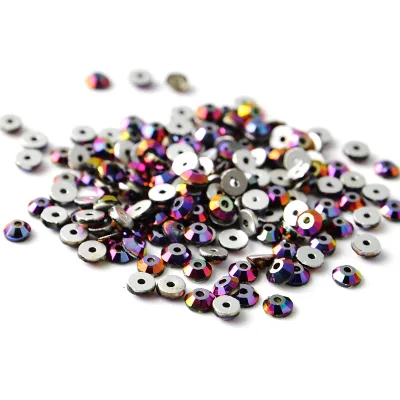
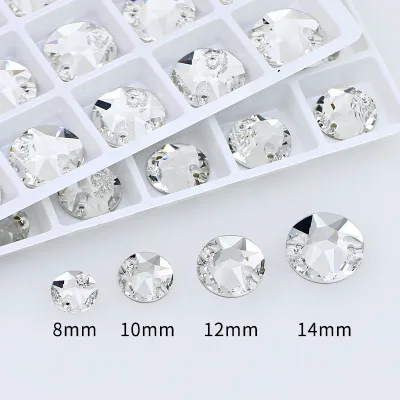
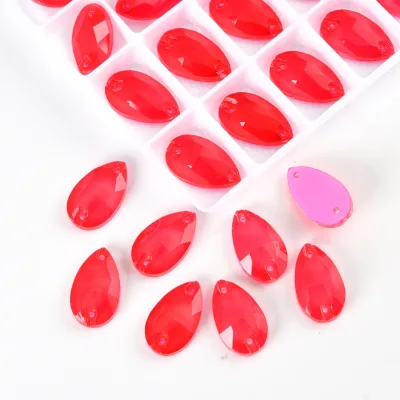
Lochrose for Clothes Sew on Flatback Rhinestone Lochrose Loose Crystal Stones with Hole
$5.9441 - $10.0426
MOQ: 20 Minimum
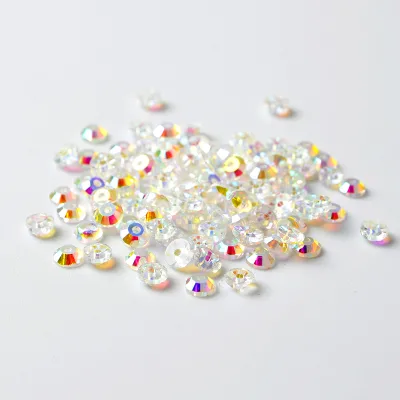
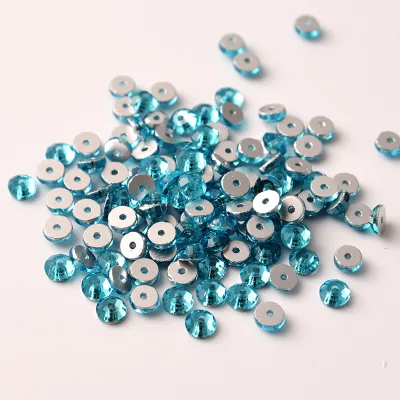
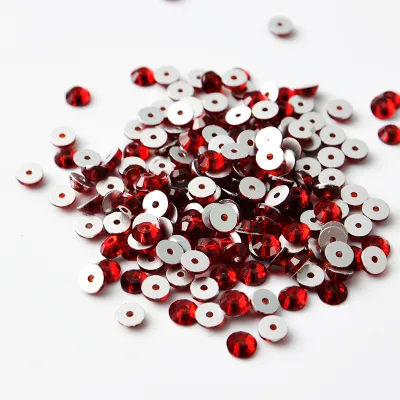
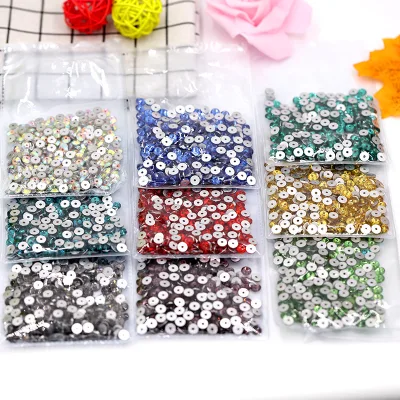
AAA Grade Color Siam Lochrose Crystal Sew on Rhinestone Embroidery Beads
$9.0299 - $10.0561
MOQ: 20 Minimum
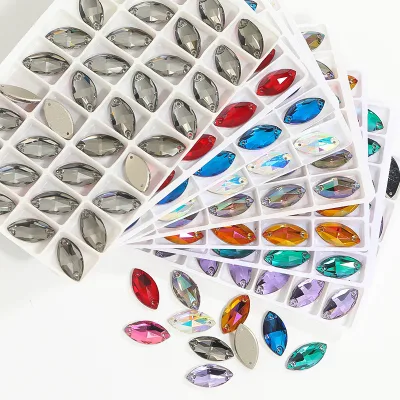
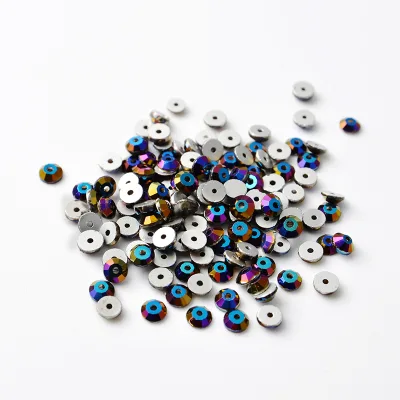
3mm-6mm Lochrose Sew on Crystal Stone Center Whole Round Shape Crystal Sew on FlatBack Rhinestone
$0.6696 - $3.7944
MOQ: 100 Minimum
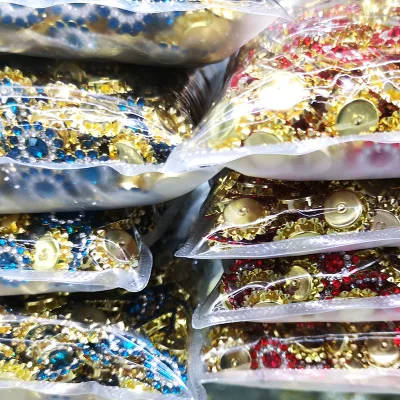
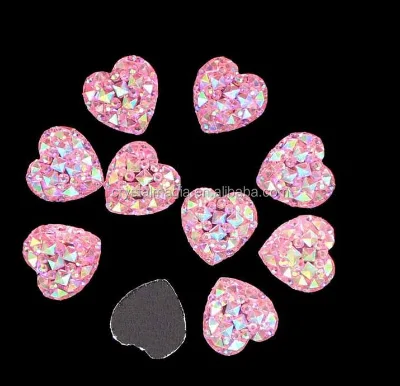
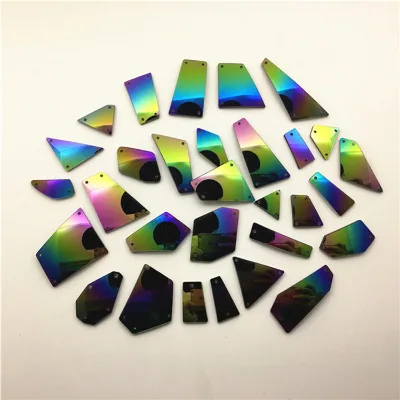

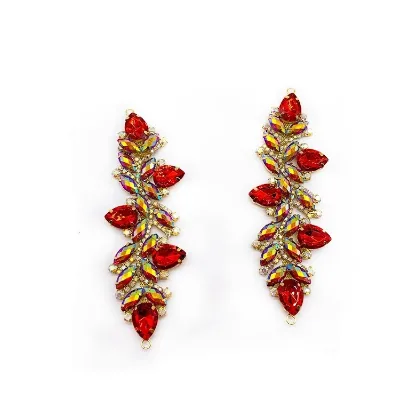
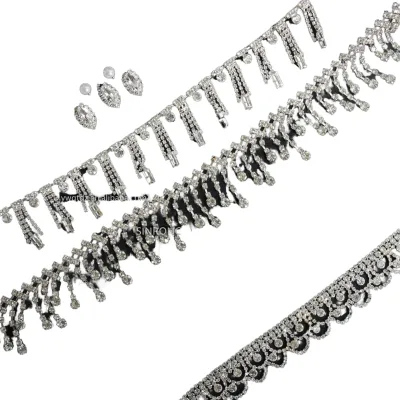
Multi-Color Round Trimming Flatback Sew-on Chain for Bags Shoes Dresses
$10.80 - $12.52
MOQ: 100 Yards


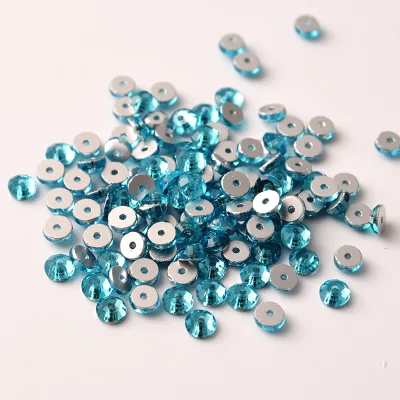
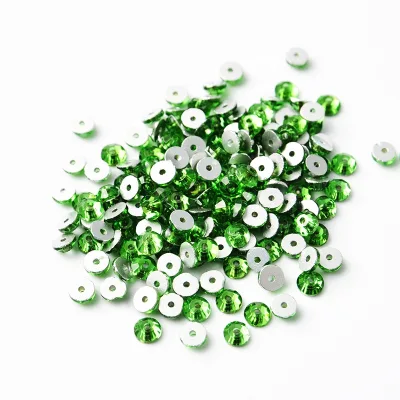
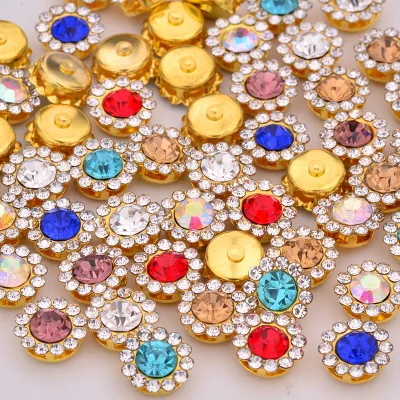


Comprehensive Sourcing Guide
Sew-On Flatback Lochrose Sourcing Guide
Sourcing sew-on flatback rhinestones requires a clear understanding of the distinction between loose stones and hotfix variants, as the attachment method fundamentally changes the procurement strategy. Buyers must first determine whether their production line utilizes manual sewing, adhesive application, or heat-press equipment. The term "lochrose" often appears in search contexts alongside "crystal" or "glass" rhinestones, indicating a need for high-clarity, faceted decorative elements. This guide focuses on the technical and commercial verification steps necessary to secure consistent quality for garment, shoe, and bag applications.
The market for these components is dominated by suppliers in specific manufacturing hubs, with Zhejiang, China, being a primary origin point for glass-based decorative stones. Procurement teams should expect a wide variance in model numbers and packaging configurations, ranging from small sample packs to bulk batches. Understanding the specific physical attributes, such as facet count and back style, is critical before initiating supplier outreach. This guide provides a structured approach to evaluating listings, verifying technical specifications, and establishing quality control protocols for flatback rhinestone procurement.
Product Scope and Observed Listing Signals
The observed product landscape for sew-on flatback rhinestones reveals a diverse range of material compositions, primarily centered around glass and crystal variants. Listings frequently highlight attributes such as "Grade AAAA" quality and "Excellent" finish, which serve as initial indicators of potential clarity and cut precision. Buyers should note that "flatback" denotes a specific design where one side is planar, facilitating either sewing or adhesive bonding, while the opposite side features multiple facets to maximize light reflection. The presence of terms like "Siam," "Hyacinth," and "Metallic Rainbow" suggests a broad color palette available beyond standard clear or black options.
Packaging and unit metrics vary significantly across suppliers, impacting both logistics and cost calculations. Observed data indicates package sizes ranging from compact 1x1x1 cm units to larger 15x10x15 cm batches, with gross weights fluctuating between 0.220 kg and 1.000 kg per batch. Model numbers such as JC20190112162A, CE031108, and DS02 are commonly cited, requiring buyers to cross-reference these identifiers with specific size and facet requirements. The selling units often appear as multiples of 2 or 10, with some packs containing up to 1440 pieces for smaller sizes, necessitating careful inventory planning.
Technical Specifications to Verify
Verifying the physical dimensions and structural integrity of the rhinestones is the first critical step in technical validation. Buyers must confirm the exact millimeter sizes available, with common offerings including 3mm, 4mm, 5mm, and 6mm diameters. The facet count is another vital specification, as it directly influences the stone's brilliance and visual impact; some listings specify 16 facets, which is a standard for high-quality round stones. It is essential to distinguish between "flatback" styles suitable for sewing and "pointback" or hotfix variants that require thermal application, as mixing these up can lead to production failures.
Material composition and color consistency require rigorous sampling and testing before bulk ordering. The primary material observed is glass, which offers durability and a premium feel compared to acrylic alternatives. Color options range from basic black and white to a wide spectrum of named shades, including various numbered color codes and metallic finishes. Buyers should request physical samples to verify the accuracy of color representation under different lighting conditions and to ensure that the flatback surface is perfectly smooth for secure attachment. Additionally, confirming the shape is strictly round and free from chipping or irregularities is necessary for high-end applications.
Compliance and Safety Documentation
While specific certification statuses may vary by supplier, buyers should prioritize documentation related to environmental and material safety. The term "Environment Inspection" appears in some product attributes, suggesting that certain suppliers may adhere to eco-friendly manufacturing processes or material restrictions. Buyers in regulated markets should explicitly request test reports confirming the absence of hazardous substances, such as lead or cadmium, particularly if the rhinestones are intended for children's clothing or items with direct skin contact. Although RoHS is mentioned in background contexts, its applicability to glass rhinestones should be verified with the supplier to ensure compliance with regional electronic and material directives.
Safety data sheets and material safety information are crucial for handling and storage protocols within the manufacturing facility. Buyers must ensure that the suppliers provide clear instructions on the safe handling of glass components to prevent injury from sharp edges or broken pieces. Additionally, verifying that the packaging materials used by the supplier are recyclable or compliant with local waste disposal regulations can contribute to broader sustainability goals. It is advisable to include specific compliance clauses in purchase agreements, requiring suppliers to notify buyers of any changes in material composition or manufacturing processes that might affect regulatory standing.
Cost Drivers and Commercial Terms
The cost of sew-on flatback rhinestones is influenced by several factors, including material quality, facet precision, and packaging complexity. Higher grade stones, such as those labeled "AAAA," typically command a premium due to the stricter quality control and superior optical properties they offer. The number of facets and the complexity of the color treatment, such as metallic or rainbow finishes, also impact production costs. Buyers should analyze the price per unit or per pack rather than the total order value to accurately compare suppliers and understand the true cost implications of different specifications.
Commercial terms, including minimum order quantities (MOQ) and lead times, vary widely and must be negotiated based on production volume. Observed MOQs range from 10 bags to 20 packs, allowing for flexibility in initial orders and sample acquisition. Lead times for samples are often short, with some suppliers supporting 7-day turnaround, while bulk production lead times depend on order size and inventory availability. Buyers should clarify shipping methods, such as DHL, FedEx, or UPS, and associated costs, as these can significantly affect the total landed cost. Understanding the payment terms and return policies for defective goods is also essential for risk management.
Supplier Qualification and Quality Control
Evaluating supplier reliability requires a multi-faceted approach that goes beyond basic product listings. Buyers should assess the supplier's production capacity, quality assurance processes, and ability to maintain consistency across large batches. Requesting references or case studies from previous clients in similar industries, such as garment or footwear manufacturing, can provide insights into the supplier's performance and reliability. It is also important to verify the supplier's business registration and financial stability to mitigate the risk of supply chain disruptions.
Quality control protocols should be established before placing bulk orders, including clear acceptance criteria for defects, color variation, and dimensional accuracy. Buyers may consider implementing third-party inspection services to verify product quality before shipment, especially for large orders. Establishing a clear communication channel for addressing quality issues and defining the process for handling non-conforming goods is crucial. Regular audits or periodic reviews of supplier performance can help maintain high standards and ensure a continuous supply of high-quality rhinestones for production needs.
Long-Term Procurement Checks
Maintaining a stable supply chain for sew-on flatback rhinestones requires ongoing monitoring and relationship management. Buyers should regularly review supplier performance metrics, including on-time delivery rates, product quality consistency, and responsiveness to issues. Building a strong relationship with key suppliers can lead to better pricing, priority production scheduling, and access to new product developments. It is also advisable to diversify the supplier base to reduce dependency on a single source and mitigate risks associated with geopolitical or logistical disruptions.
Continuous improvement in procurement processes involves staying informed about market trends, technological advancements, and regulatory changes in the decorative stone industry. Buyers should periodically reassess their specifications and requirements to ensure they align with current product designs and market demands. Engaging in strategic negotiations and exploring opportunities for volume discounts or long-term contracts can enhance cost efficiency. Finally, maintaining detailed records of supplier interactions, quality reports, and performance data will support informed decision-making and facilitate continuous improvement in the sourcing strategy.
FAQs
What materials are used for sew-on flatback rhinestones?
The primary material used for these sew-on flatback rhinestones is glass. This ensures high clarity and durability for various applications. The products are available in multiple sizes, including 3mm, 4mm, 5mm, and 6mm options. Buyers can choose from various colors such as black, white, and assorted shades. These glass stones are ideal for adding sparkle to garments, shoes, and bags.
What is the minimum order quantity for these rhinestones?
The minimum order quantity varies by supplier, typically ranging from 10 to 20 bags or packs. Some listings specify an MOQ of 10 bags, while others require 20 bags or 20 packs. The selling units are often multiples of 2 or 10. Buyers should check specific product pages for exact MOQ requirements. Bulk orders may offer better pricing and shipping efficiency for large-scale production needs.
Can I get samples of sew-on flatback rhinestones?
Samples are freely provided by many suppliers to help buyers evaluate quality before placing bulk orders. However, sample order lead times may not support a 7-day turnaround for all vendors. It is advisable to contact suppliers directly to confirm sample availability and shipping methods. Samples allow you to verify the glass quality, color accuracy, and flatback design suitability for your specific project requirements.
What sizes are available for these glass rhinestones?
Available sizes for these sew-on flatback rhinestones include 3mm, 4mm, 5mm, and 6mm. These dimensions cater to different design needs, from subtle accents to prominent embellishments. The stones are round in shape with a flatback style for easy sewing. Buyers can select the appropriate size based on their garment, shoe, or bag application. Multiple sizes are often available in the same color options for versatile styling.
Where are these rhinestones manufactured?
These sew-on flatback rhinestones are manufactured in Zhejiang, China. This region is known for its robust manufacturing capabilities and supply chain efficiency. Products are shipped via express methods such as DHL, FedEx, UPS, and TNT. Buyers can expect reliable production standards and competitive pricing. The origin ensures access to a wide variety of colors and sizes for global sourcing needs.
What are the common applications for these rhinestones?
These rhinestones are commonly used for decorating garments, shoes, bags, and clothes. They are also suitable for nail art applications due to their secure sew-on design. The flatback style allows for easy attachment to various fabrics and surfaces. Buyers can use them for fashion accessories, home decor, or promotional items. The versatile nature of these glass stones makes them ideal for diverse creative projects.