Source Reflective Coated Nylon Backpack Webbing for Bags, Luggage, and Sports
Find 30 Reflective Coated Nylon Backpack Webbing options with features like high tenacity, abrasion resistance, and water resistance. Compare widths from 22mm to 38mm, thicknesses, and customization options for bags, luggage, and sports equipment; compare the available evidence and request quotations based on your requirements.
Updated
Key considerations
Products List


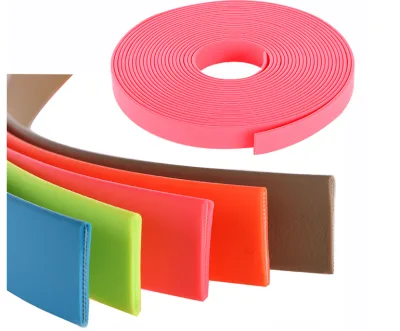
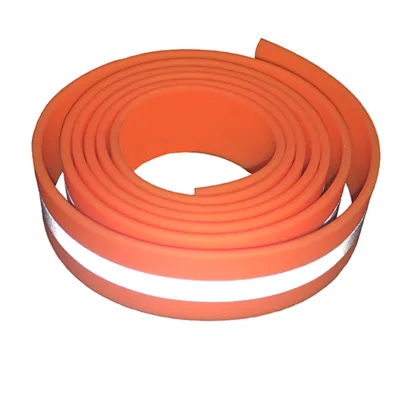


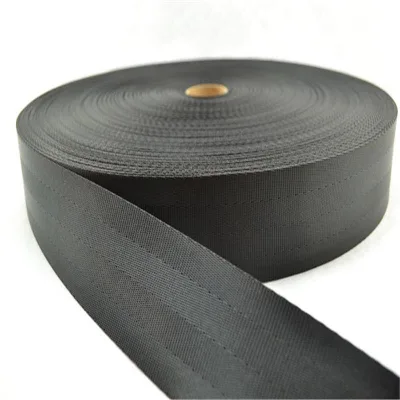
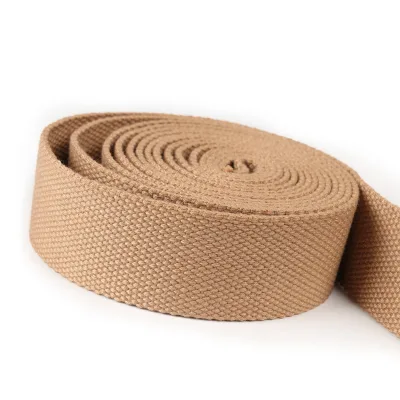


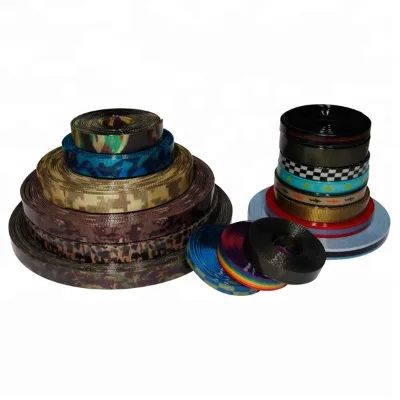

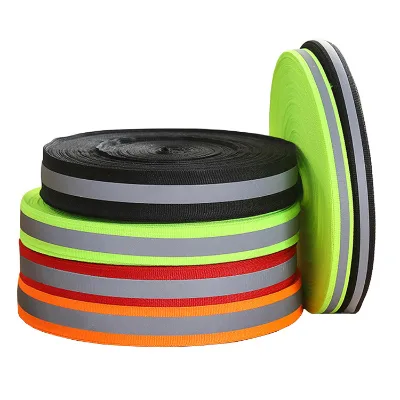
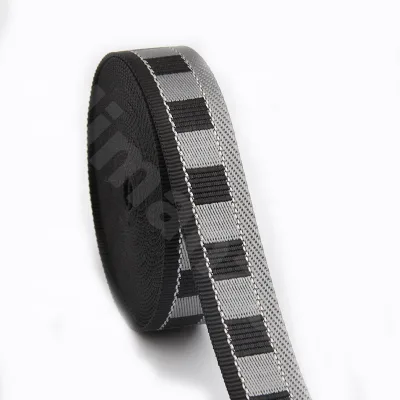
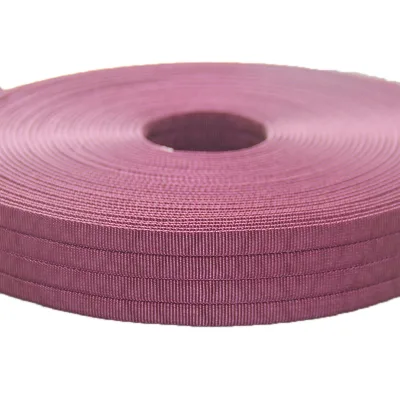
Comprehensive Sourcing Guide
Reflective Coated Nylon Backpack Webbing Sourcing Guide
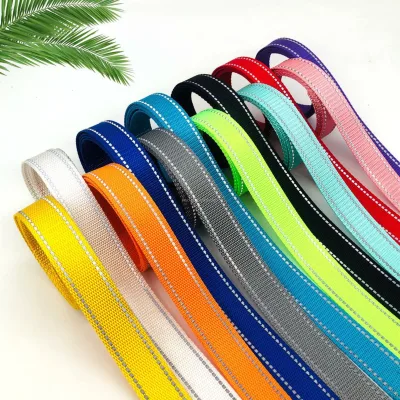
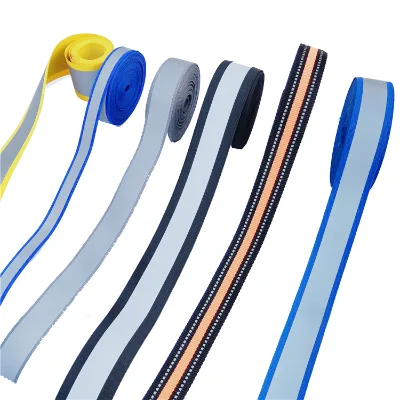
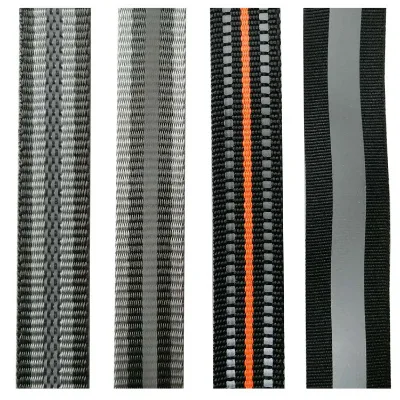
Procuring reflective coated nylon webbing requires distinguishing between standard textile webbing and specialized safety-grade materials designed for high-visibility applications. The core product category often includes polyester or nylon blends treated with reflective patterns, such as those observed in models like SL1287, which feature specific widths around 22mm and thicknesses near 0.6mm. Buyers must verify that the "reflective" attribute is intrinsic to the coating or printing process rather than a superficial addition, ensuring the material meets the durability needs of backpacks and luggage.
Commercial listings frequently present a wide variance in customization options, with widths ranging from 1 inch to 3 inches and thicknesses varying significantly between 0.6mm and 2.2mm depending on the specific model. Sourcing decisions should prioritize suppliers who explicitly state their ability to customize dimensions and colors, as standard offerings may not align with specific design requirements for dog leashes, bag belts, or sports equipment. Understanding these physical variances is critical before initiating any bulk order to prevent mismatches in final product assembly.
Product Scope and Observed Listing Signals
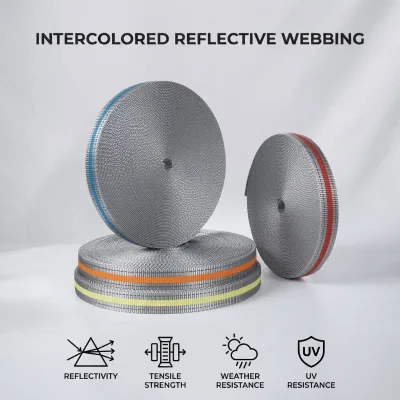
The market for this material includes diverse product types ranging from jacquard-woven webbing to coated variants, each serving distinct functional roles in the supply chain. Listings often highlight features such as high tenacity, abrasion resistance, and low shrinkage, which are essential for maintaining structural integrity under load. Buyers should scrutinize whether the product is described as "composite-coated" or "printed," as these technical distinctions directly impact the longevity and visual clarity of the reflective elements in outdoor environments.
Observations indicate that packaging and unit configurations vary widely, with some suppliers offering 30 to 100 yards per roll while others utilize box packaging for smaller quantities. The presence of specific model numbers like SL1307 or CW-001 suggests a standardized inventory, yet customization remains a key differentiator for many vendors. Procurement teams must confirm if the listed "Selling Units" align with their production volume needs, as some suppliers may require minimum orders of 3000 yards per color, which could significantly impact inventory planning for smaller manufacturers.
Technical Specifications to Verify
Dimensional accuracy is paramount when selecting webbing for safety-critical applications, as even minor deviations in width or thickness can compromise the final assembly. Buyers should verify that the specified width, such as 22mm or 38mm, matches the exact requirements of their buckles and stitching machinery, noting that many suppliers offer custom widths up to 50mm. Thickness specifications also vary, with observed ranges from 0.6mm to 2.2mm, and it is essential to confirm the tolerance levels to ensure consistent performance across different batches of material.
Material composition and technical processing methods further define the product's suitability for specific end-uses like clothing, sports equipment, or heavy-duty bags. The supply context highlights polyester and nylon blends as common base materials, often processed through jacquard weaving or coating techniques to achieve desired properties like eco-friendliness and smoothness. Verification of the "Technics" used, whether printed, dyed, or coated, is necessary to ensure the reflective pattern remains durable and does not peel or fade during the product's lifecycle.
Compliance and Safety Documentation
Regulatory compliance is a non-negotiable aspect of sourcing reflective webbing, particularly for products intended for international markets where safety standards are strictly enforced. Available data indicates that suppliers often provide certifications such as RoHS, SGS, and UL, which validate the material's compliance with environmental and safety regulations. Buyers must request current certification documents to confirm that the specific batch of webbing meets these standards, as the absence of valid documentation can lead to customs delays or product recalls.
Beyond general certifications, specific safety performance metrics like tensile strength and fire resistance may be required depending on the application, such as dog collars or luggage. While some listings mention a maximum tolerance of 920 lbs, this figure should be treated as an observation rather than a guaranteed standard for all products. Procurement teams should explicitly ask for test reports regarding abrasion resistance and low shrinkage to ensure the material will withstand the mechanical stresses of daily use without degrading prematurely.
Cost Drivers and Commercial Terms
Pricing for reflective coated webbing is influenced by a complex mix of material costs, customization levels, and order volumes, with observed ranges spanning from $0.02 to $1360 per unit. The significant variance in price often reflects differences in width, thickness, and the complexity of the reflective coating process. Buyers should anticipate that custom colors, specific widths, or specialized patterns like animal prints or checkered designs will incur higher costs compared to standard black or solid color options.
Minimum Order Quantities (MOQ) represent another critical commercial term that can dictate the feasibility of a sourcing strategy. Many suppliers enforce an MOQ of 3000 yards per color, which may be prohibitive for small-batch production runs or prototyping phases. However, some vendors offer support for sample orders with a lead time of 7 days, providing a pathway for smaller buyers to validate quality before committing to larger volumes, though this may come with a premium per-unit cost.
Supplier Qualification and Quality Control
Supplier qualification should extend beyond basic product listings to include a thorough assessment of their manufacturing capabilities and quality control systems. The supply context identifies several manufacturers based in Guangdong, China, with capabilities in OEM production and various technical processes like jacquard weaving and coating. Buyers should verify the supplier's ability to maintain consistent quality across large batches, particularly regarding the uniformity of the reflective pattern and the adhesion of the coating.
Quality control protocols must be explicitly defined in the purchase agreement to mitigate risks associated with material defects. Key areas to monitor include the consistency of the "Eco-Friendly" claims, the accuracy of the width and thickness specifications, and the durability of the abrasion resistance features. Establishing clear acceptance criteria for visual defects, such as uneven dyeing or pattern misalignment, ensures that the final product meets the rigorous standards required for backpacks and luggage applications.
Long-Term Procurement Checks
Sustaining a reliable supply chain for reflective webbing requires ongoing monitoring of supplier performance and material consistency over time. Buyers should implement regular audits to ensure that the production lead time, typically cited as 15 to 20 days, remains stable and that the supplier can meet delivery schedules during peak demand periods. Consistency in the "Product Factory" output is crucial, as any deviation in the manufacturing process could result in variations in the webbing's tensile strength or reflective properties.
Long-term partnerships should also include periodic re-verification of certifications and compliance status to ensure continued adherence to evolving international standards. As product designs evolve, the ability of the supplier to adapt to new width requirements or color specifications becomes a key metric for supplier evaluation. Maintaining open communication channels regarding potential changes in raw material availability or production constraints allows buyers to proactively manage risks and ensure uninterrupted supply for their manufacturing operations.
FAQs
What features does reflective coated nylon webbing offer?
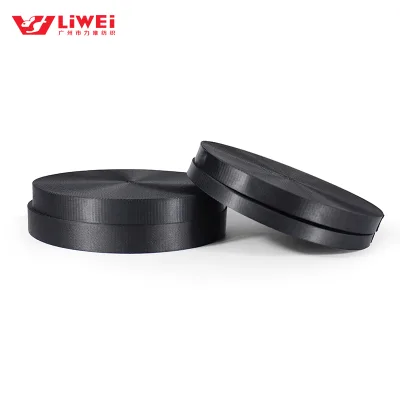
Reflective coated nylon webbing provides high tenacity, abrasion resistance, and low shrinkage for durable applications. It is available in black with a reflective pattern, suitable for bags, luggage, and sports equipment. The material is eco-friendly and can be customized for specific width and thickness requirements to meet diverse product needs.
Can I customize the width and thickness of the webbing?
Yes, customization is available for both width and thickness. Standard options include 22mm width with 0.6mm thickness, or 38mm width with 1.3mm thickness. Other specifications like 10-50mm width and 1.6-2.2mm thickness are also supported. Custom dimensions ensure the webbing fits your exact design and functional requirements.
What is the minimum order quantity for this webbing?
The minimum order quantity is 3000 yards per color. This standard MOQ applies to most custom orders. Buyers should note that sample orders may have different terms, with support for 7-day sample lead times. Bulk orders typically follow a production lead time of 15-20 days after confirmation.
What certifications are provided for the reflective webbing?
The reflective coated webbing is certified with ROHS, SGS, and UL standards. These certifications ensure the material meets safety and environmental regulations for global markets. The products are manufactured in Guangdong, China, adhering to strict quality controls. Buyers can request documentation to verify compliance for their specific sourcing requirements.
How is the webbing packaged for shipping?
The webbing is packaged in rolls of 30-100 yards, then placed in polybags and cartons. Some items may be packed in boxes depending on the specific product type. This packaging protects the material during transit. The standard model SL1287 uses roll packaging, while other variants may use box packing for added protection.
What are the typical lead times for production?
Production lead time is usually 15-20 days for bulk orders. Sample orders are supported with a 7-day lead time. These timelines allow for customization and quality checks. Buyers should plan their procurement schedule accordingly to ensure timely delivery. Expedited options may be available upon direct negotiation with the supplier.