Source Racing Car Electronic Throttle Controller for upgrades
Compare 14 Racing Car Electronic Throttle Controller options from verified suppliers. These devices improve throttle response speed and eliminate accelerator delay for various car brands including Honda, Ford, and BMW; compare the available evidence and request quotations based on your requirements.
Updated
Key considerations
Products List
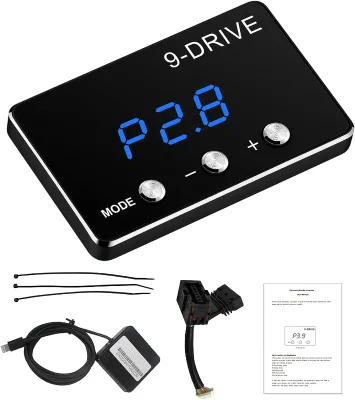
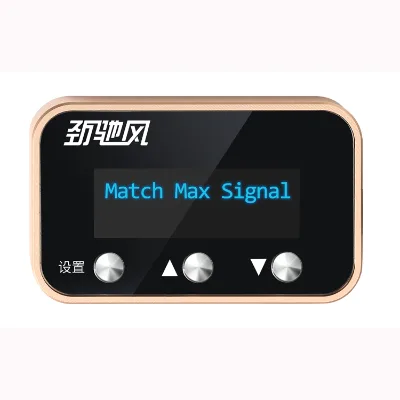
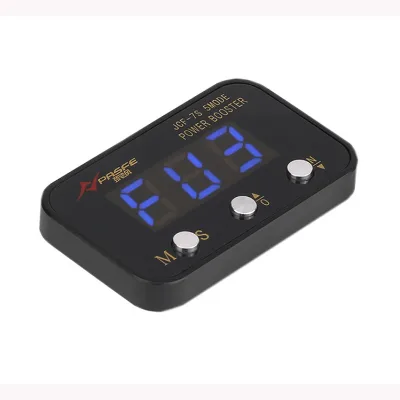
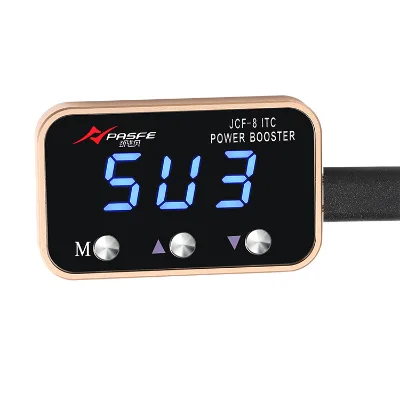
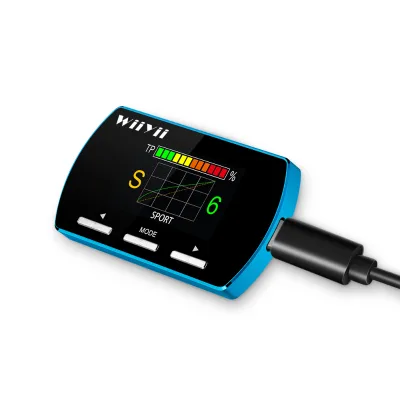
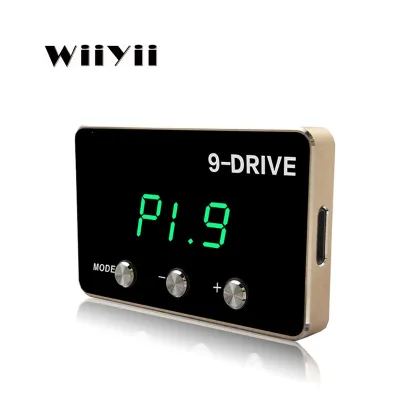
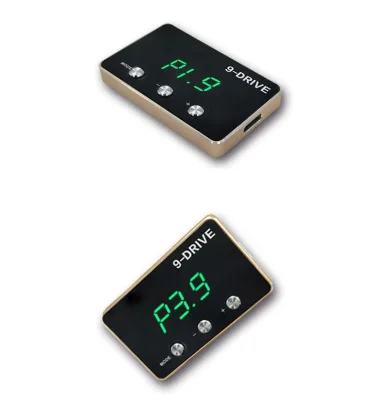
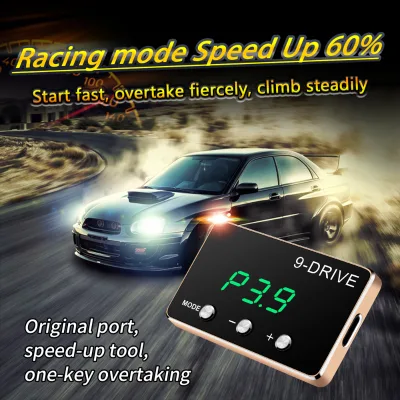

Comprehensive Sourcing Guide
Racing Car Electronic Throttle Controller Sourcing Guide
Procuring electronic throttle controllers for performance vehicles requires a disciplined approach to verifying compatibility and functional integrity. These devices, often marketed as pedal boxes or accelerator response modules, are designed to intercept and modify the signal between the accelerator pedal and the engine control unit. Buyers must recognize that while these units promise improved throttle sensitivity and reduced engine delay, the actual implementation varies significantly across different vehicle platforms. The core value proposition lies in the ability to eliminate accelerator lag, providing a more immediate response to driver input, which is critical for both track performance and spirited street driving.
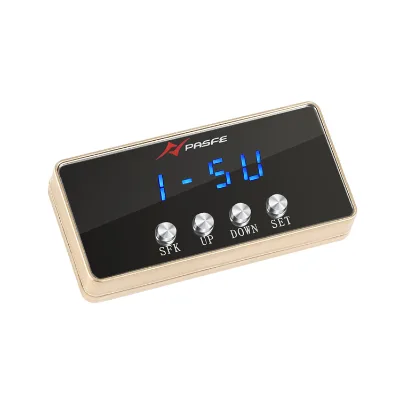
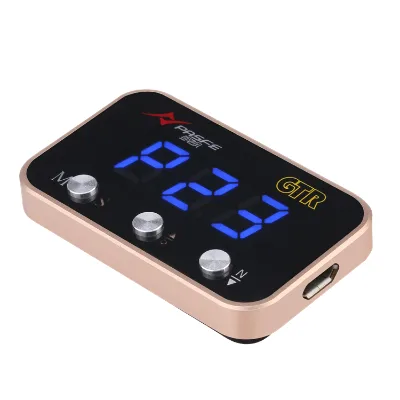
The market landscape for these components is diverse, with suppliers offering universal fitment options alongside brand-specific connectors. Observations indicate that products are frequently labeled with generic terms such as "Electronic Throttle Controller" or "Throttle Response Controller," often bearing OEM branding or specific manufacturer names like Pasfe. It is essential for procurement teams to distinguish between simple signal boosters and more complex integration modules. The presence of multiple operating modes, such as the nine distinct settings observed in some listings, suggests a tiered approach to performance tuning, allowing users to balance responsiveness with fuel efficiency or drivability depending on their specific racing or daily driving requirements.
Product Scope and Observed Listing Signals
Current market listings reveal a wide range of product attributes that buyers must carefully evaluate before placing orders. Products are observed with model numbers such as F1, OLED, JI, and JS, each potentially corresponding to different hardware revisions or software profiles. The physical dimensions of these units vary, with single package sizes ranging from approximately 13.6 cm to 18 cm in length, indicating that installation space within the vehicle’s dashboard or under the hood may be a constraint. Buyers should verify the single gross weight, which ranges from 0.24 kg to 0.5 kg, to ensure that the added mass does not negatively impact vehicle dynamics or require additional mounting reinforcement.
Compatibility is a primary concern, with listings claiming fitment for a broad spectrum of manufacturers including Honda, Ford, BMW, Mercedes-Benz, and various Asian brands like Kia and Toyota. However, the type of connection is not uniform; some units utilize specific car electronic throttle response accelerators, while others may rely on USB connections for configuration or power. The voltage specification is consistently noted as 5 V, which aligns with standard automotive data bus requirements. Procurement specialists must cross-reference these observed specifications with the target vehicle’s electronic architecture to prevent mismatches that could lead to installation failures or erratic engine behavior.
Technical Specifications to Verify
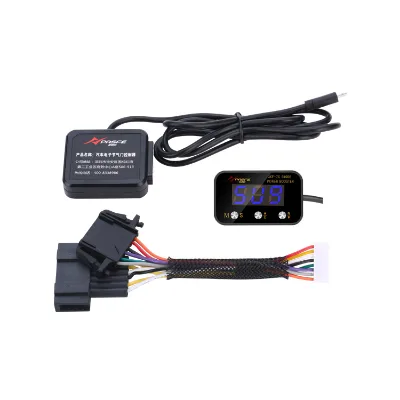
When evaluating technical specifications, the installation method is a critical factor for operational efficiency. Most observed products are described as plug-and-play, which minimizes the need for complex wiring modifications or professional mechanic intervention. This feature is particularly valuable for fleet managers or racing teams that require rapid deployment and minimal downtime. However, buyers must confirm that the plug-and-play claim holds true for their specific vehicle variant, as connector types can differ even within the same brand. The presence of different connectors for different car brands underscores the necessity of precise part number verification before bulk purchasing.
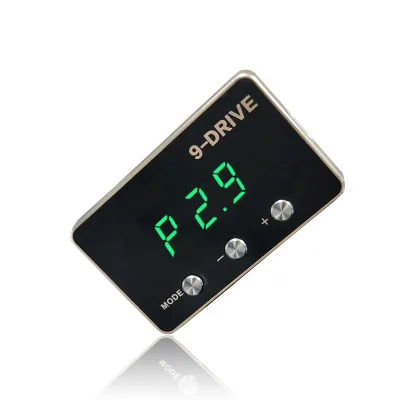
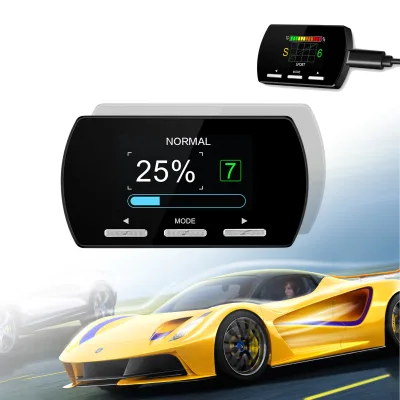
The functional capabilities of these controllers often include multiple driving modes, with some units offering up to nine distinct settings. This allows for fine-tuning of throttle sensitivity to match specific racing conditions or driver preferences. The primary function is to improve throttle response speed and eliminate accelerator delay, which can enhance acceleration performance. Additionally, some listings mention the support for OEM logos, suggesting that these units can be customized for branding purposes. Buyers should verify the voltage stability and ensure that the device operates reliably within the 5 V range without causing interference with other onboard electronic systems.
Compliance and Safety Documentation
Regulatory compliance is a non-negotiable aspect of sourcing automotive electronic components, particularly those that interface directly with engine management systems. Observed listings frequently cite certifications such as CE, FCC, and ROHS, which indicate adherence to specific safety and environmental standards. The CE mark suggests conformity with health, safety, and environmental protection standards for products sold within the European Economic Area. The FCC certification implies compliance with electromagnetic interference regulations in the United States, ensuring that the device does not emit excessive radio frequency energy. Buyers must request valid certification documents to verify that these claims are substantiated by accredited testing laboratories.
Beyond regulatory certifications, the warranty terms provided by suppliers offer insight into the manufacturer’s confidence in their product’s durability. Listings show warranty periods ranging from one to two years, which serves as a benchmark for expected product lifespan. A longer warranty period may indicate higher quality components and more rigorous quality control processes. Procurement teams should also consider the condition of the product, with new items being the standard offering. Ensuring that the supplier provides clear warranty terms and a straightforward claims process is essential for mitigating the risk of defective units impacting operational schedules.
Cost Drivers and Commercial Terms
Understanding the cost structure of electronic throttle controllers is vital for effective budgeting and margin analysis. The observed price range for these products spans from 7 to 79 USD, reflecting significant variation in features, build quality, and brand positioning. Lower-priced items may offer basic functionality with fewer modes or less robust housing, while higher-priced units might include advanced software profiles, premium materials, or enhanced warranty coverage. Buyers should analyze the cost per unit in the context of the total value proposition, considering factors such as installation ease, performance gains, and after-sales support.
Minimum order quantities (MOQ) are another key commercial term to consider, with observed ranges starting from 1 set. This flexibility allows for small-scale testing or prototyping before committing to larger orders. However, bulk purchasing may offer economies of scale, reducing the per-unit cost. Buyers should negotiate terms that align with their inventory management strategies, balancing the need for stock availability with the risk of holding excess inventory. Additionally, the selling unit is typically listed as a single item, simplifying the ordering process but requiring careful calculation of total costs for multi-vehicle fleets or large-scale racing programs.
Supplier Qualification and Quality Control
Supplier qualification is a critical step in ensuring the reliability of electronic throttle controllers. Buyers should prioritize suppliers with a proven track record in automotive electronics, particularly those originating from established manufacturing hubs like Guangdong, China. The place of origin can provide insights into the supply chain’s maturity and the availability of skilled labor and components. However, geographic location alone is not a guarantee of quality; buyers must conduct thorough due diligence on the supplier’s production capabilities, quality management systems, and customer service infrastructure.
Quality control measures should be explicitly defined in the procurement agreement. Buyers should request samples for rigorous testing before approving bulk orders. These tests should include verifying the plug-and-play installation, checking the responsiveness of the different modes, and ensuring long-term stability under various operating conditions. Additionally, buyers should assess the supplier’s ability to provide technical support and replacement parts in case of failures. Establishing a clear communication channel with the supplier can facilitate quick resolution of any issues that arise during the deployment of the throttle controllers.
Long-Term Procurement Checks
Long-term procurement success depends on continuous monitoring of product performance and supplier reliability. Buyers should establish key performance indicators (KPIs) to track the effectiveness of the electronic throttle controllers in real-world applications. Metrics such as throttle response improvement, durability under high-stress conditions, and customer satisfaction rates should be regularly reviewed. This data-driven approach allows for informed decisions regarding future purchases and potential supplier changes. Regular feedback loops with end-users, such as racing teams or fleet operators, can provide valuable insights into any emerging issues or desired feature enhancements.
Furthermore, buyers should stay informed about technological advancements in the electronic throttle controller market. As vehicle electronics evolve, newer models may offer improved integration, enhanced safety features, or additional customization options. Maintaining a flexible procurement strategy allows buyers to adapt to these changes and incorporate new technologies into their operations. Regular audits of supplier performance and product quality ensure that the sourcing strategy remains aligned with business objectives. By proactively managing these long-term checks, buyers can mitigate risks and maximize the value derived from their investment in electronic throttle controllers.
FAQs
How does the electronic throttle controller improve vehicle performance?
The device improves throttle response speed by eliminating accelerator delay. It features nine different modes to adjust sensitivity. This plug-and-play installation enhances engine responsiveness without complex modifications. The unit connects directly to the electronic throttle system for immediate feedback.
What is the warranty period for this throttle controller?
The warranty period varies by model. Some units offer a two-year warranty, while others provide one year. Buyers should verify the specific warranty terms for their selected model number. The product is new and designed for retrofit or upgrade purposes.
Which car brands are compatible with this electronic pedal box?
The controller fits universal applications including Honda, Ford, Kia, Toyota, BMW, Mercedes-Benz, Mazda, and Nissan. Other models support Jeep, VW, Chevrolet, Audi, Dodge, and Hyundai. Connectors differ by brand, so buyers must match their specific vehicle make to ensure proper fitment.
What certifications does the throttle response controller hold?
The product holds CE, FCC, and ROHS certifications. These standards ensure compliance with international safety and environmental regulations. Buyers can rely on these documented certifications for quality assurance. The device operates at 5 V and is designed for electronic throttle vehicles.
Can I customize the logo on the electronic throttle controller?
Yes, OEM logo customization is supported for this product. Buyers can request specific branding for their orders. The device features a black color and a car design style. This customization option is available for bulk purchases to meet specific branding requirements.
What is the minimum order quantity for this product?
The minimum order quantity ranges from one to five sets. Specific models may require a minimum of one set. Buyers should check the exact MOQ for their chosen model. The product is sold as a single item with a gross weight of approximately 0.5 kg.