Source Right Angle Automotive Electrical Connectors for signal, power, and auto uses
Find 30 Right Angle Automotive Electrical Connectors suitable for transmission of electrical signals and conducting electricity. Buyers can compare specifications including AWG ratings, housing materials, and IP levels from verified manufacturers in Zhejiang China; compare the available evidence and request quotations based on your requirements.
Updated
Key considerations
Products List

Efficient Auto Electrical Connectors for Durable Automotive Wiring Needs
$0.062 - $0.073
MOQ: 3000 Pieces

High-Quality Auto Electrical Connectors for Reliable Electrical Connections
$0.062 - $0.073
MOQ: 500 Pieces

Superior Terminals: Durable Auto Electrical Connectors for Quality Connections
$0.062 - $0.073
MOQ: 3000 Pieces


Durable Auto Electrical Connectors for Superior Performance in Terminals
$0.062 - $0.073
MOQ: 1500 Pieces

Durable Performance Electrical Connectors for Reliable Auto Connector Terminals
$0.012 - $0.015
MOQ: 2500 Pieces


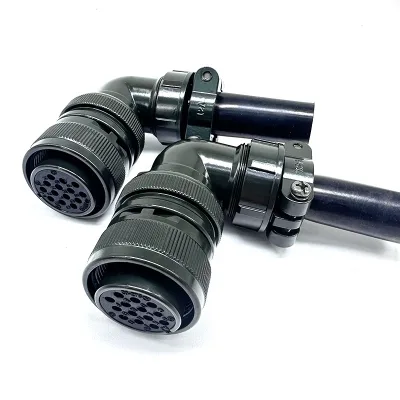
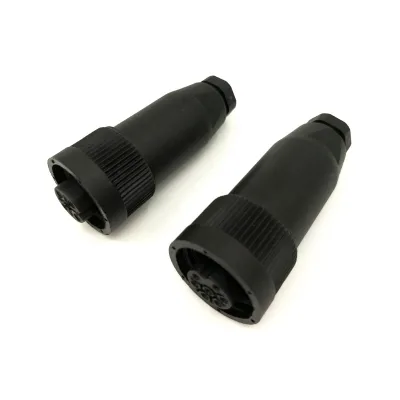


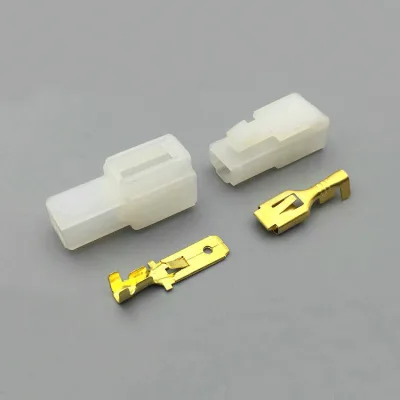
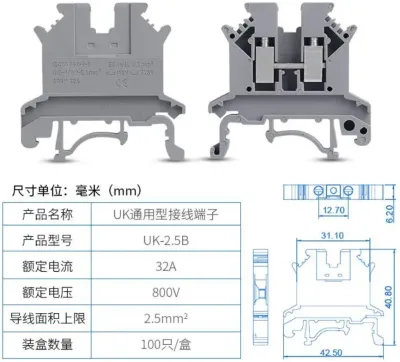
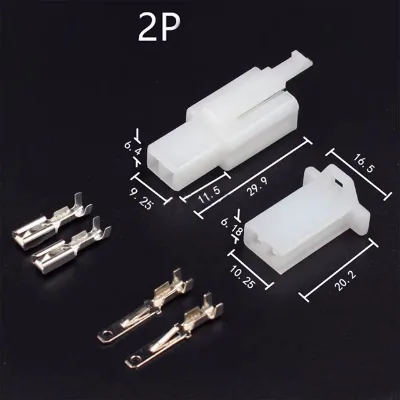
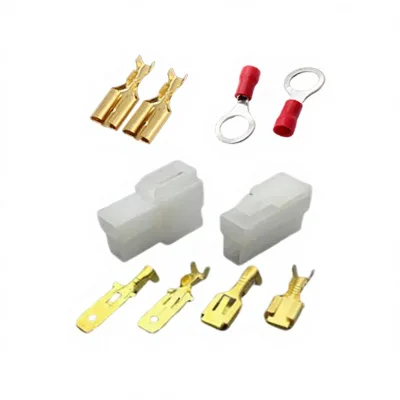
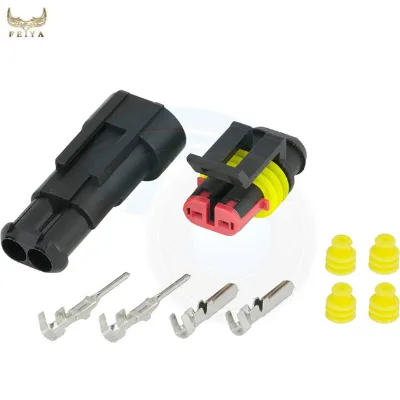
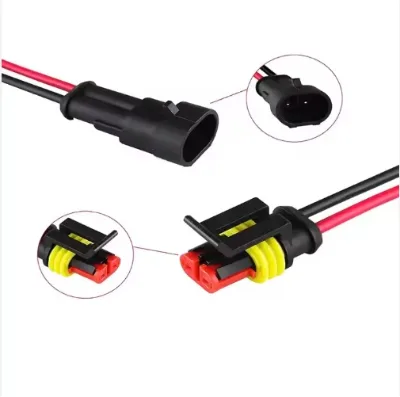
OEM High Quality Waterproof Automotive Connector,2pin Electronic Connector Cable Set
$0.1029 - $1.0298
MOQ: 10 Minimum
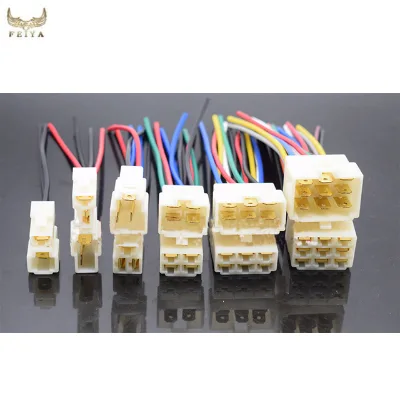

Electrical Connector Wire Connectors Circular Connector Electric Connectors
$1.00 - $360.00
MOQ: 500 Pieces
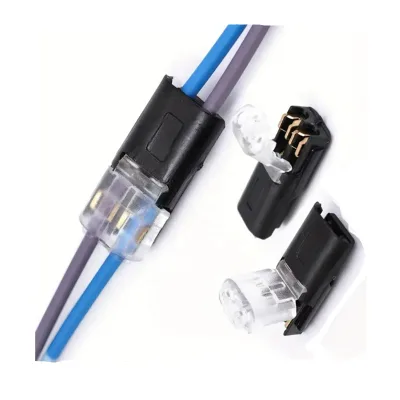


2.5mm Cable Connector/Power Wire Connector for Automotive and Industrial Use
$0.0001 - $0.023
MOQ: 1000 Pieces
Comprehensive Sourcing Guide
Right Angle Automotive Electrical Connectors Sourcing Guide
Procuring Right Angle Automotive Electrical Connectors requires a precise understanding of the specific interface types and gender configurations available in the current market. Buyers must verify that the selected components support the transmission of electrical signals and conduct electricity effectively within the intended vehicle architecture. The observed product landscape includes socket terminals and adaptors designed for environmental protection, ensuring reliability in diverse operating conditions.
Sourcing decisions should prioritize the physical dimensions and wire gauge compatibility to ensure a seamless fit within tight automotive harnesses. The available data indicates a range of sizes, from compact units measuring 2.6mm in width to larger assemblies up to 29.5mm in length. It is critical to match the American Wire Gauge (AWG) requirements, which span from 14 to 24, to the specific circuit loads of the application to prevent overheating or connection failure.
Product Scope and Observed Listing Signals
The market for these connectors features a distinct rectangular shape and utilizes cold pressing as a primary production process to ensure structural integrity. Listings frequently highlight the use of Nylon PA66 with glass fiber reinforcement for the housing material, providing necessary durability against vibration and chemical exposure. Buyers should note that the observed product range includes both male and female genders, allowing for flexible integration into various mating scenarios.
Commercial listings often specify a single item selling unit with sample availability, which facilitates initial prototyping and validation before committing to bulk orders. The packaging is typically described as a box, with single package dimensions varying significantly based on the specific model and size. Procurement teams must carefully review the listed dimensions, such as the 10x1x10 cm package size, to accurately calculate logistics costs and storage requirements for their facilities.
Technical Specifications to Verify
Technical validation must begin with the rated voltage and current capacity, as these parameters define the operational limits of the connector. Observed specifications include a rated voltage of 50V and a rated current of 220A, which are critical benchmarks for high-load automotive applications. Buyers should confirm that the contact material, often brass, meets the conductivity and corrosion resistance requirements for the specific electrical environment.
The IP rating and waterproof capabilities are equally vital for automotive applications exposed to moisture and dust. Some listed products claim an IP68 level, indicating a high degree of protection against dust ingress and prolonged water immersion. Verification of the interface type, specifically DC/DC conversion capabilities, ensures the connector can handle the specific power delivery needs of modern vehicle electronics without signal degradation.
Compliance and Safety Documentation
While specific certification documents are not universally listed for every item, buyers must demand evidence of compliance with relevant industry standards for automotive safety. The observed context mentions ISO 15031 as a potential background standard, though its specific application to every listed product requires direct confirmation from the supplier. Procurement teams should request test reports that validate the environmental protection claims and the mechanical strength of the cold-pressed contacts.
Documentation regarding the housing material composition is essential to ensure resistance to high temperatures and chemical agents found in engine bays. The use of Nylon PA66+GF is a common specification, but buyers must verify the exact formulation and any flame retardant additives required by their specific vehicle manufacturer standards. Without explicit certification data, the risk of non-compliance with safety regulations increases significantly during the final assembly phase.
Cost Drivers and Commercial Terms
Pricing for these connectors varies widely, with observed ranges extending from zero to 360 USD, influenced heavily by the specific model and order volume. The minimum order quantity (MOQ) is a significant cost driver, with observed values ranging from a single unit to 3000 pieces. Buyers must negotiate based on their projected volume, as smaller orders may incur higher per-unit costs due to the setup and handling fees associated with the cold pressing process.
Lead times and delivery schedules also impact the total cost of ownership, with observed delivery windows ranging from 7 to 15 days. These timelines can fluctuate based on the complexity of the customization required, such as specific color requests or unique dimensional adjustments. Procurement planners should account for these variables when scheduling production runs to avoid delays that could stall the assembly line or delay vehicle deployment.
Supplier Qualification and Quality Control
Supplier history and manufacturing capabilities are key indicators of reliability, with some established factories operating since 2009. This longevity suggests a mature production process and a track record of consistent quality in the automotive sector. Buyers should verify the factory's location, such as the observed origin in Zhejiang, China, to assess the logistical implications and potential supply chain risks associated with international shipping.
Quality control processes must be rigorously evaluated to ensure that every batch meets the strict tolerances required for automotive electrical systems. The production process of cold pressing is a critical step that affects the contact force and durability of the terminal. Buyers should request evidence of in-process quality checks and final inspection protocols to ensure that the delivered goods match the specified dimensions and material properties.
Long-Term Procurement Checks
Sustaining a successful supply chain requires ongoing monitoring of the supplier's ability to maintain consistent product specifications over time. Buyers should establish a protocol for periodic re-verification of the AWG range and housing material integrity to ensure that no degradation in quality occurs during mass production. Regular audits of the production line can help identify any deviations in the cold pressing process that might compromise the electrical performance of the connectors.
Future-proofing the procurement strategy involves maintaining a relationship with suppliers who can accommodate design changes and customization requests. The availability of free samples and the flexibility in packing options, such as box packaging, indicate a supplier willing to support evolving project needs. Continuous communication regarding lead times and inventory levels will help mitigate the risk of stockouts and ensure a steady flow of components for long-term vehicle production.
FAQs
What customization options are available for these connectors?
Customization is available for these rectangular socket terminals. The production process utilizes cold pressing to meet specific requirements. Buyers can request tailored specifications for automotive signal transmission applications. This flexibility ensures the components align with unique engineering needs while maintaining environmental protection standards.
What is the typical lead time for delivery?
The delivery time is typically 7-15 days. This timeframe applies to standard orders of these automotive connectors. Buyers should account for this duration when planning production schedules. The efficient turnaround supports timely supply chain operations for electrical signal transmission components.
Can I request samples before placing a bulk order?
Samples are freely supplied for evaluation purposes. This allows buyers to verify the quality of the brass contacts and nylon housing. Testing the IP68 rating and AWG compatibility is recommended before committing to larger quantities. This practice ensures the components meet specific automotive application requirements.
What materials are used in the connector construction?
The housing material is Nylon PA66 or Nylonpa66+GF for durability. The contact material is brass to ensure reliable conductivity. These materials support the transmission of electrical signals in automotive environments. The plastic construction provides necessary environmental protection and structural integrity for rectangular terminal designs.
What is the minimum order quantity for these products?
The MOQ is 200 PCS for these automotive connectors. This quantity applies to standard rectangular socket terminals. Buyers can order single items for sampling or larger boxes for production. The packaging is designed as a box to protect the components during transit and storage.
Are these connectors suitable for automotive applications?
Yes, these connectors are explicitly designed for automotive applications. They facilitate the transmission of electrical signals and conduct electricity effectively. The rectangular shape and specific AWG ranges support various automotive wiring needs. The IP68 rating ensures reliability in demanding environmental conditions.