Source Roller Bike Bicycle Chain for Transmission, Conveyor, and Bikes
Source 30 Roller Bike Bicycle Chain options for transmission, conveyor, and bicycle applications. Compare alloy and carbon steel materials, electroplated finishes, and custom sizes like 1/2"*11/128". Find ISOCE certified suppliers with global delivery; compare the available evidence and request quotations based on your requirements.
Updated
Key considerations
Products List


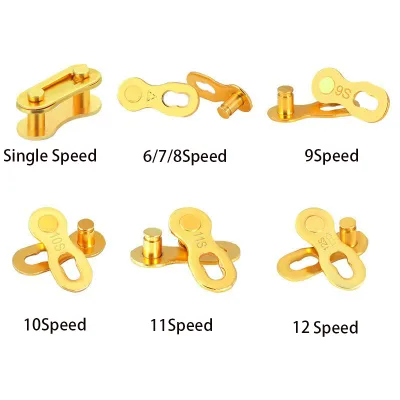


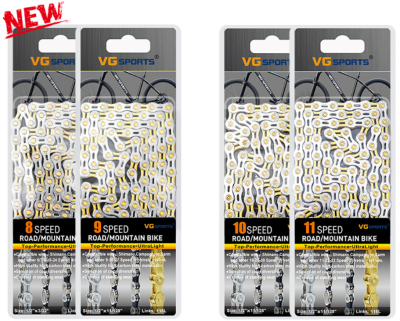
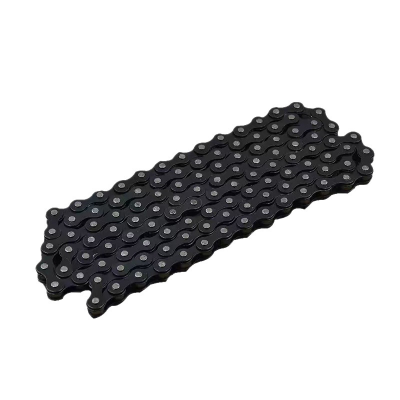
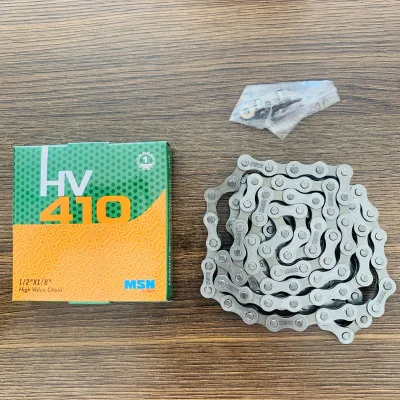
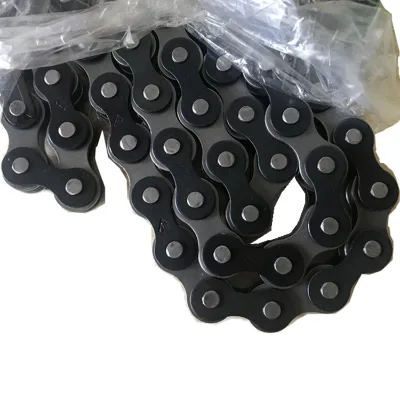
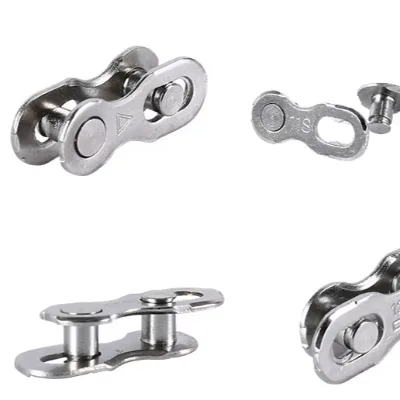
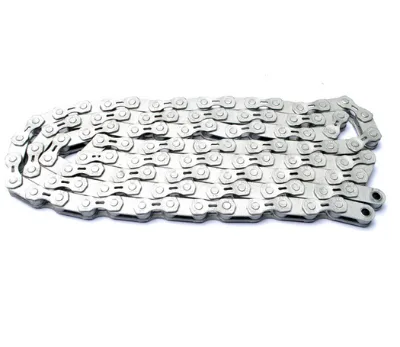


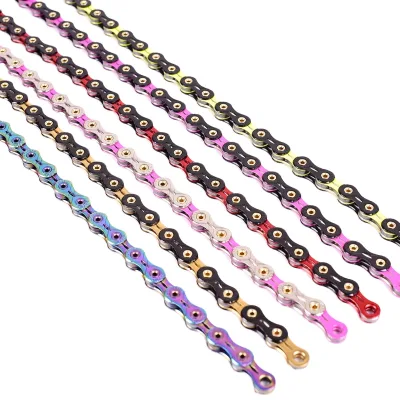
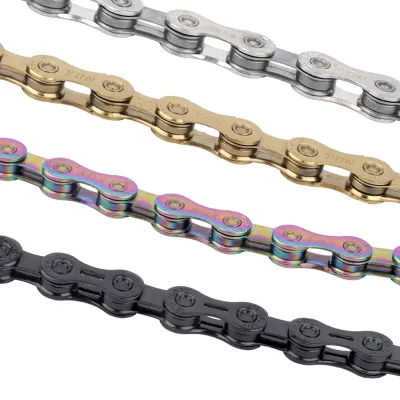
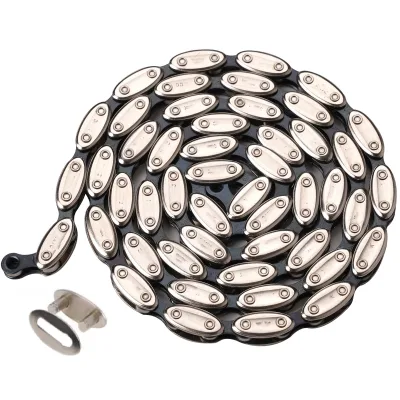
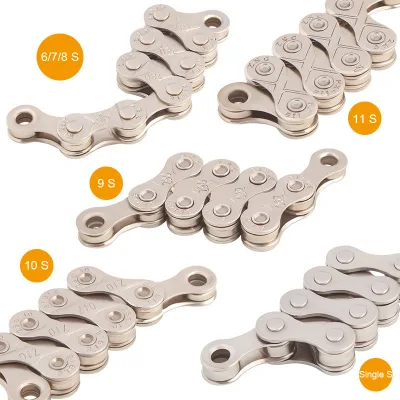
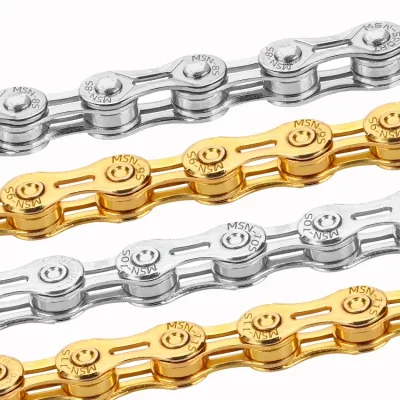
Comprehensive Sourcing Guide
Roller Bike Bicycle Chain Sourcing Guide
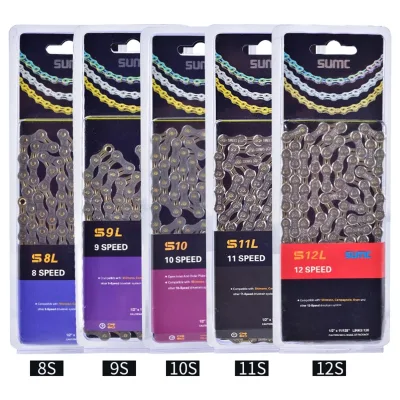
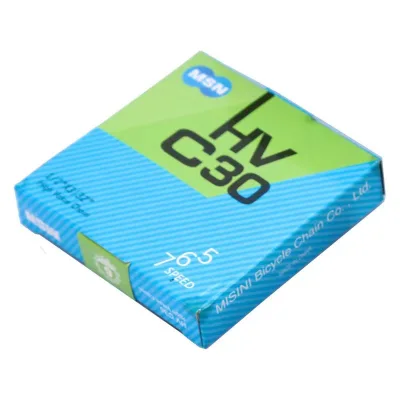
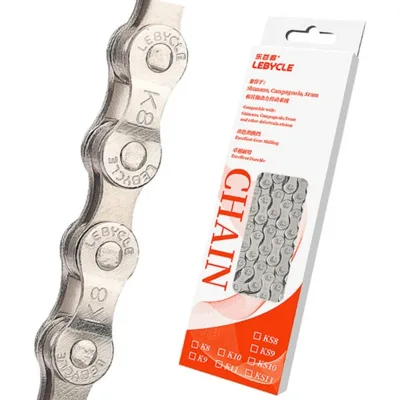
Procurement professionals must first distinguish between general transmission chains and specialized bicycle components, as the supplied data reveals a mix of industrial roller chains and specific bike applications. The observed listings include products explicitly marked for ordinary bicycles, mountain bikes, and road bikes, alongside heavy-duty chains designed for marine and automotive use. Buyers should verify that the specific chain pitch and roller dimensions match their drivetrain requirements, noting that some entries list a chain size of 1/2"*11/128" while others reference standard steel chain configurations.
When evaluating product scope, it is critical to align the observed material properties with the intended operational environment. The available inventory features chains constructed from both alloy and carbon steel, with surface treatments ranging from electroplating to polishing and plastic coating. These material choices directly influence durability and corrosion resistance, particularly for applications involving electric cars or marine environments. Sourcing teams must ensure the selected chain's structural design, such as single chain wheels or short pitch configurations, is compatible with the specific gear systems of the target bicycle models.
Product Scope and Observed Listing Signals
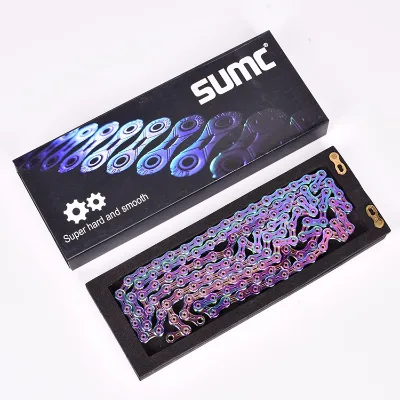
The market signals indicate a diverse range of chain types, including single-speed configurations and models designed for foldable bicycles with specific wheel sizes like 26 inches. Buyers should scrutinize the listed product models, such as BY-MN012 or the Z-series variants, to confirm they meet the mechanical demands of the intended vehicle. The presence of multi-colored options and satin fabric attributes in some listings suggests a broader catalog that may include non-functional decorative elements, requiring careful filtering to isolate genuine mechanical transmission components.
Commercial signals also reveal significant variation in packaging and delivery expectations, which impacts logistics planning. While some suppliers offer wooden cases for heavy-duty industrial chains, others utilize poly bags or cartons for lighter bicycle applications. The observed delivery window of 7-15 days suggests a relatively agile supply chain, yet the minimum order quantity can range from a single piece to 1000 units. Procurement managers must balance these MOQ constraints against their inventory needs to avoid overstocking or incurring unnecessary shipping costs for small-batch orders.
Technical Specifications to Verify
Technical verification begins with confirming the chain pitch and standard compliance, as the data lists specific standards like 10B and 1007575 alongside generic steel chain descriptions. Buyers must ensure the chain pitch matches the sprocket teeth count, particularly for models like the 081 or 083 series, to prevent premature wear or drivetrain failure. The distinction between standard and non-standard chains is vital, as mismatched specifications can lead to incompatibility with existing bicycle frames or transmission systems.
Further verification requires assessing the physical dimensions and weight characteristics of the chain units. The provided data includes specific single packaging sizes and weights, such as 0.192kg for certain units, which aids in calculating total shipment volume and handling requirements. Additionally, the finish type, whether electroplated or polished, must be validated against the operating conditions to ensure adequate protection against rust and abrasion. Confirming the exact chain wheel type, such as single chain wheels, is essential for maintaining proper tension and alignment within the bicycle's mechanical assembly.
Compliance and Safety Documentation
Compliance verification should focus on the stated certifications and origin details provided in the product listings. The data indicates that some products carry ISOCE certification and originate from regions like Hebei and Zhejiang in China, which are known manufacturing hubs. Buyers must request current certification documents to validate these claims, ensuring that the manufacturing processes meet international safety and quality benchmarks. Relying solely on the listed certification status without physical verification can expose the procurement process to risks regarding product liability and safety standards.
Safety documentation also extends to the material composition and surface treatment processes used in manufacturing. The observed use of carbon steel and alloy materials, combined with treatments like electroplating and polishing, requires confirmation that these processes adhere to environmental and safety regulations. While some background context mentions standards like ISO 606 or DIN 8187, these should not be assumed without explicit supplier confirmation. Procurement teams must ensure that the finished product does not contain hazardous substances and that the manufacturing facility adheres to relevant occupational safety and environmental protection laws.
Cost Drivers and Commercial Terms
Cost drivers in this sector are heavily influenced by the material composition and the complexity of the surface treatment processes. Chains made from high-grade alloy or those requiring specialized plastic coating and electroplating will generally command higher prices than basic carbon steel options. The observed price range of 0.15 to 30 USD reflects this variability, but buyers must understand that the lowest price may not correlate with the best value if the material quality or finish durability is compromised. Evaluating the total cost of ownership, including maintenance and replacement frequency, is more critical than focusing solely on the unit price.
Commercial terms regarding minimum order quantities and lead times significantly impact the overall procurement strategy. The data shows a wide MOQ range from 1 piece to 1000 units, offering flexibility for small-scale buyers while potentially requiring bulk commitments for larger operations. The standard delivery time of 7-15 days is a key factor in supply chain planning, but buyers should negotiate specific terms based on their volume and urgency. Understanding the packaging requirements, such as wooden cases versus poly bags, is also essential for accurately calculating freight costs and storage space requirements.
Supplier Qualification and Quality Control
Supplier qualification should prioritize manufacturers with a proven track record in producing bicycle chains and transmission components. The observed origins in Hebei and Zhejiang suggest established industrial clusters, but buyers must verify the specific factory capabilities and production capacity. Quality control measures should include requests for sample testing to validate the chain's tensile strength, pitch accuracy, and resistance to wear under load. Relying on the supplier's self-reported standards without independent verification can lead to inconsistencies in product performance across different batches.
Quality control protocols must also address the consistency of surface treatments and material integrity. The data lists various finishes like polishing and electroplating, which require strict process controls to ensure uniformity and adhesion. Buyers should implement a sampling plan that tests for corrosion resistance and structural integrity, particularly for chains intended for harsh environments like marine or electric vehicle applications. Establishing clear acceptance criteria based on the observed specifications, such as the 1/2"*11/128" chain size, ensures that the delivered products meet the exact mechanical requirements of the bicycle assembly.
Long-Term Procurement Checks
Long-term procurement success depends on establishing a robust relationship with suppliers who can maintain consistent quality over time. Buyers should conduct periodic audits to ensure that the manufacturing processes remain aligned with the initial specifications and that any changes in material or treatment are communicated in advance. The dynamic nature of the bicycle market, with its varying applications from kids' bikes to mountain bikes, requires suppliers to be adaptable and responsive to changing design requirements. Building a partnership based on transparency and mutual trust is essential for securing a reliable supply chain.
Continuous monitoring of market trends and technological advancements is also crucial for maintaining a competitive edge. As bicycle designs evolve, the demand for specialized chains with unique features, such as foldable configurations or specific wheel sizes, will likely increase. Procurement teams should stay informed about new standards and certifications that may emerge, ensuring that their supply chain remains compliant and capable of meeting future demands. Regularly reviewing supplier performance against key metrics, such as delivery times and defect rates, helps identify areas for improvement and ensures the long-term viability of the sourcing strategy.
FAQs
What materials are used for roller bike bicycle chains?
Roller bike bicycle chains are primarily manufactured from alloy and carbon steel materials. These materials provide the necessary durability and strength for transmission and conveyor applications. Some variants feature plastic coating for specific environmental protections. The choice of material ensures the chain can withstand the mechanical stresses of ordinary bicycles, mountain bikes, and road bikes effectively.
Can roller bike bicycle chains be customized for specific needs?
Yes, customization is available for roller bike bicycle chains to meet specific operational requirements. Buyers can request tailored specifications to fit unique machinery or vehicle types. This flexibility allows for precise integration into various systems, including electric cars and marine applications. Customization ensures that the chain performs optimally in diverse environments while maintaining structural integrity and reliability.
What is the typical delivery time for these chains?
The typical delivery time for roller bike bicycle chains ranges from 7 to 15 days. This lead time applies to standard orders and ensures timely availability for global export markets. Buyers should account for this duration when planning production schedules or inventory replenishment. The efficient turnaround supports just-in-time manufacturing processes and reduces downtime for critical transmission systems.
What certifications do these chains typically hold?
These chains typically hold ISOCE certification, indicating compliance with international quality standards. This certification assures buyers of consistent manufacturing processes and product reliability. It is a key factor for global export markets where regulatory compliance is mandatory. The certification helps in establishing trust with international partners and ensures the product meets recognized industry benchmarks for safety and performance.
What packaging options are available for bulk orders?
Bulk orders of roller bike bicycle chains are available in wooden cases, cartons, or poly-wooden cases. These packaging options protect the chains during transit and storage. The choice of packaging depends on the order size and destination requirements. Proper packaging ensures that the chains remain undamaged and ready for immediate installation upon arrival, supporting efficient logistics and supply chain management.
What is the minimum order quantity for these chains?
The minimum order quantity for roller bike bicycle chains starts at 1 piece. This low MOQ allows buyers to test samples or order small batches for specific projects. It provides flexibility for both large-scale industrial procurement and smaller specialized needs. The accessible entry point encourages experimentation and reduces the financial risk associated with initial sourcing decisions for new suppliers.