Source Full Steel Modular House for Hotels, Offices, and Villas
Compare 30 Full Steel Modular House options from Chinese manufacturers. These expandable container units offer fast installation, wind and water resistance, and customizable designs for hotels, temporary offices, and villas with online technical support; compare the available evidence and request quotations based on your requirements.
Updated
Key considerations
Products List
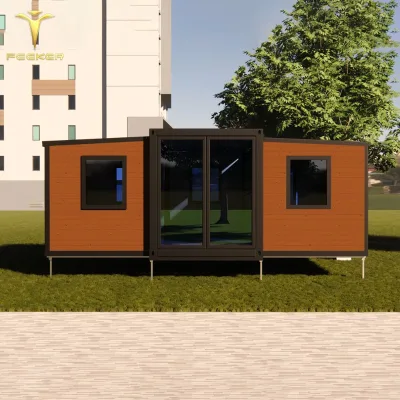
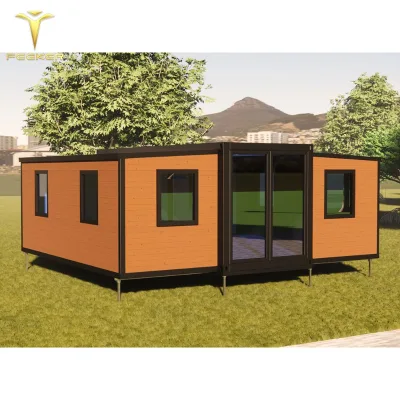
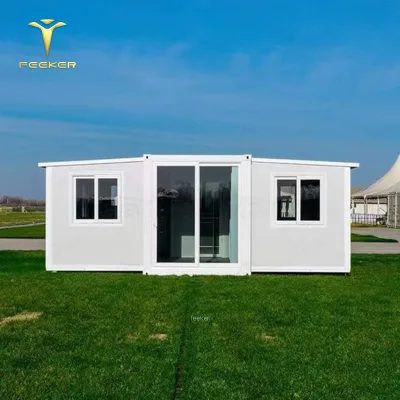


$35.00 - $45.00
MOQ: 150 Square Meters


Pre-Engineered Modular Steel Structure House / Steel Structure House
$45.00 - $70.00
MOQ: 500 Square Meters

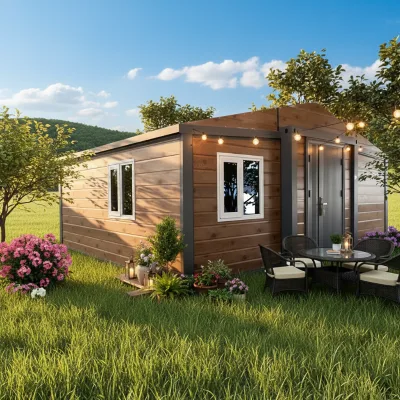


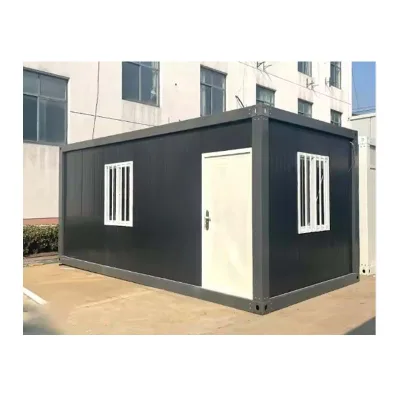
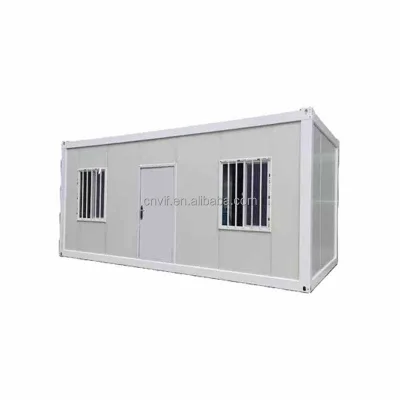
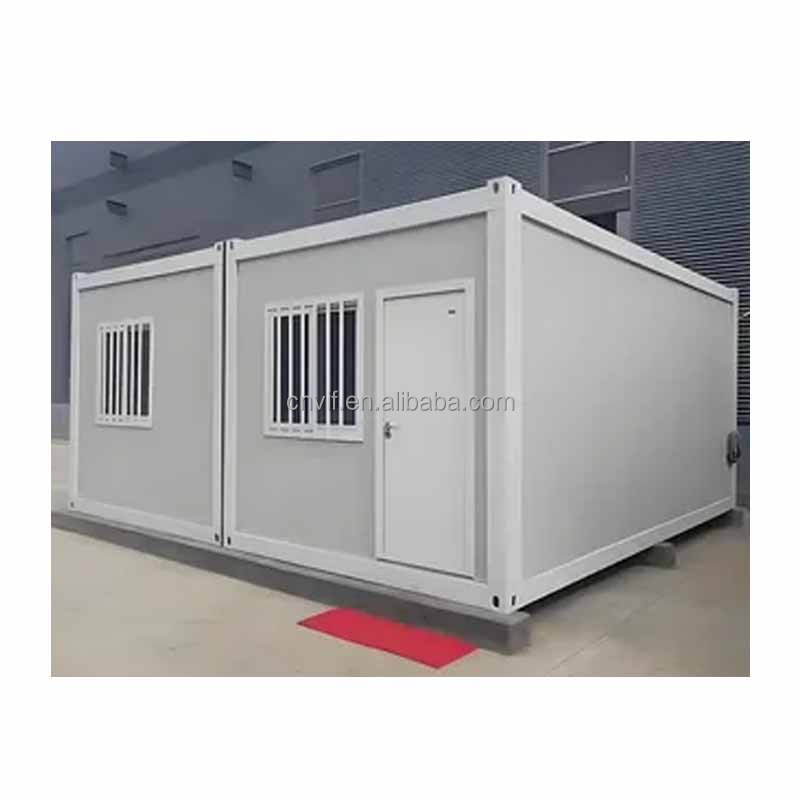
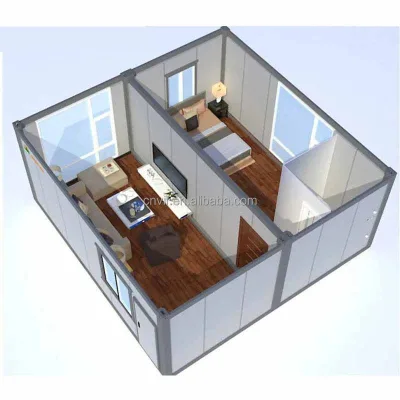
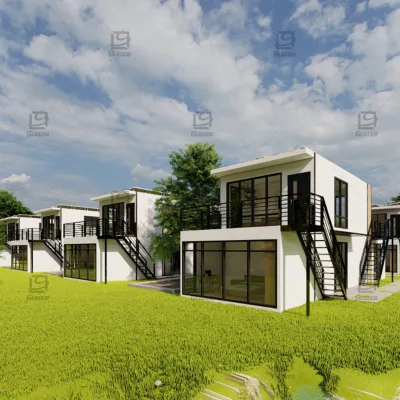
Modular Steel Structure Houses High Quality Manufactured Buildings
$722.6741 - $825.9133
MOQ: 1 square
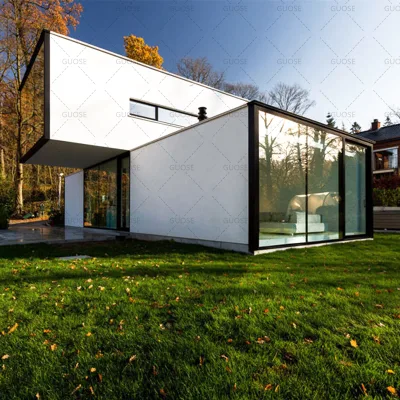


Low Cost Modular Houses High Quality Steel Structure Container House
$1499.00 - $2699.00
MOQ: 1 Pieces


Comprehensive Sourcing Guide
Full Steel Modular House Sourcing Guide
Buyers evaluating full steel modular houses must first distinguish between expandable container units and fixed-frame structures, as the supplied data indicates a mix of product types including sandwich panel assemblies and steel container variants. The observed listings reveal applications ranging from hotels and carports to specialized workshops and dormitories, suggesting that procurement strategies must align with specific site requirements rather than assuming a universal design. Understanding whether the project demands a temporary office solution or a permanent villa is critical before engaging with suppliers who may specialize in different structural configurations.
The market signals show a wide variance in customization levels, with some suppliers offering standard models while others provide fully bespoke designs based on client specifications. This divergence requires buyers to clearly define their functional needs, such as the necessity for wind-proofing or water-proofing features, before requesting quotes. Since the observed data includes both single-item selling units and bulk orders with specific minimums, procurement teams must assess their volume requirements early to ensure they can meet the supplier's production thresholds or negotiate flexible terms for smaller projects.
Product Scope and Observed Listing Signals
The product scope for full steel modular houses in the current market encompasses a diverse array of applications, including temporary offices, workshops, dormitories, and permanent residential villas. The observed listings highlight specific use cases such as carports, hotels, and even specialized toilets, indicating that these structures are highly adaptable to various commercial and residential needs. Buyers should verify that the specific model selected matches their intended usage, as the structural integrity and insulation requirements for a workshop differ significantly from those of a residential villa or a temporary camp facility.
Listing signals reveal that materials typically include sandwich panels, steel, and sometimes wooden components, with a focus on lightweight and fast-installation advantages. The data indicates that some units are designed as single-layer structures while others may support more complex configurations, and the observed thickness is often listed as standard unless customized. Procurement teams must scrutinize the "Feature" attributes listed, such as breathability or wind-proofing, to ensure the selected product meets the environmental demands of the installation site, as these characteristics are not uniform across all available models.
Technical Specifications to Verify
Buyers must rigorously verify the structural framework, as the observed data lists multiple structure types including lattice truss, portal frame, and suspended designs. The choice of structure directly impacts the building's load-bearing capacity and suitability for different climates, making it essential to confirm which framework is employed for the specific project. Additionally, the surface treatment processes, such as painting and galvanizing, are critical for corrosion resistance and longevity, and these details should be explicitly confirmed in the technical datasheet before finalizing any purchase agreement.
Dimensional specifications and packing methods also require careful attention, as the observed listings show variations from standard 2.4m by 6m units to custom designs and 20ft container sizes. The packing methods range from nude packing to wooden cases, which influences shipping costs and on-site handling procedures. Buyers should ensure that the specified dimensions align with their site constraints and that the packing method protects the structure during transit, particularly for units that may be shipped in bulk or as single items to remote locations.
Compliance and Safety Documentation
Compliance verification is paramount when sourcing full steel modular houses, as the observed data references standards such as ISO, AWS D1.1, and EN 1090, though these may apply to specific models rather than the entire product line. Buyers must request explicit documentation confirming that the specific unit they are purchasing meets the relevant safety and construction standards for their destination country. Relying on general claims without verifying the specific certification for the ordered model can lead to significant compliance issues during local inspections or occupancy approvals.
Safety documentation should also cover the warranty terms and after-sales support capabilities, which are listed as one-year warranties and online technical support in the observed data. It is crucial to understand the scope of this support, including whether it covers structural repairs or only minor technical guidance. Buyers should clarify the response time and availability of technical assistance to ensure that any potential issues can be resolved promptly, minimizing downtime and maintaining the safety of the occupants within the modular structure.
Cost Drivers and Commercial Terms
Cost drivers for full steel modular houses are heavily influenced by the level of customization, material selection, and the complexity of the structural design. The observed data indicates that while some units are available as single items, others require a minimum order quantity of 20 units, which significantly impacts the unit price and overall budget. Buyers must evaluate whether the cost savings from bulk ordering outweigh the logistical challenges of managing larger inventories or if a smaller, customized order better suits their immediate project needs.
Commercial terms regarding lead times and shipping are equally critical, as the observed listings mention various packing standards and export requirements that affect delivery schedules. The distinction between standard export packing and specialized wooden cases can alter freight costs and handling requirements at the destination port. Procurement teams should negotiate clear terms for delivery, including who bears the risk during transit and how delays in production or shipping will be communicated, to ensure the project timeline remains on track without unexpected financial penalties.
Supplier Qualification and Quality Control
Supplier qualification should focus on verifying the manufacturer's location and their specific production capabilities, as the observed data lists origins in both Henan and Hebei provinces in China. Buyers must confirm that the supplier has the necessary infrastructure to produce the specific structure type required, whether it is a sandwich panel unit or a steel container variant. Checking the supplier's history with similar projects and their ability to handle the specific customization requests is essential to ensure they can deliver a product that meets the project's unique technical and aesthetic requirements.
Quality control measures must be established early in the procurement process, with a focus on verifying the manufacturing standards and surface treatment processes. The observed data mentions standards like ISO and AWS D1.1, but buyers should request third-party inspection reports or factory audit results to validate these claims. Establishing a clear quality assurance protocol that includes pre-shipment inspections and material verification ensures that the final product matches the agreed-upon specifications and maintains the structural integrity required for long-term use.
Long-Term Procurement Checks
Long-term procurement checks should prioritize the service life and durability of the Full Steel Modular House, as the observed data claims a service life of at least 20 years for certain models. Buyers must verify the conditions under which this lifespan is guaranteed, including maintenance requirements and environmental factors that could affect the structure's longevity. Understanding the warranty coverage and the supplier's commitment to long-term support is essential for ensuring that the investment remains viable over the intended lifespan of the building.
Finally, buyers should establish a framework for ongoing relationship management and future scalability, given the observed availability of customization and design services. As project needs evolve, the ability to expand or modify the modular structure becomes a key factor in the total cost of ownership. Procurement teams should maintain open communication channels with the supplier to discuss potential upgrades or additional units, ensuring that the initial investment can be leveraged for future growth without the need for entirely new sourcing strategies.
FAQs
What materials are used in full steel modular houses?
Full steel modular houses primarily utilize sandwich panels and steel structures for durability. Some designs also incorporate wooden or metal components for specific aesthetic or functional needs. The steel framework ensures structural integrity, while the sandwich panels provide essential thermal insulation and weather resistance for various applications.
Can full steel modular houses be customized for specific projects?
Yes, customization is available for full steel modular houses to meet unique project requirements. Buyers can request specific designs, dimensions, and structural configurations. The manufacturer offers free design services to assist with planning, ensuring the final product aligns with the intended use, whether for hotels, offices, or residential villas.
What is the typical service life of a Full Steel Modular House?
The typical service life of a Full Steel Modular House is at least 20 years. This longevity is supported by the use of high-quality steel and sandwich panels, along with surface treatments like painting and galvanizing. Proper maintenance and installation further ensure the structure remains durable and functional over its extended lifespan.
How are full steel modular houses packaged for shipping?
Full steel modular houses are packaged using methods such as nude packing, wooden cases, or bundles. Specific models may be packed in quantities of 16-18 units per 40HQ container. The packaging is designed to protect the steel frames and panels during transit, ensuring they arrive at the destination site in optimal condition for assembly.
What after-sale services are provided for full steel modular houses?
Online technical support is provided as the primary after-sale service for full steel modular houses. This assistance helps buyers with installation guidance and troubleshooting. Additionally, a one-year warranty covers structural and material defects, providing peace of mind and ensuring that any initial issues are addressed promptly by the manufacturer.
What are the advantages of using full steel modular houses?
Key advantages include fast installation, wind proofing, lightweight construction, and water proofing. These features make them ideal for temporary offices, dormitories, and workshops. The modular design allows for quick deployment, while the steel structure ensures stability in various weather conditions, offering a practical and efficient housing solution for diverse needs.