Source Straight Platform Scissor Lift for Building, Warehouse, Shipboard
Find 30 Straight Platform Scissor Lift options with varying capacities and heights. Compare specifications for building, warehouse, and shipboard applications to select the right stationary or moving unit for your needs; compare the available evidence and request quotations based on your requirements.
Updated
Key considerations
Products List


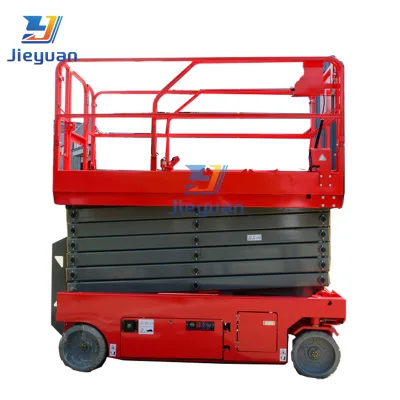
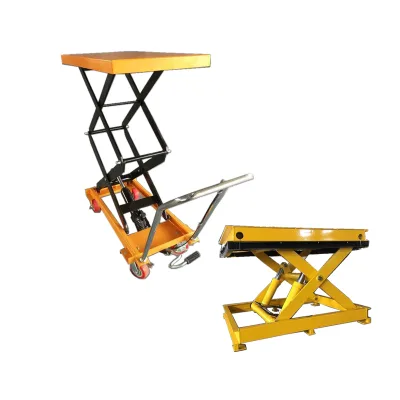


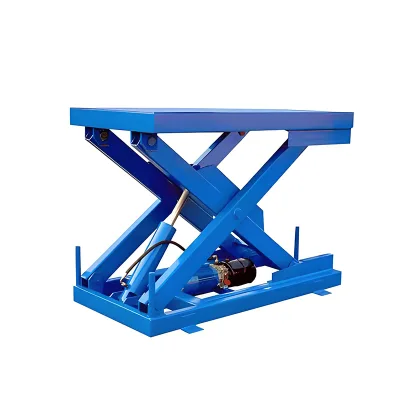
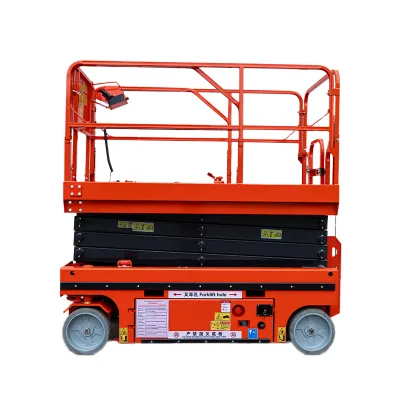
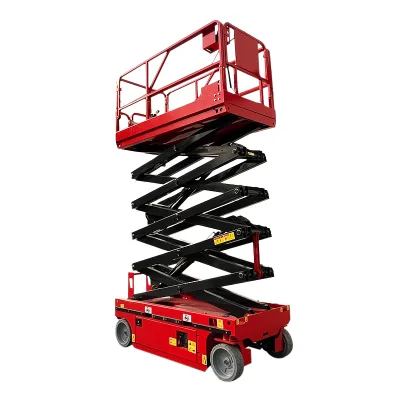

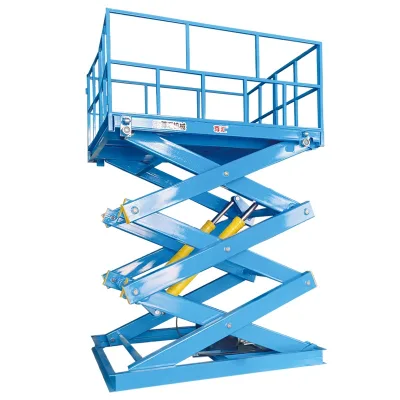
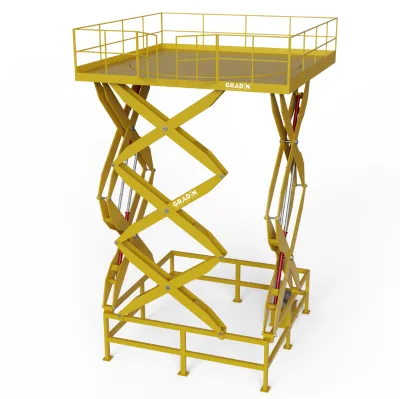
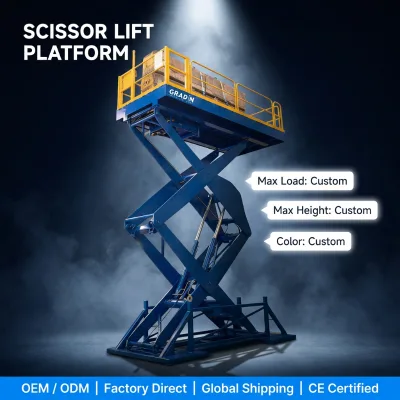
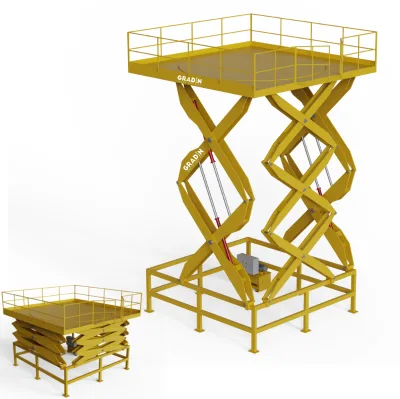
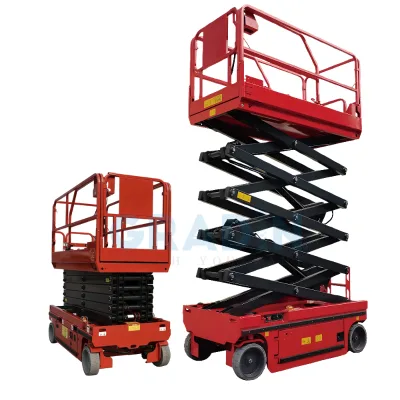
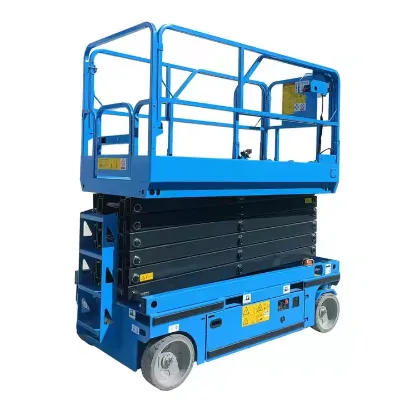
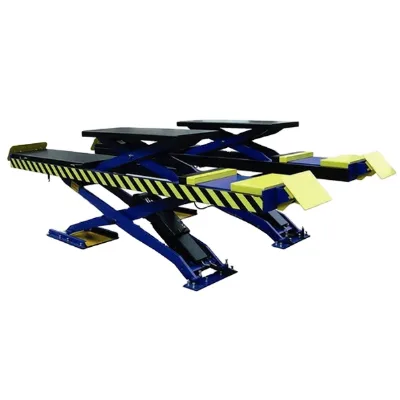
Comprehensive Sourcing Guide
Straight Platform Scissor Lift Sourcing Guide
Procuring straight platform scissor lifts requires a disciplined approach to matching technical specifications with operational environments. Buyers must first distinguish between stationary and moving variants, as the running mode dictates installation complexity and mobility. The observed market includes stationary units designed for fixed infrastructure like warehouses and workshops, as well as self-propelled models suitable for dynamic tasks. Understanding this fundamental distinction is critical before evaluating specific models, as it influences everything from power requirements to floor loading considerations.
The second step involves aligning the lift’s physical dimensions with the intended application space. Key observations indicate a range of platform sizes, from compact 3000x1500mm configurations to larger 4450x3780mm platforms, each supporting different load capacities. Buyers should verify that the stowed height and maximum working height fit within their facility’s vertical constraints. Additionally, the choice between AC and DC driven types impacts energy efficiency and control precision, making it essential to select the drive system that best suits the frequency and intensity of daily operations.
Product Scope and Observed Listing Signals
The current market landscape for straight platform scissor lifts reveals a diverse array of configurations tailored to specific industrial needs. Listings show a wide price range, reflecting variations in load capacity, platform size, and drive technology. For instance, stationary models with 3000kg capacity and 1.6m height differ significantly from high-capacity units supporting 6800kg at 1.9m. These signals indicate that buyers must carefully assess their weight requirements and spatial limitations to avoid over-specifying or under-provisioning equipment, ensuring that the selected unit meets both current and projected operational demands.
Customization availability is a prominent feature among suppliers, allowing for tailored solutions in complex environments. Features such as explosion-proof and insulating capabilities are available, catering to hazardous or sensitive industrial settings. The observed models include specific technical details like lift motors ranging from 1.5kw to 5.5kw, and power voltages standardized at 380V 50Hz for stationary units. Buyers should leverage these customization options to address unique site conditions, such as pit size requirements or specific roller gap dimensions, ensuring seamless integration into existing infrastructure.
Technical Specifications to Verify
Verifying technical specifications is paramount to ensuring the lift performs reliably under load. Buyers must confirm the load capacity, which varies from 240kg for mobile units to 6800kg for heavy-duty stationary platforms. The platform size and extension length options should be cross-referenced with the physical dimensions of the materials being lifted. Additionally, the lift mechanism type, whether scissor lift or lift chain, affects maintenance needs and operational smoothness. It is crucial to verify the rise time and cylinder specifications, such as the 140*2 cylinder configuration, to ensure the lift meets the required speed and stability standards for your specific workflow.
Power and drive systems require close scrutiny to match site capabilities. Stationary models typically operate on 380V 50Hz AC power, while mobile units may use 24V DC systems with specific motor wattages. Buyers should check the ground clearance, gradeability, and turning radius for mobile variants to ensure maneuverability in tight spaces. For stationary units, verifying the pit size and travelling height is essential for proper installation. Ensuring that the power voltage and motor specifications align with your facility’s electrical infrastructure prevents costly retrofits and ensures safe, efficient operation from day one.
Compliance and Safety Documentation
Safety compliance is non-negotiable when sourcing industrial lifting equipment. Buyers must request documentation confirming that the equipment meets relevant safety standards, such as CE certification, which is observed in the market. This certification ensures that the lift adheres to European safety, health, and environmental protection requirements. It is vital to verify that all safety features, including emergency descent mechanisms and overload protection, are integrated and tested. Documentation should also include detailed operational manuals and maintenance schedules to guide safe usage and prolong the equipment’s lifespan.
Explosion-proof and insulating features are critical for specific industrial applications. Buyers operating in hazardous environments must ensure that the lift’s explosion-proof certification is valid and appropriate for the specific zone classification. Insulating properties are equally important for electrical work, preventing accidental shocks. Suppliers should provide test reports or certificates of conformity for these specialized features. Additionally, verifying the manufacturer’s quality management certifications, such as ISO standards, provides assurance that the production process adheres to rigorous quality controls, reducing the risk of defects and enhancing overall workplace safety.
Cost Drivers and Commercial Terms
Understanding the factors that influence pricing helps buyers negotiate better commercial terms. The observed price range of $239 to $50,000,000 USD reflects significant variations in capacity, size, and customization. Key cost drivers include the load capacity, platform dimensions, and the complexity of the drive system. Customization options, such as explosion-proof ratings or specific pit sizes, can also increase the base price. Buyers should request detailed quotations that break down these costs to identify where value is added and where potential savings can be made without compromising quality.
Minimum order quantities (MOQ) and payment terms are other critical commercial considerations. The observed MOQ of 1 unit suggests flexibility for single purchases, but buyers should confirm if bulk discounts are available for larger orders. Payment terms, such as letters of credit or advance payments, should be negotiated to align with cash flow requirements. Additionally, shipping and packaging costs, which may include film wrapping and wooden cases, should be included in the total cost analysis. Clear communication regarding lead times and delivery schedules is essential to avoid production delays and ensure timely installation.
Supplier Qualification and Quality Control
Evaluating supplier qualifications is essential to mitigate procurement risks. Buyers should verify the supplier’s manufacturing capabilities, including their production facilities and quality control processes. Certifications such as ISO and CE are strong indicators of a supplier’s commitment to quality and compliance. It is also important to assess the supplier’s experience in the industry, particularly with similar applications like building cranes, warehouse cranes, or shipboard cranes. A supplier with a proven track record is more likely to deliver reliable products and provide adequate after-sales support.
Quality control measures should be explicitly defined in the procurement contract. Buyers should request inspection reports or third-party verification of key components, such as cylinders, gear pumps, and hydraulic systems. The observed specifications, such as the 13.5MPa oil pressure and 5.8ml/R gear pump, should be verified against the supplier’s quality standards. Additionally, buyers should inquire about the supplier’s warranty policy and spare parts availability. Establishing a clear quality assurance protocol ensures that the delivered equipment meets the specified technical requirements and performs reliably in the field.
Long-Term Procurement Checks
Long-term procurement success depends on establishing robust maintenance and support protocols. Buyers should develop a preventive maintenance schedule based on the manufacturer’s recommendations, focusing on key components like the lift motor, hydraulic system, and structural integrity. Regular inspections can identify wear and tear early, preventing costly breakdowns and extending the equipment’s service life. It is also important to train operators on safe usage practices to minimize accidental damage and ensure optimal performance. Documenting maintenance activities helps track the equipment’s history and supports informed decision-making for future replacements or upgrades.
Supplier relationship management is crucial for long-term procurement efficiency. Buyers should maintain open communication with suppliers to address any technical issues or performance concerns promptly. Establishing a partnership with a reliable supplier can facilitate access to updated models, customization options, and competitive pricing for future purchases. Additionally, buyers should monitor industry trends and technological advancements to stay informed about potential improvements in scissor lift technology. By proactively managing supplier relationships and staying informed, buyers can ensure that their lifting equipment remains a valuable asset to their operations.
FAQs
What is the load capacity of the stationary Straight Platform Scissor Lift?
The stationary Straight Platform Scissor Lift offers a load capacity of 3000kg. This model features a platform size of 3000 by 1500mm and operates with a 1.5kw lift motor. It is designed for applications such as building, warehouse, and workshop cranes, ensuring stable performance for heavy-duty material handling tasks in industrial environments.
Can the Straight Platform Scissor Lift be customized for specific needs?
Yes, customization is available for the Straight Platform Scissor Lift. Buyers can select from different configurations to meet specific operational requirements. The product supports various applications including shipboard and workshop cranes, allowing for tailored solutions that align with unique facility layouts and handling demands while maintaining standard safety and performance features.
What are the dimensions of the moving Straight Platform Scissor Lift platform?
The moving Straight Platform Scissor Lift has a platform size of 1.15 by 0.6 meters. It is self-propelled with a DC driven type and features a max working height of 5.9 meters. This compact design allows for easy maneuverability in tight spaces, making it suitable for various mobile lifting applications requiring precision and safety.
What certifications does the Straight Platform Scissor Lift hold?
The Straight Platform Scissor Lift holds ISO and CE certifications. These standards ensure compliance with international safety and quality requirements for industrial equipment. The certification process validates the structural integrity and operational safety of the lift, providing buyers with confidence in the product's reliability for use in diverse industrial settings and regulated environments.
How is the Straight Platform Scissor Lift packed for shipping?
The Straight Platform Scissor Lift is packed with film wrapping and placed in a pallet or wooden case. This secure packaging method protects the equipment during transit, ensuring it arrives in optimal condition. The robust packing strategy is designed to prevent damage from handling and environmental factors, facilitating safe delivery to global destinations.
What is the power voltage requirement for the stationary lift?
The stationary Straight Platform Scissor Lift requires a power voltage of 380V at 50Hz. This electrical specification supports the 1.5kw lift motor for efficient operation. The standard voltage compatibility ensures seamless integration into typical industrial power systems, allowing for reliable performance in warehouse, building, and workshop crane applications without requiring specialized electrical infrastructure.