Source Super Light Road Bike Pedal for Road Bicycles, Mountain Bikes, BMX
Find 30 listings for Super Light Road Bike Pedal options including steel and aluminum alloy models. Buyers can compare specifications, materials, and prices for road bicycles, mountain bikes, and BMX applications; compare the available evidence and request quotations based on your requirements.
Updated
Key considerations
Products List
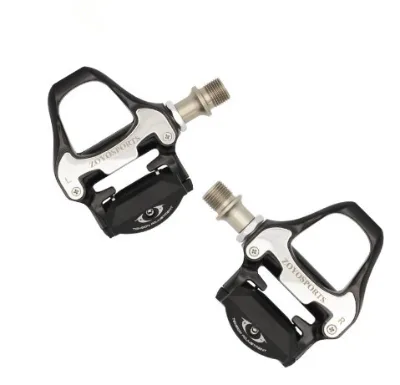
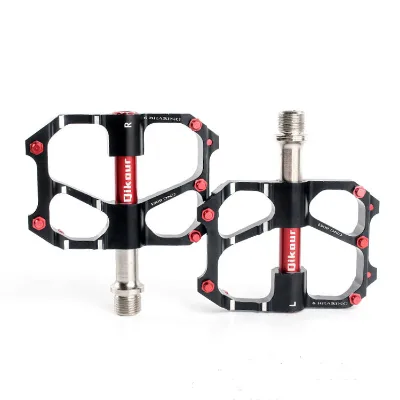


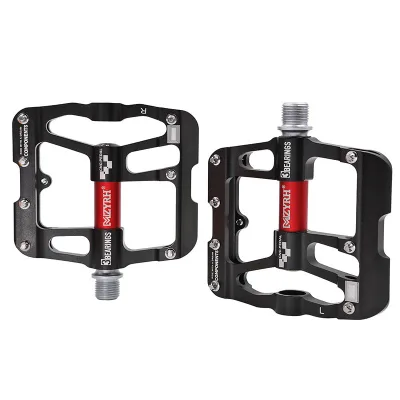
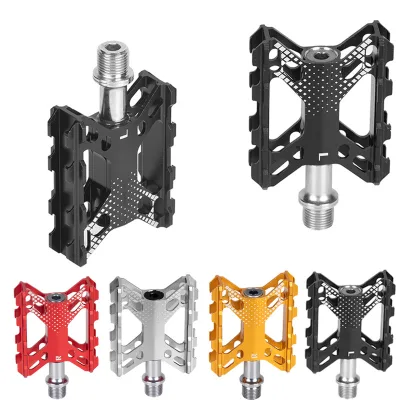
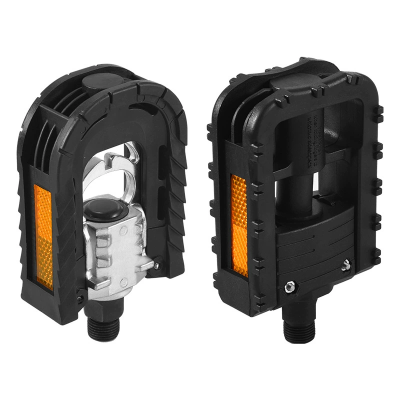
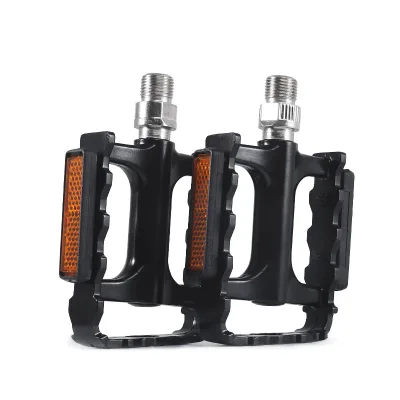
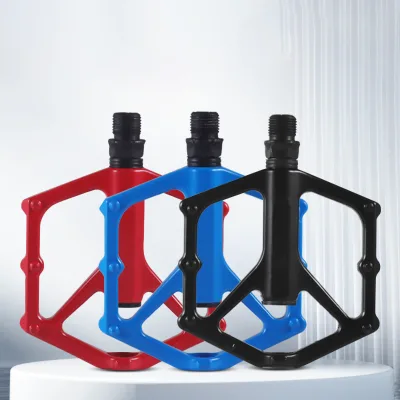
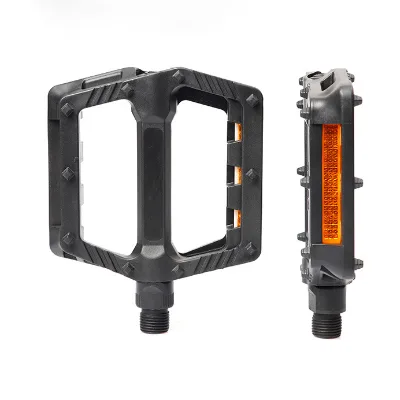
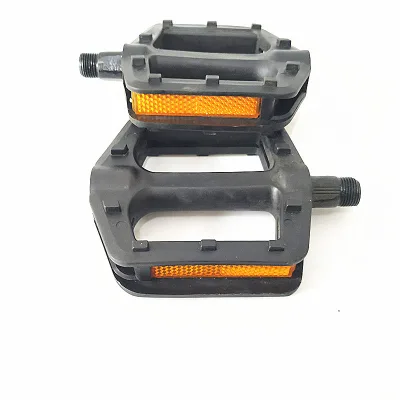


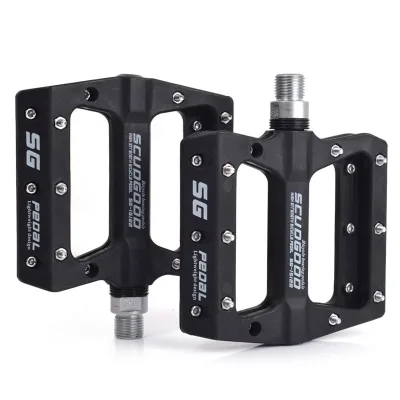
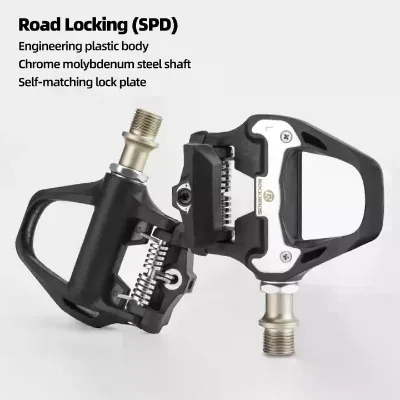
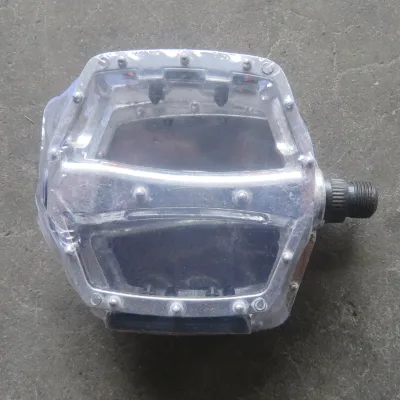


Comprehensive Sourcing Guide
Super Light Road Bike Pedal Sourcing Guide
Sourcing super light road bike pedals requires balancing weight reduction with structural integrity and reliable engagement. The market offers various options, from self-locking clipless systems to traditional pedals with foot covers. Buyers must carefully evaluate material choices, such as aluminum alloy or steel, as these directly impact the final weight and durability of the component. Understanding the specific pedal category is essential for aligning product selection with the intended riding style and performance requirements.
Procurement teams should focus on verifying the exact model numbers and dimensions provided by suppliers to ensure compatibility with existing bicycle frames and cranksets. Observed listings indicate a wide range of product names and specifications, including models like bprd2 and GFD-231. It is critical to confirm whether the pedal is designed for road bicycles, mountain bikes, or multi-purpose use, as this determines the appropriate cleat system and engagement mechanism for the end user.
Product Scope and Observed Listing Signals
The current market landscape for super light road bike pedals includes a diverse array of product types, ranging from ultralight aluminum alloy designs to durable steel options. Listings frequently highlight attributes such as self-locking mechanisms, clipless pedal types, and traditional pedals with foot covers. Buyers should note that product names vary significantly, with some suppliers using generic terms like "cycling pedal" while others specify detailed model identifiers. This variation necessitates careful review of product descriptions to avoid misinterpretation of the actual product features.
Observed data reveals a price range of 0.37 to 30.55 USD, with minimum order quantities (MOQs) varying between 2 and 1000 pieces. This wide disparity suggests a mix of sample orders, small batch productions, and large-scale manufacturing capabilities among suppliers. Buyers must distinguish between high-volume industrial suppliers and smaller workshops offering customized solutions. The presence of customization options, such as custom colors and packaging, indicates that many suppliers are flexible but may require higher MOQs to achieve cost-effective pricing for branded orders.
Technical Specifications to Verify
Verifying technical specifications is paramount when sourcing super light road bike pedals, particularly regarding material composition and weight. Aluminum alloy pedals are often marketed as ultralight, while steel pedals offer greater durability at a higher weight. Buyers should request detailed weight specifications, noting that observed listings mention weights around 300g, which may vary based on size and material. Confirming the exact dimensions, such as 120mm * 95mm * 30mm, ensures proper fitment and clearance with the bicycle frame and crank arms.
Compatibility with various bike types, including road bicycles, mountain bikes, and BMX, is another critical technical factor. Suppliers may list pedals as compatible with multiple bike types, but buyers must verify the specific cleat interface or foot retention system. For clipless pedals, confirming the standard interface is essential to ensure seamless integration with the rider's shoes. Additionally, checking the bearing type and quality is crucial for smooth rotation and long-term performance, as bearings are a key component in pedal efficiency and durability.
Compliance and Safety Documentation
Compliance and safety documentation are essential for ensuring that super light road bike pedals meet international quality and safety standards. Buyers should request certifications such as ISO, which indicates adherence to quality management systems. Although some listings mention specific certifications like ISOCE, buyers must verify the validity and scope of these certificates with the issuing body. Proper documentation helps mitigate risks associated with product liability and ensures that the pedals are safe for consumer use.
In addition to certifications, buyers should inquire about material safety and environmental compliance, especially if the pedals contain plastics or rubber components. Ensuring that materials are free from harmful substances is crucial for both consumer safety and regulatory compliance in various markets. Suppliers should provide material safety data sheets (MSDS) and test reports to substantiate their claims. This due diligence protects the buyer from potential legal issues and enhances the brand reputation by ensuring product safety and quality.
Cost Drivers and Commercial Terms
Cost drivers for super light road bike pedals include material costs, manufacturing complexity, and order volume. Aluminum alloy pedals are generally more expensive than steel counterparts due to the higher cost of raw materials and more complex machining processes. Buyers should consider the trade-off between weight savings and cost, as ultralight pedals often command a premium price. Understanding these cost drivers helps in budgeting and negotiating favorable terms with suppliers.
Commercial terms, such as MOQs and lead times, significantly impact the overall procurement cost. Lower MOQs may result in higher per-unit costs, while larger orders can leverage economies of scale. Buyers should negotiate clear payment terms and delivery schedules to avoid delays and additional costs. Additionally, considering customization options, such as branding and packaging, may incur extra fees. Transparent communication with suppliers regarding these terms ensures a smooth procurement process and accurate cost forecasting.
Supplier Qualification and Quality Control
Supplier qualification is a critical step in sourcing super light road bike pedals, requiring thorough vetting of potential partners. Buyers should assess suppliers based on their production capacity, quality control processes, and past performance. Visiting factories or requesting third-party audits can provide valuable insights into the supplier's capabilities and reliability. Ensuring that suppliers have robust quality control measures in place helps minimize the risk of receiving defective products.
Quality control should extend to incoming material inspections, in-process checks, and final product testing. Buyers should establish clear quality standards and inspection criteria, including visual checks, dimensional measurements, and functional tests. Implementing a sampling plan for incoming shipments allows for early detection of defects. Regular communication with suppliers regarding quality issues and continuous improvement initiatives fosters a collaborative relationship and ensures consistent product quality over time.
Long-Term Procurement Checks
Long-term procurement checks involve monitoring supplier performance and market trends to ensure ongoing value and reliability. Buyers should regularly review supplier metrics, such as on-time delivery rates, defect rates, and responsiveness to issues. Establishing key performance indicators (KPIs) helps in objectively evaluating supplier performance and identifying areas for improvement. Continuous monitoring allows buyers to address potential issues proactively and maintain a stable supply chain.
Staying informed about market trends, such as new materials, technologies, and competitor offerings, is essential for maintaining a competitive edge. Buyers should periodically reassess their sourcing strategy to identify opportunities for cost savings or product enhancements. Building strong relationships with multiple suppliers can provide flexibility and reduce dependency on a single source. Regularly updating procurement policies and procedures ensures that the sourcing process remains efficient and aligned with business objectives.
FAQs
What materials are used for super light road bike pedals?
Super light road bike pedals are typically constructed from aluminum alloy or steel. Aluminum alloy options provide ultralight performance for competitive cycling, while steel variants offer durability for general use. Some models also incorporate hard plastic or rubber components for specific applications like kids' bikes or traditional clipless designs, ensuring versatility across different riding styles and budgets.
Can super light road bike pedals be customized?
Yes, many manufacturers offer customization for super light road bike pedals. Buyers can request custom colors, such as burgundy or silver, and tailored packaging solutions. Custom model numbers and standards are also available to meet specific branding or technical requirements. This flexibility allows businesses to align product aesthetics and specifications with their target market preferences effectively.
What is the typical MOQ for these pedals?
The minimum order quantity for super light road bike pedals varies by supplier but often starts at 32 pieces. Some vendors may accept orders as low as 2 units, while others require up to 1000 pieces. Buyers should verify the specific MOQ with the manufacturer, as it depends on whether the product is a standard stock item or a customized order.
Where are super light road bike pedals manufactured?
Super light road bike pedals are primarily manufactured in China, with key production hubs in Beijing and Hebei province, including Xingtai. These regions are known for their robust bicycle component supply chains. Buyers sourcing from these locations can access a wide range of pedal types, from ultralight aluminum models to durable steel and plastic variants for various bicycle applications.
Which certifications apply to super light road bike pedals?
Certifications for super light road bike pedals may include ISO standards, such as ISOCE, depending on the manufacturer. These certifications ensure quality assurance and compliance with international manufacturing norms. Buyers should request specific certification documents from suppliers to verify that the pedals meet required safety and quality benchmarks for their intended market, ensuring product reliability and trust.
What types of bicycles are compatible with these pedals?
Super light road bike pedals are compatible with road bicycles, mountain bikes, BMX bikes, and ordinary bicycles. Some models are specifically designed for kids' bikes or traditional cycling needs. The versatility allows them to fit various pedal device categories, including self-locking, clipless, and traditional footcover pedals, making them suitable for diverse cycling environments and user preferences.