Roller Bike Bicycle Chain Suppliers and Manufacturers in China
Compare 16 verified suppliers of Roller Bike Bicycle Chain based on location, lead time, and certifications like ISO9001:2015. Review product specs such as chain size and material before requesting quotes; review the available evidence before requesting comparable quotations from suitable candidates.
Updated
Suppliers List

Hangzhou Vision Chain Transmission Co., Ltd.
- Verified by TUVRHEINLAND
- Combined
- China Zhejiang
- Lead time30 days
- Avg. response≤ 10h
Main productsRoller Chain, Sprocket, Pulley, Gear, Rack, Couplings, Taper Bush, Conveyor Chain, Lock, Transmission Parts
Main marketsDomestic

Xingtai Tianjiu Bicycle Parts Co., Ltd
- Verified by SGS
- Combined
- China Hebei
- Lead time30 days
- Avg. response≤ 4h
Main productsBicycle Parts, Bicycle, Bicycle Crank&Chainwheel, Bicycle Brake Sets, Saddle, Pedal, Bicycle Accessories, Bicycle Tire, Children Toy Vehicle, Bike Parts
Main marketsAfrica,Domestic,Europe


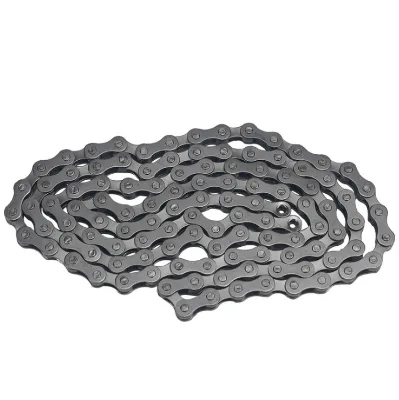
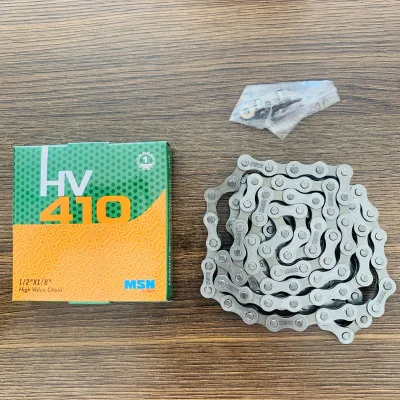
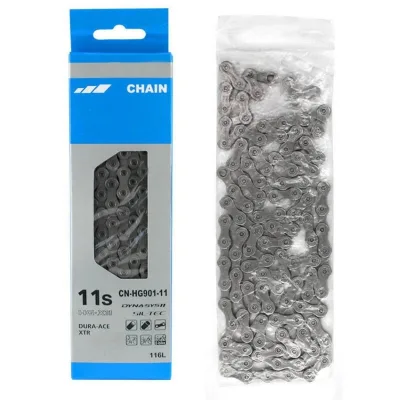
9 Speed Stainless Steel Roller Chain 116 Links Bicycle Mountain Bike Parts
$3.50 - $4.50
MOQ: 200 Pieces


Hangzhou Jiexiang Chain Co., Ltd.
- Trading Company,Manufacturer/Factory
- China Zhejiang
- Lead time0 days
- Avg. response≤ 10h
Main productsRoller Chain, Conveyor Chain, Agricultural Chain, Forged Chain, Leaf Chain, Overhead Conveyor Parts, Engineer Chain, Sprockets, Link Chain, Trolley
Main marketsSouth America,Eastern Europe,Southeast Asia,Eastern Asia

Hebei Hongchi Bicycles Co., Ltd
- Verified by BV
- Manufacturer
- China Hebei
- Lead time15 days
- Avg. response≤ 7h
Main productsChainwheel&Crank, Bicycle Parts, Bicycle Accessories, Children Bike, Children Toy, Scooter, Stroller, Electric Car, Saddle, Basket
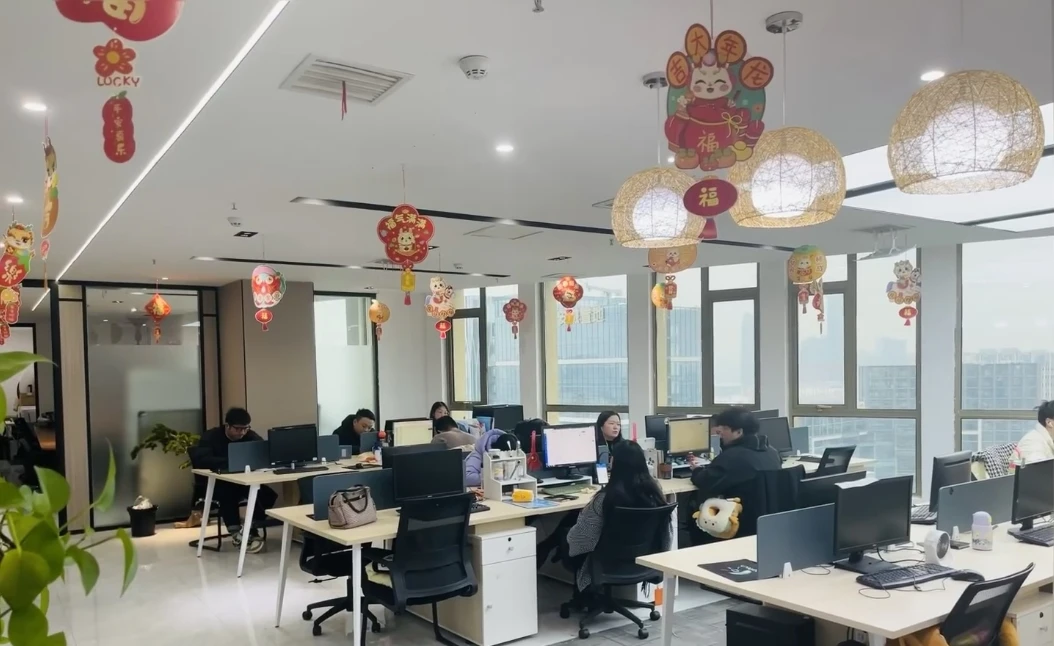
Guangzhou Xiongxing Trading Co.,Ltd
- Manufacturer, Trading Company, Buying Office
- Guangdong, China
- Lead time35 days
- Avg. response≤ 3h
Main productsCompressor,Storage Bag,Automotive Parts,bike acceaaories,Auto Parts
Main marketsNorth America(35.00%), Western Europe(15.00%), Northern Europe(15.00%), Central America(10.00%), Southern Europe(10.00%), Eastern Europe(8.00%), Africa(5.00%), South Asia(2.00%)
Hebei Gefeida Trading Co., Ltd.
- Verified by SGS Group
- Trading Company
- Lead time20 days
- Avg. response≤ 6h
Main productsBicycle, Bicycle Accessories, Kids Toy
Main marketsNorth America(12%), Eastern Europe(12%), Oceania(10%)
Hebei Perfite Trading Co., Ltd.
- Trading Company
- Hebei, China
- Lead time10 days
- Avg. response≤ 5h
Main productsBicycle accessories,bicycle part,Cycling glasses
Main marketsNorth America(60.00%), Eastern Europe(20.00%), South America(20.00%)
Hebei Haozun Trading Co., Ltd.
- Trading Company
- Hebei, China
- Lead time10 days
- Avg. response≤ 6h
Main productsMountain Bike, Bike Cassette, Bike Chain, Bike Tires, Shimano Parts
Main marketsWestern Europe(25.00%), North America(20.00%), South America(10.00%), Eastern Europe(10.00%), Mid East(10.00%), Oceania(7.00%), Southeast Asia(5.00%), Northern Europe(4.00%), Southern Europe(3.00%), Central America(3.00%), Africa(2.00%), Eastern Asia(1.00%)
Guangxi Bernee Trading Co., Ltd.
- Manufacturer, Trading Company
- Guangxi, China
- Lead time20 days
- Avg. response≤ 2h
Main productsmaking forks oem&odm,all bicycle parts selling,ebike parts selling,mtb bicycle selling,ebike selling
Main marketsEastern Europe(15.00%), Western Europe(15.00%), South Asia(10.00%), Northern Europe(10.00%), South America(10.00%), Domestic Market(5.00%), Africa(5.00%), Southern Europe(5.00%), Southeast Asia(5.00%), Central America(5.00%), North America(5.00%), Eastern Asia(5.00%), Mid East(5.00%), Oceania(5.00%)
Jinhua Haoqiang Chain Co., Ltd.
- Verified by TüVRheinland
- Manufacturer, Trading Company
- Lead time30 days
- Avg. response≤ 8h
Main productsChain, Sprocket, Chain Breaker, Shaft Coupling
Main marketsSoutheast Asia(70%), Africa(15%), Northern Europe(6%)
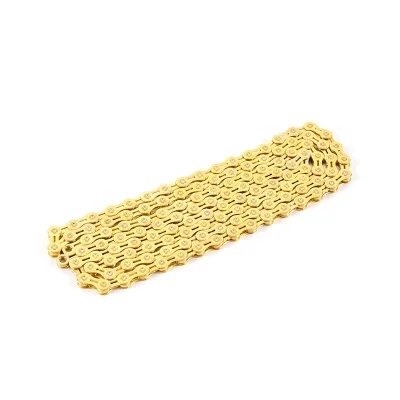
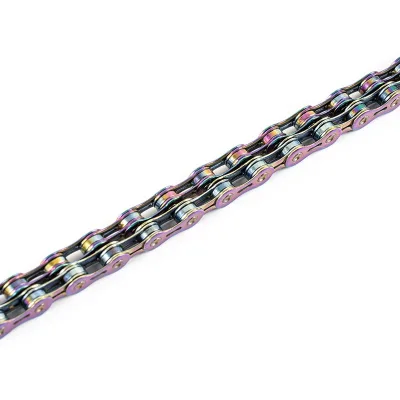
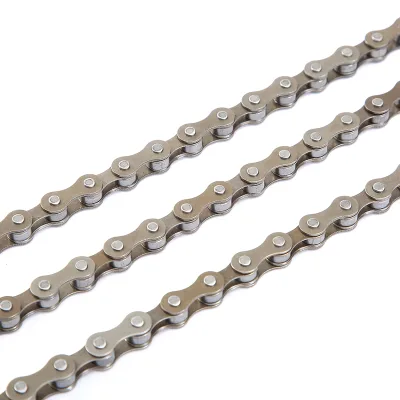
$6.58 - $6.88
MOQ: 10 meters
- Trading Company
- Zhejiang, China
- Lead time5 days
- Avg. response≤ 3h
Main productsBike parts,Cycling equipment,Yoga accessories,Sports wear,Indoor fitness
Main marketsNorth America(30.00%), Eastern Europe(20.00%), South America(20.00%), Northern Europe(10.00%), Southeast Asia(10.00%), South Asia(5.00%), Western Europe(5.00%)

Dongguan Enlee Outdoor Products Co., Ltd.
- Trading Company
- Gungdong, China
- Lead time15 days
- Avg. response≤ 8h
Main productsBicycle parts,Cycling equipment,Bicycle repair tools,Bicycle Accessories,Mountain Bikes
Main marketsSouth Asia(10.00%), Africa(10.00%), Southeast Asia(10.00%), Central America(10.00%), Eastern Asia(10.00%), North America(10.00%), Domestic Market(5.00%), Oceania(5.00%), Southern Europe(5.00%), Northern Europe(5.00%), Eastern Europe(5.00%), Western Europe(5.00%), South America(5.00%), Mid East(5.00%)

Changzhou HITEK Electronics Co., Ltd.
- Combined
- China Jiangsu
- Lead time30 days
- Avg. response≤ 24h
Main productsHDMI Cable, Connector, Antenna, RCA Cable, DVI Cable, AV Cable, Vedio Cable, Audio Cable, USB Cable, Network Cable
Main marketsDomestic


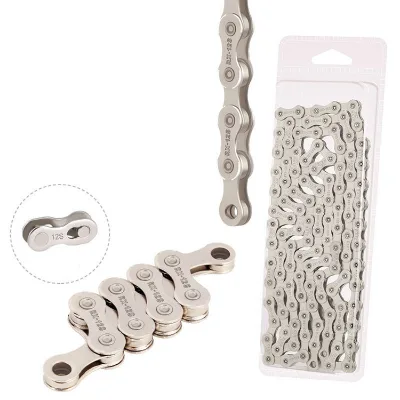
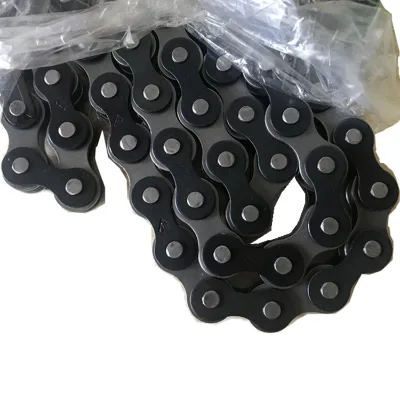
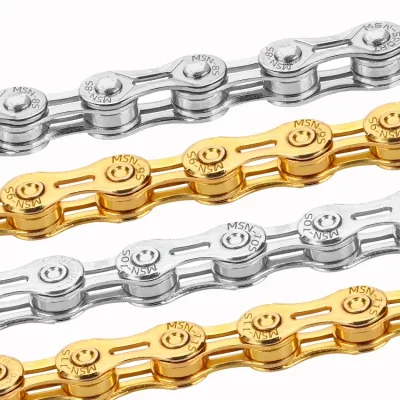
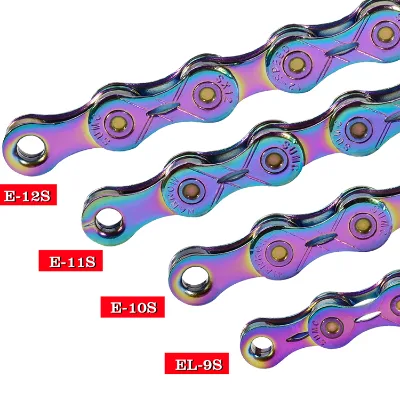
Custom Firm and Resilient Bicycle Transmission Roller Drag Hollow Pin Chain
$10.00 - $20.00
MOQ: 1 Pieces

Custom Exquisitely Shiny Bicycle Transmission Roller Drag Hollow Pin Chain
$10.00 - $20.00
MOQ: 1 Pieces
Guangzhou Hongyun Feifan Sports Equipment Co., Ltd.
- Verified by TüVRheinland
- Manufacturer, Trading Company
- Lead time7 days
- Avg. response≤ 3h
Main productsBicycle Handlebar, Bicycle Stem, Bicycle Seat Tube, Bicycle Pedal, Bicycle Saddle
Main marketsSoutheast Asia(20%), North America(15%), South America(15%)
Yiwu Each Outdoor Products Co., Ltd.
- Trading Company
- Zhejiang, China
- Lead time10 days
- Avg. response≤ 4h
Main productsbicycle saddle,bicycle stand,bicycle light,bicycle bell,bicycle cleaning sets
Main marketsAfrica(20.00%), Mid East(15.00%), Southeast Asia(10.00%), North America(10.00%), Domestic Market(5.00%), Southern Europe(5.00%), Western Europe(5.00%), Eastern Asia(5.00%), South America(5.00%), Oceania(5.00%), Eastern Europe(5.00%), Northern Europe(3.00%), South Asia(3.00%), Central America(3.00%)

Shandong Licheng Link Chain Co., Ltd.
- Verified by TUVRHEINLAND
- Trading Company
- China Shandong
- Lead time15 days
- Avg. response≤ 4h
Main productsLink Chain, Shackle, Wire Rope Clips, Hook, Turnbuckle, Wire Rope, Aluminum Sleeves, Thimble, Eye Bolt, Anchor Chain
Main marketsSouth America,East Asia(Japan/ South Korea),Europe


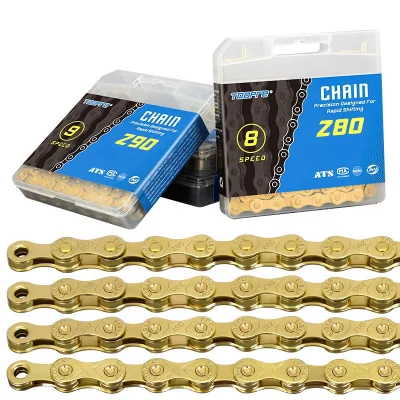
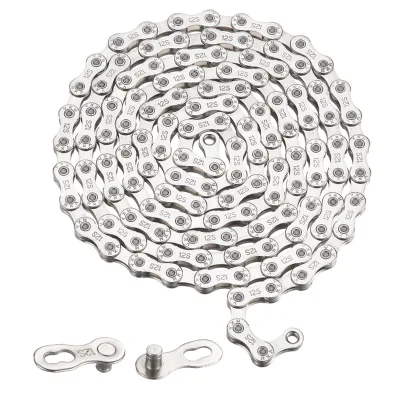
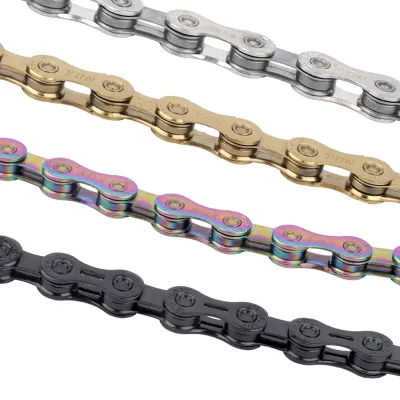
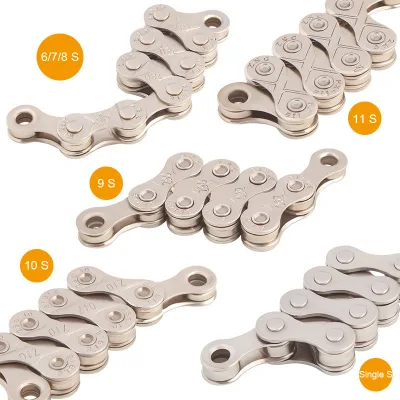


Comprehensive Sourcing Guide
Roller Bike Bicycle Chain Supplier Concentration and Factory Types
The current supplier landscape for roller bike bicycle chains reveals a distinct geographic concentration in China, specifically within the provinces of Zhejiang and Hebei. These regions serve as primary manufacturing hubs, with suppliers in Zhejiang often operating as combined entities that blend trading and manufacturing capabilities. In contrast, suppliers located in Hebei frequently specialize in bicycle parts and accessories, offering a broader range of components beyond just chains. This geographic clustering allows buyers to source from established industrial zones where supply chains for raw materials like carbon steel and stainless steel are readily available. Understanding these regional distinctions helps in identifying whether a supplier is a dedicated factory or a trading company, which directly impacts pricing structures and communication efficiency.
Factory types vary significantly across these locations, influencing the scope of services offered. Some suppliers are identified as combined companies, capable of handling both production and export logistics, while others operate strictly as trading companies or manufacturer/factory hybrids. The presence of ODM (Original Design Manufacturing) and OEM (Original Equipment Manufacturing) capabilities indicates that many factories in these regions are equipped to handle custom specifications. Buyers should note that while some suppliers list main products broadly, including sprockets and gears, others focus intensely on transmission parts and bicycle chains. This specialization often correlates with higher quality control standards and more consistent product availability, making it crucial to verify the actual manufacturing capacity rather than relying solely on the company type label.
How to Verify Roller Bike Bicycle Chain Suppliers
Verification is a critical step in ensuring the reliability of suppliers offering roller bike bicycle chains. Buyers should prioritize suppliers who have undergone third-party verification processes, such as those conducted by TÜV Rheinland or SGS. These verifications provide an additional layer of confidence regarding the supplier’s business legitimacy and operational stability. For instance, some suppliers display TÜV Rheinland verification, while others may have SGS credentials. It is essential to check the current status of these verifications, as they are not permanent and require regular renewal. Additionally, looking for system certifications like ISO9001:2015 or ISO 9000 can indicate a supplier’s commitment to quality management systems. These certifications are particularly important for buyers who require consistent product quality and standardized manufacturing processes.
Beyond certifications, buyers should assess the supplier’s responsiveness and transparency. Response times can serve as an indicator of the supplier’s operational efficiency and customer service quality. Suppliers with faster response times, such as those averaging under four hours, may be more agile in addressing inquiries and resolving issues. However, response time alone is not a definitive measure of reliability. Buyers should also look for clear communication regarding product specifications, such as chain size, material, and surface treatment. For example, some suppliers offer chains with specific attributes like heat resistance or electroplating, which should be clearly documented. Verifying these details through direct communication or by requesting product samples can help ensure that the supplier’s claims align with actual product capabilities.
What to Compare Across Roller Bike Bicycle Chain Suppliers
When evaluating multiple suppliers, buyers should compare key operational metrics such as lead times, minimum order quantities (MOQs), and pricing structures. Lead times can vary significantly, with some suppliers offering delivery within seven to fifteen days, while others may have longer production cycles. Understanding these timelines is crucial for inventory planning and meeting customer demand. MOQs also differ, ranging from as low as one piece for sample orders to several hundred pieces for bulk production. Buyers should align their order quantities with the supplier’s MOQ requirements to avoid unnecessary costs or delays. Additionally, comparing prices across suppliers can help identify competitive rates, but buyers should ensure that price comparisons are based on equivalent product specifications and quality levels.
Another important factor to compare is the range of products and customization options offered. Some suppliers provide a wide array of chain types, including roller chains, conveyor chains, and transmission parts, while others may specialize in specific bicycle chains. Customization availability is another key differentiator, with some suppliers offering tailored solutions for chain size, material, and surface treatment. Buyers should also consider the supplier’s main product focus, as those specializing in bicycle parts may have deeper expertise in this niche. Furthermore, comparing the supplier’s export markets and packing methods can provide insights into their logistical capabilities and attention to detail. By systematically comparing these attributes, buyers can select suppliers that best match their specific sourcing needs and operational requirements.
Common Roller Bike Bicycle Chain Sourcing Risks
One of the primary risks in sourcing roller bike bicycle chains is the potential for quality inconsistencies, particularly when dealing with suppliers who offer a wide range of products. Some suppliers may list diverse main products, including bicycle parts, tires, and accessories, which could indicate a lack of specialized focus on chains. This broad product range may lead to variations in quality control standards and manufacturing expertise. Buyers should be cautious of suppliers who do not clearly specify the material composition, such as carbon steel or stainless steel, or those who lack detailed product attributes. Ensuring that the supplier provides clear specifications for chain size, structure, and usage is essential to avoid receiving products that do not meet the required standards.
Another significant risk is the discrepancy between advertised lead times and actual delivery performance. While some suppliers claim short lead times, such as seven to fifteen days, others may have longer production cycles or face delays due to capacity constraints. Buyers should verify the supplier’s actual lead times by requesting historical data or references from previous clients. Additionally, the risk of non-compliance with international standards or certifications cannot be overlooked. Suppliers claiming certifications like ISO or CE should be verified to ensure these credentials are current and valid. Buyers should also be aware of potential issues with surface treatments, such as electroplating or polishing, which may affect the chain’s durability and appearance. Mitigating these risks requires thorough due diligence and clear communication with suppliers.
Roller Bike Bicycle Chain Regional Sourcing and Logistics
Sourcing roller bike bicycle chains from specific regions in China, such as Zhejiang and Hebei, offers logistical advantages due to the concentration of manufacturing facilities and supply chain infrastructure. Suppliers in these regions are often well-equipped to handle international shipping, with established relationships with freight forwarders and logistics providers. Buyers should consider the proximity of the supplier to major ports, as this can impact shipping costs and transit times. For instance, suppliers in Zhejiang may have easier access to Ningbo Port, while those in Hebei might utilize Tianjin Port. Understanding these logistical nuances can help buyers optimize their supply chain and reduce overall procurement costs.
Additionally, regional sourcing can influence the availability of raw materials and components, which in turn affects production efficiency and cost. Suppliers in manufacturing hubs often benefit from economies of scale and access to specialized suppliers for parts like sprockets and gears. Buyers should also consider the impact of regional trade policies and tariffs on their sourcing strategy. For example, changes in import duties or trade agreements between China and the buyer’s country can affect the final cost of goods. By carefully evaluating the logistical and regulatory landscape of each region, buyers can make informed decisions that balance cost, quality, and delivery speed. This holistic approach ensures that the sourcing strategy aligns with the buyer’s broader business objectives.
Roller Bike Bicycle Chain Commercial Terms and Order Planning
Commercial terms play a crucial role in the procurement process, influencing everything from pricing to payment security. Buyers should carefully review the supplier’s pricing structure, including any discounts for bulk orders or long-term contracts. Some suppliers offer competitive pricing for standard products, while others may charge premiums for customized chains or specialized materials. It is essential to clarify whether the quoted prices include shipping, taxes, and other fees to avoid unexpected costs. Additionally, buyers should negotiate favorable payment terms, such as escrow services or letters of credit, to mitigate financial risks. These terms provide a layer of protection for both parties, ensuring that payments are released only upon satisfactory delivery of goods.
Order planning is another critical aspect of successful sourcing, requiring careful coordination with the supplier to align production schedules with demand forecasts. Buyers should establish clear communication channels to discuss order quantities, delivery timelines, and any custom requirements. Regular updates on production progress can help identify potential delays or issues early, allowing for timely adjustments. Furthermore, buyers should consider the supplier’s capacity to handle peak demand periods, especially if they plan to place large or recurring orders. By integrating commercial terms and order planning into a cohesive strategy, buyers can build a resilient supply chain that supports their business growth and customer satisfaction. This proactive approach minimizes disruptions and enhances overall operational efficiency.
FAQs
What is the minimum order quantity for roller bike chains?
The minimum order quantity varies by supplier and product type. Some manufacturers offer a low MOQ of just one piece for sample orders or small batches. Others require a minimum of 200 or 500 pieces for standard production runs. Buyers should check specific product listings to confirm the exact MOQ applicable to their order size and customization needs.
How long does delivery typically take for bicycle chains?
Delivery times depend on the supplier and order volume. Some suppliers offer fast delivery within seven to fifteen days for standard items. Others may have a lead time of thirty days for larger production orders. Certain manufacturers list zero lead time, indicating immediate availability. Buyers should verify the specific delivery schedule with the supplier before placing an order.
What certifications are available for bicycle roller chains?
Suppliers offer various certifications to ensure quality and compliance. Common certifications include ISO9001:2015 for quality management systems. Some products carry BSCI and CE marks for safety and ethical standards. Others may have ISOCE certification. Buyers should verify the specific certification requirements for their market and request valid certificates from the supplier during the sourcing process.
Where are these bicycle chain suppliers located?
Manufacturers are primarily located in China. Key production hubs include Zhejiang and Hebei provinces. Zhejiang suppliers often specialize in transmission parts and roller chains. Hebei suppliers focus on bicycle parts and accessories. Buyers can filter suppliers by these locations to find manufacturers closer to their preferred logistics routes or regional supply chains.
What materials are used for bicycle roller chains?
Bicycle chains are made from various materials to suit different needs. Common materials include alloy steel, carbon steel, and stainless steel. Alloy chains offer a balance of strength and weight. Carbon steel is durable and cost-effective. Stainless steel provides corrosion resistance. Buyers should select the material based on their specific application, such as road biking, mountain biking, or industrial use.
What is the price range for roller bike chains?
Prices vary based on material, specifications, and order quantity. Basic chains can start as low as one dollar per piece. Higher quality or specialized chains may cost between three and five dollars. Some suppliers list prices around zero point seven to zero point eight dollars for standard models. Buyers should request quotes for their specific quantity to get accurate pricing.
Can suppliers customize bicycle chains for specific brands?
Many suppliers offer customization services for bicycle chains. Buyers can often request custom logos, colors, and packaging. Some manufacturers support OEM and ODM services. Customization options may include specific chain sizes, materials, and surface treatments like electroplating or polishing. Buyers should confirm customization availability and any associated costs or minimum order requirements with the supplier.