48v li-ion electric bike battery with bms Suppliers and Manufacturers
Explore 28 verified suppliers offering 48v li-ion electric bike battery with bms solutions from China Guangdong. Compare response times, lead times, certifications, and pricing to find the right factory for your needs. Contact suppliers directly to request quotes; review the available evidence before requesting comparable quotations from suitable candidates.
Updated
Suppliers List

Shenzhen Li-ion Battery Bodyguard Technology Co., Limited
- Verified by BV
- Combined
- China Guangdong
- Lead time23 days
- Avg. response≤ 5h
Main productsLiFePO4/ Li-ion BMS PCB, PCM BMS for Lithuim/ Li-ion Battery Pack, Battery Management System, PCM BMS for Li-Polymer, PCM BMS for LiFePO4 Battery Pack, Lithium Battery Pack, LiFePO4 Battery Pack, Li-ion /LiFePO4 Charger, Battery Protection Circuit Board, 18650 Battery Holder
Main marketsSouth America,Africa,Southeast Asia/ Mideast,East Asia(Japan/ South Korea),Europe,Australia,North America

SHENZHEN BATTERYBUILDING INDUSTRY CO., LIMITED
- Verified by BV
- Manufacturer/Factory
- China Guangdong
- Lead time23 days
- Avg. response≤ 14h
Main productsLiFePO4 Battery, Lithium Battery, Electric Bike Battery, Electric Skate Battery, Jump Start Battery, Electric Tool Battery, Lithium Polymer Battery, Solar Panel Battery, BMS, Charger
Main marketsSouth America,Eastern Europe,Mid East,North America,Southeast Asia,Eastern Asia,Oceania,Western Europe,Africa


Lithium Battery Pack with Bluetooth BMS 48V 10.4ah for Electric Bicycle Ebike
$130.00 - $190.00
MOQ: 10 Pieces

SHENZHEN SMARTEC TECHNOLOGY CO., LTD.
- Verified by BV
- Combined
- China Guangdong
- Lead time23 days
- Avg. response≤ 3h
Main productsBattery Manage System, Protection Circuit Module, Home Storage Batteries, BMS, PCM, Customized Lithium Batteries, Customized Li-ion Battery Pack, LiFePO4 Battery Pack, Battery BMS, Golf Cart Battery
Main marketsSouth America,Africa,Southeast Asia/ Mideast,East Asia(Japan/ South Korea),Europe,Australia,North America


48V 20ah LiFePO4 Li-ion Battery Pack for Electric Bicycle/Bike/Motorbike with BMS
$260.00 - $500.00
MOQ: 1 Pieces

Customized 48V 20ah Ebike Lithium Ion Battery Pack for Electric Scooter and Motorcycle with BMS
$260.00 - $500.00
MOQ: 1 Pieces

Shenzhen Outputs Power Co., Ltd.
- Verified by SGS
- Trading Company
- China Guangdong
- Lead time30 days
- Avg. response≤ 2h
Main productsEnergy Storage Battery, Lipo Battery Pack, Li-ion Battery Pack, Cylindrical Cell Battery Pack, Home Energy Storage System, All-in-One Ess, Balcony Energy Storage System, LiFePO4 Battery Pack
Main marketsDomestic


$1.00 - $5.00
MOQ: 100 Pieces

OEM Custom Ebike Battery Pack 36V 48V 52V 60V 72V with BMS for Electric Bike Scooter
$1.00 - $5.00
MOQ: 100 Pieces

$1.00 - $5.00
MOQ: 100 Pieces
Golden Way Intelligent Technology (hangzhou) Co., Ltd.
- Manufacturer, Trading Company
- Zhejiang, China
- Lead time25 days
- Avg. response≤ 8h
Main productse bike conversion kit,e bike battery,e battery motor,e bike spare parts,electric bicycle
Main marketsWestern Europe(30.00%), North America(20.00%), Northern Europe(15.00%), Mid East(10.00%), Central America(8.00%), South America(8.00%), Eastern Europe(5.00%), Domestic Market(4.00%)
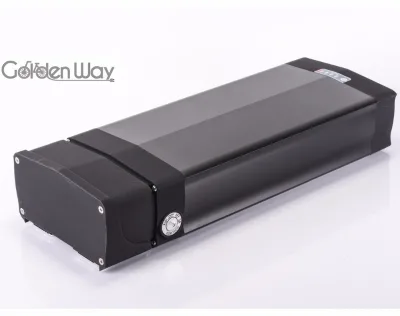
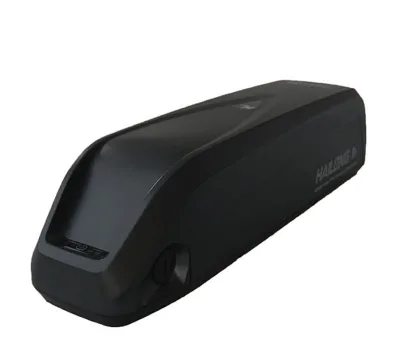
Hot Sale Electric Bicycle Battery, 48 Volt Electric Bicycle Battery
$160.00 - $260.00
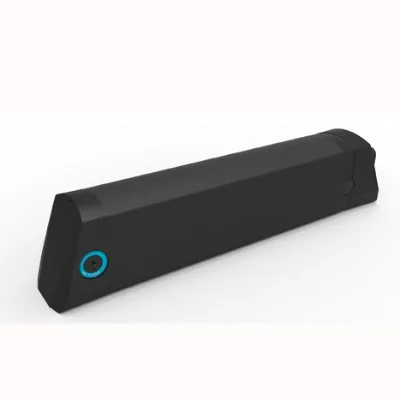
Japan OEM Factory Down Tube 17ah Batteries E Bike,48v E Bike Battery,48 Volt Ebike Battery
$199.00 - $280.00
MOQ: 2 sets
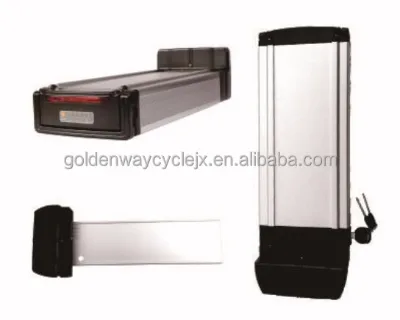
Lithium Ion Battery Pack 48V 20Ah Rear Rack Type for Ebike
$149.00 - $349.00
Shenzhen Hongxinda New Energy Co., Ltd.
- Verified by Intertek
- Manufacturer, Trading Company
- Lead time15 days
- Avg. response≤ 5h
Main productsLithium Ion Battery, LiFePO4 Battery, Electric Bicycle Battery, Energy Storage Battery
Main marketsDomestic Market(25%), South America(20%), Southeast Asia(20%)
Dongguan Hangdian New Energy Technology Co., Ltd.
- Verified by SGS Group
- Manufacturer, Trading Company
- Lead time14 days
- Avg. response≤ 7h
Main productsCylindrical Cell, Lithium Battery Pack, E-bike Battery, Lifepo4 Battery, Polymer Lithium Battery
Main marketsNorth America(20%), Domestic Market(20%), South America(10%)
Shenzhen Xinruihang Technology Co., Ltd.
- Manufacturer, Trading Company
- Guangdong, China
- Lead time7 days
- Avg. response≤ 3h
Main products18650 battery,21700 battery,battery pack,ebike battery,battery charger
Main marketsWestern Europe(10.00%), Central America(10.00%), Southern Europe(10.00%), Africa(10.00%), Northern Europe(10.00%), Eastern Europe(10.00%), South America(10.00%), North America(10.00%), South Asia(8.00%), Mid East(5.00%), Southeast Asia(5.00%), Eastern Asia(2.00%)
Dongguan Bobes New Energy Technology Co., Ltd.
- Verified by SGS Group
- Manufacturer, Trading Company
- Lead time25 days
- Avg. response≤ 2h
Main productsLithium - ion battery pack, Lithium - ion battery for wheelchair, Lithium - ion battery for AGV AMR, Lithium - ion battery for motorcycle, Energy - storage lithium - ion battery
Main marketsNorth America(25%), Western Europe(20%), Oceania(10%)
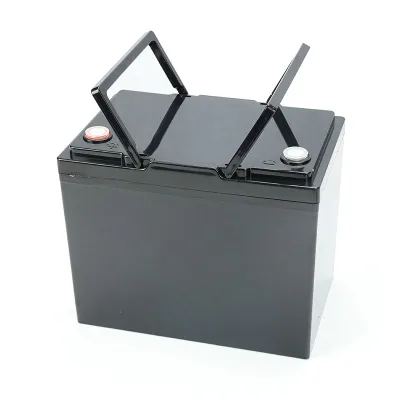
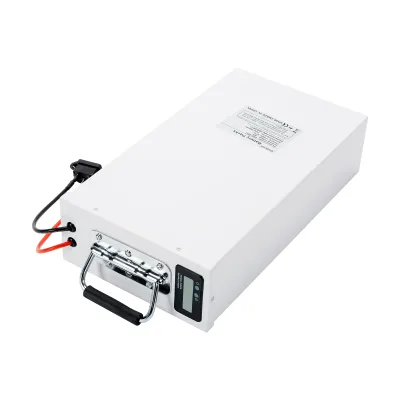
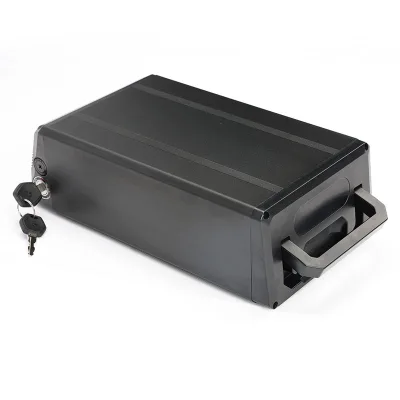
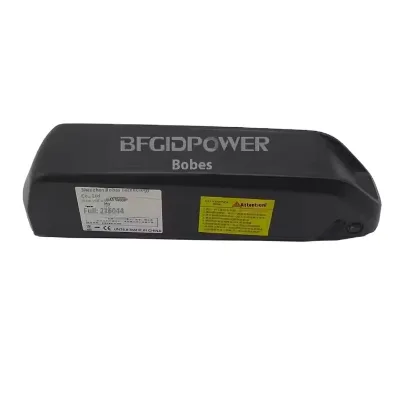
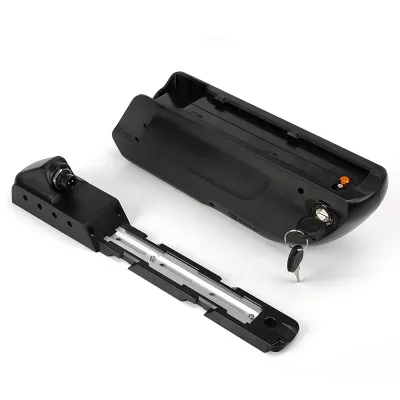
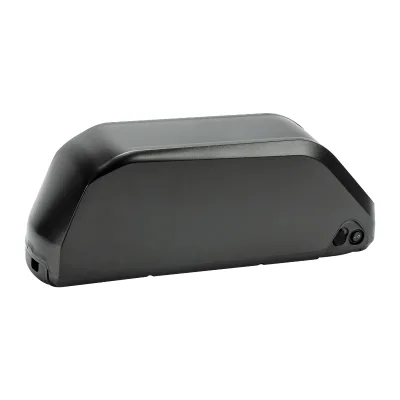
$107.7332 - $117.993
MOQ: 2 pieces

- Verified by TUVRHEINLAND
- Combined
- China Guangdong
- Lead time30 days
- Avg. response≤ 5h
Main productsLiFePO4 Battery, Li-ion Battery, Solar Energy Storage Battery, RV/Electric Vehicle Battery, Solar Battery, Customized Battery Pack, UPS Battery, Solar Street Light Battery, Battery Pack, Motorcycle Battery
Main marketsDomestic,Europe

Power Supply Rechargeable 24V Ebike Lithium Ion Battery with Smart BMS
$140.00 - $155.00
MOQ: 10 Pieces

Electric Bike Battery 48V 28ah Lithium Battery 48V 28ah Lithium Battery for Electric Vehicles
$249.00 - $499.00
MOQ: 10 Pieces
Shenzhen Kamcy New Energy Products Co., LTD.
- Manufacturer
- Guangdong, China
- Lead time15 days
- Avg. response≤ 7h
Main productsCylinder Lithium Battery Cell and Pack,Small Vehicle Power Battery,Lifepo4 Battery Cell and Pack,Energy Storage System,Li Polymer Battery Cell and Pack
Main marketsDomestic Market(88.00%), North America(4.00%), Southeast Asia(2.00%), Western Europe(2.00%), Southern Europe(2.00%), Northern Europe(1.00%), Eastern Asia(1.00%)

Henan Cns Energy Technology Co., Ltd.
- Verified by BV
- Manufacturer/Factory
- China Henan
- Lead time23 days
- Avg. response≤ 3h
Main productsElectric Scooter Battery, Li Ion Battery, LiFePO4 Battery, Electric Vehicle Battery, Baterry Pack, Battery Module, Home Storage Battery, 18650 Battery, 21700 Battery, Prismatic Battery
Main marketsSouth America,Eastern Europe,Mid East,North America,Southeast Asia,Eastern Asia,Oceania,Western Europe,Africa

Lithium Battery Pack 48V18ah Electric Bicycle Moped Battery with BMS Protection
$82.80 - $223.50
MOQ: 500 Pieces

60V 20ah Rechargeable BMS Protection Electric Bicycle Motorcycle Lithium Li Ion Battery
$272.00 - $337.00
MOQ: 10 Pieces

48V 35ah E-Bike Rechargeable Li-ion Battery Pack Electric Motorcycle Lithium Battery
$345.00 - $426.50
MOQ: 10 Pieces

13s6p 48V 15ah Rechargeable Electric Bicycle Li-ion Pack E-Bike Battery
$91.36 - $103.30
MOQ: 200 Pieces

Cns 48V21ah Battery Electric Bicycle Mountain Bike Electric Vehicle Lithium Battery
$92.70 - $427.30
MOQ: 500 Pieces

Lithium Battery 48V 18ah Electric Bike Battery Electronics Motorbike Pedal Electric Vehicle Battery
$72.58 - $142.00
MOQ: 500 Pieces

- Trading Company
- China Guangdong
- Lead time15 days
- Avg. response≤ 18h
Main productsCustom Battery Packs, Electric Bike Battery, LiFePO4 Battery Packs, LiFePO4 Battery Cells, Custom Polymer Battery, Cylindrical Battery Cells, Gpon ONU, Xpon Ont, Gpon Olt, Fiber Opitic Equipment
Main marketsDomestic

Huzhou Younuo New Energy Sales Co., Ltd
- Trading Company,Manufacturer/Factory,Group Corporation
- China Zhejiang
- Lead time15 days
- Avg. response≤ 7h
Main productsBattery, Lead-Acid Battery, Lithium Battery, Electric Motorcycle, Bicycle; Cycling, Energy Storage Battery
Main marketsSouth America,Eastern Europe,Mid East,North America,Southeast Asia,Eastern Asia,Oceania,Western Europe,Africa
Dongguan Junda New Energy Tech. Co., Ltd.
- Manufacturer
- Guangdong, China
- Lead time15 days
- Avg. response≤ 2h
Main productsLithium Ion Battery Pack,E-bike Lithium Battery,Energy Storage Lithium Battery,Industrial & AGV Robot Lithium Battery,Special Vehicle & Drone Lithium Battery
Main marketsNorth America(25.00%), Western Europe(15.00%), Eastern Asia(10.00%), Eastern Europe(10.00%), Southern Europe(10.00%), Northern Europe(10.00%), Central America(10.00%), South Asia(3.00%), South America(2.00%), Mid East(1.00%), Domestic Market(1.00%), Oceania(1.00%), Africa(1.00%), Southeast Asia(1.00%)

Shenzhen Eastar Battery Co., Ltd.
- Combined
- China Guangdong
- Lead time15 days
- Avg. response≤ 4h
Main productsLiFePO4 Battery, Lithium Ion Batteries, Lithium-Ion Battery, Energy Storage Battery, LiFePO4 Battery Cell, 18650 Battery, Battery, Li-ion Battery, LiFePO4 Battery Pack, Lithium Battery
Main marketsAfrica,Southeast Asia/ Mideast,North America

Ce Certification 48V 14ah Electric Bike Battery Li Ion Lithium Battery with Charger
$199.00
MOQ: 1000 Pieces


Shenzhen Lian Pai Yuan Technology Co., Ltd.
- Verified by TüVRheinland
- Manufacturer, Trading Company
- Lead time10 days
- Avg. response≤ 4h
Main productsLithium Ion Battery, Electric Bicycle Battery, Ebike Battery, Battery Pack
Main marketsNorth America(30%), Western Europe(30%), Oceania(8%)
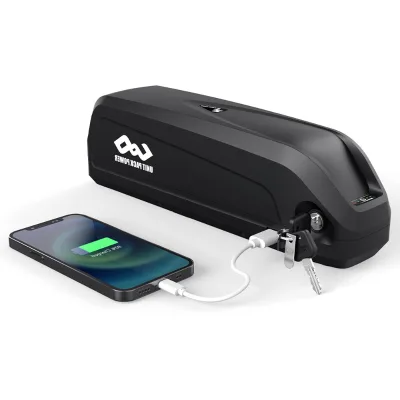
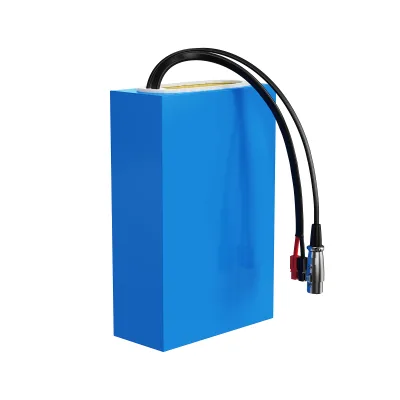
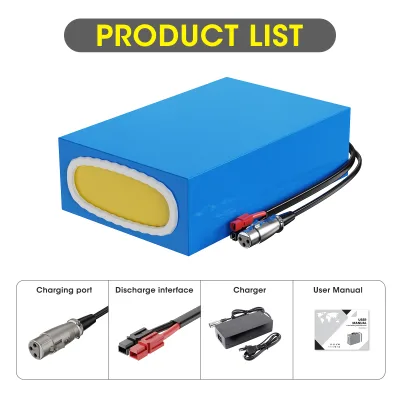
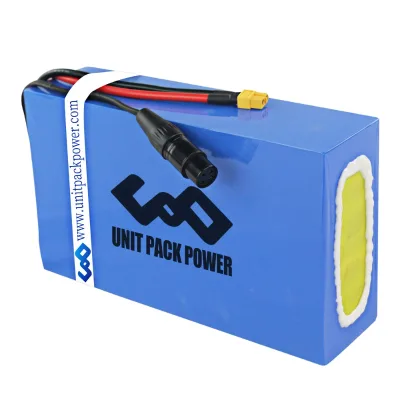
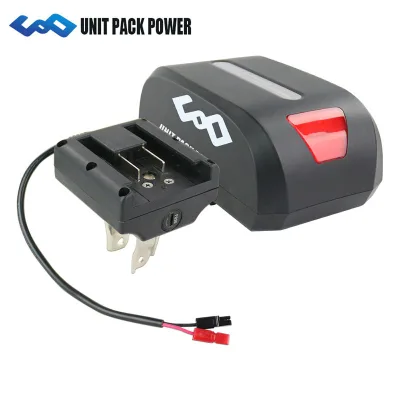
High Quality 18650 Lithium Ion E Bike 36V Seat Mounted Rear Position Electric Bicycle Ebike Battery
$168.00 - $228.00
MOQ: 1 packs
Hainan Dingwei Energy Technology Co., Ltd.
- Trading Company
- Hainan, China
- Lead time30 days
- Avg. response≤ 2h
Main productsBattery
Main marketsEastern Europe(15.00%), Southeast Asia(13.00%), South Asia(12.00%), North America(12.00%), Western Europe(12.00%), Africa(11.00%), South America(8.00%), Mid East(6.00%), Northern Europe(5.00%), Southern Europe(3.00%), Eastern Asia(3.00%)
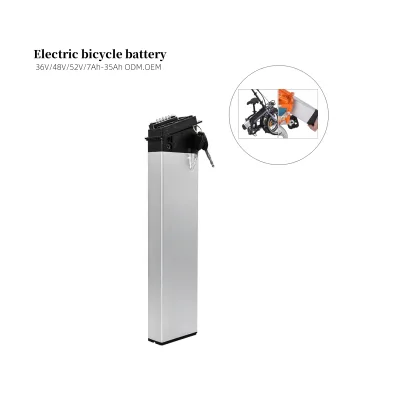
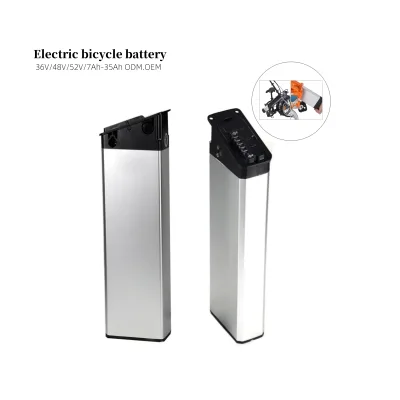
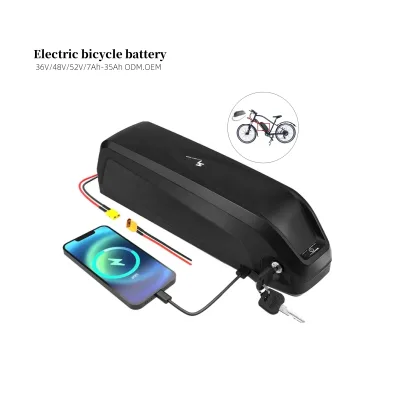
$98.88 - $256.88
MOQ: 2 Minimum
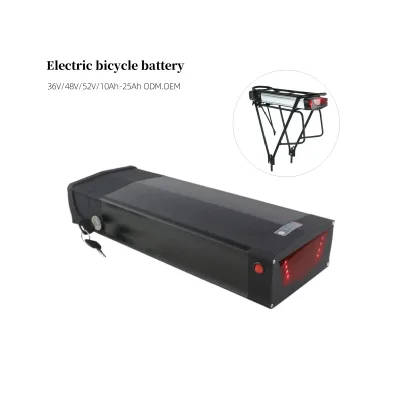
$135.88 - $188.88
MOQ: 1 pieces
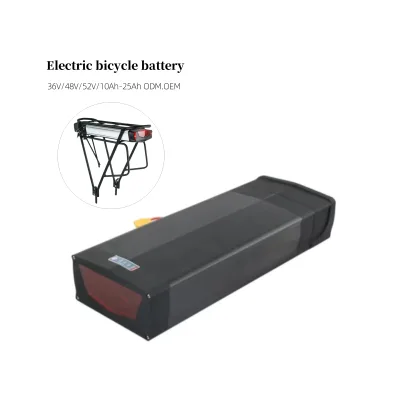
$139.8967 - $194.4644
MOQ: 1 pieces
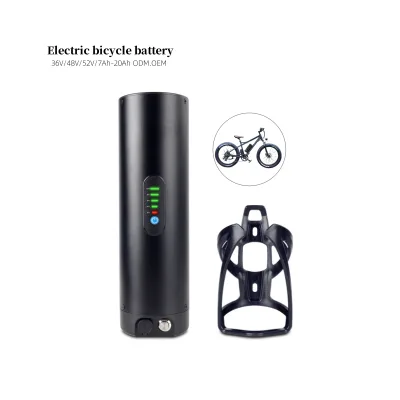
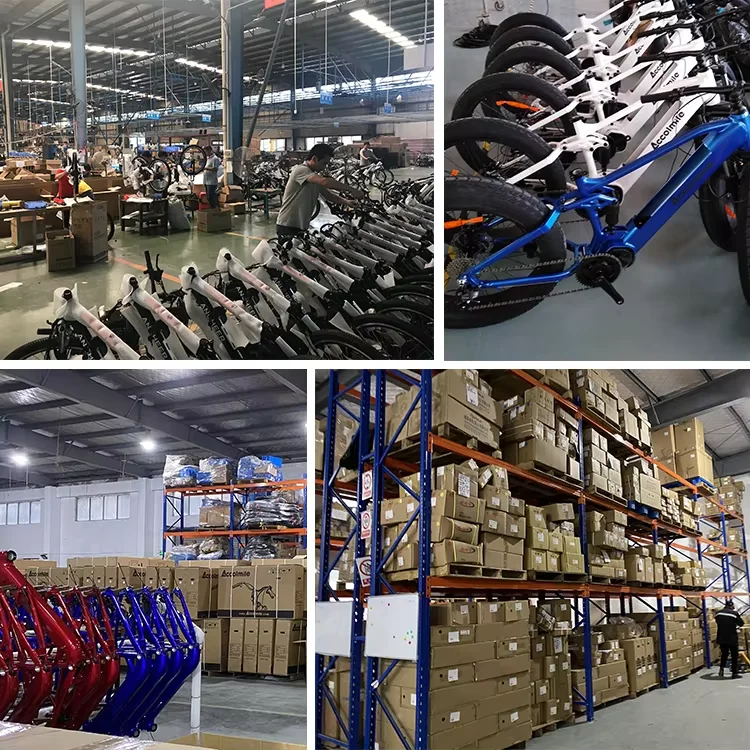
Dongguan Lvsheng Vehicle Co., Ltd.
- Manufacturer, Trading Company
- Guangdong, China
- Lead time0 days
- Avg. response≤ 4h
Main productsBafang Kit,Electric Bike,Ebike Conversion Kit,Ebike Battery,Electric Bicycle Parts
Main marketsWestern Europe(30.00%), North America(20.00%), Northern Europe(10.00%), Domestic Market(10.00%), Southern Europe(10.00%), Eastern Europe(10.00%), Oceania(5.00%), Southeast Asia(5.00%)

Guangzhou Shiyang Energy Technology Co., Ltd.
- Verified by TUVRHEINLAND
- Manufacturer/Factory
- China Guangdong
- Lead time45 days
- Avg. response≤ 8h
Main productsEnergy Storage, Battery Pack, Portable Power Station, Solar Battery, Lithium Battery Pack
Main marketsSouth America,Eastern Europe,North America
Shenzhen Macroener Technology Co., Ltd.
- Verified by Intertek
- Manufacturer, Trading Company
- Lead time10 days
- Avg. response≤ 1h
Main productsElectric Bicycle Battery, Portable Power Stations, Customized Battery Pack
Main marketsNorth America(30%), Southeast Asia(10%), Eastern Asia(10%)
Jiaozuo Meijing New Energy Technology Co., Ltd.
- Verified by TüVRheinland
- Manufacturer, Trading Company
- Lead time3 days
- Avg. response≤ 5h
Main productsE-Bike Battery, Electric Bicycle Battery Pack, Electric Scooter Battery Pack, Outdoor Energy Storage Power Supply, Any DIY Lithium Battery Pack
Main marketsNorth America(20%), Western Europe(20%), Northern Europe(20%)
Shenzhen Hangneng New Energy Co., Ltd.
- Manufacturer, Trading Company, Distributor/Wholesaler
- Guangdong, China
- Lead time20 days
- Avg. response≤ 8h
Main productsLithium Ion Battery,Lithium Battery Pack,Energy Storage Battery,Lifepo4 Battery,Outdoor Energy Storage Power Supply
Main marketsDomestic Market(20.00%), North America(20.00%), Eastern Europe(10.00%), South Asia(10.00%), Northern Europe(10.00%), Central America(10.00%), Mid East(10.00%), Southeast Asia(10.00%)
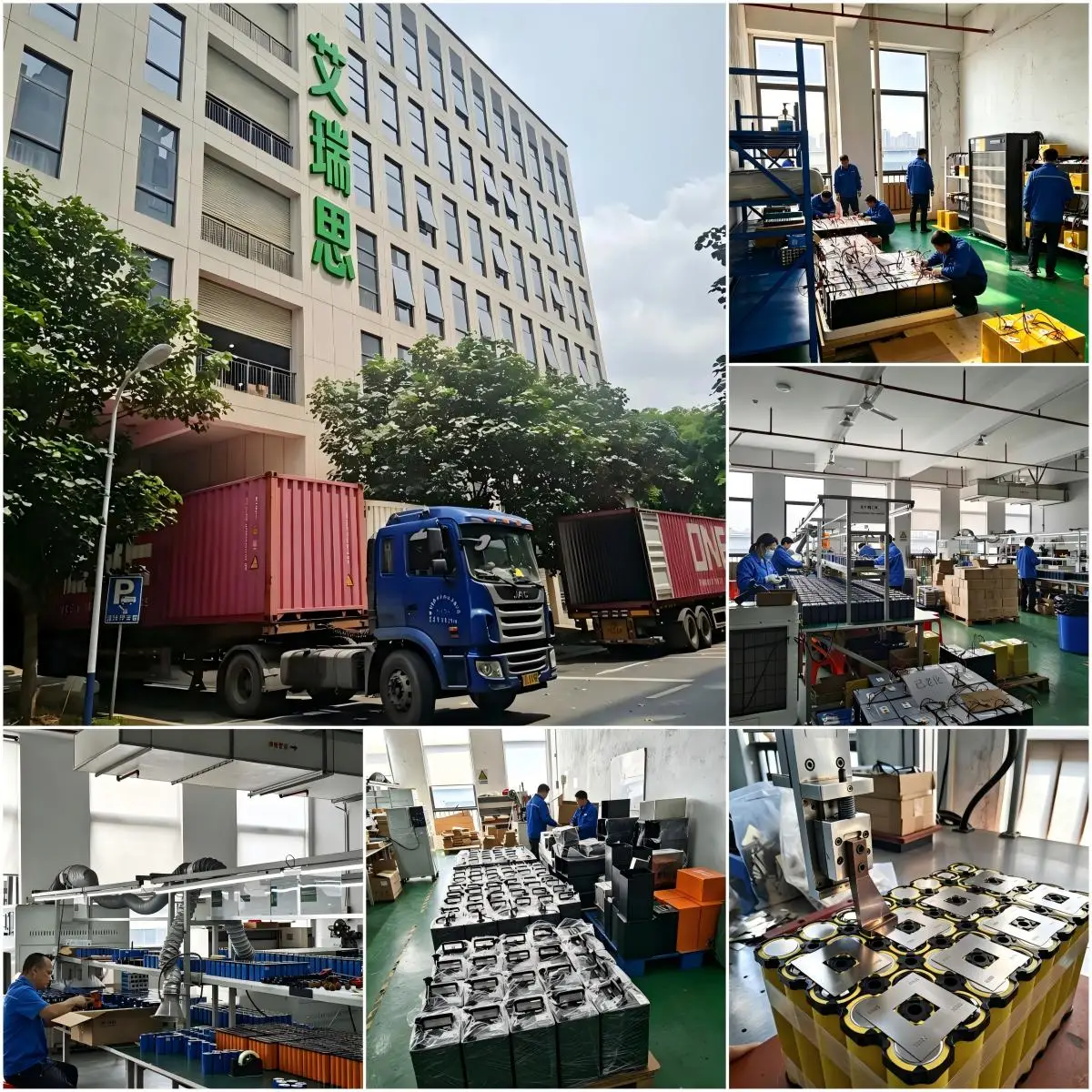
Foshan Airuisi Intelligent Technology Co., Ltd.
- Manufacturer, Trading Company, Distributor/Wholesaler
- Guangdong, China
- Lead time0 days
- Avg. response≤ 3h
Main productselectric bicycle,Electric bicycle accessories,Electric bicycle battery,portable power source,Outdoor power supply
Main marketsDomestic Market(40.00%), Eastern Europe(20.00%), Southeast Asia(10.00%), South Asia(10.00%), Northern Europe(10.00%), Mid East(10.00%)
$82.8813 - $104.3702
MOQ: 1 Minimum
Guangdong Super Battery New Energy Co., LTD
- Verified by SGS Group
- Manufacturer, Trading Company
- Lead time20 days
- Avg. response≤ 3h
Main productsLifepo4 Battery, Powerwall Battery, Portable Power Station, Solar Street Lamp Battery, Backup Power Supply
Main marketsDomestic Market(30%), Africa(20%), North America(10%)
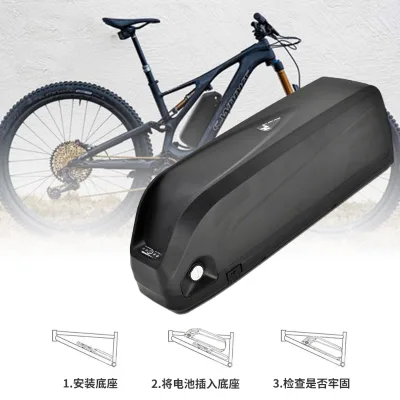
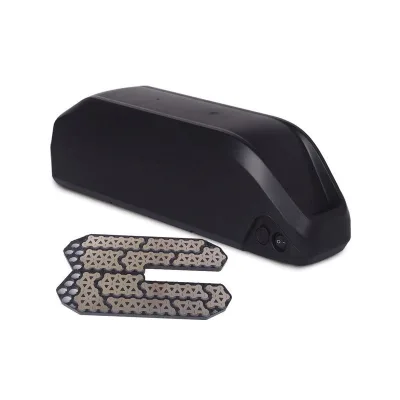
48V 11ah 12.5ah 13ah 15ah 18.2ah 21ah Electric Bike Ebike Li Ion Lithium Battery Pack 46v 15ah
$149.00 - $219.00
MOQ: 10 pieces
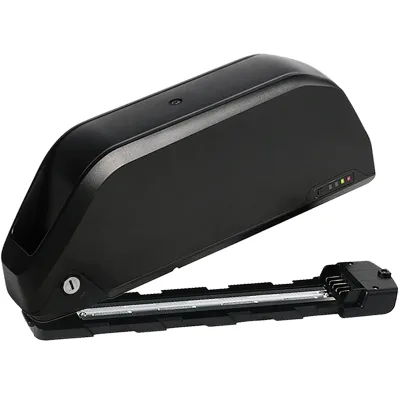
High Capacity Ebike Battery 36v 48v 52v 15ah 10s6p Oem Electric Bike 36v 18ah Lithium Ion Battery
$149.00 - $269.00
MOQ: 10 pieces
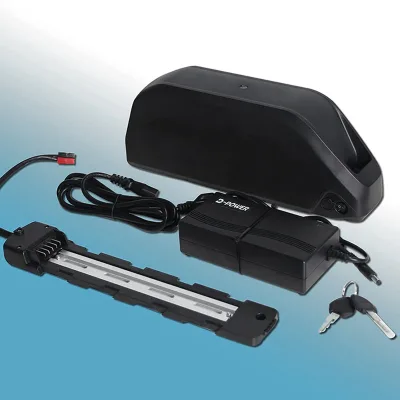
$153.4057 - $204.883
MOQ: 10 pieces
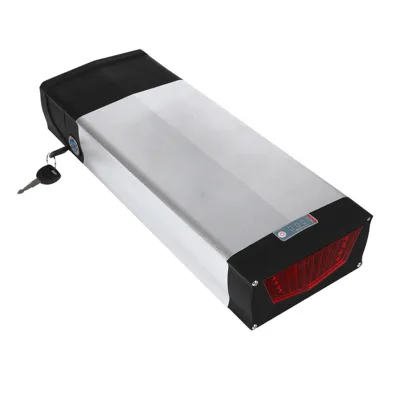
48v 52V 14ah 38.5ah Rear Rack 36v 28ah Ebike Battery With Chrager for Electric Bicycle
$199.00 - $259.00
MOQ: 10 pieces

Tianjin Baishan Electric Bicycle Co. Ltd
- Verified by BV
- Combined
- China Tianjin
- Lead time15 days
- Avg. response≤ 3h
Main productsMotorbike, E Bike, Electric Bike, Electric Bicycle, Electric Scooter, E Scooter, Electric Tricycle, E Tricycle, Electric Motorcycle, Motorcycle
Main marketsDomestic

- Verified by TUVRHEINLAND
- Combined
- China Guangdong
- Lead time30 days
- Avg. response≤ 5h
Main productsLiFePO4 Battery, Lithium Ion Battery, Lithium Polymer Battery, Li Ion Battery, Jump Starter, Power Station, Energy Storage Battery, Hess, Battery Pack, Battery Charger
Main marketsDomestic,Europe


$192.00 - $210.00
MOQ: 1 Pieces

Shenzhen TL New Energy Co., Ltd.
- Verified by TUVRHEINLAND
- Trading Company,Manufacturer/Factory
- China Guangdong
- Lead time23 days
- Avg. response≤ 4h
Main productsLithium Battery, Power Tool Battery, Power Tool Universal Charger, Vacuum Cleaner Battery, Battery Pack, Medical Instrument Battery, Energy Storage Battery, Fire Equipment Battery, E-Bike Battery, Massage Equipment
Main marketsSouth America,Eastern Europe,Mid East,North America,Southeast Asia,Eastern Asia,Oceania,Africa


48V 13ah Electric Bicycle Rechargeable Hailong Li-ion E-Bike Battery. a
$177.00 - $199.00
MOQ: 5 Pieces

48V 13ah Electric Bicycle Rechargeable Hailong Li-ion E-Bike Battery. a
$177.00 - $199.00
MOQ: 5 Pieces

Hailong Durable 48V Storage Lithium Ion Battery Electric Bike with Charger
$101.00 - $123.00
MOQ: 5 Pieces








Comprehensive Sourcing Guide
48V Li-Ion Electric Bike Battery With Bms Supplier Concentration and Factory Types
The current supplier landscape for 48V Li-Ion Electric Bike Battery With Bms reveals a distinct concentration of manufacturing activity within China Guangdong. This regional clustering is significant because it indicates a mature supply chain ecosystem where raw materials, component sourcing, and assembly capabilities are geographically proximate. Buyers evaluating suppliers should recognize that this location often correlates with established industrial infrastructure, which can facilitate faster prototyping and more consistent quality control for complex electronic assemblies like Battery Management Systems. The presence of suppliers in this specific region suggests that logistics networks are optimized for exporting high-value electronic components, potentially reducing transit times and shipping costs for international buyers. Understanding this geographic concentration helps buyers narrow their search to vendors who are already integrated into this efficient manufacturing hub, rather than dispersing efforts across less developed industrial zones.
Supplier types in this category vary between combined entities and dedicated manufacturers or factories. Combined companies often offer a broader range of services, including both Original Design Manufacturing and Original Equipment Manufacturing, allowing for greater flexibility in product customization. In contrast, manufacturer-focused suppliers may provide deeper expertise in specific production modes, such as Surface Mount Technology for Printed Circuit Boards, which is critical for the reliability of BMS units. The distinction is vital because it affects how a buyer approaches negotiations and technical discussions. A combined supplier might offer more turnkey solutions, while a factory might provide more direct access to production line capabilities and raw material sourcing. Buyers must assess which model aligns with their specific needs for customization, volume, and technical support, keeping in mind that the primary products often include LiFePO4 and Li-ion BMS PCBs alongside complete battery packs.
How to Verify 48V Li-Ion Electric Bike Battery With Bms Suppliers
Verification is a critical step in mitigating risk when sourcing 48V Li-Ion Electric Bike Battery With Bms from international markets. Buyers should prioritize suppliers who hold recognized third-party verifications, such as Bureau Verifications, which provide an additional layer of confidence regarding the company’s legitimacy and operational standards. Beyond basic verification, it is essential to examine the specific system certifications held by the supplier, such as ISO 9000 or ISO 9001, which indicate a structured approach to quality management. These certifications are particularly important for battery manufacturers because they ensure that production processes are standardized and monitored, reducing the likelihood of defects in high-voltage components. Buyers should request copies of these certificates and verify their validity through the issuing bodies, ensuring that the supplier’s claims are backed by independent audit results rather than self-declared statements.
Product-level certifications and technical specifications also serve as strong indicators of supplier reliability. Many suppliers list certifications such as CE, RoHS, and ISO for their specific products, which demonstrate compliance with international safety and environmental standards. For instance, a 48V BMS product might carry RoHS certification, indicating it is free from hazardous substances, which is crucial for market access in many regions. Buyers should cross-reference these claims with the product’s technical data sheets, looking for details on protection features like over-charge, over-discharge, and short-circuit protection. Additionally, verifying the production mode, such as Surface Mount Technology, and the base material, like FR-4, can provide insights into the build quality. Buyers should not rely solely on marketing descriptions but should request detailed technical documentation to confirm that the supplier’s capabilities match their specific engineering requirements for safety and performance.
What to Compare Across 48V Li-Ion Electric Bike Battery With Bms Suppliers
When evaluating multiple suppliers, buyers must compare key operational metrics to determine the best fit for their business needs. Response time is a crucial indicator of supplier engagement and support quality. A lower response time, such as approximately 4.91 hours, suggests a more responsive team that can address technical queries and order issues promptly. In contrast, a higher response time, like 13.86 hours, may indicate a larger organization with potentially longer communication cycles. Buyers should consider how quickly they need technical support, especially when dealing with complex BMS configurations. Additionally, lead times, which can vary significantly, should be compared to ensure alignment with inventory planning. A lead time of around 23 days is a common benchmark, but buyers should verify if this applies to standard or customized orders, as customization often extends production schedules.
Minimum Order Quantities and pricing structures are also critical comparison points. MOQs can range from single units for sampling to larger quantities for bulk production, with some suppliers requiring a minimum of 10 pieces. Buyers should assess whether the MOQ aligns with their initial testing needs or long-term volume commitments. Pricing should be analyzed in conjunction with the product specifications, as costs can vary based on features like balance current, charge/discharge rates, and protection thresholds. For example, a BMS with a 250A current rating may command a higher price than one with a 15A working current. Buyers should also compare the range of main products offered, as suppliers with a diverse portfolio, including LiFePO4 batteries and chargers, may offer better bundle pricing or integrated solutions. This holistic comparison helps buyers identify suppliers that offer the best value proposition based on their specific technical and commercial requirements.
Common 48V Li-Ion Electric Bike Battery With Bms Sourcing Risks
One of the primary risks in sourcing 48V Li-Ion Electric Bike Battery With Bms is the potential mismatch between advertised specifications and actual product performance. Buyers must be cautious of suppliers who provide vague or incomplete technical data, particularly regarding critical parameters like balance current, over-charge protection voltage, and temperature protection thresholds. For instance, a discrepancy in the balance voltage specification, such as 3.6V versus 4.2V, can significantly impact battery longevity and safety. Buyers should insist on detailed technical datasheets that clearly define these parameters and request sample testing before committing to large orders. Additionally, the condition of the product, whether new or used, must be explicitly stated, as some listings may inadvertently or intentionally include refurbished components, which pose significant reliability risks for high-voltage applications.
Another significant risk involves the variability in production quality and consistency across different batches. Suppliers may use different base materials, such as FR-4, or varying layer configurations, like double-layer versus multilayer PCBs, which can affect the durability and performance of the BMS. Buyers should verify the production mode, such as Surface Mount Technology, and ensure that the supplier has consistent quality control processes in place. Furthermore, the risk of non-compliance with international standards is a concern, especially if the supplier’s certifications are not up-to-date or do not cover the specific product being purchased. Buyers should also be aware of the potential for hidden costs, such as packaging fees or customs duties, which can impact the total landed cost. Mitigating these risks requires thorough due diligence, including factory audits and third-party inspections, to ensure that the supplier can consistently deliver products that meet the buyer’s safety and performance standards.
48V Li-Ion Electric Bike Battery With Bms Regional Sourcing and Logistics
Sourcing from China Guangdong offers distinct logistical advantages due to the region’s advanced infrastructure and proximity to major shipping ports. Buyers should leverage this geographic benefit by coordinating with suppliers who have experience in exporting to their target markets, as this often translates to more efficient packaging and documentation processes. The standard packaging methods, such as anti-static bags and carton packaging, are designed to protect sensitive electronic components during transit, but buyers should confirm that these methods meet their specific shipping requirements. Additionally, the region’s concentration of suppliers facilitates easier coordination for multi-product orders, allowing buyers to consolidate shipments from different vendors within the same industrial zone. This consolidation can reduce overall shipping costs and simplify logistics management, making it easier to manage inventory and delivery schedules for large-scale projects.
However, buyers must also consider the implications of regional sourcing on lead times and supply chain resilience. While the proximity to manufacturing hubs can reduce production lead times, global logistics disruptions can still impact shipping schedules. Buyers should establish clear communication channels with their suppliers to stay informed about any potential delays and have contingency plans in place. It is also important to verify the supplier’s ability to handle export documentation, including certificates of origin and compliance certificates, which are required for customs clearance in many countries. Buyers should work with suppliers who have a proven track record of successful international shipments, as this indicates a higher level of operational maturity and reliability. By understanding the logistical landscape, buyers can make more informed decisions about their sourcing strategy and minimize the risks associated with international trade.
48V Li-Ion Electric Bike Battery With Bms Commercial Terms and Order Planning
Effective order planning requires a clear understanding of the commercial terms offered by suppliers, including payment methods, warranty policies, and after-sales support. Buyers should negotiate terms that protect their interests, such as using escrow services for secure transactions, which provide a layer of financial protection until the goods are received and verified. Additionally, buyers should clarify the warranty period and the process for handling defective products, as this is crucial for maintaining customer satisfaction in the end market. Suppliers may offer different warranty terms based on the product type, so buyers should ensure that the terms align with their business model and risk tolerance. It is also important to discuss the customization process, including any additional costs or lead time extensions associated with bespoke BMS configurations, to avoid unexpected expenses or delays.
Pricing strategies should be aligned with the buyer’s volume commitments and market positioning. Buyers should seek to establish long-term pricing agreements that offer stability and predictability, especially for high-volume orders. Suppliers may offer tiered pricing based on quantity, so buyers should analyze their projected demand to determine the most cost-effective order size. Additionally, buyers should consider the total cost of ownership, including shipping, duties, and potential returns, when evaluating supplier quotes. By carefully planning their orders and negotiating favorable commercial terms, buyers can optimize their supply chain efficiency and profitability. It is also advisable to maintain open communication with suppliers regarding market trends and demand fluctuations, as this can help in adjusting order quantities and pricing strategies to remain competitive in the dynamic electric bike battery market.
FAQs
What is the price range for 48V Li-ion BMS batteries?
Prices for 48V Li-ion BMS batteries typically range from $6 to $75 per unit depending on specifications. Basic protection circuit modules start around $6, while complete battery packs with integrated BMS can cost up to $75. Buyers should verify exact pricing based on capacity and customization needs.
What certifications are available for these batteries?
Manufacturers offer batteries certified under RoHS, ISO, CE, and MSDS standards. RoHS and ISO certifications are common for BMS components, while CE and MSDS apply to complete battery packs. These certifications ensure compliance with international safety and environmental regulations for electric bicycle applications.
What is the minimum order quantity for these products?
Minimum order quantities vary significantly by product type. BMS components often have an MOQ of just one unit, allowing for easy sampling. Complete battery packs typically require a minimum order of ten units. Buyers should check specific product listings to confirm the exact MOQ requirements.
How long does production take for these batteries?
Standard lead times for these batteries are approximately 23 days. This duration covers manufacturing, quality control, and preparation for shipment. Buyers requiring faster turnaround should contact suppliers directly to discuss expedited production options or check for stock availability of standard models.
Where are these suppliers located?
Suppliers for 48V Li-ion BMS batteries are primarily located in Guangdong, China, with specific operations in Shenzhen. This region is a major hub for lithium battery manufacturing and electronic components. Buyers can expect efficient logistics and supply chain integration from these geographic locations.
Can I customize these batteries for my brand?
Customization is available for both BMS components and complete battery packs. Suppliers offer OEM and ODM services, allowing for branded packaging and specific technical adjustments. Buyers can request custom voltage, capacity, or casing dimensions to meet their specific electric bicycle design requirements.