Source on-the-go bicycle tire repair tool for Mountain, Road, and Kids Bikes
Find 30 on-the-go bicycle tire repair tool options from China. Compare models like TJ-CP-001 and AK1044, featuring aluminum alloy construction and ISO/CE certifications for reliable cycling maintenance. These tools support ordinary bicycles and outdoor activities with portable designs; compare the available evidence and request quotations based on your requirements.
Updated
Key considerations
Products List


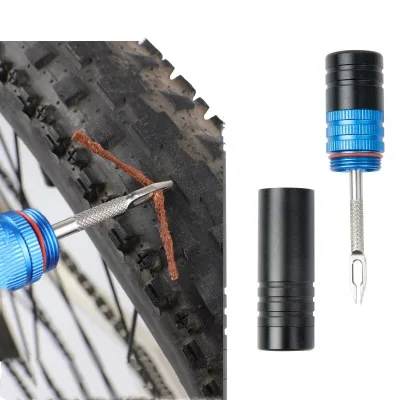
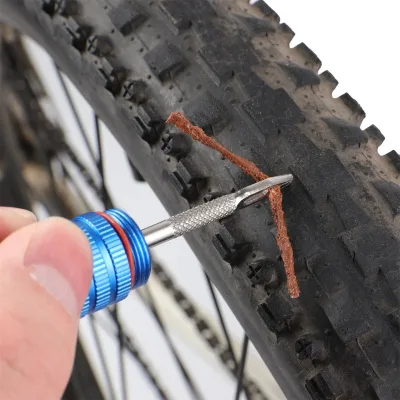
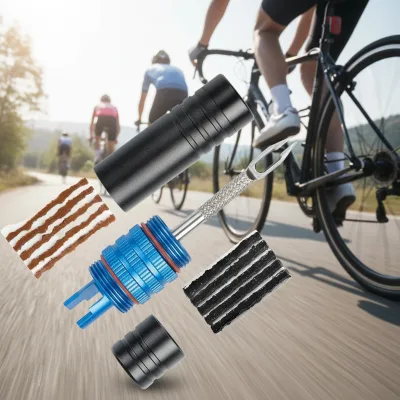

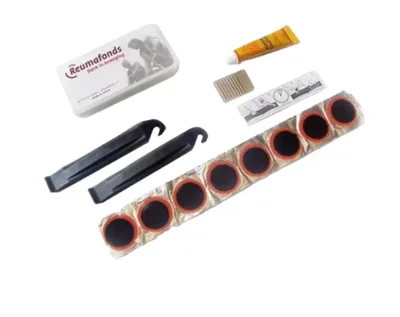
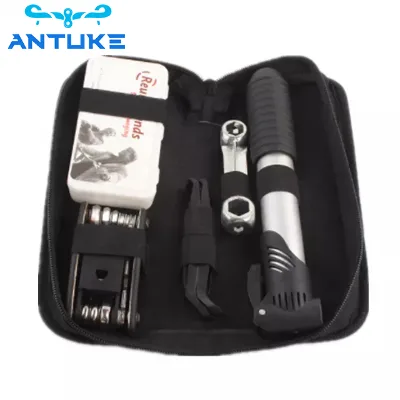


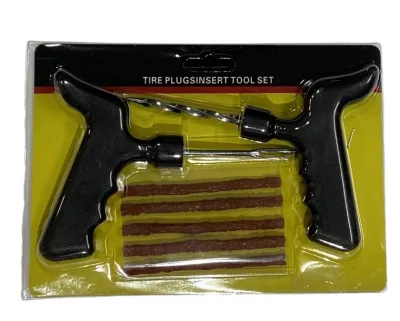
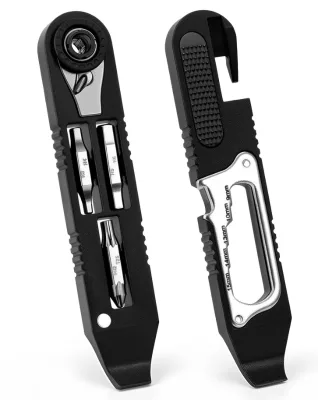
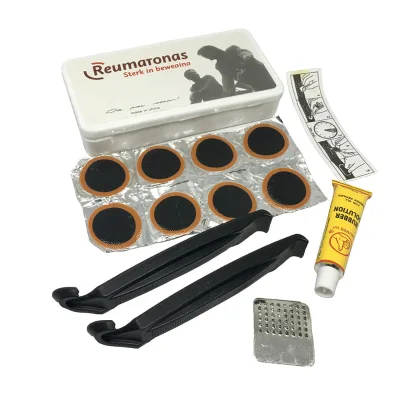


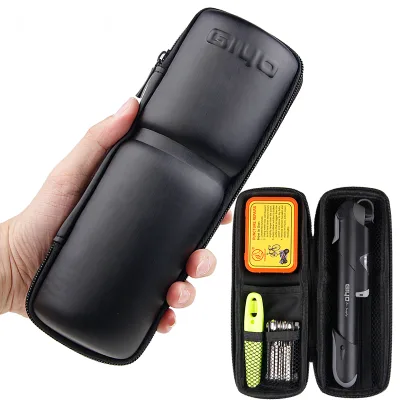
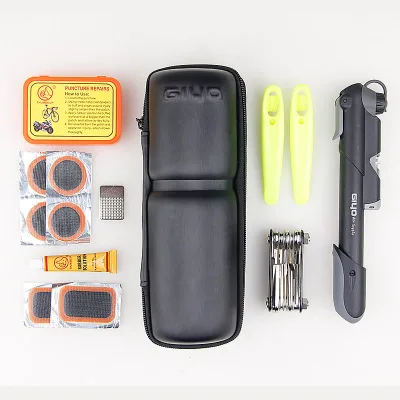
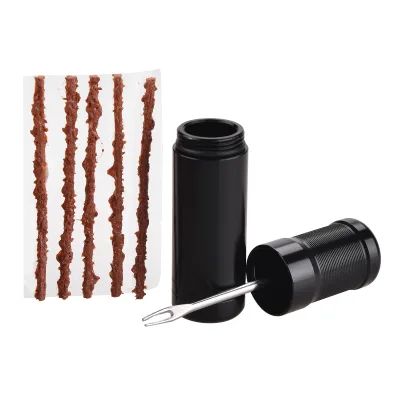
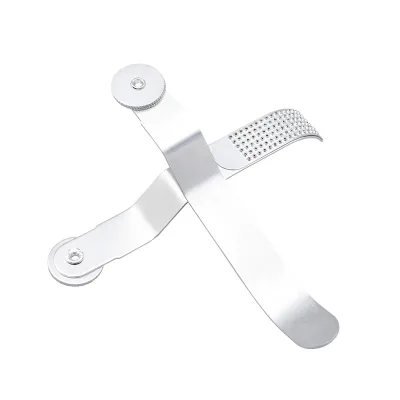

Comprehensive Sourcing Guide
On-the-Go Bicycle Tire Repair Tool Sourcing Guide
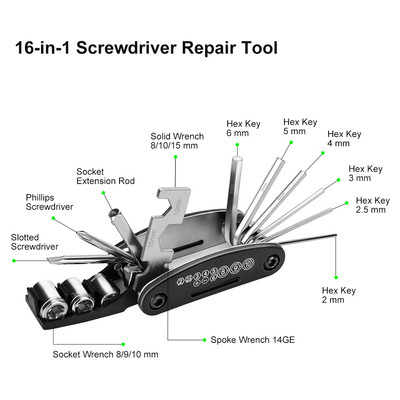
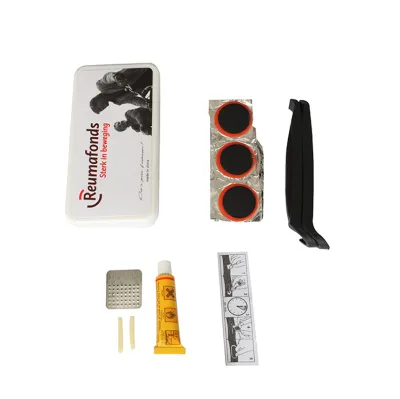
Procurement professionals seeking portable solutions for field maintenance must first distinguish between general repair kits and specialized inflators. The available market data indicates a specific product category labeled as "Tire Inflators" and "Hand Tools" designed for diverse cycling environments. These items are explicitly listed for applications including ordinary bicycles, mountain bikes, road bikes, and kids' bikes, suggesting a versatile design intended to handle various tire pressures and rim types. Buyers should verify that the selected tool matches the specific mechanical requirements of their fleet, as the distinction between a simple patch kit and a pressurized inflator significantly impacts operational efficiency during roadside emergencies.
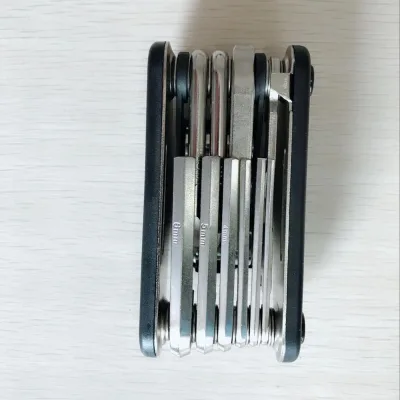
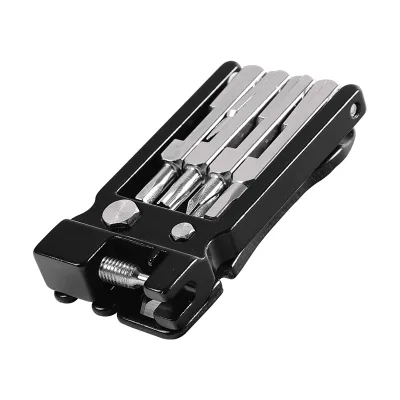
When evaluating product listings, it is critical to observe the physical attributes that define portability and durability. The observed inventory includes items with single gross weights ranging from 0.25 kg to 0.8 kg, packaged in cartons or boxes with dimensions as compact as 12x8x2 cm. These specifications confirm that the tools are engineered for easy transport in saddlebags or tool pouches. However, buyers must not assume all listed items share identical performance; some are described as "Portable" while others emphasize "Durable" construction using materials like aluminum alloy. This variance requires careful selection based on whether the priority is minimal weight for racing or ruggedness for off-road mountain biking scenarios.
Product Scope and Observed Listing Signals
The current market signals reveal a fragmented landscape where product models vary significantly in their intended use cases and structural composition. Listings explicitly identify products such as the TJ-CP-001 and JSC-FTT-02, which are categorized under "Bicycle Repair Tool" and "Tire Inflators." These items are often marketed with customization options, allowing buyers to request specific branding or packaging configurations. The presence of "OEM: Supply" attributes suggests that many suppliers are prepared to manufacture tools under a buyer's own brand name, provided the minimum order quantities are met. This flexibility is a key signal for businesses looking to create a unified product line for their retail customers or internal maintenance teams.
Buyers must carefully parse the condition and customization status of each listing to avoid procurement errors. While some products are marked as "New" and "Non-Customized," others explicitly state that "Customization: Available" and offer standards that are "By Customized." This dichotomy indicates that a single supplier may offer both off-the-shelf inventory and bespoke manufacturing runs. The observation of "Sample: Yes" is particularly valuable, as it allows procurement teams to validate the physical quality and functionality of the tool before committing to a larger order. Understanding this distinction ensures that the final procurement aligns with the specific operational needs of the organization, whether they require immediate stock or a tailored solution.
Technical Specifications to Verify
Technical verification begins with the physical dimensions and material composition of the repair tools. The observed data highlights single package sizes ranging from 12x8x2 cm to 22x10x10 cm, with gross weights varying between 0.25 kg and 0.8 kg. These metrics are essential for logistics planning and determining how many units can be shipped or stored in a single container. Furthermore, the material specification of "Aluminum alloy" appears in several listings, indicating a focus on lightweight durability. Buyers should confirm that the specific model they select utilizes this material grade, as it directly influences the tool's resistance to corrosion and its ability to withstand the mechanical stress of repeated inflation cycles.
Power source and drive mode are critical technical parameters that define the operational independence of the tool. Some listings specify a "Power Source: no," implying a manual operation mechanism, while others mention a "Drive Mode: direct drive." This distinction is vital for users who may be operating in remote locations without access to electricity or compressed air sources. A manual tool offers reliability but requires physical effort, whereas a direct drive system might offer speed but could depend on a specific power input. Procurement teams must verify the exact mechanism described in the product specification to ensure it matches the intended usage environment, particularly for mountain biking or long-distance road cycling where power availability is unpredictable.
Compliance and Safety Documentation
Compliance verification requires a rigorous review of the certification status provided in the product documentation. The available data lists multiple certifications, including "ISO," "CE," and "ISOCE," alongside a specific mention of "SGS" standards. These certifications are not merely marketing terms but indicate that the products have undergone specific testing protocols for safety and quality. Buyers must request the actual certification documents for the specific model number they intend to purchase, as the presence of a general certification on a supplier's profile does not guarantee that every SKU in their catalog meets the same standard. Ensuring that the specific tire repair tool carries the relevant ISO or CE mark is essential for meeting regulatory requirements in various international markets.
Safety standards also extend to the packaging and labeling requirements of the product. The observed listings mention packing methods such as "by Carton," "Box in Carton," and "Standard Exporting Package." These packaging standards are often linked to the protection of the tool during transit and the clarity of safety instructions provided to the end-user. A "Standard Exporting Package" typically implies adherence to international shipping norms that prevent damage, which is crucial for maintaining the tool's functionality upon arrival. Buyers should verify that the packaging includes clear usage instructions and safety warnings, ensuring that the end-user can operate the device safely without risk of injury or equipment failure.
Cost Drivers and Commercial Terms
Cost structures for these tools are heavily influenced by the minimum order quantity (MOQ) and the level of customization required. The observed MOQ range spans from 1 unit to 2000 units, with specific listings citing an MOQ of 100 pieces. This wide variance allows buyers to scale their orders based on immediate needs or long-term inventory strategies. However, the price range of 0.14 to 18 USD suggests that significant cost differences exist between basic manual tools and more complex, branded, or customized versions. Buyers must analyze the unit price against the MOQ to determine the most cost-effective strategy, balancing the upfront capital expenditure with the potential for bulk discounts.
Commercial terms regarding samples and branding also play a pivotal role in the total cost of ownership. The availability of samples allows buyers to test the product before finalizing a large order, which can prevent costly mistakes. Additionally, the "OEM: Supply" attribute indicates that branding costs may be factored into the unit price, especially if the buyer requires custom packaging or logos. The "Standard: 5pcs/pack or OEM" specification further highlights that packaging configurations can alter the cost structure. Procurement teams should negotiate these terms carefully, ensuring that the final agreement includes clear definitions of sample costs, branding fees, and any additional charges associated with custom packaging or specialized shipping requirements.
Supplier Qualification and Quality Control
Supplier qualification involves verifying the geographic origin and production capabilities of the manufacturers. The data indicates that products originate from various regions in China, including Hebei, Guangdong, Liaoning, and Zhejiang. This geographic diversity suggests a robust supply chain with multiple manufacturing hubs, but it also necessitates a thorough vetting process to ensure consistency in quality. Buyers should confirm the specific factory location for their order, as different regions may have varying levels of expertise in producing aluminum alloy tools or specific tire repair accessories. Understanding the origin helps in assessing the logistical lead times and the potential for supply chain disruptions.
Quality control measures must be explicitly defined in the supplier agreement to ensure product reliability. The presence of "SGS" standards and "ISO" certifications provides a baseline for quality assurance, but buyers should also request specific test results for the models they are purchasing. The "Condition: New" and "Feature: Durable" attributes are positive indicators, but they should be backed by tangible evidence such as stress test reports or material analysis. Establishing a clear quality control protocol that includes pre-shipment inspections and adherence to the stated standards is essential for maintaining the integrity of the product line and ensuring that the tools perform as expected in real-world cycling conditions.
Long-Term Procurement Checks
Long-term procurement success depends on the supplier's ability to maintain consistent product specifications and availability over time. The observed product models, such as TJ-CP-001 and BTR-325, represent specific SKUs that buyers should monitor for continuity. Suppliers may change materials, packaging, or certifications without notice, which can disrupt operations if the new specifications do not meet the buyer's requirements. Establishing a relationship with a supplier who commits to maintaining the core specifications of the product is crucial for ensuring that the tools remain compatible with existing maintenance protocols and user expectations.
Sustainability and supply chain resilience are also critical factors for long-term planning. The "Customization: Available" and "OEM: Supply" attributes suggest that suppliers are capable of adapting to changing market demands, but buyers must ensure that these capabilities are sustainable. Regular audits of the supplier's production capacity and their adherence to environmental and safety standards can help mitigate risks associated with supply chain disruptions. Additionally, maintaining a buffer stock of critical spare parts or tools can provide a safety net against potential shortages. By focusing on these long-term checks, buyers can build a resilient procurement strategy that supports their cycling maintenance needs for years to come.
FAQs
What certifications do these repair tools have?
These tools carry ISO and CE certifications, ensuring compliance with international quality and safety standards. Some listings also reference SGS standards for additional verification. Buyers can rely on these documented credentials to verify product reliability and manufacturing consistency across different supplier batches.
Can I customize the packaging for bulk orders?
Yes, customization is available for bulk orders. Suppliers offer options such as standard exporting packages, boxes within cartons, or specific carton packing. This flexibility allows buyers to tailor packaging to their logistical needs while maintaining the integrity of the aluminum alloy tools during transit.
What is the typical MOQ for these items?
The minimum order quantity varies, with observed ranges from 1 to 2000 units. Specific listings indicate an MOQ of 100 pieces for certain models. Buyers should verify the exact MOQ with the supplier, as it depends on the specific model number and customization requirements.
Where are these bicycle repair tools manufactured?
These tools are manufactured in China, with origins in regions such as Hebei, Guangdong, Liaoning, and Zhejiang. The diverse manufacturing locations allow buyers to select suppliers based on regional logistics advantages while ensuring the products meet the specified aluminum alloy material standards.
Are samples available for quality testing?
Yes, samples are available for quality testing before placing a large order. This allows buyers to verify the durable features and direct drive mechanism of the hand tools. Sampling ensures that the product meets the required specifications for ordinary bicycles, mountain bikes, and road bikes.
What materials are used in these repair tools?
The tools are primarily constructed from aluminum alloy, providing a balance of durability and lightweight portability. This material choice supports their use as hand tools for cycling repair. The aluminum construction ensures the tools remain robust while maintaining a manageable single gross weight for easy transport.