Source Tiger Eye Beads for Jewelry Making, Decoration, and Prayer
Compare 30 listings of Tiger Eye Beads from verified suppliers. Buyers can evaluate round and tube shapes, sizes from 6mm to 12mm, and prices ranging from $0.30 to $11.36 for jewelry making, decoration, and prayer applications; compare the available evidence and request quotations based on your requirements.
Updated
Key considerations
Products List








Comprehensive Sourcing Guide
Tiger Eye Beads Sourcing Guide
Buyers must first distinguish between the synthetic and natural variants observed in current listings, as the supply data explicitly identifies "Tiger Eye Beads" as both synthetic lab-created stones and natural loose beads. This distinction is critical for procurement strategy, as the synthetic category often features high-technology machine cuts with iridescent optical effects, while natural listings emphasize the traditional brown coloration and stone material composition. Understanding this split prevents misalignment between marketing claims and the actual material delivered to the manufacturing floor.
The observed product range includes specific model numbers like MG-15662 and BYY-1891, which serve as unique identifiers for verifying the exact item specifications during the ordering process. Sourcing teams should prioritize suppliers who clearly state the gemstone type and material composition in their technical sheets, ensuring that the "Tiger Eye" designation matches the intended application, whether for jewelry making or decorative prayer items. This clarity reduces the risk of receiving mismatched inventory that fails to meet the aesthetic or functional requirements of the final product.
Product Scope and Observed Listing Signals
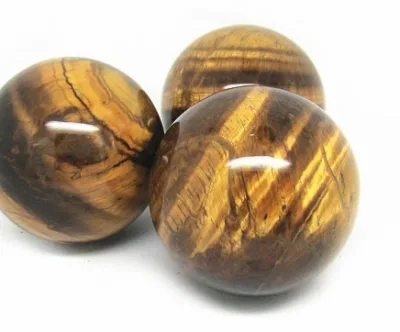
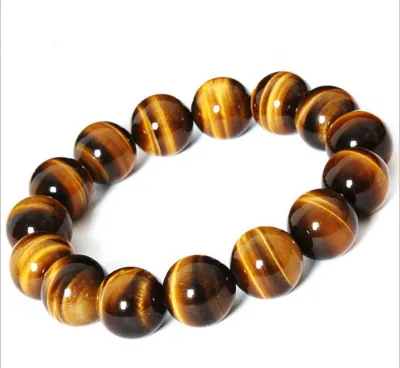
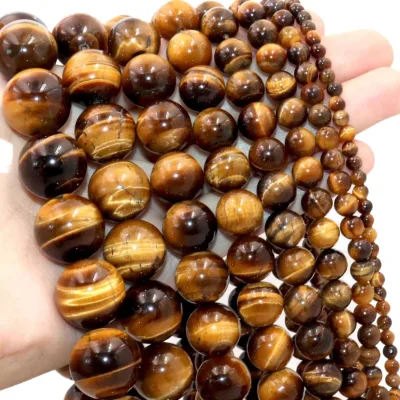
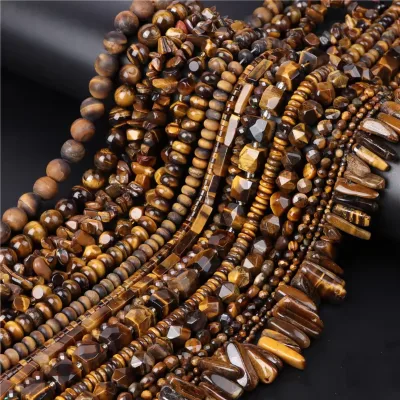
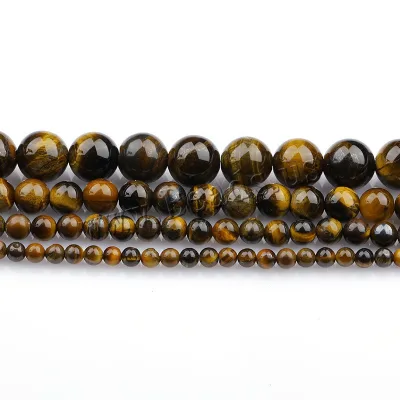
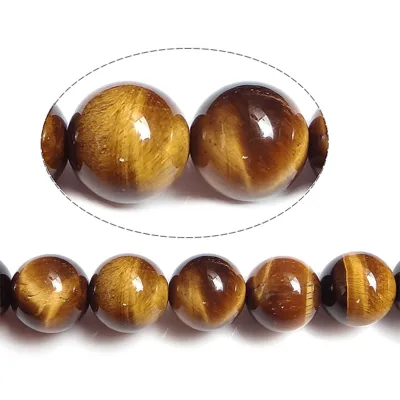
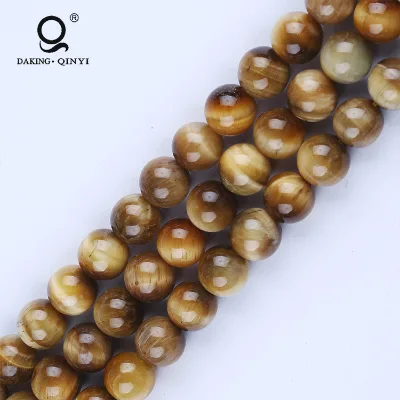
Current market listings indicate a diverse range of shapes and sizes, with round beads being the predominant form observed in the data, alongside specific tube bead models. The size spectrum is flexible, with standard offerings at 10mm and 12mm, but suppliers frequently advertise the availability of customized sizes ranging from 6mm to 16mm or larger. Buyers should verify the specific diameter requirements for their designs, as the "any size you need" claim requires confirmation of the supplier's actual machining capabilities and minimum order thresholds for non-standard dimensions.
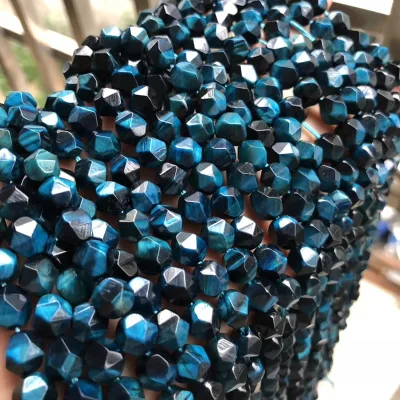
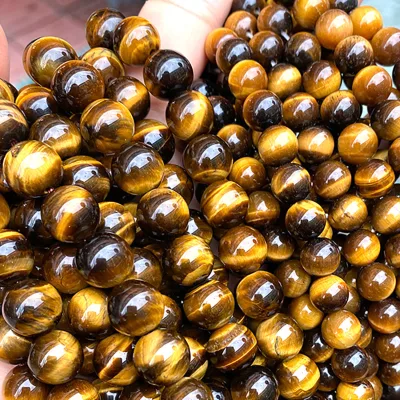
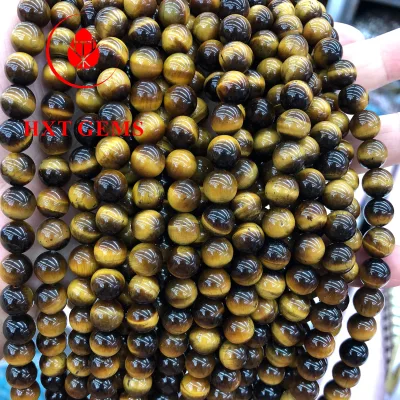
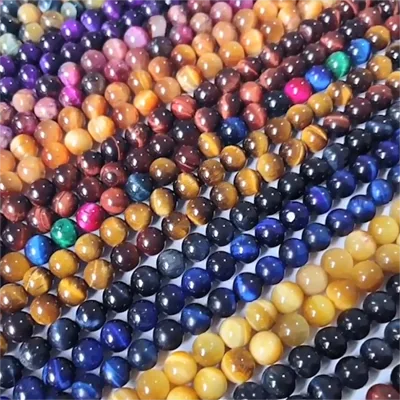
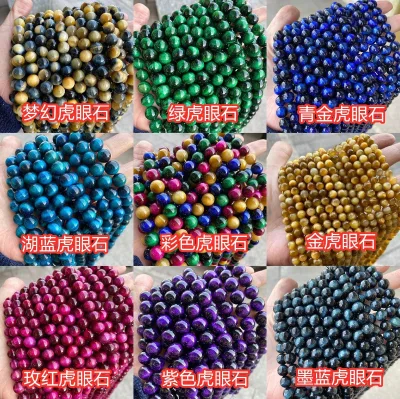
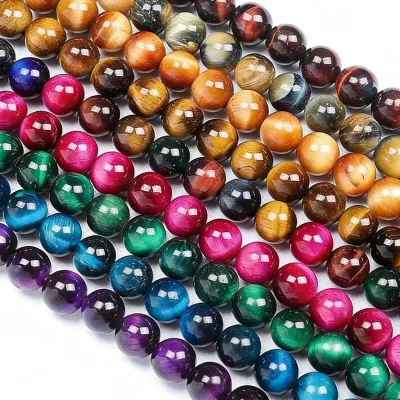
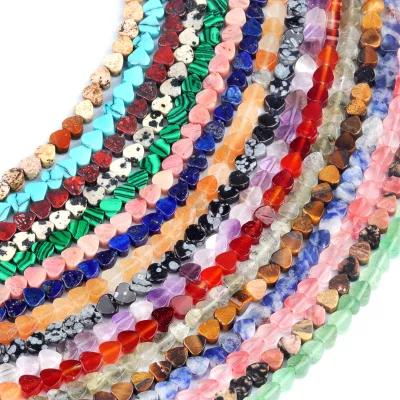
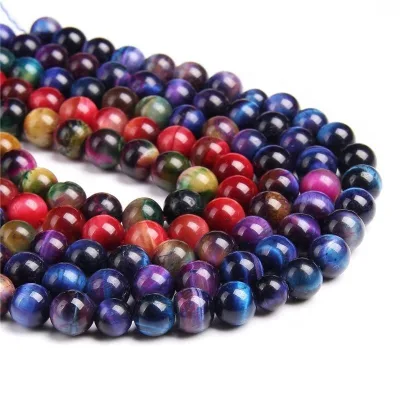
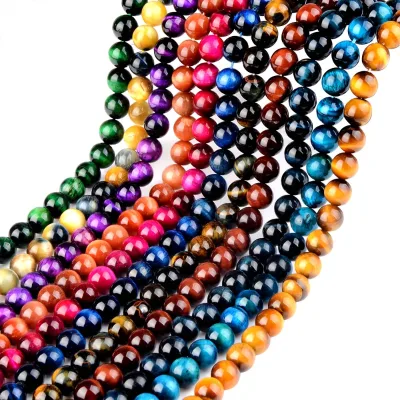
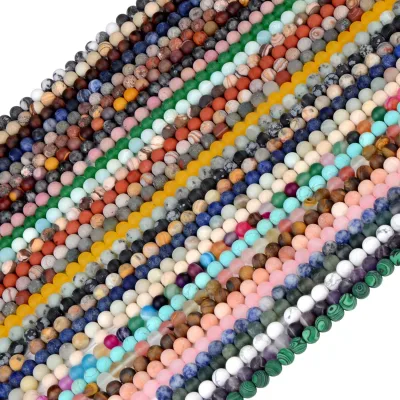
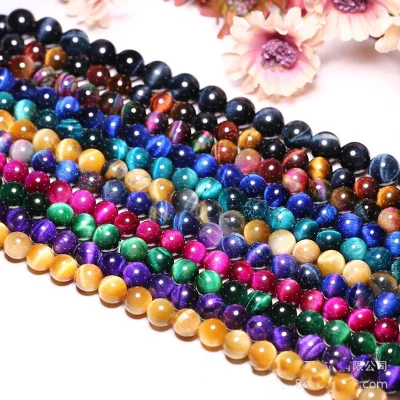
Color variations extend beyond the classic tiger eye brown to include white, lavender, pink, black, red, grey, blue, green, and brown options, suggesting a broad palette for design flexibility. However, the material composition varies significantly across these colors, with some listings specifying plastic materials while others confirm stone or synthetic stone compositions. Procurement professionals must cross-reference the color selection with the stated material to ensure the final product possesses the necessary weight, texture, and durability for its intended use in jewelry or decoration.
Technical Specifications to Verify
The optical properties of the beads are a key differentiator, with high-technology machine cuts often producing iridescent or iridescent effects that enhance visual appeal. Buyers should request physical samples to confirm the presence of these special effects, as the "High Technology Machine Cut" process is a specific attribute that may not apply to all listed items. Verifying the surface treatment, which is typically polished, ensures the beads have the desired luster and smoothness required for high-end jewelry applications without causing wear on adjacent materials.
Quality grading is another critical technical parameter, with listings ranging from A to AAAAA, indicating a wide spectrum of finish and consistency. The "Heat" treatment applied to some synthetic stones is a specific process detail that affects the final color stability and clarity of the gemstone. Sourcing teams must define the acceptable quality tier for their project, as the difference between an A-grade and an AAAAA-grade bead can significantly impact the perceived value and retail price of the finished jewelry piece.
Compliance and Safety Documentation
While the provided data does not list specific third-party certifications, buyers must verify that the materials used, particularly the plastic variants, comply with international safety standards for jewelry and children's products. The distinction between synthetic lab-created stones and natural stones often dictates the regulatory pathway, as natural stones may require geological origin verification while synthetic materials need chemical safety compliance. Procurement contracts should explicitly state the required safety documentation to ensure the beads do not contain hazardous substances that could violate import regulations in the destination market.
Packaging details vary based on stone size, with larger stones wrapped in soft paper and smaller stones packed in vacuum bags or plastic boxes. This variation in packaging is a logistical consideration that affects the protection of the beads during transit and the efficiency of the unpacking process at the manufacturing facility. Buyers should confirm that the packaging method aligns with their internal handling procedures and that the materials used for wrapping are compatible with their sustainability goals or specific client requirements for eco-friendly packaging.
Cost Drivers and Commercial Terms
The supply ability of major vendors is substantial, with some suppliers claiming capacities of up to 10,000,000 pieces per month, which supports large-scale production runs. However, the minimum order quantity (MOQ) varies significantly, ranging from a single item to 200 pieces, with some specific listings requiring a minimum of 100 pieces. Buyers must balance their volume needs against the MOQ to optimize inventory costs, as ordering small quantities may result in higher per-unit prices despite the high monthly supply capacity of the manufacturer.
Payment terms and shipping logistics are also key commercial factors, with options including TT, Trade Assurance, and PayPal, and dispatch ports located in Shenzhen or Yantian Port. The observed price range of 0.3 to 11.36 USD reflects the variability in quality, size, and material composition, requiring buyers to align their budget with the specific product attributes they require. Understanding these cost drivers helps in negotiating favorable terms and ensuring that the total landed cost, including shipping and duties, remains within the project's financial constraints.
Supplier Qualification and Quality Control
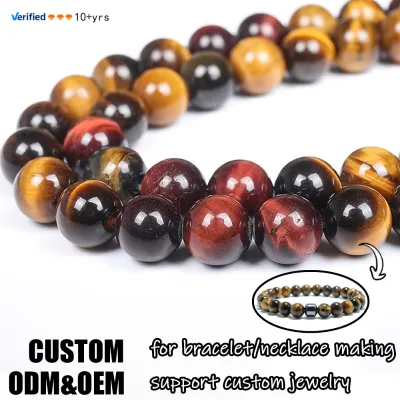
Supplier qualification should focus on verifying the "Place of Origin," which is listed as Guangxi or Guangdong, China, to ensure the supply chain aligns with the buyer's sourcing preferences. The presence of OEM and ODM capabilities indicates that suppliers can customize the product, including model numbers and packaging, to meet specific brand requirements. Buyers should assess the supplier's ability to maintain consistency across large production runs, given the high supply ability claims, to ensure that the quality of the initial sample is replicated in the bulk order.
Quality control processes must be rigorous, especially given the wide range of quality grades from A to AAAAA. Buyers should implement a sampling protocol that tests for color consistency, surface polish, and the accuracy of the stated gemstone type, whether synthetic or natural. The availability of free samples is a positive indicator of supplier confidence, allowing procurement teams to validate the physical attributes of the beads before committing to a larger purchase order and establishing a long-term supply relationship.
Long-Term Procurement Checks
Sustainability and ethical sourcing are increasingly important, requiring buyers to verify the environmental impact of the heat treatment and machine cutting processes used in production. Although the data does not explicitly mention ethical certifications, the distinction between natural and synthetic materials offers an opportunity to discuss the sourcing of raw materials and the energy consumption of the manufacturing facilities. Establishing a dialogue with suppliers about their environmental practices can help mitigate risks associated with changing regulations and consumer expectations regarding sustainable jewelry components.
Long-term partnerships depend on the reliability of the supply chain and the consistency of the product specifications over time. Buyers should monitor the supplier's ability to maintain the "High Technology Machine Cut" standards and the specific optical effects like iridescence across different production batches. Regular audits and performance reviews will ensure that the supplier continues to meet the defined quality and delivery standards, securing a stable supply of Tiger Eye Beads for future product lines and market demands.
FAQs
What is the material composition of these Tiger Eye Beads?
The beads are made from synthetic lab-created tiger eye stone material. They are designed to mimic the natural appearance of tiger eye while offering consistent quality for jewelry making applications. This synthetic composition ensures durability and uniformity across large production runs for various crafting needs.
What shapes and sizes are available for Tiger Eye Beads?
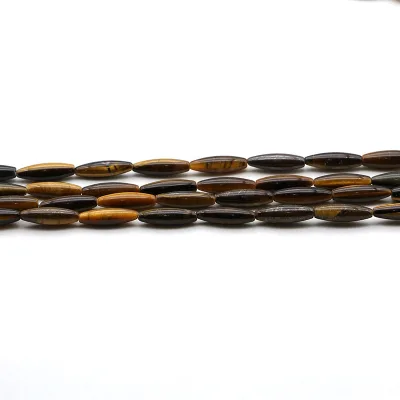
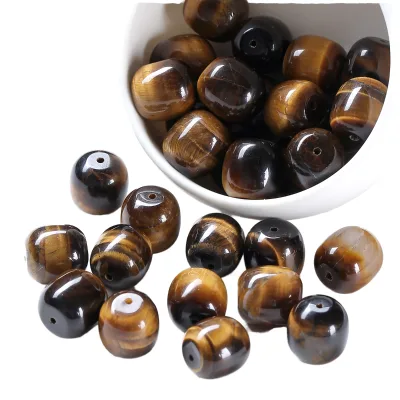
The primary shape is round beads with a high technology machine cut. Standard sizes include 10mm and 12mm, but customized sizes are available upon request. The product line also includes tube beads, providing versatile options for different jewelry design requirements and specific dimensional preferences.
Can I customize the packaging for my tiger eye bead order?
Yes, OEM packaging is acceptable and can be customized based on your requirements. Large stones over 3.0mm are wrapped in soft paper, while small sizes are packed in vacuum bags. You can also choose plastic stone boxes depending on the size, ensuring safe transport and professional presentation.
What is the minimum order quantity for Tiger Eye Beads?
The minimum order quantity varies by supplier but typically starts at 1 piece up to 200 pieces. Some listings specify an MOQ of 100 pieces. This flexibility allows buyers to test samples or place smaller initial orders before committing to larger bulk purchases for their jewelry manufacturing projects.
Where are these Tiger Eye Beads manufactured and shipped from?
The beads originate from China, specifically from regions like Guangxi and Guangdong. Dispatch ports include Shenzhen and Yantian Port. This location ensures efficient logistics for international shipping, allowing buyers to receive their orders promptly through established supply chains in the Chinese gemstone industry.
What treatments are applied to these Tiger Eye Beads?
The beads undergo heat treatment as part of the manufacturing process. They are also polished to achieve a smooth surface finish. These processes enhance the iridescent optical effects and overall aesthetic quality, ensuring the synthetic tiger eye stones meet high standards for jewelry making and decorative applications.