Crystal Moon Beads Suppliers and Manufacturers
Source Crystal Moon Beads from 26 verified suppliers offering light customization and sample processing. Compare lead times, MOQs, and certifications like CE and LVD to find the right partner. Contact suppliers directly to request quotes and verify production capabilities; review the available evidence before requesting comparable quotations from suitable candidates.
Updated
Suppliers List
Zhejiang Chenyi Manufacturing Co., Ltd.
- Verified by SGS Group
- Trading Company
- Lead time3 days
- Avg. response≤ 8h
Main productsCrystal Craft, Water Fountain, Crystal Drinkware, Crystal Decoration, Packaging & Printing
Main marketsNorth America(40%), Oceania(15%), South America(10%)
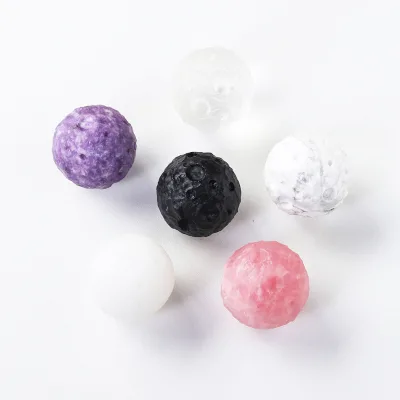
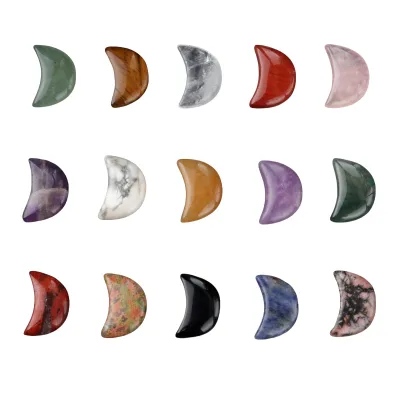
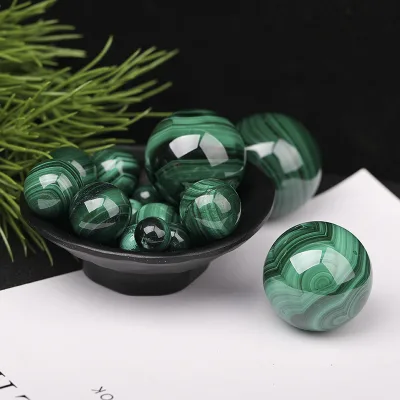
Crystal Moon Shape Crystal Moon Ball Gemstone Spheres Crystals Carving
$7.1934 - $8.7333
MOQ: 2 Minimum

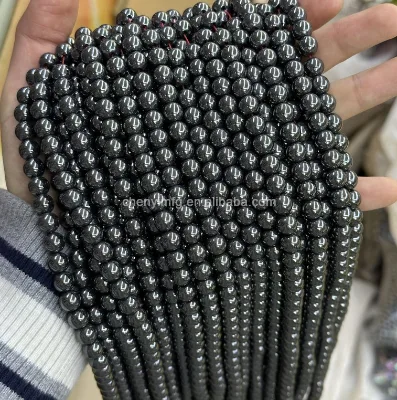
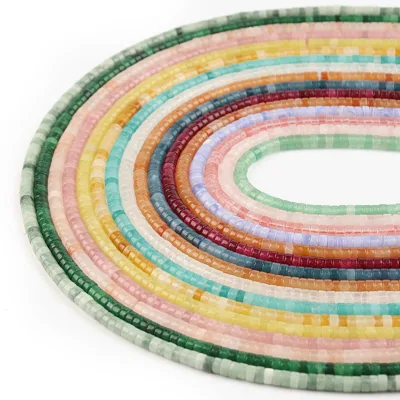
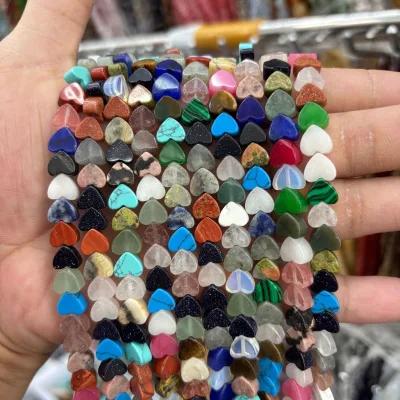
Wholesale Natural Stone Beads Jade Hematite Crystal Gemstone Bead for Jewelry Making
$0.391 - $1.5804
MOQ: 10 Minimum
Yiwu Shanmei Arts And Gifts Co., Ltd.
- Manufacturer, Trading Company
- Lead time旺季: "5 - 250":15,"> 250":"To be negotiated", 淡季: "5 - 250":15,"> 250":"To be negotiated"
- Avg. response≤ 8h
Main productsGemstone Jewelry, Metal Jewelry, Jewelry Accessories, Sterling Sliver Jewelry, Gemstone Decorations
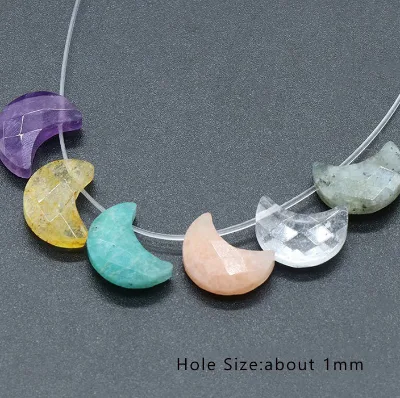
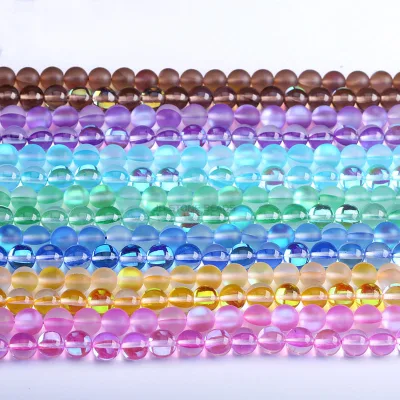
$1.8021 - $3.4499
MOQ: 10 Minimum
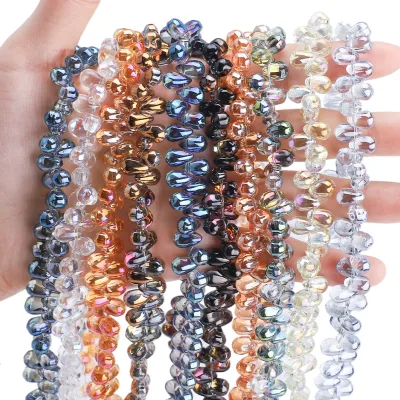

East Sunrise Jewelry Co., Limited
- Verified by SGS
- Manufacturer/Factory
- China Guangdong
- Lead time23 days
- Avg. response≤ 8h
Main productsPendant, Necklace, Bracelet, Ring, Earring, Carving, Ornament, Loose Bead, Jewelry, Semi-Precious Stones
Main marketsSouth America,Eastern Europe,Mid East,North America,Southeast Asia,Eastern Asia,Oceania,Western Europe,Africa

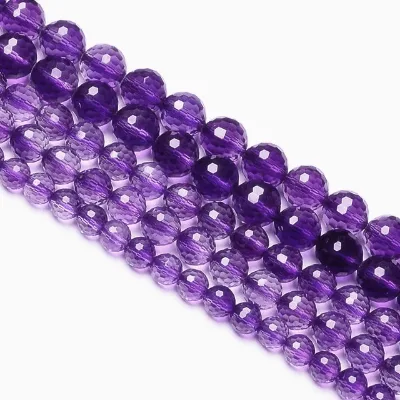
Customized Handcrafted 6mm Crystal Amethyst Beads Raw Stone Double Layer Bracelets
$2.20 - $2.80
MOQ: 50 Pieces

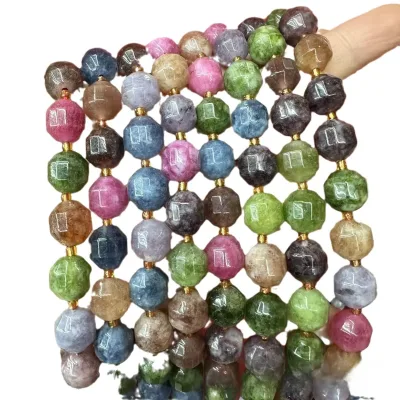
Fashion Natural Gemstone Crystal Hamfered Faceted Cut Beautiful Bead Charming Jewellery
$1.80 - $2.50
MOQ: 50 Pieces

- Trading Company
- Zhengjiang, China
- Lead time0 days
- Avg. response≤ 6h
Main productsjewelry,Jewelry accessories,charms
Main marketsDomestic Market(10.00%), Oceania(10.00%), Africa(10.00%), Northern Europe(10.00%), Central America(10.00%), Eastern Asia(10.00%), North America(10.00%), Mid East(5.00%), Southern Europe(5.00%), Southeast Asia(5.00%), Eastern Europe(5.00%), Western Europe(5.00%), South America(5.00%)
Tongshan Dashun Crystal Crafts Co., Ltd.
- Verified by TüVRheinland
- Manufacturer, Trading Company
- Lead time0 days
- Avg. response≤ 3h
Main productsPlastic Rhinestone Trimming, Fashion Bracelets, Fashion Necklaces
Main marketsCentral America(23%), North America(22%), South America(15%)
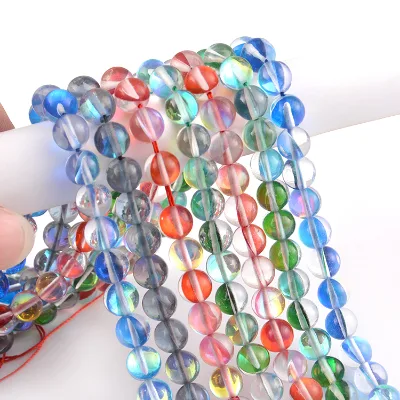
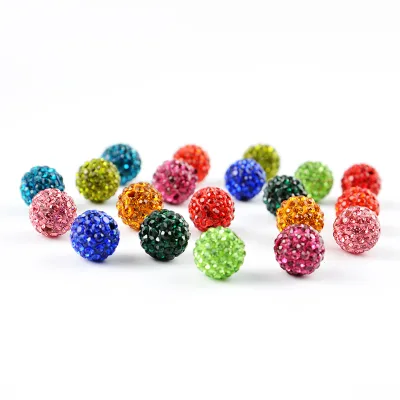
$0.06 - $0.10
MOQ: 500 Minimum
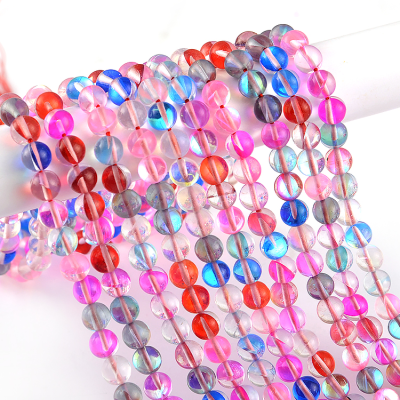

- Manufacturer, Trading Company
- Zhejiang, China
- Lead time15 days
- Avg. response≤ 6h
Main productsCrystal Jewelry,Crystal Bracelet,Gemstone Jewelry,Gemstone Pendant,Crystal necklace
Main marketsSouthern Europe(8.33%), Northern Europe(8.33%), Central America(8.33%), Western Europe(8.33%), Eastern Asia(8.33%), Mid East(8.33%), Oceania(8.33%), Africa(8.33%), Southeast Asia(8.33%), Eastern Europe(8.33%), South America(8.33%), North America(8.33%)

Guangxi Wuzhou Starsgem Co., Limited
- Manufacturer/Factory
- China Guangxi
- Lead time15 days
- Avg. response≤ 20h
Main productsCubic Zirconia, Star Cut, Synthetic Gemstone, Synthetic Ruby, Synthetic Sapphire, Glass Bead, CZ, Zircon, Semi-Precious Stone, Gemstone
Main marketsSouth America,Eastern Europe,Mid East,North America,Southeast Asia,Eastern Asia,Oceania,Western Europe,Africa

NINGBO HOBA INTERNATIONAL TRADING CO., LTD.
- Verified by BV
- Trading Company
- China Zhejiang
- Lead time30 days
- Avg. response≤ 3h
Main productsThread, Button, Lace Tape, Zipper, Hot Fix Stone, Crystal, Rope, Jewelry Accessory, Ribbon, Reflecting Material
Main marketsSouth America,Africa,Southeast Asia/ Mideast,East Asia(Japan/ South Korea),Europe,Australia,North America


Beads 2/3/4/5/6/8mm Colorful Glass Bicone Crystal Beads for Jewelry Making
$0.06 - $0.11
MOQ: 3000 bunch

Yiwu Xiaoya Import And Export Co., Ltd.
- Trading Company
- Zhejiang, China
- Lead time15 days
- Avg. response≤ 10h
Main productsGlass beads,Stone beads,Jewelry accessories,Water sports,Pool & accessory
Main marketsDomestic Market(20.00%), North America(20.00%), South America(12.00%), Mid East(8.00%), Southeast Asia(8.00%), Western Europe(6.00%), Eastern Asia(5.00%), Northern Europe(4.00%), Central America(4.00%), Southern Europe(3.00%), Oceania(3.00%), Eastern Europe(3.00%), Africa(2.00%), South Asia(2.00%)
3mm Rondelle Crystal Beads Loose Glass Beads Crystal Beads for Jewelry Making
$0.07 - $0.29
MOQ: 10 Minimum
- Verified by Intertek
- Manufacturer, Trading Company
- Lead time7 days
- Avg. response≤ 2h
Main productsBeaded Jewelry, Natural Stone Bracelet, Fashion Necklace, Crystal Bracelets, Pearl Necklace
Main marketsNorth America(40%), Western Europe(35%), Oceania(10%)
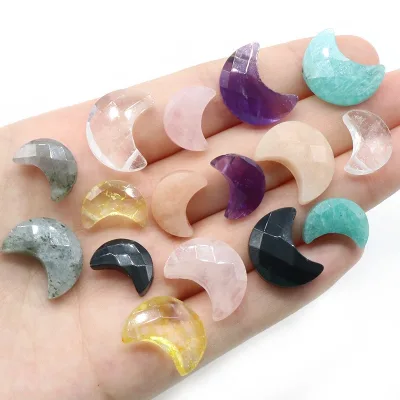
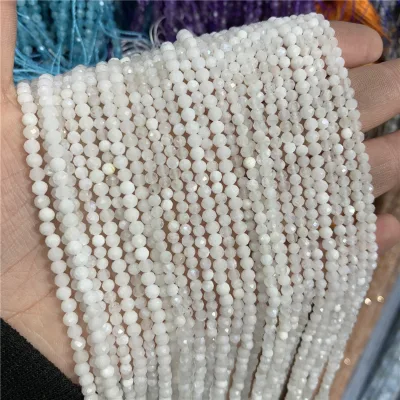
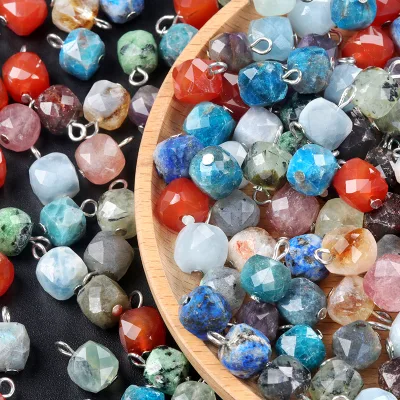
$1.7497 - $3.023
MOQ: 10 Minimum
Lianyungang Duanshu Trading Co., Ltd.
- Trading Company
- Jiangsu, China
- Lead time3 days
- Avg. response≤ 2h
Main productsCrystal Bracelets,Crystal Raw Stone,Crystal Bangles,Crystal Healing Stone,Gravels/Chips
Main marketsNorth America(40.00%), Southeast Asia(20.00%), South America(10.00%), Oceania(10.00%), Western Europe(5.00%), Eastern Europe(5.00%), South Asia(5.00%), Northern Europe(3.00%), Africa(2.00%)
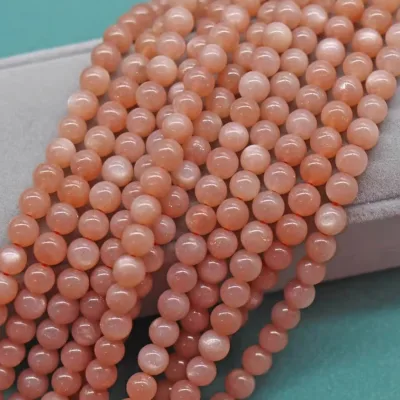
Orange Moonstone Strands Natural Orange Sunstone Beads Used for Crystal DIY Bracelet
$5.5411 - $11.2874
MOQ: 10 Minimum
Yiwu Shanmei Arts And Gifts Co., Ltd.
- Manufacturer, Trading Company
- Zhejiang, China
- Lead time20 days
- Avg. response≤ 5h
Main productsFashion jewelry,stone jewelry,stone crafts,metal jewelry,jewelry gifts
Main marketsNorth America(60.00%), Western Europe(20.00%), South America(10.00%), Southeast Asia(10.00%)

- Trading Company,Manufacturer/Factory
- China Guangdong
- Lead time23 days
- Avg. response≤ 8h
Main productsGemstone, Jewelry, Gemstone Jewelry, Loose Gemstone Beads, Jewelry Rings, Jewelry Set, Jewellery Earrings, Pendant, Created Emerald, Cubic Zirconia
Main marketsSouth America,Eastern Europe,North America,Western Europe
Pujiang Qiaoqiao Crystal Co., Ltd.
- Verified by Intertek
- Manufacturer, Trading Company
- Lead time5 days
- Avg. response≤ 4h
Main productsRhinestone, Nail Art Decoration, Garment Accessories, Jewelry Accessories, Glass Beads
Main marketsNorth America(65%), Western Europe(11%), South Asia(7%)
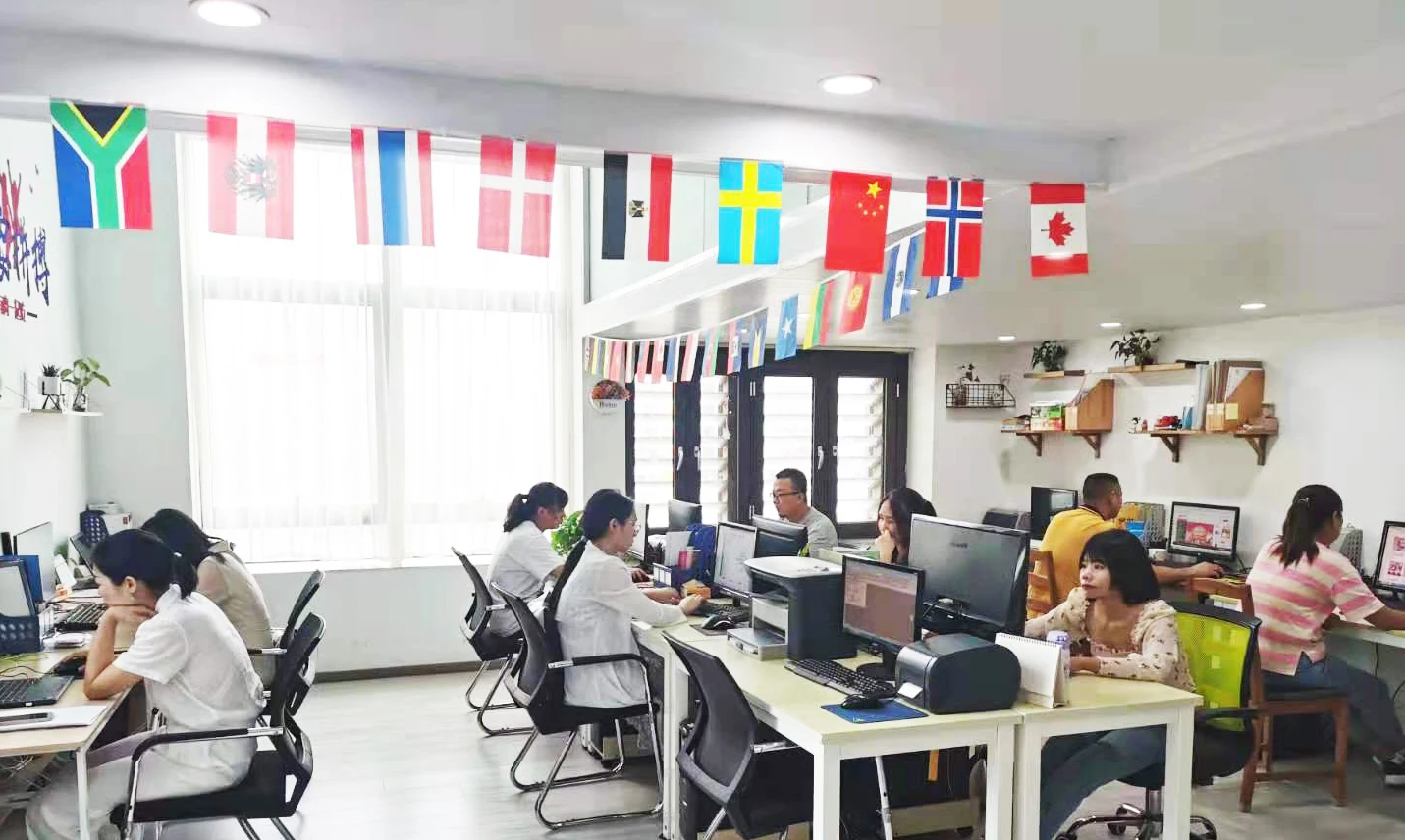
Shenzhen Xeebei Cosmetics Co., Ltd.
- Manufacturer, Trading Company
- Guangdong, China
- Lead time20 days
- Avg. response≤ 6h
Main productscrystal loose beads,stone beads,gemstone beads,natural loose beads,loose beads
Main marketsNorth America(30.00%), Eastern Europe(20.00%), Western Europe(20.00%), Domestic Market(15.00%), Southeast Asia(10.00%), South America(5.00%)

Pujiang Changmin Crystal Gifts Co., Ltd.
- Verified by TUVRHEINLAND
- Combined
- China Zhejiang
- Lead time30 days
- Avg. response≤ 6h
Main productsCrystal, Crystal Crafts, Crystal Gifts, Crystal Candle Holder, Glass Gifts, Glass, Crystal Perfume Bottle, Crystal Animals, Crystal 3D Laser, Crystal Jewelry Set
Main marketsDomestic

Jiangyin Jinhui Arts & Crafts Co., Ltd.
- Combined
- China Jiangsu
- Lead time30 days
- Avg. response≤ 11h
Main productsGlass Bead
Main marketsSoutheast Asia/ Mideast

Shijiazhuang Deaishangshi Jewelry Trade Co., Ltd.
- Trading Company
- Hebei, China
- Lead time10 days
- Avg. response≤ 4h
Main products14K Gold Filled Findings,925 Sterling Silver Findings,Thread & Cord,Pearls,Tassel
Main marketsNorth America(30.00%), Western Europe(15.00%), Northern Europe(4.00%), Mid East(2.00%)

Guangzhou IO Jewelry Co., Ltd.
- Combined
- China Guangdong
- Lead time30 days
- Avg. response≤ 6h
Main productsJewelry, Fashion Jewelry, Stainless Steel Jewelry, Custom Jewelry, Stainless Steel Beads, Stainless Steel Charms, Stainless Steel Rings, Stainless Steel Pendants, Beads, Charms
Main marketsSouth America,Domestic,Europe,Australia,North America
Yiwu Zhuofang Jewelry Co., Ltd.
- Manufacturer, Trading Company
- Lead time旺季: "1 - 2000":31,"> 2000":"To be negotiated", 淡季: "1 - 2000":31,"> 2000":"To be negotiated"
- Avg. response≤ 2h
Main productsNecklace , Earring, Rings, Bracelet , Brooch
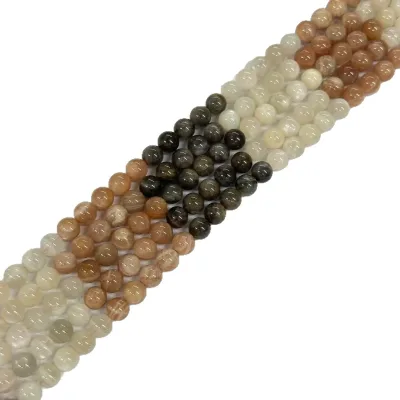
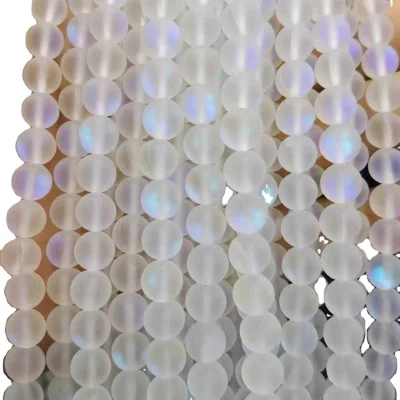
$0.9452 - $2.0328
MOQ: 10 Minimum
Guangzhou Rongsheng Arts & Crafts Trading Co., Ltd.
- Manufacturer, Trading Company, Buying Office
- Guangdong, China
- Lead time10 days
- Avg. response≤ 3h
Main productsStone beads,Stone Earring and Rings,Jade,Stone Artware,Stone Cumstomize
Main marketsEastern Asia(20.00%), North America(20.00%), South Asia(15.00%), Southeast Asia(10.00%), Eastern Europe(5.00%), Northern Europe(5.00%), Central America(5.00%), Western Europe(5.00%), South America(5.00%), Mid East(5.00%), Oceania(5.00%)
$0.6202 - $1.137
MOQ: 100 Minimum
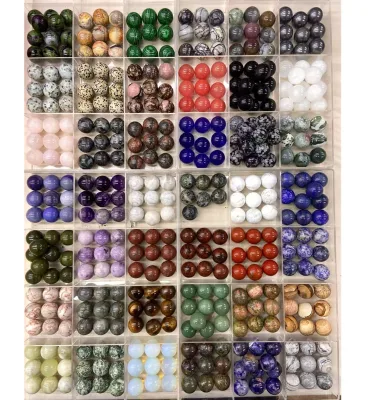
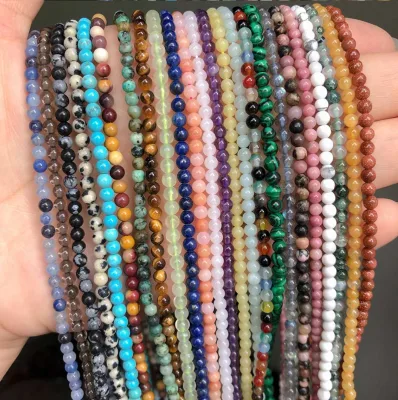

Beijing Hong Yun Xi International Trade Company Limited
- Verified by SGS
- Trading Company
- China Beijing
- Lead time23 days
- Avg. response≤ 20h
Main productsFRP Tank, FRP Vessel, FRP Pipe, FRP Tower, FRP Clarifier, FRP Wet Electrostatic Precipitator Tube, FRP Environment Protection Equipment, Fiberglass Mat, Fiberglass Roving, Glass Beads
Main marketsOthers(foreignTradeCapacity.exportBusinessCapacityMarketOther),Southeast Asia/ Mideast
Donghai Shanhuiju Trading Co., Ltd.
- Verified by Intertek
- Manufacturer, Trading Company
- Jingsu, China
- Lead time15 days
- Avg. response≤ 1h
Main productsCrystal Points, Crystal Hearts, Crystal Spheres, Crystal Skulls, Crystal Carving
Main marketsNorth America(80%), Western Europe(11%), Oceania(8%)
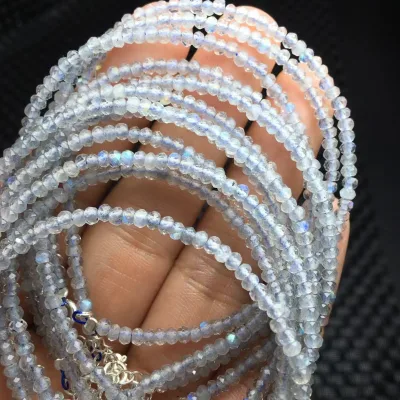
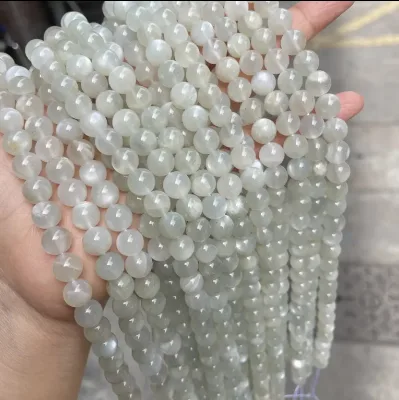
High Quality Crystals Beads Bracelet 3mm Moonstone Bracelet Loose Bead for Jewelry Making
$3.10 - $18.60
MOQ: 5 Minimum
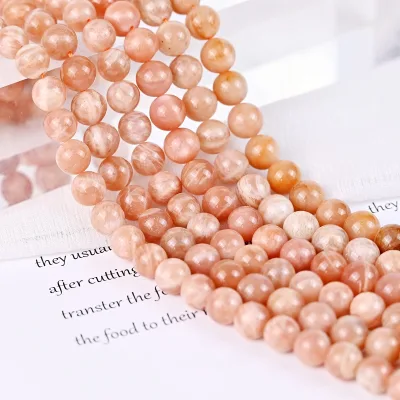
Lianyungang Nuoheng Crystal Jewelry Co., Ltd.
- Manufacturer, Trading Company
- Jiangsu, China
- Lead time0 days
- Avg. response≤ 8h
Main productsFluorite Tower/Moonstone Sphere/Moonstone/Sunstone/Crystal Skull,Augen pyramid/pyramid/Perfume bottle/crystal,healing crystal,Custom made crystal,crystal carving
Main marketsNorth America(80.00%), Southeast Asia(20.00%)
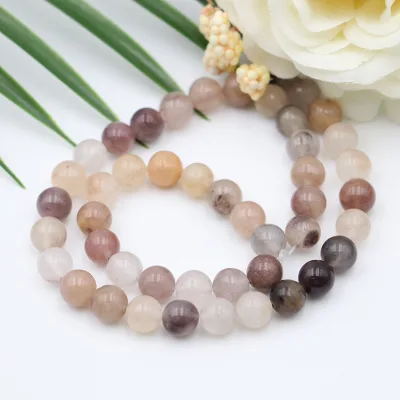
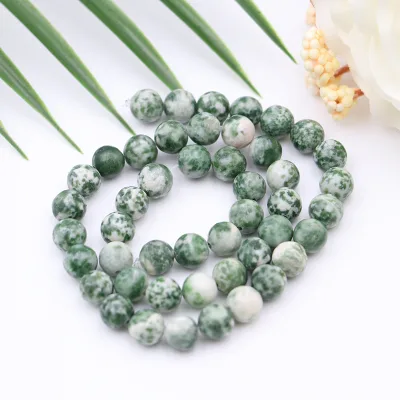
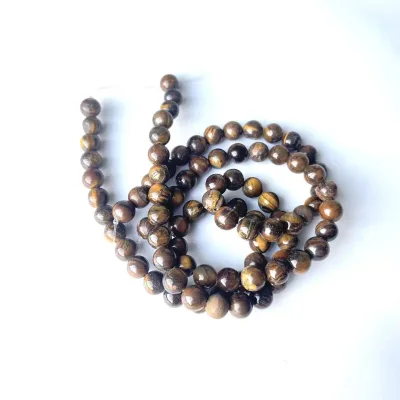
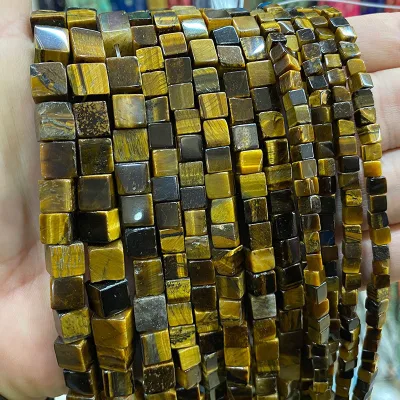
Natural Gem Stone Beads Semi-finished tiger Eye Stone Crystal Beads for Jewelry Making
$1.1085 - $1.5384
MOQ: 10 pieces
- Trading Company
- Zhejiang, China
- Lead time7 days
- Avg. response≤ 4h
Main productsGemstone Jewelry,Stainless Steel Jewelry,CZ Jewelry,Pearl Jewelry,Alloy Jewelry
Main marketsWestern Europe(25.00%), Northern Europe(15.00%), North America(5.00%), Eastern Europe(5.00%), South America(5.00%), Southeast Asia(5.00%), Africa(5.00%), Oceania(5.00%), Mid East(5.00%), Eastern Asia(5.00%), Central America(5.00%), Southern Europe(5.00%), South Asia(5.00%), Domestic Market(5.00%)
- Verified by SGS Group
- Manufacturer, Trading Company
- Lead time10 days
- Avg. response≤ 5h
Main productsSimi-Finished Stone Beads, Jewelry, Gemstone Decoration
Main marketsDomestic Market(15%), North America(10%), Eastern Europe(10%)








Comprehensive Sourcing Guide
Crystal Moon Beads Supplier Concentration and Factory Types
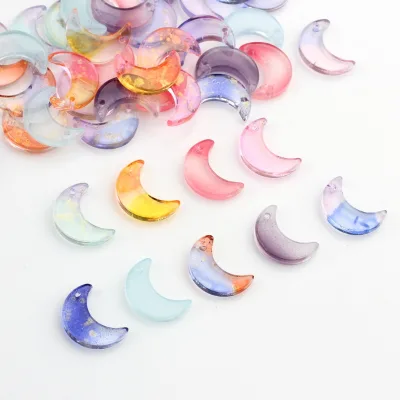
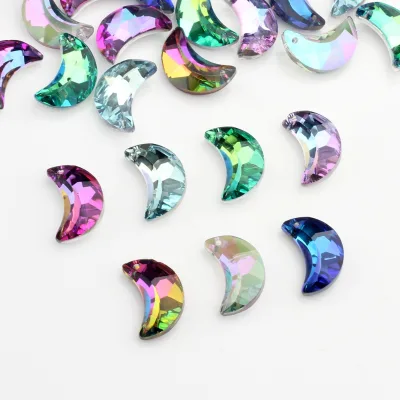
The current supplier landscape for Crystal Moon Beads reveals a mix of trading companies and manufacturers, with a notable concentration of entities operating as trading firms. These trading companies often aggregate products from various workshops, offering a broader range of items such as crystal drinkware, water fountains, and general crystal decorations alongside the specific moon-shaped beads. Some suppliers in the results also list themselves as manufacturers, indicating they may handle the actual carving and polishing of the gemstones, such as Labradorite, Amethyst, and Clear Quartz, directly. This dual structure means buyers must distinguish between a pure trading entity that sources finished goods and a factory that controls the production process from raw stone to finished bead.
When evaluating the factory types, it is essential to look for specific capabilities like light customization, sample processing, and graphic processing. The data indicates that many suppliers offer customized on-demand services, which is a critical differentiator for buyers seeking unique moon shapes or specific engravings. While some suppliers focus on standard loose beads, others provide more complex items like hand-carved faceted moon charms. The presence of suppliers with both manufacturing and trading capabilities suggests a flexible supply chain, but buyers should verify if the specific moon bead product they need is made in-house or sourced from a third party to ensure quality control and consistency in the final product.
How to Verify Crystal Moon Beads Suppliers
Verification is a critical step when sourcing Crystal Moon Beads, as the market contains a mix of verified and unverified entities. Buyers should prioritize suppliers that have undergone third-party verification processes, such as those conducted by SGS Group, which adds a layer of credibility to the supplier's business operations. Additionally, checking for system certifications like CE, LVD, and EMC can provide assurance regarding the safety and compliance of the manufacturing processes, particularly if the beads are intended for use in products that require specific safety standards. These certifications are not universal, so their presence or absence should be a primary filter during the initial screening phase.
Beyond certifications, buyers must assess the response time and communication reliability of potential suppliers. The data shows response times can vary, with some suppliers indicating a response within 24 hours, while others may have different internal benchmarks. A supplier with a rapid response time often indicates a more active sales team and better logistical coordination. Furthermore, verifying the "Certificate Type" listed in product details, such as Third Party Appraisal, can help confirm that the materials, like natural gemstones, have been authenticated. Buyers should request these specific documents before placing orders to ensure the supplier's claims about material quality and origin are substantiated by independent testing.
What to Compare Across Crystal Moon Beads Suppliers
When comparing suppliers, the Minimum Order Quantity (MOQ) is a primary factor that varies significantly across the market. Some suppliers offer very low entry points, such as an MOQ of just 2 pieces for specific crystal moon balls, while others dealing in bulk loose beads may require orders of 5 or 10 strands. This variation directly impacts the feasibility of small-scale testing versus large-volume production runs. Buyers must align their order volume with the supplier's specific MOQ requirements to avoid unnecessary costs or the inability to place an order. Additionally, the selling units, whether single items or multiples of 10, must be clearly understood to calculate the total cost accurately.
Lead times and pricing structures are equally critical dimensions for comparison. Lead times can range from as little as 3 days for standard items to 15 days or more during peak seasons, with larger orders potentially requiring negotiation. Buyers should compare these timelines against their project deadlines to ensure timely delivery. Pricing also fluctuates based on material type, size, and finish, with some suppliers offering best and negotiable prices while others list fixed ranges. Comparing the price per unit against the MOQ and lead time provides a comprehensive view of the total cost of ownership. Buyers should also consider the main products offered, as suppliers specializing in crystal crafts may offer better quality than those with a broader, less focused inventory.
Common Crystal Moon Beads Sourcing Risks
One significant risk in sourcing Crystal Moon Beads is the inconsistency in material quality and origin. While suppliers list materials like Coral Fossil Jasper, Hematite, and various quartz types, the actual quality can vary between batches. Some products are described as "Class A" while others are "Class Ordinary," indicating a potential disparity in the gemstone's clarity and durability. Without a standardized grading system enforced by the supplier, buyers risk receiving goods that do not meet their aesthetic or functional expectations. This risk is heightened when dealing with trading companies that may source from multiple factories with varying quality control standards.
Another risk involves the discrepancy between product descriptions and actual specifications, particularly regarding size and weight. Product attributes often list specific dimensions, such as 4mm, 6mm, or 8mm, but the actual delivered beads may deviate slightly. Furthermore, the packaging details, such as OPP bags or carton boxes with bubble wrappers, may not always align with the protection required for fragile crystal items during transit. If the packaging is insufficient, the beads could arrive damaged, leading to financial loss and delays. Buyers must verify these physical attributes and packaging standards explicitly before confirming an order to mitigate the risk of receiving substandard or damaged goods.
Crystal Moon Beads Regional Sourcing and Logistics
The primary region for sourcing Crystal Moon Beads appears to be Zhejiang, China, based on the available product evidence. This region is known for its concentration of crystal craft manufacturers and trading companies, offering a robust ecosystem for sourcing these specific items. Buyers should verify the "Place of Origin" listed in product details to confirm the location, as this can influence shipping costs and lead times. Sourcing from this region often provides access to a wide variety of crystal types and customization options, but it also requires careful logistics planning to manage international shipping and customs clearance efficiently.
Logistics planning must account for the specific packaging and weight of the products to ensure cost-effective shipping. Product attributes indicate single package sizes ranging from 5x5x5 cm to 20x5x5 cm, with weights varying from 80g to 0.800 kg per batch. These dimensions and weights directly impact the freight charges and the choice of shipping method. Buyers should calculate the total volume and weight of their order to estimate shipping costs accurately. Additionally, understanding the lead time variations between peak and off-peak seasons is crucial for planning inventory levels. Delays in production or shipping can disrupt supply chains, so maintaining a buffer in the timeline is advisable when sourcing from this specific region.
Crystal Moon Beads Commercial Terms and Order Planning
Commercial terms for Crystal Moon Beads often include specific conditions regarding payment and order flexibility. While some suppliers offer best and negotiable prices, others may have fixed pricing structures based on the quantity and material. Buyers should clarify the payment terms, including any requirements for escrow services to protect their funds until the goods are delivered as described. The availability of OEM and ODM services is another key commercial term, allowing buyers to customize the beads with their own branding or designs. Understanding these terms early in the negotiation process helps prevent misunderstandings and ensures a smooth transaction.
Order planning must also consider the response time and the supplier's capacity to handle custom requests. Suppliers with a response time of within 24 hours are generally more reliable for urgent orders or quick clarifications. However, for larger orders, the lead time can extend significantly, especially during peak seasons where production capacity may be stretched. Buyers should plan their orders well in advance, accounting for the time required for sample processing, graphic processing, and final production. It is also important to verify the supplier's capacity for light customization and on-demand orders to ensure they can meet specific design requirements without compromising the delivery schedule.
FAQs
What is the minimum order quantity for Crystal Moon Beads?
The minimum order quantity varies by product type. For crystal moon shape spheres, the MOQ is 2 pieces. For loose beads, it ranges from 5 to 10 strands. Buyers should check specific product listings to confirm the exact MOQ required for their selected item and size.
Where are Crystal Moon Beads manufactured?
Most Crystal Moon Beads and related crafts are manufactured in Zhejiang, China. This region is a known hub for crystal processing and gemstone bead production. Buyers sourcing these items will typically find suppliers located in this area, ensuring access to established supply chains and manufacturing capabilities.
What materials are used for Crystal Moon Beads?
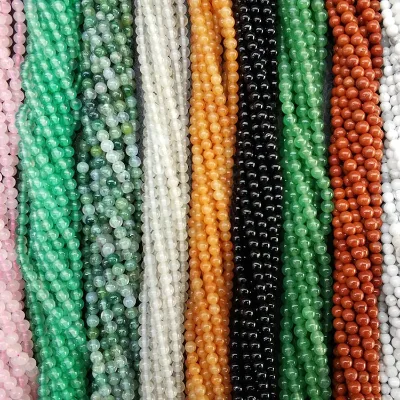
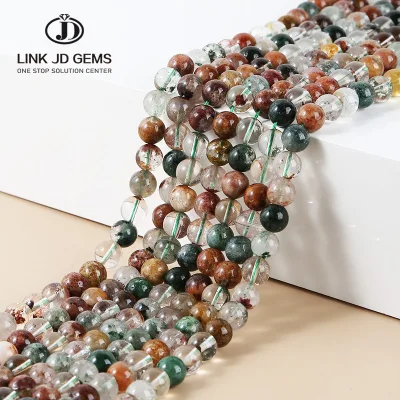
Crystal Moon Beads are made from various materials including clear quartz, howlite, lepidolite, obsidian, and rose quartz. Some products use coral fossil jasper or hematite. The material choice depends on the specific design, with options ranging from natural gemstones to polished glass beads for jewelry making.
What is the typical lead time for these products?
Lead times generally range from 3 to 15 days depending on order volume and season. For smaller orders, production can be completed within 3 days. Larger orders may require up to 15 days during peak seasons. Buyers should confirm specific timelines with suppliers before placing bulk orders.
Are these suppliers verified for quality assurance?
Yes, many suppliers are verified by SGS Group. This verification ensures that the companies meet specific quality and operational standards. Buyers can rely on these verified profiles to reduce risk when sourcing Crystal Moon Beads, as the verification process includes checks on business legitimacy and product quality.
What certifications do crystal bead suppliers hold?
Suppliers often hold CE, LVD, and EMC certifications. These certifications indicate compliance with European safety and electromagnetic standards. While primarily for electronics, some suppliers may hold these for broader operational compliance. Buyers should verify specific product certifications to ensure they meet their regional regulatory requirements.
What customization options are available for crystal beads?
Suppliers offer light customization, sample processing, and graphic processing. Buyers can request customized designs on demand. Options include specific sizes, colors, and packaging. OEM services are available for many products. Buyers should discuss their specific customization needs directly with suppliers to ensure feasibility and pricing.