Source 24-piece dapping punch set for Jewelry Making, Metal Forming, Riveting
Compare 16 available listings for the 24-piece dapping punch set from suppliers in China. Buyers can evaluate options based on material grade, package size, and usage for jewelry making, metal forming, and riveting applications; compare the available evidence and request quotations based on your requirements.
Updated
Key considerations
Products List
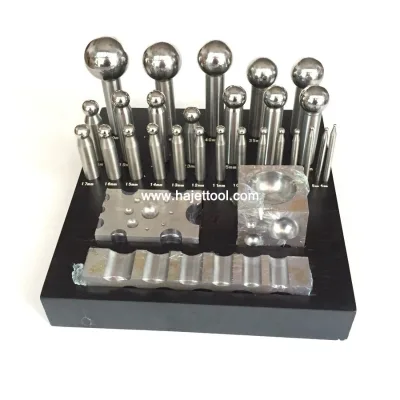
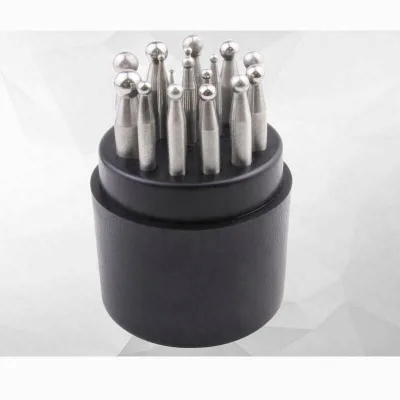
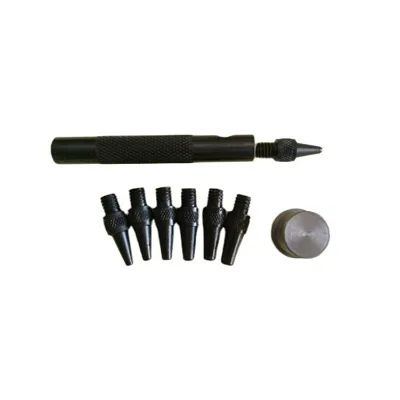
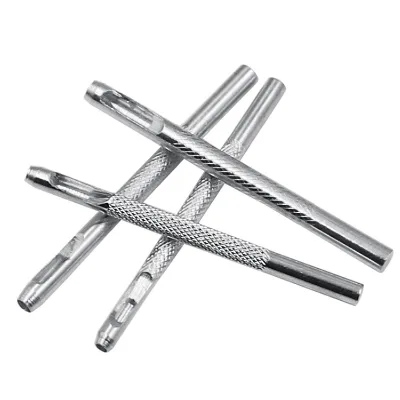
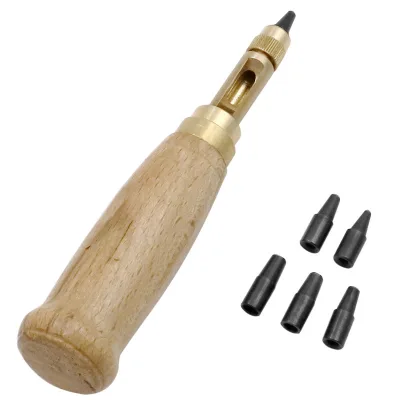
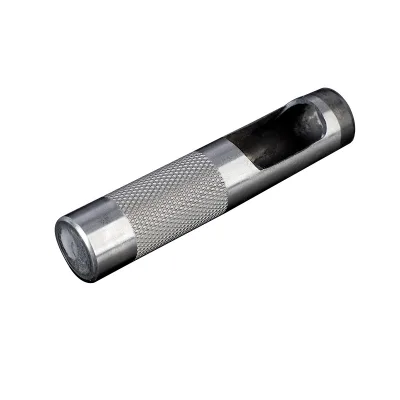
ANDUUK Hole Punch Tool Dapping Punches Jewelry Tools Dapping Block Dapping Punches
$15.7245 - $26.207
MOQ: 10 pieces
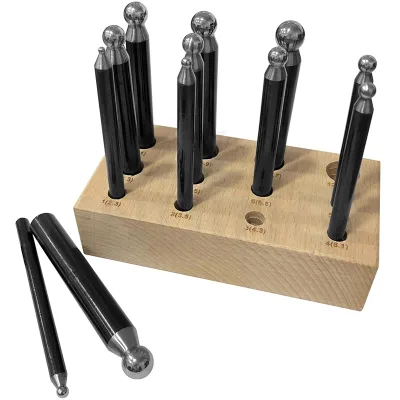
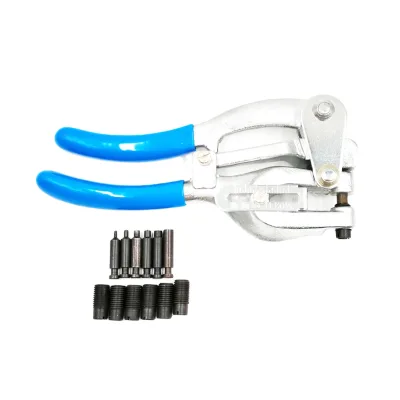
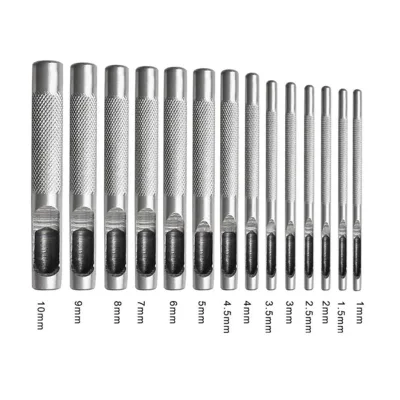
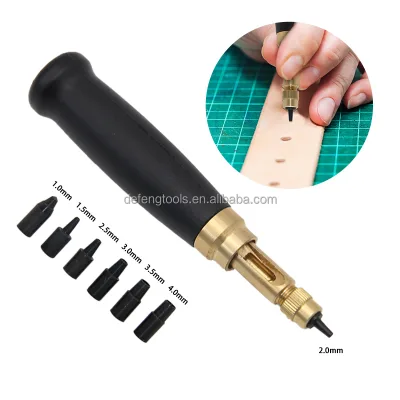
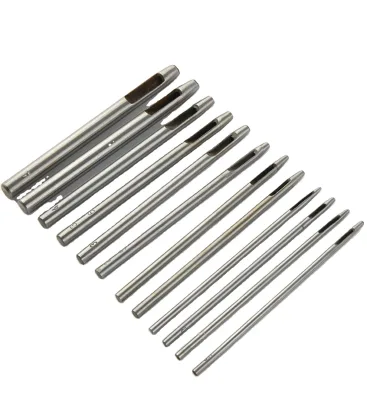
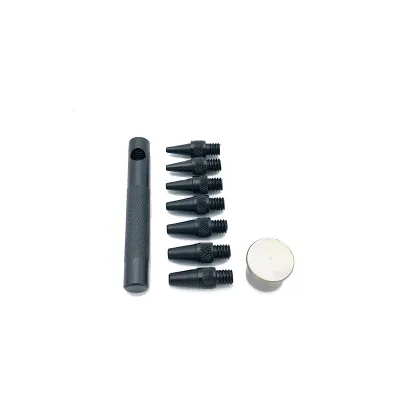
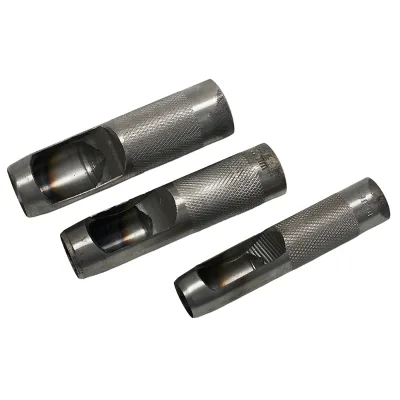
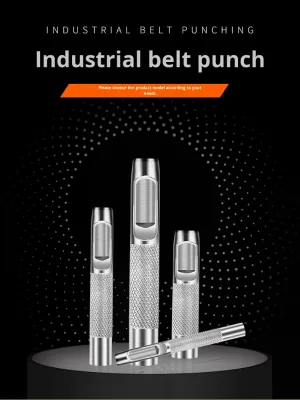
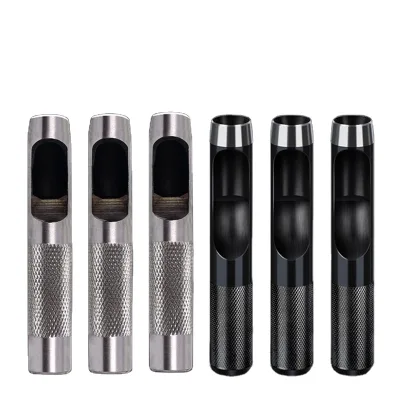
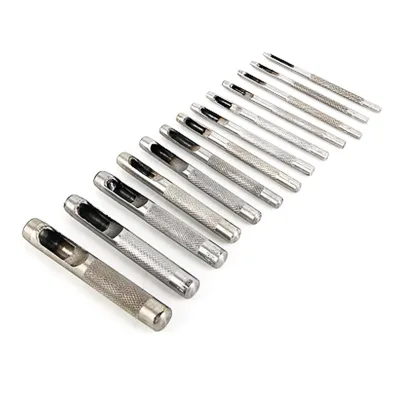
Comprehensive Sourcing Guide
24-Piece Dapping Punch Set Sourcing Guide
Procuring a 24-piece dapping punch set requires careful evaluation of material integrity and dimensional consistency, as these tools are critical for precise metal forming in jewelry making and industrial applications. Buyers must recognize that the market offers diverse configurations, ranging from DIY-grade kits to heavy-duty industrial sets, each serving distinct operational needs. The core keyword highlights a specific quantity, yet actual product listings often vary significantly in piece count, with observed sets including 12-piece or single-item configurations. This discrepancy necessitates rigorous verification of the exact contents before finalizing any purchase order, ensuring the received inventory matches the technical requirements for hole punching, riveting, and flattening tasks.
The sourcing landscape for these tools is characterized by a wide price range and varying origin points, primarily within China, including regions like Hebei and Shanghai. Observed pricing spans from $0.33 to $87.23 USD, reflecting differences in material quality, brand reputation, and packaging standards. Suppliers may offer customized support through OEM, ODM, or OBM models, allowing for tailored branding or specific tool geometries. However, buyers should not assume that all listed products meet the same performance standards, as attributes such as warranty periods and gross weights vary widely. Understanding these market signals is essential for aligning procurement strategies with budget constraints and quality expectations.
Product Scope and Observed Listing Signals
The product scope for dapping punches encompasses a variety of applications, including jewelry making, metal forming, riveting, and leather hole punching. Observed listings indicate that these tools are often marketed under different brand names, such as ANDUUK, MNF, and Haicable, each presenting unique selling points. For instance, some sets are explicitly labeled for jewelry applications, while others are categorized under general machine tools or metal forming equipment. The usage descriptions frequently mention functions like flattening, forging, and creating domes, which are essential for artisans and industrial workers alike. Buyers should carefully review these application tags to ensure the selected set aligns with their specific workflow, whether it involves delicate jewelry work or more robust metal fabrication tasks.
Listing signals also reveal significant variations in packaging and physical specifications, which impact logistics and handling. Single package sizes range from compact dimensions like 1x1x1 cm to larger boxes measuring 25x20x10 cm, with gross weights varying from 1.0 kg to 10.0 kg. Packaging details often include bubble bags, foam inserts, and cartons, or specialized plastic carrying cases, indicating different levels of protection during transit. These physical attributes are crucial for calculating shipping costs and storage requirements. Additionally, the model numbers, such as FBFC0007 or MAC-002, serve as unique identifiers for verification purposes. Buyers must cross-reference these details with their internal inventory systems to avoid receiving mismatched or incomplete sets.
Technical Specifications to Verify
Verifying technical specifications is paramount when sourcing dapping punch sets, as the material grade and hardness directly influence tool longevity and performance. Observed data indicates that materials range from standard steel to metal alloys, with grades categorized as industrial or DIY. Buyers should request detailed material certifications or hardness test results to confirm that the punches can withstand repeated impact without chipping or deforming. The model number and product name, such as "Dapping Punch Set" or "Dapping Set Of 12pcs," should be matched against technical datasheets to ensure dimensional accuracy. Inconsistent specifications across listings suggest that buyers must rely on direct supplier confirmation rather than generic product descriptions to guarantee compatibility with existing dies or blocks.
Operational characteristics, such as the method of operation and color coding, also play a role in user experience and safety. Some tools are designed for hand operation, requiring manual force, while others may be part of a larger punching machine system. Color variations, such as blue finishes, may indicate specific coatings for corrosion resistance or ease of identification in a busy workshop. The single gross weight and package dimensions provided in listings serve as initial indicators of build quality, but buyers should verify these against actual samples. Discrepancies in weight or size could signal inferior materials or incomplete sets. Therefore, requesting physical samples or detailed technical drawings is a prudent step to validate that the tools meet the required tolerances for precision work.
Compliance and Safety Documentation
Compliance and safety documentation are often overlooked in the procurement of hand tools, yet they are essential for ensuring workplace safety and regulatory adherence. Buyers should inquire about the presence of safety data sheets (SDS) and any relevant occupational health standards that apply to the manufacturing process. While specific certification statuses are not always listed, suppliers with established quality management systems are more likely to provide comprehensive documentation. The warranty terms, which vary from three months to three years, can serve as an indirect indicator of the supplier’s confidence in their product’s durability and safety. A longer warranty period may suggest better material quality and adherence to safety standards, reducing the risk of tool failure during critical operations.
Additionally, buyers must verify that the tools comply with international safety standards for hand tools, such as ISO or ANSI guidelines, if applicable to their region. Although specific standard numbers are not provided in the observed data, suppliers should be able to confirm compliance upon request. The packaging details, including the use of bubble bags and foam, also contribute to safety by preventing damage during transit, which could otherwise lead to sharp edges or structural weaknesses. Buyers should ensure that the supplier provides clear instructions for safe handling and maintenance, as improper use of dapping punches can lead to injury or tool damage. Requesting these documents during the initial inquiry phase helps establish a baseline for supplier reliability and product safety.
Cost Drivers and Commercial Terms
Cost drivers for dapping punch sets include material costs, manufacturing complexity, and branding, all of which influence the final price point. The observed price range of $0.33 to $87.23 USD reflects these variations, with higher prices typically associated with industrial-grade materials and comprehensive packaging. Buyers should analyze the cost per piece and the total value of the set to determine the most economical option. The minimum order quantity (MOQ) ranges from 1 to 100 pieces, offering flexibility for both small-scale artisans and large industrial buyers. Understanding these commercial terms is crucial for budgeting and inventory planning, as higher MOQs may offer volume discounts but require greater capital investment.
Customization support, such as OEM, ODM, or OBM services, can also impact costs, as tailored branding or specific tool geometries may incur additional fees. Suppliers located in different regions, such as Hebei or Shanghai, may have varying labor and logistics costs, which are reflected in the final price. Buyers should request detailed quotations that break down these costs to ensure transparency. Additionally, the warranty period and after-sales support should be considered as part of the total cost of ownership, as extended warranties can reduce long-term maintenance expenses. By carefully evaluating these commercial terms, buyers can negotiate favorable conditions that align with their financial constraints and operational needs.
Supplier Qualification and Quality Control
Supplier qualification is a critical step in ensuring the reliability and consistency of dapping punch sets. Buyers should assess the supplier’s production capabilities, quality control processes, and track record in the industry. The presence of customized support options, such as OEM or ODM, indicates a supplier’s ability to adapt to specific buyer requirements. However, buyers must verify these claims through site audits or third-party inspections to ensure that the supplier maintains high standards throughout the production process. The variety of brand names and model numbers in the market suggests a fragmented supplier base, making due diligence essential to identify reputable partners.
Quality control measures should include rigorous testing of material hardness, dimensional accuracy, and surface finish. Buyers should request sample inspections or third-party quality reports to validate the supplier’s claims. The warranty terms, ranging from three months to three years, can serve as a metric for supplier confidence, but they should be complemented by concrete quality assurance protocols. Additionally, buyers should evaluate the supplier’s responsiveness to inquiries and their ability to provide technical support. Establishing a clear communication channel with the supplier ensures that any issues can be addressed promptly, minimizing disruptions to the procurement process. By prioritizing supplier qualification, buyers can mitigate risks and secure a steady supply of high-quality tools.
Long-Term Procurement Checks
Long-term procurement checks involve continuous monitoring of supplier performance and product quality to ensure sustained value. Buyers should establish key performance indicators (KPIs) such as on-time delivery, defect rates, and customer satisfaction to evaluate supplier reliability over time. Regular audits and feedback loops can help identify areas for improvement and foster a collaborative relationship with the supplier. The variability in product attributes, such as material grade and packaging, necessitates ongoing verification to ensure consistency across orders. By maintaining a proactive approach to supplier management, buyers can mitigate risks and optimize their supply chain efficiency.
Additionally, buyers should stay informed about market trends and technological advancements in tool manufacturing to remain competitive. The observed variations in product specifications and pricing suggest a dynamic market, requiring buyers to adapt their sourcing strategies accordingly. Engaging with industry networks and attending trade shows can provide valuable insights into new products and suppliers. By continuously evaluating and refining their procurement processes, buyers can ensure that they secure the best value for their investment in dapping punch sets. This long-term perspective helps build a resilient supply chain capable of meeting evolving business needs and maintaining high standards of quality and service.
FAQs
What materials are used in the 24-piece dapping punch set?
The set is primarily constructed from high-grade steel to ensure durability during metal forming and jewelry making tasks. Some variants may include industrial-grade or DIY-grade options depending on the specific manufacturer. The steel construction provides the necessary hardness for punching, riveting, and flattening operations without deforming under pressure.
Can I customize the 24-piece dapping punch set for my brand?
Yes, many suppliers offer customized support including OEM, ODM, and OBM services for these tools. You can often request specific branding, packaging adjustments, or minor design modifications to suit your business needs. This flexibility allows you to align the product with your brand identity while maintaining the core functionality required for professional jewelry and metalworking applications.
What is the typical warranty period for a dapping punch set?
Warranty periods vary by manufacturer, with common offerings including a 3-month warranty or up to 3 years for certain models. The specific duration depends on the brand and the quality grade of the steel used. Buyers should verify the warranty terms directly with the supplier to ensure adequate protection against manufacturing defects or premature wear during regular use.
How is the 24-piece dapping punch set packaged for shipping?
Packaging typically includes protective layers such as bubble bags, foam inserts, and sturdy cartons to prevent damage during transit. Some premium sets may come in a plastic carrying case for better organization and portability. The single package size and gross weight vary by model, so buyers should check specific dimensions to plan storage and logistics effectively.
What is the minimum order quantity for a dapping punch set?
The minimum order quantity can start as low as 1 piece for sample orders or small batches. However, bulk pricing and specific supplier terms may require higher volumes. Buyers should confirm the exact MOQ with the supplier, as it can range from 1 to 100 units depending on the manufacturer's policies and the specific product model selected.
Where are dapping punch sets typically manufactured?
These tools are commonly manufactured in China, with specific production hubs located in regions like Hebei and Shanghai. The place of origin indicates the supply chain source and may influence shipping logistics and lead times. Buyers should verify the exact manufacturing location to assess quality standards, transportation costs, and compliance with any regional trade regulations.