Source muti-color acrylic beads for slime, jewelry, and crafts
Compare 30 listings of muti-color acrylic beads for slime and other DIY projects. Buyers can review specifications like diameter, material, and packaging from suppliers in Guangdong and Zhejiang, China; compare the available evidence and request quotations based on your requirements.
Updated
Key considerations
Products List
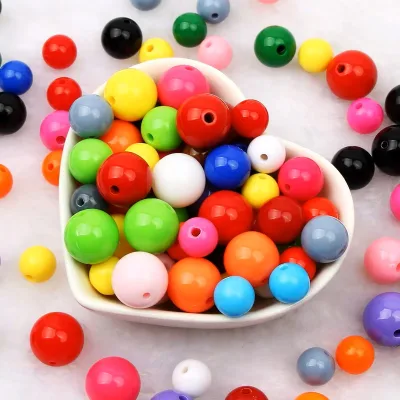
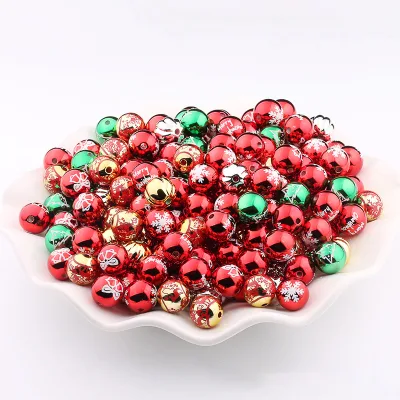
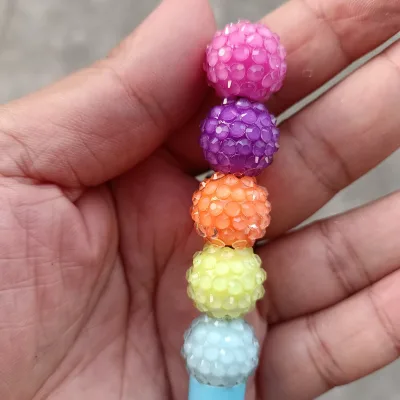
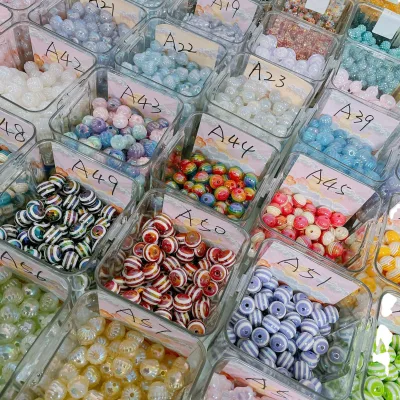
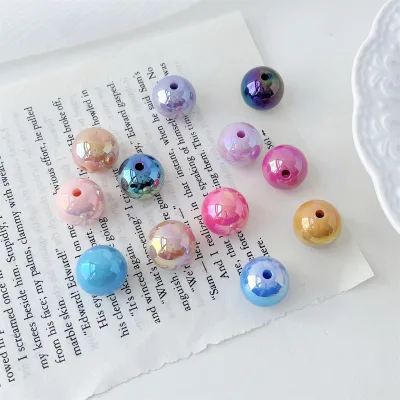
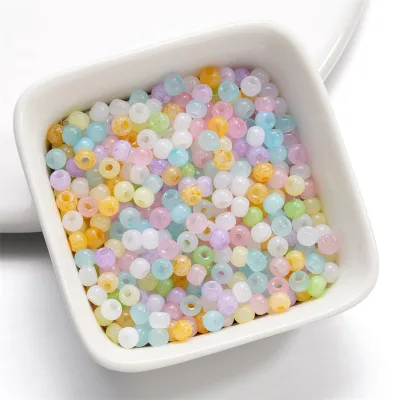
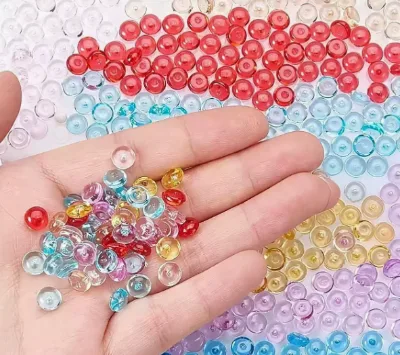

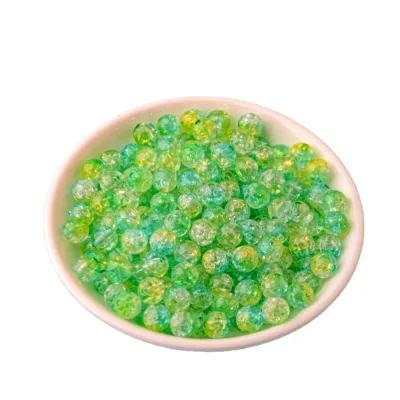
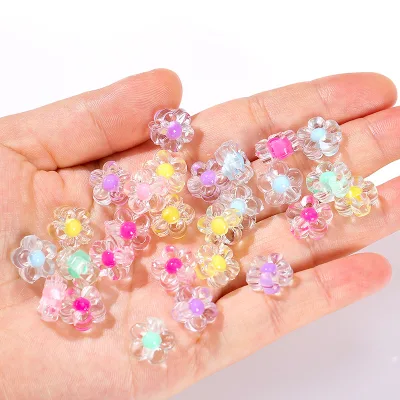
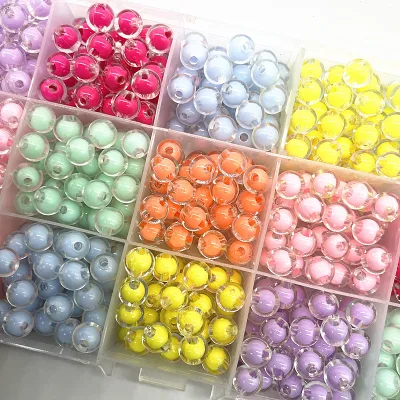
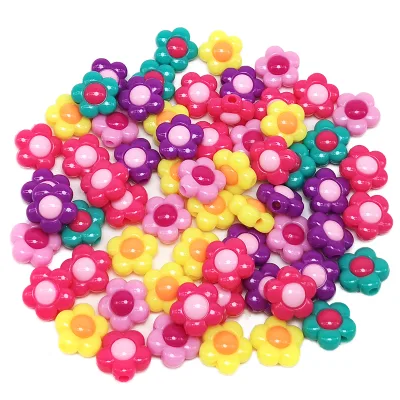
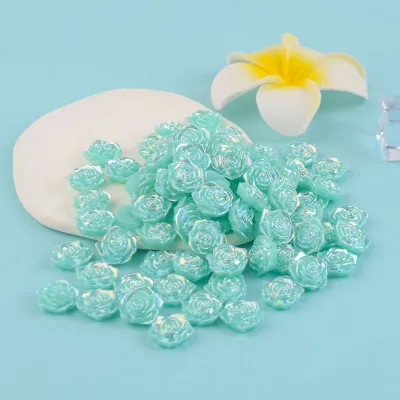
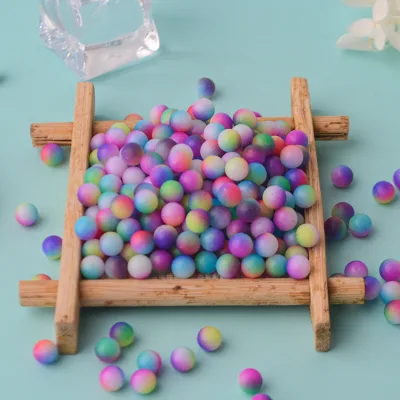

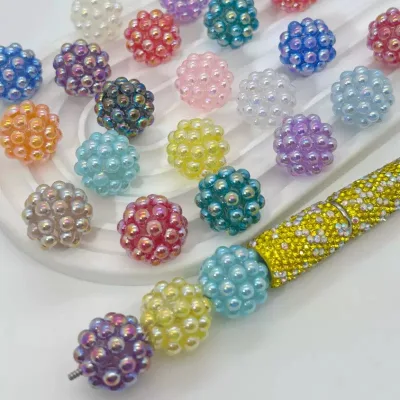
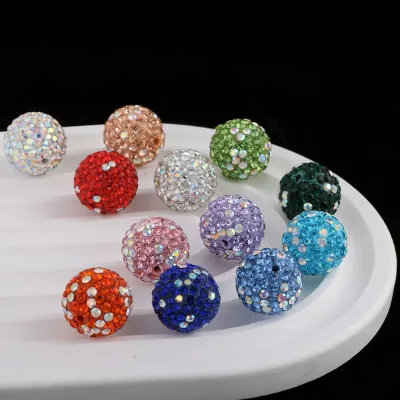
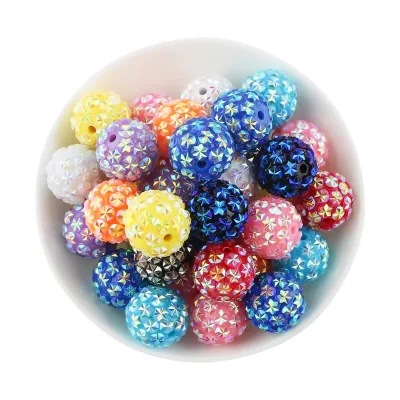
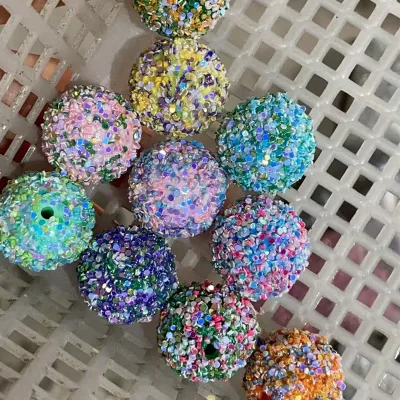
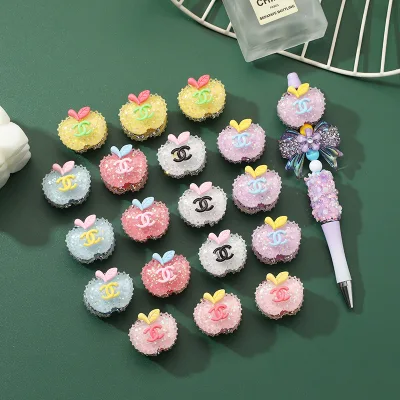
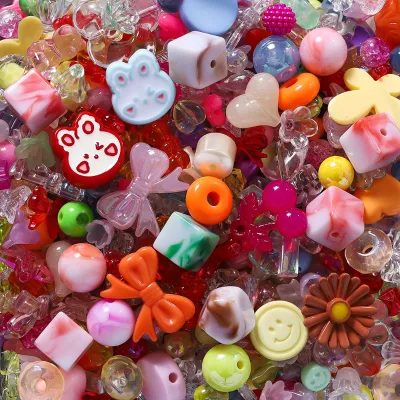
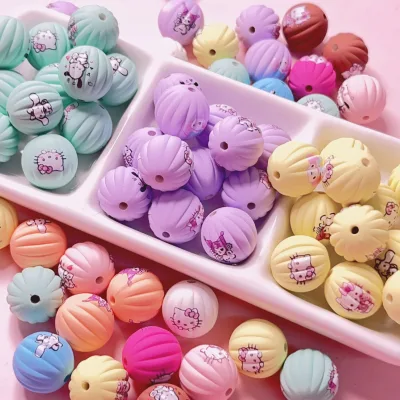
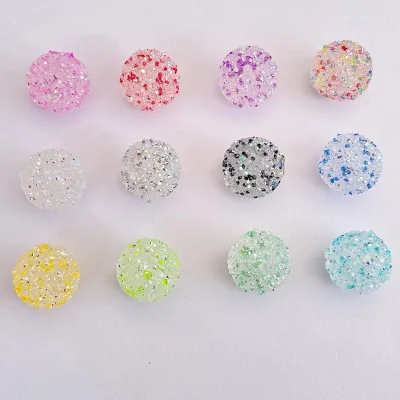
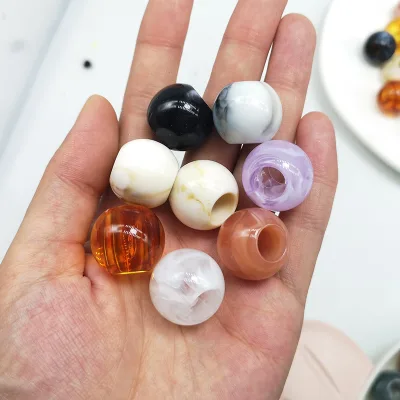
Acrylic Beads Various Shape Loose Plastic Imitation Pearl Beads for Jewelry Making
$0.06 - $0.10
MOQ: 10000 Pieces


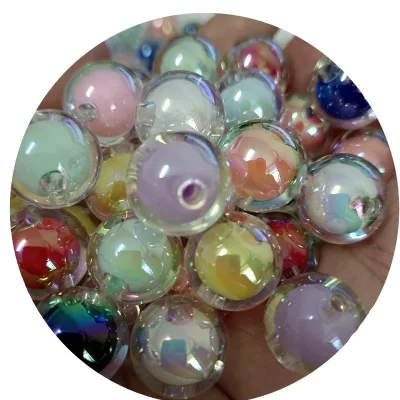

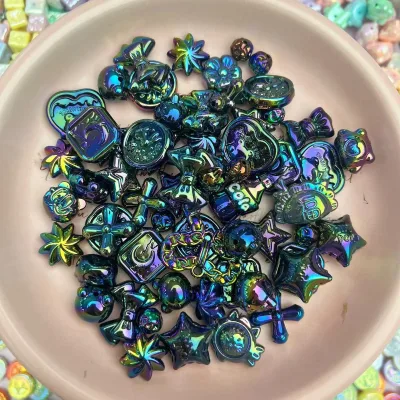
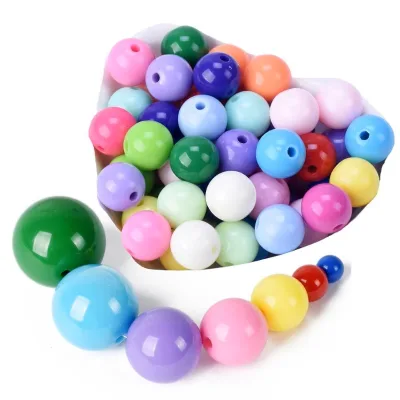
Comprehensive Sourcing Guide
Multi-Color Acrylic Beads for Slime Sourcing Guide
Sourcing multi-color acrylic beads for slime requires careful attention to material consistency and visual appeal, as these components serve as both decorative elements and textural additives in craft products. Buyers must distinguish between pure acrylic variants and mixed-material options, such as those combining resin or lucite, to ensure the final slime texture meets consumer expectations for stretch and durability. The observed market data indicates a wide range of color options, from simple multi-light palettes to complex mixed designs, necessitating clear specification definitions to avoid fulfillment errors.
Procurement teams should prioritize suppliers who offer transparent packaging details and consistent unit weights, as these factors directly impact shipping costs and inventory management. The presence of brands like jthome and JC Crystal suggests a competitive landscape where brand reputation may correlate with quality control standards. However, buyers must verify that the "multi-color" designation aligns with their specific aesthetic requirements, as listings may range from numbered color sets to completely random assortments, affecting the uniformity of the final craft product.
Product Scope and Observed Listing Signals
The current market landscape for multi-color acrylic beads includes a diverse array of shapes, primarily round, with diameters ranging from 4mm to 20mm, catering to different slime formulations. Listings indicate that these beads are often packaged in bulk quantities, such as 100 pieces per bag, with single package sizes varying significantly from compact 2x2x2 cm units to larger 10x10x3 cm boxes. This variation in packaging suggests that buyers need to assess their storage capabilities and production line efficiency when selecting suppliers, as larger packages may reduce handling time but increase initial capital outlay.
Observed listing signals reveal that many suppliers offer OEM and ODM support, allowing for customized color mixes and branding opportunities. The material composition is frequently listed as acrylic, plastic, or lucite, with some products explicitly labeled as resin/acrylic blends. Buyers should note that while the core keyword focuses on acrylic, the actual material may vary, requiring strict verification during the sampling phase. Additionally, the presence of specific model numbers like JCGM704632679618 indicates that suppliers maintain distinct SKUs for different colorways or sizes, which is crucial for maintaining inventory accuracy.
Technical Specifications to Verify
Technical verification must begin with the item diameter, as bead size directly influences the slime's texture and visual density. Listings show options ranging from 4mm to 20mm, with specific quantities per size, such as 4200 pieces for 6mm beads. Buyers should confirm the tolerance levels for these diameters to ensure uniformity, as significant deviations can lead to inconsistent product quality. Furthermore, the shape is predominantly round, but buyers must verify that the beads are smooth and free of sharp edges to prevent injury during play, especially for children's products.
Color consistency is another critical technical specification, with listings offering everything from numbered color sets to mixed designs. Buyers should request physical samples to verify that the "multi-color" claim matches the actual product, as digital images may not accurately represent the hue saturation or variety. Additionally, the gross weight per batch or single item should be verified to ensure accurate shipping calculations. For instance, some listings report a single gross weight of 0.002 kg, while others indicate 0.5 kg for larger packages, highlighting the need for precise weight verification in procurement contracts.
Compliance and Safety Documentation
Safety compliance is paramount when sourcing beads for slime, particularly if the end product is intended for children. Buyers must request documentation confirming that the acrylic or resin materials are free from harmful substances such as phthalates, lead, and BPA. Although specific certification statuses are not provided in the observed data, buyers should insist on test reports from accredited laboratories to verify compliance with international safety standards. This due diligence is essential to mitigate liability risks and ensure that the products meet regulatory requirements in target markets.
Additionally, buyers should verify that the suppliers adhere to proper labeling and packaging guidelines, which often include age warnings and choking hazard symbols. The usage of these beads for jewelry making, bags, shoes, and hair ornaments suggests versatility, but when marketed for slime, specific safety disclosures may be required. Buyers should also inquire about the supplier's quality control processes, including how they handle defective batches and whether they provide replacement guarantees. This proactive approach helps maintain brand reputation and customer trust.
Cost Drivers and Commercial Terms
Cost drivers for multi-color acrylic beads include material quality, color complexity, and packaging specifications. Suppliers offering OEM services may charge additional fees for custom color mixing or branding, which buyers should factor into their total cost of ownership. The observed MOQ ranges from 2 to 10,000 units, providing flexibility for both small-scale crafters and large manufacturers. Buyers should negotiate terms that align with their production volume, leveraging larger orders to secure better pricing while avoiding excessive inventory costs.
Commercial terms also encompass shipping and payment conditions, which can significantly impact the overall procurement cost. Buyers should clarify whether the listed prices include packaging details such as opp bags and box packing, as these can add to the final cost. Additionally, lead times should be confirmed to ensure timely delivery, especially for seasonal demand spikes. Understanding the selling units, whether single items or multiples of 5 or 10, helps in planning inventory replenishment cycles and cash flow management.
Supplier Qualification and Quality Control
Supplier qualification involves assessing the manufacturer's production capabilities, quality control systems, and track record. Buyers should verify the place of origin, with Guangdong and Zhejiang being common sources, as these regions have established manufacturing ecosystems for acrylic products. Requesting factory audits or third-party inspections can provide insights into the supplier's operational efficiency and adherence to quality standards. Additionally, buyers should evaluate the supplier's responsiveness and communication skills, as these factors are crucial for resolving issues during the procurement process.
Quality control measures should include regular sampling and inspection protocols to ensure consistency in bead size, color, and material quality. Buyers should establish clear acceptance criteria and communicate them to the supplier before placing orders. Implementing a robust quality assurance process helps identify and rectify defects early, reducing the risk of receiving substandard products. Furthermore, buyers should maintain open lines of communication with suppliers to address any concerns promptly and foster a collaborative relationship that supports long-term procurement success.
Long-Term Procurement Checks
Long-term procurement checks involve continuous monitoring of supplier performance, market trends, and product quality. Buyers should regularly review supplier metrics, such as on-time delivery rates, defect rates, and customer satisfaction scores, to identify areas for improvement. Additionally, staying informed about emerging trends in slime and craft products can help buyers anticipate changes in demand and adjust their sourcing strategies accordingly. This proactive approach ensures that the procurement process remains agile and responsive to market dynamics.
Furthermore, buyers should periodically reassess their supplier base to ensure they are leveraging the best available options. This may involve exploring new suppliers, negotiating better terms, or diversifying sources to mitigate supply chain risks. Maintaining a diverse supplier portfolio can enhance resilience against disruptions and provide competitive pricing advantages. Finally, buyers should document all procurement activities and lessons learned to refine their sourcing processes and improve efficiency over time, ensuring sustained success in the multi-color acrylic beads market.
FAQs
What sizes are available for multi-color acrylic beads?
Available diameters range from 4mm to 20mm, with specific quantities like 4200 pieces for 6mm and 1850 pieces for 8mm. These round beads are made from acrylic, plastic, or Lucite materials. They are suitable for various crafting applications and come in mixed color options to suit different design needs.
Can I customize the color of these acrylic beads?
Yes, OEM and ODM services are supported for these beads. Buyers can choose from multi-light colors, dark multi-colors, or specific numbered color options. The beads are available in mixed designs and can be tailored to specific project requirements, ensuring the final product matches the desired aesthetic perfectly.
What is the minimum order quantity for these beads?
The minimum order quantity varies by supplier, ranging from 2 to 10,000 pieces. Some suppliers require a minimum of 10 bags containing 200 pieces each. Other options allow for smaller bulk purchases. Buyers should check specific supplier listings to confirm the exact MOQ applicable to their order size.
Where are these acrylic beads manufactured?
These beads are manufactured in China, specifically in Guangdong and Zhejiang provinces. The products originate from these regions, which are known for their manufacturing capabilities. Buyers can source directly from factories in these areas, ensuring access to a wide variety of acrylic bead styles and specifications for their projects.
How are the acrylic beads packaged for shipping?
Packaging typically includes 100 pieces per bag or OPP bag and box packing. Single package sizes vary, such as 10x10x3 cm or 2x2x2 cm. Gross weights range from 0.002 kg to 0.520 kg per unit. Batch packaging may also be available, ensuring safe transport and easy storage for bulk orders.
What are the primary uses for these multi-color beads?
These beads are primarily used for pen beads, jewelry making, and decorating bags, shoes, and hair ornaments. Their versatile design allows for creative applications in various crafts. The multi-color options provide flexibility for designers looking to add vibrant accents to their handmade items or commercial products effectively.