Vertical Hole Resin Beads Suppliers and Manufacturers in China
Compare 10 verified suppliers offering Vertical Hole Resin Beads with varying lead times, response speeds, and locations. Review product dimensions, material types, and pricing to select the right partner for your jewelry or craft needs; review the available evidence before requesting comparable quotations from suitable candidates.
Updated
Suppliers List
Yiwu Shanmei Arts And Gifts Co., Ltd.
- Manufacturer, Trading Company
- Lead time旺季: "1 - 500":15,"501 - 2000":45,"> 2000":"To be negotiated", 淡季: "1 - 500":15,"501 - 2000":45,"> 2000":"To be negotiated"
- Avg. response≤ 4h
Main productsJewelry
Huizhou Mairuidi Trade Co., Ltd.
- Trading Company
- Guangdong, China
- Lead time0 days
- Avg. response≤ 11h
Main productsdiy jewelry,earring,necklace,sunglasses
Main marketsNorth America(70.00%), Domestic Market(5.00%), Southern Europe(5.00%), Northern Europe(5.00%), Western Europe(5.00%), Eastern Europe(5.00%), South America(5.00%)
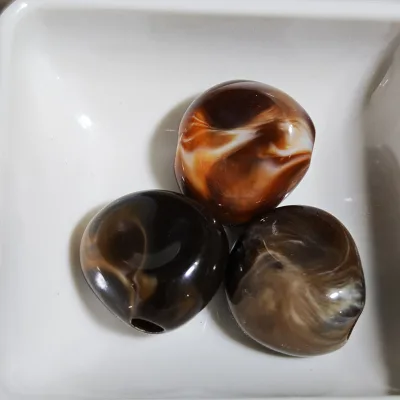

$0.14 - $0.17
MOQ: 150 Minimum


Qinyuan Fuda New Material Technology Co., Ltd.
- Verified by TUVRHEINLAND
- Trading Company
- China Shanxi
- Lead time15 days
- Avg. response≤ 3h
Main productsgrinding ball
Main marketsSoutheast Asia/ Mideast,Domestic

Dalian BestOn Industries Co., Ltd.
- Verified by TUVRHEINLAND
- Trading Company
- China Liaoning
- Lead time15 days
- Avg. response≤ 10h
Main productsGlass Beads, Stainless Steel IBC Tank, Strut Channel, EMT Conduit Connector IMC Conduit, Channel Fittings, Ground Rod, Flange, Seismic Bracket, Carbon Steel Fittings, Strut Clamp
Main marketsSouth America,Eastern Europe,Mid East,North America,Southeast Asia,Eastern Asia,Oceania,Western Europe,Africa

Wuhan Icontacts Optical Commercial Co., Ltd.
- Trading Company
- Hubei, China
- Lead time7 days
- Avg. response≤ 5h
Main productsColored Contact Lenses,Hollywood Contact Lens,Halloween Colored Contact Lenses,Perfume,Body Piercingothes
Main marketsNorth America(20.00%), Domestic Market(10.00%), Southeast Asia(10.00%), Western Europe(10.00%), Eastern Asia(10.00%), Africa(5.00%), Southern Europe(5.00%), Northern Europe(5.00%), Central America(5.00%), Eastern Europe(5.00%), South America(5.00%), Mid East(5.00%), Oceania(5.00%)
$0.3221 - $0.5093
MOQ: 200 pieces

Guangxi Wuzhou Starsgem Co., Limited
- Manufacturer/Factory
- China Guangxi
- Lead time15 days
- Avg. response≤ 20h
Main productsCubic Zirconia, Star Cut, Synthetic Gemstone, Synthetic Ruby, Synthetic Sapphire, Glass Bead, CZ, Zircon, Semi-Precious Stone, Gemstone
Main marketsSouth America,Eastern Europe,Mid East,North America,Southeast Asia,Eastern Asia,Oceania,Western Europe,Africa

Beijing Hong Yun Xi International Trade Company Limited
- Verified by SGS
- Trading Company
- China Beijing
- Lead time23 days
- Avg. response≤ 20h
Main productsFRP Tank, FRP Vessel, FRP Pipe, FRP Tower, FRP Clarifier, FRP Wet Electrostatic Precipitator Tube, FRP Environment Protection Equipment, Fiberglass Mat, Fiberglass Roving, Glass Beads
Main marketsOthers(foreignTradeCapacity.exportBusinessCapacityMarketOther),Southeast Asia/ Mideast
Zhangzhou Hongxin Artware Co., Ltd.
- Verified by TüVRheinland
- Manufacturer, Trading Company
- Lead time30 days
- Avg. response≤ 2h
Main productsGlass Pearl Beads, Baking Beads, Inside Beads, Jewelry
Main marketsNorth America(60%), Western Europe(15%), South America(5%)
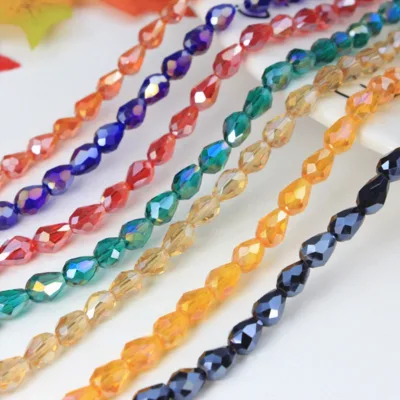
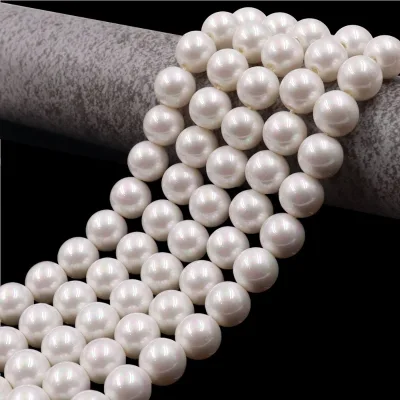
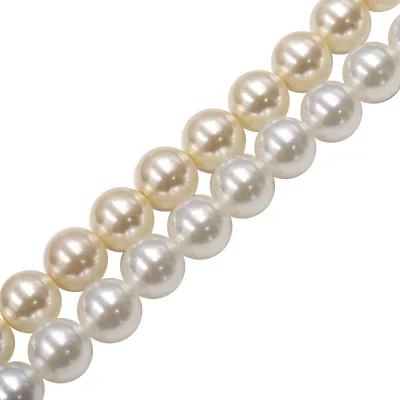
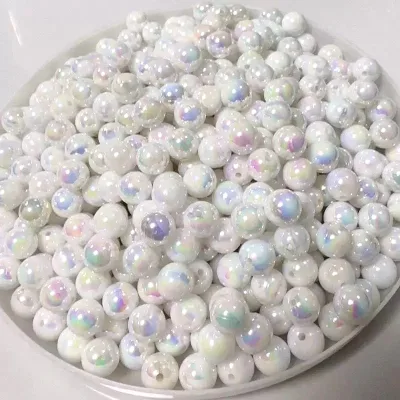
White Acrylic Faux Pearl Bead Straight Hole 500g Per Bag Lucite Beads for Dressing Decoration
$3.30 - $5.67
MOQ: 50 Minimum
Pujiang Yantuo Crystal Co., Ltd.
- Trading Company
- Lead time旺季: "1 - 200":15,"> 200":"To be negotiated", 淡季: "1 - 200":15,"> 200":"To be negotiated"
- Avg. response≤ 2h
Main productsQuartz Glass Ornament, Rhinestones, Hot Fix Rhinestones, Nail Rhinestones, Rhinestones Sheet, Half Pearls

Wuhan Jingshiyuan Trading Co., Ltd.
- Trading Company
- Hubei, China
- Lead time15 days
- Avg. response≤ 9h
Main productsGlass crystal,Glass seed beads,Plastic beads,Garment accessories,Rhinestones
Main marketsNorth America(50.00%), Southeast Asia(20.00%), Western Europe(10.00%), Central America(10.00%), South Asia(5.00%), Mid East(5.00%)




Comprehensive Sourcing Guide
Vertical Hole Resin Beads Supplier Concentration and Factory Types
The current supplier landscape for Vertical Hole Resin Beads reveals a distinct mix of manufacturing capabilities and trading structures, primarily concentrated in specific Chinese provinces. Evidence indicates that suppliers are located in Guangdong and Zhejiang, with some results pointing to Shanxi for related industrial materials, though the primary resin bead manufacturers appear clustered in the coastal manufacturing hubs. Guangdong suppliers often present as trading companies or manufacturers offering a wide array of DIY jewelry findings, including gradient colorful resin beads and rhinestone balls. These entities frequently list main products such as earrings, necklaces, and sunglasses, suggesting a broad inventory that accommodates various jewelry-making needs. The presence of both manufacturer and trading company types in Guangdong highlights a diverse supply chain where some firms may handle production while others focus on aggregation and export logistics. This concentration allows buyers to access a high density of potential partners in a single geographic region, facilitating easier comparison of similar product lines and production styles.
In contrast, suppliers from Zhejiang are identified as manufacturers specializing in specific jewelry components, such as vintage two-tone gradient beads and irregular flat beads. These entities often emphasize their direct manufacturing status, which can imply greater control over production quality and customization options for Vertical Hole Resin Beads. The distinction between trading companies and manufacturers is critical for buyers assessing their sourcing strategy. Trading companies may offer broader product ranges and flexible order quantities, leveraging their network to source from multiple factories. Manufacturers, on the other hand, might provide more specialized expertise in resin molding and finishing, potentially offering better support for custom designs or specific material requirements. Understanding this structural difference helps buyers determine whether they need a single-source partner for diverse accessories or a dedicated producer for specific bead types. The geographic spread between Guangdong and Zhejiang also suggests that buyers should consider regional strengths when evaluating potential suppliers for Vertical Hole Resin Beads.
How to Verify Vertical Hole Resin Beads Suppliers
Verifying the legitimacy and capability of Vertical Hole Resin Beads suppliers requires a careful examination of their stated credentials and operational metrics. Buyers should prioritize suppliers who provide clear evidence of their company type, whether they are manufacturers or trading companies, as this impacts quality control and communication efficiency. One key verification step is to check for third-party appraisals or certifications, although many resin bead suppliers currently list "None" for certificate types. However, some suppliers in related categories may hold TUVRHEINLAND verification, indicating a higher level of trustworthiness and adherence to international standards. Buyers should look for suppliers who explicitly state their ability to provide sample making and mold making services, as this demonstrates a commitment to customization and quality assurance. The presence of detailed product attributes, such as specific item diameters, hole sizes, and material compositions, also serves as a proxy for supplier professionalism and attention to detail.
Response time and lead time are critical indicators of a supplier's operational efficiency and reliability. Suppliers with faster response times, such as those under four hours, are generally more responsive to inquiries and potential issues, which is vital for maintaining smooth communication during the sourcing process. Lead times vary significantly based on order volume and seasonality, with some suppliers offering fifteen days for smaller orders and longer periods for larger quantities. Buyers should verify these timelines directly with the supplier to ensure they align with their production schedules. Additionally, checking the supplier's establishment year and main product focus can provide insights into their experience and specialization. Suppliers with a long history in jewelry accessories are likely to have refined their processes and developed a deeper understanding of market trends. By cross-referencing these verification points, buyers can build a more accurate profile of each potential partner, reducing the risk of engaging with unreliable or inexperienced suppliers.
What to Compare Across Vertical Hole Resin Beads Suppliers
When evaluating multiple suppliers for Vertical Hole Resin Beads, buyers must compare several key dimensions to identify the best fit for their specific needs. One primary factor is the minimum order quantity (MOQ), which can range from twenty pieces for certain irregular beads to one hundred fifty pieces for other styles. This variation allows buyers with different inventory requirements to find suitable partners, whether they are testing new designs or placing large bulk orders. Price is another critical comparison point, with costs varying based on material complexity, color options, and order volume. For instance, simple glitter resin beads may be priced lower than gradient or patterned beads, reflecting the additional processing involved. Buyers should request detailed quotes that break down costs per unit and consider how volume discounts might apply to their projected orders.
Response speed and lead times also play a significant role in supplier comparison. Suppliers with quicker response times can facilitate faster decision-making and problem resolution, which is essential for maintaining project momentum. Lead times, which can range from fifteen days to negotiated periods for large orders, must be aligned with the buyer's production timeline. Additionally, buyers should compare the specific product attributes offered, such as bead shape, color variety, and hole size accuracy. Some suppliers offer multi-color options and geometric shapes, while others specialize in irregular or natural-looking designs. The availability of customization services, such as mold making, is another differentiator that can add value for buyers seeking unique products. By systematically comparing these factors, buyers can create a weighted scoring system to objectively assess each supplier's strengths and weaknesses, ensuring a data-driven selection process.
Common Vertical Hole Resin Beads Sourcing Risks
Sourcing Vertical Hole Resin Beads involves several potential risks that buyers must proactively manage to ensure a successful procurement process. One significant risk is the inconsistency in product quality, particularly regarding color accuracy and hole size precision. Since many suppliers list "None" for certificate types, buyers cannot rely on standardized quality certifications to guarantee consistency. This lack of formal certification means that quality control largely depends on the supplier's internal processes and the buyer's ability to verify samples. Buyers should be cautious of suppliers who do not provide detailed product specifications or who are vague about their manufacturing capabilities. Inconsistent bead dimensions or color variations can lead to production delays and customer dissatisfaction, making it essential to establish clear quality benchmarks before placing large orders.
Another common risk is the reliability of lead times and communication. Suppliers may experience delays due to high demand during peak seasons or operational inefficiencies. Buyers who do not verify lead times directly with the supplier may face unexpected delays that disrupt their supply chain. Additionally, the distinction between manufacturers and trading companies can sometimes lead to communication gaps, as trading companies may act as intermediaries without direct oversight of the production process. This can result in miscommunication regarding product specifications or order status. Buyers should also be aware of the potential for hidden costs, such as shipping fees or customs duties, which can impact the total cost of ownership. By identifying these risks early and implementing mitigation strategies, such as requesting pre-shipment inspections or establishing clear communication protocols, buyers can protect their interests and ensure a smoother sourcing experience.
Vertical Hole Resin Beads Regional Sourcing and Logistics
The geographic location of suppliers significantly influences logistics, shipping costs, and lead times for Vertical Hole Resin Beads. Most identified suppliers are located in Guangdong and Zhejiang, which are major manufacturing hubs in China with well-developed infrastructure for international trade. Guangdong, in particular, is known for its extensive network of trading companies and manufacturers, offering buyers a wide range of options for jewelry accessories. The proximity of these suppliers to major ports facilitates efficient export logistics, reducing transit times and shipping costs. Buyers sourcing from these regions can benefit from the established supply chain ecosystems, which include reliable freight forwarders and customs brokers. However, buyers should also consider the potential for regional disruptions, such as weather events or labor shortages, which can impact production and shipping schedules.
For buyers considering suppliers in other regions, such as Shanxi, it is important to note that these locations may specialize in different industrial materials, such as hollow glass beads, rather than resin jewelry components. This distinction highlights the importance of verifying the supplier's primary product focus and location before engaging in discussions. Logistics planning should account for the specific shipping requirements of resin beads, which may be sensitive to temperature and handling. Buyers should work with suppliers to determine the most cost-effective and reliable shipping methods, whether by air or sea, based on order volume and urgency. Additionally, understanding the local business practices and cultural nuances of the supplier's region can enhance communication and relationship building. By carefully considering regional factors, buyers can optimize their logistics strategy and ensure timely delivery of Vertical Hole Resin Beads.
Vertical Hole Resin Beads Commercial Terms and Order Planning
Effective order planning for Vertical Hole Resin Beads requires a thorough understanding of commercial terms, including pricing structures, payment methods, and delivery conditions. Buyers should negotiate clear pricing tiers based on order volume, as costs can vary significantly between small and large orders. It is essential to confirm whether prices include packaging, labeling, and any customization fees, as these can add to the total cost. Payment terms should be agreed upon in advance, with options such as escrow services providing an additional layer of security for both parties. Buyers should also clarify the responsibilities for shipping and insurance, ensuring that risks are appropriately allocated during transit. Understanding these commercial terms helps buyers avoid unexpected expenses and ensures a transparent transaction process.
Lead time management is another critical aspect of order planning. Buyers must align their order placement with the supplier's production schedule, considering factors such as seasonality and order volume. Suppliers may have different lead times for standard versus custom products, so buyers should request specific timelines for their requirements. Establishing a clear communication channel for order updates and potential delays is vital for maintaining project timelines. Buyers should also plan for quality control measures, such as sample approval and pre-shipment inspections, to ensure that the final products meet their specifications. By integrating these commercial and logistical considerations into their sourcing strategy, buyers can streamline their procurement process and build a reliable supply chain for Vertical Hole Resin Beads. This proactive approach minimizes risks and enhances overall operational efficiency.
FAQs
What is the price range for Vertical Hole Resin Beads?
Vertical Hole Resin Beads typically cost between $0.05 and $0.63 per unit. Prices vary based on specific design, color options, and order volume. Buyers should expect tiered pricing structures where larger quantities often secure lower per-unit rates. Always confirm final pricing with the supplier before placing an order.
What is the minimum order quantity for these beads?
Minimum order quantities generally start at 20 pieces for standard items. Some suppliers may require higher minimums, such as 150 pieces, depending on the specific bead style and customization needs. It is essential to check the specific listing details to determine the exact MOQ applicable to your chosen product variant.
How long does production take for resin beads?
Production lead times usually range from 15 to 45 days depending on order volume. Small orders under 500 pieces often take 15 days, while larger orders between 501 and 2000 pieces may require 45 days. Quantities exceeding 2000 pieces require direct negotiation with the supplier for an accurate timeline.
Where are these resin beads manufactured?
These beads are primarily manufactured in Guangdong and Zhejiang provinces in China. Some specialized suppliers may also operate in Shanxi. Buyers should verify the specific place of origin for each product listing to ensure it aligns with their sourcing preferences and logistical requirements for international shipping.
What materials are used for these loose beads?
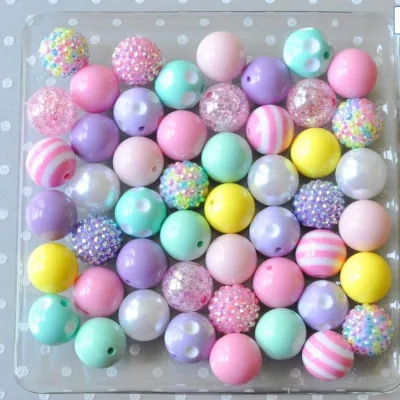
The beads are primarily made from resin, acrylic, plastic, or lucite materials. Some variations include rhinestone balls or glitter finishes for added aesthetic appeal. The material choice affects the weight, durability, and visual texture of the final jewelry piece, so selecting the right material is crucial for your design.
Do suppliers offer sample making services?
Many suppliers provide sample making and mold making services for custom orders. This allows buyers to verify quality and design before committing to large production runs. It is advisable to inquire about sample costs and lead times directly with the supplier to ensure the final product meets your specific requirements.