Gold Chain for Necklace Making Suppliers and Manufacturers
Compare 27 verified suppliers offering Gold Chain for Necklace Making with details on location, lead times, and MOQ. Review product specifications like plating and material to source the right components for your jewelry projects today; review the available evidence before requesting comparable quotations from suitable candidates.
Updated
Suppliers List

Shenzhen Hanwei Gangtai Jewelry Machine Co., Ltd.
- Combined
- China Guangdong
- Lead time30 days
- Avg. response≤ 21h
Main products925 Silver Necklace, Jewelry Machine, Chain Making Machine, Stainless Steel Necklace, Jewelry Equipment, Silver Chain, Steel Chain, Silver Jewelry, Stainless Steel Jewelry, Chain Machine
Main marketsSoutheast Asia/ Mideast,Europe


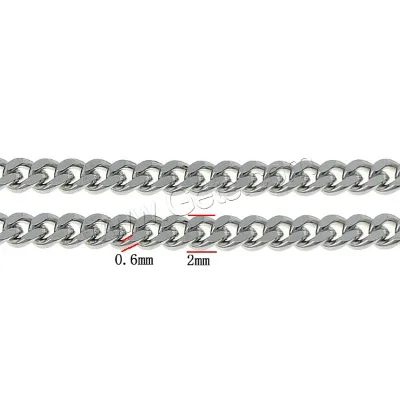
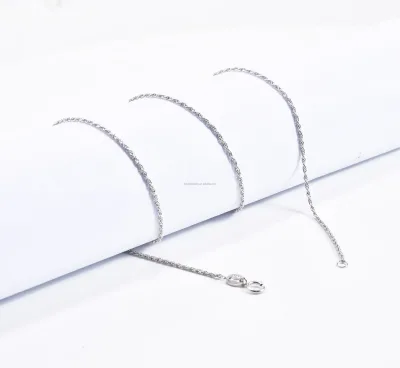
Silver Curb Chain, Shiny Necklace for Decoration, 925 Sterling Silver Jewelry
$1.00 - $3.00
MOQ: 200 Pieces


Guangzhou Lizhizhu Jewelry Co., Ltd.
- Manufacturer, Trading Company, Distributor/Wholesaler
- Guangdong, China
- Lead time10 days
- Avg. response≤ 6h
Main productsfashion jewelrys,jewelry findings,stone loose beads,glass beads,jewelry packages
Main marketsNorth America(20.00%), Western Europe(12.00%), Southeast Asia(12.00%), Mid East(10.00%), Eastern Europe(10.00%), South America(10.00%), Domestic Market(6.00%), Central America(6.00%), Eastern Asia(6.00%), Northern Europe(5.00%), Southern Europe(3.00%)
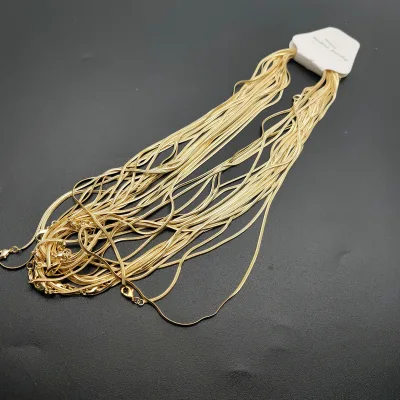
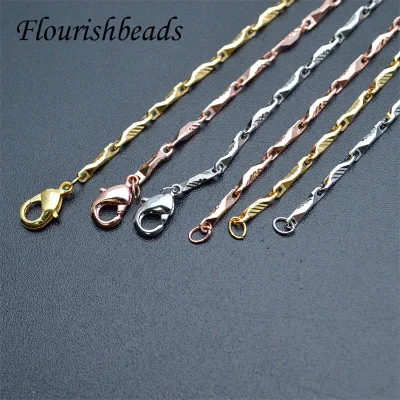
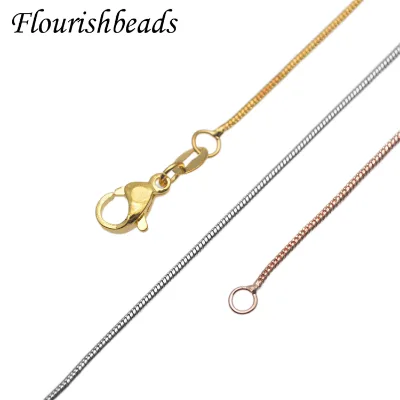
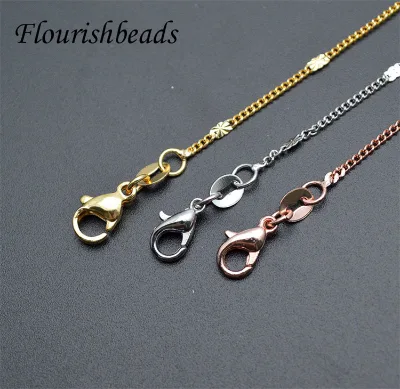
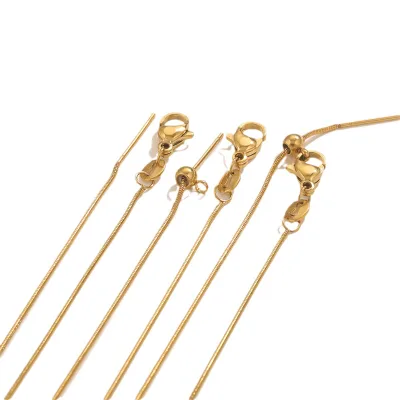
Color Remain Gold 2mm Width 21.5inches Length Snake Chains Fit Necklace Making
$0.87 - $1.04
MOQ: 100 pieces
Shenzhen Charm Fish Net Co, Ltd.
- Manufacturer, Distributor/Wholesaler
- Guangdong, China
- Lead time0 days
- Avg. response≤ 7h
Main products18K gold plated jewelry,Sterling silver jewelry,Watch,925 silver plated jewelry,Steel jewelry
Main marketsNorthern Europe(15.00%), Eastern Europe(15.00%), Southern Europe(12.00%), Domestic Market(10.00%), Western Europe(10.00%), South America(5.00%), Eastern Asia(5.00%), Southeast Asia(5.00%), Mid East(5.00%), North America(5.00%), Oceania(5.00%), Africa(4.00%), Central America(2.00%), South Asia(2.00%)

Ningbo Inunion Import and Export Co., Ltd.
- Verified by SGS
- Trading Company
- China Zhejiang
- Lead time30 days
- Avg. response≤ 3h
Main productsBag Chain, Buckle, Hooks, Ring, Key Chain, Tags, Carabiner, Bag Lock, Puller
Main marketsSoutheast Asia/ Mideast,East Asia(Japan/ South Korea),Europe,Australia,North America

Custom Available Gold Plated Stainless Steel Chain Necklace for Making Jewelry
$0.56 - $0.59
MOQ: 10000 Meters

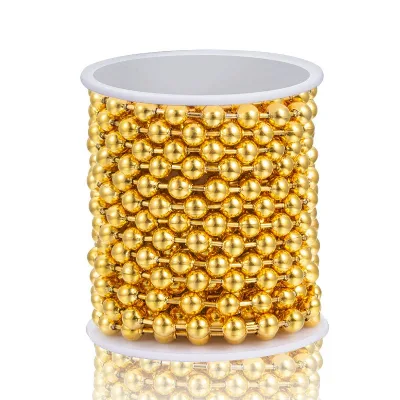
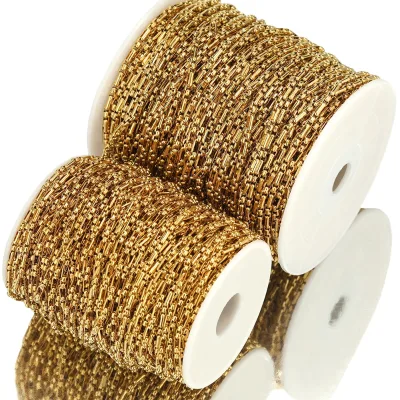
Wholesale Bulk Sale Steel Chain Gold Plated Necklace, Beads Roll Chains for Jewelry Making
$0.077
MOQ: 10000 Meters
Jiujiang Fanghua Jewelry Co., Ltd.
- Trading Company
- Jiangxi, China
- Lead time10 days
- Avg. response≤ 2h
Main productsJewelry,Jewelry finding,Customized semi-finished jewelry finding,Bracelet,Necklace
Main marketsNorth America(25.00%), Central America(15.00%), Southern Europe(10.00%), South America(10.00%), Western Europe(10.00%), Mid East(10.00%), Southeast Asia(10.00%), Eastern Europe(10.00%)
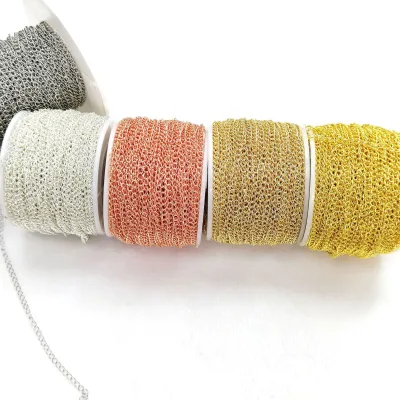
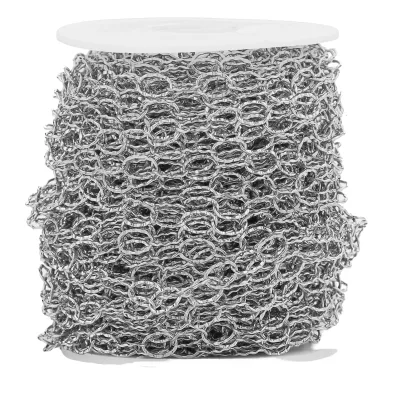
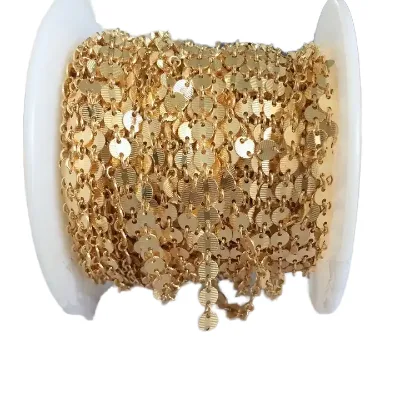
Best Sellers Pure Copper 18K Gold Plated Extended Tail Chains for Jewelry Necklace Making
$1.10 - $1.30
MOQ: 10 meters
$75.99 - $78.99
MOQ: 20 pieces

Dongguan Hongsheng Craft Gifts Co., Ltd.
- Verified by TUVRHEINLAND
- Trading Company
- China Guangdong
- Lead time30 days
- Avg. response≤ 5h
Main productsStainless Steel Ring, Stainless Steel Pendant Charm, Stainless Steel Leather Bracelet, Stainless Steel Bracelet Bangle, Stainless Steel Earring, Stainless Steel Chain, Leather Cord, Clothing Accessories, Key Chains, Rubber Products
Main marketsSouth America,Europe

$0.23 - $2.19
MOQ: 100 Meters

$0.60 - $1.00
MOQ: 12 Pieces


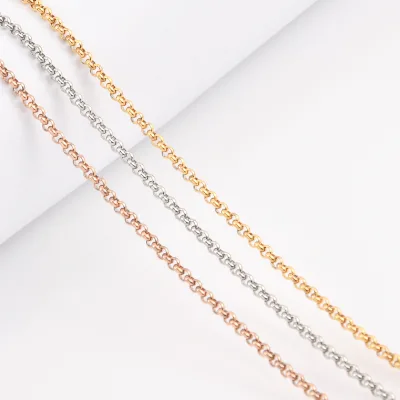
Stainless Steel 18K Gold Silver Plated Box Chain Necklace for Pendant Necklace
$1.00 - $2.30
MOQ: 50 Pieces

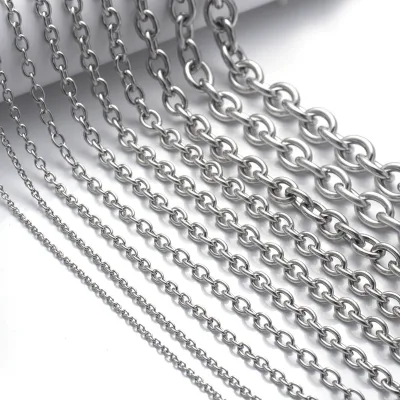
45cm Long Steel Cable Chains Necklace Thickness 1mm 1.5mm 2mm Stainless Steel Chain Necklace
$0.28 - $0.60
MOQ: 50 Pieces


Shenzhen Bense Stainless Steel Jewelry Co., Ltd.
- Manufacturer
- Guangdong, China
- Lead time10 days
- Avg. response≤ 5h
Main productsFashion Jewelry,Necklace,Bracelet,Earring,Jewelry chain
Main marketsWestern Europe(20.00%), North America(20.00%), Southern Europe(10.00%), Northern Europe(10.00%), South America(10.00%), Eastern Europe(10.00%)

Qingdao Gemopia Jewelry Co., Ltd.
- Combined
- China Shandong
- Lead time30 days
- Avg. response≤ 5h
Main productsGold Jewelry, Silver Ring
Main marketsSouth America,Africa,Southeast Asia/ Mideast,East Asia(Japan/ South Korea),Domestic,Europe,Australia,North America

Dongguan Allen House Of Jewelry & Findings Co., Ltd.
- Trading Company
- Guangdong, China
- Lead time7 days
- Avg. response≤ 4h
Main productsJewelry Findings,earrings,Pendant & charms,Bracelet bangles,Necklace
Main marketsNorth America(40.00%), Southern Europe(10.00%), Northern Europe(10.00%), Eastern Europe(10.00%), Western Europe(10.00%), Oceania(5.00%), Africa(5.00%), South America(5.00%), Mid East(5.00%)

Guangzhou Milky Way Jewelry Limited
- Trading Company
- Guangdong, China
- Lead time10 days
- Avg. response≤ 3h
Main productsfashion jewelry,jewelry supplies,jewelry findings,jewelry material,art and gift
Main marketsNorth America(40.00%), Eastern Europe(12.00%), South America(12.00%), Africa(10.00%), Western Europe(10.00%), Northern Europe(8.00%), Eastern Asia(3.00%), Southern Europe(2.00%), Mid East(1.00%), Oceania(1.00%), Southeast Asia(1.00%)
$0.9542 - $1.2733
MOQ: 100 Minimum
$0.4943 - $1.6673
MOQ: 100 Minimum
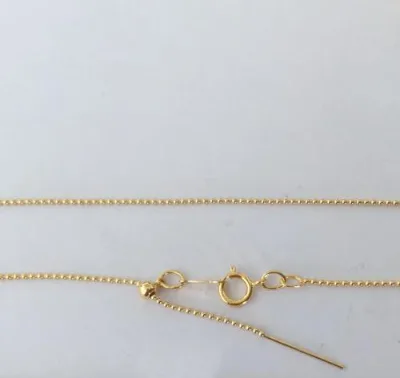
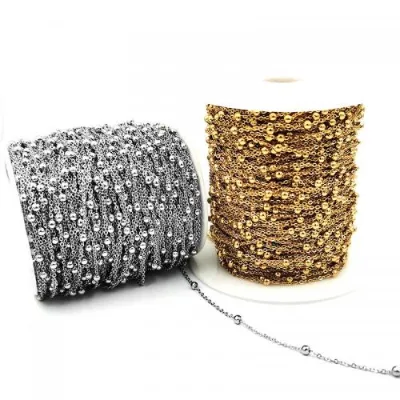
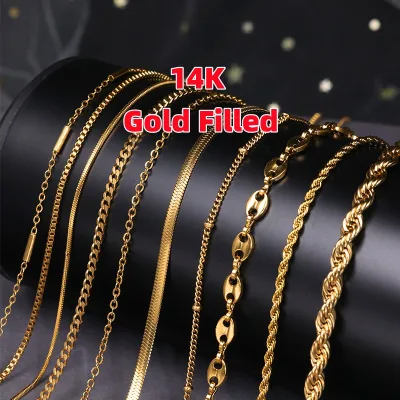
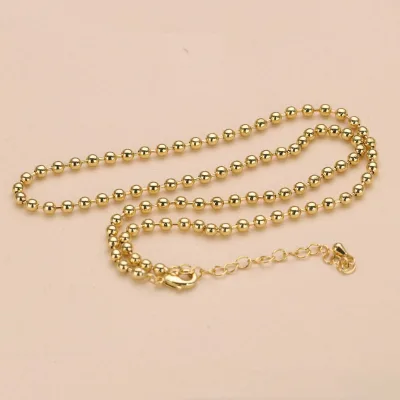
14k Gold Filled Jewelry Manufacturer Jewelry Chain Necklace Ball Chain
$25.6518 - $26.6779
MOQ: 2 pieces
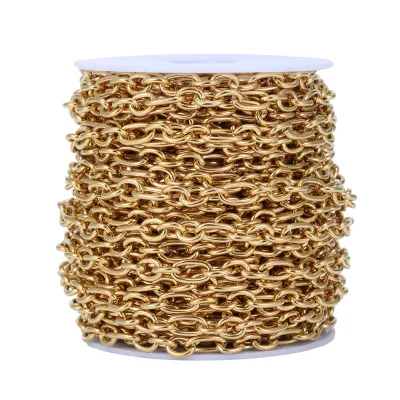
$0.7909 - $2.1556
MOQ: 60 Minimum
Guangzhou Hong Zhuo Jewelry Co., Ltd.
- Manufacturer, Trading Company, Agent
- Guangdong, China
- Lead time3 days
- Avg. response≤ 16h
Main productssemi precious gemstone beads,freshwater pearls,shell beads,finished jewelries,gold jewelry findings
Main marketsSouth America(26.00%), Northern Europe(10.00%), Western Europe(10.00%), Southern Europe(10.00%), Eastern Europe(10.00%), North America(6.50%), Africa(5.00%), Central America(5.00%), Southeast Asia(5.00%), Mid East(5.00%), Oceania(5.00%), South Asia(1.00%), Eastern Asia(1.00%), Domestic Market(0.50%)
Yiwu Silverworks Jewelry Co., Ltd.
- Trading Company
- Zhejiang, China
- Lead time25 days
- Avg. response≤ 2h
Main productsStainless Steel Jewelry,Stainless steel chain,Custom service,925 Sterling Silver Charm,925 Sterling Silver Jewelry
Main marketsSouthern Europe(11.11%), Northern Europe(11.11%), Central America(11.11%), Western Europe(11.11%), Oceania(11.11%), Southeast Asia(11.11%), Eastern Europe(11.11%), South America(11.11%), North America(11.11%)

Guangzhou Govolon Trade Co., Ltd.
- Trading Company,Manufacturer/Factory
- China Guangdong
- Lead time15 days
- Avg. response≤ 24h
Main productsGarment Accessories, Lace, Button, Zipper, Fringe and Tassels, Belt Ribbon, Garment Trimming, Patch Badge, Buckle, Hotfix
Main marketsSouth America,Mid East,North America,Southeast Asia,Western Europe,Africa
Dongguan Jiaye Jewelry Co., Ltd.
- Verified by TüVRheinland
- Manufacturer, Trading Company
- Lead time15 days
- Avg. response≤ 2h
Main productsStainless Steel Jewelry & Accessories, Necklace, Jewelry Tools, Pearl Accessories, DIY Custom Jewelry
Main marketsNorth America(50%), Domestic Market(20%), Eastern Europe(12%)
Shenzhen Jinao Jewelry Co., Ltd.
- Verified by SGS Group
- Manufacturer, Trading Company
- Lead time7 days
- Avg. response≤ 2h
Main productsMoissanite Jewelry/925 Silver Jewelry/14K 18K Gold Jewelry/14K Gold Filled Jewelry
Main marketsNorth America(35%), Oceania(20%), Mid East(12%)
$4.94 - $21.20
MOQ: 1 Minimum

Jinjiang Jiayi Supply Chain Management Co., Ltd.
- Verified by BV
- Trading Company
- China Fujian
- Lead time30 days
- Avg. response≤ 2h
Main productsGift, Shoe, Garment, Machine
Main marketsDomestic

Shenzhen Hengda Xin Jewelry Co., Ltd.
- Verified by BV
- Combined
- China Guangdong
- Lead time15 days
- Avg. response≤ 2h
Main productsJewelry, Stainless Steel Fittings, Stainless Steel Jewelry, Necklace, Bracelet, Stud Earrings, Ring, Pendant, Fashion Jewelry, Fashion Accessories
Main marketsSoutheast Asia/ Mideast,East Asia(Japan/ South Korea),Domestic,Europe,Australia,North America


Stainless Steel Crystal Claw Chain Necklace Plated 18K Gold Zircon Chain Necklace
$2.25 - $2.85
MOQ: 100 Pieces

- Verified by Intertek
- Trading Company
- Lead time30 days
- Avg. response≤ 5h
Main products14K Gold Filled Findings, Sterling Silver Findings, Stainless Findings, Brass Findings, Fresh Water Pearl
Main marketsNorth America(50%), Western Europe(20%), Oceania(10%)
Guangzhou Tengyue Jewelry Co., Ltd.
- Manufacturer, Trading Company
- Guangdong, China
- Lead time0 days
- Avg. response≤ 4h
Main productsPendant/Earring/Bracelet/Bead/Charms
Main marketsNorth America(50.00%), Domestic Market(20.00%), Western Europe(20.00%), Southeast Asia(5.00%), South America(5.00%)
- Trading Company
- Guangdong, China
- Lead time30 days
- Avg. response≤ 3h
Main productscustom jewelry,925 silver jewelry,sunglass,fashion bags,fashion accessories
Main marketsWestern Europe(12.00%), Northern Europe(12.00%), South America(12.00%), North America(12.00%), Eastern Europe(10.00%), Southern Europe(10.00%), Oceania(9.00%), Mid East(5.00%), Central America(4.00%), Southeast Asia(4.00%), South Asia(3.00%), Africa(3.00%), Domestic Market(2.00%), Eastern Asia(2.00%)

GOODLINESS JEWELLERY CO., LIMITED
- Verified by SGS
- Manufacturer
- China Guangdong
- Lead time23 days
- Avg. response≤ 7h
Main products925 Silver Ring, Brass Jewelry, 925 Silver Earring, 925 Silver Necklace, 925 Silver Set, 925 Silver Bangle, Customer's Design, 925 Silver Bracelet, Silver Accessory, Brass Accessory
Main marketsSoutheast Asia/ Mideast,Europe,North America


Factory Cheaper Price High Quality Rope Chain Pearl Necklace Fashion Jewelry
$2.50 - $5.00
MOQ: 20 Pieces


- Verified by CTI
- Trading Company
- China Zhejiang
- Lead time15 days
- Avg. response≤ 6h
Main productsJewelry, Brooch, Belt, Necklace, Agent, Bracelet, China Trim, China Ring, China Hair Accessory, China Earring
Main marketsSouth America


Simple Design Rose Gold Titanium Steel Clavicle Chain for Necklace Jewelry
$0.62 - $0.72
MOQ: 100 Pieces

Yiwu Aimeng Accessories Co., Ltd.
- Trading Company
- Zhejiang, China
- Lead time15 days
- Avg. response≤ 6h
Main productsJewelry,hair accessory,glasses,whatch
Main marketsNorth America(80.00%), Western Europe(12.00%), South Asia(1.00%), South America(1.00%), Eastern Asia(1.00%), Mid East(1.00%), Oceania(1.00%), Africa(1.00%), Southeast Asia(1.00%), Eastern Europe(1.00%)
Guangdong Hongxinxing Metal Products Co., Ltd.
- Manufacturer, Trading Company
- Guangdong, China
- Lead time30 days
- Avg. response≤ 4h
Main productsMetal Chains,Jewelry,Jewellery Accessories,Ceremonial Goods,Clothing Accessories
Main marketsDomestic Market(50.00%), North America(30.00%), Northern Europe(10.00%), Southeast Asia(5.00%), Eastern Asia(5.00%)

Longyuan (Guangzhou) Industrial Development Co., Ltd.
- Verified by TUVRHEINLAND
- Manufacturer/Factory
- China Guangdong
- Lead time23 days
- Avg. response≤ 6h
Main productsJewelry, Fashion Watch, Hair Accessories, Men Jewelry, Women Jewelry, Pendants, Brooches, Bracelets, Crowns, Necklaces
Main marketsSouth America,Eastern Europe,Mid East,North America,Western Europe
Yiwu Major E-Commerce Co., Ltd.
- Trading Company
- Zhejiang, China
- Lead time15 days
- Avg. response≤ 3h
Main productsjewelry,stainless steel accessories,wholesale,retail,fashion jewelry
Main marketsNorth America(40.00%), Western Europe(25.00%), Northern Europe(10.00%), South America(10.00%), Eastern Europe(10.00%), Southern Europe(5.00%)
Sichuan Love Story Jewelry Co., Ltd.
- Trading Company
- Sichuan, China
- Lead time0 days
- Avg. response≤ 4h
Main productsnecklace,bracelet,ring,earrings,jewelry accessory
Main marketsNorth America(35.00%), South America(20.00%), Western Europe(15.00%), Southeast Asia(15.00%), Eastern Europe(15.00%)






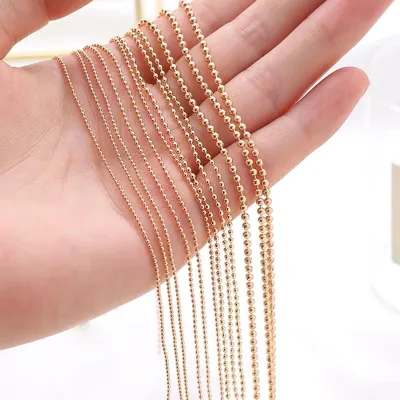
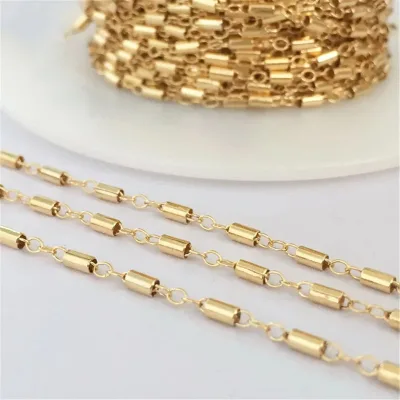
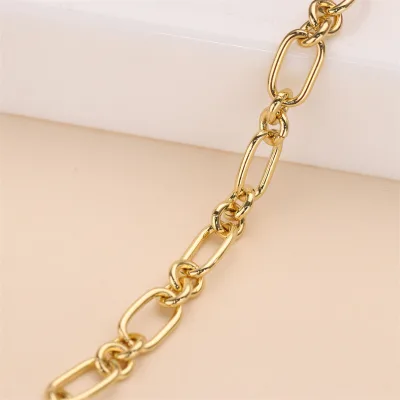
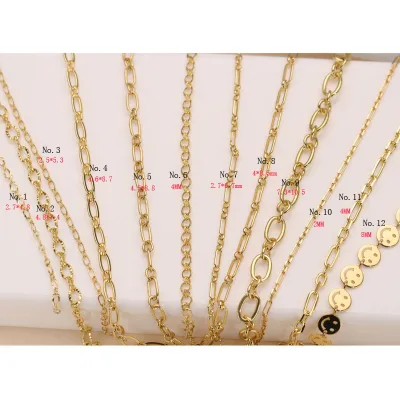


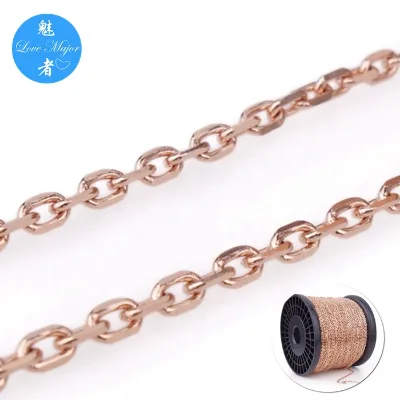
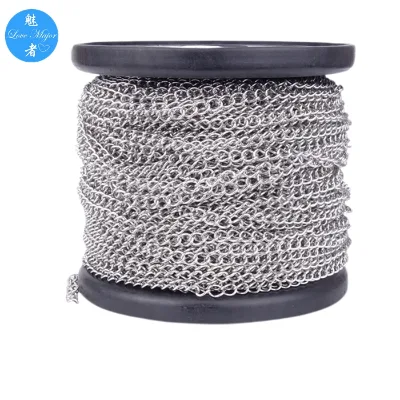
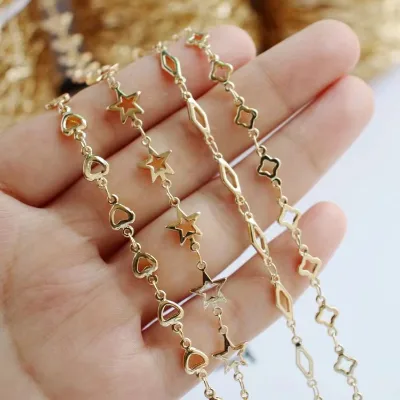
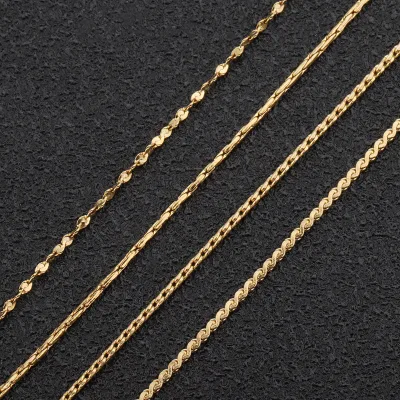
Comprehensive Sourcing Guide
Gold Chain for Necklace Making Supplier Concentration and Factory Types
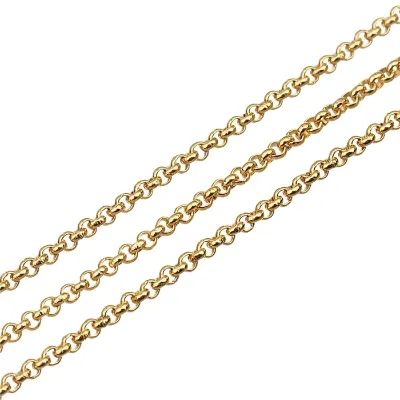
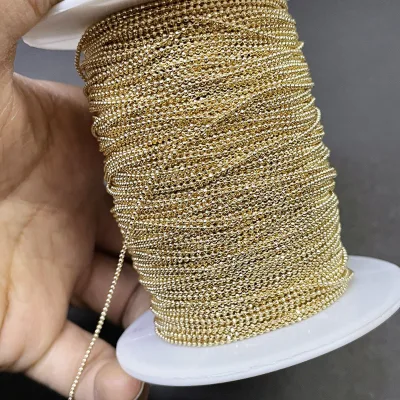
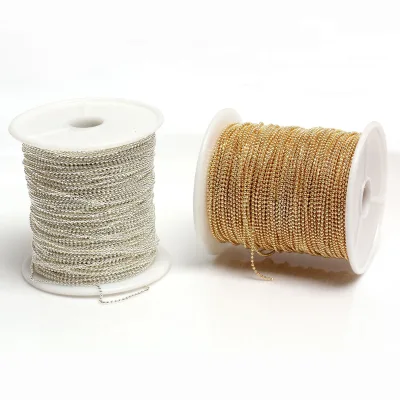
The sourcing landscape for Gold Chain for Necklace Making reveals a distinct concentration of manufacturing capabilities within specific industrial hubs, with Guangdong, China emerging as a primary cluster for these components. This region hosts a diverse mix of company types, ranging from pure manufacturers to combined entities that blend production with trading functions. Buyers evaluating suppliers in this area will encounter firms that identify as manufacturers, trading companies, or distributors, each offering different value propositions for sourcing jewelry findings. The presence of combined company types suggests that some suppliers manage their own production lines while also handling the logistical and commercial aspects of international trade, which can streamline communication for overseas buyers. This structural diversity allows purchasers to select partners based on whether they prioritize direct factory pricing or the flexibility of a trading partner who may aggregate products from multiple sources.
Understanding the specific factory type is crucial for aligning expectations regarding customization and volume. Suppliers listing themselves as manufacturers often emphasize their ability to handle OEM and ODM projects, indicating they have the machinery and technical expertise to produce custom silver chains, ball chains, and curb chains according to specific client specifications. In contrast, trading companies or distributors might offer a broader catalog of finished jewelry findings, such as paperclip chains or snake chains, with lower barriers to entry for smaller orders. The main products listed by these entities frequently include jewelry machines, chain making equipment, and various types of silver and stainless steel jewelry, suggesting a mature supply chain ecosystem. Buyers should verify the actual operational nature of the supplier through direct inquiry, as the label alone does not guarantee the depth of manufacturing capability or the quality control processes in place for precious metal plating and chain assembly.
How to Verify Gold Chain for Necklace Making Suppliers
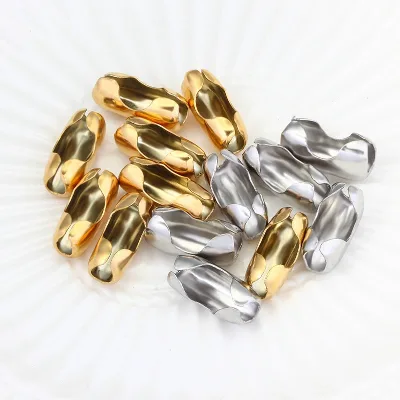
Verifying the legitimacy and capability of Gold Chain for Necklace Making suppliers requires a multi-layered approach that goes beyond surface-level profile information. Buyers should prioritize suppliers who demonstrate rapid response times, as this often correlates with active customer service teams and operational efficiency. For instance, some suppliers in the Guangdong cluster exhibit response times around six hours, while others may take nearly twenty-one hours, indicating varying levels of staffing and engagement. It is essential to request detailed product specifications, including material composition, plating types, and clasp mechanisms, to ensure they match your quality standards. Suppliers listing attributes such as 925 sterling silver material, gold or rhodium plating, and specific clasp types like spring or lobster clasps provide transparency that can be cross-referenced with physical samples. This verification process helps distinguish between genuine manufacturers who understand the technical nuances of chain making and entities that may simply be reselling generic inventory.
Another critical verification step involves assessing the supplier’s production capacity and customization options. Buyers should inquire about the supplier’s ability to handle OEM and ODM requests, which indicates a level of technical sophistication and flexibility. Questions should focus on the range of chain models they can produce, such as rope chains, curb chains, or ball chains, and whether they can accommodate specific length requirements like 40cm, 45cm, or 16-inch standard necklace lengths. Additionally, verifying the origin of materials is vital, especially when sourcing items labeled as originating from China. Buyers should ask for proof of material sourcing and inquire about the consistency of plating durability, as some products claim features like long-lasting color retention. Requesting a sample order before committing to a larger purchase allows for a physical inspection of the product’s weight, finish, and structural integrity, providing concrete evidence of the supplier’s quality control standards and manufacturing precision.
What to Compare Across Gold Chain for Necklace Making Suppliers
When evaluating multiple suppliers for Gold Chain for Necklace Making, comparing key operational metrics is essential for selecting the most suitable partner. Lead time is a significant differentiator, with some suppliers offering turnaround times as short as ten days, while others may require up to thirty days for production and delivery. This variance can impact inventory planning and order fulfillment strategies, making it crucial to align supplier capabilities with your sales cycle. Minimum order quantities (MOQ) also vary considerably, ranging from small batches of twenty meters for certain findings to higher thresholds for custom silver jewelry pieces. Buyers should assess whether the MOQ aligns with their initial order volume and growth projections, as lower MOQs may facilitate testing new designs without significant financial risk. Additionally, comparing response speeds can provide insight into the supplier’s reliability and communication efficiency, which are vital for resolving issues quickly during the production process.
Price and product specifications are equally important factors in the comparison process. While some suppliers list specific price points, such as $1.00 to $3.00 for certain chain types, others may require quotes based on volume and customization. Buyers should compare the value proposition by looking at the included features, such as plating options, clasp types, and packaging details. For example, some products come packed in individual bags, while others may offer bulk packaging for efficiency. The material composition, whether it is 925 sterling silver, copper, or stainless steel, directly impacts the price and durability of the final product. Additionally, comparing the range of main products offered by each supplier can reveal their specialization and breadth of inventory. Suppliers focusing on jewelry findings and loose beads may offer more competitive pricing on standard items, while those with in-house machinery might provide better options for custom chain designs. This holistic comparison ensures that buyers select a supplier that balances cost, quality, and service efficiency.
Common Gold Chain for Necklace Making Sourcing Risks
Sourcing Gold Chain for Necklace Making involves several inherent risks that buyers must proactively manage to ensure a smooth procurement process. One significant risk is the discrepancy between the advertised product specifications and the actual quality received. Suppliers may list products with specific plating types, such as gold or rhodium, but the actual durability and thickness of the plating may vary, leading to customer dissatisfaction if the finish wears off quickly. Another risk is the inconsistency in chain dimensions and weights, which can affect the final appearance and feel of the jewelry. Buyers should be cautious of suppliers who do not provide detailed product attributes, such as standard chain widths or specific clasp mechanisms, as this lack of transparency can lead to mismatches in production. Additionally, the risk of delayed shipments is prevalent, especially when dealing with suppliers who have longer lead times or inadequate logistics planning, which can disrupt inventory levels and miss market opportunities.
Intellectual property and customization risks are also critical considerations when working with suppliers offering OEM and ODM services. Buyers must ensure that their unique designs and specifications are protected and that the supplier adheres strictly to the agreed-upon standards. There is a risk that suppliers may produce lower-quality versions of custom orders to cut costs, compromising the brand’s reputation. Furthermore, the reliance on specific materials, such as 925 sterling silver, requires verification to prevent the use of substandard alloys that do not meet regulatory or customer expectations. Buyers should also be aware of the risks associated with payment terms and financial security, as not all suppliers may offer secure payment methods or escrow services. Establishing clear contracts and quality assurance protocols can mitigate these risks, but buyers must remain vigilant and conduct regular audits or inspections to ensure compliance with their standards throughout the production cycle.
Gold Chain for Necklace Making Regional Sourcing and Logistics
The regional concentration of Gold Chain for Necklace Making suppliers in Guangdong, China, offers distinct logistical advantages and challenges for international buyers. This manufacturing hub is well-established for producing jewelry findings and components, benefiting from a mature supply chain ecosystem that includes raw material suppliers, machinery manufacturers, and packaging providers. Buyers sourcing from this region can often access a wide variety of products, from silver chains to stainless steel jewelry, all within a concentrated geographic area. This proximity can facilitate faster sampling and production times, as suppliers have easy access to necessary resources and skilled labor. However, buyers must also consider the logistical complexities of exporting from this region, including customs clearance, shipping costs, and delivery times. Understanding the local logistics infrastructure and working with suppliers who have experience in international shipping can help streamline the import process and reduce potential delays.
Logistics planning should also account for the specific packaging and handling requirements of jewelry findings. Suppliers often pack products in individual bags or bulk cartons, which can affect shipping volume and costs. Buyers should inquire about the packaging details, such as the use of bubble paper or OPP bags, to ensure that products arrive in good condition. Additionally, the choice of shipping method, whether it is FedEx, DHL, UPS, or other carriers, can impact delivery speed and cost. Some suppliers may offer multiple shipping options, allowing buyers to choose based on their urgency and budget. It is also important to consider the environmental and regulatory aspects of shipping precious metals and jewelry findings, as certain countries have strict import regulations regarding these items. Buyers should work with suppliers who are familiar with these regulations and can provide the necessary documentation to ensure smooth customs clearance. By carefully planning the logistics, buyers can optimize their supply chain and ensure timely delivery of their Gold Chain for Necklace Making products.
Gold Chain for Necklace Making Commercial Terms and Order Planning
Effective order planning for Gold Chain for Necklace Making requires a clear understanding of the commercial terms offered by suppliers. Payment methods are a critical aspect of this planning, with suppliers accepting various options such as T/T, credit card, and PayPal. Buyers should evaluate the security and convenience of these payment methods, considering factors such as transaction fees and currency conversion rates. Additionally, the availability of escrow services can provide an extra layer of protection for buyers, ensuring that payments are only released upon satisfactory delivery of the goods. Understanding the payment terms, including deposit requirements and balance due dates, is essential for cash flow management. Buyers should also inquire about any additional costs, such as shipping fees, customs duties, or handling charges, to avoid unexpected expenses. Clear communication regarding these commercial terms can help prevent disputes and ensure a smooth transaction process.
Order planning should also consider the scalability of the supplier’s production capabilities. Buyers should assess whether the supplier can handle fluctuations in order volume, especially if they anticipate growth in their jewelry business. Suppliers with established OEM and ODM capabilities are often better equipped to handle custom orders and larger volumes, providing flexibility for business expansion. Additionally, buyers should plan for lead times and inventory management, ensuring that they have sufficient stock to meet customer demand without overstocking. Working with suppliers who offer consistent quality and reliable delivery times can help streamline this process. Buyers should also consider the long-term relationship with their suppliers, as established partnerships can lead to better pricing, priority production, and improved customer service. By carefully planning the commercial terms and order logistics, buyers can build a resilient and efficient supply chain for their Gold Chain for Necklace Making needs.
FAQs
What is the minimum order quantity for silver chains?
The minimum order quantity is 200 pieces for standard silver chain products. Some specific items like paperclip chains have a lower MOQ of 20 meters. Buyers should verify the exact requirement for their chosen model before placing an order.
What materials are used for these necklace chains?
Most chains are made from 925 Sterling Silver with gold, silver, or rhodium plating. Some base materials include copper for specific findings. The primary focus is on high-quality sterling silver for fashion and fine jewelry applications.
How long does production take for orders?
Lead times vary by supplier, ranging from 10 days to 30 days. Faster response times are available from some manufacturers. Buyers should confirm the specific production schedule with the supplier to ensure timely delivery for their projects.
Are customization options available for these chains?
Yes, customization is available for most products. Suppliers offer OEM and ODM services, allowing for custom lengths, clasps, and plating. Buyers can request specific styles like snake, curb, or rope chains with tailored specifications.
What is the price range for silver chains?
Prices range from $1.00 to $3.00 per piece depending on the chain type and specifications. Some items are priced at $1.50 or $2.50. Costs vary based on material weight, plating quality, and order volume.
Where are these suppliers located?
Suppliers are primarily located in Guangdong, China. This region is known for its jewelry manufacturing capabilities. Buyers can source directly from these locations to benefit from established supply chains and competitive pricing.