Source Crystal Moon Beads for Jewelry, Crafts, and Decor
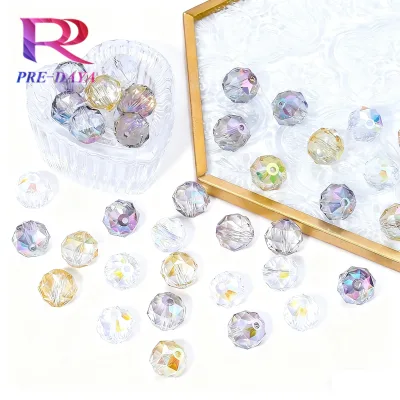
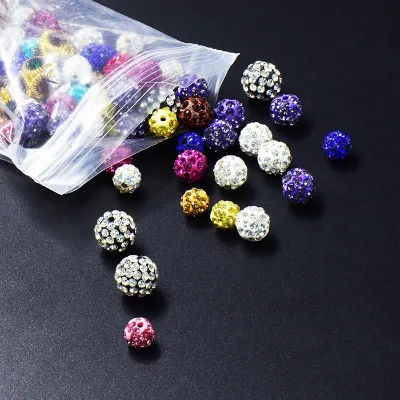
Find 30 listings for Crystal Moon Beads suitable for necklace making, decorative accents, and craft projects. Compare specifications including round and moon shapes, materials like glass and acrylic, and sizes from 6mm to 12mm to find the right loose beads for your manufacturing needs.
Updated
Key considerations
Products List
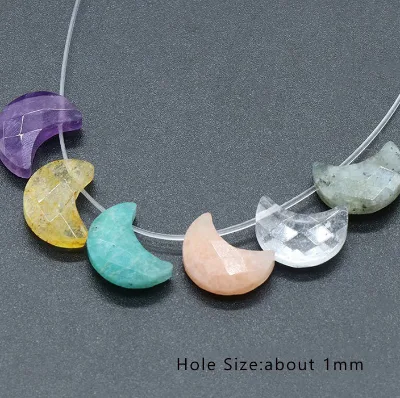
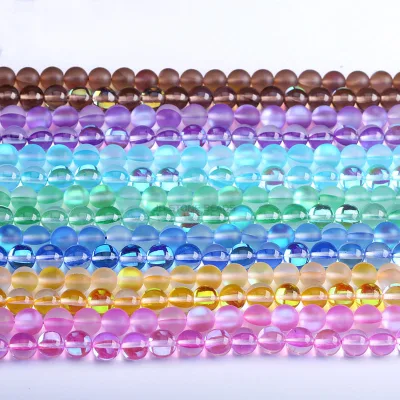
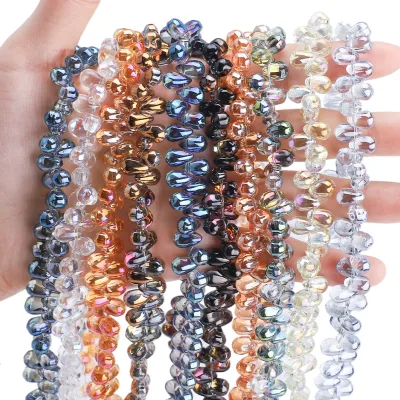
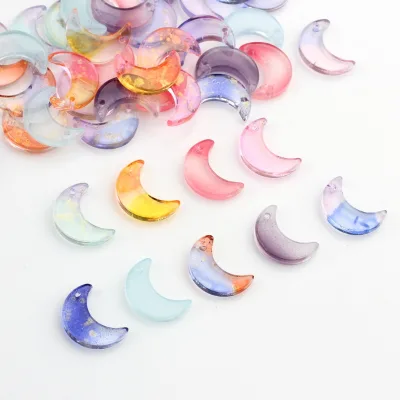
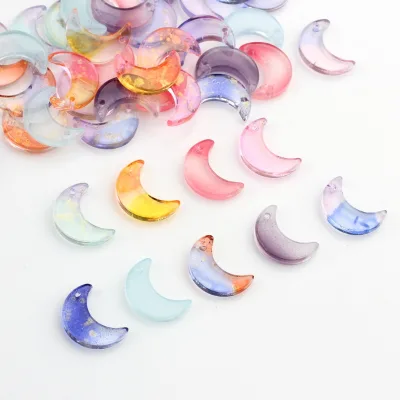
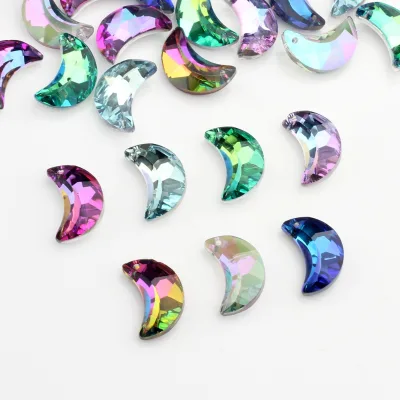
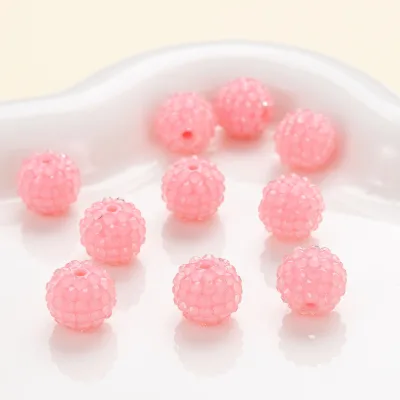
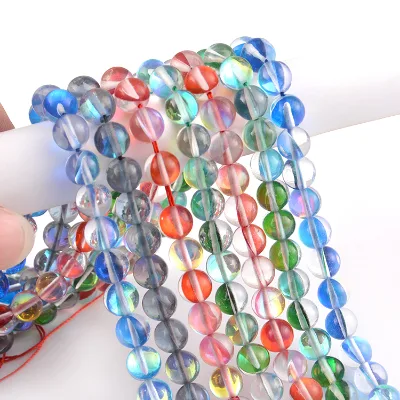
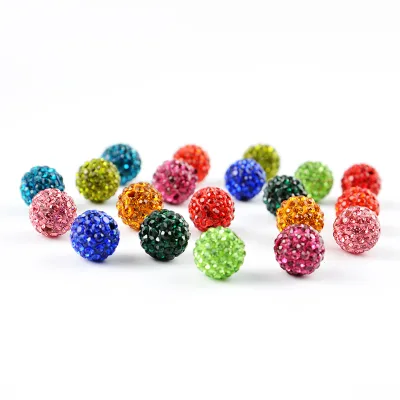


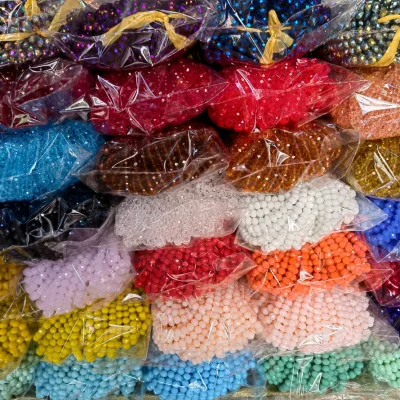


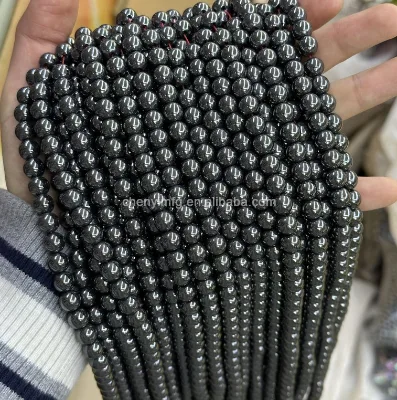
Wholesale Natural Stone Beads Jade Hematite Crystal Gemstone Bead for Jewelry Making
$0.391 - $1.5804
MOQ: 10 Minimum
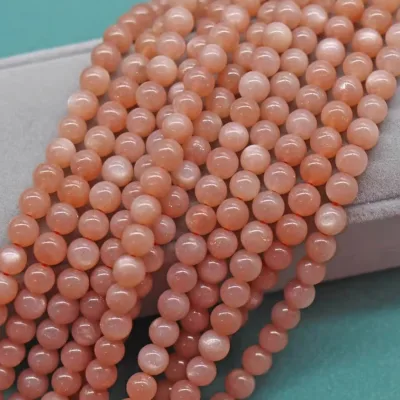
Orange Moonstone Strands Natural Orange Sunstone Beads Used for Crystal DIY Bracelet
$5.5411 - $11.2874
MOQ: 10 Minimum
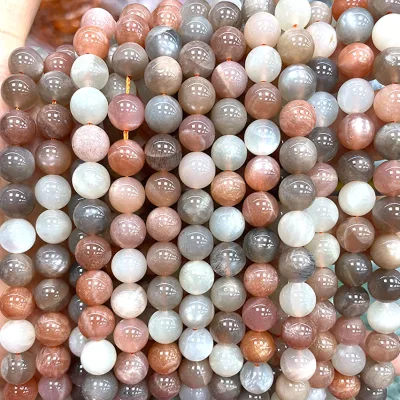
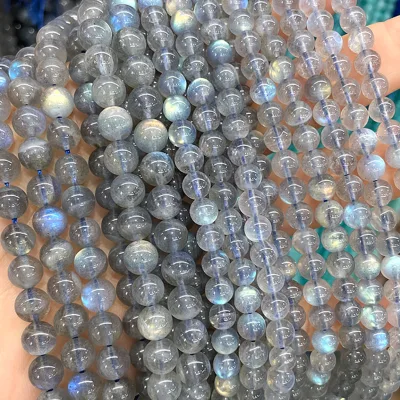
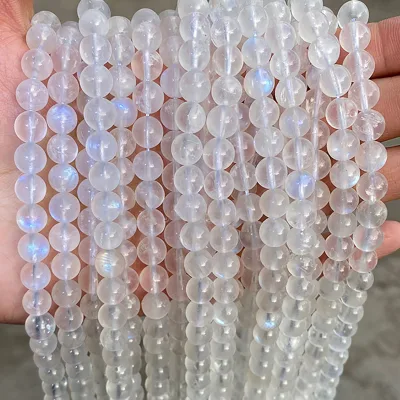
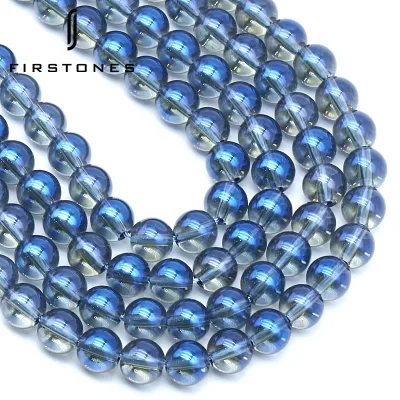

Comprehensive Sourcing Guide
Crystal Moon Beads Sourcing Guide
Sourcing Crystal Moon Beads requires a clear understanding of the distinction between natural gemstones and engineered materials, as the market offers a wide spectrum of options ranging from genuine stone to acrylic and glass. Buyers must first define whether the aesthetic priority is the organic variation of natural stone or the uniform consistency of synthetic alternatives. This decision directly impacts material selection, cost structure, and the final application of the beads in jewelry design.
The visual appeal of moon beads often relies on specific finishes, such as matte or shiny surfaces, which can be achieved through various manufacturing processes. Procurement teams should evaluate the available color palettes, including matte white, shiny Aura white, and mixed color options, to ensure alignment with current design trends. Understanding these material nuances helps in selecting the right supplier who can deliver the desired aesthetic without compromising on structural integrity or finish quality.
Product Scope and Observed Listing Signals
Market listings for Crystal Moon Beads reveal a diverse range of product attributes, including specific design elements like moon-shaped cutouts or round bead forms. Observed data indicates that suppliers offer items in various diameters, such as 6mm, 8mm, 10mm, and 12mm, catering to different jewelry making needs. The presence of mixed color options and specific finishes like matte or shiny suggests a flexible supply chain capable of meeting varied aesthetic demands.
Listing signals also highlight the importance of packaging and unit specifications, with some products sold in single pieces while others are offered in strands or batches. Buyers should note the observed minimum order quantities, which can range from small trial orders to larger bulk purchases, indicating the scalability of supplier operations. Additionally, the availability of OEM and ODM services suggests that many suppliers are open to customizing designs, allowing for greater brand differentiation in the final product.
Technical Specifications to Verify
When verifying technical specifications, buyers must confirm the exact dimensions and shape of the beads, as variations in diameter and hole size can affect stringing and durability. It is crucial to check the material composition, distinguishing between natural crystal, glass, acrylic, or other synthetic materials, as this impacts both the weight and the visual clarity of the beads. Suppliers should provide detailed specifications for each size option to ensure consistency across large orders.
Packaging dimensions and gross weight are also critical technical factors that influence logistics and cost calculations. Buyers should verify the package size per batch and the single item weight to accurately estimate shipping costs and storage requirements. Additionally, confirming the model numbers and any specific design codes helps in maintaining traceability and ensuring that the received goods match the ordered specifications exactly.
Compliance and Safety Documentation
Compliance and safety documentation are essential for ensuring that the sourced beads meet international standards for consumer products. Buyers should request third-party appraisal certificates to verify the material safety and quality of the beads, particularly if they are intended for use in children's jewelry or products with strict regulatory requirements. These certificates provide assurance that the materials do not contain harmful substances and meet relevant safety benchmarks.
Additionally, buyers should inquire about any specific certifications such as Sedex, which indicates adherence to ethical labor practices and supply chain transparency. While some listings may mention REACH compliance, it is important to verify this status directly with the supplier to ensure that the products meet European chemical regulations. Obtaining these documents early in the sourcing process helps mitigate risks and ensures that the final products can be sold in target markets without legal hurdles.
Cost Drivers and Commercial Terms
Cost drivers for Crystal Moon Beads include the material type, finish complexity, and order volume, with prices ranging from low-cost synthetic options to higher-priced natural stones. Buyers should negotiate based on the observed price ranges and minimum order quantities, which can vary significantly depending on the supplier and product specifications. Understanding these cost factors helps in budgeting accurately and identifying opportunities for cost savings through volume discounts or material substitutions.
Commercial terms such as payment methods, shipping options, and response times also play a significant role in the overall procurement cost. Buyers should clarify the shipping methods, such as FedEx, and confirm the lead times to ensure timely delivery. Additionally, negotiating favorable terms for OEM/ODM services can provide added value, allowing for customized designs without incurring excessive setup costs or delays in production.
Supplier Qualification and Quality Control
Supplier qualification involves assessing the manufacturer's capability to produce consistent quality and meet specific design requirements. Buyers should verify the supplier's experience in producing Crystal Moon Beads and their ability to handle custom orders, including OEM and ODM services. Checking the supplier's response time and communication efficiency is also crucial, as it impacts the overall procurement process and problem resolution speed.
Quality control measures should include regular inspections of the beads for defects, such as cracks, chips, or inconsistent coloring. Buyers should establish clear quality standards and request samples before placing large orders to ensure that the supplier can meet these expectations. Implementing a robust quality control process helps in maintaining product consistency and reducing the risk of receiving substandard goods that could damage the brand's reputation.
Long-Term Procurement Checks
Long-term procurement checks involve monitoring supplier performance and market trends to ensure continued value and reliability. Buyers should regularly review supplier metrics, such as on-time delivery rates, quality consistency, and responsiveness to issues, to identify any potential risks or areas for improvement. Maintaining open communication with suppliers and providing feedback helps in fostering a collaborative relationship that benefits both parties.
Additionally, staying informed about market trends and new product developments allows buyers to adapt their sourcing strategies to changing consumer preferences. Regularly evaluating the cost-effectiveness of different materials and finishes ensures that the procurement team can make informed decisions that align with business goals. By conducting these long-term checks, buyers can maintain a competitive edge and ensure a stable supply of high-quality Crystal Moon Beads.
FAQs
What materials are used for Crystal Moon Beads?
The available materials include glass, crystal, and acrylic. These options provide different aesthetic finishes and durability levels for jewelry making. Buyers can select based on their specific design requirements and budget constraints for loose bead projects.
What sizes are available for loose beads?
Standard diameters include 4mm, 6mm, 8mm, 10mm, and 12mm. Specific designs also offer 10x15mm and 15x20mm one-piece options. These varied dimensions allow for flexible crafting of necklaces, bracelets, and other decorative accessories.
Can I customize the color of the beads?
Yes, OEM and ODM services are available for customization. Options range from matte and shiny finishes to specific colors like rainbow pink, matte white, and mixed colors. This flexibility supports unique branding and diverse design needs.
What is the minimum order quantity for these beads?
The minimum order quantity varies by product type. Some items require a minimum of 10 pieces, while others start at 5 strands. This structure accommodates both small trial orders and larger bulk procurement needs for manufacturers.
Where are these Crystal Moon Beads manufactured?
The products originate from Zhejiang, China. This region is known for its established manufacturing infrastructure for jewelry findings and loose beads. Buyers can rely on consistent production capabilities and established supply chain logistics from this location.
What certifications are provided for these beads?
Products come with third-party appraisal certificates and Sedex certification. These documents verify quality standards and ethical sourcing practices. Buyers can request these certifications to ensure compliance with their internal quality control and corporate social responsibility requirements.