Source Urban and Rural Delivery Electric Scooter for Logistics, Farms, and Estates
Compare 30 Urban and Rural Delivery Electric Scooter options with varying motor power, battery types, and speeds. Buyers can evaluate specifications like wheelbase, range, and braking systems to find the right vehicle for logistics, farms, and estates; compare the available evidence and request quotations based on your requirements.
Updated
Key considerations
Products List


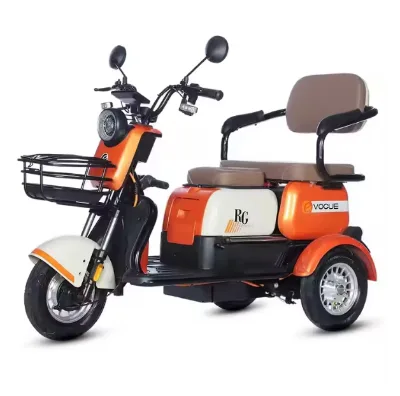
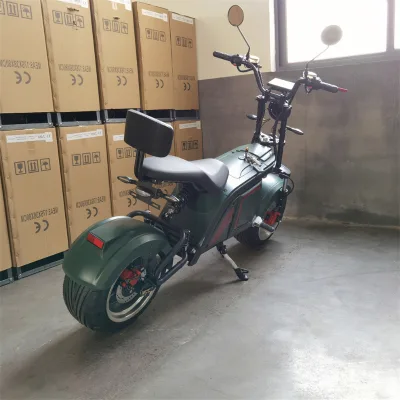
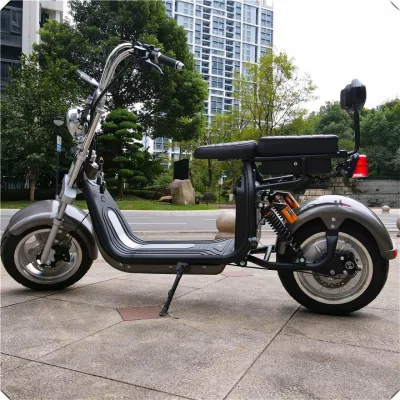
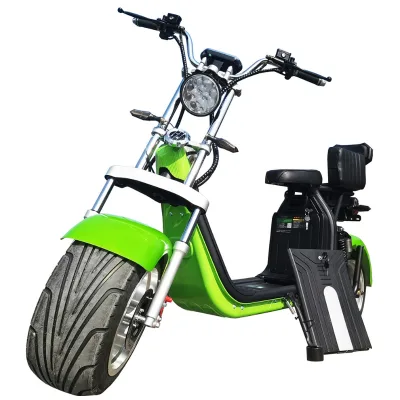

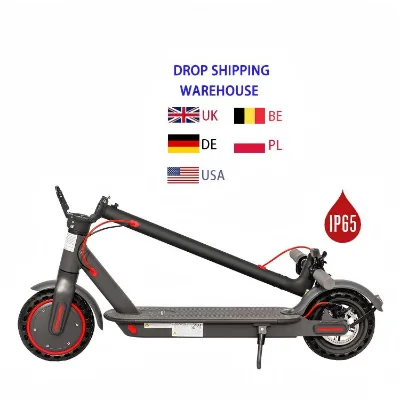


Urban Long Range Commuter Moped Adult Delivery Cargo Electric Scooter
$149.00 - $150.00
MOQ: 50 Pieces


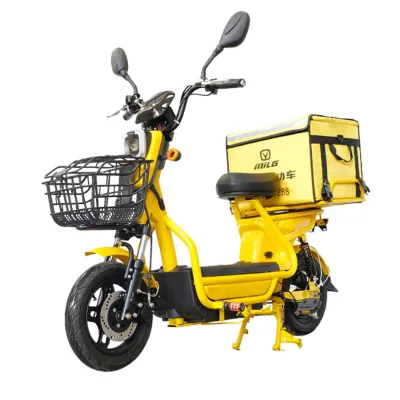
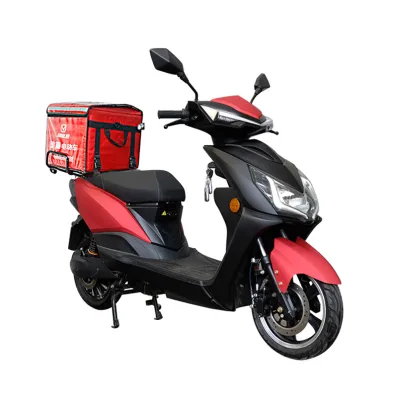
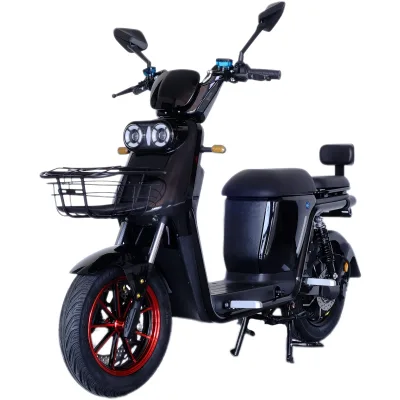
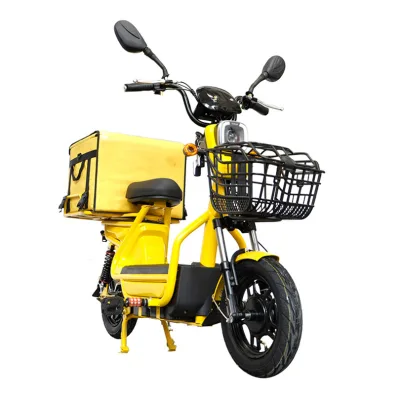
Food Delivery Mobility Scooter Food Delivery Electric Bike in Guangzhou
$360.5874 - $370.8901
MOQ: 2 pieces

Comprehensive Sourcing Guide
Urban and Rural Delivery Electric Scooter Sourcing Guide
Sourcing electric scooters for urban and rural delivery requires balancing payload capacity with range reliability. Buyers must evaluate motor power options, such as 1000W or 3000W variants, to ensure adequate torque for heavy loads. The observed speed ranges of 45-110km/H suggest diverse performance tiers, necessitating careful selection based on local traffic regulations and delivery zone constraints.
Procurement teams should prioritize battery chemistry and voltage configurations, noting options for Lead Acid or Lithium batteries in 48V, 60V, or 72V systems. Range capabilities vary significantly from 45km to 150km per charge, directly impacting daily operational efficiency. Verifying charging times, which may exceed three hours, is essential for planning fleet turnaround schedules and minimizing downtime during peak delivery periods.
Product Scope and Observed Listing Signals
Market listings reveal a wide spectrum of frame materials, predominantly featuring steel construction for durability. Customization options are frequently available, allowing buyers to tailor specifications for specific delivery needs. Observed dimensions, such as wheelbases of 1300mm or 1320mm, indicate stable platforms suitable for carrying cargo boxes or insulated delivery bags without compromising stability.
Packing methods vary, with some units shipped in metal frames or steel cartons to protect components during transit. Origin locations like Wuxi and Hebei, China, represent key manufacturing hubs for these vehicles. Buyers should note that tire sizes range from 10-inch to 12-inch options, including 300-10 vacuum tires, which influence ride comfort and load-bearing capacity on varied urban and rural terrains.
Technical Specifications to Verify
Motor positioning and gear systems are critical technical factors to confirm before ordering. Some models utilize central motors with three-speed gear options, enhancing torque management for hilly rural routes. Brake systems differ across listings, with some offering front and rear disc brakes for superior stopping power, while others rely on drum brakes, which may require more frequent maintenance in high-use delivery scenarios.
Suspension and lighting systems also warrant close inspection. Hydraulic shock absorption is noted in certain models, improving rider comfort and cargo protection on uneven surfaces. LED lighting is standard in many listings, ensuring visibility during early morning or late-night deliveries. Buyers must verify sitting heights, which range from 600mm to 750mm, to ensure rider ergonomics and ease of mounting for frequent stops.
Compliance and Safety Documentation
Certification status is a primary compliance indicator, with CE marking observed in several product listings. This suggests adherence to European safety and electromagnetic compatibility standards, which may be relevant for export markets or domestic regulatory frameworks. Buyers should request valid certification documents to verify that the specific batch of scooters meets the claimed standards.
Safety features such as braking systems and lighting must be documented in technical datasheets. While some listings mention front disc and rear drum combinations, others specify dual disc brakes. Procurement teams should ensure that all safety components are clearly specified in the purchase contract to avoid discrepancies between advertised features and delivered goods, ensuring legal operation in targeted jurisdictions.
Cost Drivers and Commercial Terms
Price observations indicate a range from 140 to 790 USD, reflecting significant variation in component quality and specifications. Higher-priced units likely feature lithium batteries, advanced braking systems, and superior frame materials. Buyers must correlate price points with specific technical attributes to avoid overpaying for unnecessary features or underinvesting in critical durability components for heavy delivery use.
Minimum Order Quantities (MOQ) typically range from 1 to 50 units, offering flexibility for small fleet expansions or large-scale deployments. Payment terms and shipping costs, often associated with metal frame or carton packing, should be negotiated clearly. Understanding the total landed cost, including potential tariffs and logistics fees from origins like China, is vital for accurate budgeting and margin calculation.
Supplier Qualification and Quality Control
Supplier verification should focus on manufacturing capabilities and quality assurance processes. Origins in Wuxi and Hebei suggest established industrial clusters, but buyers must confirm factory audits and production capacity. Requesting sample units for rigorous testing is essential to validate claims regarding motor power, range, and build quality before committing to bulk orders.
Quality control protocols should include checks on frame integrity, battery performance, and brake functionality. Suppliers offering customization should demonstrate robust engineering support to ensure modifications do not compromise structural safety. Establishing clear acceptance criteria and inspection rights in the contract helps mitigate risks associated with inconsistent manufacturing standards across different production batches.
Long-Term Procurement Checks
After-sales support and spare parts availability are crucial for maintaining fleet uptime. Buyers should inquire about warranty terms for batteries, motors, and electronic components, which are prone to wear in delivery applications. Suppliers with established service networks or clear return policies for defective units reduce long-term operational risks and total cost of ownership.
Monitoring technological advancements in battery efficiency and motor design can inform future procurement cycles. As regulations evolve, staying informed about changes in speed limits and certification requirements ensures continued compliance. Building a relationship with reliable suppliers allows for better negotiation on pricing and priority support during high-demand periods, securing a competitive advantage in the delivery sector.
FAQs
What certifications do these electric scooters have?
The electric scooters carry CE certification as a standard compliance feature. This ensures they meet specific safety and quality requirements for international markets. Buyers can verify this attribute directly in the product specifications before placing orders.
Which motor power options are available for these models?
Available motor power options include 1000W, 1500W, and configurations reaching up to 3000W depending on the specific model. Some units also feature power ratings exceeding 2000W to support higher speed requirements. These variations allow customization for different delivery loads.
Can buyers request customization for these electric scooters?
Yes, customization is available for these electric scooters to meet specific business needs. Buyers can request adjustments to frame materials, battery types, or other specifications. This flexibility ensures the final product aligns perfectly with operational requirements.
What is the typical range per charge for these vehicles?
The range per charge varies between 45km and 150km depending on the battery configuration and usage conditions. Some models offer a range of 45km to 110km per charge. This variability allows selection based on specific delivery distance requirements.
How fast can these electric scooters travel at maximum speed?
Maximum speeds range from 45km/h to over 110km/h depending on the specific model and motor configuration. Some units are rated for speeds exceeding 50km/h. Buyers should select the model that matches their required delivery speed and safety standards.
What battery types are supported for these electric scooters?
These electric scooters support both Lead Acid Battery and Lithium Battery options. Voltage configurations include 48V, 60V, and 72V systems. Buyers can choose the battery type that best fits their budget and performance needs for urban or rural delivery.
Where are these electric scooters manufactured and shipped from?
These electric scooters originate from manufacturing locations in Wuxi and Hebei, China. The products are packed in metal frames or steel cartons for safe transport. Buyers can expect consistent quality from these established production centers in China.