Source Full Suspension 72V Electric Bike for Commuting, Off-road, Delivery
Explore 30 listings for the Full Suspension 72V Electric Bike featuring aluminum frames, brushless motors, and varying speeds. Buyers can compare specifications like battery voltage, wattage, and range to find suitable options for beach, urban, or rugged terrain applications; compare the available evidence and request quotations based on your requirements.
Updated
Key considerations
Products List

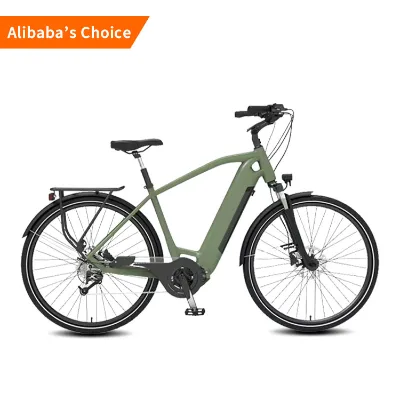
Electric Bike Bicycle 750W Motor Full Suspension Bicycle Electric Bike
$1200.00 - $1500.00
MOQ: 9 Pieces


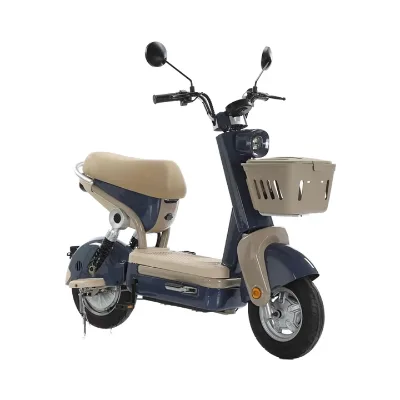
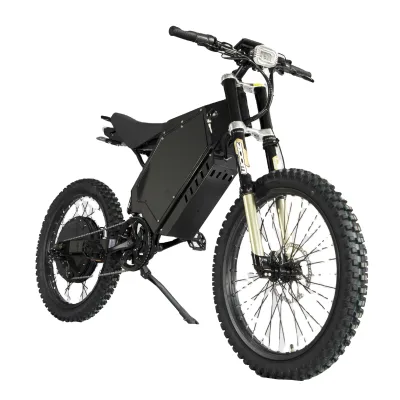
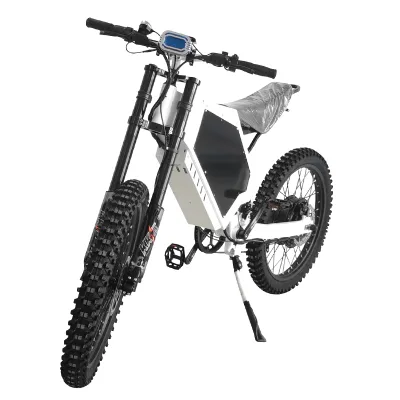


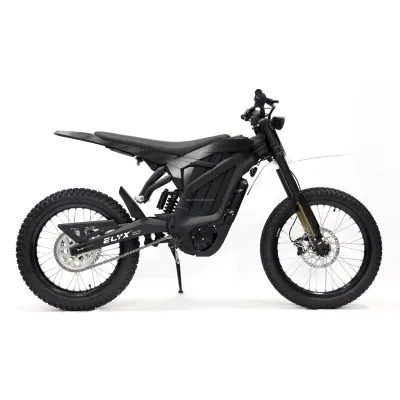
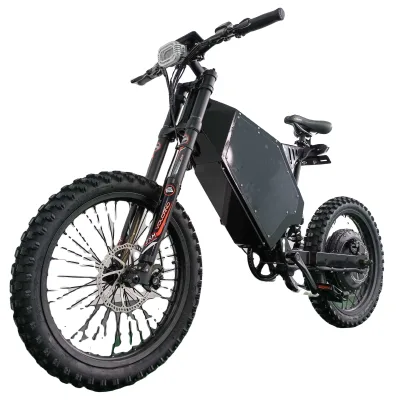
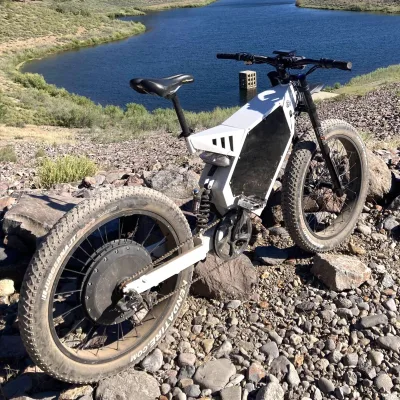
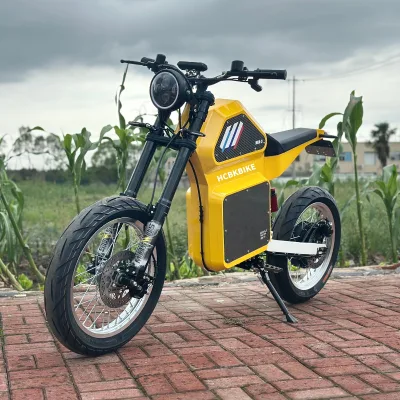
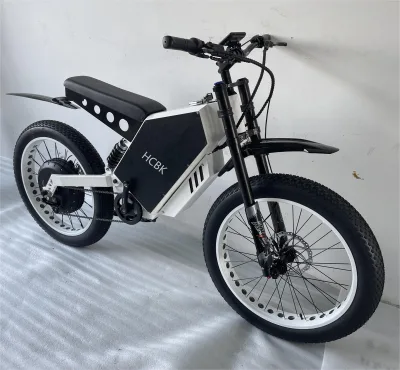
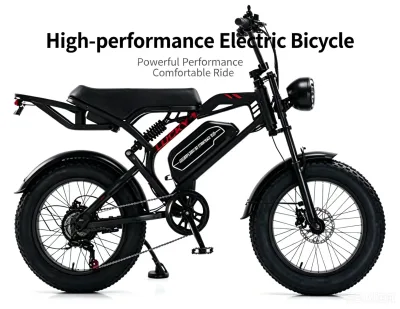
72V 8000w 12000W 15000w Electric Bike 20000W Electric Bike 72V Highest Power Electric Bike for Sale
$1395.00 - $2675.00
MOQ: 1 Minimum

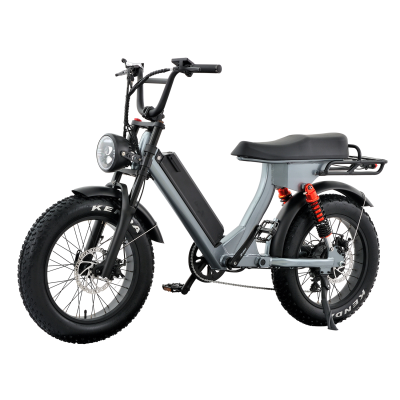
$800.8482 - $828.8571
MOQ: 1 pieces


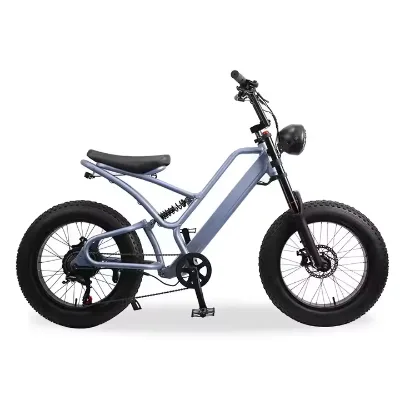
Mountain Style Full Suspension E Bike with Double Battery 120km Long Range Electric Bike
$269.00 - $350.00
MOQ: 10 piece


Comprehensive Sourcing Guide
Full Suspension 72V Electric Bike Sourcing Guide
Sourcing a Full Suspension 72V Electric Bike requires navigating a market where high-voltage systems are often paired with robust frame designs to handle increased power and speed. Buyers must distinguish between standard urban commuters and high-performance off-road models, as the latter demand stricter quality controls on suspension components and battery management systems. The observed market data indicates a wide variance in specifications, with many listings focusing on 48V systems rather than the 72V configuration specified in this guide. Consequently, procurement teams must rigorously verify voltage claims, as suppliers may list generic specifications that do not match the actual product delivered.
The core challenge lies in aligning supplier capabilities with specific performance requirements, particularly regarding motor wattage and battery capacity. While some observed products feature brushless motors with wattages ranging from 351W to over 500W, a 72V system typically implies higher power output and speed capabilities. Buyers should prioritize suppliers who provide detailed technical datasheets rather than relying on marketing summaries. It is essential to confirm whether the full suspension system is integrated with the electrical architecture to prevent interference or structural weakness, ensuring that the bike can withstand the torque generated by high-voltage motors without compromising safety or ride quality.
Product Scope and Observed Listing Signals
The current market landscape for electric bikes shows a diverse range of models, with observed listings featuring frame materials such as aluminum and steel, and wheel sizes commonly at 20 inches. Many suppliers offer customization options, allowing buyers to tailor features like folding mechanisms, pedal types, and brake systems to specific market demands. However, the observed data highlights a prevalence of 48V battery systems and max speeds between 20-60 km/h, which may not meet the specific requirements for a 72V high-performance bike. Buyers must carefully filter search results to identify suppliers who explicitly offer 72V configurations, as generic listings often obscure critical voltage details.
Packaging and origin data suggest that most suppliers are located in China, with specific hubs in Jinhua, Zhejiang, and Hebei provinces. Products are typically packed in cartons, with standard dimensions varying significantly based on the bike's foldability and component complexity. Some listings indicate a folded state, while others are unfolded, impacting shipping volume and cost calculations. Buyers should note that while some products feature rear racks and dual disc brakes, these are not universal across all suppliers. It is crucial to verify the specific model numbers, such as KZ, YYM, or TDN05Z, to ensure that the product matches the desired full suspension and 72V specifications before initiating any procurement discussions.
Technical Specifications to Verify
When evaluating technical specifications, the battery system is the most critical component to verify for a 72V electric bike. Buyers must confirm the battery type, typically lithium, and its capacity, ensuring it is compatible with the 72V voltage requirement. Observed listings often mention 48V batteries, so explicit confirmation of 72V compatibility is necessary to avoid receiving incorrect products. Additionally, the motor specifications should be scrutinized, with attention to wattage, brand, and position. While some observed products use Bafang motors or front hub motors, a 72V system may require more powerful rear hub or mid-drive motors to fully utilize the increased voltage.
Suspension and braking systems are equally important for full suspension models. Buyers should verify the type of suspension, ensuring it is suitable for the intended terrain, whether urban or off-road. The observed data mentions dual disc brakes and front/rear disc systems, which are standard for high-speed bikes. It is essential to confirm the brake system's reliability and modulation, as higher speeds demand more effective stopping power. Furthermore, the frame material, whether aluminum alloy or steel, should be assessed for durability and weight. Buyers must also check the gear system, as some observed products offer single-speed options, which may not be suitable for varied terrains requiring a full suspension bike.
Compliance and Safety Documentation
Compliance with regional safety standards is paramount when importing electric bikes, particularly those with high-voltage systems. Buyers must verify that suppliers hold relevant certifications, such as CE, ISO, ENCE, EEC, DOT, or GCC, depending on the target market. Observed listings mention various certifications, but buyers must ensure that the specific 72V model is covered under these approvals. It is crucial to request valid certification documents and verify their authenticity with the issuing bodies. Non-compliant products can lead to customs delays, fines, or product recalls, making thorough documentation review a non-negotiable step in the procurement process.
In addition to certifications, buyers should inquire about battery safety standards, such as UL2849, which is relevant for electric vehicle battery systems. While this standard was mentioned in the background context, its applicability should be confirmed with the supplier. Buyers must also ensure that the bike meets local regulations regarding maximum speed and motor power. Some observed products have max speeds up to 60 km/h, which may exceed legal limits in certain jurisdictions. It is essential to clarify these limits with the supplier and request any necessary documentation, such as user manuals and safety warnings, to ensure the product is legally compliant and safe for end-users.
Cost Drivers and Commercial Terms
The cost of a Full Suspension 72V Electric Bike is influenced by several factors, including battery capacity, motor power, and frame material. Higher voltage systems and larger battery capacities typically increase the cost, as do premium components like branded motors and advanced suspension systems. Buyers should request detailed quotations that break down these costs to understand the value proposition. Observed price ranges vary widely, from $90 to $3172, reflecting the diversity in specifications and quality. It is important to compare quotes based on equivalent specifications to avoid misleading comparisons based on lower-end models.
Commercial terms, such as MOQ and lead times, also impact the total cost of ownership. Observed MOQs range from 1 to 50 units, offering flexibility for small and large buyers. However, buyers should negotiate for better terms based on order volume and long-term partnership potential. Lead times can vary depending on the supplier's production capacity and inventory levels. It is essential to clarify lead times in the contract to avoid delays in product delivery. Additionally, buyers should consider shipping costs, which can be significant for bulky items like electric bikes. Packaging dimensions and weight should be verified to calculate accurate freight charges and optimize logistics planning.
Supplier Qualification and Quality Control
Supplier qualification is a critical step in ensuring the reliability and quality of the sourced electric bikes. Buyers should conduct thorough due diligence on potential suppliers, verifying their business licenses, production capabilities, and quality management systems. Observed listings indicate that many suppliers are located in China, with specific industrial hubs known for e-bike manufacturing. Buyers should prioritize suppliers with a proven track record of exporting to their target markets and positive customer feedback. It is also advisable to request samples for testing before placing bulk orders to assess build quality and performance.
Quality control measures should be established to monitor production and ensure consistency. Buyers should implement pre-shipment inspections to verify that the products meet the agreed-upon specifications and quality standards. This includes checking the battery voltage, motor performance, suspension functionality, and braking system. It is also important to verify the packaging quality to prevent damage during transit. Buyers should work with suppliers to establish clear quality criteria and inspection protocols. Regular communication and feedback loops can help address any issues promptly and improve the overall quality of the sourced products over time.
Long-Term Procurement Checks
Long-term procurement success depends on establishing strong relationships with suppliers and continuously monitoring performance. Buyers should conduct regular reviews of supplier performance, including on-time delivery, product quality, and responsiveness to issues. Observed data suggests that customization is available, which can be leveraged to adapt products to changing market demands. Buyers should maintain open communication with suppliers to discuss future needs and potential improvements. It is also important to stay updated on regulatory changes and market trends that may impact the sourcing strategy.
After-sales support and warranty terms are crucial for long-term satisfaction. Buyers should ensure that suppliers offer comprehensive warranty coverage and reliable after-sales service. This includes access to spare parts, technical support, and repair services. It is advisable to include these terms in the contract to protect against potential defects or failures. Additionally, buyers should consider the sustainability of the supply chain, evaluating suppliers' environmental practices and social responsibility. By focusing on these long-term factors, buyers can build a resilient and efficient procurement process that supports business growth and customer satisfaction.
FAQs
What is the maximum speed of these electric bikes?
The maximum speed ranges from 20 to 60 kilometers per hour depending on the specific model configuration. Some units operate between 20 and 40 km/h while others reach speeds up to 60 km/h. This variation allows buyers to select a bike that matches their local speed regulations and personal riding preferences effectively.
Which battery voltage is standard for these models?
The standard battery voltage for these electric bikes is 48 volts. Most units utilize a 48-volt lithium battery system to power the brushless motor efficiently. This voltage level provides a reliable balance between performance and safety for daily commuting and recreational riding across various terrain types.
Can I find these bikes with foldable frames?
Yes, foldable frames are available for specific models in this product range. Some units feature foldable pedals and stems to facilitate compact storage and transport. Buyers should verify the folded status of each listing to ensure the bike meets their portability requirements before placing an order.
What certifications do these electric bikes hold?
These electric bikes hold various certifications including CE, ISO, ENCE, EEC, DOT, and GCC. The specific certification depends on the manufacturer and the target market for the product. Buyers should request the relevant certification documents to ensure compliance with local safety standards and import regulations.
What is the typical wattage of the motor?
The motor wattage typically falls between 351 and 500 watts, with some models exceeding 500 watts. These brushless motors provide sufficient power for efficient acceleration and hill climbing. The exact wattage determines the top speed and torque output available for different riding conditions and user weights.
Which frame materials are used for construction?
Frames are constructed from either aluminum or aluminum alloy materials for lightweight durability. Some models may also utilize steel frames for added strength and cost efficiency. The choice of material impacts the overall weight, corrosion resistance, and structural integrity of the electric bike during operation.
What is the minimum order quantity for these bikes?
The minimum order quantity ranges from one unit to fifty units depending on the supplier. Buyers can often source single units for testing or larger batches for distribution. The specific MOQ is determined by the manufacturer and may vary based on customization requirements and current production capacity.
Where are these electric bikes manufactured?
These electric bikes are manufactured in China, with specific origins in locations like Jinhua, Zhejiang and Hebei. The production facilities are located within these regions to leverage established supply chains and manufacturing expertise. Buyers should confirm the exact place of origin to assess shipping logistics and potential tariffs.