Source Adjustable Light Weight Bicycle Stem for Mountain, Road, and Kids Bikes
Find 30 Adjustable Light Weight Bicycle Stem options from Hebei, China. Compare models like HC-PJ-097 and HC-PJ-122 with aluminum or steel materials, ISO certifications, and weights around 0.4kg for ordinary, mountain, and road bikes; compare the available evidence and request quotations based on your requirements.
Updated
Key considerations
Products List


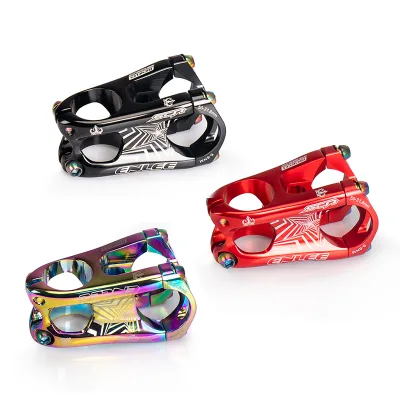
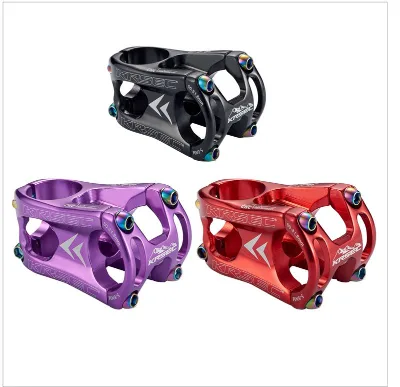
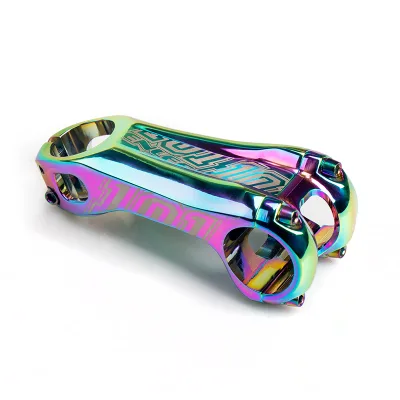
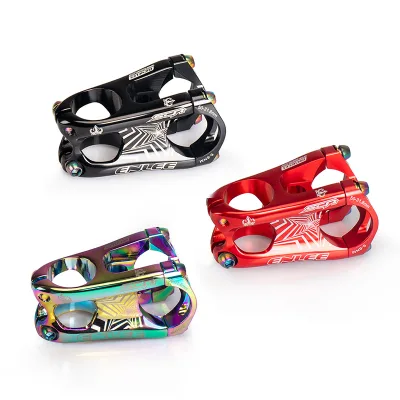
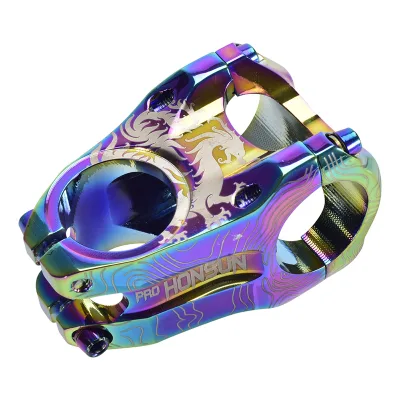


Bicycle Folding Height Adjustable Stem for Bicycle Increased Accessories
$0.60 - $5.00
MOQ: 100 Pieces

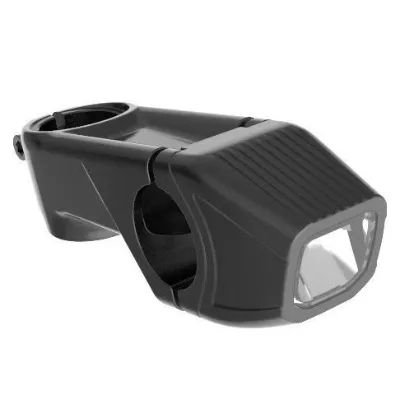
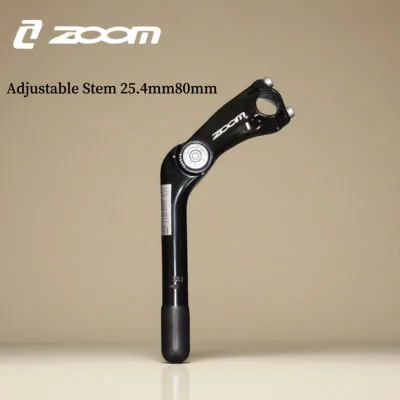
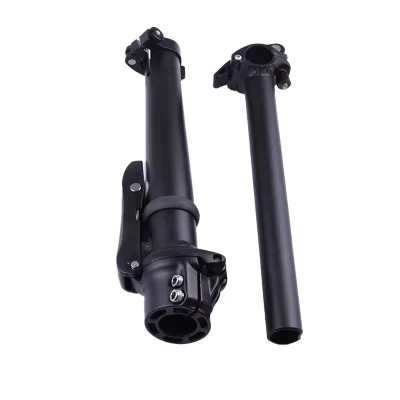
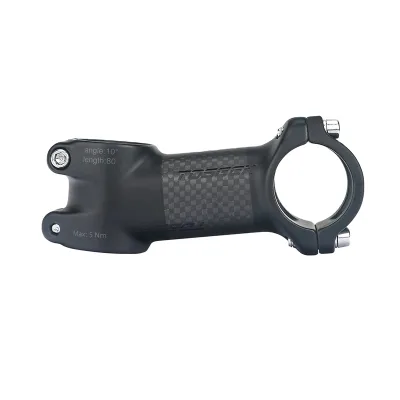
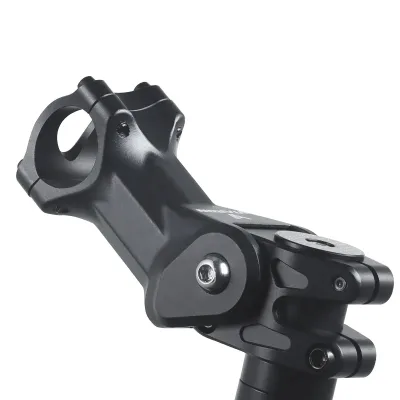
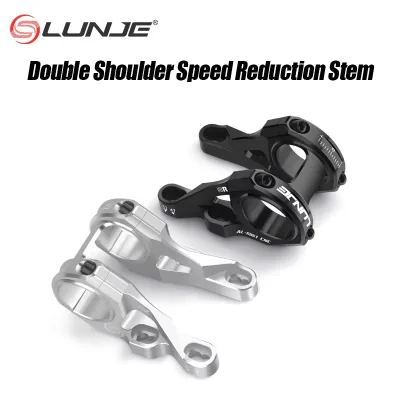
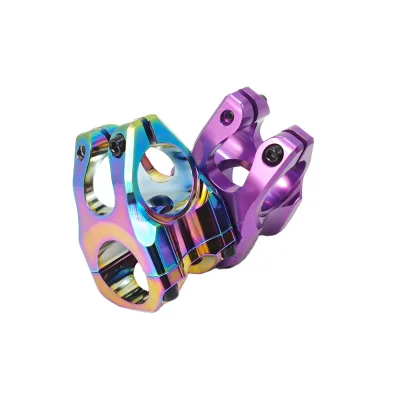
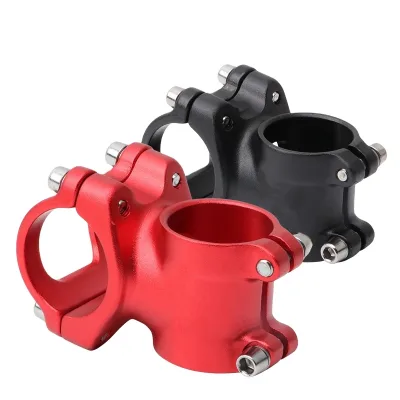
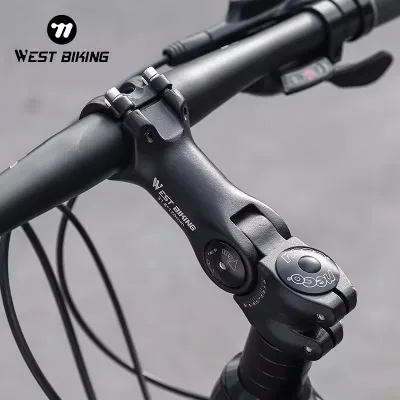
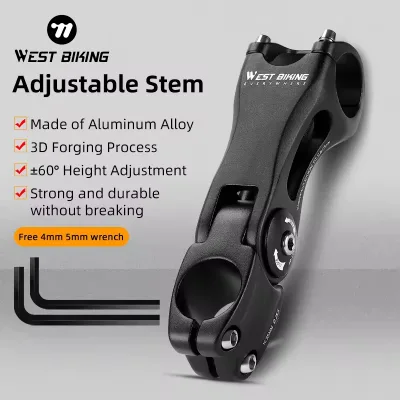
Comprehensive Sourcing Guide
Adjustable Light Weight Bicycle Stem Sourcing Guide
Procuring an Adjustable Light Weight Bicycle Stem requires careful attention to material composition and structural integrity, as the primary goal is reducing overall bike weight without compromising safety. The available market data indicates that stems are frequently manufactured from aluminum or alloy materials, with some options utilizing steel for specific durability needs. Buyers must verify that the selected component matches the intended bicycle type, whether it is an ordinary bicycle, mountain bike, road bike, or a model designed for kids, as the load-bearing requirements vary significantly across these categories.
When evaluating listings, it is essential to distinguish between standard and customized configurations, as the supply chain offers both non-customized and fully customized options depending on the supplier's capabilities. The observed product attributes suggest that customization is available, allowing buyers to request specific colors or dimensions, though standard silver or black finishes are common. Understanding the distinction between a fixed-length stem and an adjustable one is critical, as the latter often involves complex internal mechanisms that must be rigorously tested to ensure they do not fail under the stress of off-road riding or high-speed road cycling.
Product Scope and Observed Listing Signals
The current market signals for adjustable light weight bicycle stems reveal a diverse range of specifications, including clamp diameters that typically fall between 25.1mm and 26.5mm, or 31.1mm and 32.5mm, depending on the handlebar compatibility. Buyers should note that the vertical pole length is often standardized around 220mm, while the front application size may be listed as 80mm, which dictates the reach and handling characteristics of the final assembly. These physical dimensions are non-negotiable for ensuring a proper fit, and discrepancies in these measurements can lead to installation failures or unsafe riding conditions.
Commercial signals in the listings indicate a wide variation in minimum order quantities, ranging from as low as 2 pieces to as high as 1000 pieces, which significantly impacts the procurement strategy for small retailers versus large distributors. The observed price range spans from 0.39 to 24 USD, reflecting differences in material quality, brand positioning, and the extent of customization requested. It is vital for buyers to correlate these price points with the stated weight, which can vary from 0.4kg to 251g, to ensure that the lowest cost option does not inadvertently sacrifice the lightweight performance required for competitive cycling or efficient commuting.
Technical Specifications to Verify
Verifying the handlebar clamp diameter is the most critical technical step, as the interface between the stem and the handlebar must be precise to prevent slippage or damage during use. The data shows specific ranges such as 25.1-26.5mm and 31.1-32.5mm, meaning a buyer must match the stem to the exact diameter of their existing handlebars rather than assuming a universal fit. Additionally, the condition of the product must be confirmed as new, and the shape should be identified as a straight handlebar to ensure it aligns with the rider's ergonomic preferences and the bicycle's frame geometry.
Beyond the clamp dimensions, the material composition and weight are key indicators of the stem's performance and durability. While some listings specify aluminum or alloy construction, others mention steel or a combination of steel and alloy, which affects the final weight and corrosion resistance. Buyers should explicitly check the product weight, noting values like 251g or 0.4kg, to confirm that the component meets the lightweight criteria essential for performance cycling. Furthermore, the folding status should be verified as unfolded for standard stems, ensuring the component is ready for immediate installation without requiring complex assembly adjustments.
Compliance and Safety Documentation
Compliance with international standards is a fundamental requirement for any bicycle component intended for commercial sale or professional use. The available data references ISO9001 and SGS certifications, which indicate that the manufacturing process adheres to quality management systems and safety testing protocols. Buyers must request proof of these certifications to ensure that the stems have undergone rigorous testing for structural integrity and load-bearing capacity, particularly given the critical role the stem plays in steering control and rider safety.
In addition to general quality certifications, specific safety documentation regarding the product's condition and origin is necessary to mitigate liability risks. The listings confirm that products are new and originate from regions like Hebei and Xingtai in China, but buyers should verify that the specific batch meets the relevant safety standards for the target market. It is also important to confirm that the product does not include a derailleur set if the application is for a specific bike type, as this affects the overall compatibility and safety of the drivetrain system. Ensuring that all documentation is up to date and verifiable is essential for maintaining a compliant supply chain.
Cost Drivers and Commercial Terms
The cost of an Adjustable Light Weight Bicycle Stem is driven primarily by the material selection, with aluminum and alloy options generally commanding higher prices than steel alternatives due to their superior strength-to-weight ratio. Buyers must analyze the trade-off between the initial unit cost and the long-term value provided by lighter, more durable materials, especially when sourcing for high-performance mountain bikes or road bikes where weight savings are a premium feature. The observed price range suggests that significant cost variations exist, necessitating a detailed comparison of material specifications against the quoted price to avoid overpaying for inferior goods.
Commercial terms, particularly the minimum order quantity (MOQ), play a decisive role in the total cost of ownership and inventory management strategy. The market data shows MOQs ranging from 2 pieces to 500 pieces, allowing flexibility for small buyers while imposing volume constraints on larger orders. Buyers should negotiate based on their specific volume needs, considering that higher MOQs often correlate with lower unit prices but require greater capital investment. Additionally, the availability of samples and the option for custom packaging should be factored into the commercial agreement, as these elements can influence the final landed cost and the speed of market entry.
Supplier Qualification and Quality Control
Supplier qualification for bicycle stems requires a thorough assessment of their manufacturing capabilities and their ability to deliver consistent quality across large production runs. The presence of ISO certifications and the offer of customized services suggest that many suppliers have the infrastructure to meet diverse buyer requirements, but buyers must verify these claims through on-site audits or third-party inspections. It is crucial to ensure that the supplier can consistently produce stems with the specified clamp diameters and weights, as even minor deviations can lead to significant issues in the final assembly and rider experience.
Quality control processes must be robust enough to catch defects before the products leave the factory, particularly given the safety-critical nature of steering components. Buyers should inquire about the supplier's testing protocols for the vertical pole length, handlebar clamp diameter, and overall structural integrity to ensure that every unit meets the required specifications. The option for sample approval is a valuable tool in this process, allowing buyers to physically inspect the product for finish quality, weight accuracy, and material consistency before committing to a larger order. Establishing a clear quality control agreement is essential for maintaining the reputation of the buyer's brand.
Long-Term Procurement Checks
Establishing a long-term procurement strategy for adjustable light weight bicycle stems involves regular monitoring of supplier performance and product consistency over time. Buyers should implement a system for tracking defect rates and customer feedback to identify any recurring issues with the stem's durability or fit. This proactive approach ensures that the supply chain remains reliable and that the products continue to meet the evolving standards of the bicycle industry, particularly as new materials and designs emerge that could render current specifications obsolete.
Continuous verification of the supplier's ability to meet changing market demands is also essential for maintaining a competitive edge. Buyers must regularly review the supplier's capacity to handle increased order volumes and their ability to adapt to new customization requests, such as different colors or specific weight targets. The availability of after-sales service, as highlighted in some listings, is a key indicator of a supplier's commitment to long-term partnership. By maintaining open communication and setting clear performance expectations, buyers can ensure a stable supply of high-quality stems that support their business growth and customer satisfaction.
FAQs
What certifications do adjustable light weight bicycle stems have?
The adjustable light weight bicycle stems are certified with ISOCE standards. This certification ensures that the manufacturing process meets specific quality and safety requirements for bicycle components. Buyers can rely on these verified standards when sourcing parts for ordinary bicycles, mountain bikes, or road bikes to ensure compliance and reliability in the final assembly.
Can I customize the color of the bicycle stem?
Yes, customization is available for the adjustable light weight bicycle stems. Buyers can request specific colors such as silver or black to match their brand or design preferences. The supplier offers flexible customization options, allowing for tailored appearances while maintaining the structural integrity and performance standards required for various bicycle applications and market segments.
What is the minimum order quantity for these stems?
The minimum order quantity varies, with some listings requiring 500 pieces while others accept orders as low as 2 pieces. This flexibility allows buyers to test the product quality with small batches or place larger orders for mass production. The adjustable light weight bicycle stems are suitable for both small-scale procurement and large-volume manufacturing needs.
Where are these bicycle stems manufactured?
These adjustable light weight bicycle stems are manufactured in Hebei, China, specifically in the Xingtai region. This location is a known hub for bicycle component production, offering efficient supply chains and competitive manufacturing capabilities. Buyers sourcing from this area can benefit from established industrial infrastructure and reliable logistics for exporting high-quality bicycle parts globally.
What materials are used for the stem construction?
The adjustable light weight bicycle stems are constructed from aluminum, steel, or alloy materials. Aluminum and alloy options provide a lightweight profile suitable for performance-oriented bicycles, while steel variants offer durability. These material choices ensure the stems meet the weight and strength requirements for ordinary bicycles, mountain bikes, and road bikes, catering to diverse rider preferences.
What is the weight of the adjustable stem?
The weight of the Adjustable Light Weight Bicycle Stem is approximately 0.4kg or 251g, depending on the specific model and material. This lightweight design is crucial for enhancing bicycle performance and handling. Buyers seeking to reduce overall bike weight can select from these optimized components, which are engineered to balance strength with minimal mass for various bicycle types.