Source UV400 Acrylic Sunglasses for travel, driving, and outdoor sports
Compare 30 listings of UV400 Acrylic Sunglasses featuring diverse frame materials and lens colors. Buyers can evaluate options for fashion, protection, and customization needs across unisex styles.
Key considerations
Products List
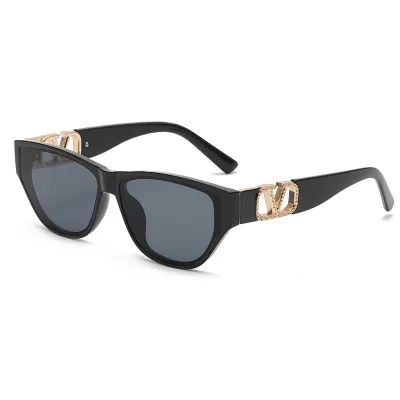


Comprehensive Sourcing Guide
Strategic Sourcing Guide for UV400 Acrylic Sunglasses
The global market for eyewear continues to evolve, with a specific segment dedicated to affordable, fashion-forward, and protective eyewear. For procurement professionals and business buyers researching the core keyword "UV400 Acrylic Sunglasses," understanding the intersection of material science, optical safety, and supply chain logistics is critical. This guide provides a disciplined approach to sourcing these products, leveraging observed market data and verified technical attributes to ensure a robust procurement strategy. The focus remains on products that combine the durability of polycarbonate or acrylic frames with the essential UV400 protection required for modern consumer safety standards.
Technical Specifications and Material Composition
When evaluating sunglasses for procurement, the distinction between frame and lens materials is paramount. The supplied product data indicates a diverse landscape of materials, with "Acetate" and "Polycarbonate" (often referred to as PC) appearing as primary frame materials. While the core keyword specifies "acrylic," it is essential to note that in the context of mass-market eyewear, "acrylic" often refers to the lens material or is used interchangeably with polycarbonate in certain supply chains. The observed data confirms that "Lenses Material" can be listed as "Acrylic" or "TAC" (Triacetate Cellulose), while "Frame Material" is frequently "PC" or "Acetate."
The optical attribute "UV400" is a consistent feature across the observed product range. This specification denotes that the lenses block 100% of harmful ultraviolet radiation up to a wavelength of 400 nanometers. This is a non-negotiable baseline for safety in the sunglasses category. Buyers must verify that the UV400 claim is backed by the specific lens material listed. For instance, products with "Acrylic" lenses are noted to carry the UV400 attribute, but the structural integrity of the frame—whether "PC" or "Acetate"—determines the product's durability and weight. The "Single gross weight" of observed items is approximately 0.190 kg, suggesting a lightweight design typical of polycarbonate or acrylic constructions.
Furthermore, the "Lenses Optical Attribute" data reveals variations in lens color and style, such as "C1" through "C6" codes, which likely represent specific tint gradients or mirror finishes. The "Frame Color" list is extensive, ranging from standard "Black" and "White" to vibrant options like "Ginger," "Cyan," and "Maroon." This variety supports the "Fashion" and "Design" attributes frequently cited in product descriptions. Buyers should note that while "UV400" is a universal claim in this dataset, the specific lens material (Acrylic vs. TAC vs. Polycarbonate) will influence scratch resistance and impact tolerance, factors that must be aligned with the intended use case.
Compliance, Certification, and Safety Standards
Navigating the regulatory landscape for eyewear requires careful attention to certifications and standards. The provided data explicitly lists "Ce/FDA/UV400" as a certification for specific models, indicating compliance with European Conformity (CE) and potential FDA (Food and Drug Administration) standards, which are crucial for markets in Europe and North America. The "Market" attribute also references "CE," reinforcing the importance of this standard for international distribution.
However, buyers must exercise caution regarding the interpretation of these certifications. While "CE" is mentioned as a standard in the product attributes, the data also notes "Low-confidence background" regarding "ISO 12312," a specific international standard for sunglasses. Procurement teams should not assume that every product listed with a "UV400" claim automatically meets ISO 12312 unless explicitly verified. The presence of "FDA" in the certification list suggests a higher level of scrutiny regarding optical safety, but this should be confirmed via third-party testing reports for each batch.
The "Standard" attribute in the data includes dimensions like "20128" and "15x16x6cm," which likely refer to packaging or specific model sizing rather than optical safety standards. Buyers should prioritize verifying the "UV400" claim through independent laboratory testing, especially when sourcing from regions like "Zhejiang, China" or "Wenzhou, China," which are noted as places of origin. The "Certification" field is a strong indicator of supplier capability, but it should be treated as a starting point for due diligence rather than a final guarantee. Ensuring that the supplier can provide valid, up-to-date test certificates for UV transmission and impact resistance is essential for maintaining compliance in target markets.
Cost Drivers and Pricing Dynamics
The pricing structure for UV400 Acrylic Sunglasses is influenced by several variables, including material quality, customization options, and order volume. The observed listed price range in the market data spans from $0.39 to $60. This wide disparity highlights the difference between basic, unbranded units and premium, fashion-forward designs with specialized coatings or custom branding. The lower end of the spectrum likely corresponds to simple "PC" frame models with standard "TAC" or "Acrylic" lenses, while the higher end may reflect "Acetate" frames, complex lens tints, or extensive customization.
The "MOQ" (Minimum Order Quantity) is a significant cost driver. The observed MOQ range is 0 to 5000 units, with specific product models citing an MOQ of "12PCS Per Color." This flexibility allows buyers to test the market with small batches or scale up for large retail orders. The "Selling Units" attribute indicates that items are often sold as "Single item," which facilitates retail packaging but may increase the per-unit cost for bulk buyers if not negotiated correctly.
Customization is a major factor in pricing. The data confirms that "Logo" acceptance and "Customization" are available, with "OEM" (Original Equipment Manufacturer) services explicitly accepted. Adding a custom logo, selecting specific "Frame Color" combinations, or requesting unique "Lenses Color" codes (C1-C6) will inevitably increase the unit cost. Additionally, the "Single package size" of 18X19X2 cm and the "prod_packing" details (e.g., "1PC/OPP Bag" or "1PC Per, 12PCS Per Inner Box") affect logistics costs. Buyers should calculate the total landed cost, including packaging and shipping, rather than focusing solely on the unit price. The "High Quallity" (High Quality) attribute suggests that premium pricing may be justified by better material finishes or more rigorous quality control, but this must be validated through sample inspection.
Typical Applications and Target Markets
The application of UV400 Acrylic Sunglasses extends beyond simple sun protection, encompassing fashion, sports, and promotional uses. The "Product Name" is listed as "Sun Glasses," with a "Style" described as "Fashion" and "Type" as "Newest Fashional Sunglasses" or "Visor Sunglasses." This indicates a primary market focus on consumer fashion trends. The "Keyword" "Sunglasses 2023 Fashionable" further underscores the trend-driven nature of this product category.
The "Gender" attribute is listed as "Unisex Women Men," while the "Age Group" is specifically noted as "Women" in some entries. The "Suitable for" attribute mentions "Oval Face, Women," suggesting that design ergonomics are tailored to specific facial structures. This versatility allows these products to be marketed to a broad demographic, from fashion-conscious consumers to outdoor enthusiasts. The "Usage" is listed as "Decoration," which implies that aesthetic appeal is a primary driver for purchase, alongside functional UV protection.
In terms of market segmentation, the "Place of Origin" in "Zhejiang, China" and "Wenzhou, China" points to a robust manufacturing hub known for eyewear production. These regions supply a wide range of products, from basic "Special Sunglasses" to high-end "Fashion Sunglasses." The "Model Number" variations, such as "22051," "OFFR3183," and "M-02," indicate a high degree of product differentiation, allowing buyers to target specific niches. Whether for retail chains, promotional campaigns, or private label brands, the "Customization" availability makes these sunglasses suitable for a variety of business models.
Supplier Evaluation and Quality Control
Selecting the right supplier requires a rigorous evaluation process based on the attributes observed in the market. The "Brand Name" is frequently listed as "OEM," indicating that many suppliers operate as manufacturers capable of producing private label goods. Buyers should prioritize suppliers who demonstrate transparency in their "Certification" and "Standard" claims. The presence of "Ce/FDA/UV400" is a positive signal, but it must be corroborated with physical evidence.
Quality control is essential given the variability in "Frame Material" and "Lenses Material." The data shows a mix of "PC," "Acetate," and "Acrylic" materials. Buyers should request samples to verify the "Feature" of "High Quallity" and ensure that the "UV400" protection is consistent across all units. The "Lenses Optical Attribute" should be tested to confirm that the UV blocking is effective and not merely a marketing claim. Additionally, the "Style" and "Design" attributes should be evaluated against current market trends to ensure the product remains competitive.
The "prod_packing" details, such as "CTN" (Carton) or "1PC/OPP Bag," are critical for logistics planning. Suppliers who offer robust packaging solutions, such as "12PCS Per Inner Box, 300PCS Per Carton," demonstrate an understanding of bulk shipping requirements. Buyers should also verify the "Single gross weight" and "Single package size" to optimize freight costs. The "MOQ" of "12PCS Per Color" suggests that suppliers are flexible, but buyers should negotiate terms that align with their inventory strategy.
Long-Term Procurement Considerations
Sourcing UV400 Acrylic Sunglasses is not a one-time transaction but a strategic partnership that requires long-term planning. The "Customization" and "OEM" capabilities of suppliers allow for brand building and product differentiation over time. Buyers should consider the scalability of their orders, noting that the "MOQ" can range from 0 to 5000 units. This flexibility supports both pilot launches and large-scale distribution.
The "Place of Origin" in China offers cost advantages, but buyers must monitor geopolitical and logistical factors that could impact lead times. The "Standard" and "Certification" requirements may evolve, so maintaining a relationship with suppliers who can adapt to new regulations is crucial. The "Lenses Color" and "Frame Color" options provide opportunities for seasonal product updates, keeping the inventory fresh and aligned with fashion cycles.
Finally, the "Feature" of "High Quallity" should be a continuous goal. Regular quality audits and feedback loops with suppliers will ensure that the "UV400" protection and material integrity remain consistent. By focusing on these long-term factors, buyers can build a resilient supply chain that delivers value and safety to their customers. The data suggests a mature market with diverse options, but success depends on meticulous verification and strategic partnership management.
FAQs
Can I get custom logos on these sunglasses?
Yes, customized logos are accepted for these products. Suppliers offer OEM services allowing you to add your branding to the frames or lenses. This customization is available for various models and colors, supporting private label needs.
What certifications do these sunglasses hold?
Specific models carry CE, FDA, and UV400 certifications. These marks indicate compliance with European standards and optical safety requirements. Buyers should verify valid test certificates for each batch to ensure ongoing regulatory compliance.
What is the minimum order quantity for these items?
The minimum order quantity varies by model but can be as low as 12 pieces per color. Some listings show an MOQ of zero, while others require up to 5000 units. Flexibility depends on the specific supplier and product configuration.
Where are these sunglasses manufactured?
These products originate from Zhejiang and Wenzhou in China. These regions are established manufacturing hubs for eyewear. Buyers should expect supply chains to be centered in these specific Chinese provinces for production and logistics.
What materials are used for the frames and lenses?
Frames are typically made of PC or Acetate, while lenses use Acrylic or TAC materials. The frame material affects durability and weight, whereas the lens material determines optical clarity and scratch resistance. Both materials support UV400 protection.
How much do these sunglasses cost per unit?
The listed price range spans from 0.39 to 60 USD per unit. Lower prices usually reflect basic PC frames and standard lenses, while higher costs involve Acetate frames or complex customizations. Final pricing depends on order volume and specific features.