Source UV400 Plastic Square Sunglasses for beach, driving, and fashion
Explore 30 listings of UV400 Plastic Square Sunglasses with varying frame materials and colors. Buyers can compare specifications like lens optical attributes, package dimensions, and customization options for wholesale needs.
Key considerations
Products List
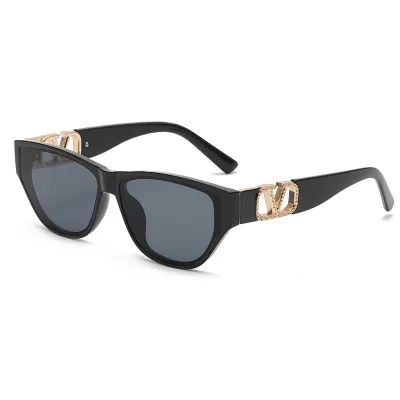
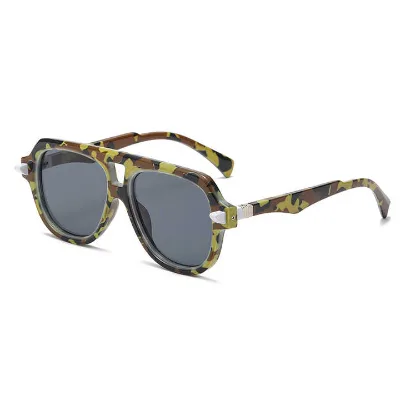
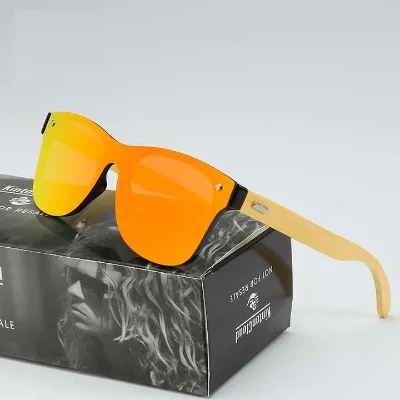
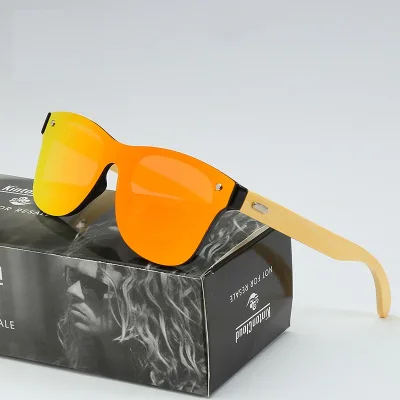
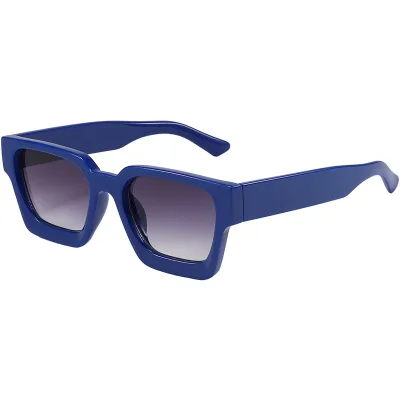
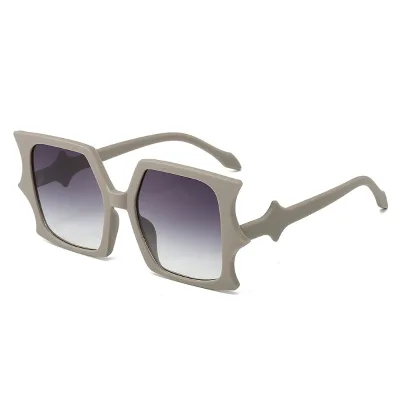


New Style Simple Designed Plastic Glasses Square Sunglasses UV Protection
$2.50 - $3.86
MOQ: 1200 Pieces


Comprehensive Sourcing Guide
Strategic Sourcing Guide for UV400 Plastic Square Sunglasses
Understanding the Core Product Specifications and Variations
When sourcing UV400 Plastic Square Sunglasses, buyers must first distinguish between the specific material compositions and structural designs available in the current market. The term "plastic" in this context often encompasses multiple polymer types, including Polycarbonate (PC) and Acrylic, each offering distinct performance characteristics. Based on observed product data, the frame material for these items frequently varies between PC, Metal, and general Plastic categories. For instance, specific model numbers such as 22051 and 686 utilize PC frames, while other variants like SK3386 and SP9951 may employ different lens materials such as Acrylic or Polycarbonate.
The square design is a prominent style attribute, often categorized under "Square" or "Fashion Sunglasses." This geometric shape is distinct from round or rectangular options and is marketed towards a unisex audience, including adults, women, and men. The frame color palette is extensive, ranging from standard hues like Black, White, and Red to more specific shades such as Macaron Colors, Clear, and Transparent. Buyers should note that while the core keyword specifies "plastic," the supply chain often includes hybrid constructions where plastic frames are paired with metal components or where the lens material differs from the frame material.
The optical attribute of UV400 is a critical specification for eye protection. This designation indicates that the lenses block 100% of ultraviolet radiation up to a wavelength of 400 nanometers. In the observed data, this feature is explicitly listed for models like 22051. However, the lens color options, denoted as C1 through C6, suggest a variety of tint levels that may affect light transmission while maintaining the UV400 protection. It is essential for buyers to verify that the UV400 claim applies to the specific lens material (Acrylic or Polycarbonate) selected, as the efficacy can vary based on the manufacturing process and the thickness of the lens.
Compliance Verification and Certification Standards
Navigating the regulatory landscape for sunglasses requires a rigorous approach to compliance, particularly regarding eye safety and material standards. While specific certification data points like CE or ISO 12312 are mentioned in background contexts, buyers should not assume these are automatically included with every unit unless explicitly verified on the product listing or through third-party testing reports. The standard ISO 12312-1 is the internationally recognized benchmark for sunglasses and related eyewear, covering requirements for lens transmittance, UV protection, and durability.
Buyers must treat certification claims as observations that require validation rather than guaranteed attributes. When evaluating a potential supplier, the procurement team should request current test reports that confirm the UV400 performance. The presence of a "UV400" label on the product page is a strong indicator, but it does not replace the need for physical verification. For markets in the European Union, the CE mark is a mandatory conformity indicator, but its absence in the provided data suggests that buyers must actively confirm this status. Similarly, in other regions, specific national standards may apply.
The verification process should extend beyond the lenses to the frame materials. Materials like Polycarbonate are inherently impact-resistant, which is a safety feature, but the chemical composition must also meet local regulations regarding hazardous substances. Buyers should inquire about the supplier's quality management systems and whether they adhere to any specific international standards. It is prudent to request a certificate of analysis (CoA) or a test report from an accredited laboratory that specifically tests for UV transmission and impact resistance. Relying solely on the supplier's self-declaration without independent verification can lead to compliance risks and potential product recalls.
Cost Drivers and Pricing Dynamics in the Supply Chain
The pricing structure for UV400 Plastic Square Sunglasses is influenced by several variables, including material costs, customization requirements, and order volume. The observed price range in the market spans from $0.50 to $5.00 USD per unit. This wide variance indicates that the final cost is highly dependent on the specific configuration of the product. For example, models with complex frame designs, multiple color options, or custom branding will likely command prices at the higher end of this spectrum.
Material selection is a primary cost driver. Polycarbonate frames and lenses generally cost more than standard plastic or acrylic alternatives due to their superior durability and impact resistance. The "High Quality" feature mentioned in product attributes often correlates with the use of higher-grade polymers and better UV coating technologies. Additionally, the complexity of the square frame design can affect manufacturing costs, especially if the mold requires intricate detailing or if the frame involves a two-tone color scheme.
Customization is another significant factor influencing the total cost. Many suppliers offer OEM services, accepting customized logos and specific color requests. The data indicates that "Accept Customized Logo" and "OEM: Accepted" are common attributes. However, customization often incurs additional tooling fees or higher minimum order quantities (MOQs). The observed MOQ range is broad, spanning from 2 units to 3000 units. Small order quantities, such as those accepted by suppliers like START OPTICAL(HK)LIMITED, may carry a higher per-unit cost due to the lack of economies of scale. Conversely, bulk orders can significantly reduce the unit price, making them more attractive for large-scale retail or promotional campaigns.
Buyers should also consider the packaging costs. The single package size varies, with dimensions like 18x19x2 cm or 12x12x3 cm. Larger packaging increases shipping costs, which can impact the landed cost of the product. The single gross weight, ranging from 0.038 kg to 0.190 kg, further influences freight charges. When calculating the total cost of ownership, buyers must factor in these logistical expenses alongside the base unit price to ensure the project remains within budget.
Typical Applications and Market Segmentation
UV400 Plastic Square Sunglasses serve a diverse range of applications, driven by their fashion-forward design and functional eye protection. The primary market segment for these products is fashion and lifestyle, where the square shape is a popular trend. The "Fashion" and "Newest Fashional" attributes highlight their role as style accessories rather than purely functional eyewear. They are marketed towards a unisex audience, including adults, women, and men, making them versatile for various demographic groups.
Beyond fashion, these sunglasses have practical applications in outdoor activities. The UV400 protection is essential for activities such as driving, beach outings, and sports where exposure to sunlight is high. The square design offers a modern aesthetic that appeals to younger consumers and fashion-conscious individuals. The "Decoration" usage attribute suggests that these items are also used as promotional gifts or corporate giveaways, where branding is a key requirement. The ability to accept customized logos makes them ideal for marketing campaigns, events, and corporate merchandise.
The versatility of the product is further enhanced by the variety of frame colors and lens tints available. Macaron colors and transparent options cater to specific fashion trends, while standard colors like Black and White offer timeless appeal. The "Square" style is particularly popular in urban settings and for casual wear. Buyers should consider the target demographic when selecting specific models. For instance, models with a "Girls, Boys, Unisex" gender classification are suitable for family-oriented marketing, while those targeting "Women" or "Men" specifically may require more tailored design elements.
Supplier Evaluation and Selection Criteria
Selecting the right supplier for UV400 Plastic Square Sunglasses requires a comprehensive evaluation of their capabilities, reliability, and compliance standards. The supply base includes manufacturers from Zhejiang, China, a region known for its robust eyewear manufacturing ecosystem. Buyers should prioritize suppliers who demonstrate transparency in their product attributes and are willing to provide detailed specifications.
Key evaluation criteria include the supplier's ability to meet customization requests, their quality control processes, and their flexibility regarding order sizes. The data shows that many suppliers accept small orders, which is beneficial for startups or businesses testing the market. However, for larger volumes, buyers should assess the supplier's capacity to handle orders up to 3000 units without compromising quality or delivery timelines. The "Accept Customized Logo" feature is a critical differentiator, and buyers should verify the supplier's experience with branding and printing techniques.
Quality control is paramount. Buyers should inquire about the supplier's internal testing procedures for UV protection and frame durability. While specific test results are not provided in the general data, a reputable supplier will have established protocols to ensure that every batch meets the UV400 standard. Additionally, buyers should check for any certifications or compliance with international standards, even if they are not explicitly listed in the initial product description.
Communication and responsiveness are also important factors. A supplier that provides clear information about package sizes, weights, and model numbers demonstrates professionalism and attention to detail. Buyers should look for suppliers who can provide samples for evaluation before committing to a large order. This allows for a physical assessment of the product quality, fit, and finish.
Quality Control and Long-Term Procurement Considerations
Implementing a robust quality control (QC) strategy is essential for maintaining product integrity and customer satisfaction. For UV400 Plastic Square Sunglasses, QC should focus on verifying the UV protection levels, frame durability, and lens clarity. Buyers should establish clear acceptance criteria for these attributes before production begins. Regular inspections, either through third-party agencies or internal teams, can help identify defects early in the production process.
Long-term procurement considerations involve building a sustainable relationship with suppliers. This includes negotiating favorable terms for repeat orders, ensuring consistent quality across batches, and maintaining open lines of communication. The variability in model numbers and specifications suggests that buyers should maintain a flexible sourcing strategy that allows for adjustments based on market trends and customer feedback.
Buyers should also consider the environmental impact of their procurement decisions. The use of plastic materials raises questions about sustainability and recyclability. While the data does not specify eco-friendly materials, buyers can inquire about the supplier's efforts to reduce waste or use recycled plastics. This can be a differentiating factor in the market and align with corporate social responsibility goals.
Finally, buyers should plan for potential supply chain disruptions. The global nature of the eyewear industry means that factors such as raw material shortages, logistics delays, or geopolitical issues can impact production. Having a diversified supplier base and maintaining safety stock can mitigate these risks. By focusing on quality, compliance, and supplier reliability, buyers can ensure a steady supply of high-quality UV400 Plastic Square Sunglasses that meet their business needs and customer expectations.
FAQs
How can I verify the UV400 protection level of these sunglasses?
You must request a third-party test report to confirm the UV400 rating. While the product page lists this attribute, independent verification ensures the lenses block 100% of ultraviolet radiation up to 400 nanometers as claimed.
What frame materials are available for these square sunglasses?
The available frame materials include Polycarbonate, Metal, and general Plastic. Specific models like 22051 use PC frames, while others may utilize different polymers, so you must check the specific model number for the exact composition.
Which customization options are accepted for branding these sunglasses?
Suppliers accept customized logos and OEM requests for these fashion sunglasses. You can add your brand to the frames or packaging, but this often requires meeting specific minimum order quantities or paying additional tooling fees.
Can I order small quantities of these sunglasses for testing?
Yes, many suppliers accept small orders with a minimum quantity as low as two units. This flexibility allows you to test product quality before committing to larger bulk orders that may range up to three thousand units.
How do packaging dimensions affect the shipping cost for these items?
Shipping costs vary based on package size, which ranges from 12x12x3 cm to 19x9x8 cm. Larger dimensions and weights between 0.038 kg and 0.190 kg will increase freight charges, impacting your total landed cost significantly.
What is the typical price range for UV400 Plastic Square Sunglasses?
The observed price range spans from 0.50 to 5.00 USD per unit. The final cost depends on material selection, customization needs, and order volume, with bulk purchases often reducing the per-unit price substantially.
Which lens colors are available for these fashion sunglasses?
Lens colors are designated as C1 through C6, offering various tint levels. These options allow for different light transmission while maintaining the UV400 protection, catering to diverse fashion trends and functional needs.