Source Vegan Hangover Relief Gummies for immunity, wellness, and recovery
Compare 30 listings of Vegan Hangover Relief Gummies from Chinese manufacturers offering customizable flavors and OEM services. Buyers can evaluate specifications like dosage, shelf life, and certifications to find suitable supplements for adults; compare the available evidence and request quotations based on your requirements.
Updated
Key considerations
Products List
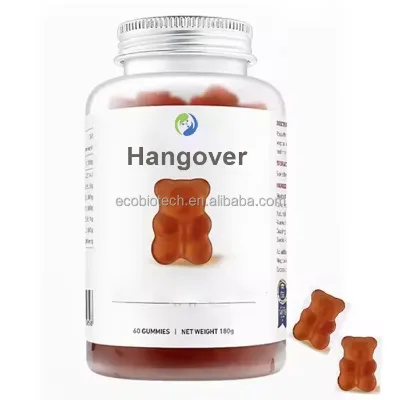
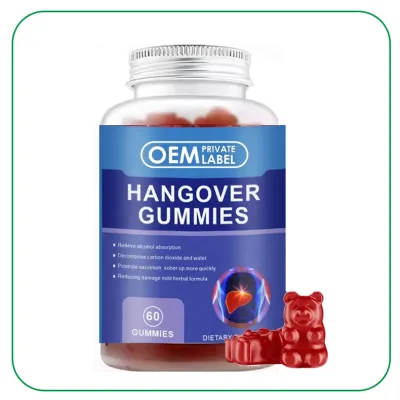
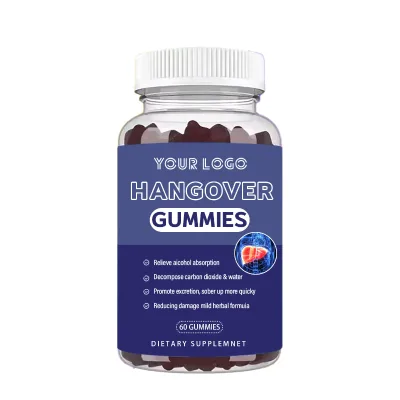
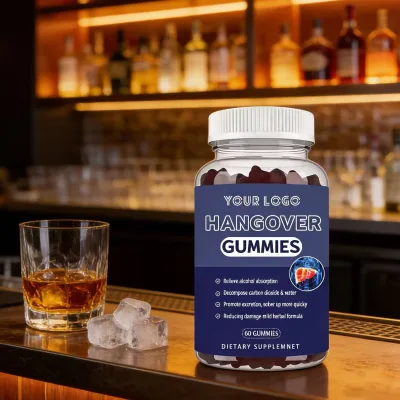
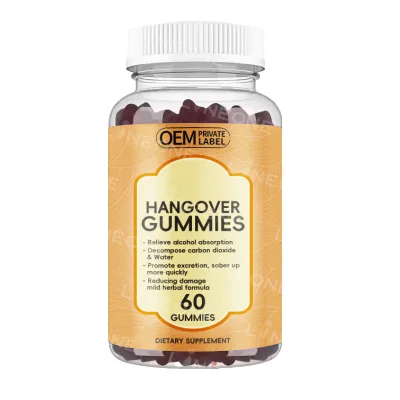
Support Hangover Gummies OEM Vegan Liver Detox Anti Vitamin Hangover Gummies
$1.22 - $2.65
MOQ: 60 Minimum
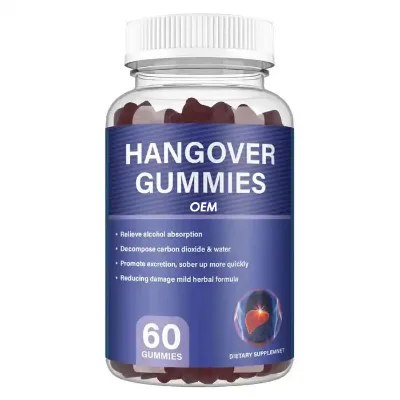


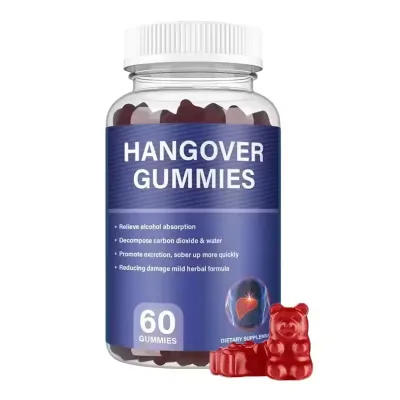
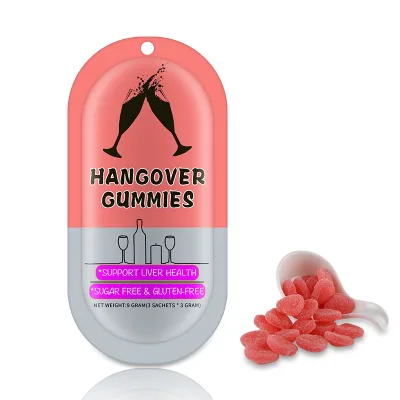
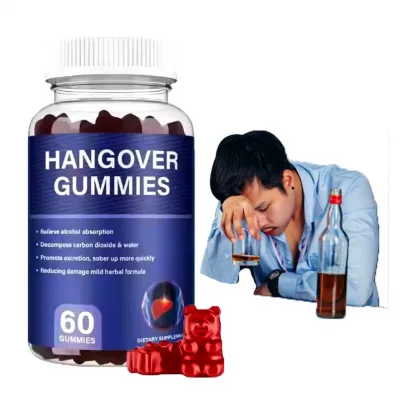
Vegan Stop Hangover Gummy Individual Package Hangover Gummies With Custom logo
$0.0616 - $0.0821
MOQ: 100 pieces
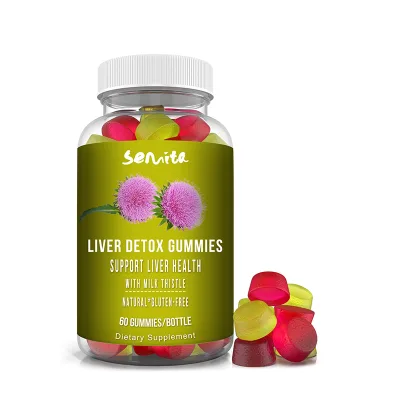
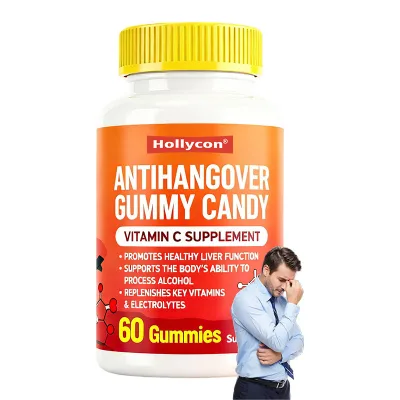
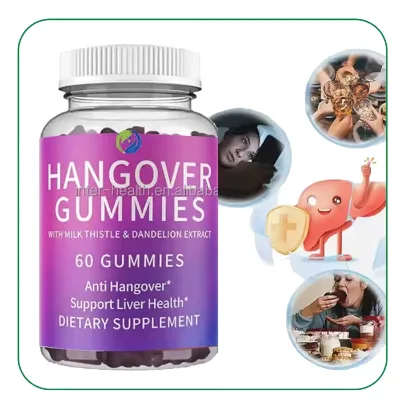
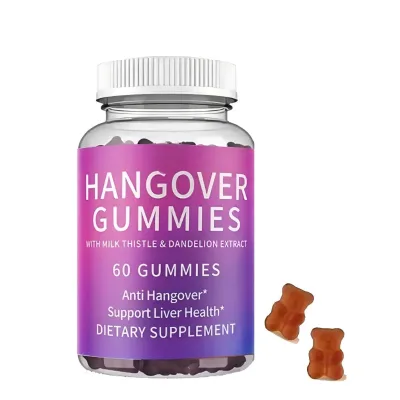
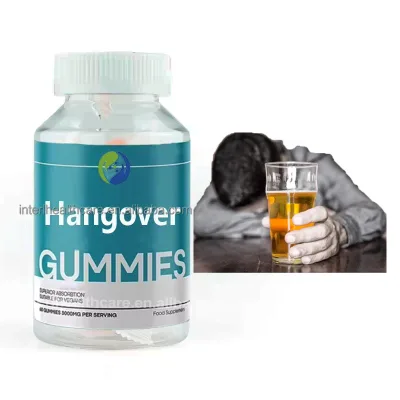
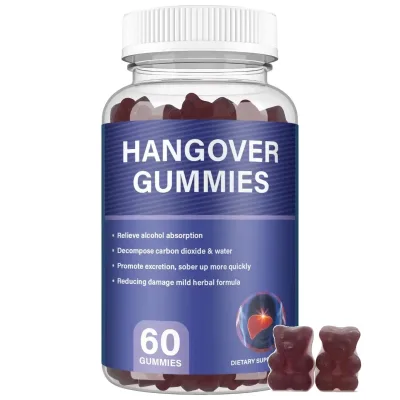
Private Label Anti Hangover Gummy Price 1000mg Supplement Pure Hangover Gummies
$2.50 - $3.80
MOQ: 100 Minimum
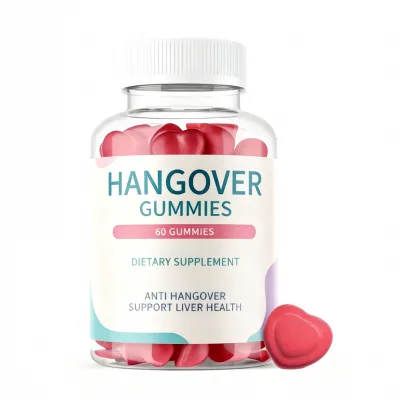
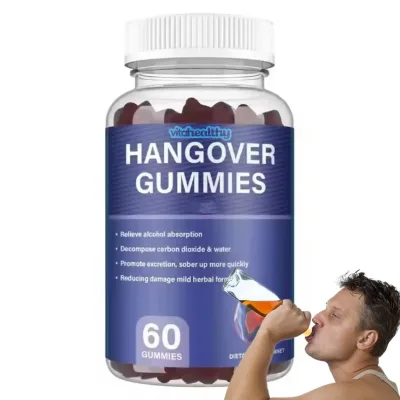
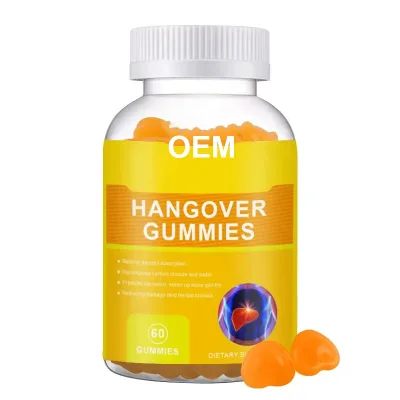
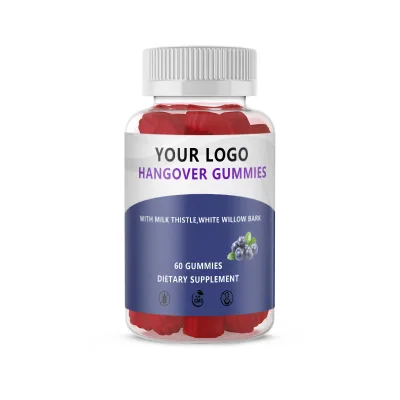
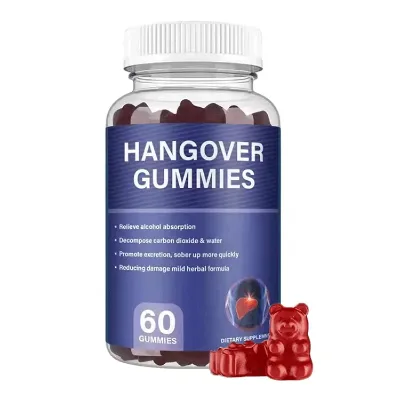
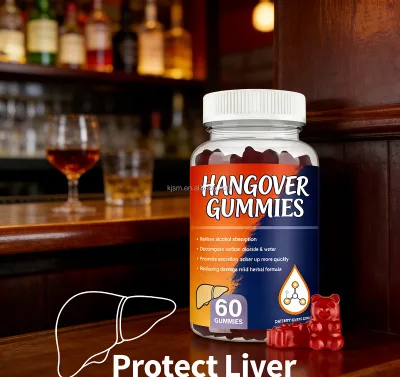


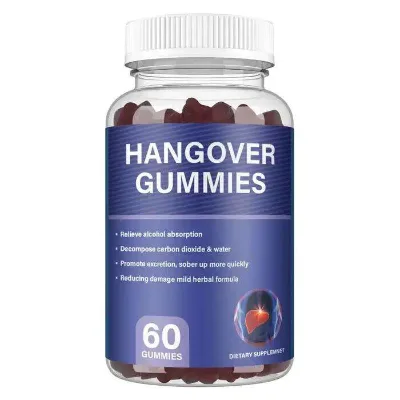
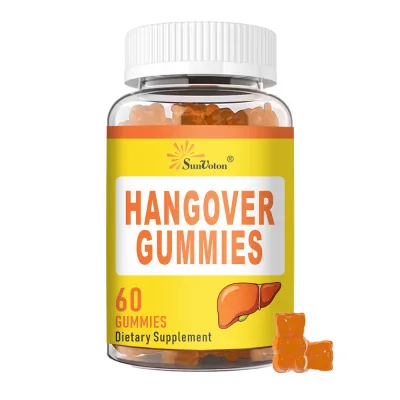
Comprehensive Sourcing Guide
Vegan Hangover Relief Gummies Sourcing Guide
Sourcing Vegan Hangover Relief Gummies requires a strategic approach to identifying manufacturers who can deliver effective formulations while adhering to strict dietary and regulatory standards. Buyers must navigate a market where product claims often overlap with general health supplements, necessitating careful verification of active ingredients and intended benefits. The observed product landscape indicates a strong presence of manufacturers in China, particularly in regions like Shaanxi and Jiangsu, which serve as key hubs for gummy candy production and private label services.
Procurement teams should prioritize suppliers that offer robust OEM and ODM capabilities, allowing for customization of flavor, color, and packaging to meet specific brand identities. The availability of customizable options, such as vegan-friendly formulations and specific nutrient compositions, provides flexibility for brands targeting health-conscious consumers. However, buyers must ensure that the "vegan" claim is substantiated by the supplier’s ingredient sourcing and production processes, avoiding cross-contamination with animal-derived products during manufacturing.
Product Scope and Observed Listing Signals
The current market for hangover relief gummies presents a diverse range of products, primarily categorized as healthcare supplements or functional gummy candies. Observed listings highlight key attributes such as the active ingredient being explicitly linked to hangover relief, with dosage forms typically consisting of gummy candies. Products are often marketed with specific benefits, including immunity improvement, and are designed for adult consumption, excluding newborns and other vulnerable demographics. This segmentation helps buyers align product offerings with their target audience’s specific health needs and regulatory constraints.
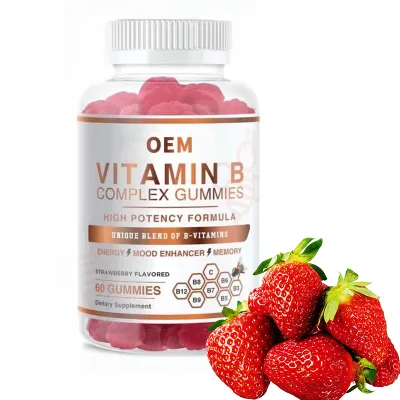
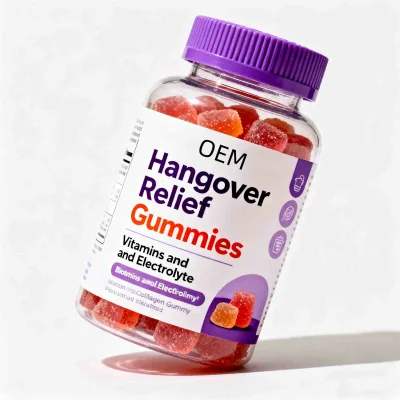
Price points and minimum order quantities (MOQs) vary significantly across suppliers, with observed ranges indicating entry-level pricing as low as $0.06 per unit and higher-end options reaching up to $10. MOQs typically start at 1 unit for samples but scale up to 1000 units for bulk production, reflecting the flexibility of modern manufacturing lines. Buyers should note that while some suppliers offer standard packaging, such as 60 gummies per bottle, others provide fully customizable packaging solutions, including private labeling and unique bottle designs, to enhance brand visibility in competitive markets.
Technical Specifications to Verify
When evaluating technical specifications, buyers must verify the physical and chemical properties of the gummies to ensure consistency and quality. Key parameters include the single package size, which is often standardized at 15x20x30 cm for shipping efficiency, and the gross weight, which averages around 1.500 kg per unit. The dosage form is critical, with typical recommendations ranging from 1 to 2 gummies per day or 2 gummies per serving, depending on the formulation. These specifications directly impact consumer experience and must be clearly defined in the product contract to avoid discrepancies in final delivery.
Storage conditions and shelf life are equally important technical factors that influence logistics and inventory management. Most observed products require storage in a cool, dry place to maintain efficacy and texture, with shelf lives typically ranging from 12 months to 24 months. Buyers should confirm the specific storage method required by the supplier, whether it is normal ambient storage or more controlled environments, to prevent degradation of active ingredients. Additionally, the content of active substances, which may range from 0% to 30%, should be verified to ensure the product meets the intended potency and therapeutic claims.
Compliance and Safety Documentation
Compliance with international and local regulations is paramount when sourcing hangover relief gummies, particularly given their classification as health supplements. Buyers must request and verify relevant certifications, such as ISO 9001, which indicates adherence to quality management systems. While specific food safety certifications like HACCP or GMP are not explicitly listed in all observed data, they are critical for ensuring product safety and should be actively sought from suppliers. Documentation should also include detailed ingredient lists to verify vegan status and absence of allergens, ensuring compliance with labeling laws in target markets.
Regulatory compliance extends to the claims made on product packaging and marketing materials. Buyers must ensure that suppliers do not make unsubstantiated medical claims, as hangover relief products often walk a fine line between dietary supplements and functional foods. It is essential to review the product’s nutrient composition and active ingredient profiles to align with local regulatory definitions. Suppliers should provide certificates of analysis (COA) for each batch, confirming that the product meets specified standards for purity, potency, and contaminant levels, thereby mitigating legal and reputational risks for the buyer.
Cost Drivers and Commercial Terms
Several factors influence the total cost of ownership for Vegan Hangover Relief Gummies, including raw material costs, manufacturing complexity, and packaging requirements. The use of natural resources and specific vitamin compositions can drive up production costs, while customizable flavors and colors may incur additional setup fees. Buyers should negotiate clear commercial terms regarding price breaks at different volume tiers, as observed MOQs range from small sample orders to large bulk purchases. Understanding these cost drivers helps in budgeting accurately and identifying opportunities for cost optimization without compromising quality.
Payment terms and lead times are critical components of the commercial agreement that affect cash flow and supply chain reliability. Suppliers often offer flexible payment options, but buyers should aim for terms that align with their inventory turnover rates. Lead times can vary based on customization levels and production capacity, so it is advisable to establish clear timelines for sample approval and mass production. Additionally, buyers should clarify responsibilities for shipping and insurance, especially when sourcing from international locations like China, to avoid unexpected logistics costs and delays in receiving goods.
Supplier Qualification and Quality Control
Supplier qualification is a multi-step process that begins with a thorough assessment of the manufacturer’s capabilities and reputation. Buyers should verify the supplier’s place of origin, with China being a prominent hub for gummy production, and evaluate their experience in producing similar health supplements. Quality control measures should be rigorously tested, including audits of production facilities and review of past performance records. Suppliers offering OEM/ODM services should demonstrate flexibility and responsiveness to custom requests, ensuring they can meet specific brand requirements for formulation and packaging.
Ongoing quality control is essential to maintain product consistency and safety throughout the supply chain. Buyers should implement incoming quality inspections and request regular batch testing reports from suppliers. Establishing a clear protocol for handling non-conforming products is crucial, including procedures for returns, replacements, or refunds. Collaboration with suppliers on continuous improvement initiatives can also enhance product quality and operational efficiency. Regular communication and site visits, if feasible, help build strong partnerships and ensure that quality standards are consistently met.
Long-Term Procurement Checks
Long-term procurement success depends on continuous monitoring of supplier performance and market trends. Buyers should regularly review supplier metrics, such as on-time delivery rates, product quality consistency, and responsiveness to issues. Maintaining a diversified supplier base can mitigate risks associated with single-source dependencies, especially for critical components like active ingredients. Staying informed about regulatory changes in target markets ensures that products remain compliant and competitive, allowing for proactive adjustments in sourcing strategies and product formulations.
Building a resilient supply chain involves fostering strong relationships with suppliers and investing in collaborative planning. Buyers should engage in regular business reviews with key suppliers to discuss performance, challenges, and future opportunities. Exploring new technologies and materials that can enhance product efficacy or sustainability can provide a competitive edge. Additionally, monitoring consumer preferences and health trends helps in anticipating demand shifts and adapting product offerings accordingly. A proactive approach to procurement management ensures long-term value creation and sustained business growth.
FAQs
What is the recommended daily dose for these gummies?
The recommended dose is 2 gummies per serving for most users, though some specifications suggest 1 to 2 gummies daily. This dosage applies to adults seeking hangover relief. Always follow the specific product label instructions provided by the manufacturer to ensure safe consumption and optimal effectiveness.
Can I request a custom flavor for these gummies?
Yes, custom flavors are available for these Vegan Hangover Relief Gummies. Manufacturers offer flexible customization options to meet specific brand requirements. This allows buyers to tailor the taste profile while maintaining the core health benefits and ensuring the product aligns with their target market preferences.
What certifications do the manufacturers hold for production?
Manufacturers of these gummies hold ISO 9001 certification to ensure quality management standards are met. This certification verifies that production processes adhere to international quality benchmarks. Buyers can rely on these certified facilities to produce safe, consistent, and high-quality supplements for their specific business needs.
How long is the shelf life of the product?
The shelf life is typically 24 months or 2 years when stored correctly. Proper storage requires keeping the gummies in a dry and cool place to maintain quality. This duration ensures the product remains effective and safe for consumption throughout its intended period before opening the packaging.
What is the minimum order quantity for a bottle?
The minimum order quantity is 60 gummies per bottle, though this can be adjusted based on buyer requests. Some listings specify 60 pieces per bottle as the standard unit. Buyers should confirm specific MOQ requirements with the supplier to ensure the order meets their inventory planning needs.
Are these gummies suitable for all age groups?
These gummies are intended for adults and are not applicable for newborns. The product specification explicitly states that newborns should not consume this supplement. Middle-aged, elderly, men, and women are the primary target demographics for this hangover relief formula.
What packaging material is used for the bottles?
The packaging material used for the bottles is plastic. This material is selected for its durability and ability to protect the gummies during shipping. The single package size is approximately 15 by 20 by 30 cm, ensuring efficient storage and transport for bulk orders.