Source water-cooled desktop laser engraving machine for Advertising, Crafts, Molds
Explore 30 water-cooled desktop laser engraving machine options for advertising, crafts, and molds. Compare specifications, power ratings, and cooling systems to find the right equipment for your metal or nonmetal marking needs; compare the available evidence and request quotations based on your requirements.
Updated
Key considerations
Products List


1610d Dark Gray and White New Models Water Cooling Desktop Laser Cutting Engraving Machine
$1000.00 - $1500.00
MOQ: 1 Pieces

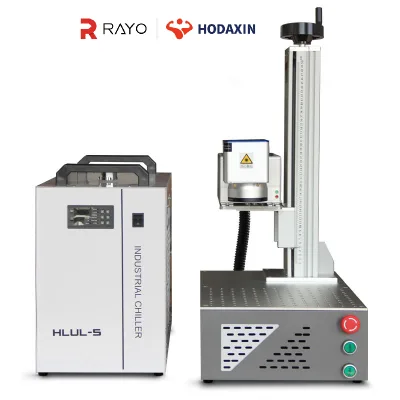


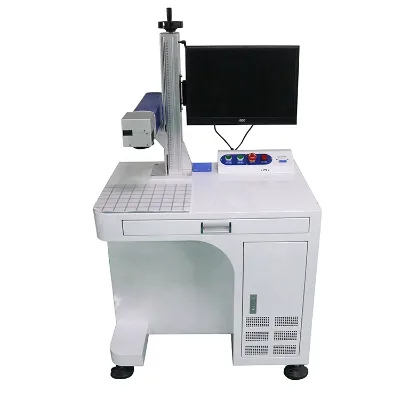
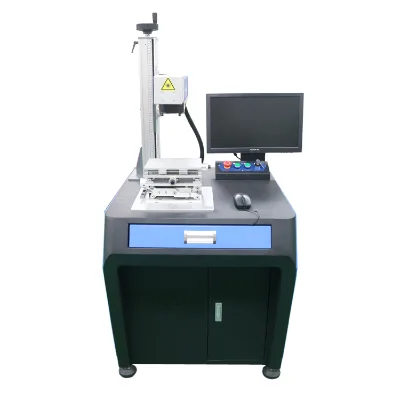
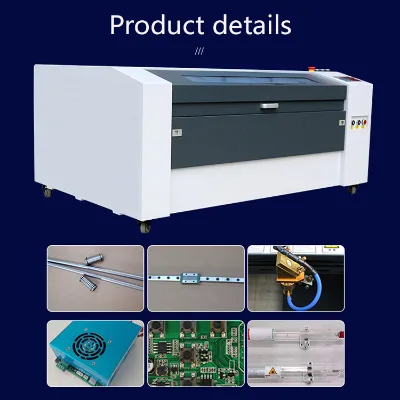


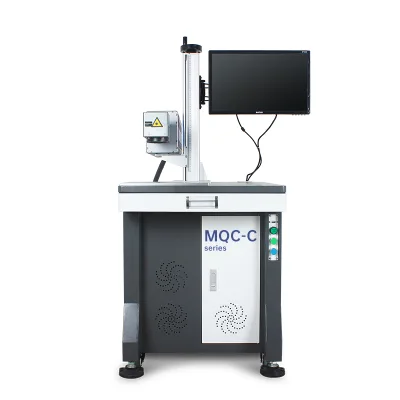

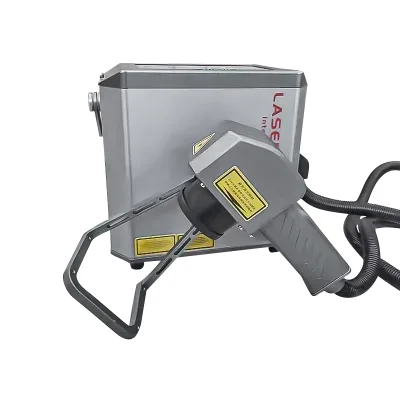

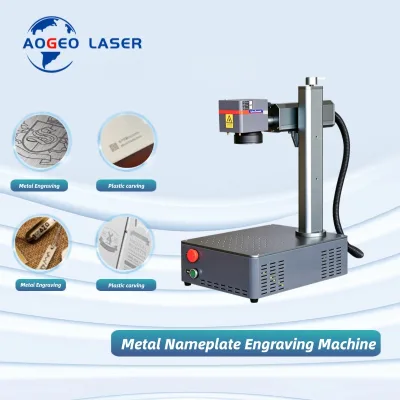


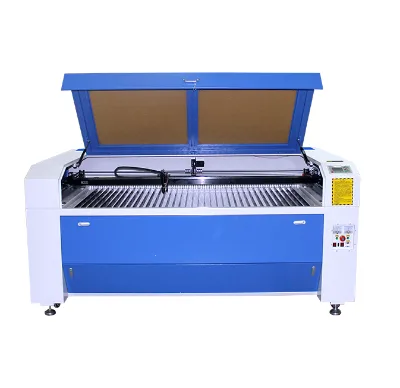
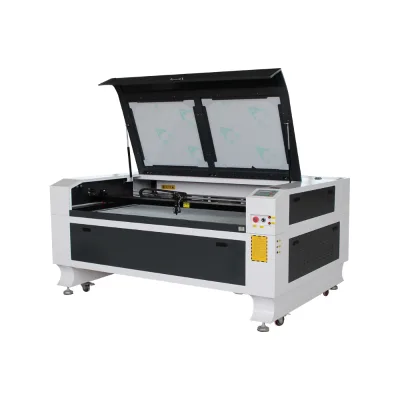
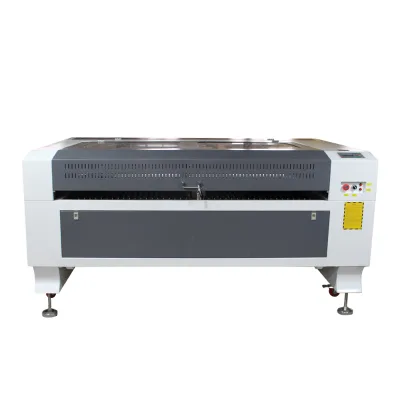
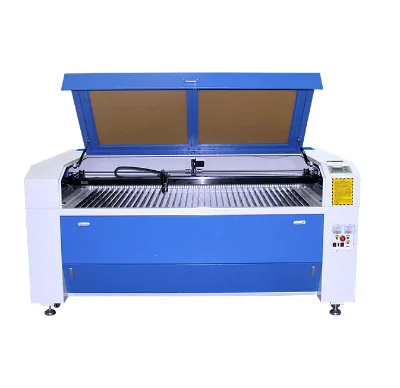

Solid Water Cooling Marking Laser Marker Metal Engraving Machine with Good Service
$2500.00 - $8300.00
MOQ: 1 Pieces

Cheap Price Water Cooling Fiber Cutting CNC Cutter Metal Laser Engraving Machine
$10000.00 - $30000.00
MOQ: 1 Sets

Water Cooling Fiber Cutting Cutter Pipe Engraver Laser Engraving Machine Hot Sale
$10000.00 - $30000.00
MOQ: 1 Sets

Fiber Cutting Water Cooling CNC Metal Laser Cutter Engraving Machine
$10000.00 - $30000.00
MOQ: 1 Sets

Water Cooling Solid Stone Engraving Portable Laser Marking Machine Price with Low
$2500.00 - $8300.00
MOQ: 1 Pieces
Comprehensive Sourcing Guide
Water-Cooled Desktop Laser Engraving Machine Sourcing Guide
Procuring a water-cooled desktop laser engraving machine requires careful evaluation of thermal management systems and spatial constraints. Buyers must prioritize machines that maintain stable operating temperatures to ensure consistent beam quality and extend component lifespan. The cooling system is critical for high-power applications, preventing overheating during extended production runs. Understanding the specific cooling requirements helps in selecting equipment that matches your facility’s infrastructure and operational intensity.
Desktop form factors offer significant advantages for small to medium-sized enterprises with limited floor space. These compact units integrate powerful laser sources into a footprint suitable for workshops or small factories. The integration of water cooling allows for higher power densities without compromising safety or performance. Evaluating the balance between machine size, cooling efficiency, and engraving area ensures optimal workflow integration and maximizes return on investment for specialized engraving tasks.
Product Scope and Observed Listing Signals
The market for desktop laser engravers includes various configurations, with fiber laser types being prominent for metal applications. Observed listings indicate a wide price range from one to thirty thousand US dollars, reflecting differences in power, precision, and automation levels. Buyers should note that customization is widely available, allowing for tailored solutions to specific industrial needs. The presence of CNC control systems suggests a high degree of programmability and repeatability in complex engraving jobs.
Listing signals reveal diverse technical attributes, including AC servo drives and oscillating mirror types. Some models support vector engraving methods, which are essential for detailed graphic work in advertising and crafts industries. The observed models range from specific industrial markers to more general-purpose desktop units. Understanding these variations helps buyers align their procurement with their primary use cases, whether for molds, dies, leather, or domestic applications.
Technical Specifications to Verify
Key technical parameters include laser wavelength, power output, and working accuracy. Buyers should verify if the machine supports the required graphic formats, such as Ai, Dxf, and Dwg, for seamless workflow integration. Accuracy specifications vary, with some models offering precision down to 0.001mm, which is crucial for high-detail work. Confirming the laser type, whether fiber or solid state, ensures compatibility with the intended materials, particularly for non-metal or metal engraving tasks.
Cooling systems are a critical differentiator, with air and water cooling options available. Water-cooled systems are often preferred for higher power applications to maintain stability. Buyers must also check the automatic grade, as some units are manual while others offer automatic operation. Verifying the structure type, such as gantry or optical fiber configurations, helps in assessing the machine’s suitability for specific workspace layouts and material handling requirements.
Compliance and Safety Documentation
Certification is a vital aspect of procurement, with many suppliers providing SGS, CE, and ISO 9001 certifications. These documents indicate adherence to international quality and safety standards, reducing risk for the buyer. Buyers should request copies of these certificates to verify their validity and scope. Compliance with local regulations is also essential, particularly regarding laser classification and electrical safety standards.
Safety features and laser classification must be clearly documented. Some listings mention invisible laser visibility, which requires specific safety protocols to prevent accidental exposure. Buyers should ensure that the machine includes necessary safety interlocks and warning systems. Understanding the technical class, such as continuous wave lasers, helps in implementing appropriate operational procedures and training for staff to ensure a safe working environment.
Cost Drivers and Commercial Terms
Pricing is influenced by laser power, accuracy, and additional features like automatic grading. The observed MOQ range of one to ten units suggests flexibility for small orders, but bulk purchases may offer better terms. Buyers should negotiate based on the total cost of ownership, including maintenance and consumables. Understanding the packing method, such as wooden crates or plain packaging, is important for logistics and protection during transit.
Lead times and payment terms are critical commercial considerations. Buyers should clarify the production lead time and shipping duration to plan inventory effectively. Customization options may impact both cost and lead time, so these should be discussed upfront. Ensuring that the supplier accepts OEM requirements can be beneficial for branding or specific technical modifications. Clear communication on these terms prevents unexpected delays or costs during the procurement process.
Supplier Qualification and Quality Control
Supplier qualification involves verifying their manufacturing capabilities and quality control processes. Buyers should assess the supplier’s experience in producing laser engraving machines and their ability to meet specific technical requirements. Checking for consistent production standards and reliable supply chains ensures long-term partnership viability. Suppliers with a strong track record in exporting similar equipment are often more reliable for international buyers.
Quality control measures should include pre-shipment inspections and testing protocols. Buyers should request test results or performance data to verify machine accuracy and stability. Establishing clear acceptance criteria based on observed specifications, such as positioning accuracy and repeatability, helps in evaluating delivered goods. Building a relationship with suppliers who prioritize quality ensures that the equipment meets operational expectations and reduces the risk of defects.
Long-Term Procurement Checks
Long-term success depends on after-sales support and maintenance availability. Buyers should inquire about warranty terms, spare parts availability, and technical support channels. A robust support system ensures minimal downtime and extends the machine’s operational life. Understanding the lifetime of key components, such as the laser source, helps in planning future maintenance and replacement costs.
Regular performance monitoring and calibration are essential for maintaining engraving quality. Buyers should establish a routine for checking accuracy and cooling system efficiency. Keeping detailed records of maintenance activities and performance metrics aids in troubleshooting and optimization. Engaging with suppliers for periodic updates or upgrades can also enhance the machine’s capabilities over time, ensuring it remains competitive in evolving market demands.
FAQs
What laser types are available for desktop engraving?
Available options include fiber laser and solid laser configurations. Fiber models support high power for metal marking, while solid variants suit nonmetal materials. Selection depends on the specific application requirements and material compatibility for optimal engraving results.
Can the machine support vector engraving methods?
Yes, the system supports vector engraving for precise design reproduction. It accepts graphic formats such as Ai, Dxf, and Dwg. This capability ensures accurate processing of complex designs for advertising, crafts, and domestic applications with high precision.
What certifications do these engraving machines hold?
Machines typically hold CE, SGS, and ISO 9001 certifications. These standards ensure compliance with international safety and quality regulations. Buyers can verify specific documentation for each model to confirm regulatory adherence for global shipping and operational safety.
How accurate is the positioning of the laser?
Positioning accuracy ranges from 0.001mm to 0.03mm depending on the model. High-precision units achieve 0.001mm working accuracy for detailed tasks. This ensures consistent repeatability and sharp engraving quality across various industrial applications and material types.
What cooling systems are used in these units?
Units utilize either air cooling or water cooling systems. Air-cooled models offer simpler maintenance, while water-cooled variants provide stable thermal management for high-power operations. The choice depends on the specific power rating and continuous usage requirements of the machine.
Is customization available for these laser machines?
Customization is available to meet specific production needs. Buyers can request modifications for packaging, specifications, or operational parameters. OEM options are acceptable, allowing tailored solutions for diverse industrial applications including molds, dies, and printing industries.