Auto Feeding and Outfeeding Fiber Laser Cutting Machine Suppliers and Manufacturers
Explore 30 verified suppliers offering Auto Feeding and Outfeeding Fiber Laser Cutting Machine options from China Jiangsu and Guangdong. Compare response times, lead times, certifications, and product specifications to find the right fit for your metal cutting needs; review the available evidence before requesting comparable quotations from suitable candidates.
Updated
Suppliers List

Changzhou CONOVO CNC Tech. Co., Ltd.
- Verified by BV
- Combined
- China Jiangsu
- Lead time30 days
- Avg. response≤ 20h
Main productsFiber laser cutting equipment, Water-guided laser cutting equipment
Main marketsDomestic


Self-Developed Equipment Serving New Manufacturing Fiber Laser Cutting Machine
$28000.00 - $330000.00
MOQ: 1 Pieces

$10000.00 - $20000.00
MOQ: 1 Pieces

$28000.00 - $330000.00
MOQ: 1 Pieces


Guangzhou Hanniu Laser Machinery Co., Ltd.
- Manufacturer, Trading Company
- Guangdong, China
- Lead time3 days
- Avg. response≤ 7h
Main productsPolishing Machine,Laser Cutting and Engraving Machine,Laser Welding Machine,Laser Marking Machine,Fiber Laser Cutting Machine
Main marketsDomestic Market(55.00%), Southeast Asia(11.00%), Mid East(10.00%), South Asia(5.00%), Western Europe(4.00%), Africa(3.00%), South America(2.00%), North America(2.00%), Oceania(2.00%), Eastern Europe(2.00%), Southern Europe(1.00%), Northern Europe(1.00%), Central America(1.00%), Eastern Asia(1.00%)

Dongguan Hengso Machinery Co. Ltd
- Verified by TUVRHEINLAND
- Combined
- China Guangdong
- Lead time15 days
- Avg. response≤ 3h
Main productsLaser Cutting Machine, Laser Engraving Machine, Laser Marking Machine, Laser Welding Machine, Laser Cleaning/Rust Removal Machine, Laser Sandblasting/Paint Removal Machine, Laser Spare Parts
Main marketsSoutheast Asia/ Mideast,Europe

6050 Engraving Auto-Feeding Tube Fiber Laser Cutting Machine Auto-Feeding Laser Cutting Machine
$1000.00 - $1500.00
MOQ: 1 Pieces


Precision Positioning Laser Cutting Machine with Auto-Feeding System
$1000.00 - $1500.00
MOQ: 1 Pieces

Shandong Hongniu Laser Equipment Co., Ltd.
- Verified by TüVRheinland
- Manufacturer, Trading Company
- Lead time15 days
- Avg. response≤ 2h
Main productsFiber Laser Cutting Machine, Fiber Laser Welding Machine, Fiber Laser Cleaning Machine, Plasma Cutting Machine
Main marketsSoutheast Asia(35%), North America(18%), Africa(15%)
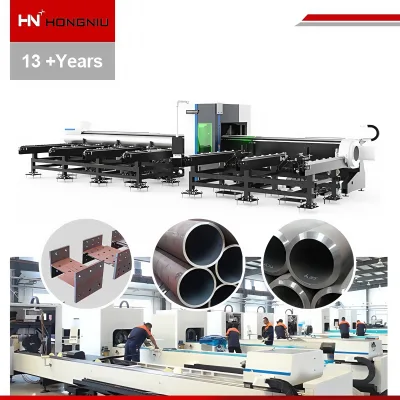
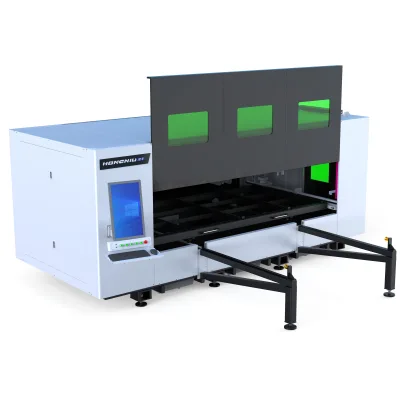
3000x1500mm Automatic CNC Laser Cutting Machine with Electric Feeding Workbench
$16100.00 - $17200.00
MOQ: 1 cases

Jinan Knoppo Automation Equipment Co., Ltd.
- Verified by BV
- Combined
- China Shandong
- Lead time15 days
- Avg. response≤ 4h
Main productsFiber Laser Cutting Machine, Fiber Laser Welding Machine, Fiber Laser Cleaning Machine, Fiber Laser Marking Machine, CO2 Laser Cutting Machine, CO2 Laser Engraving Machine, Plasma Cutting Machine, H Beam CNC Cutting Machine, Laser Welder, Laser Cutter
Main marketsSouth America,Others(foreignTradeCapacity.exportBusinessCapacityMarketOther),Southeast Asia/ Mideast,East Asia(Japan/ South Korea),Europe,North America


Professional Round and Square Tube Fiber Laser Cutting Machine with Auto Feeding System
$32800.00 - $49000.00
MOQ: 1 Sets

Auto Feeding Steel Square Round Tube Fiber Laser Cutting Machine with 3000W 6000W Raycus
$19800.00 - $27000.00
MOQ: 1 Sets
Jinan Yidiao Cnc Equipment Co., Ltd.
- Verified by SGS Group
- Manufacturer, Trading Company
- Lead time7 days
- Avg. response≤ 1h
Main productsLaser Cutting Machine, CNC Router, CNC Plasma Cutting Machine, Laser Marking Machine, Laser Engraving Machine
Main marketsMid East(15%), Eastern Asia(15%), South Asia(15%)
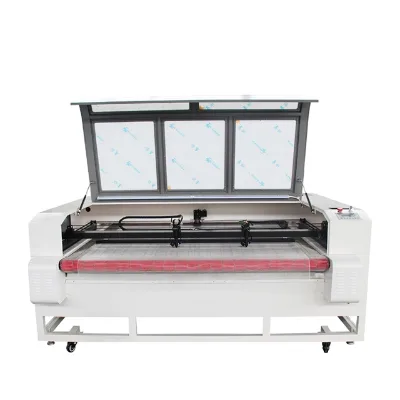
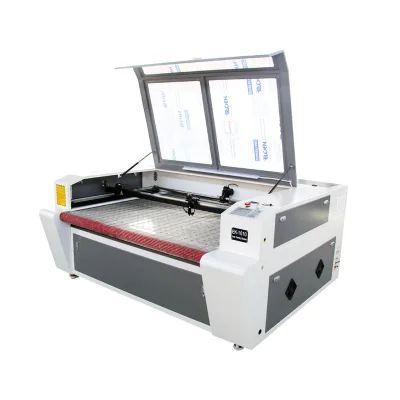
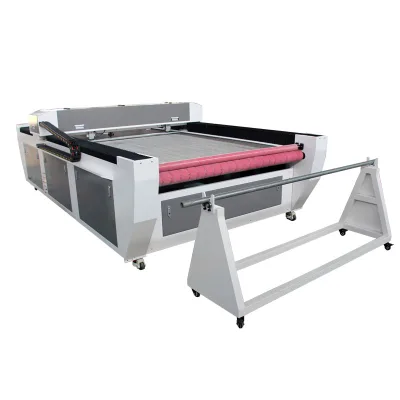
$5500.00 - $6500.00
MOQ: 1 sets
Liaocheng Zuogong Tool Co., Ltd.
- Trading Company
- Shandong, China
- Lead time7 days
- Avg. response≤ 2h
Main productslaser cutting machine,fiber laser marking machine,co2 laser cutting machine,fabric laser cutting machine,electric caulking gun
Main marketsSouth America(60.00%), Western Europe(10.00%), Mid East(10.00%), Southeast Asia(10.00%), Eastern Europe(10.00%)

Taiyuan Machinery Euqipment(Dongguan) Co., Ltd
- Verified by SGS
- Trading Company
- China Guangdong
- Lead time45 days
- Avg. response≤ 2h
Main productsThe Experiment Machine
Main marketsEurope

Zhangjiagang Baorui Machinery Co., Ltd.
- Verified by BV
- Trading Company,Manufacturer/Factory
- China Jiangsu
- Lead time23 days
- Avg. response≤ 7h
Main productsPipe Cutting Machine, Pipe Bending Machine, Chamfering Machine, Saw Blade Sharpening Machine, Laser Cutting Machine, Tube Bending Machine, Tube Cutting Machine, CNC Bending Machine, Wire Bending Machine, Rolling Machine
Main marketsSouth America,Eastern Europe,Mid East,North America,Southeast Asia,Eastern Asia,Oceania,Western Europe,Africa

$80000.00 - $85000.00
MOQ: 1 Pieces

$64000.00 - $69500.00
MOQ: 1 Pieces


$30000.00 - $35000.00
MOQ: 1 Pieces

Dongguan Glory Star Laser Technology Co., Ltd.
- Verified by TUVRHEINLAND
- Combined
- China Guangdong
- Lead time30 days
- Avg. response≤ 1h
Main productsFiber Laser Cutting  Machine, Metal Laser  Cutting  Machine, Tube Laser Cutting  Machine, Laser Welding Machine, Sheet Metal Fiber Laser Cutting Machine, Bending Machine
Main marketsDomestic

Electronic Box CNC Fiber Laser Cutting Auto Feeding Laser Machine
$29500.00 - $175000.00
MOQ: 1 Pieces


Jinan Ludiao Cnc Equipment Co., Ltd.
- Verified by Intertek
- Manufacturer, Trading Company
- Shandong, China
- Lead time10 days
- Avg. response≤ 2h
Main productsCNC Router, ATC CNC Nesting Machine, Flexible Material Cutting Machine, Fiber Laser Cutting Machine, Fiber Laser Welding Machine
Main marketsDomestic Market(30%), Africa(14%), Mid East(12%)
Jinan Gold Mark Cnc Machinery Co., Ltd.
- Verified by TUVRHEINLAND
- Combined
- China Shandong
- Lead time15 days
- Avg. response≤ 9h
Main productsFiber Laser Cutting Machine, Fiber Laser Cleaning Machine, Fiber Laser Welding Machine, Laser Engraving Machine, Jewelry Welding Machine, Laser Marking Machine
Main marketsSouth America,Southeast Asia/ Mideast,East Asia(Japan/ South Korea),Europe,Australia

High Precision Automatic Feeding System Metal Tube Fiber Laser Pipe Cutting Machine
$20000.00 - $40000.00
MOQ: 1 Sets


Automatic Feeding Metal Pipe Stainless Steel CNC Fiber Laser Cutting Machine
$20000.00 - $40000.00
MOQ: 1 Sets

Automatic Feeding Laser Metal Pipe Cutting Machine Price Fiber Laser Sheet Metal Laser
$20000.00 - $40000.00
MOQ: 1 Sets

Automatic Feeding 1500W Metal Pipe Fiber Laser Cutter Machine for Tube Cutting
$20000.00 - $40000.00
MOQ: 1 Sets

Zhangjiagang Runtai Machinery Co., Ltd.
- Verified by BV
- Combined
- China Jiangsu
- Lead time30 days
- Avg. response≤ 3h
Main productsChamfering Machine, Pipe Bending Machine, Pipe Cutting Machine, Pipe End Forming Machine, Gear Grinding Machine, Aluminum Cutting Machine
Main marketsSouth America,Southeast Asia/ Mideast,Domestic,Europe

Guangdong Gengseng Intelligent Equipment Co.,ltd
- Manufacturer/Factory
- China Guangdong
- Lead time23 days
- Avg. response≤ 1h
Main productsFiber Laser Cutting Machine, Fiber Laser Welding Machine, Tube Laser Cutting Machine, Metal Laser Cutting Machine, Welding&Cutting Robot, Sheet Laser Cutting Machine, Handheld Fiber Laser Welding Machine, Sheet&Tube Laser Cutting Machine, Automatic Fiber Laser Welding Machine, Fiber Laser Source
Main marketsSouth America,Eastern Europe,Mid East,North America,Southeast Asia,Eastern Asia,Oceania,Western Europe,Africa


Factory Price CNC Automatic Feeding Metal Tube Fiber Laser Cutting Machine
$56000.00 - $57000.00
MOQ: 1 Sets

Factory Price CNC Automatic Feeding Metal Tube Fiber Laser Cutting Machine
$56000.00 - $57000.00
MOQ: 1 Sets


Ande laser intelligent equipment (Guangdong) Co., Ltd
- Verified by BV
- Combined
- China Guangdong
- Lead time30 days
- Avg. response≤ 5h
Main productsLaser Welding Machine, Laser Cutting Machine, Laser Marking Machine, Laser Cleaning Machine, Pipe Laser Cutting Machine, CNC Cutting Machine
Main marketsSouth America,Africa,Others(foreignTradeCapacity.exportBusinessCapacityMarketOther),Southeast Asia/ Mideast,East Asia(Japan/ South Korea),Europe,Australia,North America

1500W/3000W Good Quality Fiber Tubes Laser Cutting Machine with Auto Feeder for Carbon Steel
$10000.00 - $13000.00
MOQ: 1 Pieces

Customized Fiber Laser Tube Cutting Machine for Metal Processing with Semi-Automatic Feeding
$22000.00 - $27000.00
MOQ: 1 Pieces

High Quality Customized Fiber Laser Pipe Cutting Machinery with Automatic Feeding for Carbon Steel
$10000.00 - $13000.00
MOQ: 1 Pieces

1500W/3000W High Performance Tube Laser Cutting Machine with Auto Feeding Function
$10000.00 - $13000.00
MOQ: 1 Pieces
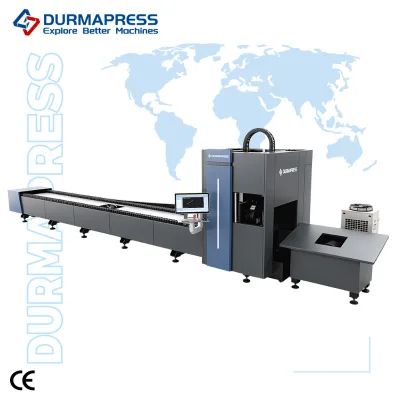
Maanshan Durmapress Machinery Technology Co., Ltd.
- Verified by Intertek
- Manufacturer, Trading Company
- Lead time15 days
- Avg. response≤ 1h
Main productsFiber Laser Cutting Machine, Press Brake, Shearing Machine
Main marketsNorth America(14%), Western Europe(13%), South America(12%)
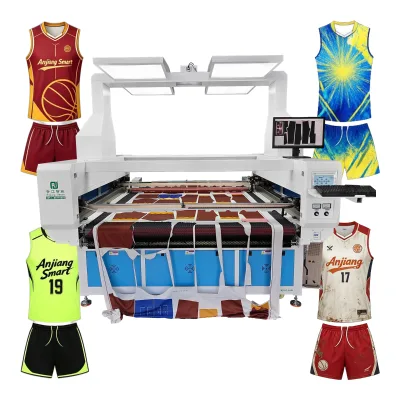
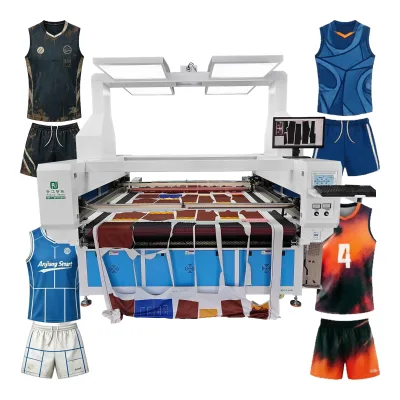
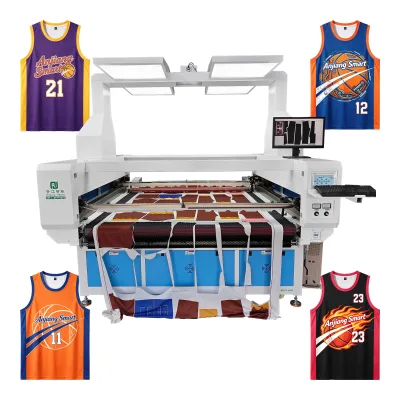
Hefei Anjiang Smart Equipment Co., Ltd.
- Verified by Intertek
- Manufacturer, Trading Company
- Lead time0 days
- Avg. response≤ 1h
Main productsLaser Marking Machine, Laser Engraving Machine, Laser Welding Machine, Laser Cutting Machine, Laser Cleaning Machine
Main marketsDomestic Market(30%), South America(25%), North America(10%)
Cangzhou Tuosheng Laser Machinery Equipment Manufacturing Co., Ltd.
- Verified by Intertek
- Manufacturer, Trading Company
- Lead time20 days
- Avg. response≤ 2h
Main productsSingle Platform Fiber Laser Cutting Machine, Exchange Table Fiber Laser Cutting Machine, CNC Pipe & Plate Fiber Laser Cutting Machine, Fiber Laser Tube Cutting Machine, Laser Welding Machine
Main marketsNorthern Europe(30%), Southeast Asia(10%), Africa(10%)
Wuhan HJZ Laser Technology Co., Ltd.
- Verified by TüVRheinland
- Manufacturer, Trading Company
- Lead time5 days
- Avg. response≤ 3h
Main productsLaser Cleaning Machine, Laser Marking Machine, Laser Welding Machine, Laser Cutting Machine, UV Printers
Main marketsNorth America(20%), South America(20%), Western Europe(15%)
Anhui HuaXia Machine Manufacturing Co., Ltd.
- Verified by Intertek
- Manufacturer, Trading Company
- Lead time25 days
- Avg. response≤ 1h
Main productsCNC Press Brake, Hydraulic Shearing Machine, Fiber Laser Cutting Machine, Plate Rolling Machine
Main marketsSouth America(18%), Mid East(18%), Southeast Asia(15%)
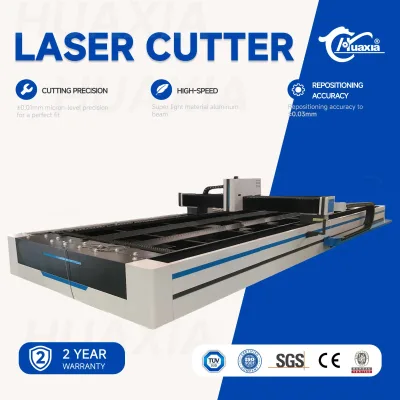
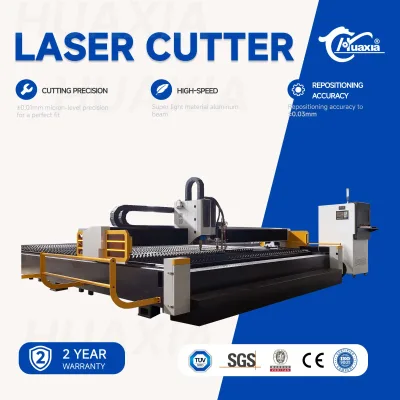
3kw Fiber Laser Cutting Machine 1500x3000mm 0-25mm Thickness
$8666.00 - $8888.00
Jiangsu Hoston Machine Tools Co., Ltd.
- Verified by TüVRheinland
- Trading Company
- Lead time25 days
- Avg. response≤ 3h
Main productsLathe Machine, CNC Metal Spinning Machine, Welding Table, Plate Rolling Machine, Press Brake Machine
Main marketsWestern Europe(25%), North America(20%), South America(15%)
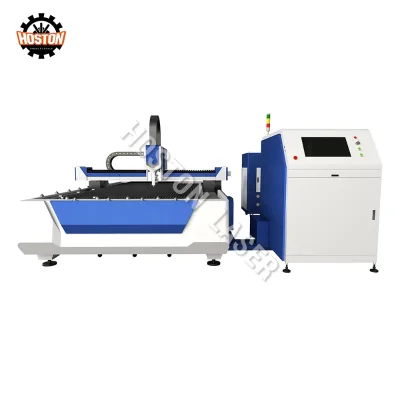
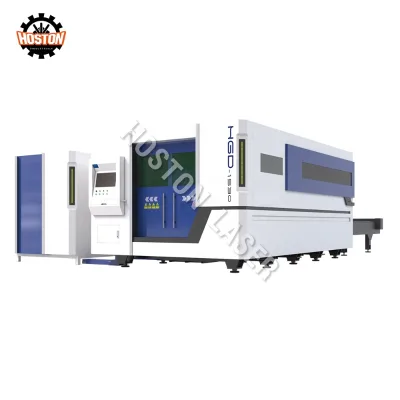
Laser Tube Cutting Machine Chuck Leading Laser Cutting Machine Saving Labor Cost
$15000.00 - $20000.00
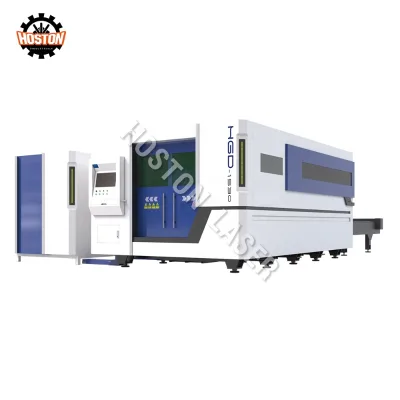
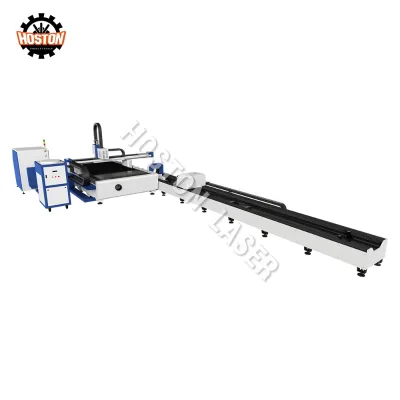
Iron Laser Cutting Machine Metal Cutting Machinery Laser Unrolling Width for Good
$15000.00 - $20000.00
- Manufacturer, Trading Company
- Shandong, China
- Lead time25 days
- Avg. response≤ 13h
Main productsLaser Marking Machine,Laser Welding Machine,Laser Cleaning Machine,Laser Cutting Machine,CNC Bending machine
Main marketsEastern Asia(30.00%), Western Europe(20.00%), Southeast Asia(20.00%), South Asia(10.00%), South America(10.00%), Eastern Europe(10.00%)
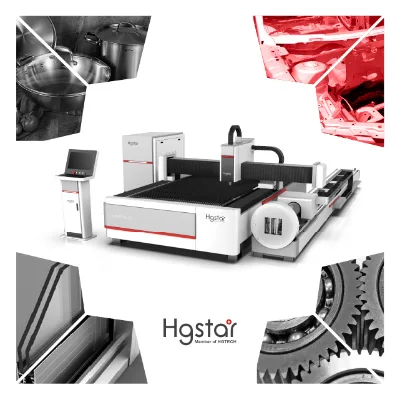
Fast Speed Auto Feeding Tube Laser Cutting Machine With Low Price
$15000.00 - $20000.00

Jinan Goodcut Cnc Machinery Co., Ltd.
- Manufacturer, Trading Company
- Shandong, China
- Lead time7 days
- Avg. response≤ 2h
Main productsCNC ROUTER,LASER ENGRAVING CUTTING CUTTING MACHINE,3D SCANNER,METAL FIBER CUTTING MACHINE,METAL PLASMA CUTTING MACHINE
Main marketsDomestic Market(10.00%), South Asia(10.00%), Southern Europe(10.00%), Northern Europe(10.00%), Central America(10.00%), Western Europe(10.00%), Eastern Asia(10.00%), Mid East(10.00%), Oceania(10.00%), Africa(10.00%), Southeast Asia(10.00%), Eastern Europe(10.00%), South America(10.00%), North America(10.00%)
- Manufacturer, Trading Company
- Lead time旺季: "1 - 1":30,"> 1":"To be negotiated", 淡季: "1 - 1":30,"> 1":"To be negotiated"
- Avg. response≤ 6h
Main productsCO2 Laser Cutting Machine, Laser Die Cutting Machine, Galvo Laser Machine

- Verified by SGS
- Trading Company
- China Jiangsu
- Lead time60 days
- Avg. response≤ 2h
Main productsCNC Machine, CNC Pressbrake, Vmc, Laser Machine, CNC Lathe, Metal Working Machine, Sheet Metal Machine
Main marketsSouth America


Custom Laser Cutting with Affordable High-Precision Fiber Laser Machines
$3500.00 - $5000.00
MOQ: 1 Pieces

Efficient Fiber Laser Cutting Machines for Custom Laser Cutting Services
$3500.00 - $5000.00
MOQ: 1 Pieces

High-Precision Laser Cutting Machines for Affordable Custom Services
$3500.00 - $5000.00
MOQ: 1 Pieces

Hebei Like Laser Equipment Co., Ltd.
- Combined
- China Hebei
- Lead time30 days
- Avg. response≤ 5h
Main productsGlass Laser Cutting Machine, Glass Laser Drilling Machine, Mirror Laser Engraving Machine, Mirror Laser Sandblasting Machine, Glass Laser Film Removal Machine, Glass Laser Internal Engraving Machine, CNC Glass Cutting Machine, Frame Bending Machine, Large Format Laser Etching Machine, Glass Laser Cutting Machine Production Line
Main marketsSoutheast Asia/ Mideast,East Asia(Japan/ South Korea),Domestic,Europe,Australia

Automatic Feeding Laser Cutting Machine/CNC Laser Metal Cut Machine/CNC Metal Laser Cutting Machine
$15000.00 - $21100.00
MOQ: 1 Pieces

Laser Cutting Machine Price/Fiber Laser Cutting Machines\Laser Cutting Machine
$15000.00 - $21100.00
MOQ: 1 Pieces

Laser Cutting Machinery/Metal Laser Cutting Machine/Fiber Laser Cutting Machines
$15000.00 - $21100.00
MOQ: 1 Pieces

Laser Cutting Machine/CNC Laser Cutting Machine Price/CNC Fiber Laser Cutting Machine
$15000.00 - $21100.00
MOQ: 1 Pieces
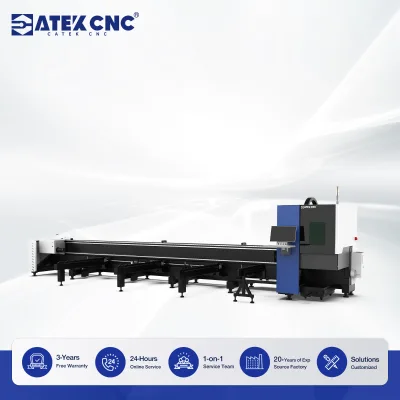
Jinan Catek Cnc Machinery Co., Ltd
- Verified by SGS Group
- Manufacturer, Trading Company
- shandong, China
- Lead time7 days
- Avg. response≤ 2h
Main productsCNC Router, CNC Wood Lathe, CNC Milling Machine, Laser Cutting Machine, Laser Marking Machine
Main marketsNorth America(20%), South America(20%), Western Europe(20%)
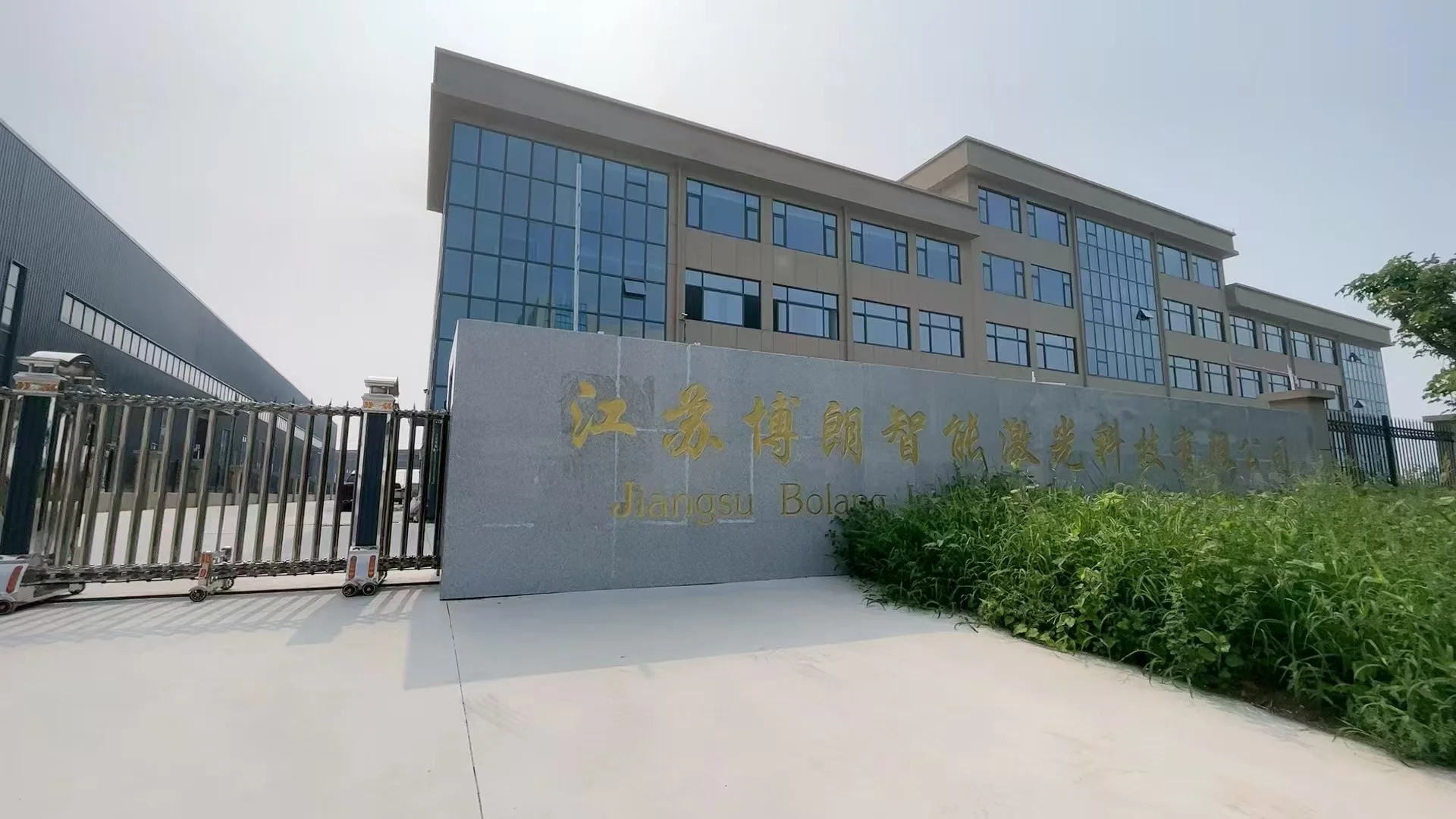
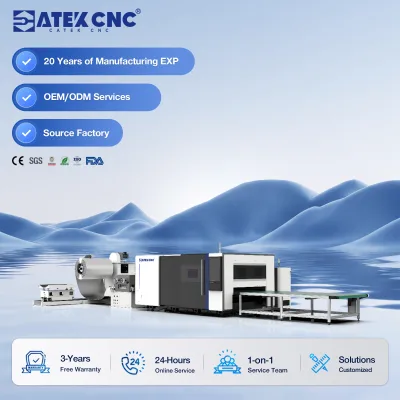
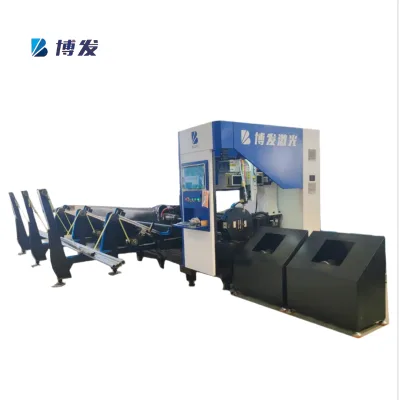
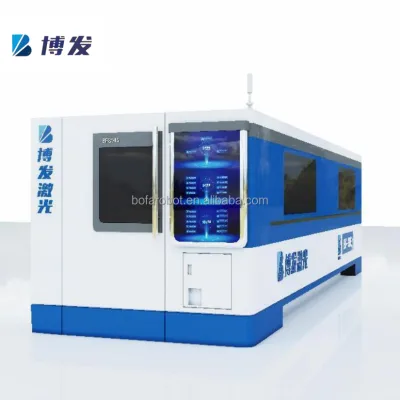
Jiangsu Bofa Robot Intelligent Equipment Co., Ltd.
- Manufacturer, Trading Company
- Jiangsu, China
- Lead time15 days
- Avg. response≤ 10h
Main productsLaser Cutting Machine, Laser Pipe Cutting Machine, Laser Hand Welding Machine
Main marketsDomestic Market(100.00%)

Guangdong Huazhuo Laser Technology Co., Ltd.
- Verified by SGS
- Combined
- China Guangdong
- Lead time30 days
- Avg. response≤ 3h
Main productsLaser Welding Machine, Laser Marking Machine, Laser Cutting Machine, Plastic Laser Welding Machine, Metal Welding Machine, Laser Cleaning Machine
Main marketsSoutheast Asia/ Mideast
Shandong Longtai Laser Equipment Co., Ltd.
- Verified by Intertek
- Manufacturer, Trading Company
- Lead time15 days
- Avg. response≤ 1h
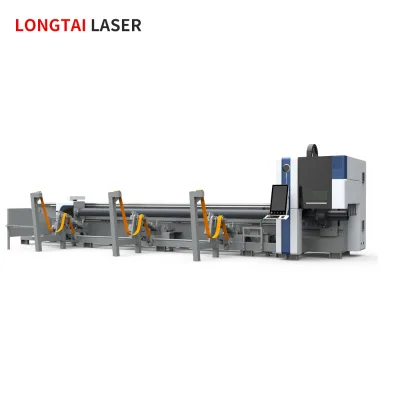
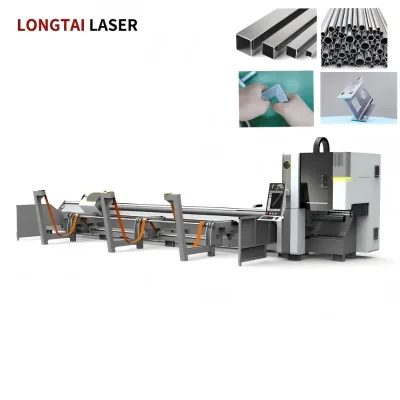
Main productsLaser Engraving Machine, Tube Auto Feeding Fiber Laser Cutting Machine, Laser Marking Machine, Fiber Laser Cutting Machine, Wood Router
Main marketsDomestic Market(50%), Eastern Europe(10%), Western Europe(7%)




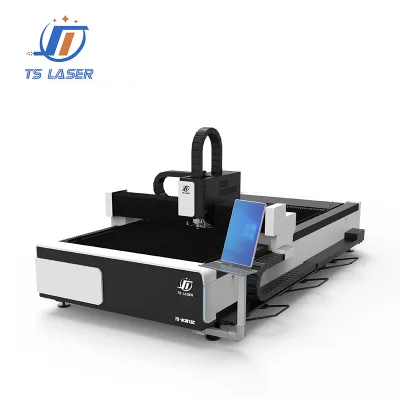
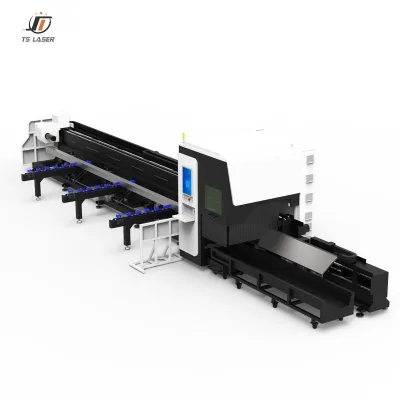
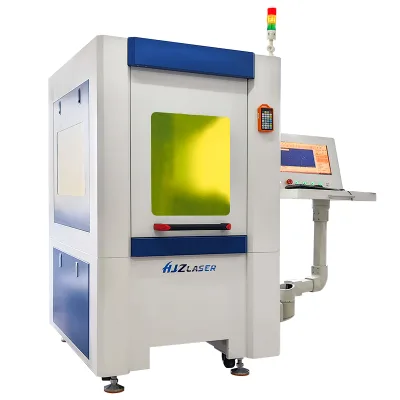
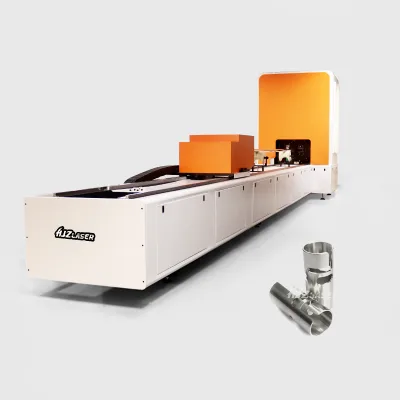


Comprehensive Sourcing Guide
Auto Feeding and Outfeeding Fiber Laser Cutting Machine Supplier Concentration and Factory Types
The current supplier landscape for auto feeding and outfeeding fiber laser cutting machines reveals a distinct geographic concentration in China, with specific manufacturing hubs identified in Jiangsu and Guangdong provinces. Suppliers in Jiangsu are primarily focused on high-power fiber laser cutting equipment, including gantry-type structures designed for metal applications in the automotive and aerospace industries. These facilities often operate as combined entities, offering both Original Design Manufacturing (ODM) and Original Equipment Manufacturing (OEM) capabilities, which suggests a robust engineering infrastructure capable of customizing standard-size precision laser cutting machines. The presence of ISO9001:2015 certification and BV verification among these Jiangsu-based suppliers indicates a mature industrial ecosystem where quality management systems are standardized. Buyers looking for heavy-duty, high-speed automatic laser cutting machines for metal processing will likely find the most relevant technical specifications and structural types, such as mineral cast bases and carbon fiber crossbeams, within this regional cluster. The focus here is on durable, high-power solutions that support continuous industrial production lines.
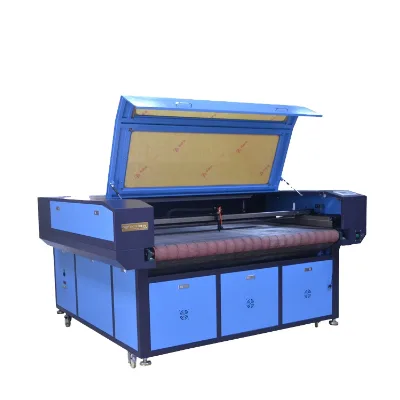
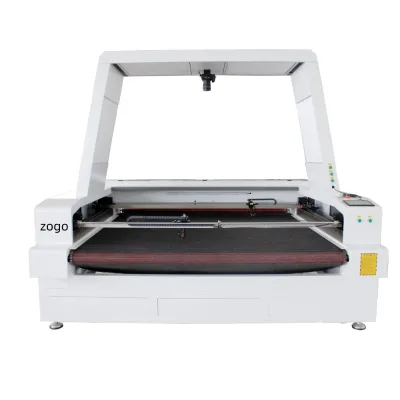
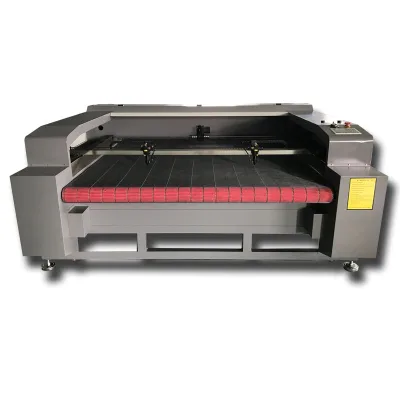
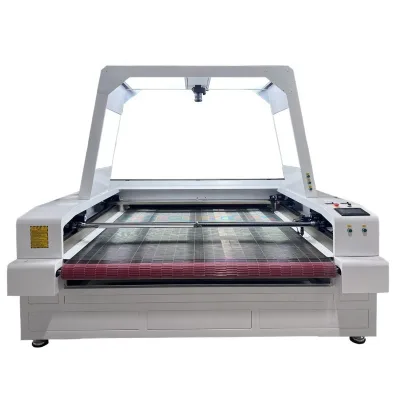
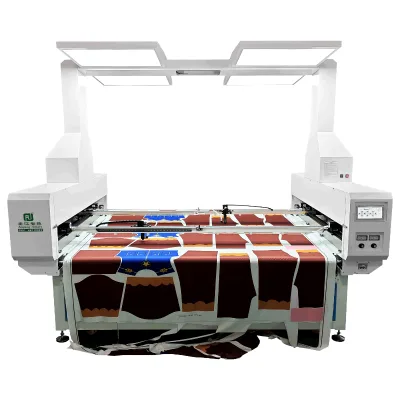
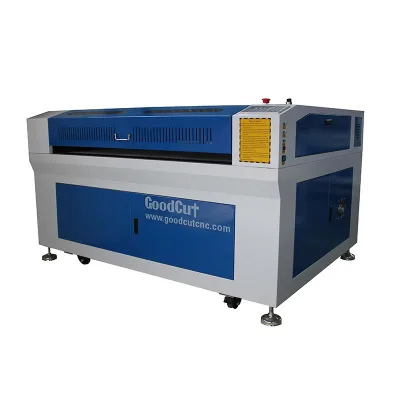
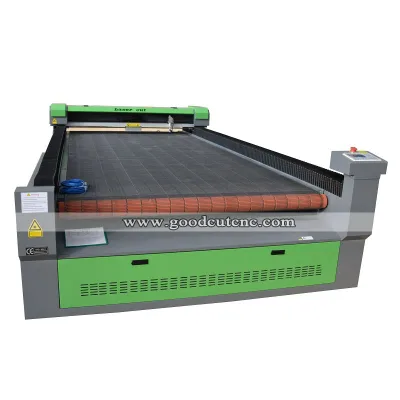
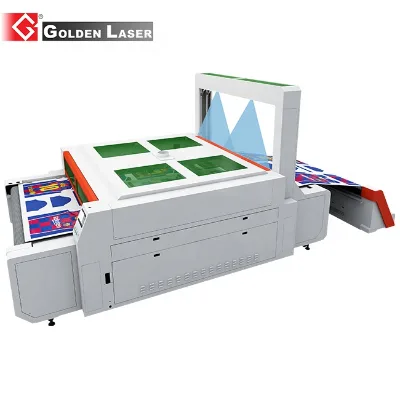
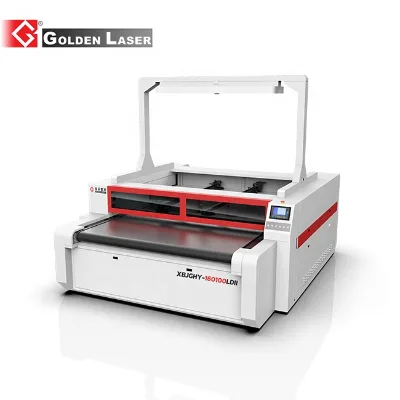
In contrast, suppliers located in Guangdong demonstrate a different specialization, often functioning as both manufacturers and trading companies. This region shows a strong presence in CO2 laser cutting machines designed for non-metal materials like leather, fabric, and felt, featuring auto-feeding mechanisms for sheet materials. While the core keyword specifies fiber laser technology, the Guangdong market highlights the broader category of auto-feeding laser equipment, where brands like HANNIU LASER provide multifunctional units with specific working areas such as 1600x1000mm. These suppliers often emphasize online support and specific component brands like RECI for laser sources and HIWIN for guiderails, indicating a supply chain that values recognizable component quality. The distinction between fiber and CO2 technologies is critical when assessing supplier concentration; buyers seeking true fiber laser solutions with auto-feeding and outfeeding capabilities must carefully distinguish between suppliers who offer metal-focused fiber systems and those who provide textile-focused CO2 systems. Understanding this regional and technological split is essential for accurate supplier identification.
How to Verify Auto Feeding and Outfeeding Fiber Laser Cutting Machine Suppliers
Verification of suppliers requires a multi-layered approach that goes beyond basic company profiles, focusing on technical authenticity and operational reliability. Buyers should prioritize suppliers who display third-party verification badges, such as BV verification, which serves as an initial indicator of business legitimacy. However, verification must extend to the specific machinery capabilities, particularly the auto-feeding and outfeeding systems. For fiber laser cutting machines, it is crucial to confirm that the supplier provides detailed technical attributes, such as laser source brands, cooling systems, and structural types. Suppliers listing specific models like 1080 or 4040 with defined dimensions and power supplies (e.g., 3-Phase, 380V) offer more transparent evidence of their manufacturing capabilities than those with vague descriptions. Buyers should request detailed product property sheets that outline the automation integration, ensuring that the auto-feeding mechanism is compatible with the specific material thickness and type intended for production. This technical due diligence helps separate genuine manufacturers from mere trading entities that may lack direct control over the automation components.
Furthermore, verifying the supplier’s response time and after-sales service infrastructure is vital for long-term operational success. A response time of under 24 hours, such as the 7-hour average observed in some Guangdong suppliers, suggests a responsive support team capable of addressing urgent technical queries. Buyers should also examine the warranty terms and the availability of online support, which are critical for minimizing downtime in automated production lines. For suppliers offering ODM and OEM services, verifying their R&D capacity is essential to ensure they can adapt the auto-feeding and outfeeding systems to unique factory layouts. Buyers must also check for relevant system certifications, such as ISO9001:2015, which indicate a standardized approach to quality control in the manufacturing process. It is advisable to ask for video demonstrations of the auto-feeding and outfeeding mechanisms in action, as static images may not reveal the reliability of the automation. This comprehensive verification process ensures that the supplier can deliver not just a machine, but a reliable, supported production solution.
What to Compare Across Auto Feeding and Outfeeding Fiber Laser Cutting Machine Suppliers
When evaluating multiple suppliers, buyers must compare key operational metrics such as lead time, minimum order quantity (MOQ), and pricing structures to determine the best fit for their procurement strategy. Lead times can vary significantly, with some suppliers indicating a 30-day production cycle for complex fiber laser systems, while others may offer faster turnaround times for standard configurations. The MOQ is another critical factor; many suppliers list an MOQ of 1, which provides flexibility for small-scale testing or pilot projects, but buyers should inquire about volume discounts for larger orders. Pricing ranges also differ based on the machine’s specifications, with entry-level models starting around $10,000 and high-power, fully automated systems reaching upwards of $330,000. Buyers should compare the price-to-feature ratio, ensuring that the cost includes essential components like the auto-feeding and outfeeding units, rather than treating them as expensive add-ons. Detailed comparison of these commercial terms helps in budgeting accurately and avoiding hidden costs associated with customization or shipping.
In addition to commercial terms, buyers should compare the technical specifications and main product offerings to ensure alignment with their production needs. Suppliers specializing in fiber laser cutting for metal may offer higher cutting speeds and power options, such as 1-6 Kw fiber laser generators, which are essential for thick metal processing. In contrast, suppliers focusing on CO2 systems may offer lower power options suitable for thinner materials like leather or fabric. Buyers should compare the working area dimensions, such as 1600x1000mm versus larger formats, to determine if the machine fits their material handling requirements. The type of cooling system, whether air cooling or water cooling, is another differentiator that affects maintenance and operational costs. Additionally, comparing the brand of key components, such as laser sources and control software, can provide insights into the machine’s longevity and performance. By systematically comparing these technical and commercial attributes, buyers can make an informed decision that balances cost, capability, and reliability.
Common Auto Feeding and Outfeeding Fiber Laser Cutting Machine Sourcing Risks
One of the primary risks in sourcing auto feeding and outfeeding fiber laser cutting machines is the potential mismatch between advertised automation capabilities and actual performance. Suppliers may list generic auto-feeding features without specifying the compatibility with specific material types or thicknesses, leading to operational inefficiencies. Buyers must be cautious of suppliers who do not provide detailed technical specifications for the automation system, as this can result in integration issues with existing factory workflows. Another significant risk is the variability in after-sales support, particularly for complex automated systems that require specialized maintenance. Suppliers offering only online support may not be able to provide timely on-site assistance for critical failures, leading to prolonged production downtime. Buyers should verify the extent of the warranty and the availability of spare parts, especially for high-wear components in the auto-feeding and outfeeding mechanisms. Understanding the support structure is crucial for ensuring long-term operational stability and minimizing the risk of unexpected repair costs.
Additionally, buyers face the risk of receiving machines that do not meet the specified power or cutting speed requirements, which can impact production throughput. Suppliers may list a range of power options, but the actual delivered machine may have lower performance than advertised. This risk is particularly relevant for fiber laser cutting machines, where the laser source quality directly affects cutting efficiency and material quality. Buyers should insist on clear specifications for the laser source brand and power output, and request test results or video evidence of the machine cutting the intended material. Another risk is the lack of customization options, which can be problematic for buyers with unique factory layouts or material handling needs. Suppliers who do not offer ODM or OEM services may be unable to adapt the auto-feeding and outfeeding systems to specific requirements. Buyers should assess the supplier’s flexibility and willingness to customize the machine to ensure it integrates seamlessly into their production line. Mitigating these risks requires thorough due diligence and clear communication of expectations.
Auto Feeding and Outfeeding Fiber Laser Cutting Machine Regional Sourcing and Logistics
Sourcing auto feeding and outfeeding fiber laser cutting machines from China involves navigating distinct regional logistics and supply chain dynamics. Suppliers in Jiangsu province are often associated with heavy industrial equipment, which may require specialized shipping arrangements due to the machine’s size and weight. For instance, machines with dimensions like 2.8mx2.2mx2m need careful packaging and handling to prevent damage during transit. Buyers should consider the impact of shipping costs and lead times when sourcing from this region, as larger machines may incur higher freight charges. In contrast, suppliers in Guangdong may offer more streamlined logistics for smaller, lighter machines, such as CO2 laser cutters for fabric, which can be shipped more efficiently. Understanding the regional strengths and logistical capabilities of suppliers is essential for optimizing the supply chain and reducing overall procurement costs. Buyers should also be aware of any regional trade policies or tariffs that may affect the final landed cost of the equipment.
Furthermore, buyers must consider the installation and commissioning requirements associated with regional sourcing. Machines sourced from different regions may have varying power supply requirements, such as 3-Phase 380V systems, which need to be compatible with the buyer’s factory infrastructure. Suppliers should provide detailed installation guides and technical support to ensure proper setup, especially for complex auto-feeding and outfeeding systems. Buyers should verify if the supplier offers on-site installation services or if they rely on local partners for commissioning. This is particularly important for fiber laser cutting machines, which require precise alignment and calibration to achieve optimal performance. Additionally, buyers should consider the availability of local service technicians in their region, as this can impact the speed of maintenance and repair. By carefully evaluating the logistical and installation aspects of regional sourcing, buyers can ensure a smooth transition from procurement to production, minimizing disruptions and maximizing the utility of the new equipment.
Auto Feeding and Outfeeding Fiber Laser Cutting Machine Commercial Terms and Order Planning
Effective order planning for auto feeding and outfeeding fiber laser cutting machines requires a clear understanding of commercial terms, including payment structures, delivery schedules, and customization options. Buyers should negotiate payment terms that align with their cash flow, such as partial upfront payments and balance upon delivery or installation. It is crucial to clarify the Incoterms, such as FOB or CIF, to determine who is responsible for shipping and insurance costs. For suppliers offering ODM and OEM services, buyers should discuss the timeline for design approvals and prototype testing to ensure the machine meets their specific requirements. The lead time for production should be factored into the overall project schedule, with buffer periods for potential delays. Buyers should also inquire about the availability of bulk production discounts, especially for orders exceeding the MOQ. Clear communication of these commercial terms helps in avoiding misunderstandings and ensures a smooth transaction process.
Additionally, buyers must plan for the long-term operational costs associated with the machine, including maintenance, spare parts, and energy consumption. Suppliers should provide a comprehensive list of recommended spare parts and their availability, as well as estimated maintenance intervals. Buyers should also consider the energy efficiency of the machine, particularly the power consumption of the laser source and cooling system. For auto-feeding and outfeeding systems, buyers should assess the durability of the mechanical components and the availability of replacement parts. It is advisable to include a maintenance contract or service agreement with the supplier to ensure ongoing support. By carefully planning the commercial terms and considering the total cost of ownership, buyers can make a strategic investment that delivers long-term value and operational efficiency. This proactive approach to order planning helps in
FAQs
What is a typical MOQ for an Auto Feeding and Outfeeding Fiber Laser Cutting Machine?
Listings in these results show an MOQ of 1 unit for fiber laser cutting machines, so single-unit trial orders are commonly accepted. Some suppliers also offer customization alongside small orders. Before ordering, confirm the MOQ in writing for your specific configuration, since auto feeding and outfeeding attachments may be quoted as separate line items.
How long is the usual lead time for this machine?
Lead times observed range widely: one fiber laser supplier lists about 30 days, while a Guangdong laser equipment supplier lists roughly 3 days. The shorter figure likely applies to standard stock models rather than custom auto feeding and outfeeding setups. Always confirm lead time for your chosen configuration, power level, and feeding-system options before placing a deposit.
What price range should buyers expect for fiber laser cutting machines?
Observed fiber laser cutting machine listings span from roughly $10,000 to $20,000 for standard-size models and from $28,000 to much higher figures for larger gantry systems. Price depends on laser power, working area, and whether auto feeding and outfeeding automation is included. Request itemized quotations so the feeding system, conveyor, and control software are priced transparently.
Which supplier locations and certifications appear in current listings?
Current suppliers are based in Jiangsu and Guangdong, China. One Jiangsu supplier holds an ISO9001:2015 system certificate and is BV verified, operating as a combined manufacturer and trading company. Guangdong suppliers include manufacturer-trading companies. Verify that the certificate holder is the same legal entity quoting your machine, and ask for scope documents before contracting.
How quickly do these suppliers typically respond to inquiries?
Response times in the current results range from about 7 hours for a Guangdong laser equipment supplier to roughly 19 hours for a Jiangsu fiber laser manufacturer. Fast response matters when clarifying feeding and outfeeding specifications. Send technical requirements upfront, including material, thickness, and sheet sizes, so the first reply contains an accurate configuration proposal.
What laser types and power options are listed for these machines?
Listings include fiber laser generators from 1 to 6 kW on gantry-type machines with air cooling, and CO2 machines at 80W to 150W for fabric and leather with auto feeding. Fiber machines suit metal in automotive and aerospace applications. Match the laser type to your material, and confirm which feeding and outfeeding accessories are compatible with each power class.
Can these machines be customized or bought under OEM terms?
Yes, one Jiangsu fiber laser supplier lists ODM and OEM capability, and product pages state customization is available for working areas, dimensions, and packaging. Define your auto feeding and outfeeding requirements in a specification sheet covering sheet dimensions, material, and cycle rate. Agree on acceptance testing and documentation before production begins to avoid configuration disputes.
What working areas and specifications are listed for these machines?
Listed fiber laser models cover cutting areas such as 800x1000mm, 400x400mm, and 1250x1250mm, with gantry structures and power supplies of 380V, 50Hz. CO2 fabric models offer a 1600x1000mm working area with auto feeding. Choose a working area matching your largest sheet or roll width, and confirm outfeeding conveyor length supports continuous production runs.