Mirror Glass CNC Sandblasting Machine Suppliers and Manufacturers
Source 23 verified Mirror Glass CNC Sandblasting Machine suppliers from China. Compare key dimensions including lead times, certifications, and pricing to identify suitable manufacturers for your production needs. Review detailed specifications to streamline your procurement process; review the available evidence before requesting comparable quotations from suitable candidates.
Updated
Suppliers List

Foshan Singip Intelligent Equipment Co., Ltd.
- Verified by SGS
- Trading Company,Manufacturer/Factory
- China Guangdong
- Lead time30 days
- Avg. response≤ 12h
Main productsGlass Machine, Stone Machine, Glass, Ceramic Machine
Main marketsSouth America,Eastern Europe,Mid East,North America,Southeast Asia,Eastern Asia,Oceania,Western Europe

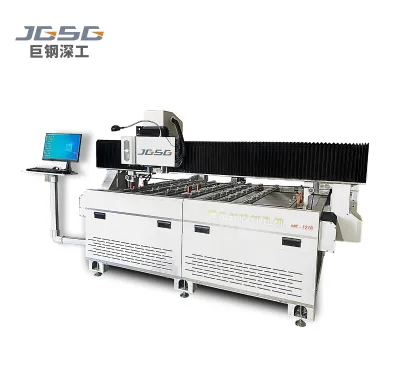
CNC Laser Sandblast Machine for Glass Mirror Laser Sandblasting Machine
$25000.00 - $35000.00
MOQ: 1 Pieces


CNC Design Laser Glass Mirror Sandblasting Machine Glass Cutting Machine
$25000.00 - $35000.00
MOQ: 1 Pieces


2400*1300mm Intelligent Mirror Sanding Machine Glass Sandblasting Machine
$25000.00 - $35000.00
MOQ: 1 Pieces

High-Efficiency CNC Glass Laser Sandblasting Machine for Smart Mirror Glass Machine
$25000.00 - $35000.00
MOQ: 1 Pieces

JINAN GLASINO GLASS TECHNOLOGY CO., LTD.
- Verified by BV
- Trading Company,Manufacturer/Factory
- China Shandong
- Lead time0 days
- Avg. response≤ 5h
Main productsGlass Tempering Machine, Insulating Glass Machine, Glass Cutting Machine, Glass Adging Machine
Main marketsSouth America,Eastern Europe,Mid East,North America,Southeast Asia,Eastern Asia,Oceania,Western Europe,Africa


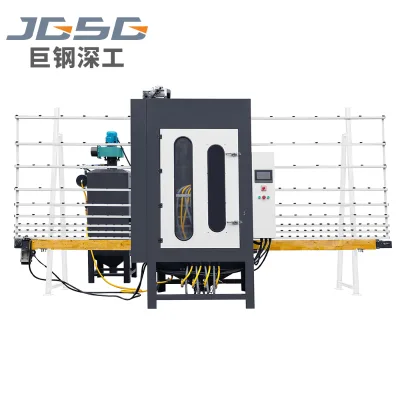
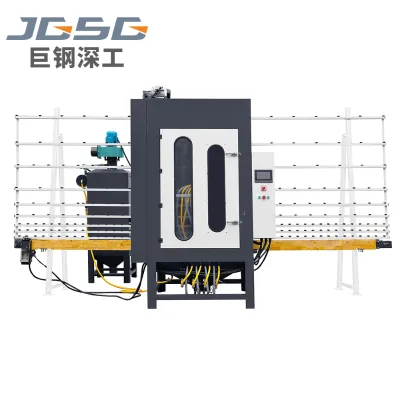
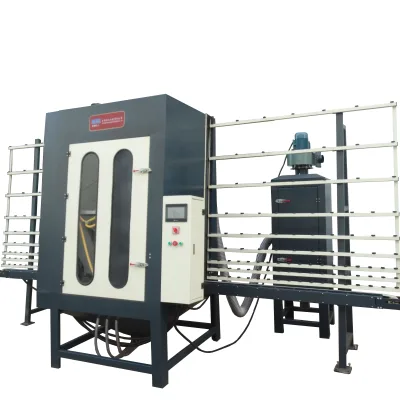
Vertical Sand Blasting Glass Machine Mirror Industrial Glass Door Sandblasting Machine
$9800.00 - $10800.00
MOQ: 1 Pieces

Vertical Glass Processing Machine Automatic Sandblasting Glass Machine
$9800.00 - $10800.00
MOQ: 1 Pieces


Shijiazhuang Ouyun Machinery Equipment Co., Ltd.
- Verified by TUVRHEINLAND
- Combined
- China Hebei
- Lead time15 days
- Avg. response≤ 7h
Main productsWrought in Machine, Scroll Bending Machine, Twisting Machine, End Forging Machine, Coil Rolling Machine, Cold Rolling Embossing Machine, Square Tube Bending Machine, Stainless Steel Pipe Bending Machine, Aluminum Spacer Bar Mill Line, Coil Making Machine
Main marketsSoutheast Asia/ Mideast,Domestic,Europe

Mirror Laser Sandblasting Machine Glass Laser Sandblasting Machine
$25000.00 - $35000.00
MOQ: 1 Pieces


Laser Glass Sandblasting Machine Laser Removing Paint Laser Sand Blasting Mirror Machine
$25000.00 - $35000.00
MOQ: 1 Pieces

Efficient Horizontal Glass Laser Sandblasting Machine for Watch Mirrors
$59999.00 - $63899.00
MOQ: 1 Pieces

Glass Laser Sandblasting Machine for Watch Mirror Sandblasting 3 in 1
$26999.00 - $30000.00
MOQ: 1 Pieces

High-Precision Fiber Laser Sandblasting Machine for Glass and Mirrors
$26999.00 - $30000.00
MOQ: 1 Pieces

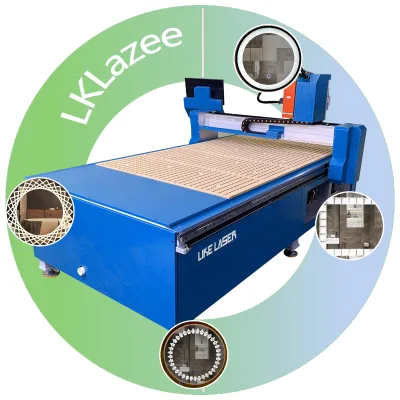
Hebei Like Laser Equipment Co., Ltd.
- Trading Company
- Hebei, China
- Lead time15 days
- Avg. response≤ 2h
Main productsGlass laser cutting machine,Glass laser engraving machine,Fiber Laser Marking Machine,Glass laser engraving machine,Mirror laser sandblasting machine
Main marketsDomestic Market(60.00%), North America(10.00%), South Asia(10.00%), Mid East(10.00%), Southeast Asia(10.00%)
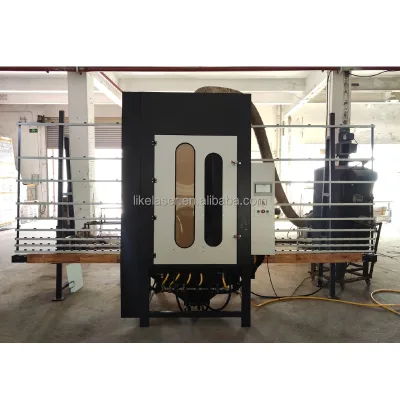
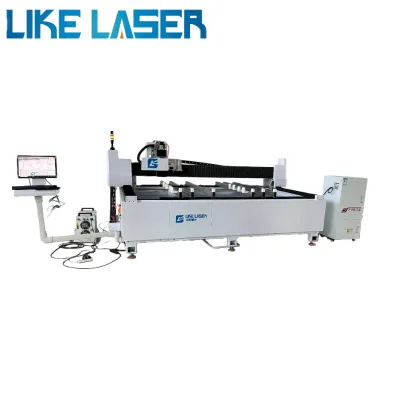
$22035.5695 - $22242.4763
MOQ: 1 sets
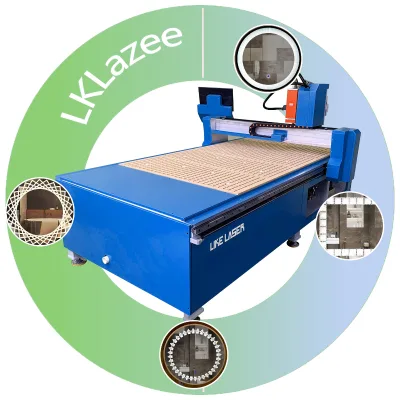
Hebei Like Laser Glass Laser Sandblasting Engraving Machine for Mirror Glass
$36980.00 - $38680.00
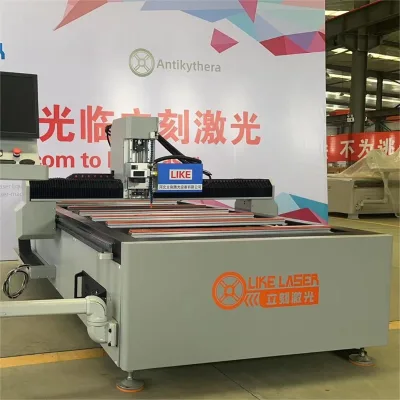
Large Size Glass Smart Mirror Laser Sanding Marking Engraving Machine 120W
$36980.00 - $38680.00

Gaomi Feixuan Machinery Technology Co., Ltd
- Verified by TUVRHEINLAND
- Manufacturer/Factory
- China Shandong
- Lead time23 days
- Avg. response≤ 4h
Main productsGlass CNC Machining Centers, Glass Machine, Glass
Main marketsSouth America,Eastern Europe,Mid East,North America,Southeast Asia,Eastern Asia,Oceania,Western Europe,Africa

CNC Glass Processing Machine LED Mirror Glass Sandblasting Machine for Mirror Engraving
$28000.00 - $34000.00
MOQ: 1 Sets

CNC Mirror Machine Glass Engraving Machine Laser Sandblasting Machine for Mirror Glass
$28000.00 - $34000.00
MOQ: 1 Sets

Liaoda (LAD) Glass Machinery Co., Ltd.
- Verified by CTI
- Combined
- China Guangdong
- Lead time30 days
- Avg. response≤ 25h
Main productsGlass Edging Machine, Glass Machine, Glass Machinery, Glass Tempering Machine, Glass Washing Machine, Glass Edging Polishing Machine, Glass Drilling Machine, Glass Washer, Glass Tempering Furnace, Glass Bending Machine
Main marketsSouth America,Africa,Southeast Asia/ Mideast,East Asia(Japan/ South Korea),Domestic,Europe,Australia,North America
Liaoda (LAD) Glass Machinery Co., Ltd.
- Verified by SGS Group
- Manufacturer, Trading Company
- Lead time30 days
- Avg. response≤ 13h
Main productsGlass Double Edging Machine, Glass Tempering Machine, Glass Washing Machine, Glass Sandblasting Machine, Glass Vertical Edging Machine
Main marketsDomestic Market(50%), Southern Europe(10%), Eastern Europe(6%)
- Manufacturer, Trading Company
- Shandong, China
- Lead time15 days
- Avg. response≤ 1h
Main productspvc window door machine,aluminum window door machine,insulating glass machine
Main marketsSouth Asia(100.00%)
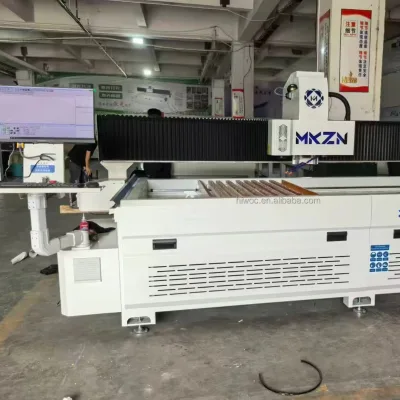
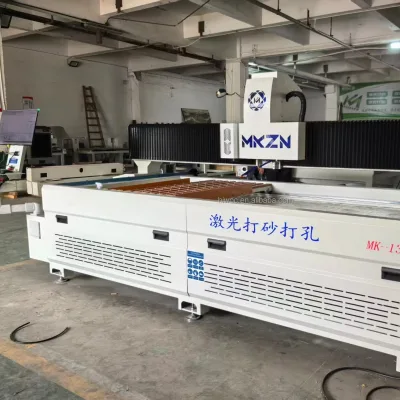
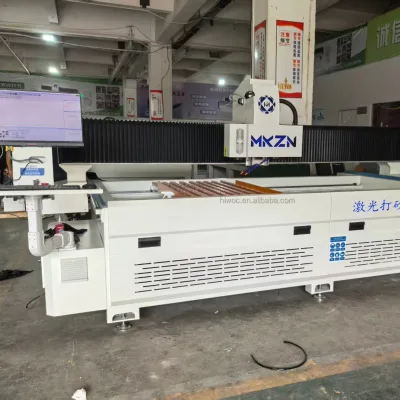
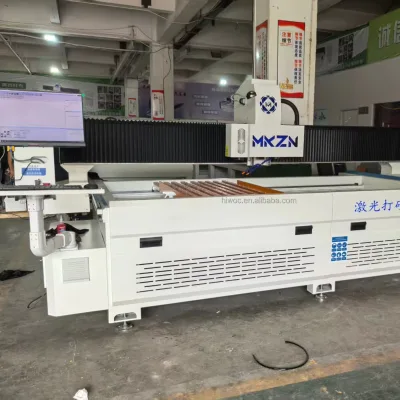
2025 New Full Automatic Intelligent Mirror Laser Sandblasting Machine
$22000.00 - $22500.00

Jinan Hengsheng Cnc Technology Co., Ltd.
- Trading Company,Manufacturer/Factory
- China Shandong
- Lead time0 days
- Avg. response≤ 5h
Main productsFabric Cutting Machine, Leather Cutting Machine, CNC Cutting Machine, Glass Milling Machine, Glass Polishing Machine, Glass Laser Machine, Clothing Cutting Machine, Laser Sandblasting Machine, Drilling and Milling Machine, Glass Processing Center

CNC Sandblasting Machine Glass Engraving Machine Laser Sandblasting Machine for Mirror Glass
$23800.00 - $35800.00
MOQ: 1 Pieces

CNC Laser Sandblast Machine for Glass Sandblasting Mirror Coating Removal Glass Drilling
$23800.00 - $35800.00
MOQ: 1 Pieces

CNC Laser Sandblasting Machine Specifically for LED Mirror Processing and Glass Drilling
$23800.00 - $35800.00
MOQ: 1 Pieces

Laser Sandblasting Machine for LED Mirror Glass Drilling and Coating Removal
$23800.00 - $35800.00
MOQ: 1 Pieces

CNC Laser Sandblasting Machine for Mirror Drilling Coating Removal
$23800.00 - $35800.00
MOQ: 1 Pieces

Automatic Laser Sandblasting Machine for LED Mirror Production and Glass Drilling
$23800.00 - $35800.00
MOQ: 1 Pieces

Shandong Tenv Intelligent Technology Co., Ltd.
- Verified by TUVRHEINLAND
- Manufacturer/Factory
- China Shandong
- Lead time23 days
- Avg. response≤ 7h
Main productsGlass Cutting Machine, Glass Edging Machine, Insulating Glass Machine, Glass Laminating Machine, Glass Drilling Machine, Glass Sandblasting Machine, PVC Window Machine, Aluminum Window Machine
Main marketsWestern Europe
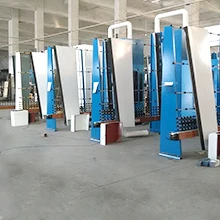
Foshan Shunde Jugang Shengong Glass Machinery Co., Ltd.
- Manufacturer, Trading Company
- Guangdong, China
- Lead time15 days
- Avg. response≤ 4h
Main productsGlass Edging Machine,Stone Edging Machine,Glass Washing Machine,Glass Shape Machine,Glass Sandblasting Machine
Main marketsDomestic Market(30.00%), Africa(20.00%), Mid East(15.00%), Eastern Asia(10.00%), South Asia(5.00%), South America(3.00%), North America(3.00%), Oceania(3.00%), Southeast Asia(2.00%), Eastern Europe(2.00%), Southern Europe(2.00%), Northern Europe(2.00%), Central America(2.00%), Western Europe(1.00%)
Liaocheng Hengchunyuan Machinery Equipment Co., Ltd.
- Verified by TüVRheinland
- Manufacturer, Trading Company
- Lead time2 days
- Avg. response≤ 2h
Main productsLaser Engraving Machine, Laser Cutting Machine, Fiber Laser Marking Machine, Laser Welding Machine, CNC Router
Main marketsEastern Europe(30%), Southeast Asia(20%), South America(15%)
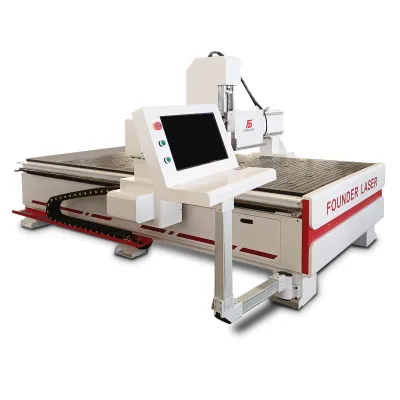
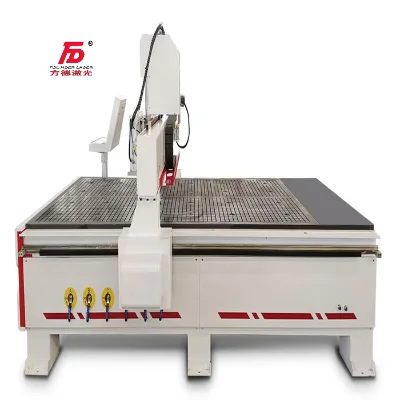
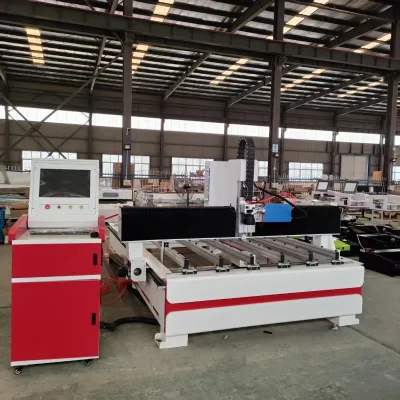
$10119.6851 - $11357.7851
MOQ: 1 sets

Jinan Senke CNC Machine Co., Ltd.
- Verified by BV
- Combined
- China Shandong
- Lead time30 days
- Avg. response≤ 6h
Main productsPlasma Cutting Machine, Plasma Cutter, CNC Router, CO2 Laser Engraving Cutting Machine, Fiber Laserg Cutting Machine, CNC Glass Cutting Machine, Fiber Laser Marking Machine, CNC Glass Grinding Machine, CNC Router Machine, Metal Cutting Machine
Main marketsSouth America,Africa,Southeast Asia/ Mideast,East Asia(Japan/ South Korea),Europe,Australia,North America

Intelligent CNC Glass Mirror Fiber Laser Engraving Sandblasting Machine
$23990.00 - $25000.00
MOQ: 1 set


1325 CNC Automatic Mirror Laser Sandblasting Machine for LED Bathroom Mirror
$18600.00 - $19300.00
MOQ: 1 set
Shandong Care Machinery Technology Co., Ltd.
- Verified by TüVRheinland
- Trading Company
- Lead time15 days
- Avg. response≤ 2h
Main productsPVC Window Making Machine, Aluminum Window Making Machine, Insulating Glass Production Line, Glass Processing Machine, Glass Handling Equipment
Main marketsNorth America(25%), South America(25%), Southeast Asia(15%)
- Verified by SGS Group
- Manufacturer, Trading Company
- Lead time7 days
- Avg. response≤ 2h
Main productsLaser Marking Machine, Laser Cutting Machine, Laser Welding Machine, Laser Cleaning Machine, Laser Machine Parts
Main marketsNorth America(16%), Central America(16%), South America(15%)
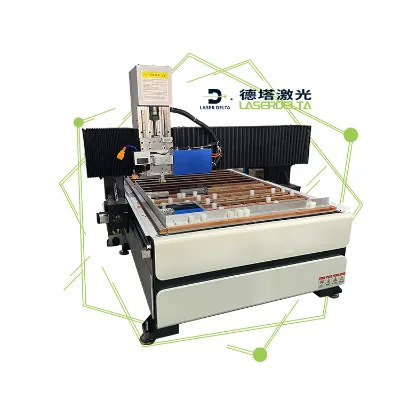
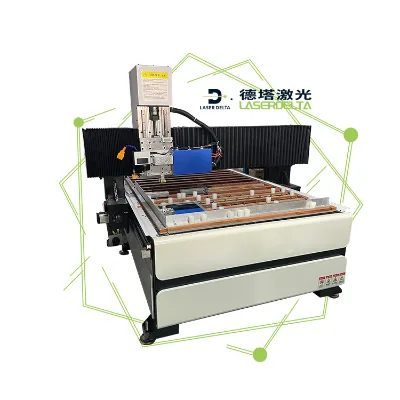
LaserDelta Automatic Sand Blasting Machine Industrial Large Sandblasting for Glass/ Led Mirror
$24008.5718 - $29228.0532
MOQ: 1 sets
- Trading Company
- Lead time旺季: "1 - 1":30,"> 1":"To be negotiated", 淡季: "1 - 1":30,"> 1":"To be negotiated"
- Avg. response≤ 1h
Main productsPaper Machine, Hot Melt Glue Machine, Glass Machine, Auto Repair Machine, Metal Processing Machine
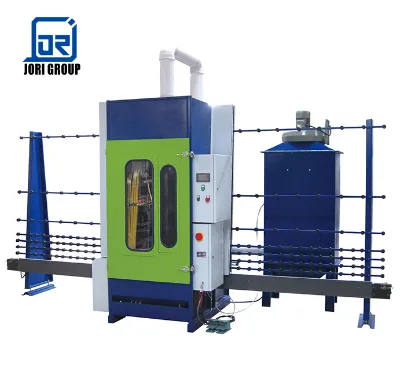
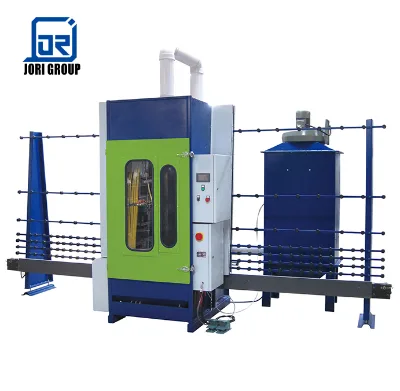
Automatic Tempering Glass Sandblasting Machine Sandblasting Machine for Window Glass
$7800.00 - $9500.00
MOQ: 1 units
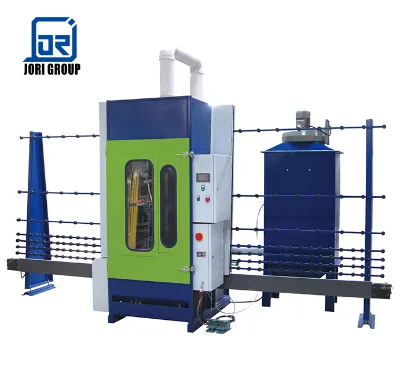
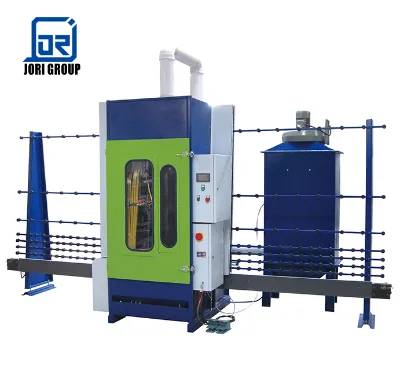
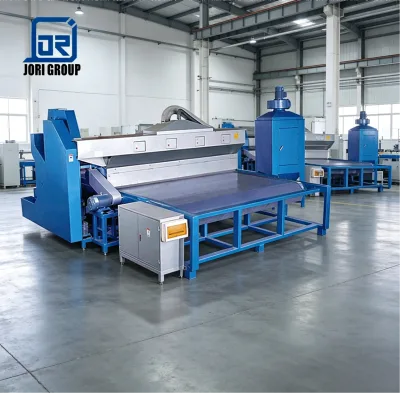
High Performance Automatic Glass Frosting Machine Sandblasting Machinery
$8063.755 - $9304.3327
MOQ: 1 units
$7800.00 - $9500.00
MOQ: 1 units
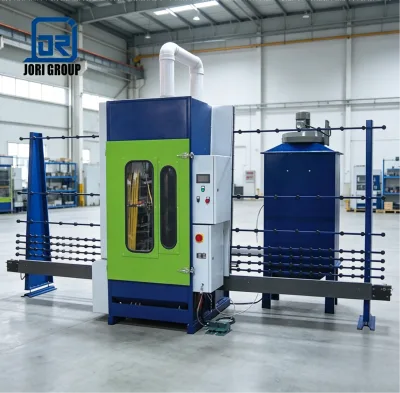
- Manufacturer, Trading Company
- Lead time旺季: "1 - 1":31,"> 1":"To be negotiated", 淡季: "1 - 1":31,"> 1":"To be negotiated"
- Avg. response≤ 2h
Main productsHot melt glue machine,Pasting machine,Box Sealing Machine,Glue gun,Glue hose

Luoyang Lever Industry Co., Ltd.
- Manufacturer/Factory
- China Henan
- Lead time0 days
- Avg. response≤ 4h
Main productsGlass Tempering Furnace, Flat/Bent Glass Tempering Machine, Automotive Glass Machine, Backlite Tempering Furnace, Bus Windshield Furnace, Full Automatic Glass Laminating Line, Vacuum Furnace, Heating Element, Vacuum Film, Ceramic Roller
Main marketsSouth America,Eastern Europe,Mid East,North America,Southeast Asia,Eastern Asia,Oceania,Western Europe,Africa


Automatic Glass Processing Machine Glass Automatic Sandblasting Machine
$6000.00 - $18000.00
MOQ: 1 Sets


St-1500 Automatic Glass Sandblasting Machine / CNC Automatic Glass Sandblasting Machine
$6000.00 - $18000.00
MOQ: 1 Sets


$6000.00 - $18000.00
MOQ: 1 Sets
Foshan Global Jinfeng Machinery Co., Ltd.
- Verified by SGS Group
- Manufacturer, Trading Company
- Lead time30 days
- Avg. response≤ 1h
Main productsGlass Edge Grinder Machine, Glass Cutting Machine, Glass Washing Machine, Glass Drilling Machine, Glass Tempering Furnace
Main marketsCentral America(17%), North America(15%), South America(15%)
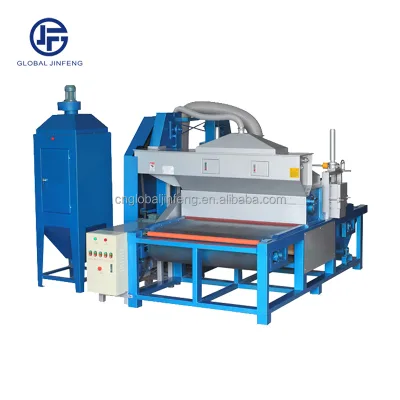
$5600.00 - $5800.00
MOQ: 1 pieces
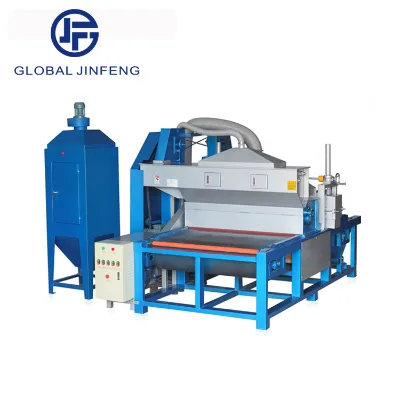
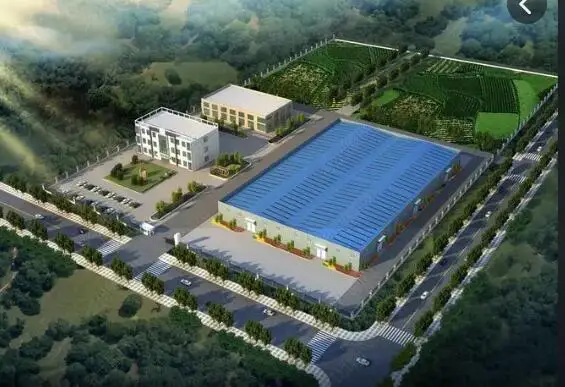
Shandong Pinjia Machinery Technology Co., Ltd.
- Manufacturer, Trading Company
- Shandong, China
- Lead time3 days
- Avg. response≤ 4h
Main productsForklift,excavator,seed planting,spayer machine,construction machine
Main marketsSoutheast Asia(25.00%), Africa(21.00%), Eastern Europe(14.00%), North America(12.00%), Domestic Market(8.00%), South America(8.00%), Mid East(6.00%), Oceania(3.00%), Northern Europe(3.00%)

Shandong Eworld Machine Co., Ltd.
- Verified by BV
- Combined
- China Shandong
- Lead time30 days
- Avg. response≤ 1h
Main productsGlass Cutting Machine, Glass Edging Machine, Insulating Glass Machine, Glass Lifter, Glass Washing Machine, Glass Laminating Machine, Glass Screen Printing Machine, Glass Sandblasting Machine
Main marketsSouth America,Africa,Southeast Asia/ Mideast,East Asia(Japan/ South Korea),Europe,Australia,North America
Hebei Jade Pure Glass Product Co., Ltd.
- Verified by TüVRheinland
- Trading Company
- Lead time15 days
- Avg. response≤ 2h
Main productsTempered Glass, Insulated Glass, Laminated Glass, Laser Marking Machine, Smart Glass
Main marketsSouth America(30%), North America(25%), Southeast Asia(20%)
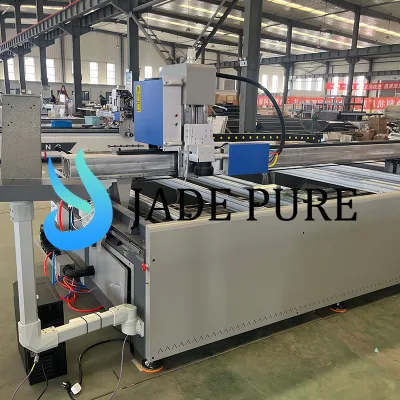
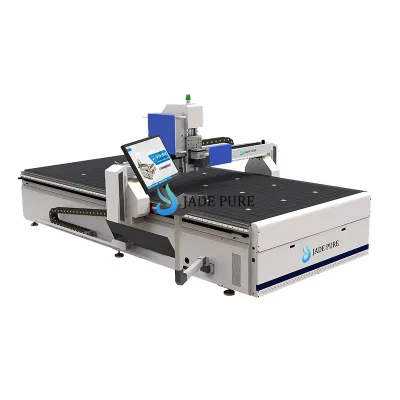
Affordable Price Glass Sandblasting Machine for Workshops
$15000.00 - $20000.00
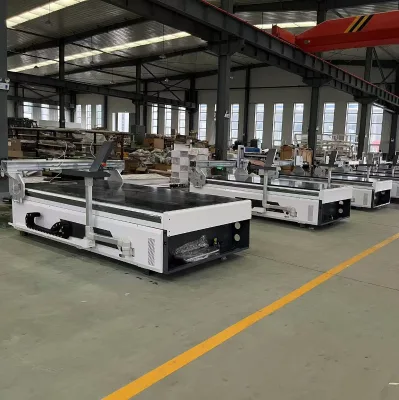
Professional Laser Glass Sandblasting Machine with Automatic Feeding
$12761.9758 - $20327.3417
MOQ: 1 sets
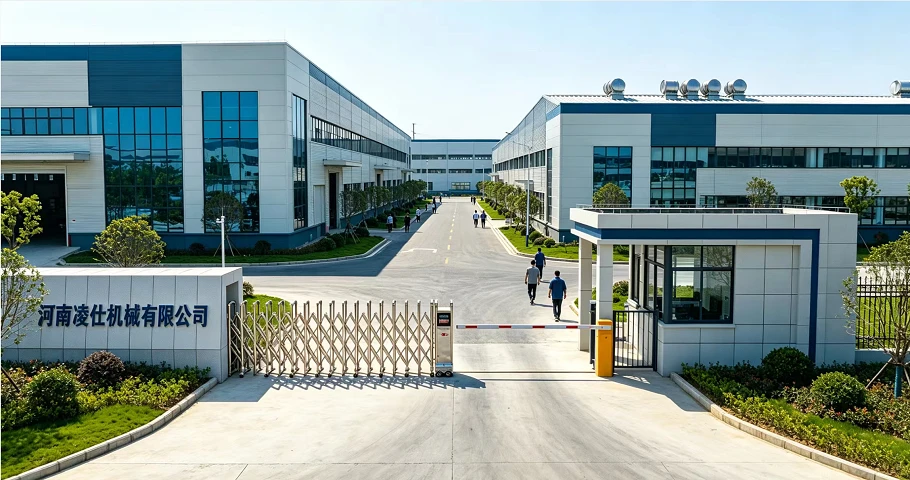
Henan Lingshi Machinery Co., Ltd.
- Trading Company
- Henan, China
- Lead time15 days
- Avg. response≤ 2h
Main productsdrill machine,concrete pump,sand blaster,shot blasting machine,hydroseeding machine
Main marketsAfrica(25.00%), South America(20.00%), South Asia(15.00%), North America(15.00%), Southeast Asia(15.00%), Mid East(10.00%)


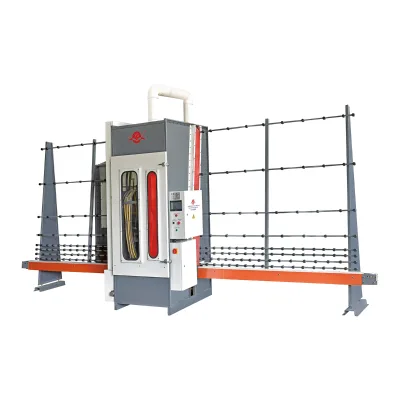
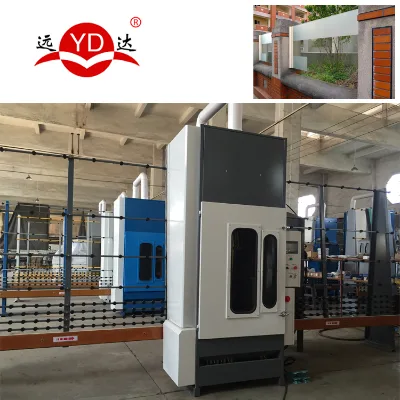
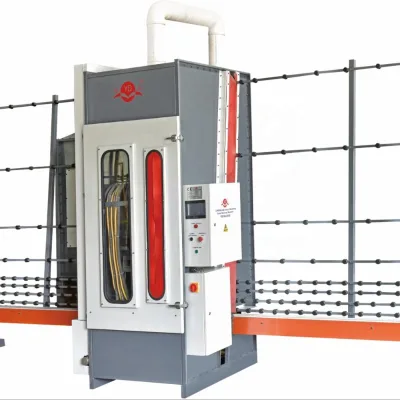


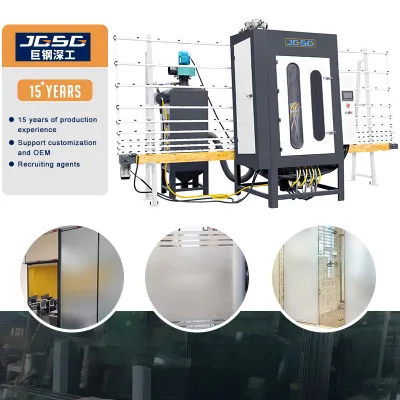
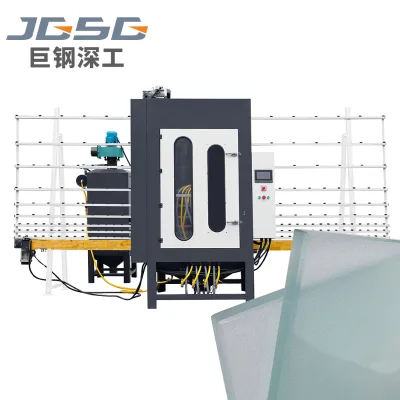
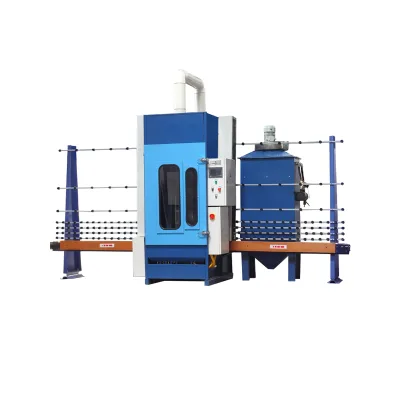
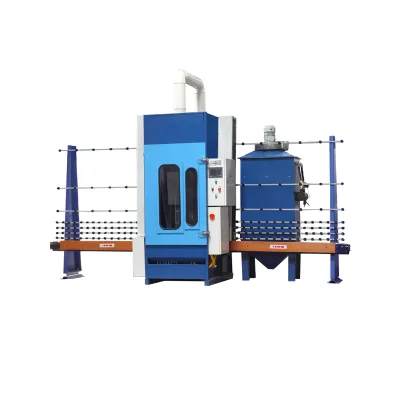
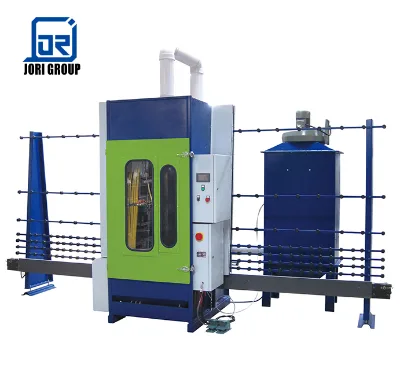


Comprehensive Sourcing Guide
Mirror Glass CNC Sandblasting Machine Supplier Concentration and Factory Types
Buyers searching for a Mirror Glass CNC Sandblasting Machine will encounter suppliers concentrated in a small number of Chinese manufacturing regions. In the current results, Guangdong appears as a base for companies whose main products include glass machines, stone machines, glass, and ceramic machines, operating as both trading companies and manufacturer/factory hybrids. Shandong is represented by suppliers focused on glass tempering machines, insulating glass machines, glass cutting machines, and related edge-processing equipment. Hebei shows a combined-type company whose catalog centers on metalworking machinery, including scroll bending and coil rolling equipment, yet which also lists a mirror laser sandblasting machine under the sandblasters category. This mix matters because a supplier's core product line often signals whether glass processing is its specialty or a sideline.
When listing pages do not expose location data for every result, buyers should treat cluster identification as a verification task rather than an assumption. Check each supplier's stated origin, the product's declared place of origin, and whether the company type is factory, trading company, or combined. In this category, both machine manufacturers and trading intermediaries can be legitimate, but their roles affect customization depth, spare-parts access, and after-sales accountability. A laser sandblasting machine listing that carries its own origin field, model number, and specification sheet is generally a stronger signal of direct production involvement than a listing with only generic keywords and no technical attributes.
How to Verify Mirror Glass CNC Sandblasting Machine Suppliers
Verification should start with third-party credentials displayed on the platform and end with evidence you request directly. Some suppliers in these results carry an ISO 9001 system certification and SGS verification, while others are verified by BV or by TÜV Rheinland, and some show no system certification at all. Treat verification badges as a screening layer, not proof of product quality: they confirm an audit occurred but not how well a specific laser sandblasting machine is built. Ask each candidate for the machine's CE certificate, test videos under load, and a customer reference in glass or mirror processing. For a 2200-kilogram-class machine with fiber laser sandblasting and a 380V power requirement, request documentation of the laser source brand and safety interlocks.
Cross-check the listing details against the supplier's own documents. One listing declares a 2400x1300mm maximum processing size, 80x80mm minimum, 220W laser power, and a 5kw total machine power; another declares 2500x2500mm maximum glass size, 3-50mm glass thickness, and a sandblasting speed of 20-30 square meters per hour; a Shandong listing declares a 3-19mm glass thickness range with PLC and CNC automatic control. These specification differences are exactly what a verification call should reconcile. Confirm that the CE marking cited in listings applies to the actual model number quoted, and verify that the supplier's main products, such as glass processing machinery rather than unrelated metalworking equipment, align with the machine you intend to purchase.
What to Compare Across Mirror Glass CNC Sandblasting Machine Suppliers
Comparison should be built from the attributes platforms actually display, while accepting that no supplier shows every field. In these results, displayed lead times range from 30 days for a Guangdong supplier and 15 days for a Hebei supplier to a field showing zero for a Shandong supplier, which likely means the data is missing rather than that delivery is instantaneous. Response times also differ: one Guangdong supplier shows an average response of roughly 11.8 hours, a Shandong supplier about 4.7 hours, and a Hebei supplier about 6.7 hours. For a capital machine purchase, fast response often predicts smoother commissioning support, so weigh it alongside price rather than after it.
Compare the product-level data just as closely. MOQ fields in the results range from one unit on a CNC laser sandblasting machine, appropriate for capital equipment, to listings where MOQ is not shown at all. Price ranges differ sharply: roughly $25,000-$35,000 for one fiber-laser model, $33,000 for a Jinan-origin model, and $7,560-$11,340 for a vertical sandblasting machine, with another vertical model at $9,800-$10,800. Also compare capability labels such as OEM, ODM, and own-brand designations, customization availability, and declared certifications like CE or ISO. Finally, compare each supplier's main-product breadth: a company selling glass machines and ceramic machines may integrate better with a glass factory line than one whose catalog is dominated by wrought-iron machinery.
Common Mirror Glass CNC Sandblasting Machine Sourcing Risks
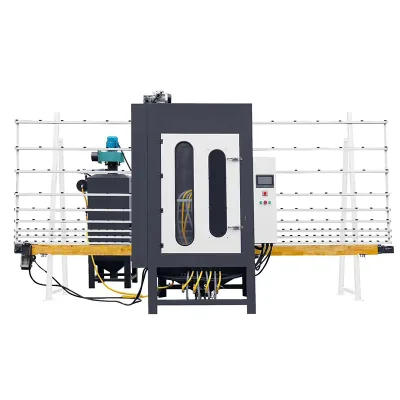
The most common risk is treating keyword listings as proof of specialization. The Hebei supplier in these results lists its mirror laser sandblasting machine under "Metal & Metallurgy Machinery > Sandblasters," and its main products are scroll benders, twisting machines, and coil rolling equipment. That does not make the machine unacceptable, but it raises questions about glass-industry experience, spare-parts stocking, and process knowledge that a glass-focused Guangdong or Shandong supplier would more naturally demonstrate. A second risk is specification drift: listings can combine laser-based and abrasive-based technologies under similar names, and a buyer who needs fiber laser engraving on mirror glass may receive a quotation for a pressure sandblasting line with completely different consumables and air requirements, such as the 0.6-0.8MPa at 5 cubic meters per minute specified on one vertical model.
A third risk is trusting missing data. A lead time displayed as zero, an absent MOQ, or an unspecified certification should trigger a written confirmation, never an assumption. A fourth is ignoring the difference between a machine's declared working mode and your mirror product: laser carving line speed figures, glass thickness ranges, and minimum processing sizes vary widely across listings and determine whether frosted-edge mirror work or fine graphic etching is realistic. Finally, weight and dimensions matter for logistics; a machine listed at about 2200 kilograms with a 3850x2285x1800mm footprint needs container planning confirmed before contract signing, not after.
Mirror Glass CNC Sandblasting Machine Regional Sourcing and Logistics
Regional differences in these results are concrete. Guangdong suppliers offer laser-based machines with origins declared as Guangdong, China, lead times of 30 days, and film packing for a machine of about 2200 kilograms. Shandong suppliers, based around glass-processing machinery including tempering and insulating glass lines, list a Jinan-origin laser mirror sandblasting machine with plastic package packing and a machine footprint of 4000x2800x1200mm. Hebei's combined-type supplier declares a Hebei origin, a 15-day lead time, and wooden case and pallet packing. These packing choices matter because laser sources, gantries, and control cabinets are sensitive to moisture and shock; buyers should confirm whether film-only packing is acceptable for ocean freight to their destination port or whether crating should be negotiated into the price.
When location data is absent from a listing, do not guess the region; instead, ask the supplier for the factory address, the declared origin on the commercial invoice, and the nearest major port, then validate consistency across those answers. Logistics questions should cover container type for the machine's footprint, disassembly requirements, whether the laser generator ships separately, and who arranges inland haulage. For machines in the 2000-kilogram-plus class with footprints exceeding standard pallet dimensions, a flat-rack or open-top container is often necessary, and the supplier's prior export experience with similar glass machinery is a fair question to ask. Buyers sourcing alongside other glass equipment, such as cutting or washing machines, may benefit from coordinating shipments with the same regional supplier to consolidate freight.
Mirror Glass CNC Sandblasting Machine Commercial Terms and Order Planning
Order planning should convert listing data into contract terms. Use the displayed price ranges only as a screening benchmark: the roughly $25,000-$35,000 fiber-laser model, the $33,000 Jinan model, and the $7,560-$11,340 vertical sandblasting machine occupy different technology tiers, so request itemized quotations separating laser source, CNC system, table, dust extraction, and packing. Confirm the MOQ in writing even where a listing shows one unit, since capital-equipment MOQs occasionally change with configuration. Align payment milestones with production stages: a deposit before production, an inspection-confirmed payment before shipment, and a retention tied to commissioning gives the buyer leverage if the delivered machine does not match the declared 220W laser power, 380V voltage, or processing-size specifications.
Plan the timeline around the longest confirmed lead time, not the shortest. With one supplier showing 30 days, another 15 days, and a Shandong listing citing 40 days of leading time for a comparable vertical machine, and a zero field that must be clarified, a realistic schedule should include production, factory acceptance testing, container loading, and ocean transit. Add buffer for customization: several listings state customization is available, and customized power supplies or voltage variants will extend the cycle. Verify escrow or trade-assurance options on the platform before paying, since results here do not confirm escrow coverage for every supplier. Finally, document warranty terms; one Hebei listing declares a two-year warranty, and that figure should become a contractual clause rather than a listing footnote.
Word count check: Section 1: heading 9 + paragraphs. Let me count each section.
Section 1: heading 9. P1: ~118. P2: ~113. Total ~240? Need to check. Count P1: "Buyers(1) searching2 for3 a4 mirror5 glass6 CNC7 sandblasting8 machine9 will10 encounter11 suppliers12 concentrated13 in14 a15 small16 number17 of18 Chinese19 manufacturing20 regions21. In22 the23 current24 results25, Guangdong26 appears27 as28 a29 base30 for31 companies32 whose33 main34 products35 include36 glass37 machines38, stone39 machines40, glass41, and42 ceramic43 machines44, operating45 as46 both47 trading48 companies49 and50 manufacturer/factory51 hybrids52. Shandong53 is54 represented55 by56 suppliers57 focused58 on59 glass60 tempering61 machines62, insulating63 glass64 machines65, glass66 cutting67 machines68, and69 related70 edge-processing71 equipment72. Hebei73 shows74 a75 combined-type76 company77 whose78 catalog79 centers80 on81 metalworking82 machinery83, including84 scroll85 bending86 and87 coil88 rolling89 equipment90, yet91 which92 also93 lists94 a95 mirror96 laser97 sandblasting98 machine99 under100 the101 sandblasters102 category103. This104 mix105 matters106 because107 a108 supplier's109 core110 product111 line112 often113 signals114 whether115 glass116 processing117 is118 its119 specialty120 or121 a122 sideline123." P1=123.
P2: "When1 listing2 pages3 do4 not5 expose6 location7 data8 for9 every10 result11, buyers12 should13 treat14 cluster15 identification16 as17
FAQs
What is the price range for mirror glass CNC sandblasting machines?
Prices typically range from $7,560 to $35,000 depending on specifications. Smaller vertical units start around $7,560, while advanced CNC laser models cost between $25,000 and $35,000. Buyers should verify exact costs based on customization needs and voltage requirements.
What certifications do these machines usually have?
Most machines carry CE certification, with some also holding ISO 9001 system certification. These standards ensure compliance with international safety and quality benchmarks. Buyers should request specific certificates to verify that the equipment meets their local regulatory requirements before purchase.
What is the typical lead time for delivery?
Lead times generally range from 15 to 40 days. Some suppliers offer a 15-day turnaround, while others require up to 40 days for production. Buyers should confirm specific schedules with suppliers to align with their project timelines and avoid delays.
What is the minimum order quantity for these machines?
The minimum order quantity is typically one unit. This allows buyers to purchase single machines for testing or small-scale operations. Suppliers generally accept orders starting from one piece, making it accessible for various business sizes and initial procurement needs.
Where are these machines manufactured?
Manufacturing locations include Guangdong, Shandong, and Hebei provinces in China. These regions specialize in glass processing machinery and CNC equipment. Buyers can filter suppliers by these specific locations to ensure proximity to established industrial hubs and reliable supply chains.
What glass thickness can these machines process?
Machines typically handle glass thicknesses from 3mm to 50mm. Specific models may support ranges like 3mm to 19mm or 3mm to 50mm. Buyers should check the maximum processing size and thickness limits to ensure compatibility with their specific glass materials.