Source Water Pressure Sensor for liquid, oil, and air systems
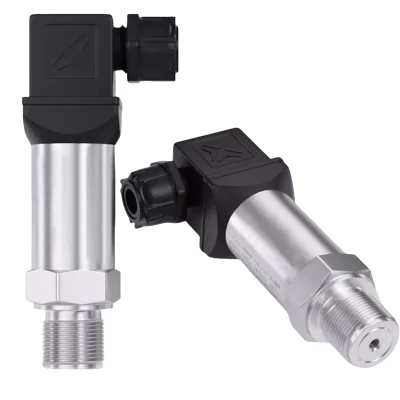
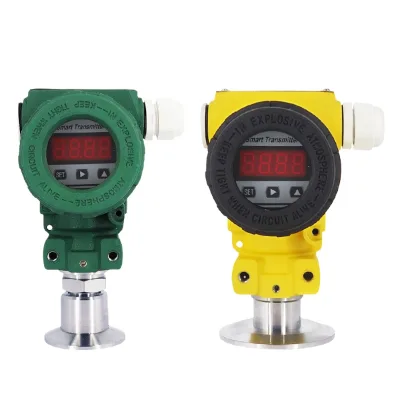
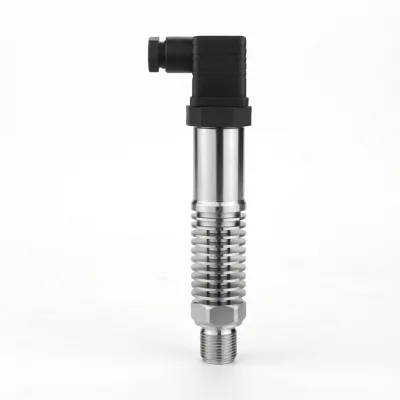
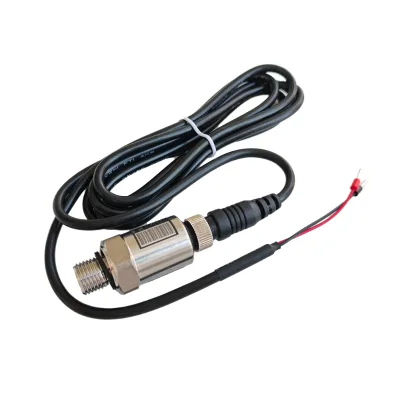
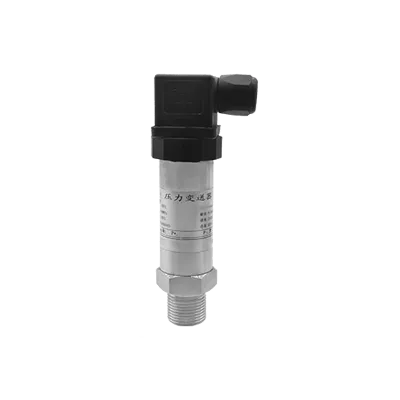
Find 30 Water Pressure Sensor options with stainless steel construction and analog outputs. Compare models like PCM300 and ESMPS for liquid, oil, and air applications with varying pressure ranges and wiring types; compare the available evidence and request quotations based on your requirements.
Updated
Key considerations
Products List


$36.00 - $69.00
MOQ: 1 Pieces

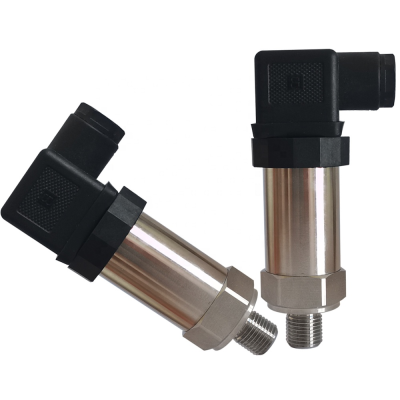




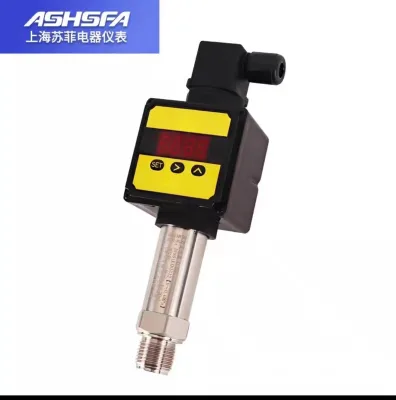
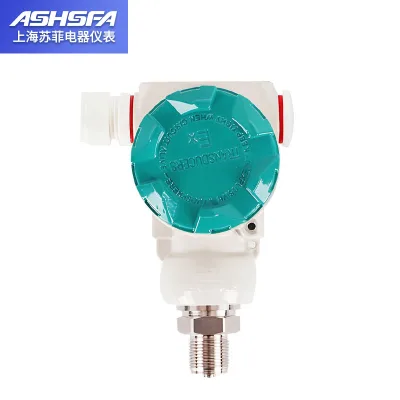



$3.50 - $4.00
MOQ: 10 Pieces



Comprehensive Sourcing Guide
Water Pressure Sensor Sourcing Guide
Sourcing water pressure sensors requires a disciplined approach to align technical performance with commercial viability. Buyers must navigate a market where product attributes vary significantly across listings, necessitating rigorous verification of core specifications before committing to volume orders. The observed data indicates a wide range of capabilities, from basic mechanical structures to advanced capacitive and inductive designs, each suited for different operational environments. Understanding these distinctions is critical for ensuring that the selected sensor meets the precise demands of the intended application, whether it involves liquid media, gas, or specific pressure ranges.
This guide provides a structured framework for evaluating suppliers and products based on observed market signals. It emphasizes the importance of verifying technical parameters such as output signals, accuracy grades, and material compositions against actual supplier claims. By focusing on evidence-based decision-making, procurement teams can mitigate risks associated with mismatched specifications, non-compliant documentation, or inconsistent quality. The following sections detail the key areas of focus, including product scope, technical verification, compliance, cost analysis, supplier qualification, and long-term performance checks, to support informed sourcing decisions.
Product Scope and Observed Listing Signals
The current market for water pressure sensors displays a diverse array of product types, including ceramic, capacitive, and inductive pressure transmitters. Listings frequently highlight customization options, with many suppliers offering OEM support and tailored solutions for specific industrial needs. The observed product models, such as PCM300 and ESMPS, suggest a variety of form factors and functional designs available to buyers. These variations often correlate with differences in measuring media, with some sensors optimized for liquids while others are capable of handling gases when constructed with compatible materials like 316 stainless steel.
Pricing and minimum order quantities (MOQ) exhibit significant variability, with observed prices ranging from $2 to $700 and MOQs from 1 to 100 units. This wide spectrum reflects differences in complexity, accuracy, and brand positioning, requiring buyers to align their budget with their technical requirements. Suppliers often list standard packing and single-item selling units, indicating flexibility for both small-scale trials and larger procurement contracts. Buyers should carefully review these commercial terms to understand the total cost of ownership, including potential setup fees for customized configurations or expedited production schedules.
Technical Specifications to Verify
Accurate verification of technical specifications is paramount to ensure sensor compatibility with the intended system. Key parameters to confirm include the output signal type, which may be analog, such as 4-20mA, 0-10V, or 0-5V, depending on the controller interface. The pressure range is another critical factor, with observed ranges spanning from negative pressures up to 35MPa, requiring precise matching to the application’s operational limits. Buyers must also verify the thread type, such as PT or G1/4, and the wiring configuration, including five-wire setups, to ensure physical and electrical integration with existing infrastructure.
Material composition and accuracy grades directly impact sensor longevity and measurement reliability. Stainless steel 304 or 316 is commonly cited for corrosion resistance, particularly in wet or chemically aggressive environments. Accuracy grades like 0.1G or 0.5%fs indicate the precision of the measurement, which must align with the system’s tolerance requirements. Additionally, temperature drift specifications, such as ±0.01%FS/℃, and long-term stability metrics, like ±0.1% F.S, are essential for applications requiring consistent performance over time. Buyers should request detailed datasheets to validate these claims against independent test results.
Compliance and Safety Documentation
Regulatory compliance is a non-negotiable aspect of sourcing industrial sensors, particularly when operating in regulated markets. The CE certification is a frequently observed mark, indicating conformity with health, safety, and environmental protection standards for products sold within the European Economic Area. Buyers must verify the validity of such certifications and ensure they cover the specific product model and manufacturing location. Documentation should include test reports from accredited laboratories, confirming that the sensor meets relevant electromagnetic compatibility and low voltage directives.
Beyond certification, suppliers should provide comprehensive safety data sheets and material declarations, especially if the sensor components come into contact with potable water or sensitive industrial fluids. Warranty terms, such as the observed one-year coverage, offer a baseline for risk mitigation, but buyers should negotiate extended warranties for critical applications. It is also advisable to confirm that the production process, whether normal wirewound or integration-based, adheres to recognized quality management systems. This ensures that every unit produced meets the same high standards of reliability and performance.
Cost Drivers and Commercial Terms
Several factors influence the final cost of water pressure sensors, including material quality, accuracy grade, and customization level. High-precision sensors with advanced output signals and robust stainless steel construction typically command higher prices. Customization options, such as specific thread sizes or tailored output ranges, can also increase costs due to additional engineering and production setup. Buyers should analyze the price-to-performance ratio, considering that lower-cost units may lack the long-term stability or accuracy required for critical applications, potentially leading to higher maintenance costs.
Commercial terms, including MOQs and lead times, play a significant role in procurement planning. While observed MOQs are relatively low, bulk purchases may offer volume discounts, improving the overall cost efficiency. Buyers should negotiate clear payment terms and delivery schedules to avoid supply chain disruptions. Additionally, packaging details, such as standard packing for single items, should be reviewed to ensure safe transit and minimize damage risks. Understanding these cost drivers allows buyers to make informed trade-offs between initial purchase price and long-term operational reliability.
Supplier Qualification and Quality Control
Evaluating supplier qualifications is essential to ensure consistent product quality and reliable service. Buyers should verify the supplier’s manufacturing capabilities, including their production processes and quality control measures. Factories with integrated production lines and standardized testing procedures are more likely to deliver consistent performance across batches. It is also important to assess the supplier’s experience in the pressure sensor industry, as well as their ability to provide technical support and after-sales service. Suppliers located in regions like Shaanxi, China, may offer competitive advantages in terms of supply chain efficiency and cost.
Quality control protocols should include incoming material inspections, in-process testing, and final product verification. Buyers should request evidence of these processes, such as calibration certificates and batch test reports. Establishing a clear communication channel for addressing quality issues is crucial, especially when dealing with customized orders. Suppliers who proactively share their quality management documentation and are transparent about their testing methods are better positioned to build trust and ensure long-term partnership success. This diligence helps mitigate the risk of receiving defective or non-compliant products.
Long-Term Procurement Checks
Long-term procurement success depends on continuous monitoring of supplier performance and product reliability. Buyers should establish key performance indicators (KPIs) to track metrics such as defect rates, delivery timeliness, and response to technical queries. Regular audits of the supplier’s quality control processes can help identify potential issues before they impact production. Additionally, staying informed about industry trends and technological advancements ensures that the sourced sensors remain competitive and suitable for evolving application requirements. This proactive approach helps maintain a resilient supply chain.
Feedback loops between the procurement team and end-users are vital for capturing real-world performance data. Any issues related to accuracy drift, material degradation, or signal instability should be documented and shared with the supplier for corrective action. Building a relationship based on mutual trust and continuous improvement fosters a collaborative environment where both parties work towards optimizing the sourcing strategy. By prioritizing long-term reliability over short-term cost savings, buyers can secure a stable supply of high-quality water pressure sensors that support their operational goals.
FAQs
What certifications do the water pressure sensors have?
The water pressure sensors carry CE certification as a standard compliance feature. This ensures they meet essential safety and performance requirements for industrial applications. Buyers can rely on this documented certification when selecting units for regulated environments or export markets requiring specific approvals.
Which pressure ranges are available for these sensors?
Available pressure ranges span from 0.001MPa up to 35MPa, covering both low and high-pressure needs. Specific models support ranges like 0-3MPa or -100kpa to 100kpa. This variety allows selection based on exact system requirements for liquid or gas media applications.
Can I get customized water pressure sensors for my project?
Customization is available for these sensors to meet specific project requirements. Buyers can request OEM support and tailored specifications. The product line offers flexible options including different thread types and output signals to ensure compatibility with unique industrial setups.
What output signals do the sensors provide?
The sensors provide analog output signals including 4-20mA, 0-10V, 0-5V, and 1-5V options. These standard signals ensure easy integration with most control systems. The specific output type can be selected based on the requirements of the connected monitoring or control equipment.
How accurate are the water pressure sensors?
Accuracy grades range from 0.1G to 0.5% full scale depending on the specific model. Long-term stability is maintained at ±0.1% F.S. This precision ensures reliable measurements for critical applications involving water, oil, or air pressure monitoring in industrial settings.
What materials are used to construct these sensors?
These sensors are constructed from stainless steel 304 or SUS304 materials. This material choice provides excellent corrosion resistance and durability for harsh environments. The robust construction ensures longevity when measuring media such as liquids, gases, or oils in demanding industrial conditions.
What is the warranty period for these sensors?
The standard warranty period for these sensors is one year. This coverage protects buyers against manufacturing defects and ensures product reliability. The warranty terms provide peace of mind for organizations investing in industrial-grade pressure measurement solutions for their operations.