Source Wine Bottle Aluminum Foil Capsule for Wine, Champagne, Spirits
Compare 30 listings for Wine Bottle Aluminum Foil Capsule from Chinese manufacturers. Options include flip top and twist off caps with customized sizes and logos for wine and champagne bottles; compare the available evidence and request quotations based on your requirements.
Updated
Key considerations
Products List


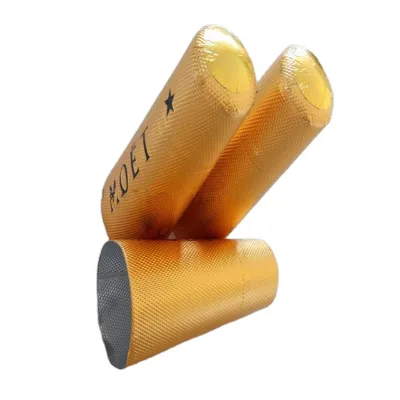
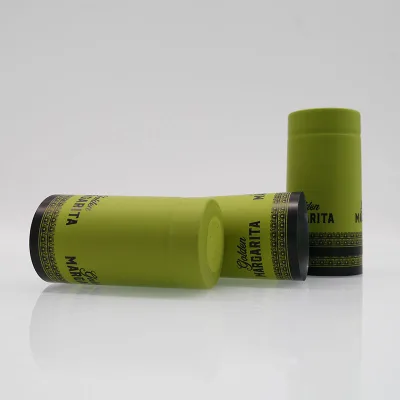
Embossed Golden Aluminum Foil Wine Bottle Capsule
$0.10 - $0.50
MOQ: 100000 Minimum
Baoding City Zhenghui Printing & Packing Industrial Co., Ltd.
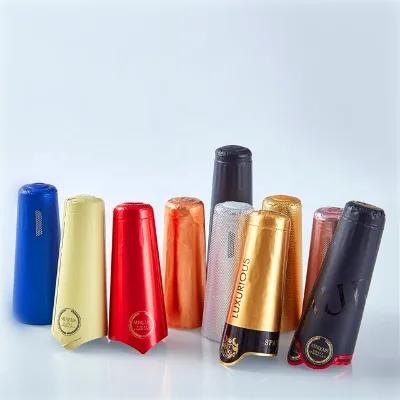
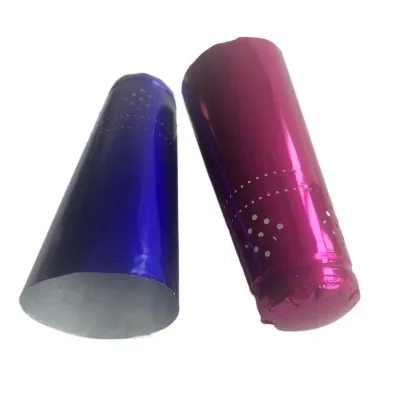
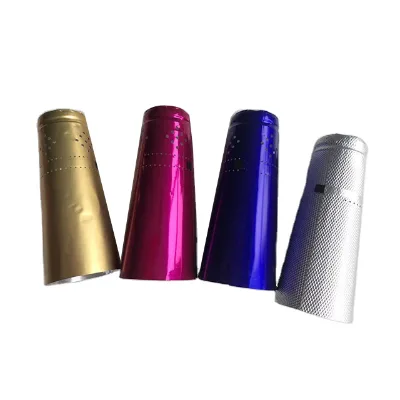
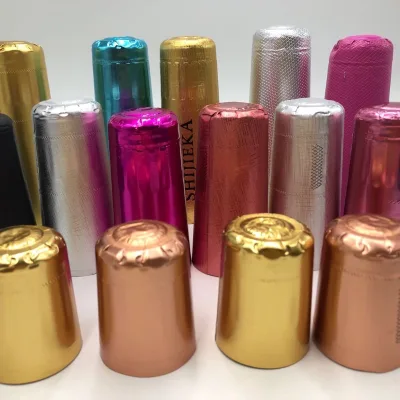
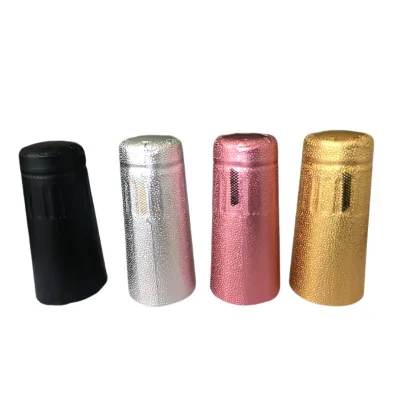
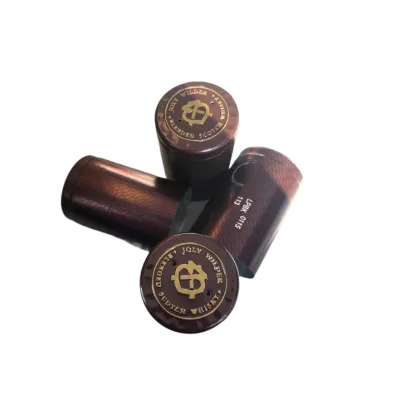
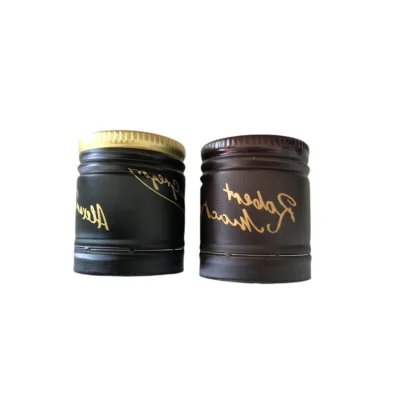
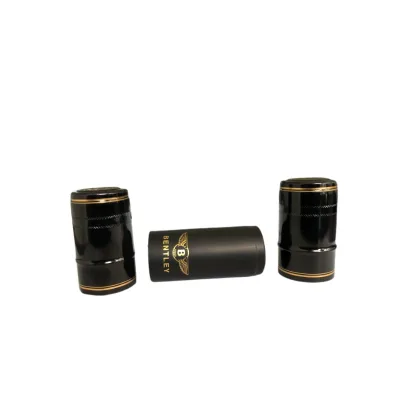
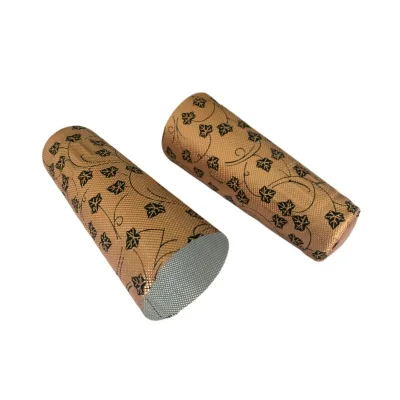
34*120mm Champagne Capsule Custom logo Sparkling Wine Aluminium Capsule
$0.04 - $0.05
MOQ: 50000 pieces
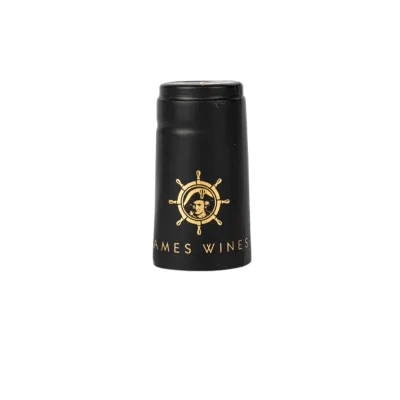


Premium Luxury Aluminum PVC Capsules Foil Wine for Champagne and Wine Bottles Capsules
$0.04 - $0.05
MOQ: 50000 Pieces
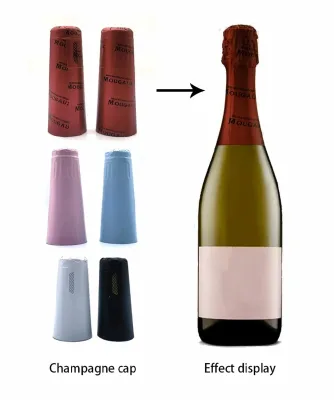
Comprehensive Sourcing Guide
Wine Bottle Aluminum Foil Capsule Sourcing Guide
Sourcing wine bottle aluminum foil capsules requires a disciplined approach to material integrity and dimensional precision. Buyers must prioritize suppliers who demonstrate consistent quality in foil thickness and coating adhesion, as these factors directly influence the seal’s ability to protect wine from oxidation and light exposure. The market offers various configurations, including flip-top and twist-off designs, each serving distinct consumer experience and functional needs. Understanding these variations is essential for aligning packaging with brand positioning and retail requirements.
Procurement teams should focus on verifying the specific alloy composition and laminate structure to ensure food-grade safety and mechanical durability. Aluminum foil capsules often utilize alloys like 8011, which provide excellent formability and barrier properties. Additionally, the presence of laminated materials or specific coatings can enhance moisture resistance and print quality. Buyers need to confirm that all materials in contact with the product meet stringent food safety standards, ensuring that no harmful substances migrate into the wine during storage or transportation.
Product Scope and Observed Listing Signals
The current market landscape for wine bottle aluminum foil capsules presents a diverse array of product types and specifications. Listings frequently highlight models such as TAK0375, TAK-139, and TAK-189, indicating a broad range of available designs. These products often feature customization options, allowing buyers to tailor the capsule to specific bottle neck dimensions and branding needs. The observed product types include flip-top caps and twist-off caps, catering to different opening mechanisms and consumer preferences in the wine industry.
Observed listing signals reveal significant variation in standard dimensions and material properties. Common standards include sizes like 27100mm, 105mm, 110mm, and 120mm, with some specific models adhering to 27110mm or 34*90mm configurations. Material specifications often cite aluminum foil, laminated materials, or AL/PE structures, with thicknesses ranging from 0.07mm to 20-40 microns. Buyers should note that while some listings mention specific models, the actual availability and pricing may vary, requiring direct verification with suppliers to ensure the product meets exact operational requirements.
Technical Specifications to Verify
Verifying technical specifications is critical to ensuring that the aluminum foil capsules perform as expected under various storage and handling conditions. Buyers must confirm the exact thickness of the foil, as variations can impact the capsule’s strength and sealing capability. Specifications such as 0.07mm thickness or 20-40 micron ranges are common, but deviations can lead to sealing failures or aesthetic issues. Additionally, the width and length of the material, such as 300mm-800mm widths or 100m lengths, should be verified to ensure compatibility with existing capping machinery and production lines.
The structural integrity of the capsule also depends on the alloy grade and any additional treatments applied. Alloys like 8011 are frequently used for their balance of strength and formability, while treatments such as coating can enhance durability and print quality. Buyers should also verify the core specifications, such as a 76mm paper core, which affects storage and handling efficiency. Furthermore, the single package size and gross weight, often listed as 18X12X8 cm and 1.000 kg respectively, are important for logistics planning and warehouse management, ensuring that the packaging does not incur unexpected shipping costs.
Compliance and Safety Documentation
Compliance with food safety regulations is non-negotiable when sourcing aluminum foil capsules for wine bottles. Buyers must ensure that all materials used in the capsule, including the foil, coatings, and any laminates, are certified as food-grade. This certification guarantees that the materials will not leach harmful substances into the wine, preserving its taste and safety. Documentation such as material safety data sheets (MSDS) and compliance certificates should be requested from suppliers to verify that the products meet international food safety standards.
In addition to material safety, buyers should verify that the manufacturing processes adhere to recognized quality management systems. While ISO 9001 is a common standard, its presence should be confirmed through valid certification documents rather than assumed. Suppliers should also provide evidence of eco-friendly practices, as many modern consumers and retailers prefer sustainable packaging solutions. Ensuring that the capsules are labeled as eco-friendly and food-grade helps brands align with corporate social responsibility goals and meet the increasing demand for environmentally conscious packaging in the wine industry.
Cost Drivers and Commercial Terms
Several factors influence the cost of aluminum foil capsules, including material prices, customization requirements, and order volume. The base cost of aluminum foil and any additional laminates or coatings contributes significantly to the final price. Customization, such as specific printing designs or unique dimensions, can increase costs due to the setup and production adjustments required. Buyers should also consider the minimum order quantity (MOQ), which typically ranges from 1000 to 100000 units, as larger orders often benefit from economies of scale, reducing the per-unit cost.
Commercial terms, including payment methods and lead times, play a crucial role in the overall procurement strategy. Buyers should negotiate clear terms regarding delivery schedules, especially when dealing with customized products that may have longer production cycles. Additionally, the packaging method, such as paper carton and pallet combinations, affects handling and storage costs. Understanding these cost drivers and commercial terms allows buyers to make informed decisions that balance quality, cost, and supply chain efficiency, ensuring that the procurement process supports the brand’s financial and operational goals.
Supplier Qualification and Quality Control
Qualifying suppliers for aluminum foil capsules involves a thorough assessment of their manufacturing capabilities and quality control processes. Buyers should verify the supplier’s production facilities, ensuring they have the necessary equipment to produce capsules with consistent thickness, coating, and dimensional accuracy. It is also important to check the supplier’s experience in the wine packaging industry, as familiarity with specific requirements can lead to better product performance and fewer defects. Requesting samples and conducting rigorous testing can help validate the supplier’s ability to meet quality standards.
Quality control measures should be clearly defined and agreed upon before placing orders. This includes specifications for incoming material inspections, in-process quality checks, and final product testing. Buyers should also establish protocols for handling non-conforming products, ensuring that any defects are addressed promptly and effectively. Additionally, suppliers should be willing to provide detailed reports on their quality control processes, including test results and certification documents. By implementing robust quality control measures, buyers can minimize the risk of supply chain disruptions and ensure that the aluminum foil capsules meet the highest standards of quality and safety.
Long-Term Procurement Checks
Long-term procurement of aluminum foil capsules requires ongoing monitoring and evaluation to ensure sustained quality and supply reliability. Buyers should regularly review supplier performance metrics, including delivery times, defect rates, and responsiveness to issues. Establishing a periodic review process helps identify potential problems early and allows for corrective actions to be taken before they impact production. Additionally, buyers should stay informed about changes in material costs and market trends, adjusting procurement strategies as needed to maintain cost efficiency and supply stability.
Continuous improvement initiatives should be encouraged through regular communication and collaboration with suppliers. Buyers can work with suppliers to explore new materials, designs, or technologies that may offer better performance or sustainability benefits. This collaborative approach fosters a strong partnership and ensures that both parties are aligned on quality and innovation goals. By maintaining a proactive approach to supplier management, buyers can secure a reliable supply of high-quality aluminum foil capsules that support their brand’s reputation and meet the evolving needs of the wine market.
FAQs
What materials are used for wine bottle aluminum foil capsules?
The capsules are made from aluminum foil, specifically alloy 8011, which ensures durability and a secure seal. Some products also utilize laminated materials or AL/PE combinations to enhance performance. These materials are selected to meet food-grade standards and provide effective protection for wine and champagne bottles during storage and transport.
Which customization options are available for these bottle caps?
Customization is available for logos, colors, and specific dimensions to meet unique branding needs. Buyers can request customized sizes ranging from 27mm to 34mm in width and various lengths. Flexo printing is offered for labeling, and soft temper aluminum allows for easy application on different bottle types without compromising the seal integrity.
How are the aluminum foil capsules packaged for shipping?
Products are typically packed in cartons, often combined with pallets for bulk industrial shipping. Single package sizes vary, with some rolls measuring 18x12x8 cm. The packaging ensures the capsules remain protected during transit, and the core is usually a 76mm paper core to maintain the roll structure for easy dispensing.
What are the standard dimensions for these wine bottle capsules?
Standard dimensions include widths of 27mm, 34mm, and lengths such as 100mm, 110mm, 120mm, or 90mm depending on the model. Specific models like TAK0375 and TAK-189 offer precise sizing to fit various bottle necks. Customized sizes are also available to accommodate unique bottle requirements or specific market standards.
Can I order small quantities of aluminum foil bottle capsules?
The minimum order quantity typically ranges from 1000 to 100000 units, depending on the supplier and specific product configuration. While some items are sold as single units for sampling, bulk orders are standard for commercial transactions. Buyers should verify specific MOQ requirements with manufacturers to ensure the order meets production thresholds.
Where are these wine bottle capsules manufactured?
These capsules are manufactured in China, with specific production locations noted in Hebei. The origin is consistently listed as China for most product models, ensuring a centralized supply chain. Buyers can expect products to originate from established manufacturing hubs within the region known for aluminum processing capabilities.
What features make these capsules suitable for wine bottles?
The capsules are designed with eco-friendly and food-grade features to ensure safety for wine and champagne. They offer a secure seal using twist-off or flip-top mechanisms to prevent leakage. The soft temper and specific thickness of 0.07mm or 20-40 microns allow for easy application while maintaining a professional appearance on the bottle.