Asphalt Waterproofing Aluminum Foil Suppliers and Manufacturers
Explore 22 verified suppliers offering Asphalt Waterproofing Aluminum Foil products from China Shandong. Compare response times, lead times, certifications like ISO and CE, and customization options to find the right partner. Contact suppliers directly to request samples and pricing details.
Updated
Suppliers List

Weifang Luyang Waterproof Material Co., Ltd
- Verified by TUVRHEINLAND
- Combined
- China Shandong
- Lead time15 days
- Avg. response≤ 4h
Main productsWaterproof Membrane, Waterproof Coating, Geotechnical Material, Bitumen Waterproof Membrane, Polyurethane Waterproof Coating, Tpo Waterproof Memrbane, Polyethylene Polypropylene Waterproof Membrane, Acrylic Waterproof Coating, HDPE Geomembrane, EPDM Waterproof Membrane
Main marketsSouth America,Southeast Asia/ Mideast,Europe,Australia,North America
Shouguang Lufeng Waterproof Materials Co., Ltd.
- Verified by SGS Group
- Manufacturer, Trading Company
- Lead time15 days
- Avg. response≤ 1h
Main productsWaterproof Tape, Waterpoof Coating, Waterproof Membrane, Waterproof Sheeting, Geotextile Membrane
Main marketsSoutheast Asia(30%), South Asia(15%), Domestic Market(15%)
Shandong Dingtai Waterproof Technology Co., Ltd.
- Verified by Intertek
- Trading Company
- Lead time15 days
- Avg. response≤ 2h
Main productsBitumen Waterproof Membrane, PP PE Composite Waterproof Membrane, TPO Waterproof Membrane, HDPE Geomembrane, Waterproof Coating
Main marketsSoutheast Asia(28%), North America(18%), South America(18%)

Shandong Mile Building Materials Co., Ltd.
- Trading Company
- China Shandong
- Lead time30 days
- Avg. response≤ 6h
Main productsSelf-Adhesive Bitumen Flashing Tape, Butyl Rubber Tape, PVC Swimming Pool Liner, PVC Roofing Membrane, HDPE Waterproofing Membrane, Tpo Waterproofing Membrane, EPDM Waterproofing Membrane, Film Materials
Main marketsSoutheast Asia/ Mideast,Europe,North America

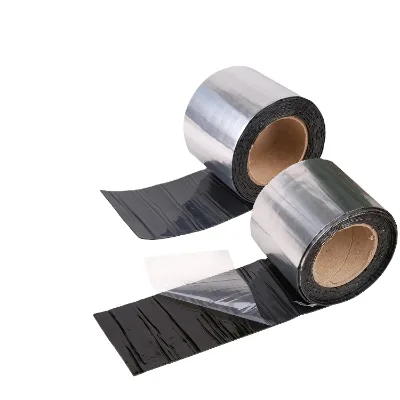
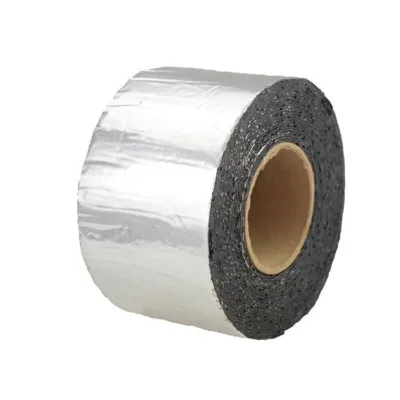
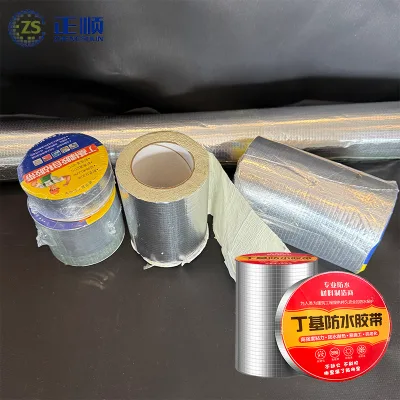
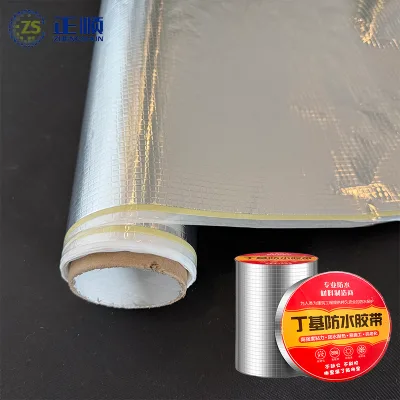
Customized Label Colors Aluminum Foil Asphalt Building Material Bitumen Waterproof Tape
$1.98 - $2.48
MOQ: 1000 Square Meters


Bitumen Asphalt Bitumous Repair Tape with Aluminum Foil for Window Door Pipe
$2.00 - $2.50
MOQ: 500 Rolls

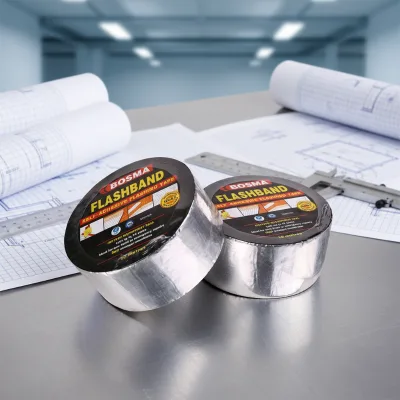
1.2mm Asphalt Repair Grey Aluminum Foil Bitumen Flashing Roller Sealing Tape
$2.20 - $3.60
MOQ: 500 Rolls

High Quality Modified Bitumen Waterproofing Tape Aluminum Foil Tape
$0.80 - $2.80
MOQ: 1000 Square Meters

Hubei Juyons Waterproof Materials Technology Co., Ltd.
- Verified by SGS
- Combined
- China Hubei
- Lead time23 days
- Avg. response≤ 1h
Main productsWaterproof Material, Waterproof Membrane, Waterproof Coating, Bitumen-Based Waterproofing Material, Polymer-Modified Bitumen Membrane, Polyurethane Waterproof Coating, Acrylic Waterproof Coating, HDPE Waterproof Membrane(with Sand), High Polymer Modified Asphalt Waterproof Coating
Main marketsDomestic
Hangzhou Budexon Building Materials Co., Ltd.
- Verified by TüVRheinland
- Trading Company
- Lead time15 days
- Avg. response≤ 2h
Main productsRoofing Tiles, Rain Gutters, Roofing Shingles, Nails, Waterproof
Main marketsSoutheast Asia(50%), Africa(20%), South America(10%)
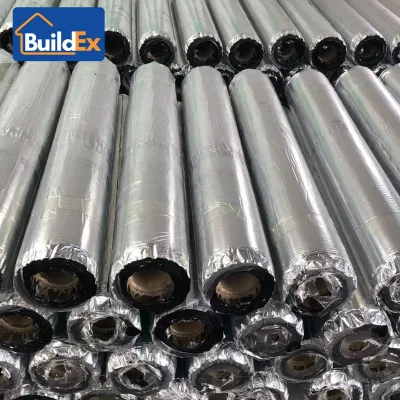
Superior Waterproofing Asphalt Bitumen Membrane Aluminum Foil Roofing Underlayment Membrane
$0.5662 - $0.8239
MOQ: 5 square

Guangdong Huolun Building Materials Technology Development Co., Ltd.
- Verified by TUVRHEINLAND
- Trading Company
- China Guangdong
- Lead time15 days
- Avg. response≤ 4h
Main productsWaterproof Coating, Waterproof Materials, Rubber Waterproof Coating, K11 Universal Waterproof Coating, High Elastic and Flexible Waterproof Coating, Polyurethane Waterproof Coating, Waterproof Membrane, High Elastic Anti-Cracking Coating, Nano-Permeable Waterproofing Agent, Kitchen and Bathroom Waterproof Coating
Main marketsDomestic


Aluminum Foil Self Adhesive Waterproof Roof Membrane Easy Apply for Construction
$1.00
MOQ: 10000 Rolls

- Verified by BV
- Trading Company
- China Shandong
- Lead time15 days
- Avg. response≤ 5h
Main productsPVC Waterproof Membrane, EPDM Waterproof Membrane, Bitumen Waterproof Membrane, Tpo Waterproof Membrane, Waterproof Coating, Roof Shingles, High-Polymer HDPE Membrane, HDPE Geomembrane, Non-Woven Geotextile, Prefabricated Objects & Metal Fasteners
Main marketsSoutheast Asia/ Mideast

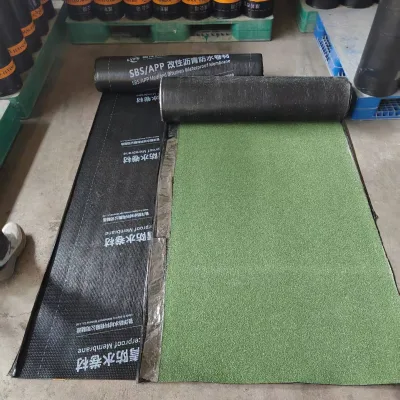
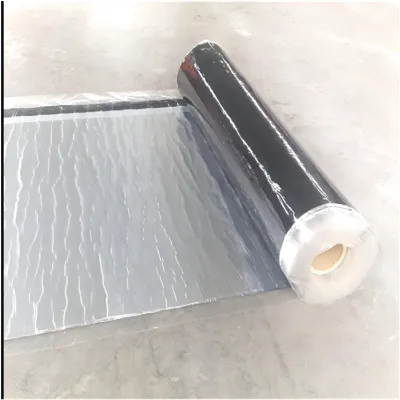
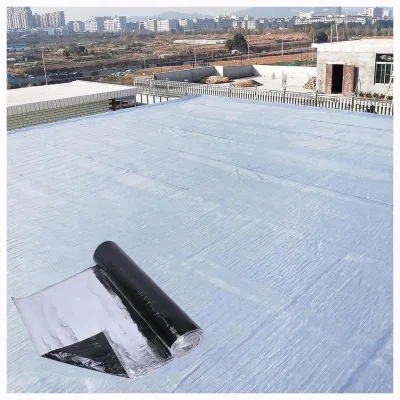
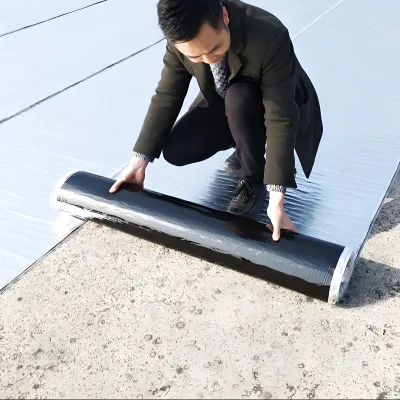
3mm Self-Adhesive Bitumen Waterproof Membrane with Aluminum Foil
$1.50 - $5.00
MOQ: 1000 Square Meters

3mm 4mm Aluminum Foil Roofing Waterproof Material Torch APP Bitumen Waterproof Membrane
$1.50 - $5.00
MOQ: 1000 Square Meters


High Quality Aluminium Foil Torch-on Bitumen Waterproofing Membrane for Roof
$1.50 - $5.00
MOQ: 1000 Square Meters
Weifang Boguan Waterproof Materials Co., Ltd.
- Verified by Intertek
- Manufacturer, Trading Company
- Lead time30 days
- Avg. response≤ 3h
Main productsSelf Adhesive Membrane, Bitumen Tape, SBS/APP Torched Waterproof Membrane, Butyl Tape, Hatch Cover Tape
Main marketsDomestic Market(40%), Southeast Asia(12%), Africa(12%)
Weifang Hongxin Waterproof Material Co., Ltd.
- Verified by SGS Group
- Manufacturer, Trading Company
- Lead time15 days
- Avg. response≤ 2h
Main productsWaterproof Membrane, Waterproof Coating, Waterproof Tape, Silicone Sealant, MS Sealant
Main marketsDomestic Market(50%), Southeast Asia(20%), North America(5%)
Dongying Zhengyu Waterproof Technology Co., Ltd.
- Verified by SGS Group
- Manufacturer, Trading Company
- Lead time10 days
- Avg. response≤ 2h
Main productsSBS Elastomer Modified Asphalt Waterproofing Membrane, Self-adhesive Polymer Modified Bitumen Waterproof Roll, Thermoplastic Polyolefin TPO Waterproofing Membrane, PE-PP Waterproof Roll, Water-based Waterproof Coatings
Main marketsSoutheast Asia(30%), North America(15%), South America(15%)
Weifang Luyang Waterproof Material Co., Ltd.
- Verified by TüVRheinland
- Manufacturer, Trading Company
- Lead time7 days
- Avg. response≤ 2h
Main productsBitumen Waterproof Membrane, High Polymer Waterproof Membrane, Waterpoof Coating
Main marketsNorth America(20%), Southeast Asia(20%), Eastern Europe(10%)
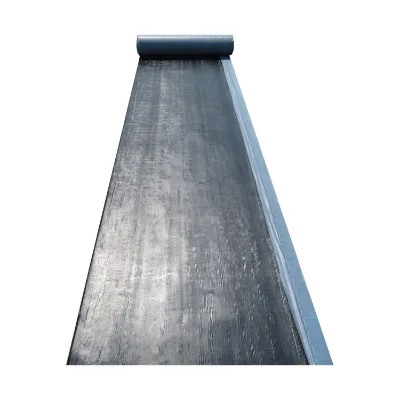
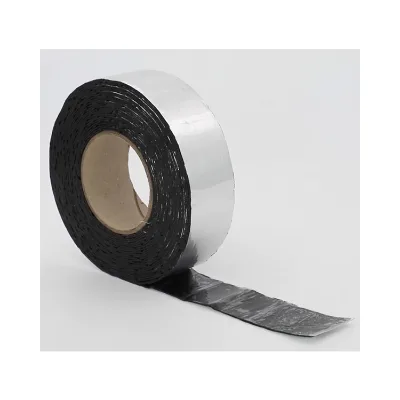
Outdoor Bitumen Adhesive Roll Membrane 3mm Thick Asphalt Waterproof Material
$1.35 - $4.95
MOQ: 500 Minimum
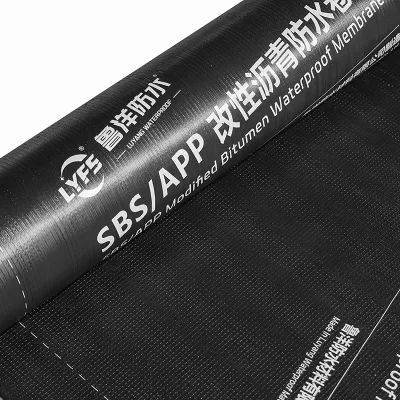
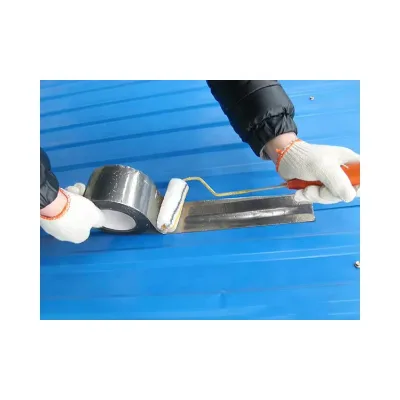
$0.4629 - $5.9006
MOQ: 10 Minimum
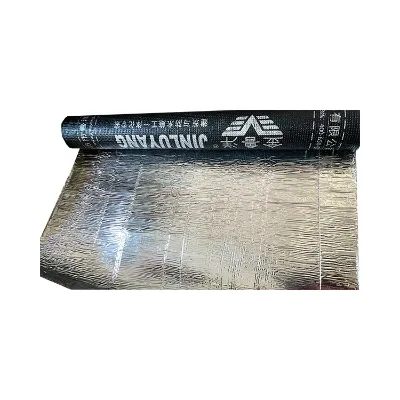
$1.4381 - $3.715
MOQ: 200 Minimum
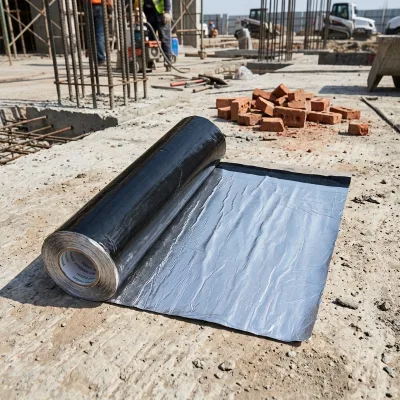
$0.3595 - $7.5424
MOQ: 5 Minimum
Jiangxi Qimai Import And Export Trading Co., Ltd.
- Verified by Intertek
- Manufacturer, Trading Company
- Lead time7 days
- Avg. response≤ 1h
Main productsWaterproofing Materials
Main marketsDomestic Market(60%), Africa(20%), North America(15%)

Shandong Shuangyuan Sealing Technology Co., Ltd.
- Combined
- China Shandong
- Lead time15 days
- Avg. response≤ 7h
Main productsButyl Tape, Car Sound Deadening Mats, Butyl Sealant, Butyl Strips, Waterproofing Butyl Rolls, Butyl Products, Sound Damping Mats, Sound Deadening, Aluminum Foil Butyl Tape, Butyl Rubber Tape
Main marketsSouth America,Africa,Southeast Asia/ Mideast,East Asia(Japan/ South Korea),Domestic,Europe,Australia,North America


Outdoor UV Resistant Aluminum Foil Waterproof Butyl Waterproof Sealing Tapes
$2.20 - $3.19
MOQ: 200 Rolls


Roof Repair Sealant Sealing Rubber Aluminum Foil Butyl Waterproof Tape
$2.45 - $4.50
MOQ: 500 Square Meters

Zhejiang Rongping Building Materials Technology Co., Ltd.
- Verified by SGS
- Combined
- China Zhejiang
- Lead time30 days
- Avg. response≤ 4h
Main productsRoofing Shingle, Roof Tile, Rain Gutter
Main marketsDomestic


$1.10 - $1.30
MOQ: 10 Rolls
Shandong Antai Sealing Technology Co., Ltd.
- Verified by SGS Group
- Manufacturer, Trading Company
- Lead time10 days
- Avg. response≤ 1h
Main productsButyl Tape, Aluminum foil tape, Damping sheet, Butyl sealant rubber tape
Main marketsSouth Asia(60%), Southeast Asia(10%), Eastern Asia(10%)
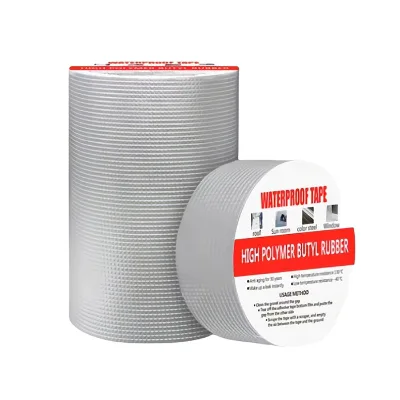
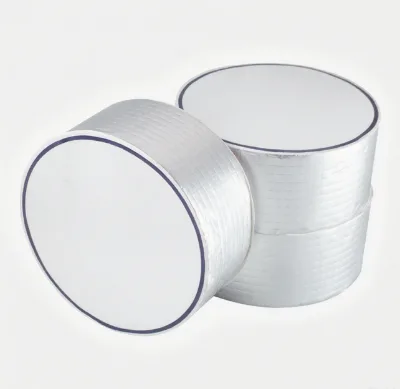
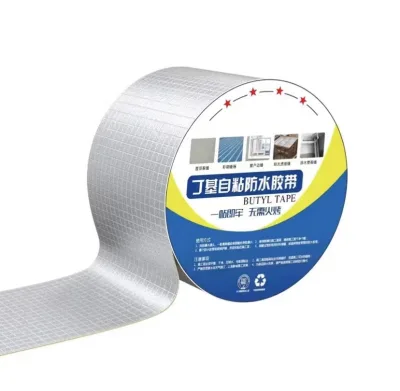
Oil-Resistant Aluminum Foil Butyl Tape Outdoor Roof Sealing Sun-Proof Anti-Aging Easy to Apply
$0.62 - $0.72
MOQ: 100 rolls

Xingshidun New Material Co., Ltd.
- Trading Company,Manufacturer/Factory
- China Hebei
- Lead time15 days
- Avg. response≤ 2h
Main productsWaterproof Membrane, EPDM Membrane, Tpo Membrane, PVC Membrane, HDPE Membrane, Non-Asphalt Waterproof Membrane, Construction Waterproofing, Building Material, Roofing Sheet, Self Adhesive Butyl Tape
Main marketsSouth America,Eastern Europe,Mid East,North America,Southeast Asia,Eastern Asia,Oceania,Western Europe,Africa

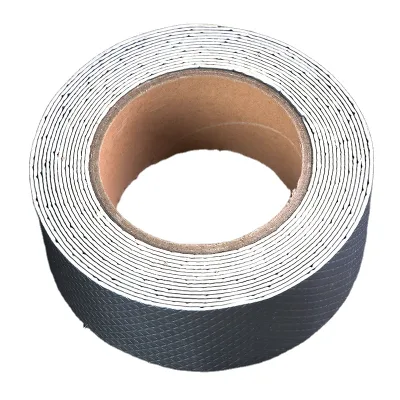
$1.43 - $1.47
MOQ: 500 Rolls


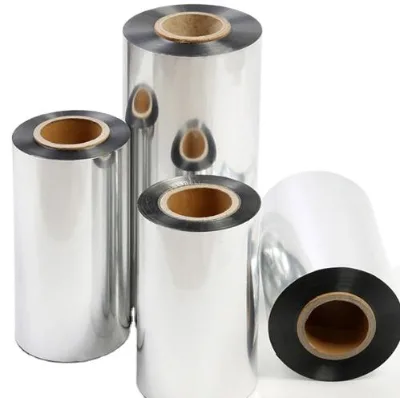
Hebei Shungui Aluminum Foil Composite Material Co., Ltd.
- Manufacturer, Trading Company
- Hebei, China
- Lead time0 days
- Avg. response≤ 4h
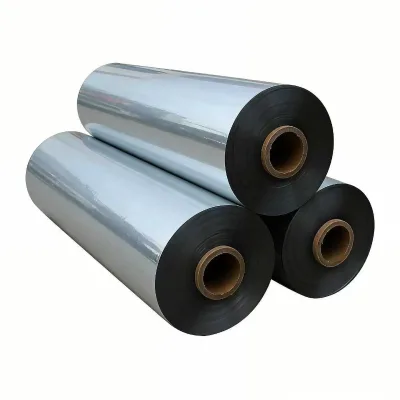
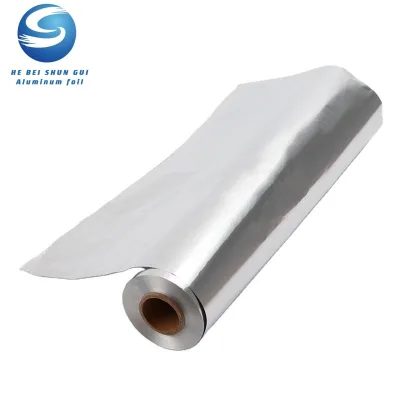
Main productsAluminum-plastic waterproof material,Aluminum-plastic flexible duct material,Aluminum-plastic cable Myra,Aluminum-plastic packaging materials,Aluminum plastic tape material
Main marketsDomestic Market(30.00%), Southeast Asia(30.00%), Western Europe(20.00%), Eastern Asia(10.00%), North America(10.00%)
$1.3422 - $1.7557
MOQ: 1000 Minimum
Hebei Chenyu Waterproof Building Materials Co., Ltd.
- Verified by SGS Group
- Manufacturer, Trading Company
- Lead time15 days
- Avg. response≤ 1h
Main productsLiquid Waterproof Membrane, SBS Modified Bitumen Waterproof Membrane, Polyurethane Waterproof Coating
Main marketsDomestic Market(70%), North America(10%), Southeast Asia(10%)

HUNAN PROVINCE AND NEW MATERIAL CO., LTD.
- Verified by BV
- Combined
- China Hunan
- Lead time15 days
- Avg. response≤ 2h
Main productsDouble Sided Acrylic Tape, Double Sided PE/EVA Foam Tape, Double Sided Tissue Tape, Nano Reusable Tape, Anti Slip Tape, Waterproof Tape, Heat Resistant Tape, Electrical Insulation Tape
Main marketsSoutheast Asia/ Mideast,Europe,North America


Aluminum Foil Butyl Waterproof Tape Rubber Sealing Repair Roof Tape Waterproofing Roofing Tape
$3.882 - $4.082
MOQ: 300 Pieces


Aluminum Foil Butyl Rubber Tape High Resistance Waterproof for Roof Pipe Repair
$0.97 - $1.17
MOQ: 500 Pieces

High Quality Aluminum Foil Butyl Rubber Waterproof Tape for Sealing Repair Roof
$1.863 - $2.063
MOQ: 300 Pieces

High-Quality Aluminum Foil Butyl Rubber Waterproof Sealing Repair Roof Tape
$7.764 - $7.964
MOQ: 300 Pieces

Ningbo Honest Energy Co., Ltd.
- Manufacturer/Factory,Group Corporation
- China Zhejiang
- Lead time15 days
- Avg. response≤ 9h
Main productsPVC Tape, Self Amalgamating Tape, Self Fusing Silicone Tape, Butyl Tape, Cloth Duct Tape, Anti-Slip Tape, BOPP Packing Tape, Aluminum Foil Tape, Masking Tape, PE Warning Tape
Main marketsSouth America,Eastern Europe,Mid East,North America,Southeast Asia,Eastern Asia,Oceania,Western Europe,Africa
Hongfu Adhesive Products Co., Limited
- Trading Company
- Hong Kong S.A.R.
- Lead time7 days
- Avg. response≤ 4h
Main productswaterproof tape,butyl tape,nano tape,duct tape,anti slip tape
Main marketsEastern Europe(20.00%), North America(20.00%), Southeast Asia(20.00%), Western Europe(15.00%), Northern Europe(10.00%), Southern Europe(5.00%), South America(5.00%), Eastern Asia(5.00%)






Comprehensive Sourcing Guide
Asphalt Waterproofing Aluminum Foil Supplier Concentration and Factory Types
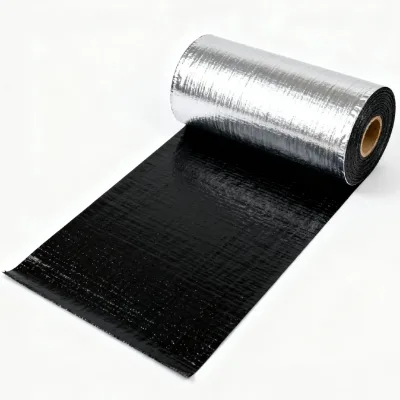
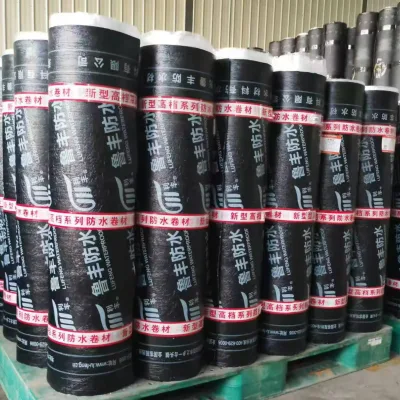
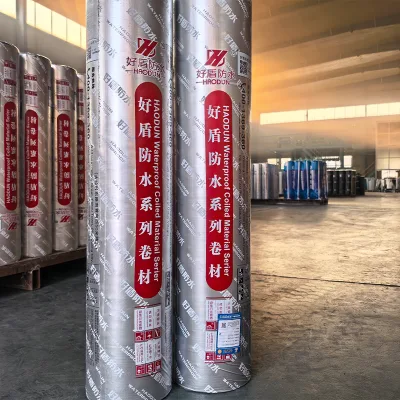
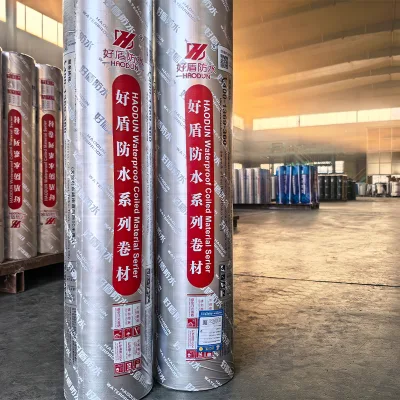
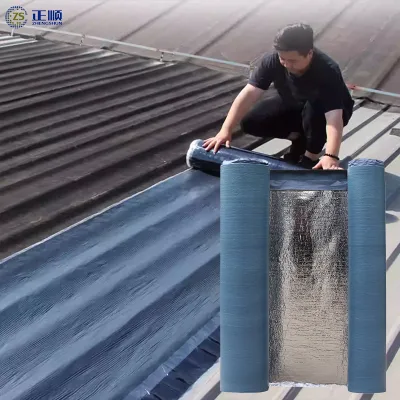
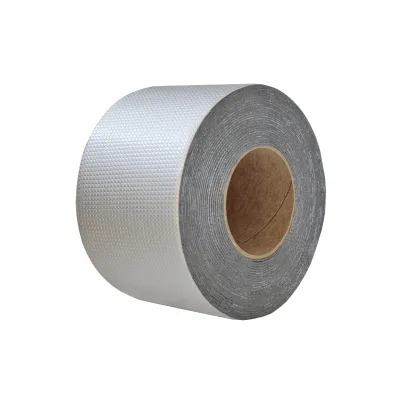
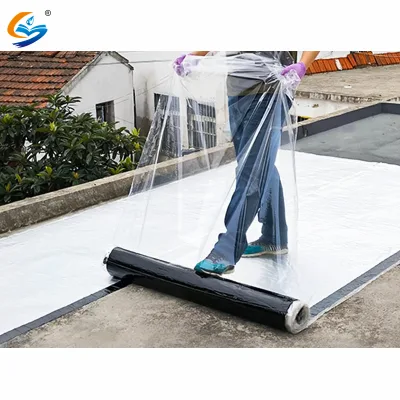
The current supplier landscape for Asphalt Waterproofing Aluminum Foil products reveals a distinct concentration of manufacturing and trading entities within specific industrial regions. Evidence indicates that a significant portion of these suppliers are located in China, with Shandong province emerging as a notable hub for this specialized construction material. This geographic clustering suggests a mature supply chain ecosystem where raw material access, such as bitumen and aluminum film, is readily available to support large-scale production. Buyers evaluating potential partners should recognize that this regional density often correlates with competitive pricing and established logistical networks, though it also necessitates careful due diligence to distinguish between genuine manufacturing capabilities and mere trading operations. The presence of both manufacturers and trading companies in the results highlights the diversity of business models available to international purchasers.
Understanding the company type is crucial for aligning procurement strategies with operational needs. The observed supplier base includes combined entities, pure manufacturers, and trading companies, each offering different value propositions. Manufacturers typically provide direct control over production processes, enabling customization of thickness, width, and surface treatments like aluminum film or PE film. Trading companies, on the other hand, may offer a broader portfolio of complementary waterproofing materials, such as geotextiles or coatings, simplifying consolidated sourcing. However, trading entities might introduce additional layers in the supply chain, potentially affecting lead times and price transparency. Buyers must assess whether their priority lies in direct factory engagement for bespoke specifications or in the convenience of a single-point procurement solution for diverse building material needs. This distinction directly impacts negotiation leverage and long-term partnership stability.
How to Verify Asphalt Waterproofing Aluminum Foil Suppliers
Verification of supplier credentials is a critical step in mitigating risk when sourcing Asphalt Waterproofing Aluminum Foil products. The available data indicates that several suppliers hold third-party verification badges from recognized inspection bodies, including TÜV Rheinland, SGS Group, and Intertek. These verifications serve as initial indicators of operational legitimacy and adherence to certain quality management standards. However, buyers should not rely solely on these badges as a guarantee of product performance or financial stability. It is essential to cross-reference these claims with the supplier’s actual production capacity and historical performance records. The presence of a verification badge confirms that the entity has undergone some level of scrutiny, but it does not automatically validate the technical specifications of every product they list, such as the self-adhesive bitumen tape or SBS modified membranes.
Beyond verification badges, buyers must scrutinize the specific certifications claimed by the supplier. The results show that many suppliers possess ISO 9001:2015 and ISO 14001:2015 certificates, which relate to quality management and environmental management systems, respectively. Some also claim CE certification, which is often required for products sold in European markets. Buyers should request copies of these certificates and verify their validity through the issuing bodies. Additionally, the presence of OEM and ODM capabilities suggests that the supplier can accommodate custom branding and specification changes. It is advisable to ask for recent test reports from independent laboratories that specifically address the performance of aluminum foil-faced bitumen tapes, including adhesion strength, tensile strength, and low-temperature flexibility. These technical documents provide concrete evidence of product quality that goes beyond general company certifications.
What to Compare Across Asphalt Waterproofing Aluminum Foil Suppliers
When evaluating multiple suppliers, buyers should systematically compare key operational metrics to identify the most suitable partner for their specific requirements. Response time is a significant indicator of supplier efficiency and customer service quality. The observed data shows response times ranging from one to approximately three days, with some suppliers demonstrating faster turnaround capabilities. A quicker response time often correlates with better communication throughout the order lifecycle, reducing the risk of misunderstandings regarding technical specifications or delivery schedules. Buyers should prioritize suppliers who demonstrate consistent and rapid communication, as this can be a proxy for their overall organizational responsiveness and commitment to client satisfaction.
Lead time and minimum order quantity (MOQ) are equally critical factors in supply chain planning. The data indicates a lead time of around fifteen days for certain products, which is a standard benchmark for manufacturing cycles. However, buyers must confirm if this lead time applies to stock items or customized orders, as OEM requests may extend production schedules. The MOQs observed start at five hundred units, which is relatively accessible for small to medium-sized projects but may require careful inventory management for larger operations. Additionally, price ranges vary, with some products listed between $1.89 and $4.00 per unit. Buyers should compare these prices against the specific thickness, width, and material composition of the aluminum foil tape to ensure accurate cost comparisons. It is also important to assess the warranty terms, with some suppliers offering five-year warranties, which reflects confidence in product durability and longevity.
Common Asphalt Waterproofing Aluminum Foil Sourcing Risks
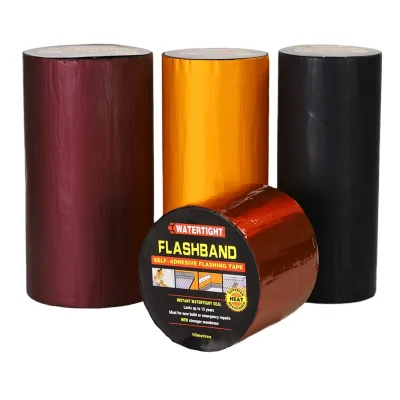
One of the primary risks in sourcing Asphalt Waterproofing Aluminum Foil products is the potential discrepancy between claimed specifications and actual product performance. The market offers a wide variety of products, including self-adhesive bitumen tapes, SBS modified membranes, and APP-modified rolls, each with different technical properties. Buyers must be vigilant about verifying the exact material composition, such as the thickness of the bitumen layer and the quality of the aluminum foil surface. Some products may claim high UV resistance or cold resistance, but without independent test data, these claims remain unverified. There is a risk that lower-cost suppliers may use inferior grade bitumen or thinner aluminum layers, which could compromise the waterproofing integrity of the final installation, leading to costly repairs and project delays.
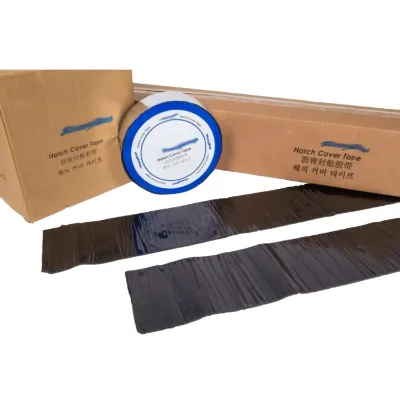
Another significant risk involves the reliability of after-sales support and warranty fulfillment. While many suppliers advertise online technical support and multi-year warranties, the practical enforcement of these commitments can vary. Buyers should assess the supplier’s track record in handling claims and providing technical assistance during installation. The absence of a physical presence in the buyer’s country may complicate dispute resolution and warranty claims. Furthermore, the diversity of product types, from roofing membranes to container box sealing tapes, means that a supplier’s expertise in one area may not translate to another. Buyers should ensure that the supplier has specific experience with the exact product type they intend to purchase, rather than relying on general waterproofing capabilities. This specificity is crucial for ensuring that the product meets the unique demands of the application, whether it is for building roofs, underground structures, or industrial containers.
Asphalt Waterproofing Aluminum Foil Regional Sourcing and Logistics
The geographic concentration of suppliers in regions like Shandong, China, offers logistical advantages but also presents specific challenges for international buyers. Proximity to major ports and industrial infrastructure in this region can facilitate efficient export processes, potentially reducing shipping costs and transit times. However, buyers must account for the variability in logistics performance among different suppliers. Some suppliers may have established relationships with freight forwarders, ensuring smoother customs clearance and timely delivery. Others may lack such infrastructure, leading to delays and additional handling fees. Buyers should inquire about the supplier’s experience with international shipping and their ability to handle documentation required for import regulations in the destination country.
Logistics planning must also consider the physical characteristics of the products, such as weight and volume. Asphalt Waterproofing Aluminum Foil tapes and membranes are typically supplied in rolls, which can be heavy and bulky. The observed product attributes indicate various roll lengths and widths, which impact packaging efficiency and container utilization. Buyers should work with suppliers to optimize packaging, such as palletizing, to minimize damage during transit and maximize space in shipping containers. Additionally, the choice of Incoterms will significantly influence risk allocation and cost responsibility. Buyers should clearly define whether they are responsible for inland transportation, insurance, and import duties, or if the supplier will handle these aspects. Understanding the logistical nuances of sourcing from specific regions helps in creating a more accurate total landed cost estimate and ensures a smoother supply chain operation.
Asphalt Waterproofing Aluminum Foil Commercial Terms and Order Planning
Effective order planning requires a thorough understanding of the commercial terms offered by suppliers, including payment structures, pricing tiers, and customization policies. The data shows that customization is available for many products, allowing buyers to specify width, thickness, and surface materials. However, customization often comes with higher MOQs and longer lead times. Buyers should negotiate clear terms for custom orders, including sample approval processes and quality control checkpoints before mass production. It is also important to clarify the pricing structure, as prices may vary based on order volume and specific material grades. Some suppliers list price ranges, but the final price should be confirmed based on the exact specifications and quantity of the order.
Payment terms are another critical aspect of commercial negotiation. Buyers should seek favorable payment conditions, such as partial upfront payment with the balance due upon shipment or against copy of shipping documents. Escrow services can provide an additional layer of security, ensuring that funds are released only when the buyer confirms receipt and quality of the goods. Buyers should also establish clear communication channels for order tracking and issue resolution. Given the technical nature of asphalt waterproofing products, maintaining a detailed record of all specifications, agreements, and correspondence is essential. This documentation serves as a reference in case of disputes or quality issues. By carefully planning commercial terms and maintaining rigorous order management, buyers can mitigate financial risks and ensure a successful sourcing experience for Asphalt Waterproofing Aluminum Foil products.
FAQs
What certifications do Asphalt Waterproofing Aluminum Foil suppliers hold?
Suppliers typically hold ISO 9001, ISO 14001, and CE certifications. These credentials verify adherence to international quality and environmental standards. Some providers also display verification badges from recognized third-party inspection groups. Buyers should confirm specific certificate validity before placing orders to ensure compliance with local building codes.
What is the typical lead time for these products?
Standard lead times generally range around 15 days for production and delivery. This duration allows for manufacturing, quality control, and logistics preparation. Expedited shipping options may be available for urgent projects. Buyers should confirm exact timelines with suppliers, as lead times can vary based on order volume and current production schedules.
What is the minimum order quantity for these tapes?
The minimum order quantity is typically set at 500 units. This threshold ensures efficient production runs and cost-effective pricing for buyers. Smaller sample orders may be available for quality testing purposes. Bulk purchases often qualify for better pricing tiers and more flexible shipping arrangements.
How quickly do suppliers respond to inquiries?
Response times are generally fast, averaging around one to three days. Many suppliers prioritize quick communication to facilitate efficient sourcing processes. Prompt responses help buyers clarify specifications and negotiate terms effectively. Buyers should expect timely replies during standard business hours to maintain project momentum.
Where are these waterproofing materials manufactured?
Most products originate from Shandong, China, a major manufacturing hub for construction materials. This region offers established supply chains and competitive production capabilities. Buyers can verify specific factory locations to assess logistics costs. Sourcing from this area often provides access to a wide variety of waterproofing solutions.
What thickness options are available for these membranes?
Common thickness options include 1.0mm, 1.2mm, 1.5mm, 2.0mm, 3.0mm, and 4.0mm. Thicker membranes generally offer enhanced durability and water resistance for demanding applications. Buyers should select thickness based on specific project requirements and local building codes. Custom thicknesses may be available upon request for specialized needs.
What warranty periods are offered for these products?
Warranty periods typically range from five years to more than five years. This coverage protects buyers against material defects and performance issues. Specific warranty terms vary by supplier and product type. Buyers should review warranty conditions carefully to understand coverage limits and claim procedures.