2025 Euro 5 Hybrid SUV Suppliers and Manufacturers
Find 28 verified suppliers offering 2025 Euro 5 Hybrid SUV options with clear lead times, response rates, and certifications. Compare locations in China, pricing, and product specs to source vehicles efficiently; review the available evidence before requesting comparable quotations from suitable candidates.
Updated
Suppliers List

Yufeng Auto Technology (Shanghai) Co., Ltd.
- Verified by SGS
- Manufacturer/Factory
- China Shanghai
- Lead time15 days
- Avg. response≤ 9h
Main productsEV Car, SUV, Mini Car, Car, Truck, Auto Parts
Main marketsSouth America,Mid East,Southeast Asia,Africa

Handan Zhaoqin Technology Co., Ltd.
- Verified by CTI
- Trading Company
- China Hebei
- Lead time30 days
- Avg. response≤ 7h
Main marketsAfrica,Southeast Asia/ Mideast

Qingdao Yuanhe Chelian New Energy Vehicle Service Co., Ltd.
- Verified by SGS
- Trading Company
- China Shandong
- Lead time30 days
- Avg. response≤ 5h
Main productsAuto Parts, Byd Electrical Car, Mercedes Smart #1 Electric Car, Byd Qin Electric Car, Byd Haiyang Song, Byd Dolphin Electric Car, Byd Han Electric Car, Byd Seal Electric Car, Byd E5 Electric Car, Xpeng Electric Car
Main marketsSouth America,Southeast Asia/ Mideast,Domestic
Changsha Chejuhui Automobile Trading Co., Ltd.
- Trading Company
- Hunan, China
- Lead time20 days
- Avg. response≤ 8h
Main productsNew Energy Vehicle,Fuel Vehicle,Van,Used Car,Pick-up
Main marketsMid East(40.00%), Domestic Market(30.00%), Africa(20.00%), South America(10.00%)
Jinan Runyuan Automobile Sales Co., Ltd.
- Trading Company
- Lead time旺季: "1 - 3":30,"4 - 5":40,"6 - 10":50,"> 10":"To be negotiated", 淡季: "1 - 3":30,"4 - 5":40,"6 - 10":50,"> 10":"To be negotiated"
- Avg. response≤ 1h
Main productsCargo Trucks, Dump Trucks, Refrigerator Trucks, New Energy Vehicle

Shanghai Kiwi Auto Sales and Service Co., Ltd
- Verified by SGS
- Trading Company
- China Shanghai
- Lead time30 days
- Avg. response≤ 3h
Main productsElectric Vehicle, Gasoline Car, EV Car, Auto Car, Van, SUV, Pickup, Mini Car, Vehicle Car
Main marketsSouth America,Africa,Southeast Asia/ Mideast,Europe

$21000.00 - $25000.00
MOQ: 1 Pieces

$20000.00 - $22000.00
MOQ: 1 Pieces

Shandong Chengda Machinery Co., Ltd.
- Verified by TUVRHEINLAND
- Manufacturer/Factory
- China Shandong
- Lead time45 days
- Avg. response≤ 4h
Main productsOil Tank Semi Trailer, Dump Semi Trailer, Lowbed Semi Trailer, Cement Semi Trailer, Fence Semi Trailer, Container Skeleton Trailer, Flatbed Semi Trailer, Side Dump Semi Trailer, Dump Truck, Tractor Truck
Main marketsSouth America,Mid East,Southeast Asia,Eastern Asia,Oceania,Africa

2025 Luxurious Left-Hand Drive Leading Ideal L7 Hybrid Electric Vehicle
$37200.00 - $37600.00
MOQ: 1 Pieces

2025 Leopard 8 Plug in Hybrid SUV off Road VIP Flagship 6 Seats 7 Seats
$43200.00 - $44200.00
MOQ: 1 Pieces
Chongqing Lanlan Automobile Sales Co., Ltd.
- Verified by Intertek
- Trading Company
- Lead time0 days
- Avg. response≤ 7h
Main productsUsed Cars, Used New Energy Vehicles
Main marketsDomestic Market(80%), Eastern Europe(10%), Mid East(10%)
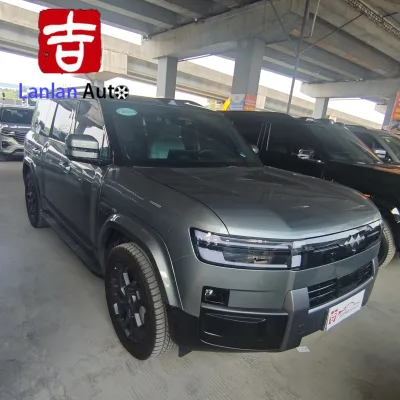
2025 Used Hybrid SUV Automatic Turbo Ti 7 Euro VI R20 Aluminium Alloy
$26000.00 - $28000.00
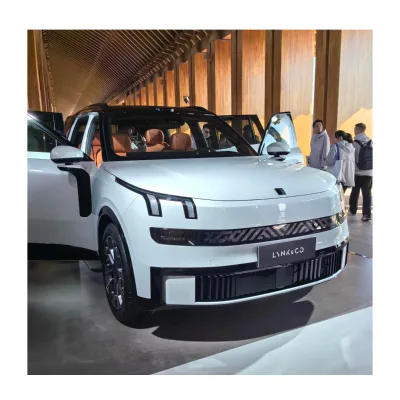
Lynk & Co 900 2025 Plug-in Hybrid SUV 5-door 6-Seater Electric
$38000.00 - $48000.00
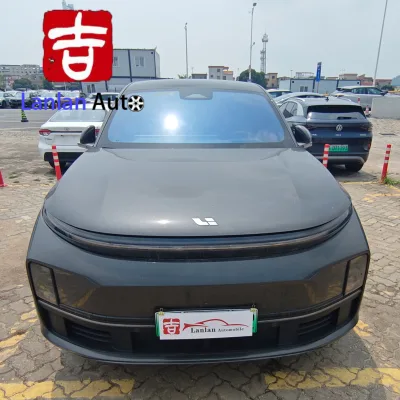
Ideal Used L7 2025 Hybrid SUV Turbo Automatic R21 Dark Seats LED Lights
$27888.00 - $30000.00
Tianjin Yijie Automobile Sales Co., Ltd.
- Trading Company
- Lead time旺季: "1 - 1":7,"> 1":"To be negotiated", 淡季: "1 - 1":7,"> 1":"To be negotiated"
- Avg. response≤ 2h
Main productsNew Energy Vehicles, New Cars, Used Cars
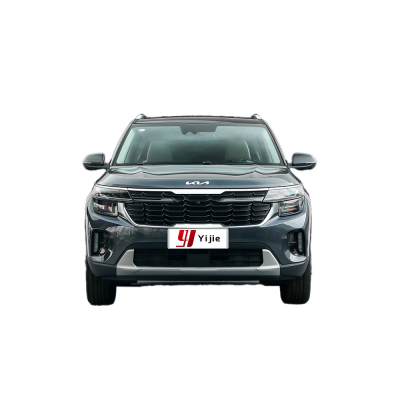
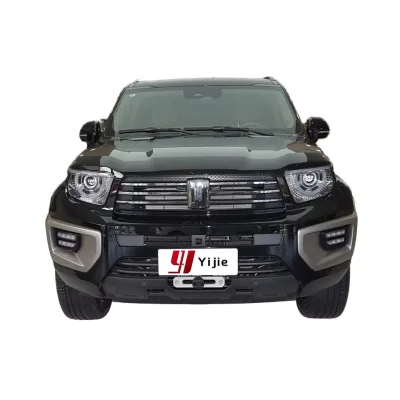
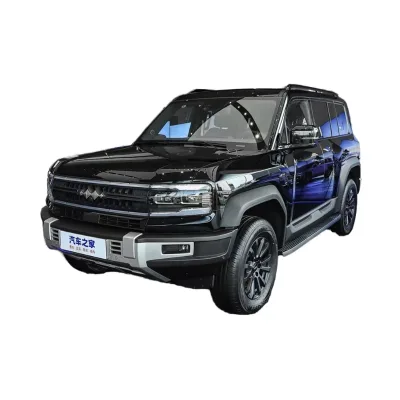
$34000.00 - $35500.00
MOQ: 1 pieces
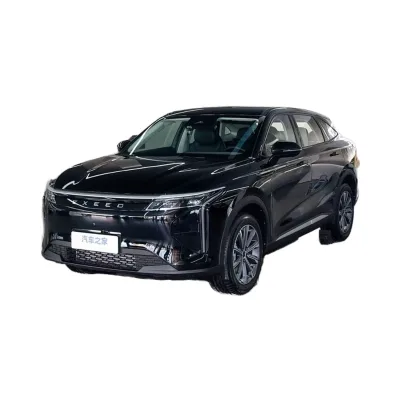
2025 New Product New Energy Vehicle Midsize SUV EXEED Stellar C-DM 2025
$22000.00 - $23500.00
MOQ: 1 pieces
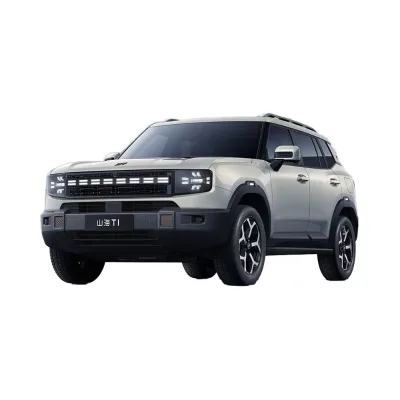
Hot Sale Ready to Ship New Energy Vehicle Compact SUV JETOUR T1 2025 150km
$22000.00 - $23500.00
MOQ: 1 pieces
Qingdao Csd Auto And Equipment Co., Ltd.
- Manufacturer, Trading Company
- Lead time旺季: "1 - 1":5,"2 - 10":7,"11 - 20":15,"> 20":"To be negotiated", 淡季: "1 - 1":5,"2 - 10":7,"11 - 20":15,"> 20":"To be negotiated"
- Avg. response≤ 3h
Main productsNew Energy Vehicle, Pickup Truck, Light Truck, Heavy Truck, Semi Trailer
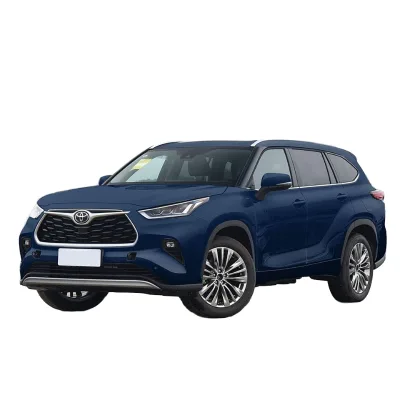
2025 Highlander Hybrid HEV SUV High Quality at the Lowest Price for North America
$13879.8538 - $14702.3637
MOQ: 1 units
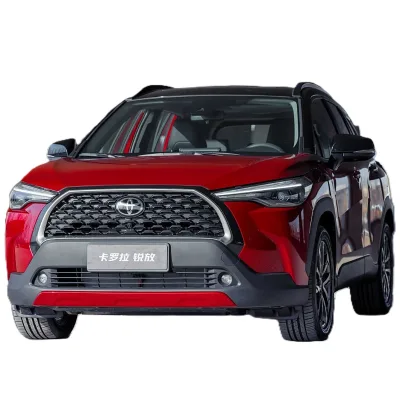
Cross 5-door 5-seat Compact SUV 2024 Model 2.0L New Car Hybrid High Power High Mileage
$18600.00 - $20000.00
MOQ: 1 units
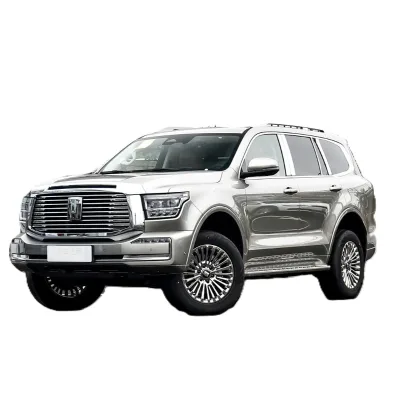
Tank 500 New Energy 2025 5-seat Bookable Mid-size SUV Plug-in Hybrid New Energy Car for Sale
$46595.4817 - $47004.214
MOQ: 1 sets
$29700.00 - $30000.00
MOQ: 1 units
$36172.8082 - $36479.3574
MOQ: 1 units

$24469.6682 - $24880.9231
MOQ: 1 units
Jinan Kalechi Automobile Service Co., Ltd.
- Trading Company
- Shandong, China
- Lead time0 days
- Avg. response≤ 9h
Main productsUsed car export,Car washing service,Import and export of goods,Car trailer
Main marketsAfrica(30.00%), Southeast Asia(20.00%), Domestic Market(10.00%), Southern Europe(10.00%), Central America(10.00%), Western Europe(10.00%), Eastern Europe(10.00%)

Dongfeng Liuzhou Motor Co., Ltd.
- Verified by SGS
- Combined
- China Guangxi
- Lead time30 days
- Avg. response≤ 3h
Main productsCars Engines and Auto Parts
Main marketsSouth America,Others(foreignTradeCapacity.exportBusinessCapacityMarketOther),North America

Factory Price SUV Euro VI B Hybrid Electric Vehicles with 5 Luxury Seats
$16100.00 - $17100.00
MOQ: 3 units


Guangzhou Anhua Auto-Trading Co., Ltd.
- Verified by SGS
- Trading Company
- China Guangdong
- Lead time15 days
- Avg. response≤ 5h
Main productsCar, Used Car, Electric Car, Gasoline Car, Hybrid Electric Vehicle
Main marketsDomestic


High-Performance off-Roader, Efficient Tank 400 Plug-in Hybrid SUV Car
$26500.00 - $27100.00
MOQ: 1 Pieces

Fujian Century Sea Group Co., Ltd.
- Verified by SGS Group
- Trading Company
- Lead time10 days
- Avg. response≤ 6h
Main productsNew Cars, Used Cars, Cold Room, Ice Machine, Solar Cold Room
Main marketsSouth America(50%), Africa(20%), Southeast Asia(20%)
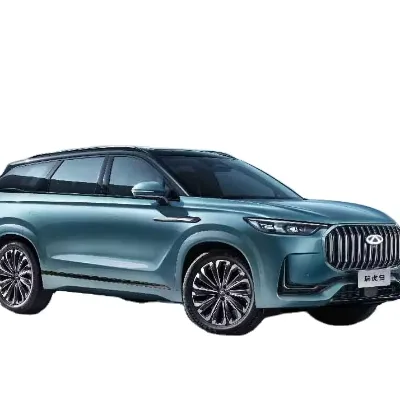
2026 Plug-in Hybrid Compact SUV 220km EV Range Automatic Turbo R17 5-Seat LHD Export
$10589.00 - $12589.00
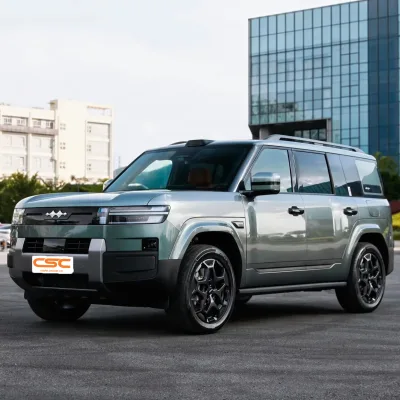
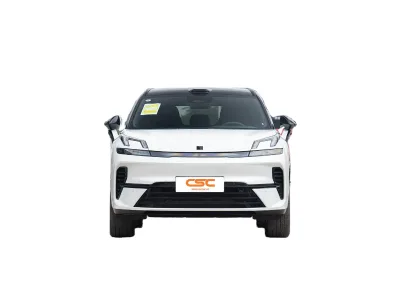
2026 Plug-in Hybrid SUV 1.5T 156HP 700km Range 90-110kWh Battery LHD Export
$9000.00 - $9100.00

Fujian Century Sea Group Co., Ltd.
- Verified by TUVRHEINLAND
- Trading Company,Manufacturer/Factory
- China Fujian
- Lead time0 days
- Avg. response≤ 7h
Main productsElectric SUV, Gasoline SUV, Electric Car, Gasoline Car, Electric MPV, Mini Car, Electric Truck, Cold Room, Solar Cold Room, Ice Machine
Main marketsSouth America,Eastern Europe,Mid East,North America,Southeast Asia,Eastern Asia,Oceania,Western Europe,Africa
Foshan Baoyue Outbound Automotive Technology Co., Ltd.
- Verified by Intertek
- Trading Company
- Guangdong, China
- Lead time15 days
- Avg. response≤ 6h
Main productsNew Energy Used Car, Used Fuel Truck, Auto Parts
Main marketsSouth America(20%), Southeast Asia(20%), Africa(20%)
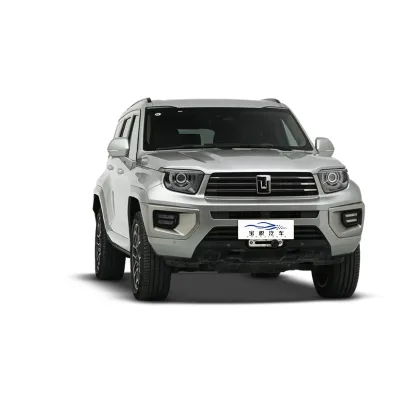
$61901.2548 - $63050.5549
MOQ: 1 units
Qingdao Csd Auto And Equipment Co., Ltd.
- Verified by Intertek
- Manufacturer, Trading Company
- Lead time30 days
Main productsNew Energy Vehicles, Heavy Truck, Pickup Truck, Trailer, Light Truck
Main marketsMid East(30%), Western Europe(22%), Eastern Europe(18%)
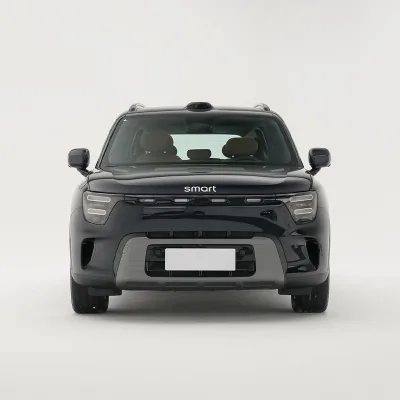
$25410.5021 - $26127.734
MOQ: 1 sets
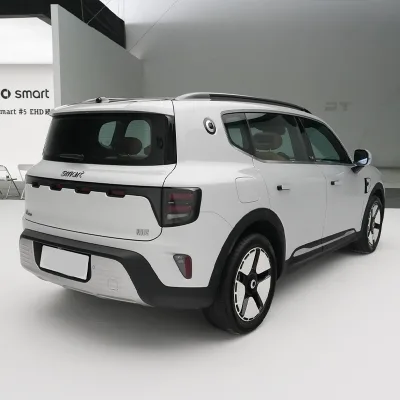
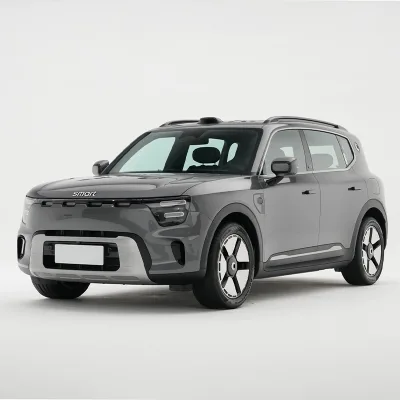
$31411.2804 - $32136.9535
MOQ: 1 sets

Taizhou Jiechi Automobile Sales Co., Ltd.
- Trading Company
- China Jiangsu
- Lead time0 days
- Avg. response≤ 4h
Main productsGeely Auto, Chery Auto, Used Car, SUV Car, New Car, Electric Car, EV Car, Second Hand Car, Electric Vehicle, Used Electric Car
Guangzhou Enterprise Technology Co., Ltd.
- Verified by Intertek
- Trading Company
- Lead time0 days
- Avg. response≤ 4h
Main productsUsed Cars, Used New Energy Cars
Main marketsAfrica(70%), South America(10%), Southeast Asia(10%)
Dongfeng Liuzhou Motor Co., Ltd.
- Verified by SGS Group
- Manufacturer, Trading Company
- Lead time30 days
- Avg. response≤ 2h
Main productsCommercial Vehicle, Passenger Vehicle
Main marketsSoutheast Asia(50%), South America(20%), Africa(10%)
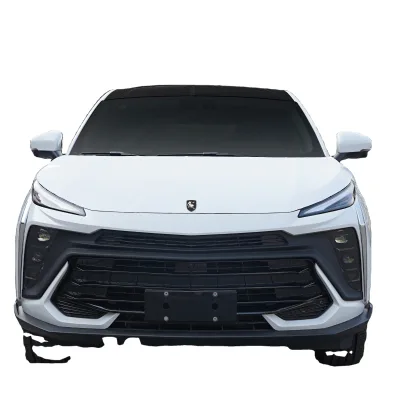
$19000.00 - $20800.00
MOQ: 3 units
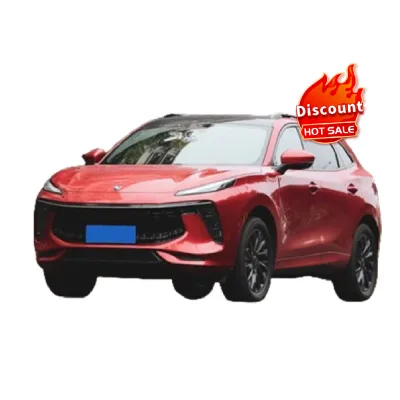
Dongfeng Brand 2025 Good Quality New PHEV Car T5 EVO GCC Suv Automatic SUV New Cars
$13879.8538 - $17478.3344
MOQ: 3 units
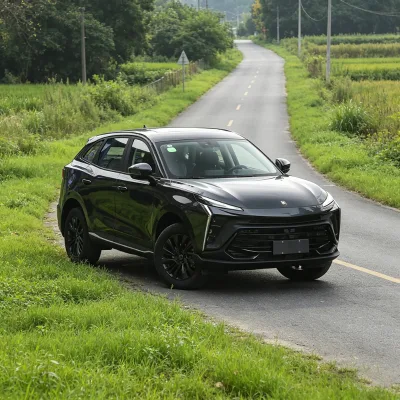
$19534.6091 - $21385.2563
MOQ: 3 units
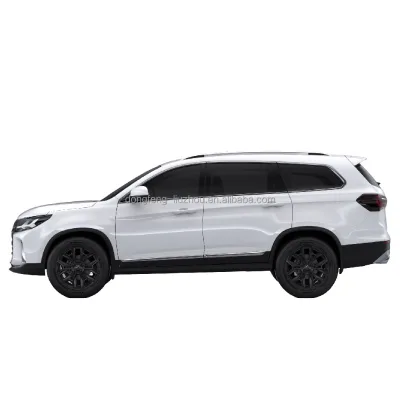
$12325.9784 - $13899.5076
MOQ: 3 units
$14291.1087 - $15627.6873
MOQ: 3 units

TAIYUAN BRILLIANT AUTOMOBILE CO., LTD
- Trading Company
- China Shanxi
- Lead time0 days
- Avg. response≤ 3h
Main productsRight-Hand Drive Vehicles, Electric Car, Rhd Van, Rhd Pickup, Electric SUV, National Agency, Kd Cooperation, After-Sale Service
Inner Mongolia Hefit Automobile Co., Ltd.
- Verified by Intertek
- Manufacturer, Trading Company
- Lead time0 days
- Avg. response≤ 5h
Main productsAero Massage Seat, New Car, Used Car, New Energy Vehicle
Main marketsAfrica(80%), Mid East(10%), Western Europe(10%)
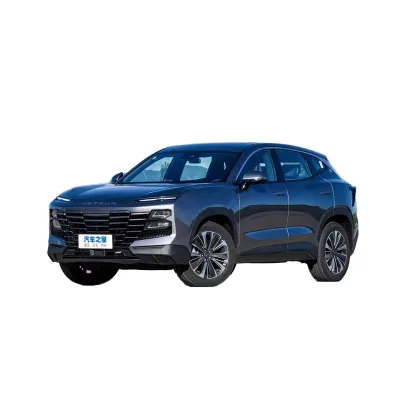
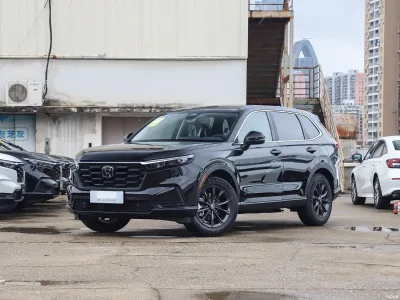
$9870.1183 - $9972.932
MOQ: 1 units

Tianjin Huichi Tongda International Trade Co., Ltd.
- Verified by BV
- Trading Company
- China Tianjin
- Lead time30 days
- Avg. response≤ 2h
Main marketsDomestic

Value Hybrid Car Fashion Compact Family SUV Ready for Overseas Logistics
$15800.00 - $16800.00
MOQ: 1 A vehicle

China Factory Efficient Plug-in Hybrid SUV for Global Wholesale Trade Business
$52000.00 - $56000.00
MOQ: 1 A vehicle


Premium Bao 8 Powerful Hybrid SUV Ready for Fast Export Shipment
$52000.00 - $56000.00
MOQ: 1 A vehicle

Fully Equipped Hybrid Vehicle with Comfort Interior for Worldwide Circulation
$15800.00 - $16800.00
MOQ: 1 A vehicle
Chongqing Broker Technology Co., Ltd.
- Verified by TüVRheinland
- Trading Company
- Lead time3 days
- Avg. response≤ 2h
Main productsElectric Cars, Fuel Cars, Used Cars, Commercial Vehicle, Auto Parts
Main marketsEastern Europe(35%), Africa(20%), Mid East(15%)
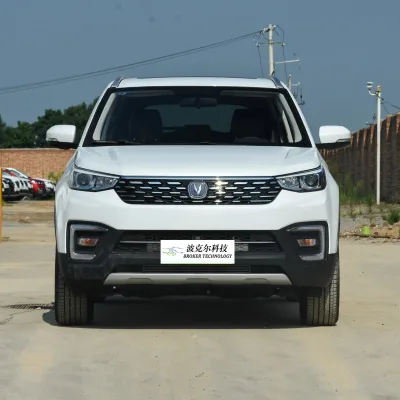
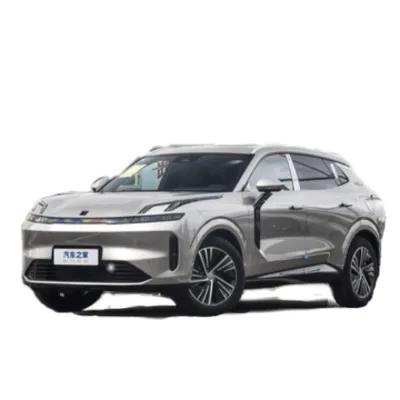
$21500.00 - $31400.00
MOQ: 1 Minimum
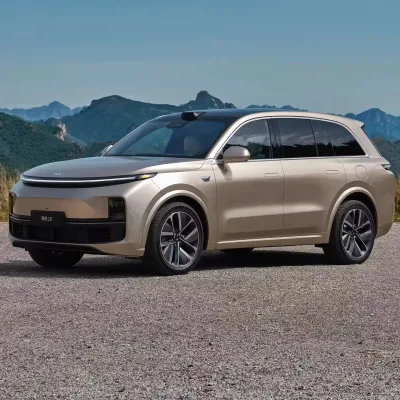
2025 Low Price Processing Ideal L8 Pro Max New Energy Vehicle Large SUV New Ideal L8 Car Hybrid
$38824.7925 - $45606.8182
MOQ: 1 Minimum

Willstar Auto Import&Export(Shanghai) Co., Ltd
- Verified by TUVRHEINLAND
- Trading Company
- China Shanghai
- Lead time30 days
- Avg. response≤ 2h
Main productsElectric Car, Hybrid Car, Gasoline Car
Main marketsOthers(foreignTradeCapacity.exportBusinessCapacityMarketOther)

$38230.00 - $42210.00
MOQ: 1 Pieces

New Energy Hybrid SUV Tank 500 Vehicles Hybrid MID to Large SUV Cars
$35850.00 - $42100.00
MOQ: 1 Pieces

$21000.00 - $24100.00
MOQ: 1 Pieces

Nanjing Kaitong Automobile Service Co., Ltd.
- Verified by SGS
- Trading Company
- China Jiangsu
- Lead time30 days
- Avg. response≤ 16h
Main productsEV Car, New Energy Vehicle, Used Car, Oil Car, Low-Speed Electric Vehicle, Electric Tricycle, Nio
Main marketsSoutheast Asia/ Mideast,Domestic

High Quality SUV China Electric Car Hybrid Cars 5-Seat Gasoline Vehicle Used Car
$9999.00 - $14500.00
MOQ: 1 Pieces

Hot Sale Vehicle SUV Gasoline Car China Electric Hybrid Cars Petrol Car Electric Vehicle
$9999.00 - $14500.00
MOQ: 1 Pieces
Zhongan Tiktech (anhui) Co., Ltd.
- Trading Company
- Anhui, China
- Lead time7 days
- Avg. response≤ 2h
Main productsNew Energy Vehicles,Fuel Vehicles,Commercial Vehicles - Pickups & MPVs,Used Cars & Certified Pre-Owned Vehicles
Main marketsCentral America(20.00%), North America(20.00%), Mid East(15.00%), Eastern Europe(10.00%), Northern Europe(10.00%), South America(10.00%), Southern Europe(5.00%), Oceania(5.00%), Africa(5.00%)

Ningbo Yongtaiyun Automobile Trading Co., Ltd.
- Verified by TUVRHEINLAND
- Trading Company
- China Zhejiang
- Lead time30 days
- Avg. response≤ 19h
Main productsanimal husbandry feed, peanuts, and mung beans
Main marketsAfrica,Southeast Asia/ Mideast


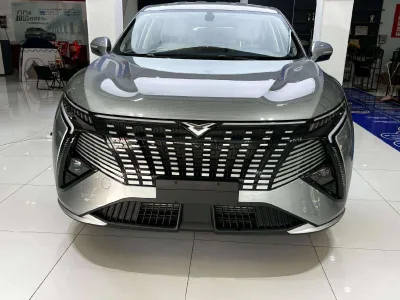


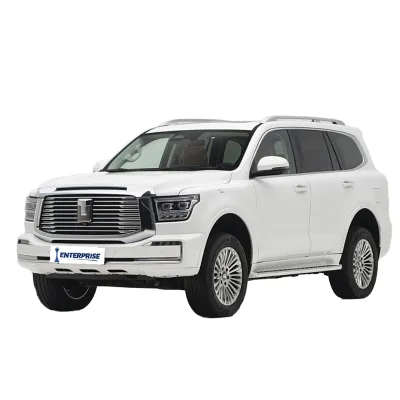
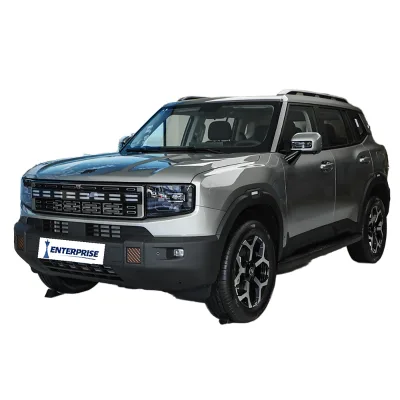


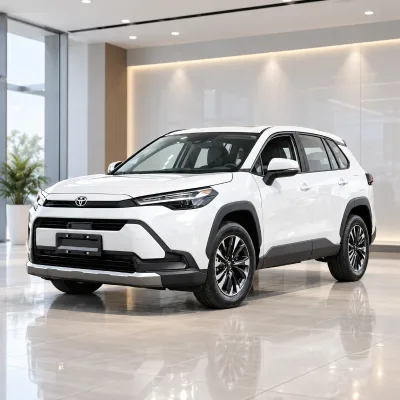


Comprehensive Sourcing Guide
2025 Euro 5 Hybrid SUV Supplier Concentration and Factory Types
The current supplier landscape for hybrid SUVs reveals a distinct geographic and structural distribution that buyers must navigate carefully. Evidence indicates that manufacturing entities are concentrated in specific industrial hubs, with verified factories located in Shanghai, Hebei, and Shandong provinces. These regions represent key clusters for automotive production, offering varying degrees of specialization. For instance, suppliers in Shanghai are identified as manufacturers or factories, suggesting a direct production capability for vehicles such as the Kaiyi Kunlun series. This location data provides a baseline for understanding where physical assembly and initial quality control likely occur. In contrast, other entities operating from Hebei are classified as trading companies, which may source from multiple factories or handle export logistics rather than direct manufacturing. This distinction is critical for buyers assessing supply chain transparency. The presence of trading companies does not negate the availability of products but changes the nature of the commercial relationship, potentially adding a layer of intermediary management.
Furthermore, the product catalogues associated with these locations highlight a diverse range of hybrid and electric SUV models, indicating that the suppliers are not limited to a single niche. The observed main products include various SUVs, trucks, and auto parts, suggesting that some suppliers have diversified portfolios. For example, one supplier lists BYD electrical cars, Mercedes Smart #1, and Xpeng electric cars among their main products, pointing to a broad inventory strategy rather than a specialized single-brand focus. Another supplier focuses on specific models like the Formula Leopard 5 and Ideal concept SUVs. This variety implies that buyers can find multiple options within the same regional cluster, but it also requires careful verification of the actual manufacturer behind the traded goods. The concentration of suppliers in these three provinces suggests that logistics and supply chain infrastructure are well-developed in these areas, which can impact shipping times and costs. Buyers should consider these geographic factors when evaluating the reliability and speed of their potential supply partners.
How to Verify 2025 Euro 5 Hybrid SUV Suppliers
Verification is a critical step in ensuring that the suppliers you engage with are legitimate and capable of delivering the specified hybrid SUVs. The data shows that some suppliers hold specific verification badges, such as SGS and CTI, which serve as third-party validations of their business credentials. These verifications provide a layer of trust, indicating that an independent agency has reviewed certain aspects of the company’s operations. However, the presence of a verification badge alone is not a comprehensive guarantee of product quality or financial stability. Buyers must look beyond these badges to understand the depth of the verification. For instance, while one supplier is verified by SGS, another is verified by CTI, suggesting that different verification bodies may assess different criteria. It is essential to understand what specific aspects of the business each verification covers, whether it is factory audits, product testing, or financial checks. This nuanced understanding helps in assessing the true reliability of the supplier.
In addition to verification badges, buyers should scrutinize the response times and communication efficiency of the suppliers. The observed response times vary significantly, with some suppliers showing a response time of 4.84, while others show 8.88 or 6.39. These metrics can indicate the operational efficiency and customer service quality of the supplier. A faster response time often correlates with a more responsive and organized sales team, which is crucial for resolving issues quickly during the sourcing process. Buyers should also check for any displayed certifications or standards, such as ISO management certifications or environmental standards like National VI, which may be listed in the product attributes. These details provide insight into the supplier’s adherence to international or local regulations. By combining verification badges, response time analysis, and certification checks, buyers can build a more comprehensive profile of each supplier’s reliability and capability.
What to Compare Across 2025 Euro 5 Hybrid SUV Suppliers
When evaluating multiple suppliers, it is essential to compare key operational metrics to identify the most suitable partner for your needs. Lead time is a significant factor, with observed values ranging from 15 days to 30 days. This variation can impact your inventory planning and market launch strategies. Suppliers with shorter lead times may offer faster delivery, which is beneficial for time-sensitive projects, but they might also have higher production costs or limited capacity. Conversely, suppliers with longer lead times might offer more competitive pricing or greater flexibility in customization. Buyers should align their choice with their specific timeline requirements and budget constraints. Additionally, the minimum order quantity (MOQ) is another critical comparison point. Some suppliers list an MOQ of 1, which is ideal for small-scale testing or niche market entry, while others may have higher MOQs that require larger capital investment. Understanding these thresholds helps in determining the feasibility of the partnership for your business scale.
Price and product specifications are also vital areas for comparison. The price ranges for the observed hybrid SUVs vary widely, from approximately $10,380 to over $54,710. This disparity reflects differences in vehicle class, features, and brand positioning. Buyers must ensure that they are comparing equivalent specifications, such as engine type, battery capacity, and safety features, to make accurate cost-benefit analyses. For example, one supplier offers a gasoline hybrid SUV with specific dimensions and a mechanical braking system, while another offers a pure electric SUV with hydraulic brakes and different performance metrics. Comparing these technical details alongside the price helps in identifying the best value proposition. Furthermore, the main products listed by each supplier can indicate their expertise and focus. A supplier specializing in a wide range of electric cars may have more experience in that segment compared to a general auto parts trader. By systematically comparing lead times, MOQs, prices, and product specializations, buyers can make informed decisions that align with their strategic goals.
Common 2025 Euro 5 Hybrid SUV Sourcing Risks
Sourcing hybrid SUVs from international suppliers involves several inherent risks that buyers must proactively manage. One significant risk is the discrepancy between advertised specifications and actual product delivery. The product attributes listed, such as fuel type, drive system, and braking mechanism, must be rigorously verified before placing orders. For instance, a supplier might list a vehicle as a plug-in hybrid, but the actual battery range or charging capabilities may differ from the claims. This risk is compounded by the fact that some suppliers are trading companies rather than manufacturers, which can lead to information gaps or miscommunication. Buyers should request detailed technical documentation and, if possible, third-party test reports to validate the product specifications. Another risk is the variability in quality control standards. While some suppliers display certifications like ISO, the actual implementation of quality management systems may vary. Buyers should conduct factory audits or hire third-party inspection services to ensure that the manufacturing processes meet their quality requirements.
Logistical and compliance risks are also prevalent in the international automotive trade. The shipping methods, such as RO-RO and container transport, can affect the condition of the vehicles upon arrival. Improper handling or inadequate packaging can lead to damage, especially for complex hybrid systems. Buyers must ensure that the supplier has robust packaging and shipping protocols in place. Additionally, regulatory compliance is a major concern, particularly regarding emissions standards and safety regulations in the destination market. The observed environmental standards, such as National VI, may not automatically translate to compliance with Euro 5 or other regional standards. Buyers must verify that the vehicles meet the specific regulatory requirements of their target market to avoid customs delays or legal issues. Furthermore, the risk of currency fluctuation and payment security cannot be ignored. Buyers should use secure payment methods and consider escrow services to protect their financial interests. By identifying and mitigating these risks, buyers can safeguard their sourcing operations.
2025 Euro 5 Hybrid SUV Regional Sourcing and Logistics
The geographic location of suppliers plays a crucial role in determining logistics efficiency and cost structures. The observed suppliers are located in Shanghai, Hebei, and Shandong, each offering different logistical advantages. Shanghai, being a major port city, likely provides efficient access to international shipping routes, which can reduce transit times to various global destinations. Suppliers in this region may have established relationships with freight forwarders and customs brokers, streamlining the export process. In contrast, suppliers in Hebei and Shandong may have different logistical profiles, potentially offering cost advantages in certain shipping lanes or handling specific types of cargo. Buyers should consider the proximity of the supplier to major ports and the availability of reliable logistics partners when evaluating regional sourcing options. The choice of location can significantly impact the overall cost and speed of delivery, making it a key factor in supplier selection.
Shipping methods and packaging standards are also critical components of the logistics strategy. The observed product attributes indicate that vehicles are shipped via RO-RO (Roll-on/Roll-off) and container methods. Each method has its own implications for cost, safety, and capacity. RO-RO shipping is often used for complete vehicles and can be more efficient for large volumes, while container shipping offers more protection against weather and handling damage. Buyers must discuss these options with their suppliers to determine the most suitable method for their needs. Additionally, the packaging standards, such as the use of containers or specific remarks in the after-sales manual, can affect the condition of the vehicles upon arrival. Buyers should ensure that the supplier follows best practices in packaging and handling to minimize the risk of damage. By carefully considering regional logistics and shipping methods, buyers can optimize their supply chain and reduce potential disruptions.
2025 Euro 5 Hybrid SUV Commercial Terms and Order Planning
Commercial terms and order planning are essential for ensuring a smooth and successful sourcing experience. The observed lead times and MOQs provide a foundation for planning, but buyers must also consider other commercial terms such as payment terms, warranty policies, and after-sales support. Suppliers with an MOQ of 1 offer flexibility for small orders, which can be beneficial for testing the market or fulfilling specific customer requests. However, buyers should be aware that smaller orders may come with higher per-unit costs or less favorable payment terms. For larger orders, buyers may be able to negotiate better prices and more flexible payment conditions. It is crucial to clarify these terms in the contract to avoid misunderstandings. Additionally, the response time of the supplier can impact the efficiency of order processing and issue resolution. Suppliers with faster response times are likely to be more responsive to changes or problems, which is valuable in dynamic market conditions.
Warranty and after-sales support are also critical commercial considerations. The product attributes mention after-sales manuals and specific packing instructions, which suggest that suppliers provide some level of support documentation. Buyers should inquire about the extent of the warranty coverage, including parts and labor, and the availability of spare parts in the destination market. A robust after-sales support system can enhance customer satisfaction and reduce the risk of negative reviews. Furthermore, buyers should plan for potential delays or disruptions in the supply chain by maintaining a buffer in their inventory and having contingency plans in place. This proactive approach can help mitigate the impact of unforeseen events. By carefully negotiating commercial terms and planning for order execution, buyers can establish a stable and reliable supply chain for their hybrid SUV sourcing needs.
FAQs
What is the price range for 2025 hybrid SUVs from Chinese suppliers?
Prices for 2025 hybrid SUVs typically range from $10,380 to $45,900 depending on the model and specifications. Buyers can find entry-level gasoline options starting near $10,380, while advanced plug-in hybrids with higher performance metrics may cost up to $45,900. These figures represent base pricing for single-unit orders.
What is the minimum order quantity for importing these vehicles?
The minimum order quantity is generally one unit, allowing buyers to test market demand without large capital commitment. This low MOQ facilitates easier entry for small businesses or individual importers looking to source specific models like the Kaiyi Kunlun or Formula Leopard 5 directly from manufacturers in China.
How long does delivery take for new hybrid SUV orders?
Lead times vary by supplier, typically ranging from 15 to 30 days for production and preparation. Manufacturers in Shanghai may offer faster turnaround times around 15 days, while those in Hebei or Shandong might require up to 30 days. Buyers should confirm specific schedules with their chosen supplier before finalizing contracts.
Are these hybrid SUVs available with automatic transmission and AWD?
Yes, many 2025 hybrid SUVs feature automatic transmissions and all-wheel drive systems. Models like the Formula Leopard 5 offer AWD with E-CVT transmission, providing enhanced traction and performance. Other options include front-wheel drive configurations, allowing buyers to select the drivetrain that best suits their target market's needs and terrain conditions.
What certifications and verification standards do these suppliers meet?
Suppliers often hold SGS or CTI verification, ensuring product quality and manufacturing standards. Some manufacturers also comply with ISO management certifications and National VI environmental standards. Buyers should request specific certification documents to verify compliance with local import regulations and safety requirements before placing orders for vehicles destined for international markets.
What is the typical response time from these automotive suppliers?
Supplier response times generally range from 4.84 to 8.88 hours, indicating active customer service teams. Faster responses are often associated with trading companies or larger manufacturers in key industrial hubs. Quick communication helps buyers clarify technical specifications, negotiate pricing, and resolve logistical questions efficiently during the sourcing process.