2b Stainless Steel Plate Suppliers and Manufacturers
Compare 24 verified suppliers offering 2b Stainless Steel Plate with varying lead times, certifications, and processing services. Review response times and MOQs to select a partner for your equipment manufacturing needs; review the available evidence before requesting comparable quotations from suitable candidates.
Updated
Suppliers List
Guangdong Steel Bull Import And Export Co., Ltd.
- Verified by TüVRheinland
- Trading Company
- Lead time25 days
- Avg. response≤ 3h
Main productsCarbon Steel, Stainless Steel, Copper Materials, Steel Structure, Container House
Main marketsSouth America(20%), Southeast Asia(15%), Africa(10%)
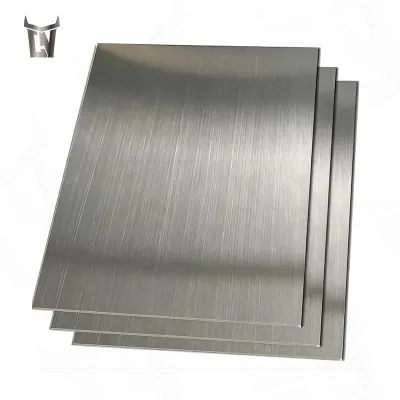
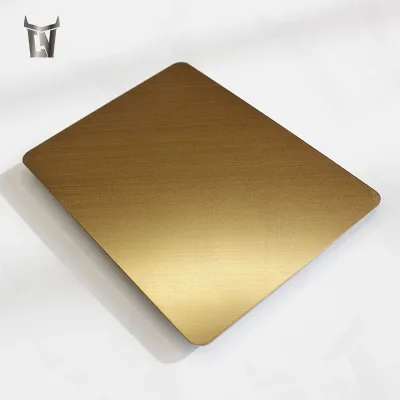
$1235.2674 - $1545.3716
MOQ: 1 tons
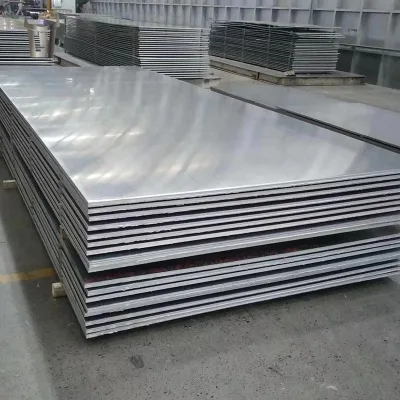
304 Stainless Steel Plate 2B Surface Non-Oxidizable for Various Applications
$824.1982 - $1030.2477
MOQ: 1 tons

Tianjin Tiangang Weiye Steel Tube Co., Ltd.
- Verified by SGS
- Manufacturer/Factory
- China Tianjin
- Lead time15 days
- Avg. response≤ 13h
Main productsStainless Steel Pipe, Stainless Steel Plate, Stainless Steel Bar, Alloy Steel Pipe, Stainless Steel Coil, Low Temperature Pipe, Seamless Steel Pipe, Steel Plate, Copper Products, Nickel and Titanium Products
Main marketsSouth America,Eastern Europe,Mid East,North America,Southeast Asia,Eastern Asia,Oceania,Western Europe,Africa
Shanxi Xincongbang Metal Products Co., Ltd.
- Verified by Intertek
- Trading Company
- Lead time0 days
- Avg. response≤ 2h
Main productsSteel Sheet, Seamless Steel Pipe
Main marketsDomestic Market(30%), North America(30%), Eastern Europe(30%)
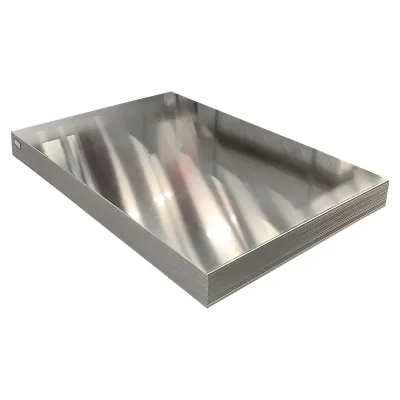
Hot-selling 2B BA Stainless Steel Wear-resistant 304 304L 316 316L Stainless Steel Plate
$788.3916 - $1103.7482
MOQ: 50 tons
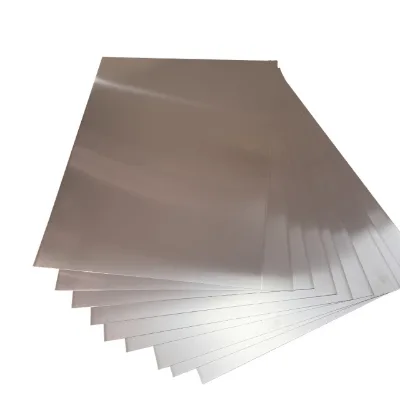
Hot Sale High Quality 304 316l Stainless Steel Customized Thickness Plate Good Price
$1090.00 - $1260.00
MOQ: 1

- Verified by SGS
- Trading Company,Manufacturer/Factory
- China Jiangsu
- Lead time23 days
- Avg. response≤ 13h
Main productsStainless Steel Sheet, Steel Plate, Stainless Steel Coil, Stainless Steel Pipe, Steel Pipe, Alloy Steel, Stainless Steel Bar, Steel Strip, Cold Rolled Coil, Seamless Steel Pipe
Main marketsSouth America,Eastern Europe,Mid East,North America,Southeast Asia,Eastern Asia,Oceania,Western Europe,Africa

Shanghai Xudeng Industrial Co., Ltd
- Verified by SGS
- Combined
- China Shanghai
- Lead time15 days
- Avg. response≤ 1h
Main productsstainless steel
Main marketsSouth America
Henan Gdd Metal Materials Co., Ltd.
- Verified by SGS Group
- Trading Company
- Henan, China
- Lead time20 days
- Avg. response≤ 2h
Main productsCarbon Steel, Stainless Steel, Tinplate, PPGI/PPGL, Galvanized Steel

Tianjin Yitejia Steel Sales Co., Ltd.
- Verified by SGS
- Trading Company
- China Tianjin
- Lead time15 days
- Avg. response≤ 5h
Main productsStainless Steel Plate, Steel Plate, Alloy Steel, Aluminum Alloy, Copper Alloy, Galvanized Steel Plate, Inconel Material, Copper Tube, Stainless Steel Bar, Stainless Steel Pipe
Main marketsSouth America,Africa,Southeast Asia/ Mideast,Europe,North America
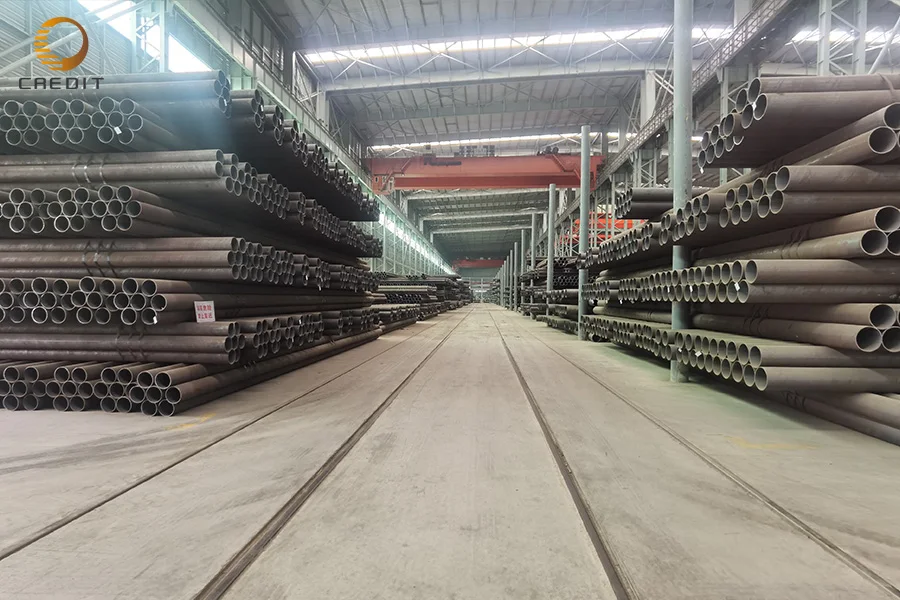
Guangdong Credit Supply Chain Co., Ltd.
- Trading Company
- Guangdong, China
- Lead time0 days
- Avg. response≤ 2h
Main productsSeamless Steel Pipe,Galvanized Steel Pipe,Welded Steel Pipe,Steel Coil,Steel Sheet
Main marketsDomestic Market(10.00%), South Asia(10.00%), Northern Europe(10.00%), Central America(10.00%), Eastern Asia(10.00%), Mid East(10.00%), Africa(10.00%), Southeast Asia(10.00%), South America(10.00%), North America(10.00%)
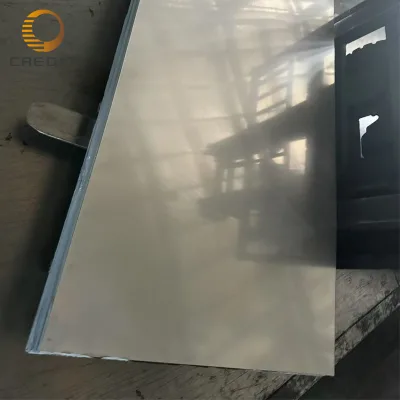
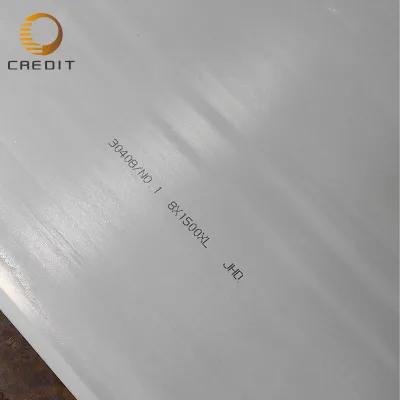
Customized 304 2B Finish Stainless Steel Sheet 0.5mm-3mm Thickness SS Plate for Kitchen Equipment
$3.50 - $4.80
MOQ: 10 kilograms
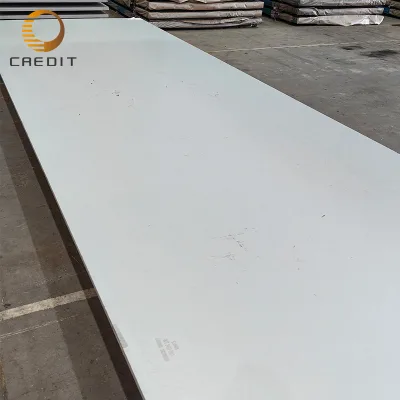
316 Stainless Steel Plate for Countertop Interior Decoration Surface 2B Thickness 0.5-3mm
$2.99 - $4.49
MOQ: 1 kilograms
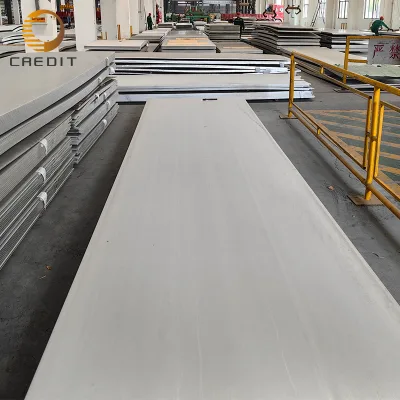
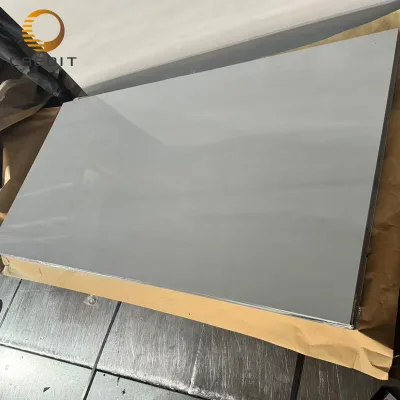
Hot/Cold Rolled Stainless Steel Plate 1000x2000mm 1500x3000mm Custom Sizes Available
$2.6577 - $4.5869
MOQ: 1 kilograms

JIEYANG CITY JIESHI HARDWARE PLASTIC CO., LTD.
- Verified by TUVRHEINLAND
- Trading Company,Manufacturer/Factory
- China Guangdong
- Lead time30 days
- Avg. response≤ 2h
Main productsCutlery, Kitchenware, Flatware, Bar Accessories, Children Tableware, Kitchen Utensils, Bakeware, Dinnerware, Dinner Sets, Kitchen Tools
Main marketsSouth America,Eastern Europe,Mid East,North America,Southeast Asia,Eastern Asia,Oceania,Western Europe,Africa
- Verified by SGS Group
- Trading Company
- Lead time30 days
- Avg. response≤ 4h
Main productsSteel Pipe, Steel Plate, Steel Bar, Steel Coil, Aluminum Products
Main marketsSouth Asia(16%), Western Europe(15%), South America(12%)
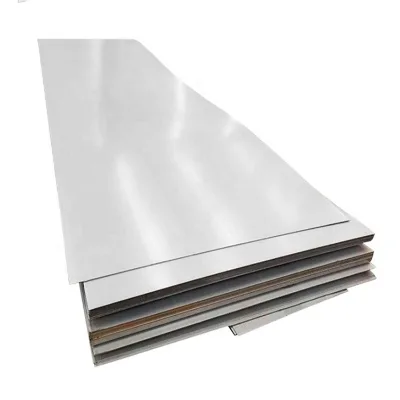
8 mm -10 mm Thick 201 202 304 316 304L 316L 2b Ba Sb Hl Metal Inox Iron Stainless Steel Plate
$937.5301 - $1562.5501
MOQ: 1 tons
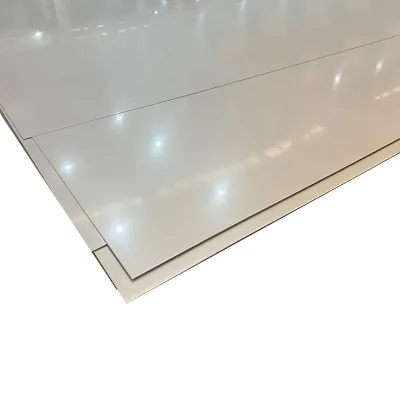
316L Stainless Steel Plate 2B | 1mm-12mm Thick | 1500x3000mm | Low Carbon for Pharmaceutical Vessels
$1500.00 - $2100.00
MOQ: 1

Qingdao Hangshuntong Metal Products Co., Ltd.
- Trading Company
- Shandong, China
- Lead time3 days
- Avg. response≤ 2h
Main productsStainless Steel, Lead Glass, Coil Stainless,, Steel Pipe Lead Sheet
Main marketsSouth America(20.00%), Africa(20.00%), Mid East(20.00%)
Aisi 316 321 410 420 16 Gauge 304 4ft X 8ft 2mm 1.2mm Thickness Hot Rolled Stainless Steel Plate
$919.00 - $1119.00
MOQ: 1
0.5mm Thick Stainless Steel Plate with Superior Surface Finish for Decorative Purposes
$919.00 - $1119.00
MOQ: 1
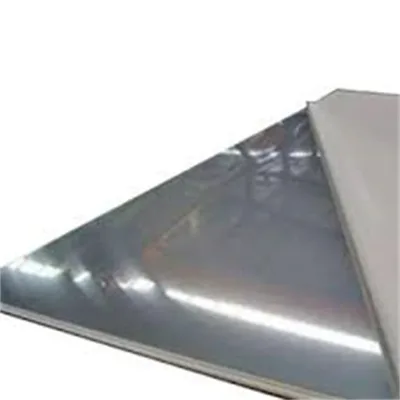
Cheap Price Hot/cold Rolled Stainless Steel Plate 301L 301 410 316 321 410L 314 304 304L
$919.00 - $1119.00
MOQ: 1

Shandong Xingtongda Steel Co., Ltd
- Verified by SGS
- Trading Company
- China Shandong
- Lead time15 days
- Avg. response≤ 2h
Main productsSteel Coil, Steel Pipe, Steel Plate/Sheet, Stainless, Aluminum, Color Coated Steel Coil, Section Steel, Copper, Steel Wire Rpoe, Steel Wire
Main marketsEurope
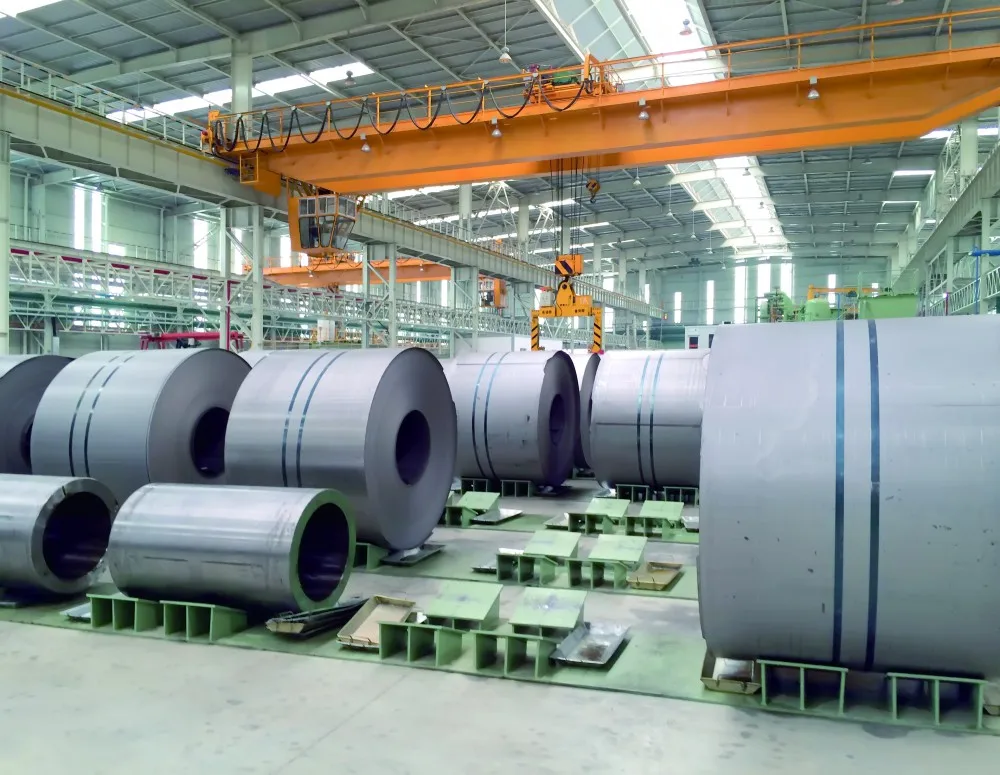
Shanghai Fenggang Steel Group Co., Ltd.
- Trading Company
- Shanghai, China
- Lead time0 days
- Avg. response≤ 7h
Main productsStainless Steel Plate,Stainless Steel Pipe,Stainless Steel Strip,Carbon Steel Plate,PPGI
Main marketsSoutheast Asia(20.00%), Mid East(20.00%), South America(20.00%), North America(20.00%), Eastern Europe(5.00%), Southern Europe(5.00%), Northern Europe(5.00%), Western Europe(5.00%)
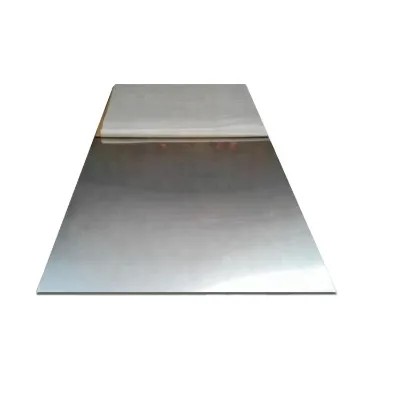
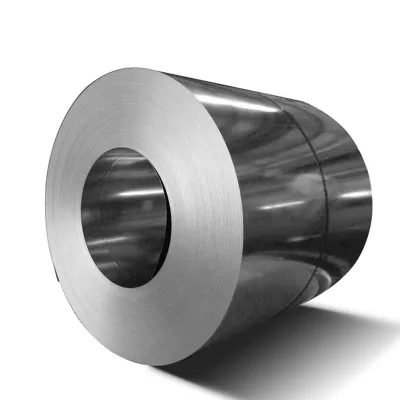
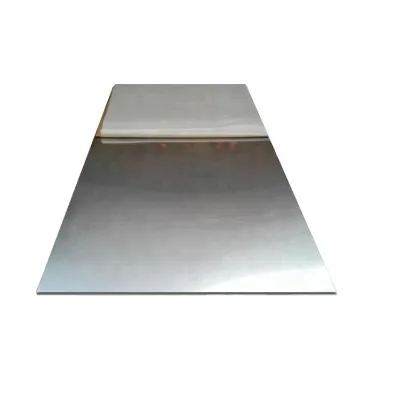
Spot Wholesale 304 316 316L 904 stainless steel plate 2B 2.0 mm matte stainless steel plate
$1100.00 - $1180.00
MOQ: 1
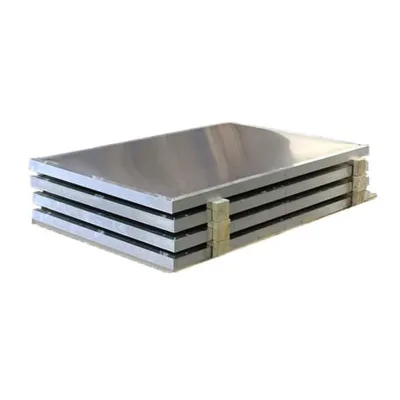

Shandong Fenghong New Material Technology Co., Ltd.
- Verified by SGS
- Combined
- China Shandong
- Lead time23 days
- Avg. response≤ 2h
Main productsStainless Steel Plate
Main marketsAfrica,Domestic

- Verified by SGS
- Manufacturer/Factory
- China Beijing
- Lead time38 days
- Avg. response≤ 3h
Main productsSteel Products, Aluminum Products, Copper Products, Water Filter, Pepline Filter, Aluminum Coil, Steel Coil, Steel Bar
Main marketsSouth America,Eastern Europe,Mid East,North America,Southeast Asia,Eastern Asia,Oceania,Western Europe,Africa
Shandong Gangshun Metal Product CO., Ltd.
- Trading Company
- Shandong, China
- Lead time10 days
- Avg. response≤ 2h
Main productsStainless Steel Pipe,Stainless Steel Sheet,Stainless Steel Bar,Stainless Steel Coil,Stainless Steel Strip
Main marketsSoutheast Asia(24.00%), South America(15.00%), Eastern Europe(12.00%), Africa(10.00%), Oceania(5.00%), Western Europe(5.00%), Southern Europe(5.00%), Central America(5.00%), Northern Europe(5.00%), Mid East(5.00%), South Asia(3.00%), Eastern Asia(3.00%), North America(3.00%)
$1.20 - $1.50
MOQ: 1 kilograms
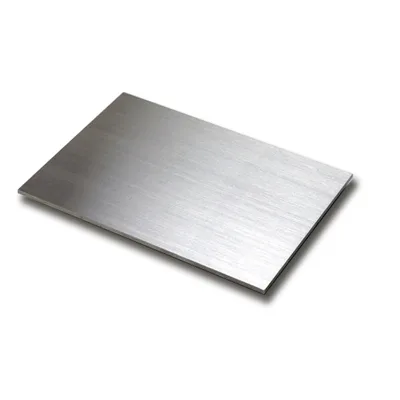
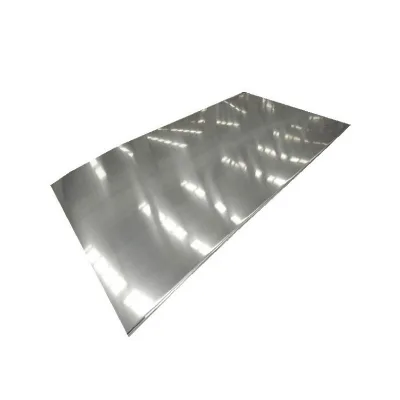
Maxi Wholesale Customizable High Quality Stainless Steel Plate With Good Price
$1.20 - $1.50
MOQ: 1 kilograms
Jiangsu Hengshuntai Steel Co., Ltd.
- Verified by SGS Group
- Trading Company
- Lead time10 days
- Avg. response≤ 2h
Main productsStainless Steel Sheet, Stainless Steel Bar, Stainless Steel Coil, Stainless Steel Pipe, Carbon Steel Products
Main marketsNorth America(18%), Eastern Europe(12%), Western Europe(12%)
Shandong Huaping Steel Group Co., Ltd.
- Verified by SGS Group
- Trading Company
- Lead time0 days
- Avg. response≤ 2h
Main productsStainless Steel Product, Carbon Steel Product, Galvanized Steel Product, Copper Product, Brass Product
Main marketsSouth America(20%), Southeast Asia(15%), North America(10%)
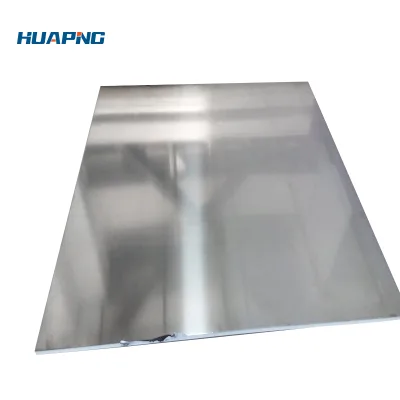
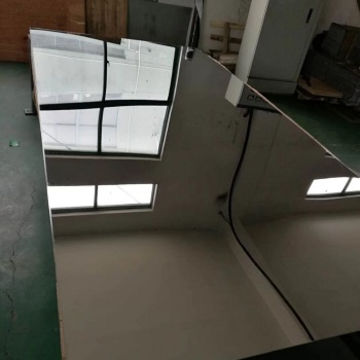
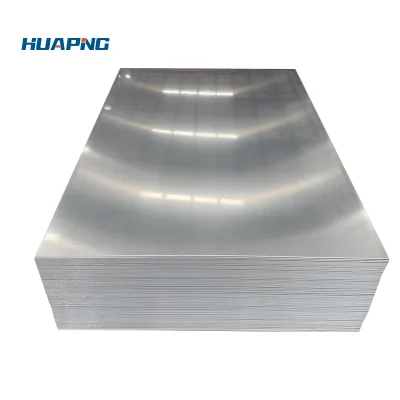
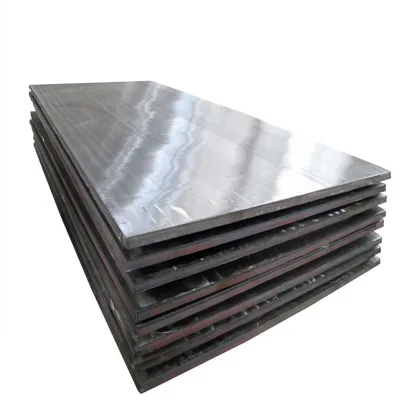
$1449.3141 - $1656.359
MOQ: 1 tons
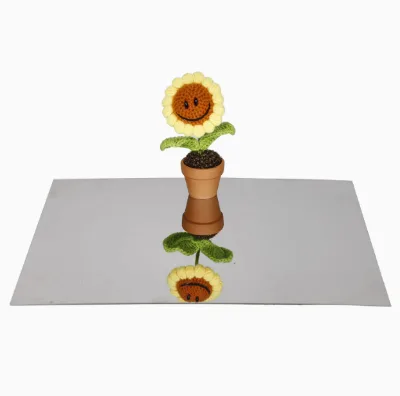
$1449.3141 - $1656.359
MOQ: 1 tons
Guangdong Baojia Stainless Steel Industry Co., Ltd.
- Manufacturer
- Guangdong, China
- Lead time20 days
- Avg. response≤ 3h
Main productsstainless steel coil,stainless steel strip,stainless steel circle,stainless steel sheet,stainless steel plate
Main marketsDomestic Market(70.00%), Southeast Asia(10.00%), Eastern Asia(5.00%), South America(5.00%), North America(5.00%), Oceania(3.00%), Mid East(2.00%)
- Manufacturer, Trading Company
- Jiangsu, China
- Lead time15 days
- Avg. response≤ 8h
Main productsNickel Alloy,Special Alloy,Stainless Steel,Super Stainless
Main marketsDomestic Market(30.00%), North America(20.00%), Eastern Asia(10.00%), Northern Europe(10.00%), Western Europe(5.00%), Southeast Asia(5.00%), Mid East(5.00%), South America(5.00%), Eastern Europe(5.00%), South Asia(1.00%), Southern Europe(1.00%), Oceania(1.00%), Central America(1.00%), Africa(1.00%)
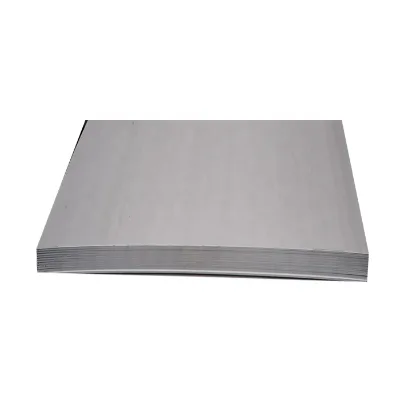
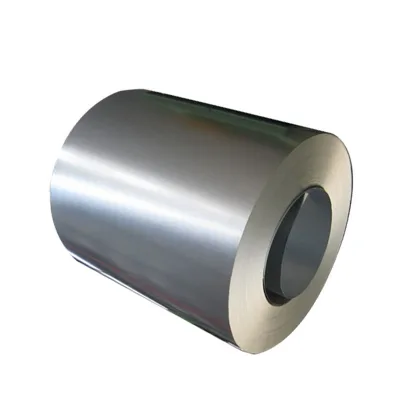
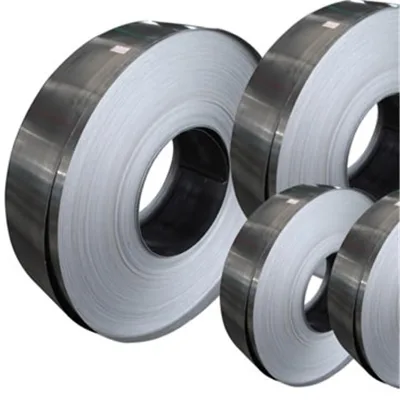
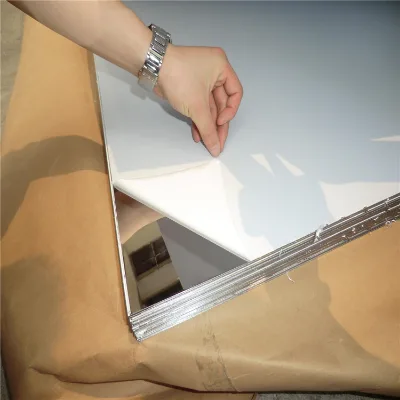
High Quality Plate Stainless Steel China 2B BA Surface 410 430 439 409L Cutting
$22.8762 - $62.5098
MOQ: 500 kilograms
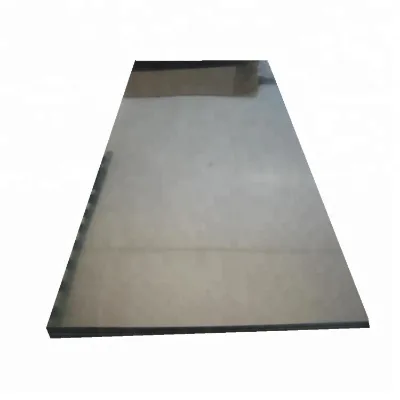
Stainless Steel Sheet 304 2b Grade 300 Series ,0.6 0.8 1.0 1.2 1.5mm
$21.99 - $60.09
MOQ: 500 kilograms
Haihong (jiangsu) Steel International Trade Co., Ltd.
- Trading Company
- Jiangsu, China
- Lead time10 days
- Avg. response≤ 3h
Main productsRoofing Sheet Color Coated,Color Steel Plates,Galvanized Steel Coil,Prepainted Galvanized Steel Coil,Steel Plates
Main marketsSoutheast Asia(30.00%), Eastern Europe(20.00%), North America(10.00%), Central America(10.00%), Eastern Asia(9.00%), South America(5.00%), Western Europe(4.00%), South Asia(3.00%), Mid East(3.00%), Northern Europe(3.00%), Oceania(1.00%), Southern Europe(1.00%), Africa(1.00%)
Eastern Red Import And Export Co., Ltd.
- Verified by SGS Group
- Trading Company
- Lead time7 days
- Avg. response≤ 4h
Main productsCarbon Steel, Galvanized Steel, Stainless Steel, Aluminum, Copper
Main marketsNorth America(60%), Western Europe(10%), Oceania(10%)
- Verified by TüVRheinland
- Trading Company
- Lead time21 days
- Avg. response≤ 2h
Main productsCarbon Steel Coil, Steel Plate, Galvanized Steel Coil, Stainless Steel Coil, Aluminium Sheet
Main marketsNorth America(50%), Mid East(16%), South America(10%)
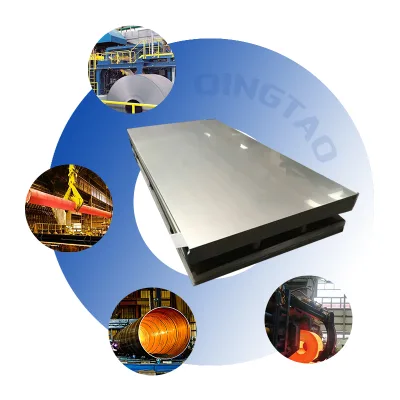
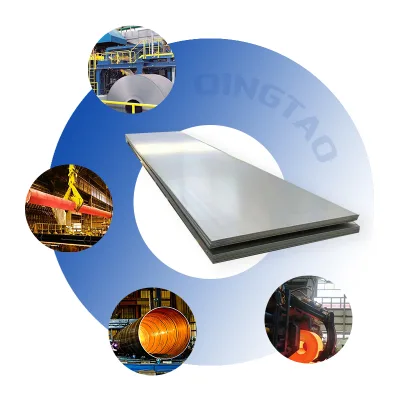
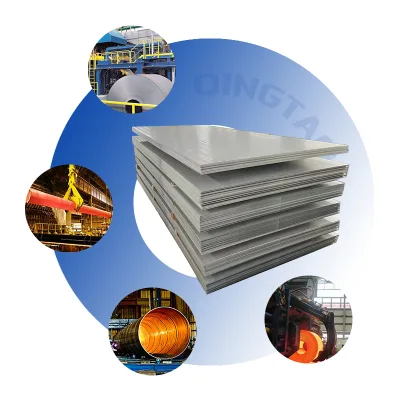
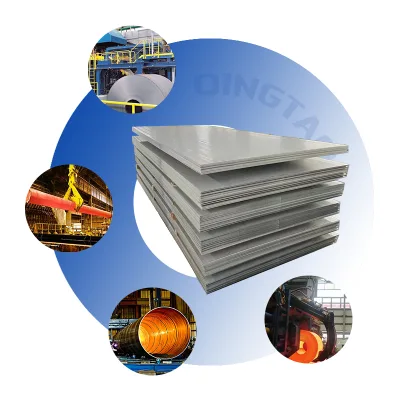
High Quality 201 304 Stainless Steel Plates ASTM AISI Standard Customizable Length
$1026.7101 - $1540.0651
MOQ: 25 tons
Baowu International Trade (shandong) Co., Ltd.
- Verified by SGS Group
- Trading Company
- Lead time7 days
- Avg. response≤ 4h
Main productsColor Coated Products, Stainless Steel Products, Galvanized Steel, Carbon Steel, Aluminum Products
Main marketsAfrica(30%), Mid East(30%), Eastern Europe(13%)
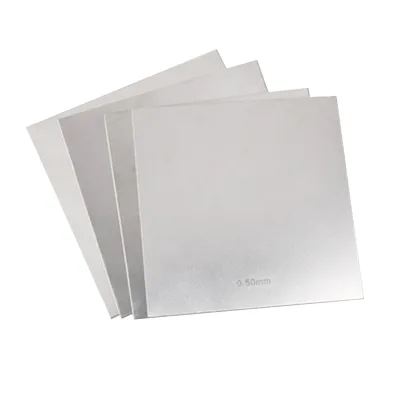
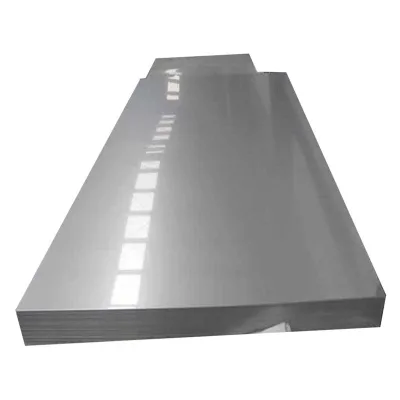
Spot Wholesale Manufacturers Direct Sales Stainless Steel Plate 304L 316L
$1975.00 - $1985.00
MOQ: 1 tons




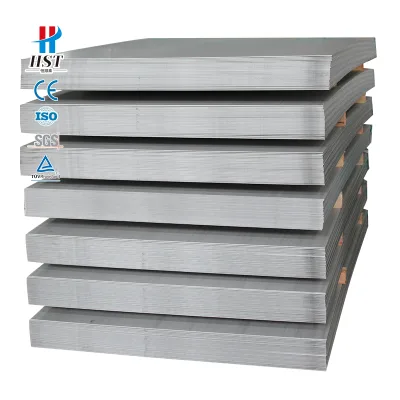
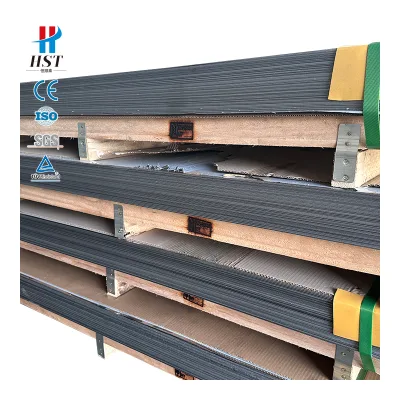
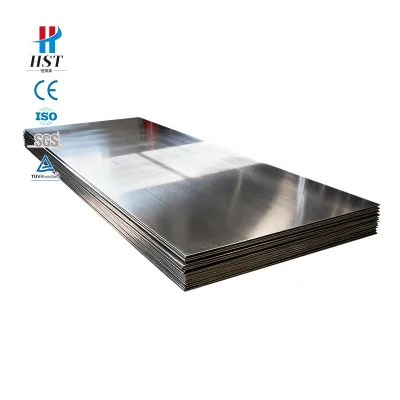
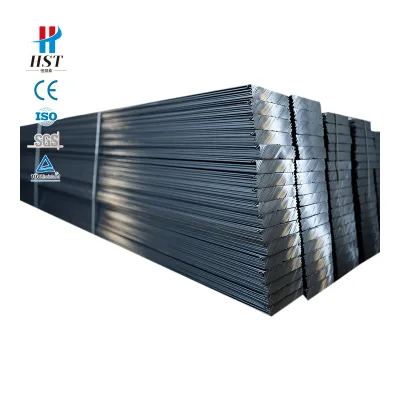
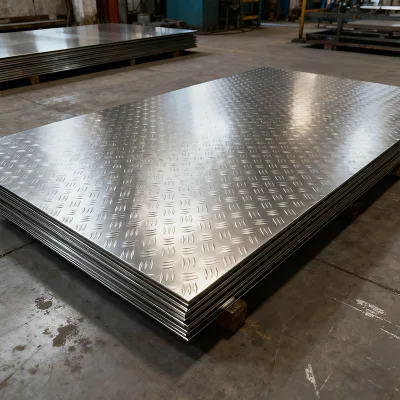
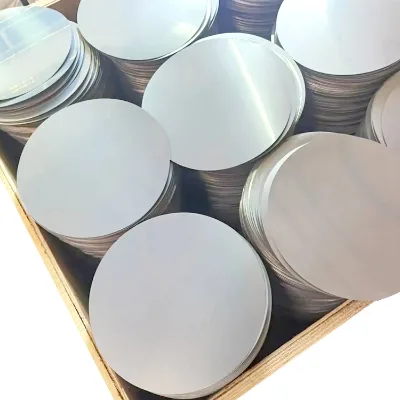
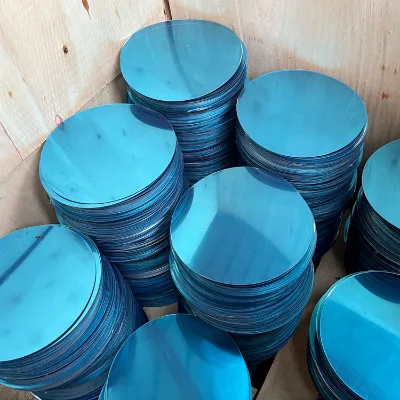
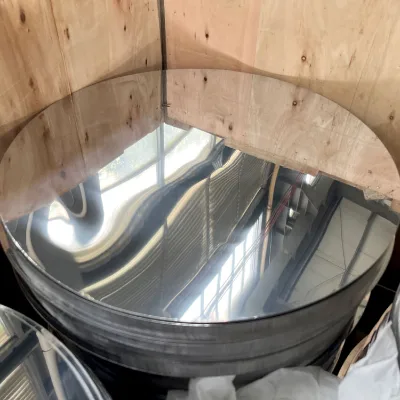
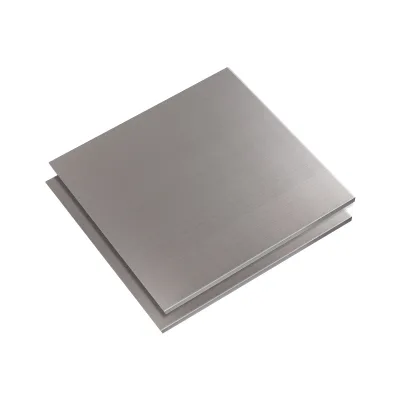
Comprehensive Sourcing Guide
2b Stainless Steel Plate Supplier Concentration and Factory Types
The landscape for sourcing 2b Stainless Steel Plate features a distinct split between trading companies and direct manufacturers, each offering different operational advantages for buyers. Trading companies often serve as intermediaries that aggregate inventory from various mills, providing a broader selection of grades and surface finishes under one roof. These entities typically list main products that include carbon steel, stainless steel, copper materials, and steel structures, indicating a diversified portfolio rather than specialized production. This model allows buyers to consolidate orders for multiple material types, simplifying logistics and administrative overhead. However, trading companies may have less direct control over the manufacturing process, which can impact lead time consistency and quality assurance protocols. Buyers must carefully evaluate whether the convenience of a single source outweighs the potential lack of direct factory oversight.
In contrast, manufacturer-suppliers operate factories that directly produce the stainless steel plates, often specializing in specific grades such as 304, 316, or 430. These suppliers frequently highlight capabilities like OEM customization, sample processing, and graphic processing, which are critical for projects requiring precise technical specifications. Some manufacturers are located in key industrial hubs, such as Shandong or Tianjin in China, regions known for their robust steel production infrastructure. These facilities often hold extensive certifications, including ISO 9001, ISO 14001, and industry-specific standards like ASME or DIN, demonstrating a commitment to quality management and environmental responsibility. The presence of advanced processing services, such as bending, welding, and decoiling, further distinguishes these suppliers, as they can offer value-added services that reduce the need for secondary processing by the buyer.
How to Verify 2b Stainless Steel Plate Suppliers
Verification is a critical step in ensuring that the suppliers you engage with are legitimate and capable of meeting your quality standards. One of the primary indicators of a reliable supplier is third-party verification from recognized agencies. For instance, some suppliers are verified by TüV Rheinland, SGS, or Intertek, which conduct rigorous audits of their business operations, production facilities, and quality control systems. These verifications provide a layer of trust, confirming that the supplier’s claims about their capabilities and certifications are accurate. Buyers should prioritize suppliers with these verifications, as they have undergone independent scrutiny. Additionally, checking for system certifications such as CE, RoHS, ISO 9001, and ISO 14001 is essential. These certifications indicate that the supplier adheres to international standards for product safety, environmental management, and quality assurance, which are particularly important for stainless steel products used in sensitive applications like food vessels or medical instruments.
Beyond certifications, buyers should assess the supplier’s response time and communication efficiency, as these factors reflect their operational maturity. A quick response time, such as within three hours or even less, suggests a well-staffed and responsive sales team that can address inquiries and resolve issues promptly. This is crucial for maintaining project timelines and ensuring that any technical questions regarding surface finishes, thickness tolerances, or grade specifications are answered accurately. Furthermore, buyers should verify the supplier’s main products and production capacity. Suppliers that specialize in stainless steel plates, pipes, and coils are more likely to have the expertise and equipment necessary to produce high-quality 2B finish plates. It is also advisable to review the supplier’s product evidence, including detailed specifications for thickness, width, length, and surface finish options like BA, 2B, NO.1, and NO.4. This information helps confirm that the supplier can meet your specific technical requirements and provides transparency into their manufacturing capabilities.
What to Compare Across 2b Stainless Steel Plate Suppliers
When evaluating multiple suppliers for 2B stainless steel plates, comparing key operational metrics is essential to identify the best fit for your project. Lead time is a critical factor, as it directly impacts your production schedule and inventory management. Some suppliers offer lead times as short as 15 to 25 days, while others may have longer processing periods. It is important to clarify whether the lead time includes material procurement, processing, and shipping, as this can vary significantly between suppliers. Additionally, comparing the Minimum Order Quantity (MOQ) is vital, especially for smaller projects or trial orders. Some suppliers have an MOQ of just one unit, offering flexibility for testing new materials or fulfilling small-scale needs, while others may require larger volumes to justify production runs. Understanding these thresholds helps in planning your procurement strategy and avoiding unnecessary inventory costs.
Another important aspect to compare is the range of available grades and specifications. Suppliers may offer a wide variety of stainless steel grades, including 201, 304, 316, 430, and specialized grades like 321 or 904L. The thickness range, typically from 0.1mm to 300mm, and width options, such as 1000mm, 1219mm, or 1500mm, should be matched against your project requirements. Surface finish options are also crucial, with 2B being a common standard, but other finishes like BA, NO.1, and NO.4 may be available for specific applications. Comparing the processing services offered, such as bending, welding, cutting, and punching, can also provide value, as some suppliers offer these services in-house, reducing the need for additional vendors. Finally, reviewing the supplier’s main market destinations, such as the Middle East, Asia, North America, or Europe, can provide insights into their experience with international shipping and compliance with regional standards.
Common 2b Stainless Steel Plate Sourcing Risks
Sourcing 2B stainless steel plates involves several risks that buyers must proactively manage to ensure successful procurement. One significant risk is the variability in product quality, particularly regarding surface finish and dimensional tolerances. The 2B finish, while standard, can vary in smoothness and reflectivity depending on the manufacturing process and post-processing treatments. Buyers must ensure that the supplier adheres to strict quality control measures to maintain consistency across batches. Additionally, thickness tolerance, often specified as ±1%, must be verified to prevent issues in downstream manufacturing. Another risk is the misrepresentation of material grades. Stainless steel grades like 304 and 316 have specific chemical compositions that affect their corrosion resistance and mechanical properties. Buyers should request material test reports (MTRs) to verify that the supplied plates meet the specified grade standards, such as ASTM, DIN, or JIS, to avoid receiving substandard materials that could fail in service.
Logistical and compliance risks are also prevalent in international sourcing. Shipping delays, customs clearance issues, and damage during transit can disrupt supply chains and increase costs. Buyers should work with suppliers who have experience in exporting to their target markets and who can provide proper packaging, such as standard export seaworthy packages, to protect the plates during transit. Furthermore, compliance with international standards and certifications is crucial, especially for industries with strict regulatory requirements. Suppliers must provide valid certifications, such as ISO 9001 for quality management or CE for product safety, to ensure that the materials meet legal and industry standards. Buyers should also be aware of potential intellectual property risks, particularly when dealing with custom specifications or branded products. Ensuring that the supplier has the necessary rights to produce and sell the materials can prevent legal disputes and protect the buyer’s interests.
2b Stainless Steel Plate Regional Sourcing and Logistics
Regional sourcing plays a pivotal role in determining the cost, lead time, and logistical efficiency of procuring 2B stainless steel plates. China is a major global hub for stainless steel production, with key manufacturing clusters located in provinces like Shandong and cities like Tianjin. These regions benefit from established supply chains, access to raw materials, and advanced manufacturing technologies, making them attractive sources for high-quality stainless steel plates. Buyers sourcing from these regions can often access a wide variety of grades and specifications, along with competitive pricing. However, it is important to consider the logistical implications of sourcing from distant locations. Shipping times, freight costs, and customs procedures can vary significantly depending on the destination country. Buyers should work with suppliers who have experience in international logistics and can provide accurate shipping estimates and documentation.
In addition to China, other regions may offer specialized stainless steel products, though they may come with different cost and lead time profiles. Buyers should evaluate the trade-offs between local sourcing and international procurement. Local suppliers may offer faster lead times and easier communication but might have higher prices or limited product ranges. Conversely, international suppliers may provide more competitive pricing and a broader selection but require careful management of shipping and compliance issues. Buyers should also consider the supplier’s main market destinations, as this can indicate their familiarity with international shipping routes and regulatory requirements. For example, suppliers who frequently export to North America or Europe will likely have established processes for handling customs clearance and meeting regional standards. By understanding the regional dynamics of stainless steel sourcing, buyers can make informed decisions that balance cost, quality, and logistical efficiency.
2b Stainless Steel Plate Commercial Terms and Order Planning
Effective order planning and clear commercial terms are essential for a successful procurement of 2B stainless steel plates. Pricing is a key component, with costs varying based on the grade, thickness, surface finish, and order volume. Buyers should request detailed quotes that break down the costs, including material, processing, and shipping fees, to ensure transparency. Some suppliers may offer price ranges, such as $1.65 to $2.06 per unit for certain grades, while others may have fixed prices based on market conditions. It is important to clarify whether the quoted price includes taxes, duties, and insurance, as these can significantly impact the total cost. Additionally, buyers should negotiate payment terms that align with their cash flow needs, such as partial upfront payments or letters of credit, to mitigate financial risks.
Lead time and delivery terms are also critical aspects of order planning. Buyers should confirm the supplier’s lead time, which can range from 15 to 25 days, and ensure that it aligns with their production schedule. Incoterms, such as FOB, CIF, or DDP, should be clearly defined to determine responsibility for shipping and insurance. Buyers should also consider the supplier’s capacity for customization, such as OEM services or specific processing requirements, and ensure that these are included in the order specifications. Finally, buyers should establish clear quality acceptance criteria and return policies to address any potential issues with the delivered products. By carefully planning commercial terms and order details, buyers can minimize risks and ensure a smooth procurement process for 2B stainless steel plates.
FAQs
What is the price range for 2B stainless steel plates?
Prices for 2B stainless steel plates typically range from approximately $1.65 to $2.06 per unit for specific grades. Other listings show higher price points, such as $824 to $1030 or $1235 to $1545, depending on thickness and quantity. Buyers should verify current rates based on specific order volumes and material grades.
What is the minimum order quantity for these plates?
The minimum order quantity is generally one unit, allowing for small sample orders. This low MOQ facilitates testing material quality before committing to larger purchases. Buyers can request single items to evaluate surface finish and dimensions, ensuring the product meets their specific manufacturing requirements before scaling up.
How long does delivery take for stainless steel plates?
Delivery times vary by supplier, with some offering lead times of 15 to 25 days. Specific product listings indicate a delivery window of 8 to 14 days for certain orders. Buyers should confirm exact timelines with the supplier, as production schedules and stock availability significantly impact the final shipping date.
What certifications are available for these stainless steel plates?
Common certifications include CE, RoHS, ISO 9001, and ASTM standards. Some suppliers also provide AIB, GAP, and ISO 14001 certifications. These documents verify compliance with international quality and environmental standards. Buyers should request specific certificates relevant to their industry, such as food-grade or medical-grade approvals.
What are the standard thickness options for 2B plates?
Thickness options range from 0.1mm to 300mm, accommodating diverse industrial needs. Specific products offer 0.3mm to 150mm or 0.1mm to 200mm. Custom sizes are often available upon request. Buyers should specify their required tolerance, which is typically ±1%, to ensure precise fit for their equipment or construction projects.
Where are these stainless steel plates manufactured?
Manufacturing locations include Shandong and Tianjin in China. These regions are known for producing high-quality steel products. Buyers should verify the specific place of origin on the product listing, as shipping costs and lead times may vary depending on the factory location relative to the destination port.
What surface finishes are available for stainless steel plates?
Available finishes include 2B, BA, NO.1, NO.4, 4K, HL, and 8K. The 2B finish is a standard cold-rolled, annealed, and pickled surface. Other options provide different aesthetic or functional properties. Buyers should select the finish that best suits their application, whether for architectural, medical, or industrial use.