BA 304L Stainless Steel Tubing Suppliers and Manufacturers
Find 27 verified sources for BA 304L Stainless Steel Tubing with details on location, lead times, and certifications. Compare response times and MOQs to select the right partner for your project needs today; review the available evidence before requesting comparable quotations from suitable candidates.
Updated
Suppliers List

Zhangjiagang Chewit International Co., Ltd.
- Combined
- China Jiangsu
- Lead time30 days
- Avg. response≤ 3h
Main productsSeamless Tube, Steel Pipe, Seamless Pipe, Cold Drawn Pipe, DIN2391 Pipe, Precision Pipe, Carbon Steel Pipe, Stainless Steel Pipe, Hydraulic Pipe, Steel Tube
Main marketsSouth America,Africa,Southeast Asia/ Mideast,East Asia(Japan/ South Korea),Europe,North America

SHS Stainless Steel Co., Limited
- Trading Company
- China Guangdong
- Lead time30 days
- Avg. response≤ 6h
Main productsStainless Steel, Stainless Steel Pipes, Stainless Steel Tubes, Stainless Steel Coils, Stainless Steel Sheets, Stainless Steel Bars, Stainless Steel Fittings, Stainless Steel Strips, Stainless Steel Plates, Metal Art Screen
Main marketsSouth America,Southeast Asia/ Mideast,Domestic,Europe,North America
- Verified by SGS Group
- Trading Company
- Lead time30 days
- Avg. response≤ 4h
Main productsSteel Pipe, Steel Plate, Steel Bar, Steel Coil, Aluminum Products
Main marketsSouth Asia(16%), Western Europe(15%), South America(12%)
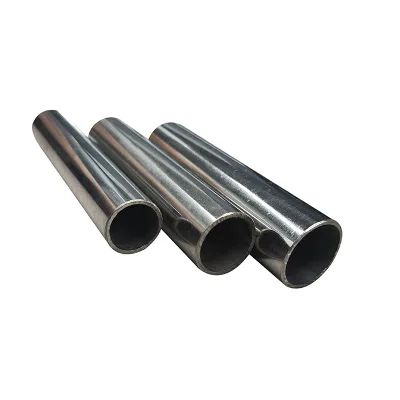
Astm A554 Stainless Steel Tubing Polished 316 Stainless Steel Tubing
$1450.3215 - $1968.2934
MOQ: 1 tons
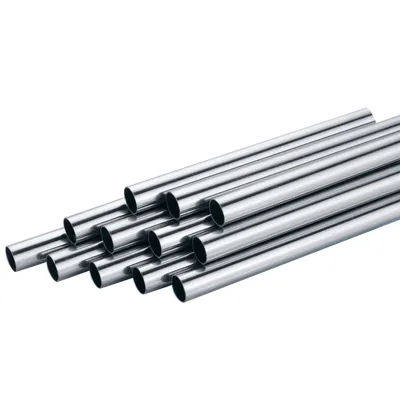
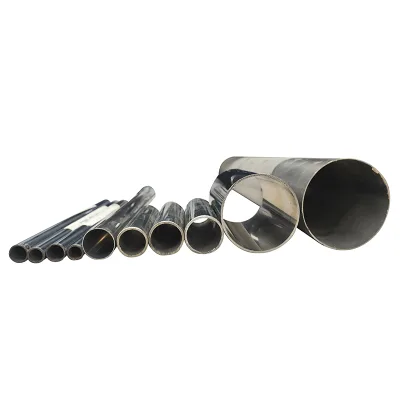
Inox 304 Stainless Steel Pipe Tube 304 304l 316 316l Astm A312 Tp304 Sch40 Seamless Tubing
$0.8185 - $1.2442
MOQ: 1 kilograms
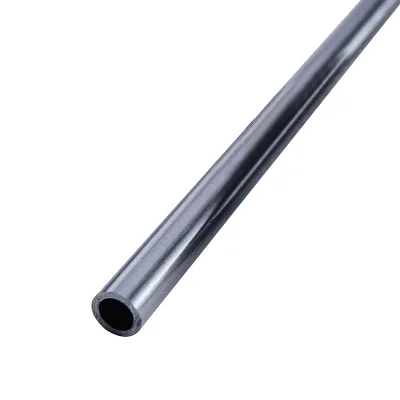
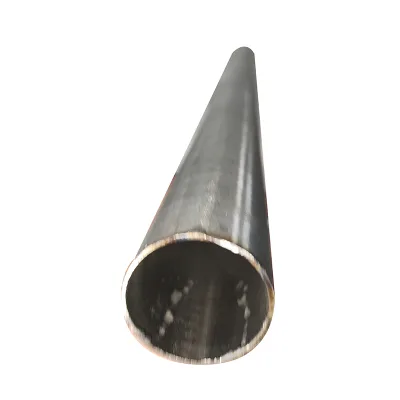
Corrugated Stainless Steel Pipe Seamless 304 Hs Code for Price Per Meter 410 Tubing Tube
$1200.00 - $1800.00
MOQ: 1
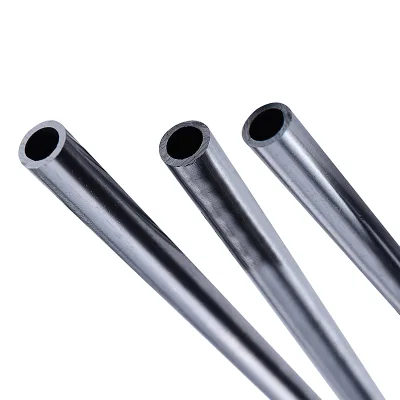
Shandong Haoxuan Materials Co., Ltd.
- Verified by SGS Group
- Trading Company
- Shandong, China
- Lead time15 days
- Avg. response≤ 1h
Main productsStainless Steel Pipe, Carbon Steel Pipe, Stainless Steel Pipe Fittings, Carbon Steel Pipe Fittings, Grooved Pipe Fittings
Main marketsWestern Europe(17%), South America(14%), Africa(13%)
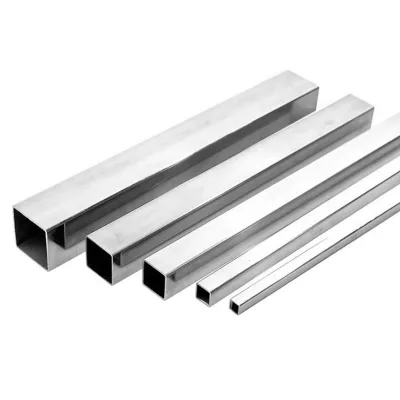
304 316 904L Stainless Steel Square Pipe Surface 2B/BA 200*200mm Stainless Steel Square Tubing
$1024.00 - $1089.00
MOQ: 5

Huzhou Dingshang Stainless Steel Co., Ltd.
- Verified by BV
- Trading Company,Manufacturer/Factory
- China Zhejiang
- Lead time23 days
- Avg. response≤ 15h
Main productsWelded Stainless Steel Tubes, Stainless Steel Pipes/Tubes, Welded Stainless Steel Pipes, Welded Tube, Heat Exchanger Tubes, Steel Pipe/ Tubes, Stainless Steel Pipes, Stainless Steel Tubes, Welded Stainless Steel Tube, Seamless Stainless Steel Pipe
Main marketsSouth America,Eastern Europe,Mid East,North America,Southeast Asia,Eastern Asia,Oceania,Western Europe,Africa
Zhangjiagang Chewit International Co., Ltd.
- Verified by TüVRheinland
- Manufacturer, Trading Company
- Lead time40 days
- Avg. response≤ 3h
Main productsSteel Pipe, Seamless Pipe, Hydraulic Oil Tube, Precision Tube, Stainless Steel Tube
Main marketsMid East(20%), Eastern Asia(20%), Eastern Europe(15%)

Shandong Fenghong New Material Technology Co., Ltd.
- Verified by SGS
- Combined
- China Shandong
- Lead time23 days
- Avg. response≤ 2h
Main productsStainless Steel Plate
Main marketsAfrica,Domestic


Durable High-Temperature Stainless Steel Tubing for Petrochemical Applications
$750.00 - $1600.00
MOQ: 1 Tons


Guangdong Zoyue Technology Co., Ltd.
- Verified by CTI
- Combined
- China Guangdong
- Lead time15 days
- Avg. response≤ 5h
Main marketsSoutheast Asia/ Mideast,Domestic,Australia,North America
Zhangjiagang Channel Int'l Co., Ltd.
- Verified by TüVRheinland
- Trading Company
- Lead time25 days
- Avg. response≤ 3h
Main productsStainless Steel Pipe, Aluminum Pipe, Titanium Pipe
Main marketsEastern Europe(30%), Southeast Asia(10%), Eastern Asia(10%)

- Verified by TUVRHEINLAND
- Manufacturer/Factory
- China Zhejiang
- Lead time23 days
- Avg. response≤ 3h
Main productsStainless Steel Seamless Tube/Pipe, Duplex Stainless Steel Tube/Pipe, Nickel Alloy Tube/Pipe, Stainless Steel Welded Pipe, Stainless Steel U Tube, Stainless Steel Coiled Tube, Stainless Steel Plate, Pipe Fitting, Stainless Steel Bar, Fin Tube
Main marketsSouth America,Eastern Europe,Mid East,North America,Southeast Asia,Eastern Asia,Oceania,Western Europe,Africa


$4500.00 - $5500.00
MOQ: 1 Tons

Jiangsu Kangtao Steel Co., Ltd.
- Verified by Intertek
- Trading Company
- Lead time10 days
Main productsPPGI, Aluminum Tube, Roofing Sheet, Stainless Steel, Carbon Steel
Main marketsSoutheast Asia(30%), North America(20%), Africa(20%)

- Verified by CTI
- Combined
- China Jiangsu
- Lead time45 days
- Avg. response≤ 8h
Main productsElectrical Metal Conduits, Stainless Steel Conduits, Aluminium Conduits, Pipeconduits, Electrical Conduit Fitting, Junction Box, C Channel, Flexible Conduit, Power Bridge System
Main marketsSouth America,Southeast Asia/ Mideast,Domestic,North America
Guangdong Credit Supply Chain Co., Ltd.
- Trading Company
- Guangdong, China
- Lead time0 days
- Avg. response≤ 2h
Main productsSeamless Steel Pipe,Galvanized Steel Pipe,Welded Steel Pipe,Steel Coil,Steel Sheet
Main marketsDomestic Market(10.00%), South Asia(10.00%), Northern Europe(10.00%), Central America(10.00%), Eastern Asia(10.00%), Mid East(10.00%), Africa(10.00%), Southeast Asia(10.00%), South America(10.00%), North America(10.00%)
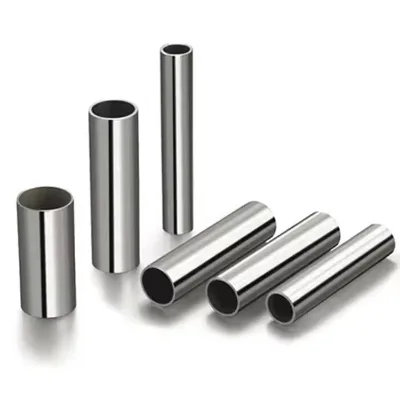
$1.40 - $2.50
MOQ: 1 kilograms
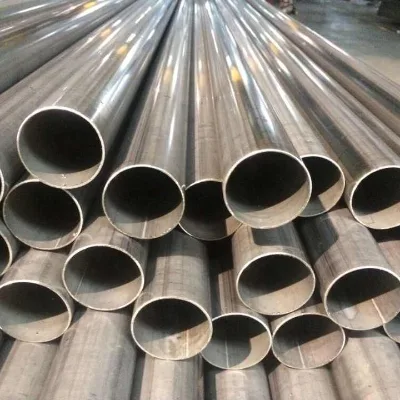
$1.4465 - $2.5813
MOQ: 1 kilograms
Shanxi Midas Industrial Co., Ltd.
- Manufacturer, Trading Company
- Lead time旺季: "1 - 1000":20,"> 1000":"To be negotiated", 淡季: "1 - 1000":20,"> 1000":"To be negotiated"
- Avg. response≤ 6h
Main productsDuctile Iron Pipes & Fittings,Steel Pipes & Fittings,Manhole Covers,Valves,Flanges
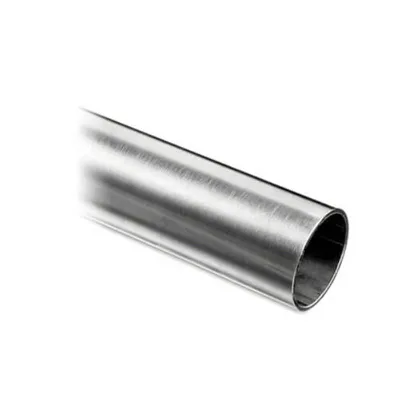
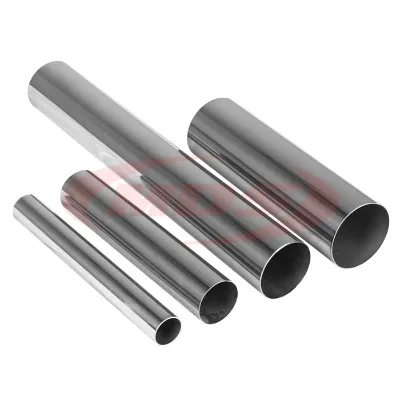
ASTM Seamless 300 Series Antimicrobial Stainless Steel Pipe Tube
$1488.7304 - $1540.0651
Shandong Jiate Steel Co., Ltd.
- Verified by SGS Group
- Trading Company
- Lead time7 days
- Avg. response≤ 5h
Main productsAluminium Product, Copper Product, Color Coated Metal Products
Main marketsSoutheast Asia(30%), Eastern Europe(20%), Mid East(20%)
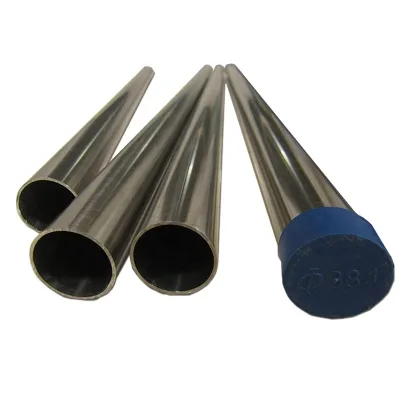
Best Selling TP 304 316l 1.5 Inch 2 Inch 7 Inch Stainless Steel Tubing Price
$2300.00 - $2400.00
MOQ: 1 tonnes
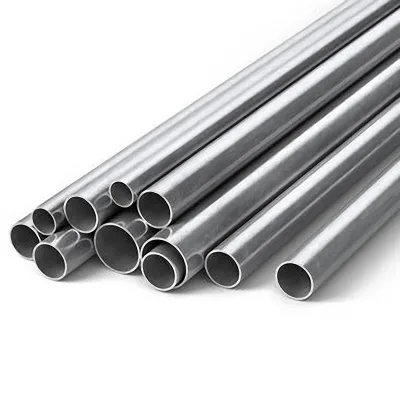
Panic Buying Recommend Stainless Steel Pipe 304 Stainless Steel 301 316 Tube
$2490.00 - $2600.00
MOQ: 1

Huzhou Dapu Advanced Material Technology Co., Ltd
- Verified by BV
- Trading Company,Manufacturer/Factory
- China Zhejiang
- Lead time45 days
- Avg. response≤ 25h
Main productsStainless Steel Tube, Stainless Steel Seamless Tube, Stainless Steel Welded Tube, Nickel Alloy Pipe, Stainless Steel Seamless Pipe, Stainless Steel Welded Pipe, Nickel Ally Bar, Nickel Alloy Sheet, Stainless Steel Plate, Stainless Steel Pipe Fitting
Main marketsSouth America,Eastern Europe,Mid East,North America,Southeast Asia,Eastern Asia,Oceania,Western Europe,Africa

- Verified by SGS
- Trading Company,Manufacturer/Factory
- China Jiangsu
- Lead time23 days
- Avg. response≤ 13h
Main productsStainless Steel Sheet, Steel Plate, Stainless Steel Coil, Stainless Steel Pipe, Steel Pipe, Alloy Steel, Stainless Steel Bar, Steel Strip, Cold Rolled Coil, Seamless Steel Pipe
Main marketsSouth America,Eastern Europe,Mid East,North America,Southeast Asia,Eastern Asia,Oceania,Western Europe,Africa
Jinan Huaping Economic And Trade Co., Ltd.
- Verified by SGS Group
- Trading Company
- Lead time20 days
- Avg. response≤ 2h
Main productsStainless Steel, Carbon Steel, Galvanized Steel, Copper, Aluminum
Main marketsSoutheast Asia(20%), Mid East(20%), South America(10%)
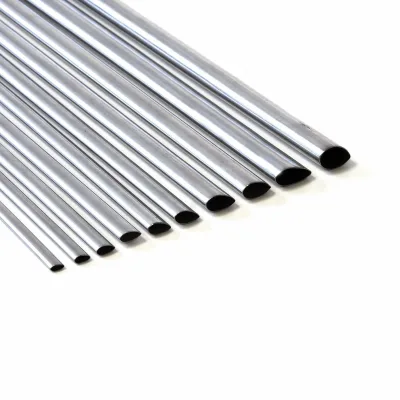
Heavy-Duty 316L Stainless Steel Sanitary Tubing - FDA-Approved for Pharmaceutical & Dairy Industries
$1545.3716 - $1854.4459
MOQ: 3 tons
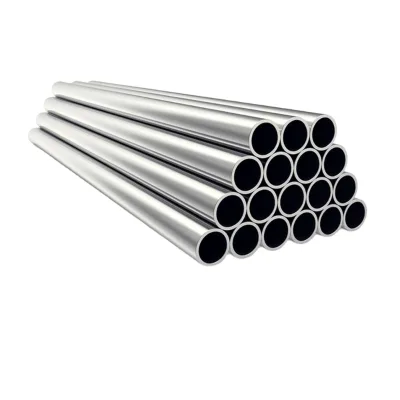
Stylish and Durable 304 Stainless Steel Tubing for Kitchen and Bathroom Fittings
$1500.00 - $1800.00
MOQ: 3 tons
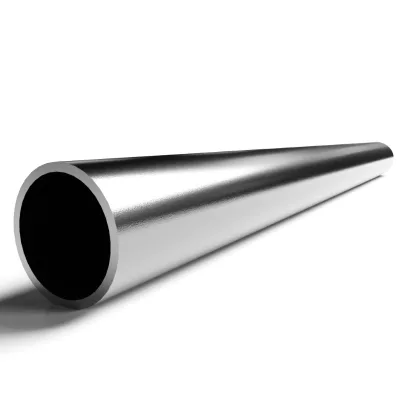
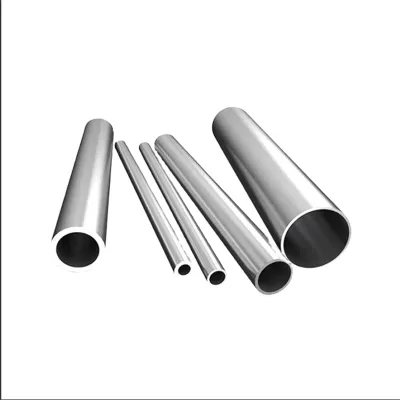
Lightweight and Strong 430 Stainless Steel Tubing for Automotive and Decorative Uses
$1553.9159 - $1864.699
MOQ: 3 tons
Low-Maintenance 316 Stainless Steel Tubing for Outdoor and Exposure to Seawater
$1565.8104 - $1878.9725
MOQ: 3 tons
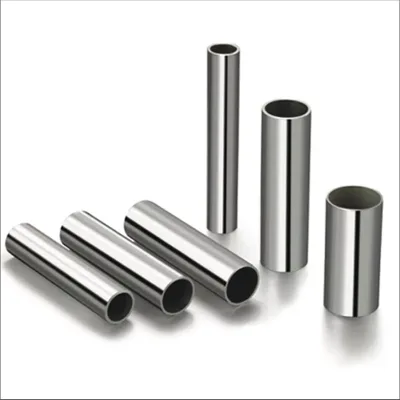
$1500.00 - $1800.00
MOQ: 3 tons

Zhejiang Sailing Steel Industry Co., Ltd.
- Manufacturer/Factory
- China Zhejiang
- Lead time23 days
- Avg. response≤ 1h
Main productsStainless Steel Pipe, Stainless Steel Seamless Pipe, Welded Stainless Steel Pipe, Sanitary Stainless Steel Pipe, Heat Exchanger Tube, Stainless Steel Seamless Tubing, Stainless Steel Tubing, High Purity Clean Pipe, Welded Stainless Steel Tube, Ss Pipe
Main marketsSouth America,Eastern Europe,Mid East,Southeast Asia,Eastern Asia,Western Europe
Shandong Liaocheng Jinzheng Steel Pipe Co., Ltd.
- Verified by SGS Group
- Manufacturer, Trading Company
- Lead time15 days
- Avg. response≤ 2h
Main productsSteel Pipe
Main marketsDomestic Market(80%), Southeast Asia(3%), Africa(3%)
- Verified by TüVRheinland
- Manufacturer, Trading Company
- Lead time15 days
- Avg. response≤ 1h
Main productsInstrument Fittings, Instrument Valves, High Purity Products, Ultra High Pressure Products, Instrument Tools
- Verified by SGS Group
- Trading Company
- Lead time7 days
- Avg. response≤ 3h
Main productsStainless Steel Products, Nickel Products, Aluminum Products, Titanium Products, Steel structure
Main marketsDomestic Market(25%), Mid East(20%), Southeast Asia(15%)
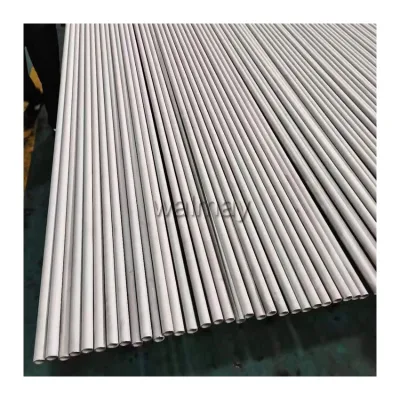
Wholesale Tubo Sin Costura Ss Tube 304L 304 316 Seamless Stainless Steel Pipe Price
$1200.00 - $1800.00
MOQ: 1 tons
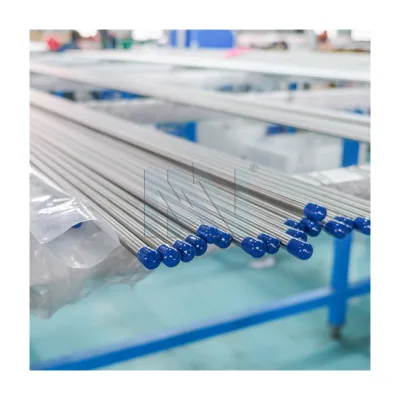
Astm A269 1/4" 3/8" 304 316 Ultra-Clean Ba Stainless Steel Tube for Food and Beverage
$1200.00 - $1800.00
MOQ: 1 tons
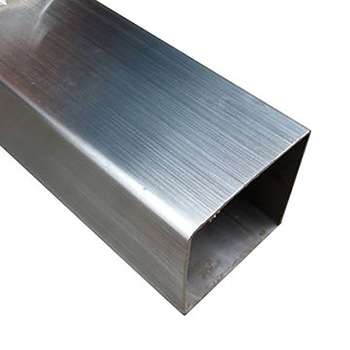

Liaocheng Mingxing Pipe Manufacturing Co., Ltd.
- Verified by BV
- Combined
- China Shandong
- Lead time30 days
- Avg. response≤ 1h
Main productsSteel Pipe, Steel Coil, Steel Sheet, Steel, PPGI, PPGL
Main marketsSouth America,Africa,Southeast Asia/ Mideast,East Asia(Japan/ South Korea),Domestic,Europe,North America


Premium Seamless Austenitic Stainless Steel Tubing for General Service
$1200.00 - $1400.00
MOQ: 5 Tons
Liaocheng Jiaxiang Steel Pipe Co., Ltd.
- Verified by SGS Group
- Trading Company
- Lead time15 days
- Avg. response≤ 1h
Main productsStainless Steel, Galvanized and PPGI Steel, Steel Pipes, Steel Structure, Highway Guardrail
Main marketsEastern Europe(30%), Southeast Asia(20%), South Asia(10%)
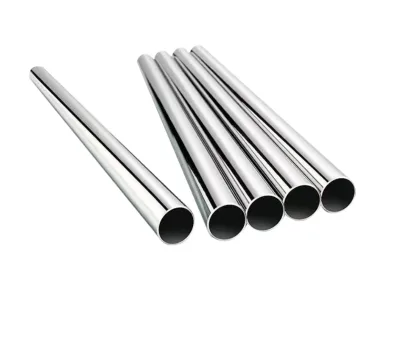
ASTM A213 TP316L High Precision Seamless Stainless Steel Tubing for Chemical Industry
$955.00 - $1215.00
MOQ: 1
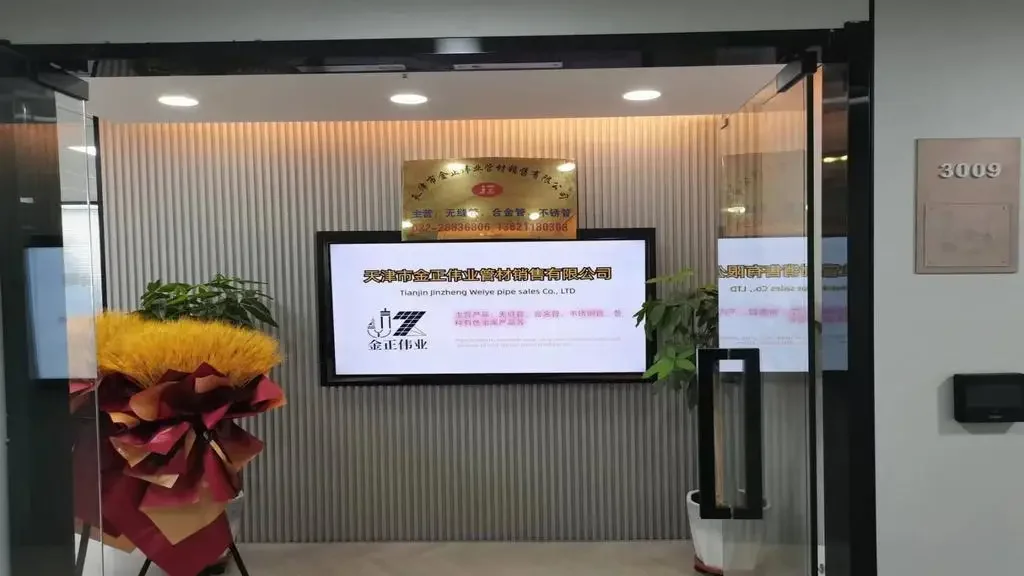
Tianjin Jinzheng Weiye Pipe Sales Co., Ltd.
- Trading Company
- Tianjin, China
- Lead time0 days
- Avg. response≤ 19h
Main productsSeamless Pipe,Stainless Pipe,Carbon Steel Pipe,Prepainted Galvanized Steel Product,Container Houses
Main marketsMid East(50.00%), Southeast Asia(20.00%), North America(20.00%), South America(10.00%)
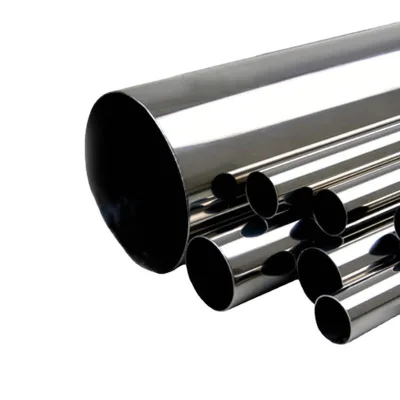
$1656.359 - $2070.4488
MOQ: 24 tons
- Trading Company
- Shandong, China
- Lead time0 days
- Avg. response≤ 2h
Main productsHot Rolled Coil, Seamless Steel Pipe, Steel Rod, Galvanized Coil, Stainless Steel
Main marketsMid East(30.00%), Africa(15.00%), Southeast Asia(15.00%), South America(15.00%), Central America(10.00%), Eastern Europe(10.00%), South Asia(5.00%)
Shandong Chunkang Metal Products Co., Ltd.
- Verified by SGS Group
- Manufacturer, Trading Company
- Lead time3 days
- Avg. response≤ 1h
Main productsStainless Steel, Carbon Steel , Copper and Aluminum, Alloy Steel, Mold Steel
Main marketsSoutheast Asia(30%), South America(20%), Eastern Europe(15%)
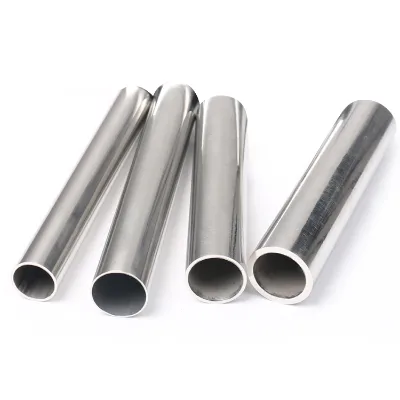
Precision Alloy Tubing ASTM A312 S304 S316 Stainless Steel Tube 304L 316TI 317L 409L Grades Welding
$1650.00 - $1750.00
MOQ: 1 tons
$1650.00 - $1750.00
MOQ: 1 tons






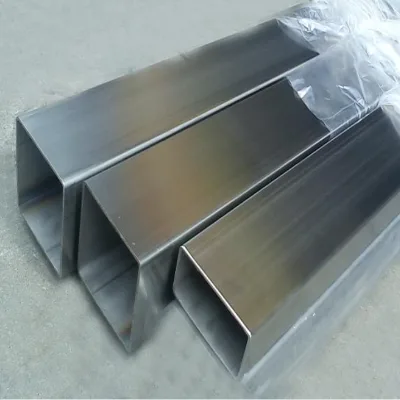
Comprehensive Sourcing Guide
BA 304L Stainless Steel Tubing Supplier Concentration and Factory Types
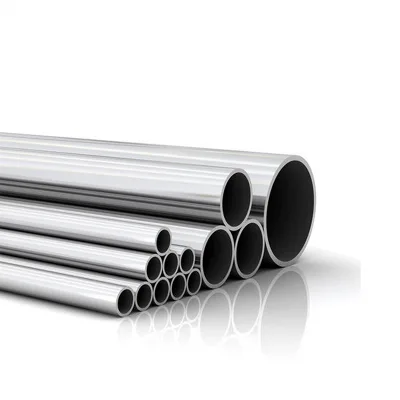
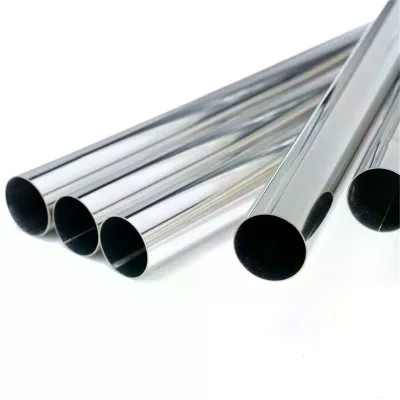
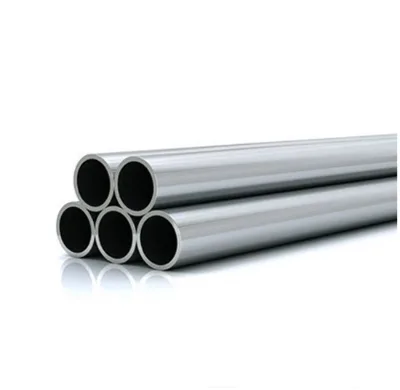
The current supplier landscape for BA 304L Stainless Steel Tubing reveals a distinct geographic concentration in China, with specific operational hubs identified in Jiangsu and Guangdong provinces. Suppliers located in Jiangsu are primarily characterized as combined entities that manufacture a broad range of products, including seamless tubes, cold drawn pipes, and precision pipes. These facilities often hold ISO9001:2015 certification and demonstrate capabilities in OEM customization, suggesting a strong focus on industrial-grade manufacturing rather than purely trading activities. The presence of such combined companies indicates that buyers can find direct factory sources for high-precision tubing, which is critical for applications requiring strict dimensional tolerances and surface finish standards like Ba (Bright Annealed). In contrast, suppliers based in Guangdong, such as those in Foshan, often operate as trading companies. These entities may source from various factories but offer a different value proposition, particularly in specialized surface treatments like titanium plating or color coating. Understanding this distinction between manufacturing-heavy regions and trading-focused hubs is essential for buyers to align their sourcing strategy with their need for direct factory access versus diverse product portfolios.
Factory types vary significantly in their primary product offerings and operational models, which directly impacts the buyer’s ability to source specific grades like 304L. While some suppliers list main products that include stainless steel coils, sheets, and bars alongside tubes, others specialize exclusively in seamless and welded pipes for machinery, chemical, and oil/gas industries. The availability of OEM capabilities among Jiangsu-based suppliers suggests they are equipped to handle custom specifications, which is a key requirement for Ba finish tubing where surface quality is paramount. Conversely, trading companies in Guangdong may offer a wider variety of aesthetic finishes, such as PVD color plating, which might be less relevant for pure industrial Ba tubing but useful for decorative applications. Buyers must carefully evaluate whether a supplier’s core competency aligns with their specific technical requirements. For instance, a supplier focusing on hydraulic and automobile pipes may have more relevant expertise in pressure-rated seamless tubing than one primarily dealing in decorative metal art screens. This differentiation helps buyers filter out suppliers who may not have the necessary production infrastructure for high-quality Ba finish tubing, ensuring that the selected partner has the appropriate factory type to meet their quality and volume needs.
How to Verify BA 304L Stainless Steel Tubing Suppliers
Verifying the authenticity and capability of BA 304L Stainless Steel Tubing suppliers requires a multi-layered approach that goes beyond simple profile reviews. Buyers should prioritize suppliers who display specific system certifications, such as ISO9001:2015, which serves as a baseline indicator of quality management systems. However, certification alone is not sufficient; buyers must also look for product-specific evidence, such as adherence to standards like ASTM A269, A312, or A249, which are critical for stainless steel tubing. The presence of detailed product attributes, including steel grades like 304 and 304L, and delivery conditions like Ba, Ap, or Ep, provides tangible proof of the supplier’s technical knowledge and inventory depth. Additionally, verification should include checking for third-party audit badges, such as SGS Group verification, which adds a layer of trust regarding the supplier’s business legitimacy. Buyers should also examine the supplier’s response time, as faster response rates, such as those under three hours, often correlate with more active and engaged sales teams. This metric can be a proxy for the supplier’s operational efficiency and willingness to support international buyers with timely communication.
Beyond certifications and response metrics, buyers must scrutinize the specific product evidence provided for Ba 304L tubing to ensure it matches their technical requirements. This involves checking for detailed specifications such as section shape, surface treatment, and standard compliance. For example, a supplier listing Ba finish tubing should explicitly mention delivery conditions like Ba or Ep, which are essential for achieving the desired surface quality. Buyers should also verify the supplier’s capacity for customization, as many industrial applications require specific dimensions or tolerances that standard catalogs may not cover. The availability of OEM services is a strong indicator that a supplier can accommodate these custom needs. Furthermore, buyers should look for evidence of secondary processing capabilities, such as electrolytic polishing or mirror surface finishing, which are often required for sanitary or high-purity applications. By cross-referencing these product attributes with the supplier’s stated main products and certifications, buyers can build a comprehensive picture of the supplier’s true capabilities. This thorough verification process helps mitigate the risk of engaging with suppliers who may lack the necessary technical expertise or production infrastructure to deliver high-quality BA 304L Stainless Steel Tubing.
What to Compare Across BA 304L Stainless Steel Tubing Suppliers
When evaluating multiple suppliers for BA 304L Stainless Steel Tubing, buyers must compare key operational metrics to determine the best fit for their specific needs. Lead time is a critical factor, with some suppliers offering a standard lead time of 30 days, which is typical for custom manufacturing. Buyers should also compare minimum order quantities (MOQ), which can vary significantly, ranging from as low as 1 unit for sample processing to 100 units for standard production runs. This variation allows buyers to assess the supplier’s flexibility and suitability for both small-scale prototyping and large-volume orders. Response time is another important metric, with some suppliers responding within 2.80 hours, indicating a high level of customer service engagement. Comparing these response times can help buyers identify suppliers who are likely to provide better support throughout the procurement process. Additionally, buyers should compare the range of main products offered, as suppliers with a broader portfolio may have more robust supply chains and production capabilities. This comparison helps buyers assess the supplier’s overall stability and ability to handle complex orders.
Price and customization options are also crucial dimensions for comparison across suppliers. Price ranges for stainless steel tubing can vary widely, with some suppliers offering prices as low as $3.00 per unit and others charging significantly more for specialized finishes or higher grades. Buyers should compare these prices in the context of the supplier’s MOQ and lead time to determine the true cost of ownership. Customization availability is another key differentiator, with some suppliers offering extensive OEM services and others providing limited options. Buyers should compare the specific customization capabilities, such as the ability to produce specific diameters, wall thicknesses, or surface finishes like Ba or Ep. Additionally, buyers should compare the supplier’s certification portfolio, as some may hold additional standards like TS16949 or specific industry certifications that are relevant to their application. By systematically comparing these operational and commercial metrics, buyers can make informed decisions that balance cost, quality, and service. This structured comparison ensures that buyers select a supplier who not only meets their technical requirements but also aligns with their logistical and financial constraints.
Common BA 304L Stainless Steel Tubing Sourcing Risks
Sourcing BA 304L Stainless Steel Tubing from international suppliers introduces several risks that buyers must actively manage to ensure successful procurement. One significant risk is the potential mismatch between advertised specifications and actual product quality, particularly regarding surface finishes like Ba (Bright Annealed). Buyers may encounter suppliers who claim to offer Ba finish but deliver products with inconsistent surface quality or inadequate annealing, which can compromise the tubing’s corrosion resistance and aesthetic appeal. This risk is heightened when dealing with trading companies that may not have direct control over the manufacturing process. Another risk is the variability in lead times, which can impact project schedules and inventory management. Suppliers may promise a 30-day lead time but fail to meet it due to production bottlenecks or material shortages, leading to delays and additional costs. Buyers must also be cautious of MOQ discrepancies, where suppliers may impose higher minimums than initially quoted, forcing buyers to purchase more inventory than needed.
Quality control and certification authenticity are also major concerns in the sourcing process. Buyers may face risks associated with fake or outdated certifications, such as ISO9001:2015, which may not reflect the supplier’s current operational standards. Additionally, there is a risk of receiving products that do not comply with the specified standards, such as ASTM A269 or A312, which are critical for ensuring the tubing’s performance in specific applications. Buyers must also be aware of the risk of communication barriers, which can lead to misunderstandings regarding technical specifications or delivery terms. This risk is particularly relevant when dealing with suppliers in different time zones or with limited English proficiency. Furthermore, buyers may encounter risks related to payment security, especially if they are not using escrow services or other secure payment methods. By identifying and mitigating these common risks through thorough due diligence and clear communication, buyers can protect their interests and ensure the successful delivery of high-quality BA 304L Stainless Steel Tubing. Proactive risk management is essential for maintaining supply chain integrity and avoiding costly disruptions.
BA 304L Stainless Steel Tubing Regional Sourcing and Logistics
Regional sourcing strategies for BA 304L Stainless Steel Tubing are heavily influenced by the geographic concentration of suppliers in China, particularly in Jiangsu and Guangdong provinces. Jiangsu-based suppliers, often located in industrial hubs, are well-positioned for manufacturing precision tubing and may offer advantages in terms of production capacity and technical expertise. Buyers sourcing from this region should consider the logistical implications of shipping heavy industrial goods, including the need for robust packaging to prevent damage during transit. The presence of combined factories in Jiangsu suggests that buyers may benefit from consolidated shipping options, as these suppliers often handle multiple product types. In contrast, Guangdong-based suppliers, particularly those in Foshan, may offer advantages in terms of specialized surface treatments and aesthetic finishes. Buyers sourcing from this region should be aware of the different logistical requirements for products with delicate surface finishes, which may require additional protective packaging. Understanding these regional differences allows buyers to optimize their sourcing strategy based on their specific product needs and logistical constraints.
Logistics planning must also account for the varying lead times and shipping methods available from different regions. Suppliers in Jiangsu may have established relationships with freight forwarders and may offer more predictable shipping schedules for bulk orders. Buyers should compare the shipping options and costs associated with each region to determine the most cost-effective solution. Additionally, buyers should consider the impact of regional trade policies and tariffs on their total landed cost. For example, changes in import duties or trade agreements between China and the buyer’s country can significantly affect the final price of the tubing. Buyers should also evaluate the supplier’s experience with international logistics, as suppliers with a strong track record in exporting may offer better support in terms of documentation and customs clearance. By carefully planning their logistics strategy and considering the regional advantages of different supplier locations, buyers can minimize shipping costs and ensure timely delivery of their BA 304L Stainless Steel Tubing orders. This strategic approach to logistics helps buyers maintain supply chain efficiency and reduce overall procurement costs.
BA 304L Stainless Steel Tubing Commercial Terms and Order Planning
Commercial terms and order planning are critical components of successful procurement for BA 304L Stainless Steel Tubing, requiring careful attention to pricing structures and payment conditions. Buyers should compare the price ranges offered by different suppliers, which can vary from $3.00 to over $30.00 per unit depending on the grade, finish, and quantity. It is essential to understand what is included in the quoted price, such as packaging, documentation, and any additional processing fees. Buyers should also negotiate clear payment terms, such as using escrow services to secure transactions and protect against non-delivery or quality issues. Order planning must account for the supplier’s MOQ, which can range from 1 unit for samples to
FAQs
What is the typical lead time for ordering stainless steel tubing?
The typical lead time for ordering stainless steel tubing is 30 days based on current supplier data. This duration applies to standard orders from manufacturers in China Jiangsu and Guangdong. Buyers should confirm specific timelines with individual suppliers as production schedules may vary depending on order volume and customization requirements.
What are the minimum order quantities for stainless steel tubes?
Minimum order quantities for stainless steel tubes vary by supplier and product type. Some suppliers require a minimum of 100 units for standard seamless pipes, while others accept orders as low as 3 units for specialized coated tubing. Buyers must verify the specific MOQ with each vendor before placing an order to ensure compliance with their policies.
Which certifications do stainless steel tube suppliers typically hold?
Stainless steel tube suppliers typically hold ISO 9001:2015 certification for quality management systems. Additional certifications may include ISO, AISI, ASTM, GB, EN, DIN, and JIS standards depending on the specific product and manufacturer. Some suppliers also possess SGS verification or IEC 62321 compliance for specific material testing requirements.
What is the price range for 304 stainless steel tubing?
The price range for 304 stainless steel tubing varies significantly based on specifications and supplier. Current data shows prices ranging from 3.00 to 30.00 per unit for standard products. Specialized items like black tubing or high-pressure pipes may cost between 1450.00 and 3898.00 per unit, requiring direct inquiry for accurate pricing.
How quickly do suppliers typically respond to inquiries?
Suppliers typically respond to inquiries within 2.80 to 5.51 hours based on available data. Response times can vary depending on the supplier type, with combined companies and trading companies showing different speeds. Buyers should expect faster responses from suppliers with established response metrics and verify current availability before initiating contact.
What standards are used for manufacturing stainless steel pipes?
Manufacturing standards for stainless steel pipes include ASTM A269, A312, A249, A554, A789, A790, and A268. Additional standards such as GB, API, JIS, and EN may also apply depending on the product application. These standards ensure the pipes meet specific requirements for pressure, temperature, and chemical resistance in various industrial sectors.
What customization options are available for stainless steel tubing?
Customization options for stainless steel tubing include surface treatments like electrolytic polishing, mirror finish, and titanium plating. Suppliers offer various shapes including round, triangular, and special sections. Buyers can request specific grades like 304, 304L, 316, or 316L with customized dimensions and delivery conditions such as Ba, Ap, or Ep finishes.